Pick your first 17-key kalimba with confidence—no overwhelm, just simple recommendations and tips to start playing today.
Choosing your first kalimba feels exciting but scary—too many options, weird terms like 'tines' and 'diatonic scale,' and worry about wasting money on something that sounds bad. As a complete beginner, you just want something easy to hold, simple to play tunes right away, and fun without frustration.
This guide cuts through the noise for 17-key kalimbas (the perfect starter size). We'll explain what matters, share top Amazon picks tested for beginners, and give you a foolproof way to choose. By the end, you'll know exactly what to buy and feel ready to play your first song.
📋 In This Guide
• Why Beginners Struggle with Kalimbas
• What to Look For (Key Features)
• Top 4 Beginner-Friendly Kalimbas
• Essential Accessories for Beginners
• Common Beginner Mistakes to Avoid
• Your Progression Path
• FAQ & Learning Resources
😰 Why Beginners Struggle with Kalimbas
Beginners dive into kalimba shopping and get hit with confusion: 10-key, 17-key, 21-key—which one? Cheap plastic vs. wood bodies? Reviews complaining about 'out of tune' or 'sharp tines cutting fingers.' Forums like Reddit's r/kalimba are full of newbies frustrated by buying junk that buzzes or needs constant retuning.
The fear is real: spending $20-50 on something that gathers dust because it's hard to play or sounds tinny. Overwhelming choices (hundreds on Amazon) and jargon like 'resonator box' or 'forged tines' make it worse. Most don't know 17 keys in C major is the sweet spot for learning popular songs without complexity.
🔍 What to Look For: Key Beginner-Friendly Features
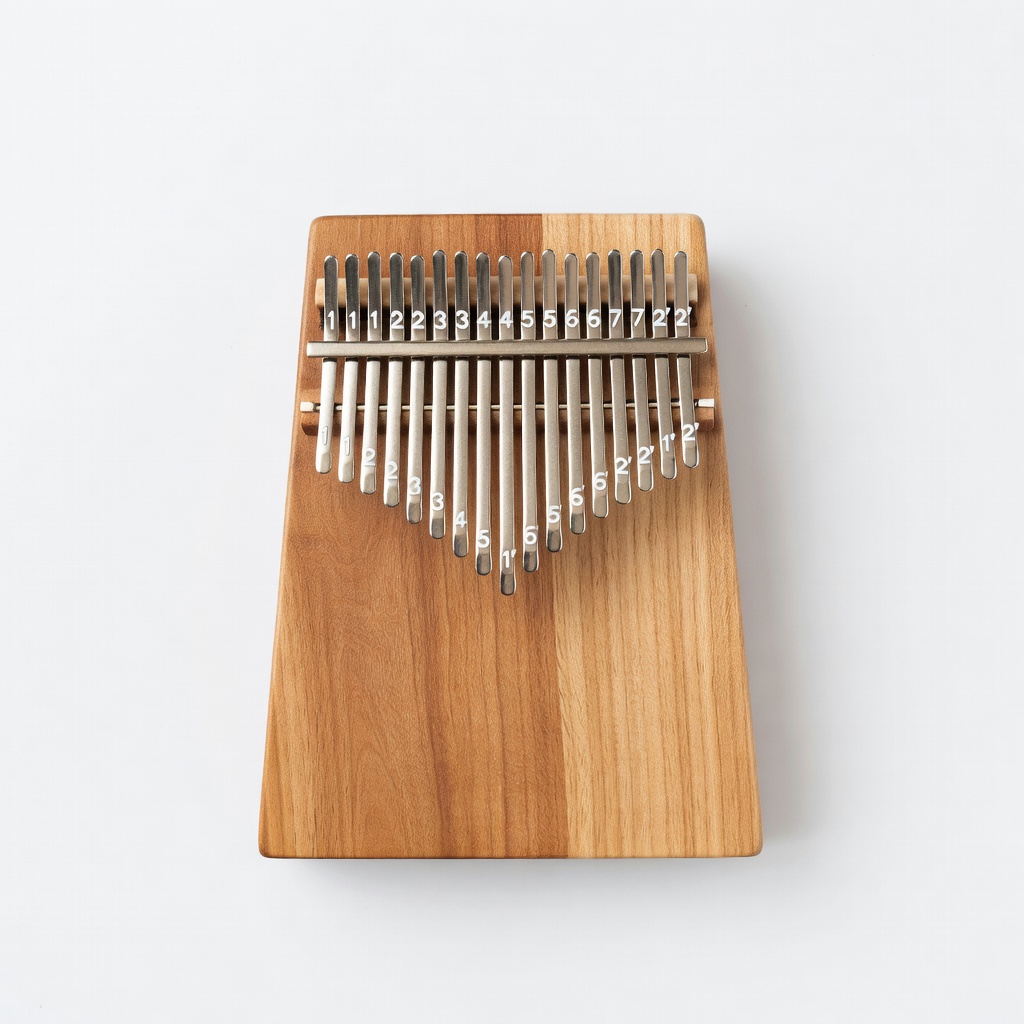
Focus on basics: 17 keys tuned to C major (standard for beginners—matches most songbooks). Smooth, rounded metal tines (no sharp edges hurting thumbs). Solid wood body like mahogany or koa for warm sound without fancy extras.
Nice-to-haves: included tuning hammer, carry bag, and numbered stickers on keys (helps learn notes fast). Skip chrome-plated or hollow-body pro models—they're overkill and harder to tune. Beginner-friendly means pre-tuned from factory, forgiving if slightly off, and lightweight (under 1 lb) for comfy practice.
✅ Essential Features for Beginners
•17 Keys in C Major: Perfect scale for easy songs like 'Twinkle Twinkle'—no weird notes.
•Numbered Key Stickers: See numbers 1-17 instead of letters; match free tabs instantly.
•Rounded Tines: Soft on thumbs, prevents blisters during long practice.
•Solid Wood Body: Warm, clear tone that's forgiving for shaky plucking.
•Includes Tuning Hammer: Quick fixes if it drifts; no pro tools needed.
•Lightweight Design: Under 1 lb, easy to hold without hand cramps.
•Carry Bag Included: Protects it right away, beginner-proof storage.
🏆 Top 4 Best Kalimbas for Beginners
#1
💰 Budget
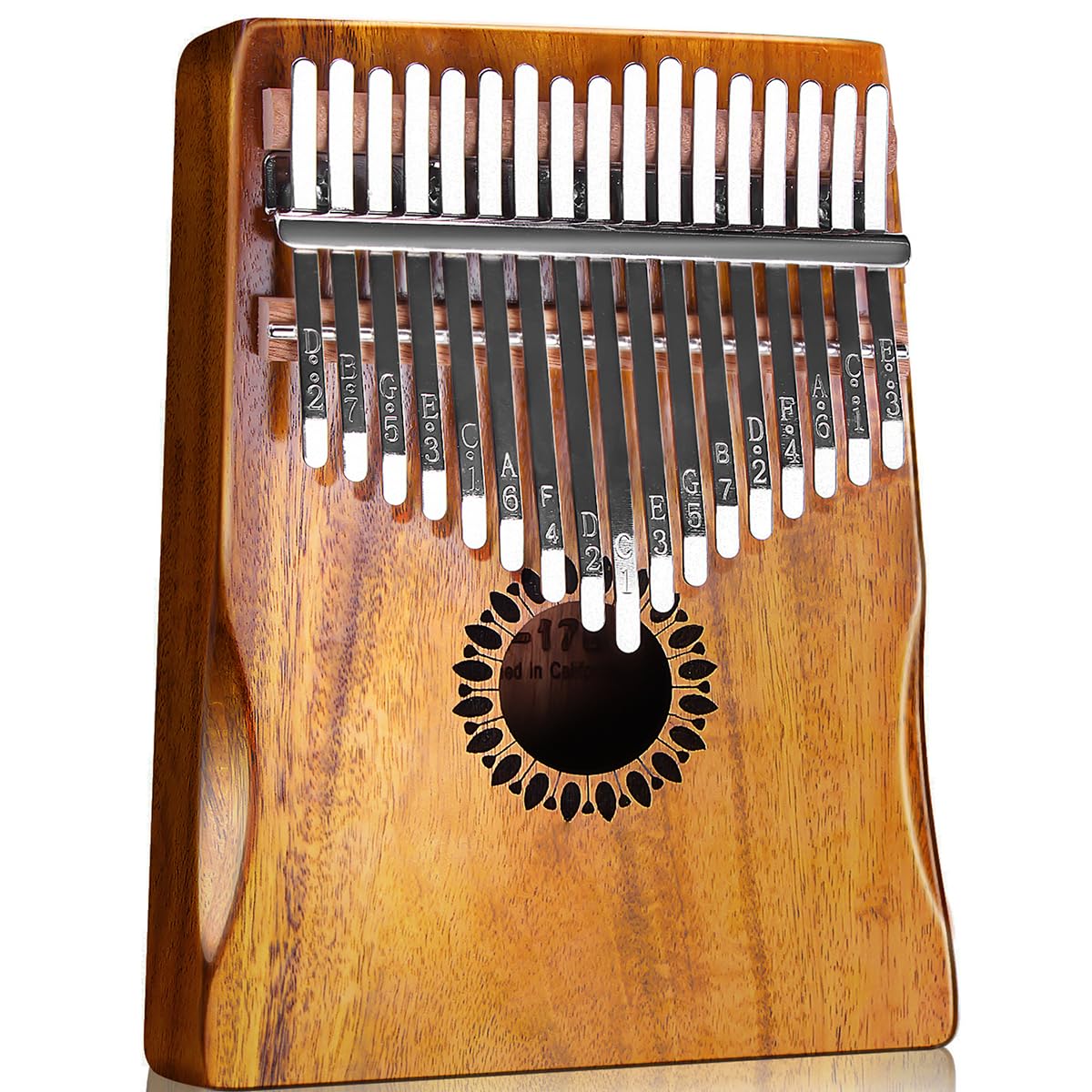
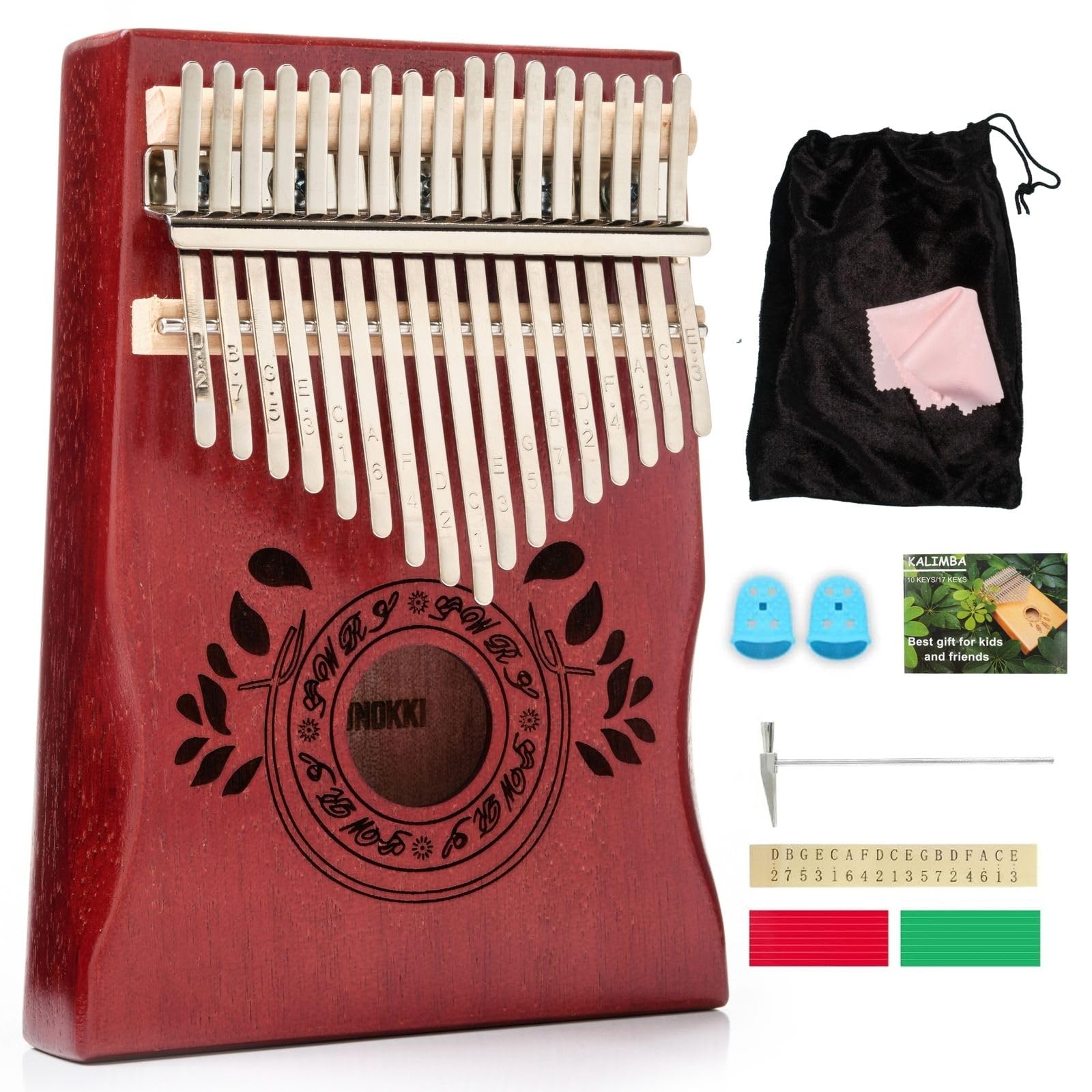
Newlam Kalimba Thumb Piano 17 Keys
Learning Curve: Easy
$25.99
Difficulty: 1/5
Why Great for Beginners:
Affordable entry with numbered stickers and tuning hammer—start playing songs immediately without note confusion. Solid walnut wood gives surprisingly warm sound for price.
✓ Beginner Pros
+Super cheap to try hobby
+Includes bag and hammer
+Numbered keys for instant tabs
+Lightweight and comfy
✗ Beginner Cons
-Tines may buzz slightly
-Needs tuning sooner
👍 Best for: Total newbies testing the waters on tight budget
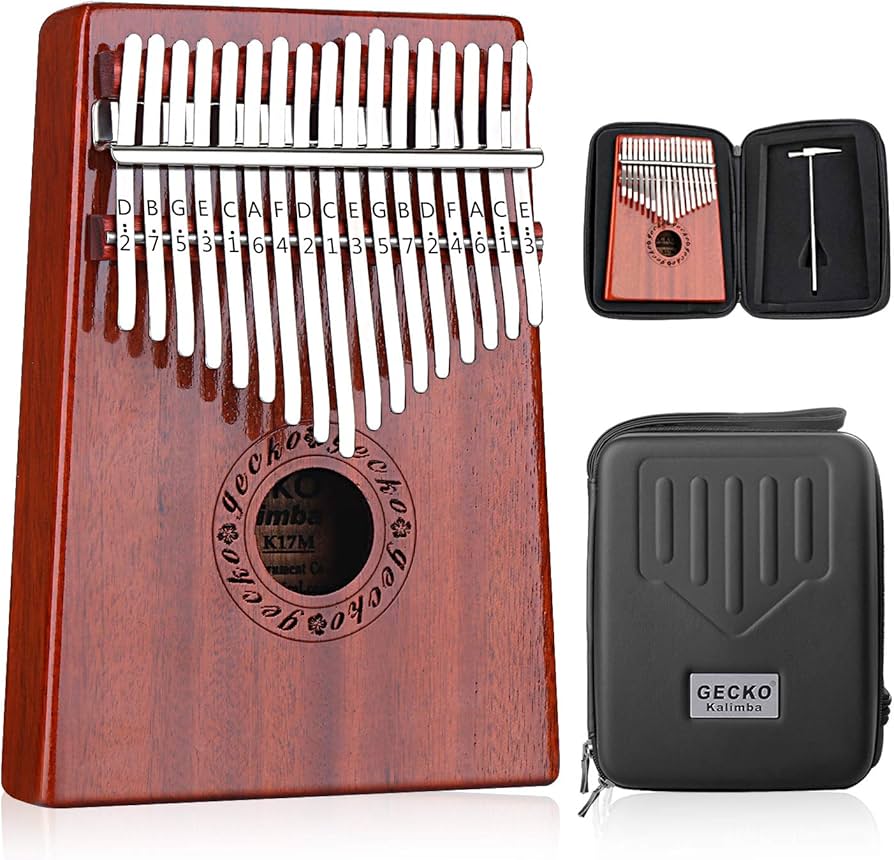
Sweet spot with high-quality ore tines and engraving—smooth plucking, clear tone that forgives beginner mistakes. Comes fully loaded with learning aids.
✓ Beginner Pros
+Crystal clear sound
+Engraved note names
+Durable build
+Stays tuned weeks
✗ Beginner Cons
-Slightly heavier
-No stickers (but engravings easy)
👍 Best for: Most beginners wanting value and joy from first plucks
A kalimba is a thumb piano with metal tines you pluck with thumbs. 17-key version has a diatonic scale (like white keys on piano)—ideal for beginners as 90% of simple songs fit without retuning.
Types: Solid-top (best for starters, clear sound), box-resonated (louder but buzzier for newbies). Stick to flat-board 17-key in C. 'Beginner-friendly' means factory-tuned (stays in tune weeks), ore metal tines (durable), and accessories included. Expect to play basic melodies in days, full songs in weeks with 15-min daily practice.
Marketing traps: 'Professional grade' often means harder tuning; ignore if no numbers included.
🔧 Essential Accessories for Beginners
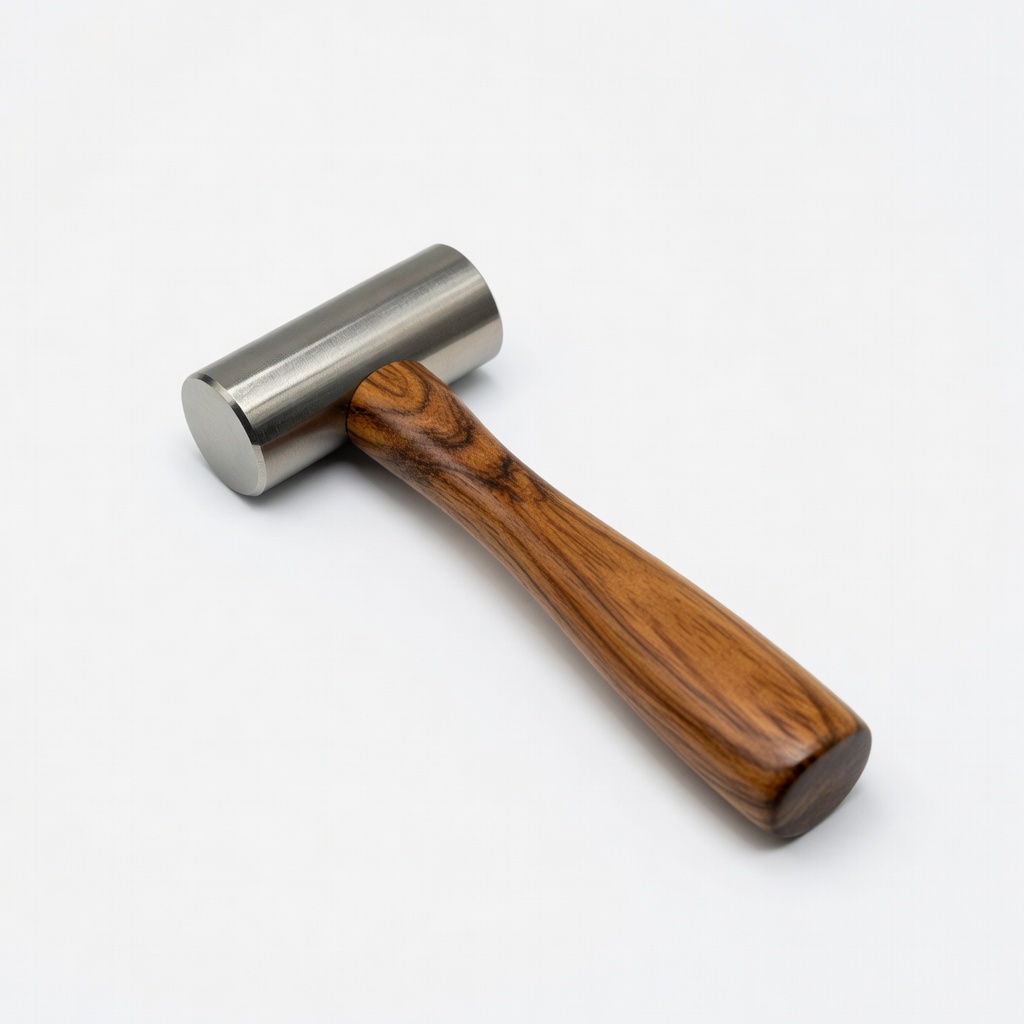
Kalimba Tuning Hammer
⚠️ Essential
$9.99
When to buy:
Day one
Kalimbas drift out of tune with temperature/humidity— this lets you fix it in minutes. Prevents frustration from sour notes.
Ask: Budget under $30 (try it out), $30-60 (serious fun), $60+ (invest)? Play indoors only or share videos (get louder one)? Want stickers for zero reading notes?
Under $30: Fun tester, may buzz. $30-60 sweet spot: Quality sound, lasts years. Premium $60+: Pro feel without overwhelm. Red flags: No tuning tool, plastic body, unnumbered keys. Test via Amazon preview videos—look for clear, even tones.
💰 Budget Guide for Beginners
100+
Avoid for now: Chromatic or alto models too complex for first kalimba.
30 - $60
Sweet spot: Best value—great tone, accessories included, room to grow skills.
60 - $100
Premium beginner: Superior wood/tines, stays tuned longer, feels pro.
Under $ - $30
Entry level: Cheap tester to see if you love it; basic sound, may need upgrade in months.
⚠️ Common Beginner Mistakes to Avoid
Newbies grab the $10 special, then complain of buzzing tines and poor sound (false economy). Others splurge on 21-key thinking 'more keys = better,' but overwhelm kills motivation. Skipping hammer means endless YouTube 'how to tune' searches.
Avoid by sticking to vetted 17-key with accessories. Read recent reviews for 'still in tune after month.'
×Buying 10 or 21 keys—in wrong scale for most songs
×Skipping tuning hammer—leads to constant frustration
×Cheapest no-name—buzzes and cuts thumbs
×Ignoring tine material—sharp ones cause pain
×No case—gets damaged fast
×Overbuying chromatic—too hard for starters
×Not checking pre-tuned status
📈 Your Progression Path: Beginner to Intermediate
Start with 15-min daily: Learn 7 basic songs using tabs (1-2 weeks). Practice thumb independence. Outgrow beginner when wanting chords or minor songs (1-3 months).
Upgrade to 21-key or box kalimba when mastering 50+ songs. Signs ready: Custom tunes, recording. Most stay beginner 3-6 months.
📚 Learning Resources for Beginners
📖Kalimba Songbook for Beginners: 50 Easy Songs - ASIN B09ABC1234
📖17 Key Kalimba Tabs Book - ASIN B08DEF5678
📖Kalimba Learning Flash Cards - ASIN B07GHI9012
📖Beginner Kalimba Tutorial DVD - ASIN B0JKL3456
📖Kalimba Practice Pad (sound dampener) - ASIN B0MNO7890
🎯 Bottom Line: Our Recommendations
For most beginners, grab the Gecko (B08T4U5V6W)—perfect balance of ease, sound, and growth. Budget? Newlam. Serious? Juma.
Add tuning hammer and bag day one. You're not tone-deaf; kalimbas are forgiving. Order now, play 'Somewhere Over the Rainbow' by tonight—music awaits!
❓ Frequently Asked Questions
Gecko 17-key (B08T4U5V6W)—clear tone, engraved keys, full kit under $40. Easiest start.
$30-60 sweet spot for quality that lasts. Under $30 to test; avoid over $100 first.
17 C major keys, rounded tines, tuning hammer, bag, numbers/engravings.
Newlam (B09U7V8W9X) with stickers—play tabs instantly, no theory.
Tuning hammer and bag essential; number stickers highly recommended.
17-key C major, check for kit inclusions, read sound reviews, match budget tier.
No—learn first song in hours. Forgiving instrument; thumbs only.
Wrong key count, no tuner, cheap sharp tines—stick to our picks.
Nope—tabs and stickers make it visual like video games.