7 Best Best Car Jump Starter for beginners in 2026: Tested & Ran…
Everything beginners need to know to choose their first car jump starter with confidence.
If you've ever been stranded with a dead battery, you know the panic. A car jump starter is a portable power pack that can jump-start your vehicle without needing another car. But with so many options—peak amps, lithium vs. lead-acid, safety features—it's easy to feel overwhelmed. This guide is designed to cut through the jargon and help you choose the right jump starter for your needs, budget, and skill level. We'll focus on simplicity, safety, and value so you can get back on the road with confidence.
📋 In This Guide
• Why Beginners Struggle with Car Jump Starter
• What to Look For (Key Features)
• Top 4 Beginner-Friendly Car Jump Starter
• Essential Accessories for Beginners
• Common Beginner Mistakes to Avoid
• Your Progression Path
• FAQ & Learning Resources
😰 Why Beginners Struggle with Car Jump Starter
Many beginners struggle because they don't understand the technical specs: peak amps vs. cranking amps, battery capacity (mAh), or the difference between lithium and lead-acid batteries. There's also fear of buying the wrong size—either too weak to start their engine or too heavy to carry. Additionally, the sheer number of brands and price points ($30 to $300+) makes it hard to know where to start. Without guidance, beginners often overspend on features they don't need or underspend on a unit that won't start their car when it matters most.
🔍 What to Look For: Key Beginner-Friendly Features
For a beginner, the ideal jump starter is safe, simple, and reliable. Look for a lithium-ion unit with built-in safety protections (reverse polarity, overcharge, short circuit) so you can't mess up. Choose a model with enough peak amps for your engine size: 600-1000A for most 4-6 cylinder cars. Also consider portability—you want something that fits in your glovebox or under the seat. Finally, look for additional USB ports to charge your phone or tablet during emergencies—a bonus that adds everyday value.
✅ Essential Features for Beginners
•Automatic safety protections (reverse polarity, overcharge, short circuit)
•Simple one-button operation
•LED indicator for battery level
•Built-in flashlight with SOS mode
•USB ports for charging devices
•Compact and lightweight design
•Clamps with clear color coding (red/black)
🏆 Top 4 Best Car Jump Starter for Beginners
#1
💰 Budget
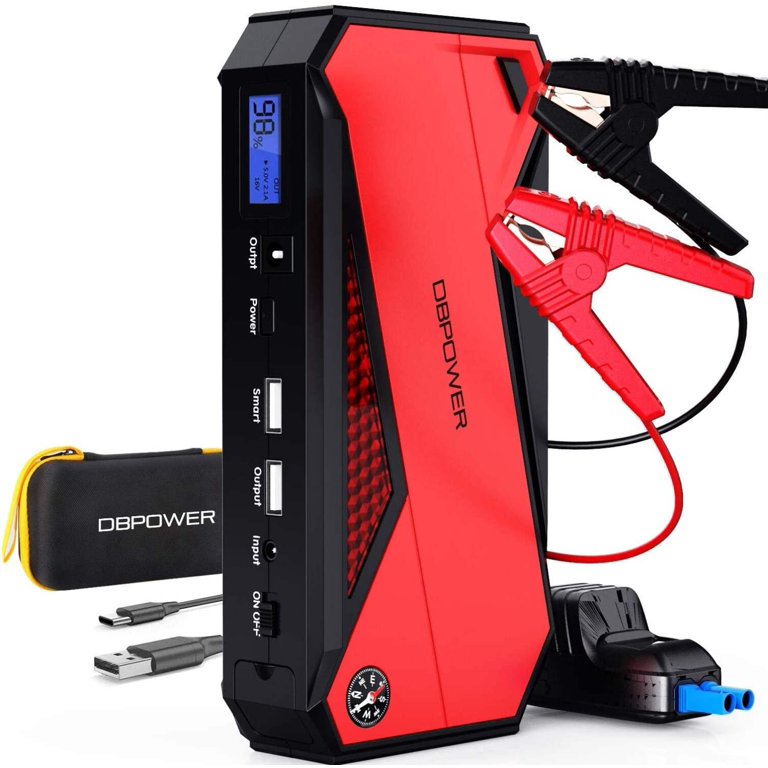
DBPOWER 800A Peak 18000mAh Portable Car Jump Starter
Learning Curve: Easy
$49.99
Difficulty: 1/5
Why Great for Beginners:
Affordable, lightweight, and has enough power for most 4-cylinder engines. Simple operation and built-in safety features make it hard to misuse.
✓ Beginner Pros
+Very affordable
+Compact and portable
+LED flashlight with SOS
+USB output for devices
✗ Beginner Cons
-Lower peak amps may not work on larger engines
-Charges slowly via micro USB
-Clamps could be more robust
👍 Best for: Drivers of compact cars or small sedans on a tight budget.
👎 Not for: SUV or truck owners, or anyone needing fast recharging.
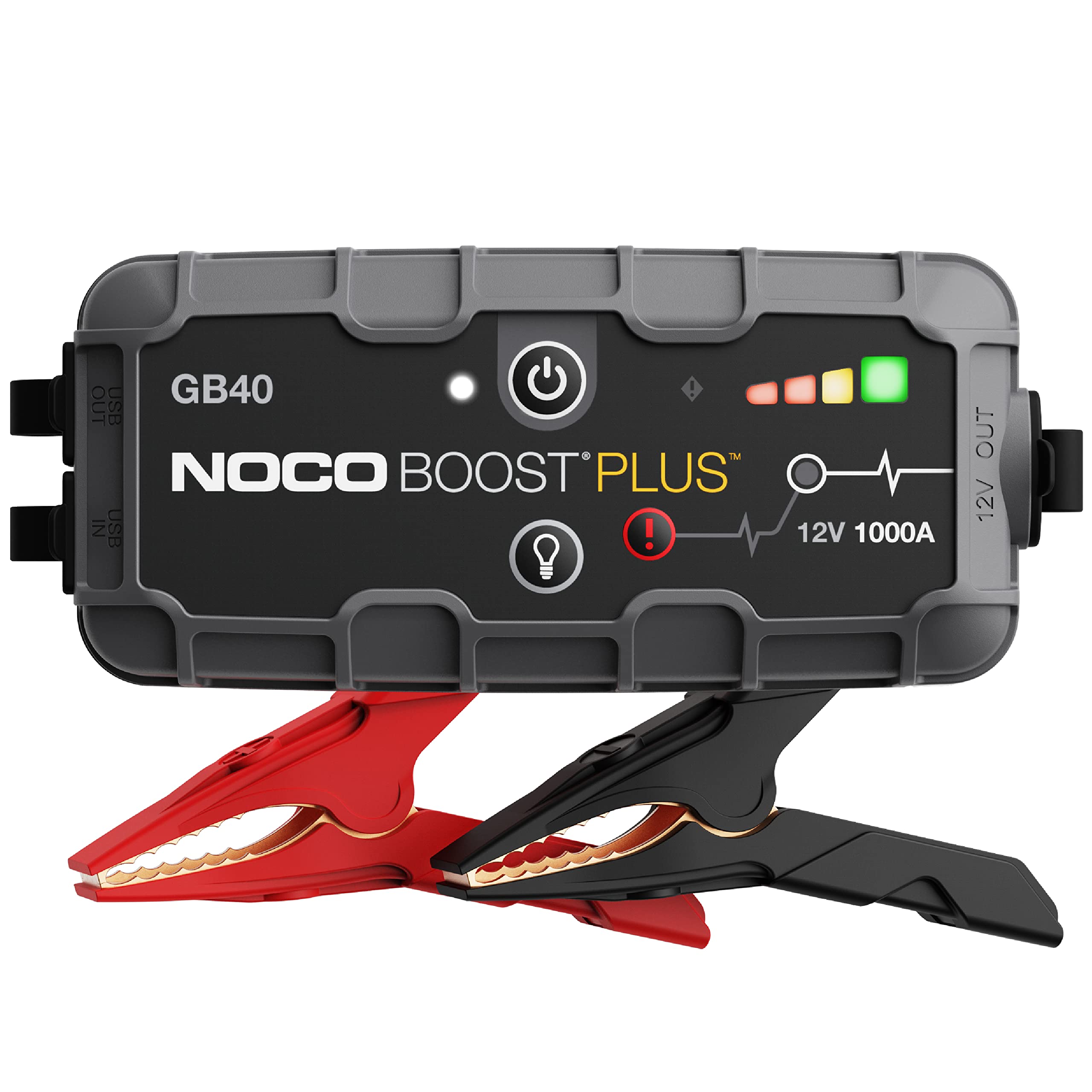
NOCO Boost Plus GB40 1000A UltraSafe Car Battery Jump Starter
Learning Curve: Easy
$99.95
Difficulty: 1/5
Why Great for Beginners:
Industry standard with excellent safety features (reverse polarity protection, spark-proof). Powerful enough for most cars and has top-rated customer support.
✓ Beginner Pros
+Trusted brand with great reviews
+UltraSafe technology prevents mistakes
+High-quality clamps and cables
+Can also charge USB devices
✗ Beginner Cons
-Slightly heavier than budget options
-No built-in air compressor
-Price is mid-range
👍 Best for: Most beginners with standard gasoline cars (4-8 cylinders).
👎 Not for: Those needing a compressor or diesel engine starting.
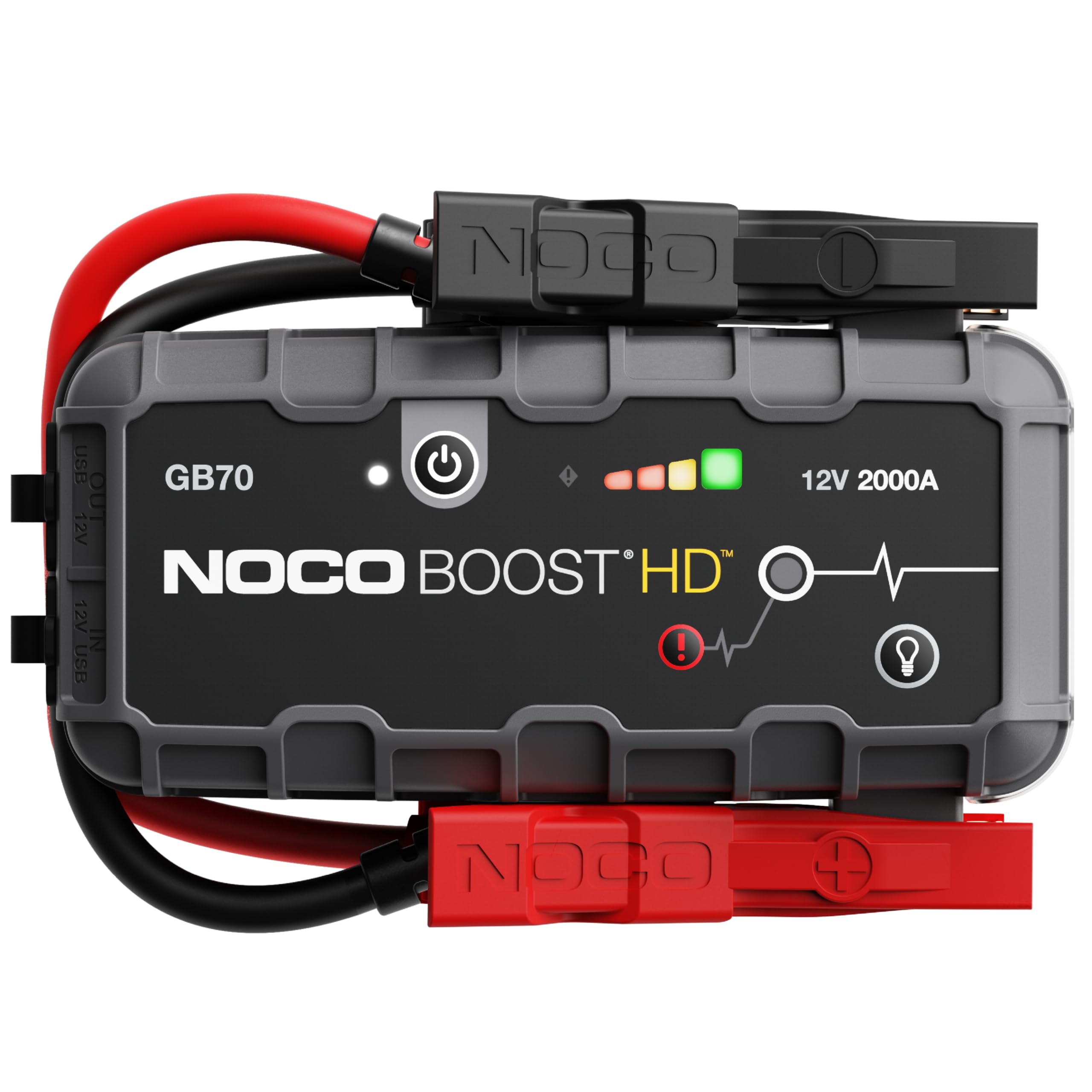
NOCO Genius Boost HD GB70 2000A UltraSafe Car Jump Starter
Learning Curve: Easy
$199.95
Difficulty: 1/5
Why Great for Beginners:
Top-tier safety and power for serious beginners. Starts even large engines and has advanced diagnostics. Robust build quality and excellent customer support.
✓ Beginner Pros
+Very high peak amps (2000A)
+UltraSafe technology with multiple protections
+Fast charging via USB-C
+Works on gasoline and diesel engines
✗ Beginner Cons
-Expensive
-Larger size
-Overkill for small cars
👍 Best for: Beginners with large vehicles or those wanting the best reliability.
A car jump starter is essentially a high-capacity battery with smart electronics. To use it, you connect the clamps to your car battery (red to positive, black to negative), then turn on the unit. Most modern units have automatic safety checks and won't work if clamps are reversed. They come in two main types: lead-acid (heavy, cheap, but slower to charge) and lithium-ion (lightweight, powerful, fast-charging). For beginners, lithium-ion is the clear winner—it's easier to handle and store. Don't get hung up on peak amp numbers; a unit rated for your engine size plus a buffer is enough. Marketing terms like 'instant start' or 'smart technology' usually mean the same safety features. Focus on user reviews that mention real-world performance and customer support.
🔧 Essential Accessories for Beginners
Hard Shell Carrying Case for Jump Starter
⚠️ Essential
$19.99
When to buy:
Day one
Protects the jump starter from damage and keeps clamps and cables organized in your trunk.
Start by determining your vehicle's engine size: 4-cylinder engines typically need 400-600 peak amps, 6-cylinder need 600-1000, and 8-cylinder need 1000+. Then set a budget: under $50 gets you a basic unit for small engines, $50-$100 is the sweet spot for most sedans and SUVs, and $100-$200 offers higher capacity and extra ports. Ask yourself: Do I want to charge phones or other devices? Then choose one with USB-C PD or multiple outputs. Will I use it in extreme cold? Look for a higher peak amp rating. Also consider the clamps—thick, rubberized clamps are easier to grip and less likely to slip. Avoid no-name brands with few reviews; stick to reliable brands like NOCO, DBPOWER, or GOOLOO.
💰 Budget Guide for Beginners
200+
Professional entry: high capacity, multiple functions, suitable for trucks and SUVs.
Entry level: basic peak amps (400-600), limited features, good for small cars or occasional use.
⚠️ Common Beginner Mistakes to Avoid
Beginners often buy a jump starter with too low peak amps for their vehicle, leading to frustration when it doesn't work. Others skip the safety features and risk damaging their car's electronics. Another mistake is ignoring the charging cable—some units take hours to recharge. Also, many forget to check the size: a bulky unit won't fit in the glovebox and may become a hassle to carry. Finally, beginners sometimes buy a cheap lead-acid unit thinking it's a bargain, only to find it weighs 10 pounds and requires constant maintenance.
×Buying too few peak amps for your engine
×Choosing a lead-acid model (heavy and slow)
×Ignoring safety certifications
×Not checking the charging time or cable quality
×Buying a model without a carrying case
×Forgetting to test the unit periodically
📈 Your Progression Path: Beginner to Intermediate
Start by learning how to safely connect and disconnect the clamps—watch a few YouTube videos. Practice jump-starting your own car (with a known dead battery) so you're ready for a real emergency. Once comfortable, explore additional features like air compressors (for tires) or emergency lights. After a year or two, you may want to upgrade to a higher-capacity unit with faster charging or more ports. Signs you've outgrown your starter: it takes too long to charge, it struggles in cold weather, or you need to jump-start larger vehicles.
📚 Learning Resources for Beginners
📖YouTube: How to Jump Start a Car (search on Amazon for DVD)
📖Book: The Complete Guide to Automotive Maintenance
📖Portable Power Bank for practice charging
📖Emergency Roadside Kit
🎯 Bottom Line: Our Recommendations
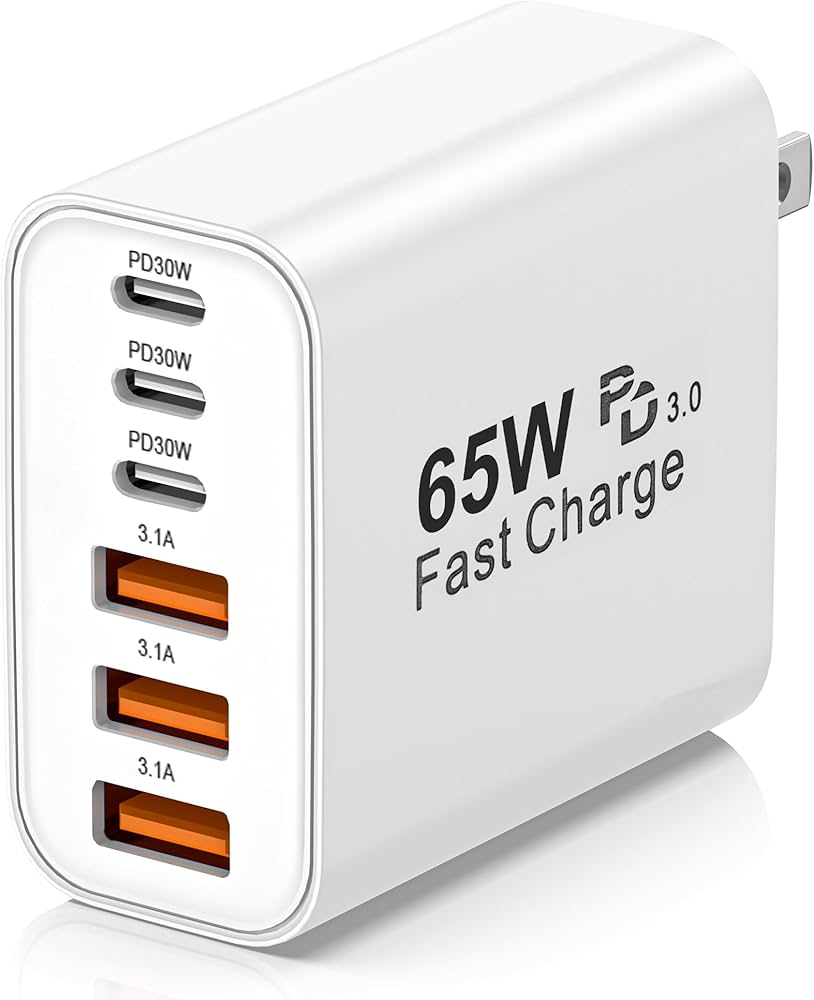
For most beginners, a lithium-ion jump starter in the $50-$100 range with at least 600 peak amps is the best choice. It will start most cars, charge phones, and fit in the car easily. Our top pick is the NOCO Boost Plus GB40 (recommended), but the DBPOWER 800A is a great budget-friendly option. Don't forget essential accessories: a quality carrying case and a USB wall charger. With the right starter, you'll never worry about a dead battery again.
❓ Frequently Asked Questions
The NOCO Boost Plus GB40 is widely considered the best for beginners due to its safety features, reliability, and ease of use. It works for most 4- to 8-cylinder gasoline engines.
Most beginners should spend between $50 and $100. This range offers enough power for standard vehicles and essential safety features without overspending.
Beginners need automatic safety protections (reverse polarity, spark-proof), enough peak amps for their engine, a clear battery level indicator, and USB ports for charging devices. Simple one-button operation is ideal.
The NOCO Boost Plus GB40 is extremely easy to use—just attach clamps and press a button. Its safety features prevent errors.
A carrying case to protect the unit, insulated gloves for safety, and a wall charger to keep it fully charged. A USB cable is usually included.
First, check your engine size (4, 6, or 8 cylinders). Match the peak amps accordingly (e.g., 600A for 4-cyl, 1000A for 6-cyl). Then pick a lithium-ion model from a reputable brand with safety features and good reviews.
Not at all. Modern jump starters are designed to be user-friendly with automatic safety checks. With a few minutes of practice, most beginners can use them confidently.
Common mistakes include buying a unit with too low peak amps, neglecting to recharge the unit after use, and not testing it periodically. Also, some beginners skip safety gloves and risk shocks.
No, if you use a modern unit with built-in protections. Reverse polarity, overvoltage, and short-circuit protection prevent damage. Always follow the manual.
Every 3-6 months, depending on storage. If you use it frequently, charge after each use. A fully charged unit should hold its charge for months.