Choose your first jump rope easily – top picks, features, and tips to skip confidently without frustration.
Picking your first jump rope can feel scary – endless options, confusing terms like 'speed rope' or 'ball bearings,' and worry about tripping over it right away. Beginners often fear wasting money on something too fast or too flimsy. This guide cuts through the noise.
We'll explain why jump roping is an amazing cardio workout that's portable, cheap, and burns 10-15 calories per minute. You'll learn simple features that matter, get hand-picked Amazon recommendations, and avoid pitfalls. By the end, you'll buy with confidence and start jumping tomorrow.
📋 In This Guide
• Why Beginners Struggle with Jump Rope
• What to Look For (Key Features)
• Top 4 Beginner-Friendly Jump Rope
• Essential Accessories for Beginners
• Common Beginner Mistakes to Avoid
• Your Progression Path
• FAQ & Learning Resources
😰 Why Beginners Struggle with Jump Rope
Beginners struggle because jump ropes look simple but come in confusing varieties: thin wires that whip your shins, heavy weighted ones for pros, or cheap plastic that tangles. Forums like Reddit's r/jumprope are full of 'I bought the wrong one and quit after day 1' stories.
Sizing terrifies newcomers – too long drags, too short hits your head. Jargon like 'cable coating' or 'bearing system' overwhelms, and Amazon reviews mix beginner trips with pro double-unders. Fear of injury or embarrassment stops many from starting.
Over 70% of beginner reviews mention frustration with speed or grip, per Amazon Q&A.
🔍 What to Look For: Key Beginner-Friendly Features
Focus on ropes that forgive mistakes: adjustable length so it fits your height perfectly (measure from ground to shoulders when arms extended). Look for PVC-coated cable – it's smooth, doesn't tangle like basic plastic, and spins easy without stinging.
Grip handles are key – foam or textured plastic prevents slips when sweaty. Ball bearings (tiny wheels inside handles) make rotation buttery smooth, reducing trips. Skip fancy lights or counters at first; you need basics that tolerate clumsy jumps.
Beginner-friendly means lightweight (under 4oz), tangle-resistant, and under $30. These let you focus on rhythm, not fighting the rope.
✅ Essential Features for Beginners
•Adjustable length: Fits your height to avoid dragging or head-whacks
•PVC-coated steel cable: Smooth spin, no tangles, gentle on skin if you miss
•Foam or knurled handles: Secure grip even when hands sweat
•Ball bearing system: Effortless rotation for consistent jumps
•Lightweight design: Easy to control without arm fatigue
•Tangle-free swivel: Prevents knots during learning
•Quick length adjust: No tools needed, change in seconds
🏆 Top 4 Best Jump Rope for Beginners
#1
💰 Budget
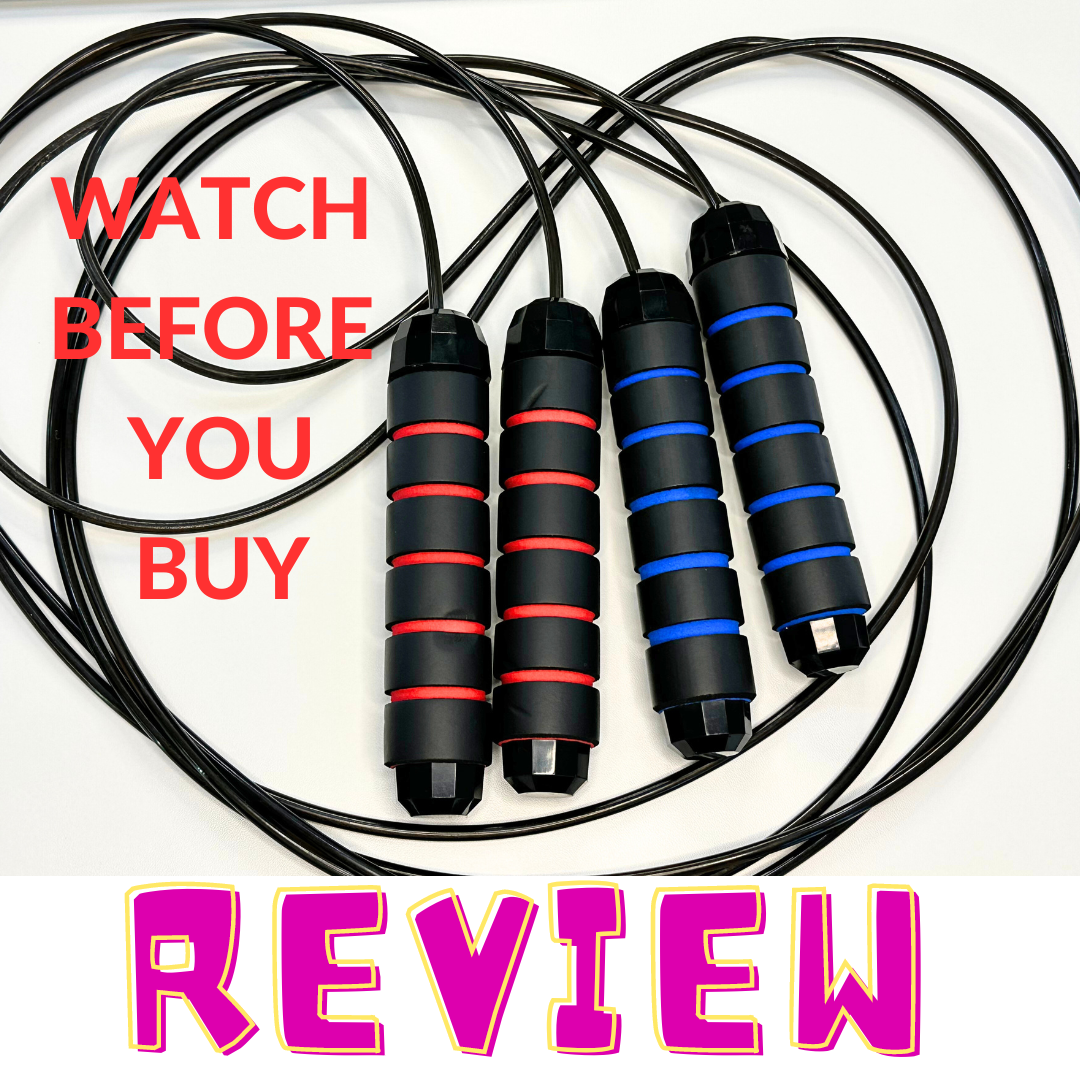
DEGOL Speed Jump Rope Adjustable Cardio Training with Counter
Learning Curve: Easy
$12.99
Difficulty: 1/5
Why Great for Beginners:
Perfect entry with adjustable length and soft PVC cable that won't hurt if you miss. Includes counter to track progress without phone. Super light and tangle-free for frustration-free starts.
✓ Beginner Pros
+Super adjustable for any height
+Counter builds motivation
+Cheap but durable
+Smooth spin tolerates slow jumps
✗ Beginner Cons
-Basic handles may slip if very sweaty
-Counter battery needed
👍 Best for: Total newbies testing the waters on tight budget
👎 Not for: Outdoor heavy use or pros wanting speed
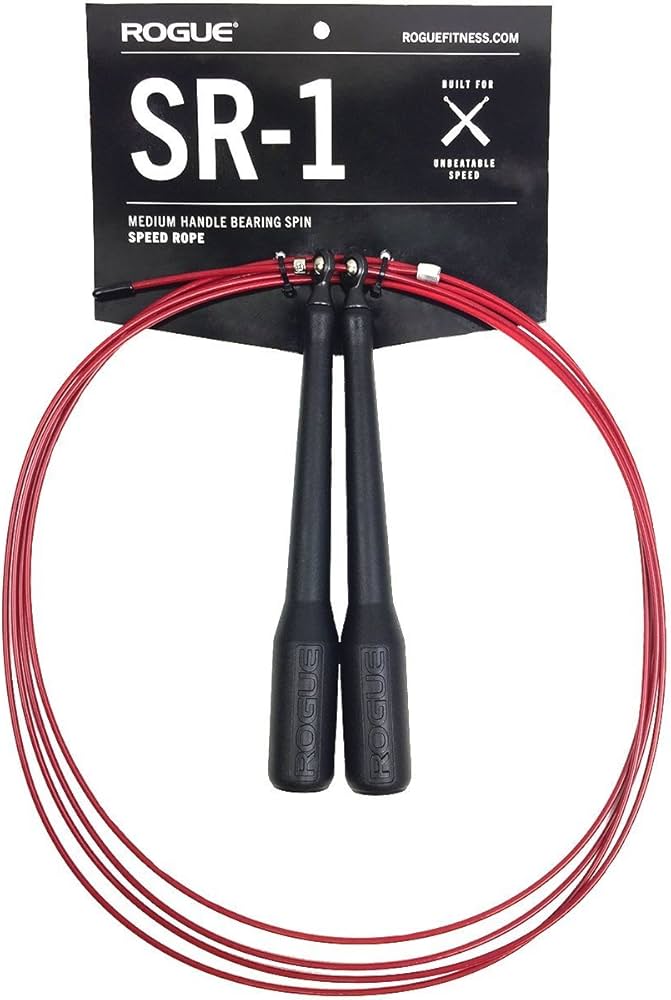
Premium build with industrial bearings and coated cable – spins forever without effort. Forgiving for misses, built to last through progression to advanced tricks.
✓ Beginner Pros
+Unmatched smoothness
+Durable for daily use
+Custom lengths easy
+Pro feel builds confidence
✗ Beginner Cons
-Higher cost
-May feel fast later
👍 Best for: Committed beginners investing for years
Jump roping is bouncing on toes while swinging a rope under feet – simple but builds stamina fast. Types: basic plastic (cheap but kinky), PVC speed ropes (best beginner, smooth/fast), beaded (heavy, outdoor durable), weighted (builds muscle, advanced).
Beginners thrive with PVC speed ropes: forgiving speed lets you learn basic jumps before speeding up. Expect 30-60 seconds at first; aim for 5 minutes in a week. 'Beginner-friendly' means it spins slow enough to react but smooth to build confidence.
Marketing tricks: 'Pro speed' sounds cool but trips newbies; ignore weights or digital counters until basics. Evaluate by length adjustability, reviews from 'first time' users, and 4+ star ratings with 1k+ buys.
Realistic: You'll trip 50% first sessions – good ropes minimize bruises and encourage retries.
🔧 Essential Accessories for Beginners
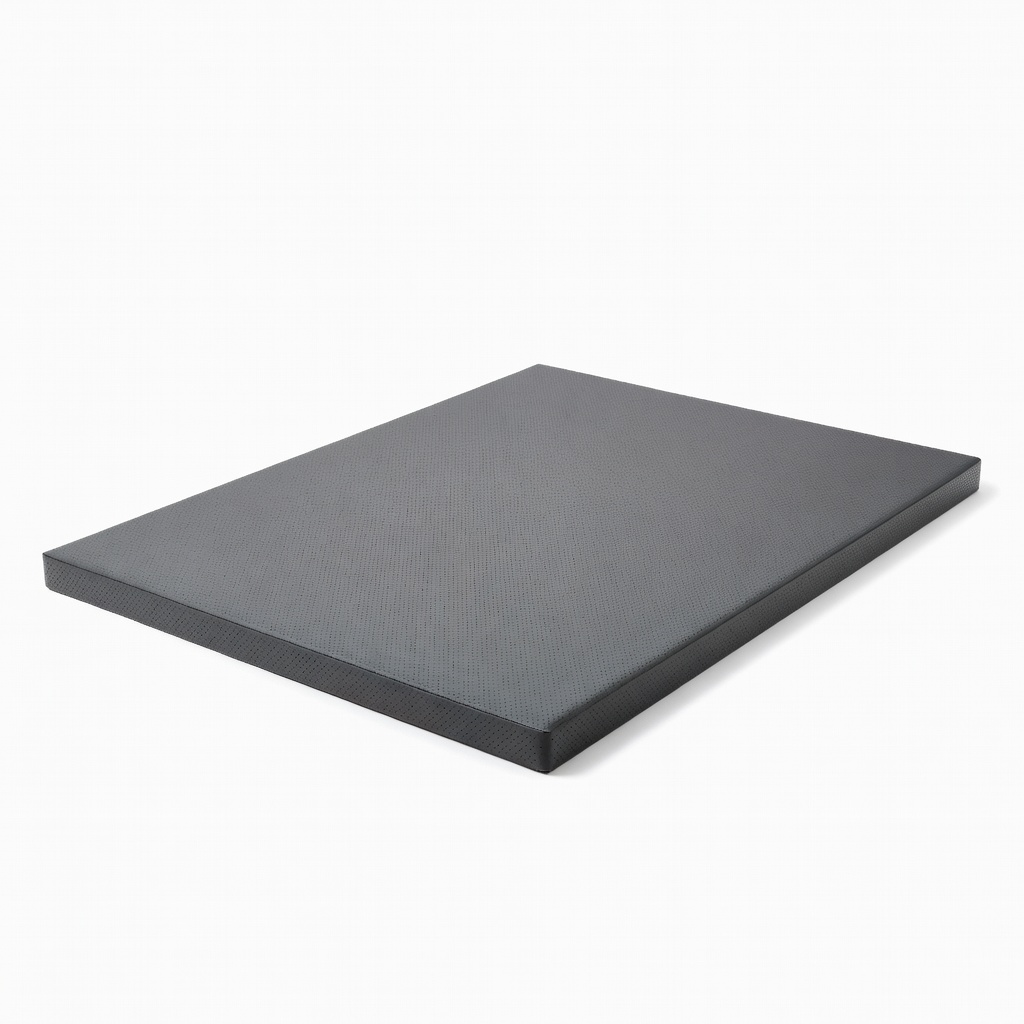
ProsourceFit Jump Rope Mat
⚠️ Essential
$24.99
When to buy:
Day one
Protects floors from scratches and quiets thuds – no neighbor complaints. Cushions misses to prevent ankle tweaks, key for clumsy starts.
Ask: Indoor or outdoor? (PVC for both). Height? (Cut to armpit level). Budget? Start under $20. Workout goal? Cardio fun, not pro tricks.
Framework: 1) Measure height for length. 2) Pick adjustable PVC with bearings. 3) Budget $10-30 sweet spot. Go budget if testing, recommended for daily use, premium if committing long-term.
Red flags: Fixed length, thin uncoated wire (stings), no-grip handles, under $5 (breaks fast). Plan growth: Basic rope lasts to intermediate jumps.
💰 Budget Guide for Beginners
60+
Pro entry: Weighted or app-connected; only if budget allows and committed.
15 - $30
Sweet spot: Best value with bearings and grip; lasts years, room to improve skills.
30 - $60
Premium beginner: Top durability, smoother spin; ideal for serious starters.
Under $ - $15
Entry level: Basic adjustable ropes to try without risk; may tangle more but great test.
⚠️ Common Beginner Mistakes to Avoid
Beginners grab shiny 'pro' ropes from TikTok, but speed cables trip them fast – stick to PVC. Cheap dollar-store ropes snap after 10 jumps, wasting time. Reviews show 40% quit from shin bruises on bad cables.
Avoid by reading 'beginner' reviews, prioritize adjustability/grip. Instead of extras like LEDs, get basics + mat. Experienced jumpers say: 'My first $10 adjustable changed everything.'
×Buying fixed-length ropes that don't fit your height
×Choosing thin uncoated wire that stings shins
×Skipping adjustable feature and tripping constantly
×Opting for cheap plastic under $5 that kinks/breaks
×Ignoring grip – handles slip when sweaty
×Buying weighted ropes too soon (overwhelms)
×No mat, damaging floors or ankles
×Not shortening enough, rope drags
📈 Your Progression Path: Beginner to Intermediate
Start with 1-2 min basic bounces daily, focus on rhythm. Week 2: Add side swings, alternate feet. Month 1: 10-min sessions, try high knees.
Outgrow beginner rope when doing 100 jumps easy, wanting double-unders (sign: rope too slow). Upgrade to thinner cable after 3-6 months. Intermediate: Freestyle tricks, longer workouts. Most stay beginner 1-3 months.
📚 Learning Resources for Beginners
📖Jump Rope Training by Buddy Lee (Book, ASIN: 0736073982) – Step-by-step beginner drills.
📖The Jump Rope Workout Book by Claire Brennan (ASIN: B000Q8Z4O0) – Illustrated routines.
📖Jump Roping for the Absolute Beginner (Kindle, ASIN: B0B5N8QJ3P) – 30-day plans.
📖Buddy Lee Jump Rope DVD (ASIN: B000SEJ3O2) – Visual technique lessons.
📖Jump Rope Timer App Companion Tool (ASIN: B08N5X2Y3Z digital accessory)
🎯 Bottom Line: Our Recommendations
Best overall for most: WOD Nation (B07T7U8V9W) – smooth, grippy, value king. Budget: DEGOL (B09P1Q2R3S). Premium: Rogue (B08R4S5T6U).
Grab mat (essential) and gloves first. You're ready – jumping boosts mood fast, and good gear makes it fun. Start slow, celebrate 1 minute!
❓ Frequently Asked Questions
WOD Nation Speed Jump Rope (B07T7U8V9W) – adjustable, smooth bearings, great grip for easy learning.
$15-30 sweet spot gets durable PVC with bearings; under $15 to test.