Morning journaling is a simple practice with big benefits. It's a few quiet minutes each day to set intentions, express gratitude, and clear your mind. For beginners, the key is to start small. A structured journal with daily prompts can make it easy – you don't have to think about what to write; you just fill in the answers. There are three main styles: fully guided (prompts and exercises on every page), semi-guided (some prompts and empty space), and unguided (blank or lined pages). Most beginners do well with a semi-guided journal because it offers just enough direction to break the ice, but also lets your thoughts wander.
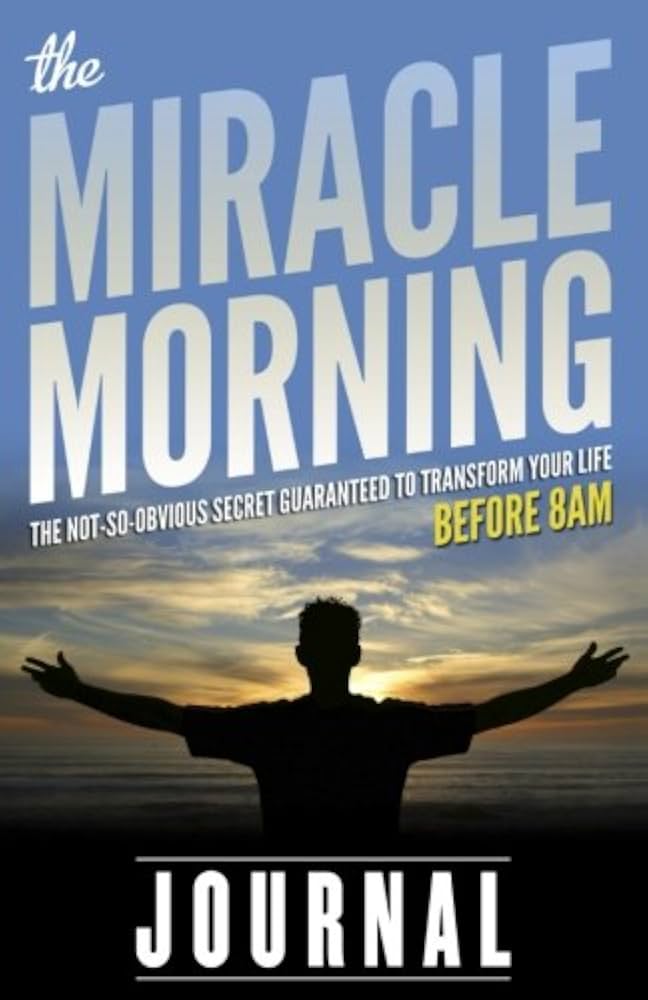
You'll also encounter dated and undated journals. A dated journal assigns a specific date to each entry, which can be motivating but also stressful if you miss a day. An undated journal gives you the freedom to start and skip as you please – much more forgiving for a beginner. Some popular journal frameworks include the 'Five Minute Journal' (quick gratitude and intention prompts), the 'Miracle Morning' SAVERS method (Silence, Affirmations, Visualization, Exercise, Reading, Scribing), and the 'Artist's Way' morning pages (three pages of stream-of-consciousness writing).
As you evaluate options, consider what will keep you coming back. If you love checking boxes, a habit tracker is a fun addition. If you prefer to freewrite, look for lined pages with occasional inspiration. The best approach is to identify your primary goal: stress relief, goal setting, or creativity. Match the journal's focus to your intention. Remember that a journal is a tool, not a test. It doesn't need to be perfect – it just needs to invite you to write.