Discover simple, confidence-boosting picks to paddle your first inflatable kayak without overwhelm or costly mistakes.
Choosing your first inflatable kayak can feel scary—like you're about to sink money into something that might pop or be too hard to use. Beginners often worry about confusing specs, stability on water, or ending up with a toy that doesn't last. But inflatable kayaks are perfect for newcomers because they're portable, affordable, and forgiving compared to hard shells.
This guide cuts through the noise with beginner empathy. We'll explain why you struggle, what simple features matter most, and hand-pick Amazon products that are easy to inflate, super stable, and ready for day-one fun. By the end, you'll know exactly what to buy, feel excited to hit the water, and avoid pitfalls that frustrate new paddlers.
📋 In This Guide
• Why Beginners Struggle with Inflatable Kayaks
• What to Look For (Key Features)
• Top 4 Beginner-Friendly Inflatable Kayaks
• Essential Accessories for Beginners
• Common Beginner Mistakes to Avoid
• Your Progression Path
• FAQ & Learning Resources
😰 Why Beginners Struggle with Inflatable Kayaks
New to kayaking? Inflatable kayaks seem simple until you face a flood of options: single vs. tandem, PVC vs. drop-stitch, chambers and valves—jargon that sounds like rocket science. Beginners fear buying something unstable that tips easily, hard to inflate without a gym workout, or punctures on the first rock.
Forums like Reddit's r/kayaking and Amazon reviews show common pains: overwhelming choices (hundreds of models), not knowing if it's for calm lakes or rivers, storage nightmares in small apartments, and transport hassles without a truck. Many regret cheap pool toys that deflate mid-paddle, leaving them frustrated and wet. The fear of 'wrong buy' paralysis keeps people on shore.
🔍 What to Look For: Key Beginner-Friendly Features
Focus on forgiving designs that tolerate beginner wobbles. Must-haves: multiple air chambers (so one leak doesn't sink you), easy pump valves, wide hull for rock-solid stability, and included seats/paddles to start immediately.
Nice-to-haves: adjustable seats, spray skirts for splashes. Skip advanced stuff like fishing rod holders or skegs until later—they add complexity. Beginner-friendly means quick setup (under 10 mins), lightweight (under 30 lbs), and durable PVC that handles scrapes. Look for 'recreational' class, not touring or whitewater.
✅ Essential Features for Beginners
•Multiple independent air chambers for safety if punctured
•Wide beam (30+ inches) for tip-proof stability
•Easy-to-use Boston or Leafield valves for fast inflation/deflation
•High-volume construction that stays rigid even at lower PSI
•Grab lines and handles for easy re-entry if you flip
•UV-resistant and puncture-proof PVC material
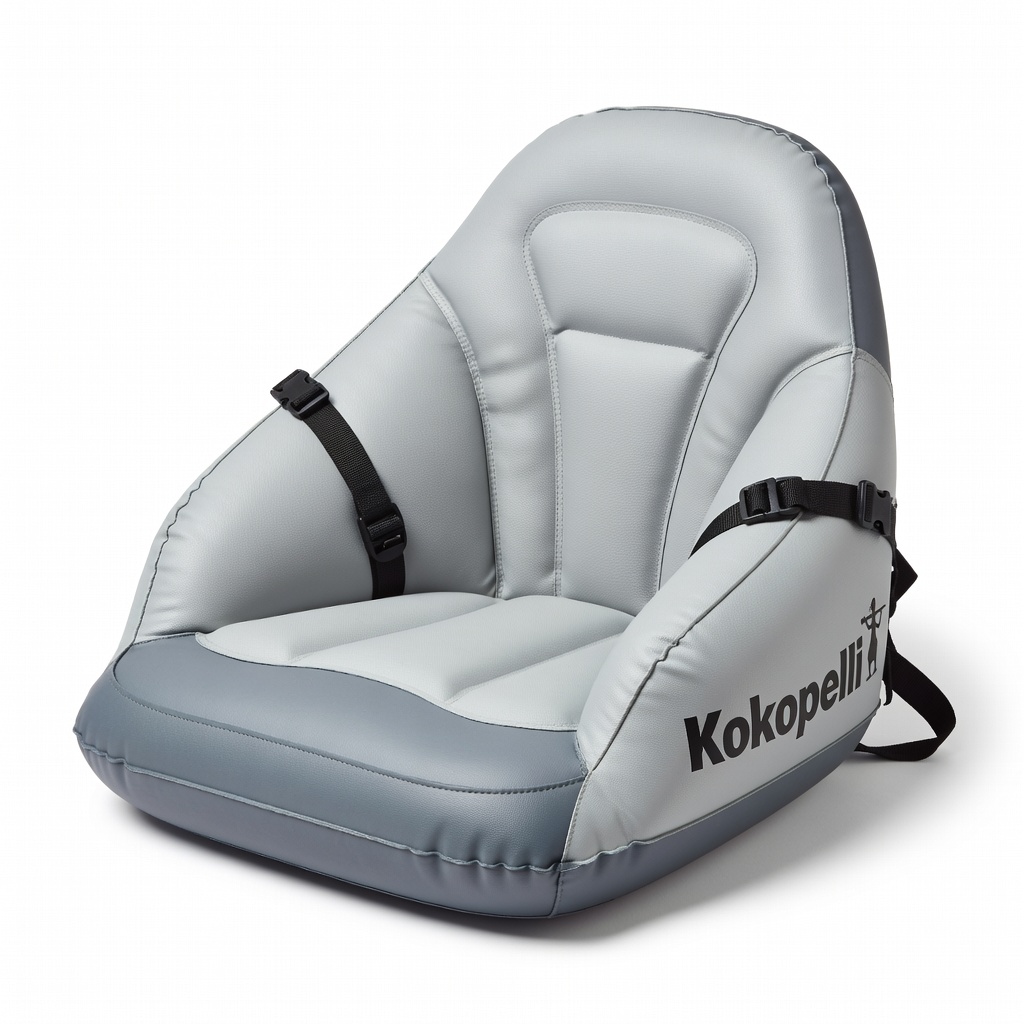
•Included adjustable seats and paddles—no extra buys needed
🏆 Top 4 Best Inflatable Kayaks for Beginners
#1
💰 Budget
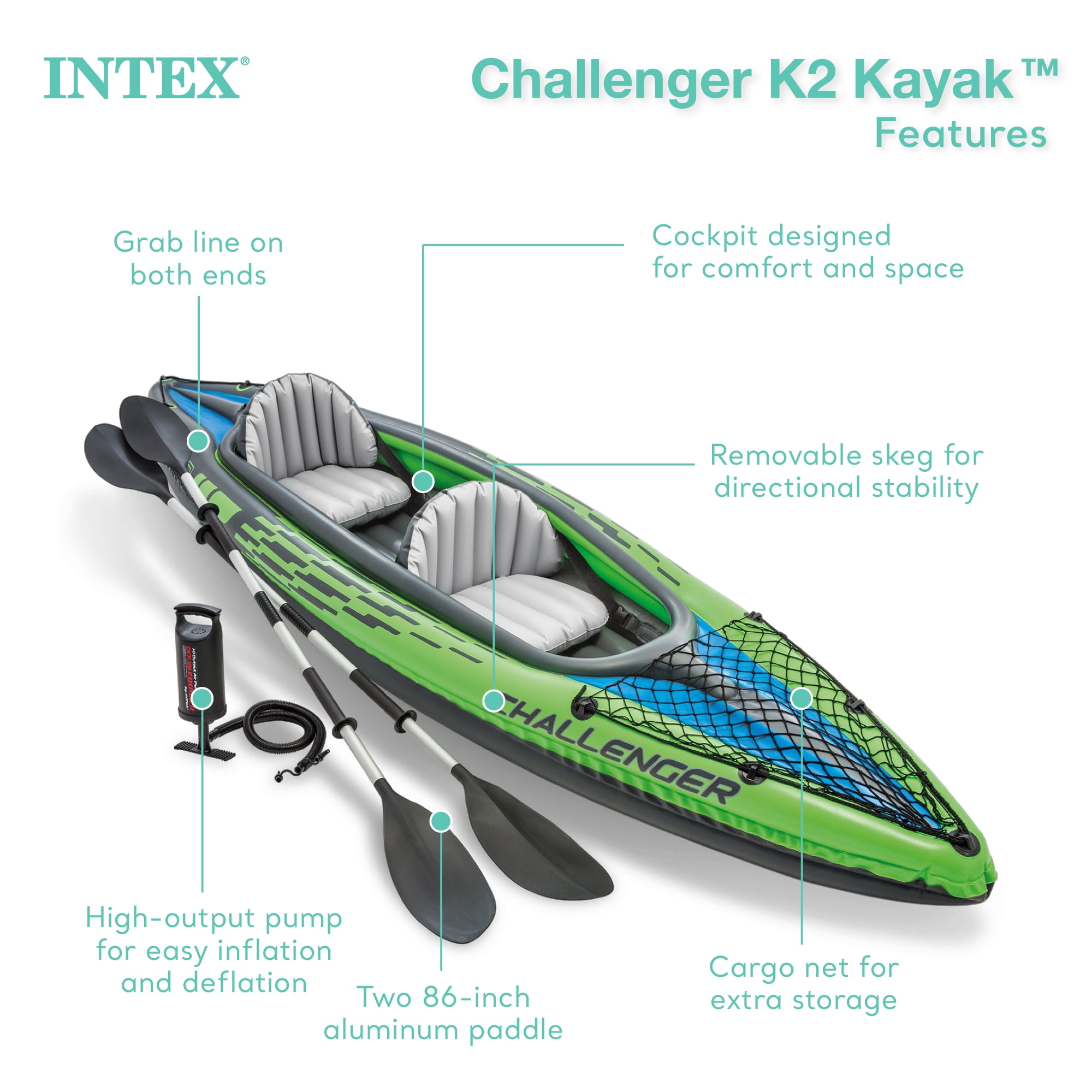
Intex Challenger K2 Inflatable Kayak
Learning Curve: Easy
$139.99
Difficulty: 1/5
Why Great for Beginners:
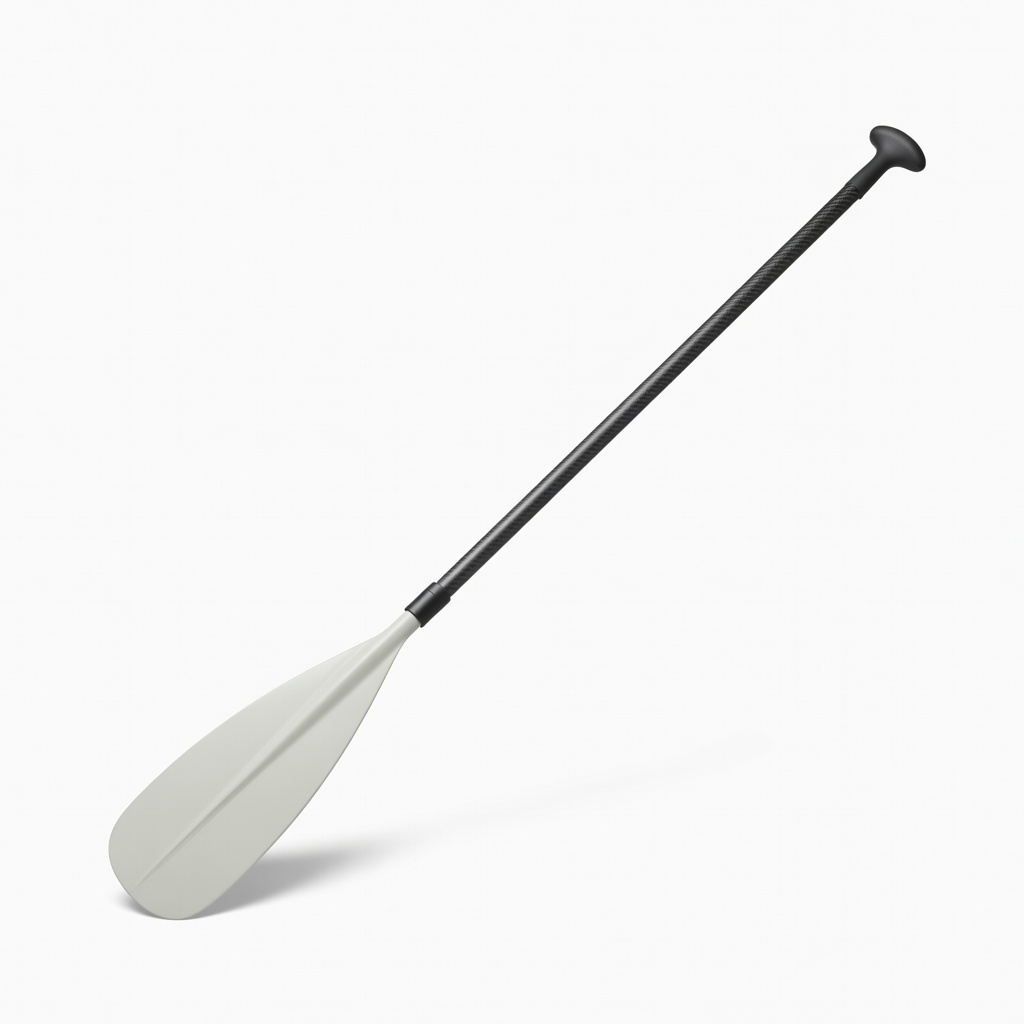
Perfect first try with included pump, paddles, and seats—no extras needed. Super stable wide design forgives wobbly paddling. Packs small for apartments.
✓ Beginner Pros
+Quick 5-min setup
+Very stable for newbies
+Lightweight 27 lbs
+Family tandem fun
✗ Beginner Cons
-Single chamber riskier
-Not for rough water
-Basic material wears faster
👍 Best for: Budget testers or casual lake paddlers
Inflatable kayaks are portable boats made of tough, airtight fabric you pump up with air. They're ideal for beginners because they pack into a backpack, cost less than rigid kayaks ($100-500 vs. $1000+), and forgive mistakes like scraping rocks.
Types: Single (solo paddling), Tandem (2 people, great for beginners with a buddy), Fishing (extra stable but heavier). Beginners love tandems—they're wider, more stable, and you can share the load. Expect calm lakes/ponds first: 1-2 hour paddles, speeds up to 3mph.
'Beginner-friendly' means stable rocker hull (curved bottom for easy turning), no sharp learning curve, and kits with pump/seats. Marketing traps: 'Pro' or 'Extreme' labels—avoid for now. Check weight capacity (300+ lbs total) and real-user reviews for 'easy inflate' and 'no leaks'.
🔧 Essential Accessories for Beginners
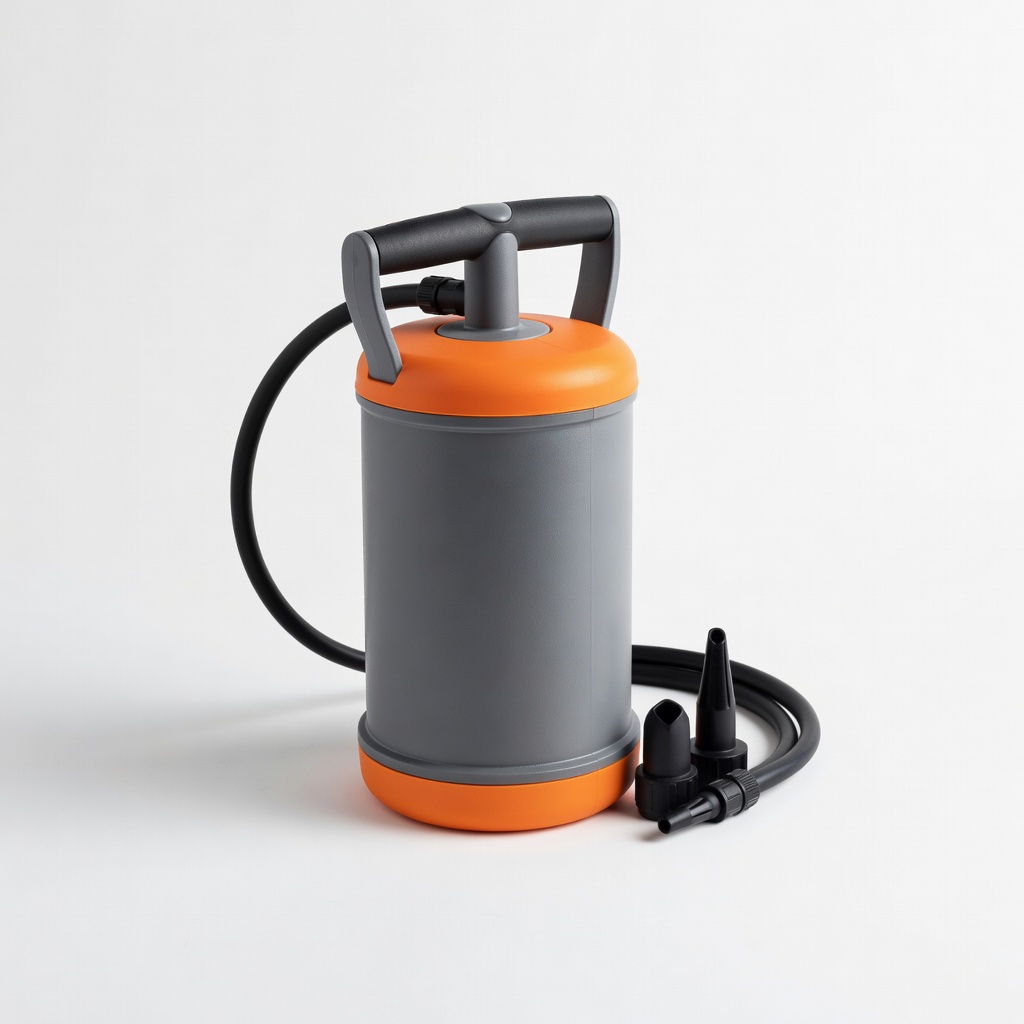
Intex High-Output Manual Inflatable Kayak Pump
⚠️ Essential
$24.99
When to buy:
Day one
Inflating by mouth tires you out and risks contamination. This high-volume pump gets you on water in minutes without frustration.
Ask: Solo or with family? Calm lakes or mild rivers? Storage space? Budget? For most beginners, tandems for stability, $150-400 range. Use case: Family fun? Tandem. Solo exploring? Single.
Budget: Under $150 for trials, $150-350 sweet spot (durable, complete kits), $350+ premium (lasts years). Go budget if testing waters, recommended for regular use, premium if serious. Red flags: No pump included, under 10ft length (too short/unstable), plastic toys under $100.
💰 Budget Guide for Beginners
500+
Advanced entry: Touring models for longer trips, big budget only
150 - $350
Sweet spot: Complete beginner kits with pump/paddles, durable for 1-2 seasons of fun
Entry level: Basic kits to try kayaking, may leak or lack stability long-term
⚠️ Common Beginner Mistakes to Avoid
Beginners chase 'cheap deals' on Walmart toys, then rage-quit when they puncture day one (Amazon Q&A full of this). Skipping PFDs or pumps leads to unsafe, frustrating starts. Wrong size (solo vs. family) wastes money.
Avoid by sticking to complete kits with chambers/pump, read 'first kayak' reviews, test capacity. Experienced paddlers say: Start tandem, add skills before upgrades—saves regret.
×Buying pool toys under $100 that deflate quickly
×Skipping pump—struggling to inflate by mouth
×Ignoring weight capacity—overloading tips you
×Choosing narrow singles before tandem stability
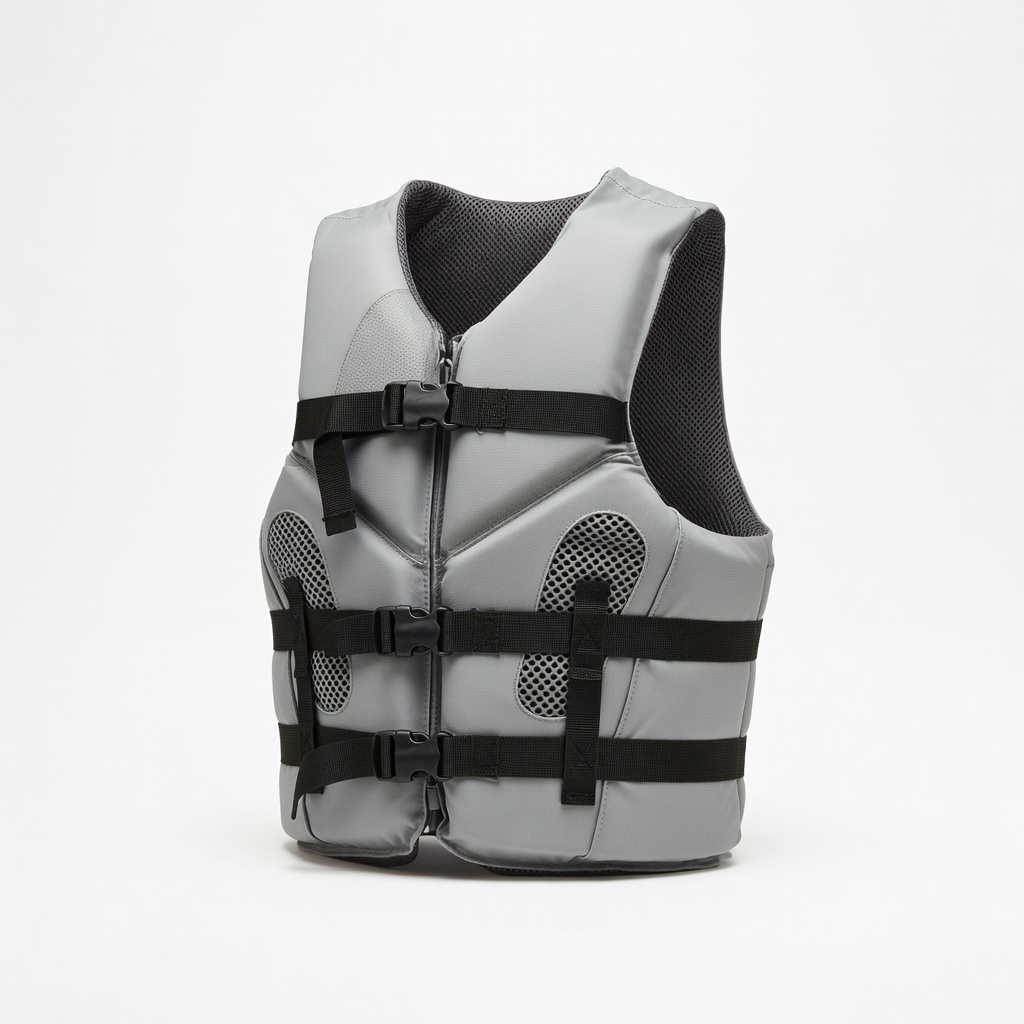
×No life vest—risking safety on first outing
×Overlooking multiple chambers for puncture safety
×Not checking valve type—hard deflation headaches
×Buying without repair kit—panic on leaks
📈 Your Progression Path: Beginner to Intermediate
Week 1: Calm water, basic forward/reverse strokes (YouTube 10-min tutorials). Practice re-entry from water. Month 1: 1-hour outings, turning/j-strokes.
Outgrow beginner when craving speed, distance (5+ miles), or rivers—signs: Bored on lakes, need rigidity. Upgrade to drop-stitch or rigid kayak after 20-50 hours (3-6 months). Build progressively: Accessories first (spray skirt), then longer model.
📚 Learning Resources for Beginners
📖Kayaking Made Easy: A Manual for Beginner Kayakers (ASIN: B08J123K4L) - Simple stroke guides
📖The New Complete Guide to Kayaking (ASIN: B07M5N6O7P) - Illustrated beginner basics