Discover the best beginner-friendly rowing machines to start your cardio fitness journey with confidence, no overwhelm.
Choosing your first indoor rowing machine can feel intimidating with all the options, resistance types, and tech features staring back at you. Beginners often worry about wasting money on something too complicated or uncomfortable, or getting one that's too bulky for their home. But rowing is one of the best full-body cardio workouts – low impact, burns calories fast, and easy on joints.
This guide cuts through the confusion, focusing only on what's truly important for newcomers. We'll explain features in plain English, recommend real Amazon products that are forgiving and simple to use, and show you how to avoid buyer's remorse. By the end, you'll know exactly which rower to buy and feel excited to row your first stroke.
📋 In This Guide
• Why Beginners Struggle with Indoor Rowing Machine
• What to Look For (Key Features)
• Top 4 Beginner-Friendly Indoor Rowing Machine
• Essential Accessories for Beginners
• Common Beginner Mistakes to Avoid
• Your Progression Path
• FAQ & Learning Resources
😰 Why Beginners Struggle with Indoor Rowing Machine
Beginners dive into rowing machines overwhelmed by techy terms like 'air resistance,' 'drag factor,' or 'split times' that sound like rocket science. Forums like Reddit's r/Rowing are full of newbies frustrated by machines that wobble, seats that pinch, or monitors too fiddly to set up.
The sheer variety – cheap hydraulics that squeak, pricey water rowers that leak – makes it hard to know what's legit. Many fear buying something heavy (over 100 lbs) that won't fold or fit in a small apartment. Plus, without guidance, they pick based on price alone, ending up with uncomfortable rides that discourage daily use.
Real reviews show beginners quit because the resistance feels jerky or the setup takes hours, killing motivation right away.
🔍 What to Look For: Key Beginner-Friendly Features
For beginners, prioritize smooth, quiet resistance like magnetic (no noise, easy levels) over air or water which can be loud or messy. Look for comfy padded seats, ergonomic handles, and foot straps that adjust easily – no blisters or slips on day one.
Must-haves: Foldable design for storage, basic LCD monitor showing time/distance/calories (no app needed yet), and 250+ lb weight capacity. Nice-to-haves: Wheels for moving, tablet holder. Skip fancy Bluetooth or apps until you're hooked.
Beginner-friendly means 'forgiving' – tolerates bad form without pain, quick 5-min assembly, and intuitive controls so you focus on rowing, not fiddling.
✅ Essential Features for Beginners
•Smooth magnetic resistance (quiet, easy levels, no maintenance)
•Padded, adjustable seat (comfy for 30+ min sessions)
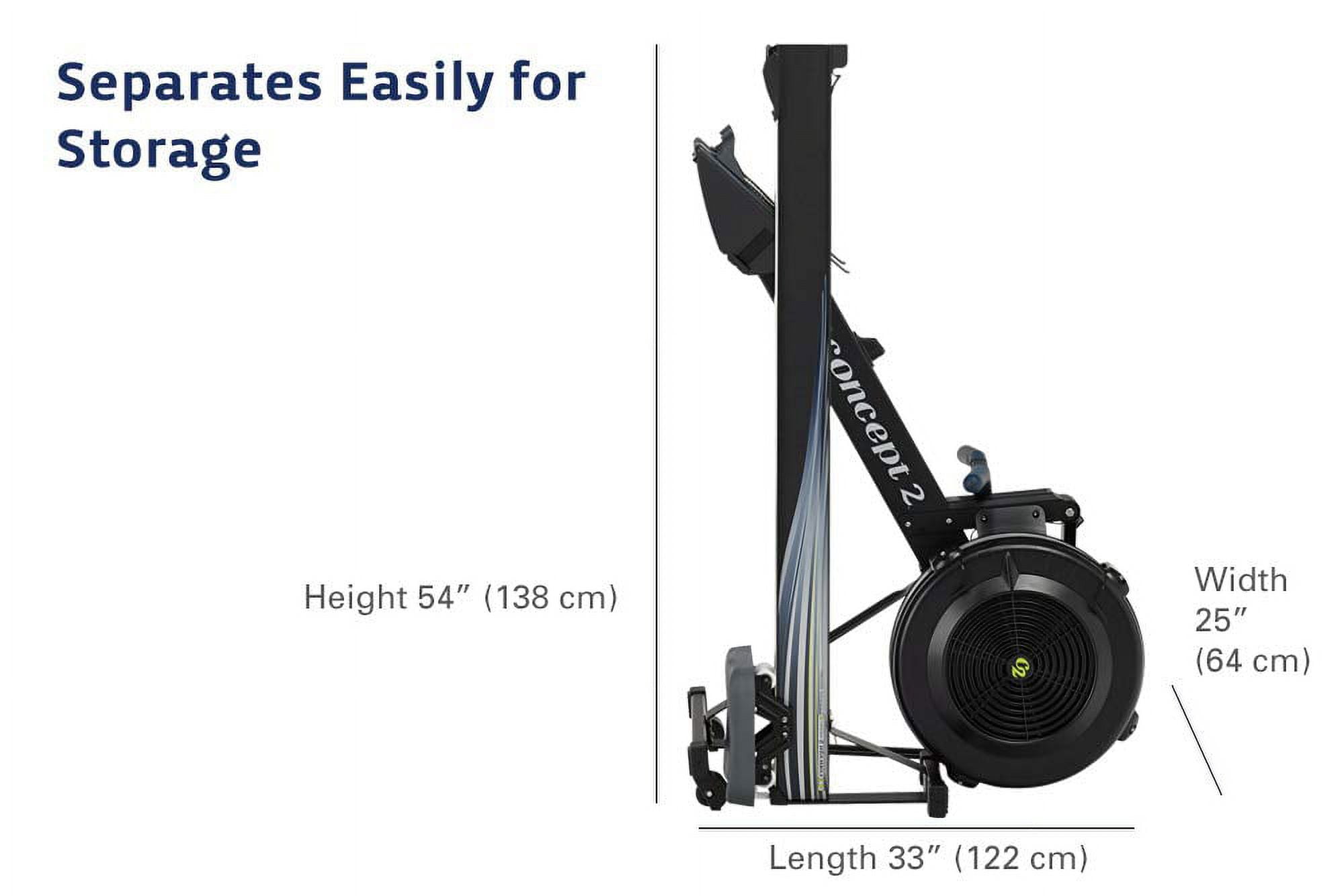
•Foldable frame with wheels (stores easy, moves solo)
•Basic LCD monitor (tracks essentials without apps)
•Ergonomic handle & foot pedals (forgiving on form mistakes)
•250+ lb capacity (safe for most adults)
•Quick assembly (<30 min, clear manual)
🏆 Top 4 Best Indoor Rowing Machine for Beginners
#1
💰 Budget
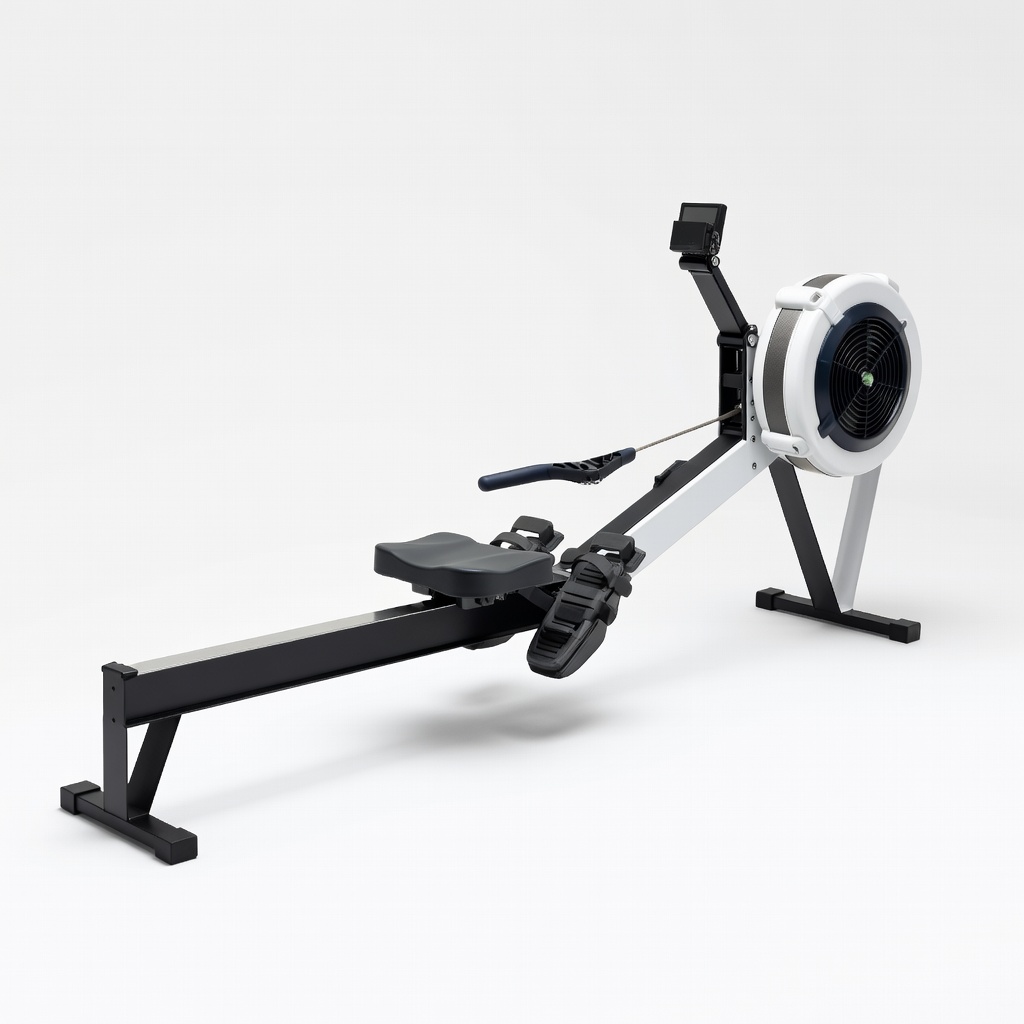
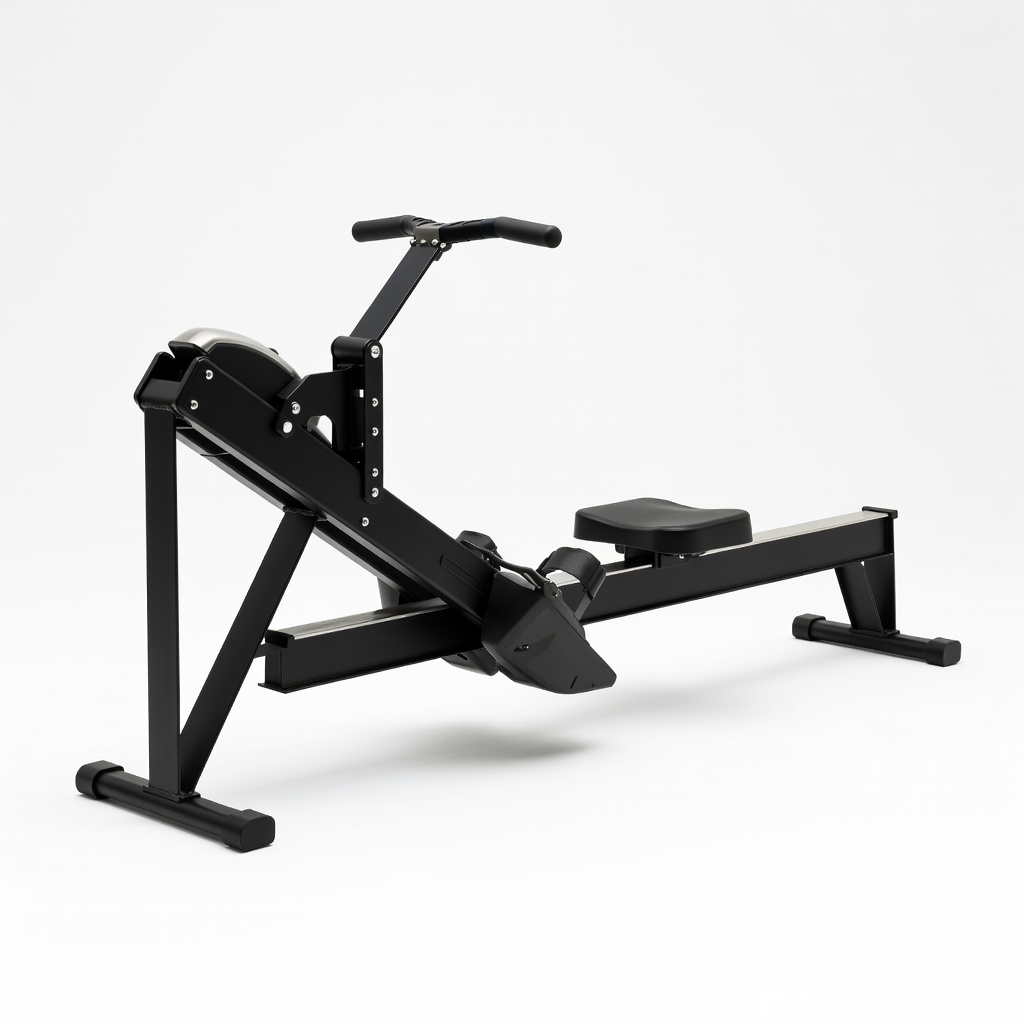
Sunny Health & Fitness SF-RW5515 Magnetic Rowing Machine
Learning Curve: Easy
$199.99
Difficulty: 1/5
Why Great for Beginners:
This entry-level magnetic rower is super simple to assemble in 20 minutes and folds compactly for small spaces. Quiet operation won't wake roommates, and 8 resistance levels let you start gentle.
📖 Complete Beginner's Guide to Indoor Rowing Machine
An indoor rowing machine mimics sculling on water, working 86% of your muscles with a pull-push motion: legs drive, core stabilizes, arms finish. Types include magnetic (smooth, adjustable levels – best for beginners), air (fan resistance, gets louder with effort), water (realistic splash but heavy), hydraulic (compact but less smooth).
Magnetic rowers win for newbies: quiet for apartments, consistent feel, easy resistance dial. Expect 20-30 min sessions, 300-500 calories burned, building endurance fast.
Beginner-friendly = under 10 resistance levels, foldable under 6ft tall stored, assembly <30 min. Marketing traps: 'Olympic-level' means overkill; focus on 'ergonomic' and 'stable rail'. Test in mind: Can a couch potato use it comfortably?
🔧 Essential Accessories for Beginners
Amazon Basics Extra Thick Exercise Floor Mat
⚠️ Essential
$29.99
When to buy:
Day one
Prevents slips on hard floors and protects from scratches/heavy machine dents. Vibration dampening keeps rows stable, reducing wobbles for shaky beginners.
Ask: Space? (measure 8x2ft use, foldable?). Goal? (Cardio fun or weight loss?). Budget? Time to row? Start here: Under $200 for trial, $200-400 sweet spot.
Budget pick if testing waters; recommended for daily use (comfy, grows with you). Premium if serious (smoother forever). Scenarios: Apartment = foldable/light; family home = higher capacity. Red flags: Noisy hydraulic, non-foldable under $300, vague '12 levels' without magnetic spec.
Growth: Pick with monitor upgrade potential. Avoid if max weight < your + clothes.
💰 Budget Guide for Beginners
200 - $400
Sweet spot: Comfy, foldable, daily use value, room to grow
400 - $800
Premium beginner: Super smooth, durable, app-ready
800plus
Pro entry: Olympic-grade, forever machine for serious starters
Under $200
Entry level: Basic magnetic, try it out, may feel basic after months
⚠️ Common Beginner Mistakes to Avoid
Beginners often grab the cheapest ($100 hydraulic) thinking 'same workout,' but jerky motion frustrates and risks injury. Or splurge on $1000+ water rowers needing constant water changes.
Skipping mat leads to floor scratches/slips; ignoring seat comfort causes butt sores after 10 min. Forums rant about non-foldables blocking rooms or wobbly frames tipping newbies.
Lesson: Read 'first 30 days' reviews. Instead, match budget to use frequency – daily rowers need quality resistance.
×Buying hydraulic over magnetic (jerky, noisy)
×Ignoring foldability/space (blocks rooms)
×Skipping floor mat (scratches floors, unstable)
×Overlooking seat comfort (quitting from pain)
×Picking by price alone (cheap breaks fast)
×Forgetting weight capacity (unsafe)
×Chasing apps/Bluetooth too soon (overwhelm)
📈 Your Progression Path: Beginner to Intermediate
Start with 10-min easy rows, 3x/week, focusing proper form (YouTube 'beginner rowing technique'). Track strokes/min (aim 24-28), build to 20 min, add intervals week 4.
Outgrow beginner gear when craving app workouts, higher resistance, or classes (3-6 months). Signs: Bored of basic monitor, want accurate distance for races.
Upgrade to mid-range with Bluetooth first (monitor/phone), then pro air rower. Most stay beginner 3 months, intermediate at 6 (joining online challenges).