Discover your first immersion blender with confidence—no overwhelm, just simple picks for smooth soups and easy cooking.
Choosing your first immersion blender can feel scary with all the power ratings, attachments, and brands staring back at you. As a beginner making soups or purees, you worry about splatters, hard cleanups, or buying something too weak for veggies. But it doesn't have to be hard.
This guide cuts through the confusion, focusing on what beginners really need for foolproof soup blending right in the pot. We'll cover struggles, key features, top Amazon picks, and pitfalls to skip—so you blend creamy soups confidently from day one.
📋 In This Guide
• Why Beginners Struggle with Immersion Blender
• What to Look For (Key Features)
• Top 4 Beginner-Friendly Immersion Blender
• Essential Accessories for Beginners
• Common Beginner Mistakes to Avoid
• Your Progression Path
• FAQ & Learning Resources
😰 Why Beginners Struggle with Immersion Blender
Beginners often feel lost because immersion blenders look simple but have confusing specs like 'wattage' or 'RPM' that sound technical. You'll see cheap ones that break on carrots or fancy ones with whisks you won't use yet. Forums like Reddit's r/AskCulinary show newbies frustrated by splattering hot soup everywhere or blades that clog easily.
The fear of wasting money hits hard—too cheap and it frustrates, too pricey and it's overkill. Without knowing basics, options overwhelm, leading to paralysis or impulse buys that end up in the cupboard.
🔍 What to Look For: Key Beginner-Friendly Features
Focus on forgiving designs that handle beginner mistakes like uneven blending. Must-haves: comfortable grip (no hand cramps), 2-speed control (low for soft purees, high for fibrous soups), detachable wand (easy clean), and included tall cup (safe blending without mess).
Nice-to-haves: anti-splash guard and stainless blades (durable). Skip multi-attachment models or cordless yet—they add complexity. Beginner-friendly means lightweight (under 2 lbs), quiet, and dishwasher-safe parts for zero hassle.
✅ Essential Features for Beginners
•Comfortable ergonomic grip to avoid slips during blending
•Simple 2-speed control—no confusing buttons
•Detachable stainless steel wand for quick dishwasher cleaning
•Included blending cup to contain splashes
•Anti-splash bell guard to keep counters clean
•Lightweight design (under 2 lbs) for easy handling
•Powerful enough (400W+) for soups without stalling
🏆 Top 4 Best Immersion Blender for Beginners
#1
💰 Budget
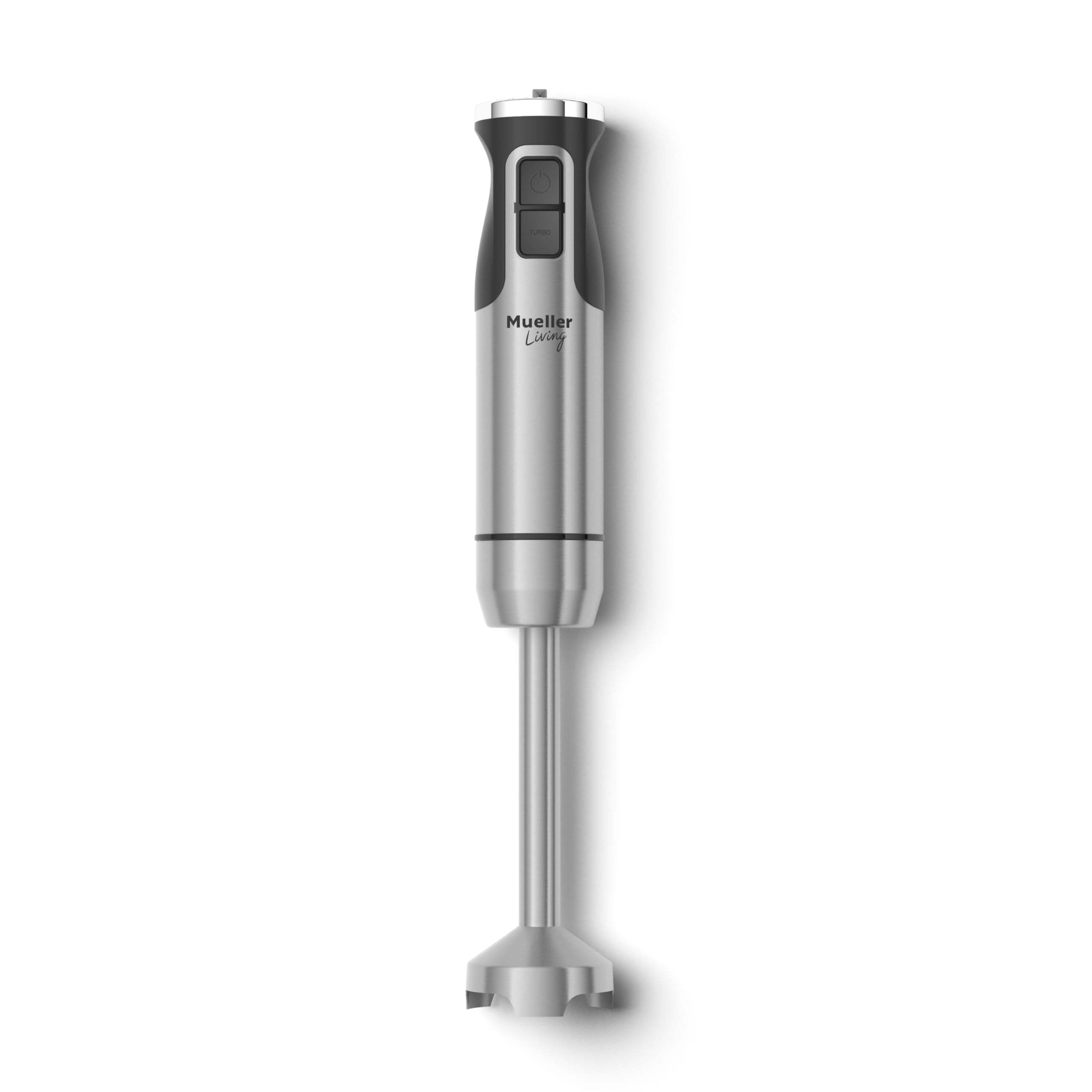
Mueller Austria Ultra-Stick Immersion Blender
Learning Curve: Easy
$35.99
Difficulty: 1/5
Why Great for Beginners:
This affordable stick handles beginner soups effortlessly with strong 500W power that doesn't stall on veggies. Simple 2-speed design and detachable parts make it forgiving and easy to master quickly.
✓ Beginner Pros
+Ultra-lightweight for no-strain blending
+Includes cup to avoid messes
+Dishwasher-safe for effortless cleanup
+Quiet operation won't scare you off
✗ Beginner Cons
-Basic speeds only—no fine variable control
-Plastic housing may feel cheap
👍 Best for: Soup newbies on tight budgets testing the waters
👎 Not for: Frequent heavy users needing pro durability
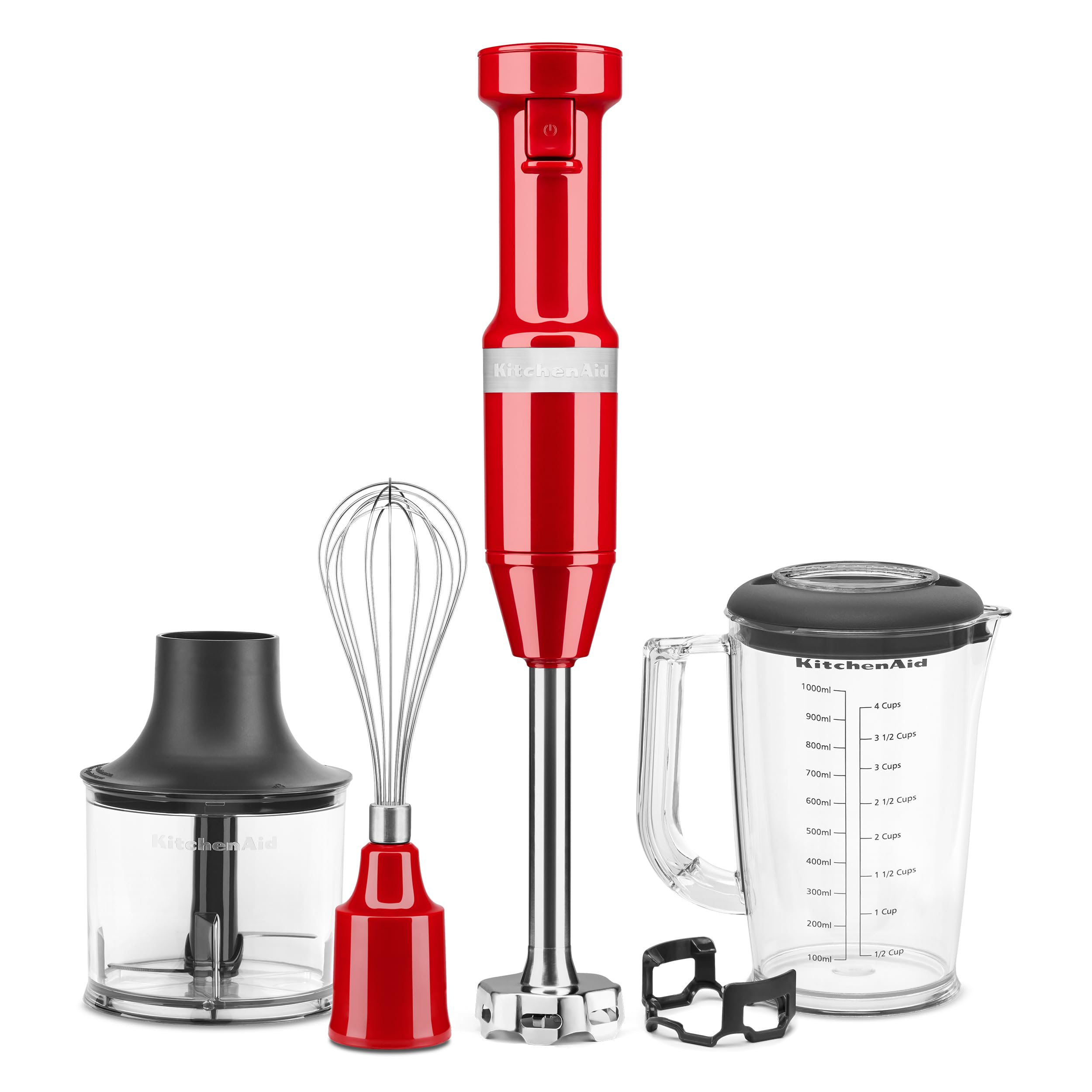
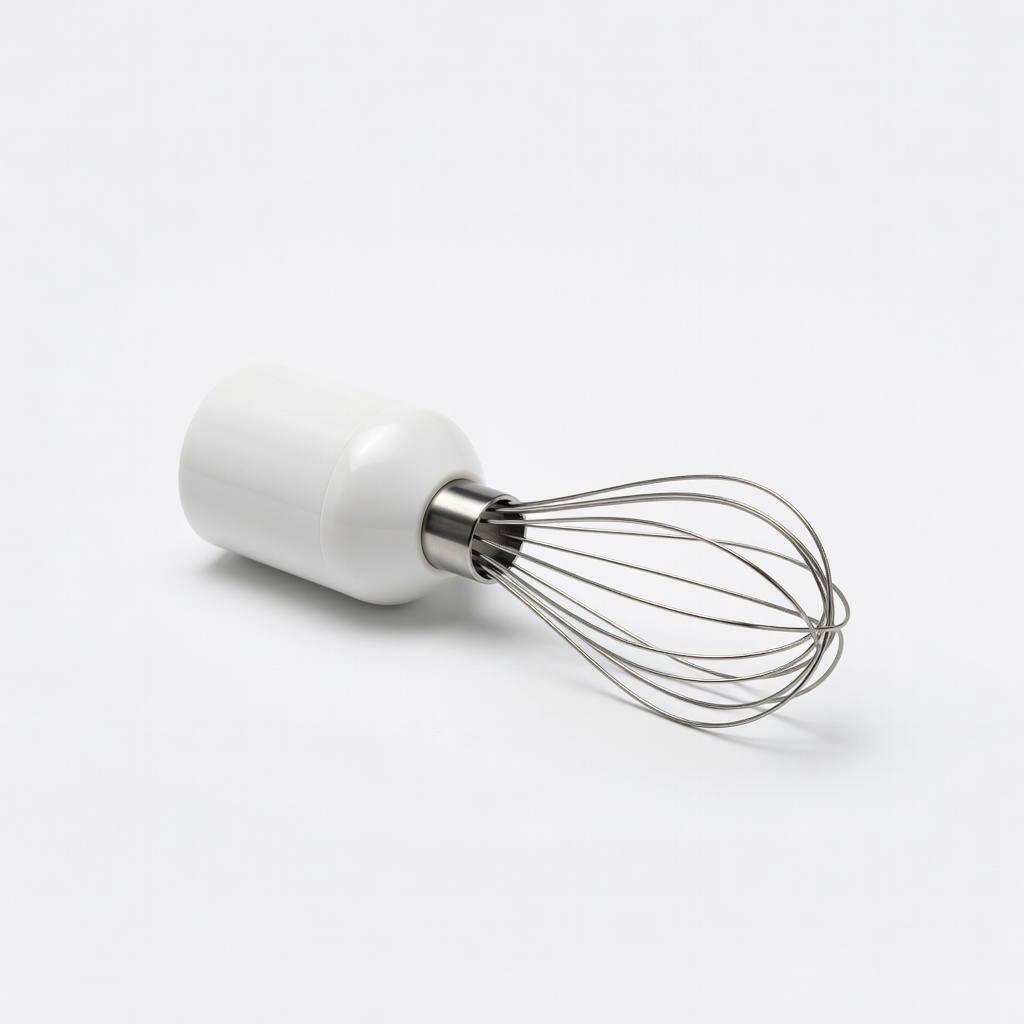
Perfect sweet-spot with variable speeds for precise soup control, forgiving on mistakes like over-blending. Lightweight and includes whisk for future growth without overwhelm.
✓ Beginner Pros
+Variable speed dial for easy learning
+Ergonomic grip reduces fatigue
+Stainless blades puree smoothly
+Compact storage
✗ Beginner Cons
-Slightly louder on high
-Cup is smaller than premium
👍 Best for: Beginners making soups 3x/week wanting versatility
An immersion blender, or stick blender, is a wand-shaped tool that blends soups, sauces, or smoothies directly in the pot—no pouring into a bulky blender. Perfect for soup niche, it purees hot liquids safely without transfers.
Types: Basic corded (best for beginners—reliable power), attachment-heavy (whisk/chopper—later), cordless (convenient but battery limits for long soups). Beginners thrive with basic corded: intuitive, powerful, forgiving on fibrous ingredients like potatoes.
Expect creamy tomato soup in 1 minute, not pro-chef perfection. Evaluate by reading 'easy clean' reviews. 'Variable speed' means adjustable power—great for control.
🔧 Essential Accessories for Beginners
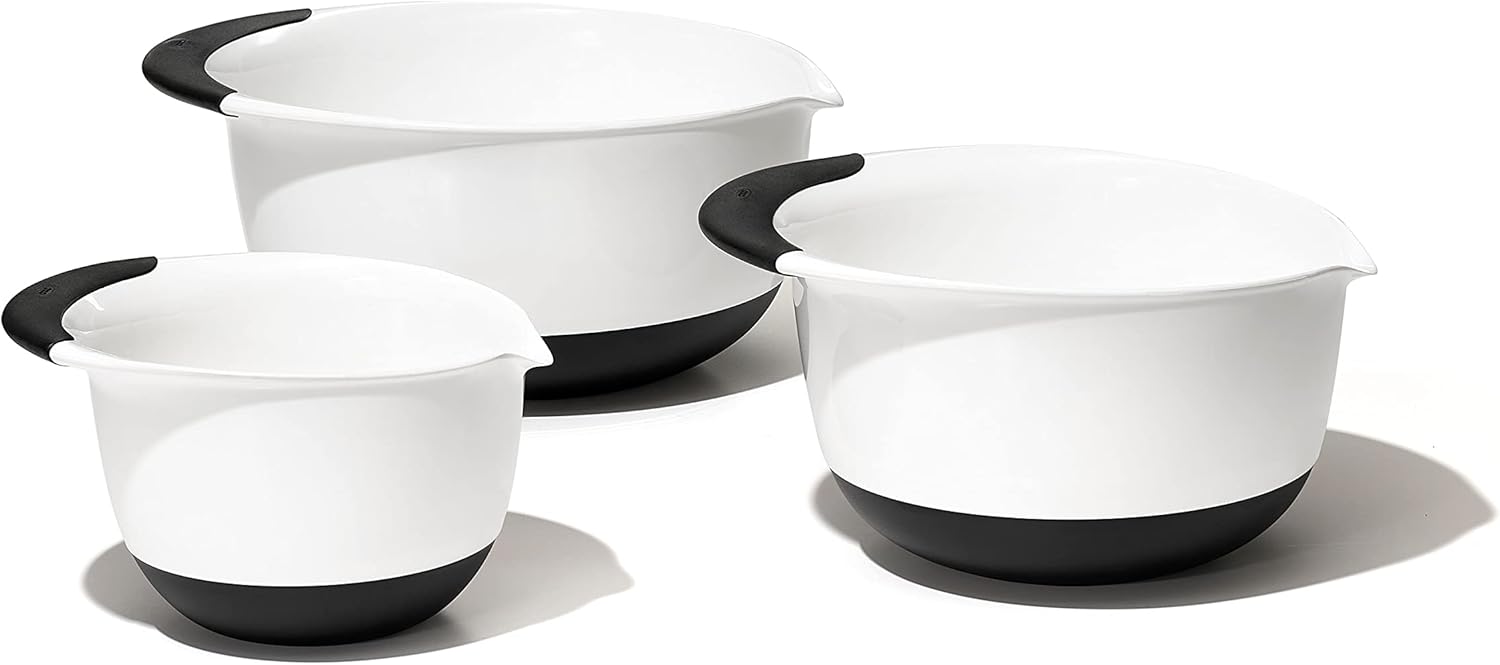
OXO Good Grips Salad Spinner (as blending beaker alternative)
⚠️ Essential
$12.99
When to buy:
Day one
Extra tall cup prevents splashes when blending small soup batches—crucial for mess-free starts. Fits most immersion blenders perfectly.
Ask: What's my budget? Mainly soups? Frequent use? Start with use cases—if soups 2x/week, pick sweet spot. Budget under $50 for trials, $50-100 for daily reliability, $100+ if investing long-term.
Red flags: No detachability (cleaning nightmare), heavy weight, single speed (frustrating). Go budget to test passion, recommended for growth, premium for perfectionists. Match to kitchen size—compact for small spaces.
💰 Budget Guide for Beginners
150+
Pro entry: Overkill for pure beginners unless heavy daily use.
50 - $100
Sweet spot: Balanced power and ease for most beginners, lasts years with room to experiment.
100 - $150
Premium beginner: Top durability and comfort, ideal if cooking often without quick upgrades.
Under $ - $50
Entry level: Tests the waters for occasional soups, basic power but may wear out fast.
⚠️ Common Beginner Mistakes to Avoid
Beginners grab the cheapest Amazon option, only to find it stalls on onions, leading to frustration and returns. Experienced cooks on Allrecipes warn against this false economy.
Another trap: Fancy features like 15 speeds confuse, ignored for months. Avoid by sticking to 2-speed basics. Always buy with cup and brush—instead of wiping messes, rinse and store.
×Buying under $20—weak motor burns out on first soup
×Ignoring detachable wand—cleanup nightmare
×Overlooking splash guard—kitchen mess from hot purees
×Skipping included cup—blending in pot splatters everywhere
×Choosing cordless—battery dies mid-blend
×Not checking weight—heavy ones tire arms fast
×Buying attachment-heavy without basics—overwhelm
×Forgetting storage—drips ruin drawers
📈 Your Progression Path: Beginner to Intermediate
Start with simple soups like butternut—learn speeds and tilt angles. Practice 1-2x/week, mastering no-splat technique in a month.
Outgrow when craving frothy soups or chopping—upgrade attachments first. Signs: Needing finer control or daily use (3-6 months typical). Intermediate: Multi-tool models for sauces, then full blenders.
📖Beginner's Guide to Blenders DVD (Amazon ASIN B08K3L4M5N)
📖Practice Soup Pot Set (Amazon ASIN B01M0J6K7L)
📖Recipe Journal for Blending (Amazon ASIN B07P8Q9R0S)
🎯 Bottom Line: Our Recommendations
For most beginners, the Cuisinart Smart Stick ($49.99) is the best overall—easy, versatile for soups. Budget pick: Mueller ($35.99). Premium: Breville ($129.99).
Grab the beaker and cleaning brush day one. You've got this—your first creamy soup awaits! Start small, blend often, and enjoy cooking without stress.
❓ Frequently Asked Questions
The Cuisinart Smart Stick (B09G5H6I7J) for its variable speeds, light weight, and soup-friendly cup—easiest to love from first use.
$50-100 sweet spot for reliable power without waste. Under $50 works for trials.