Choose your first pair of ice skates with confidence – our guide simplifies options, top picks, and mistakes to avoid for fun on the ice.
Picking your first ice skates can feel intimidating with so many choices, blade types, and price tags staring back at you. As a beginner, you worry about wasting money on something uncomfortable, hard to use, or that you'll outgrow in a week. Don't stress – this guide is designed for total newcomers to recreational skating, helping you glide confidently without the overwhelm.
We'll break down why beginners struggle, key features that matter (and those that don't), and hand-pick the best beginner-friendly skates on Amazon. Plus, get accessory must-haves, mistake avoidance tips, and a clear path to improve. By the end, you'll know exactly what to buy for safe, fun skating sessions right away.
📋 In This Guide
• Why Beginners Struggle with Ice Skates
• What to Look For (Key Features)
• Top 4 Beginner-Friendly Ice Skates
• Essential Accessories for Beginners
• Common Beginner Mistakes to Avoid
• Your Progression Path
• FAQ & Learning Resources
😰 Why Beginners Struggle with Ice Skates
Beginners often feel lost because ice skates come in types like figure, hockey, or speed – but for recreational fun, most don't know which fits casual rink time. Jargon like 'hollow grind,' 'boot stiffness,' or 'TUUK blade' sounds expert-level and confusing. Reviews overflow with complaints about blisters, poor fit, or skates that feel like bricks on feet.
Fear of buying wrong is huge: too stiff hurts ankles, too soft lacks support, cheap ones break fast. Overwhelming Amazon options (hundreds!) make decisions paralyzing, especially without trying on. Forums like Reddit's r/iceskating echo pains: 'Bought kids skates by accident,' or 'Painful after 10 minutes – returned.' This guide cuts through it all.
🔍 What to Look For: Key Beginner-Friendly Features
Focus on skates that are forgiving and easy: soft boots for comfort, adjustable sizing for growth, and duller blades for stability over speed. Must-haves include good ankle support without rigidity, quick-lace systems, and PVC or synthetic boots that tolerate falls. Nice-to-haves: colorful designs for fun, blade guards included.
Skip pro features like carbon fiber or sharp hollows – they're unforgiving for wobbles. Beginner-friendly means 'rent-like' feel: intuitive to stand in, minimal break-in, and supportive for basic glides/stops. Look for 'recreational' or 'entry-level figure skates' – they prioritize comfort over performance.
✅ Essential Features for Beginners
•Comfortable padded boot: Prevents blisters during long sessions
•Adjustable sizing: Grows with your foot or skill level
•Dull beginner blades: More stability, less slipping
•Quick lacing system: Easy on/off, no fumbling
•Ankle support padding: Helps balance without stiffness
•Lightweight design: Reduces fatigue for new legs
•Included blade covers: Protects edges right away
🏆 Top 4 Best Ice Skates for Beginners
#1
💰 Budget
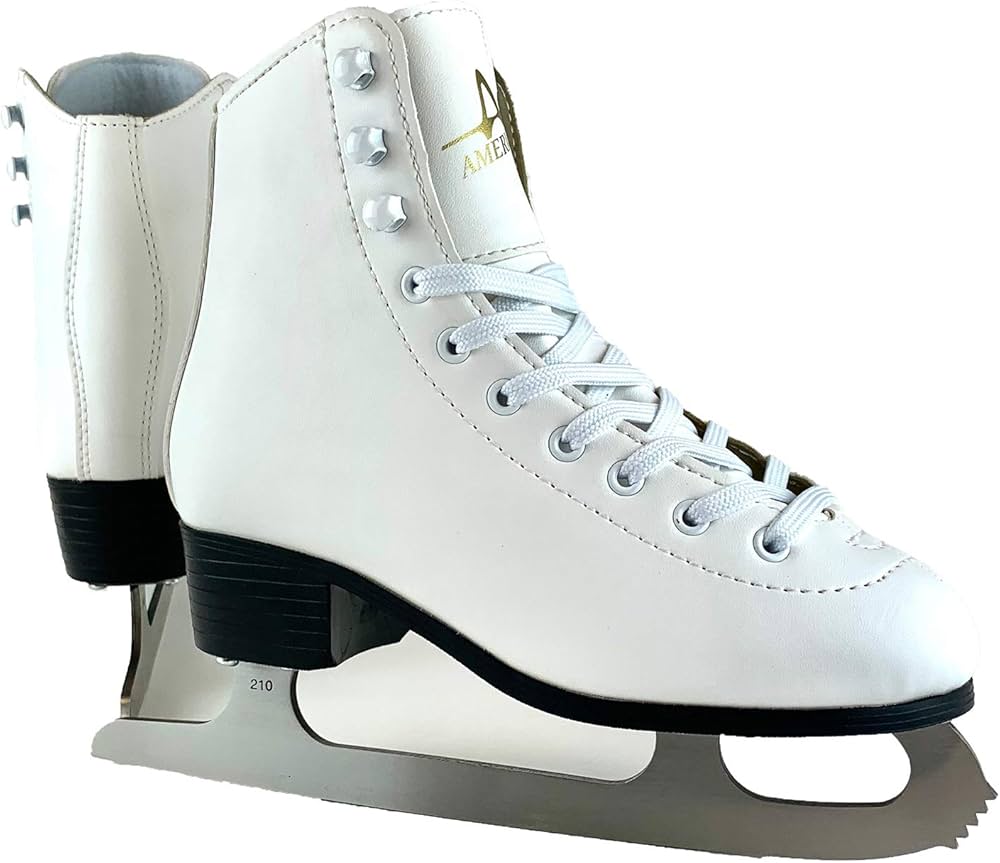
American Athletic Tricot Lined Figure Ice Skates
Learning Curve: Easy
$59.99
Difficulty: 1/5
Why Great for Beginners:
Super affordable entry to skating with soft tricot lining for instant comfort. Adjustable straps make fit easy, blades stable for first glides. Perfect 'try before commit' without big spend.
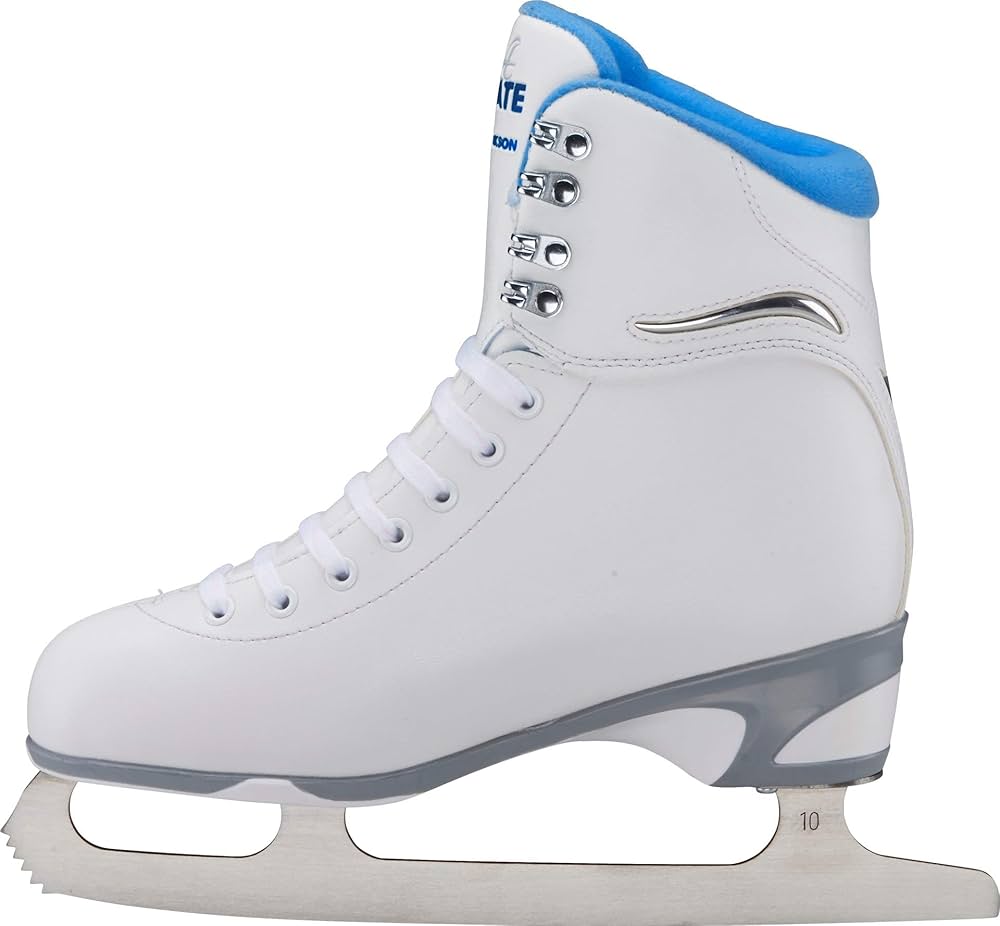
Pro-level comfort in beginner package: supple vinyl boot molds fast, premium blades grip predictably. Built to grow with you to intermediate skills without upgrade rush.
✓ Beginner Pros
+Molds to foot
+Superior support
+Sharp-yet-forgiving blades
+Long-lasting
✗ Beginner Cons
-Higher price
-Minor break-in
👍 Best for: Committed beginners planning regular skating
Ice skates basics: A boot holds your foot, blade glides on ice. For beginners in recreational skating (rinks, ponds), choose figure skates – curved toe pick for easy pushes, unlike hockey's straight blades for speed.
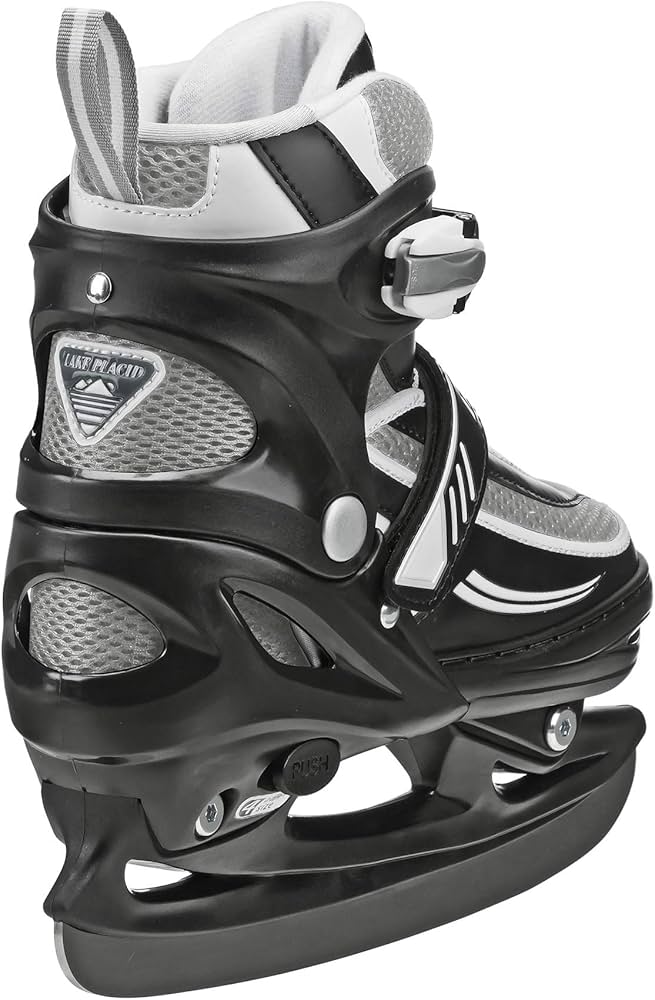
Types: Figure (best for beginners – stable, pretty), hockey (agile but tricky balance), adjustable (versatile for kids/adults). Stick to recreational figure skates; they're forgiving with softer boots.
Expect wobbles first 1-2 hours, then basic glides. 'Beginner-friendly' = boot molds to foot fast, blades grip mildly. Marketing like 'pro-lite' often means stiff – ignore for now. Evaluate by fit (thumb-width toe space), weight (under 5lbs/pair), and reviews mentioning 'comfortable out-of-box.'
Scenarios: Casual adult – recommended tier. Kids/growth – adjustable. Serious fun – premium. Budget for value: cheap warps, premium lasts. Red flags: No size adjust, stiff vinyl, under $40 (blades dull fast).
Growth: Pick with room to skill-up; upgrade when doing edges/jumps (6-12 months).
💰 Budget Guide for Beginners
350+
Near-pro: Serious commitment, excellent for quick progressors
100 - $200
Sweet spot: Great support/value for most beginners, lasts 1+ seasons
200 - $350
Premium beginner: Top comfort/durability, room for skill growth
Under $ - $100
Entry level: Basic comfort for trying skating, may need upgrade after 20-30 hours
⚠️ Common Beginner Mistakes to Avoid
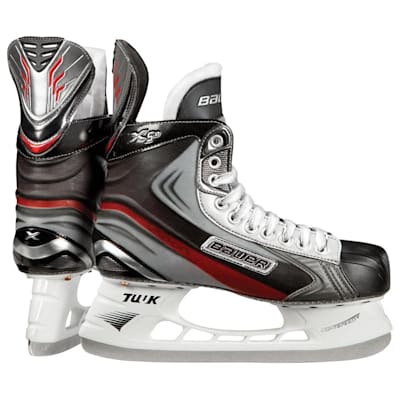
Beginners grab hockey skates thinking 'cool,' but struggle balancing vs figure's stability. Size mistakes from eyeballing lead to returns/pain. Skipping guards/gear = expensive repairs or ER visits.
Avoid by: Read reviews for 'comfort,' use charts, start with accessories bundle. Vets say: 'Spent $20 extra on guards, saved $50 sharpening.' Instead: Prioritize fit/support over flash.