Discover simple, foolproof hydroponic systems that make indoor gardening easy and fun from day one—no green thumb required.
Choosing your first hydroponic system feels overwhelming with all the techy terms, sizes, and prices. As a beginner, you worry about killing plants, wasting money, or picking something too complicated. But hydroponics—growing plants in water with nutrients instead of soil—is actually perfect for indoors and super rewarding.
This guide cuts through the confusion, focusing only on beginner-friendly systems that are easy to set up, forgiving of mistakes, and won't break the bank. We'll show you exactly what to buy, why it works for newbies, and how to avoid pitfalls so you can harvest fresh herbs in weeks with confidence.
📋 In This Guide
• Why Beginners Struggle with Hydroponic Systems
• What to Look For (Key Features)
• Top 4 Beginner-Friendly Hydroponic Systems
• Essential Accessories for Beginners
• Common Beginner Mistakes to Avoid
• Your Progression Path
• FAQ & Learning Resources
😰 Why Beginners Struggle with Hydroponic Systems
Beginners dive into hydroponics excited about fresh basil or lettuce indoors, but quickly get lost in jargon like 'DWC,' 'NFT,' 'ebb and flow,' or 'EC levels.' Forums are full of stories about failed grows from pH imbalances or pump failures because they bought complex kits without guidance.
The sheer number of options—tiny countertop units to massive tents—makes decisions paralyzing. Many fear spending $100+ on something they'll mess up, or worse, plants drowning or starving. Without knowing key features like auto-timers or simple nutrient mixing, newbies often quit after one failed crop.
🔍 What to Look For: Key Beginner-Friendly Features
Look for systems with plug-and-play setup—no tools or plumbing needed. Must-haves include built-in grow lights (LED for low energy), automatic watering pumps to prevent over/under-watering, and pre-measured nutrient options. These forgive beginner errors like forgetting to check water levels.
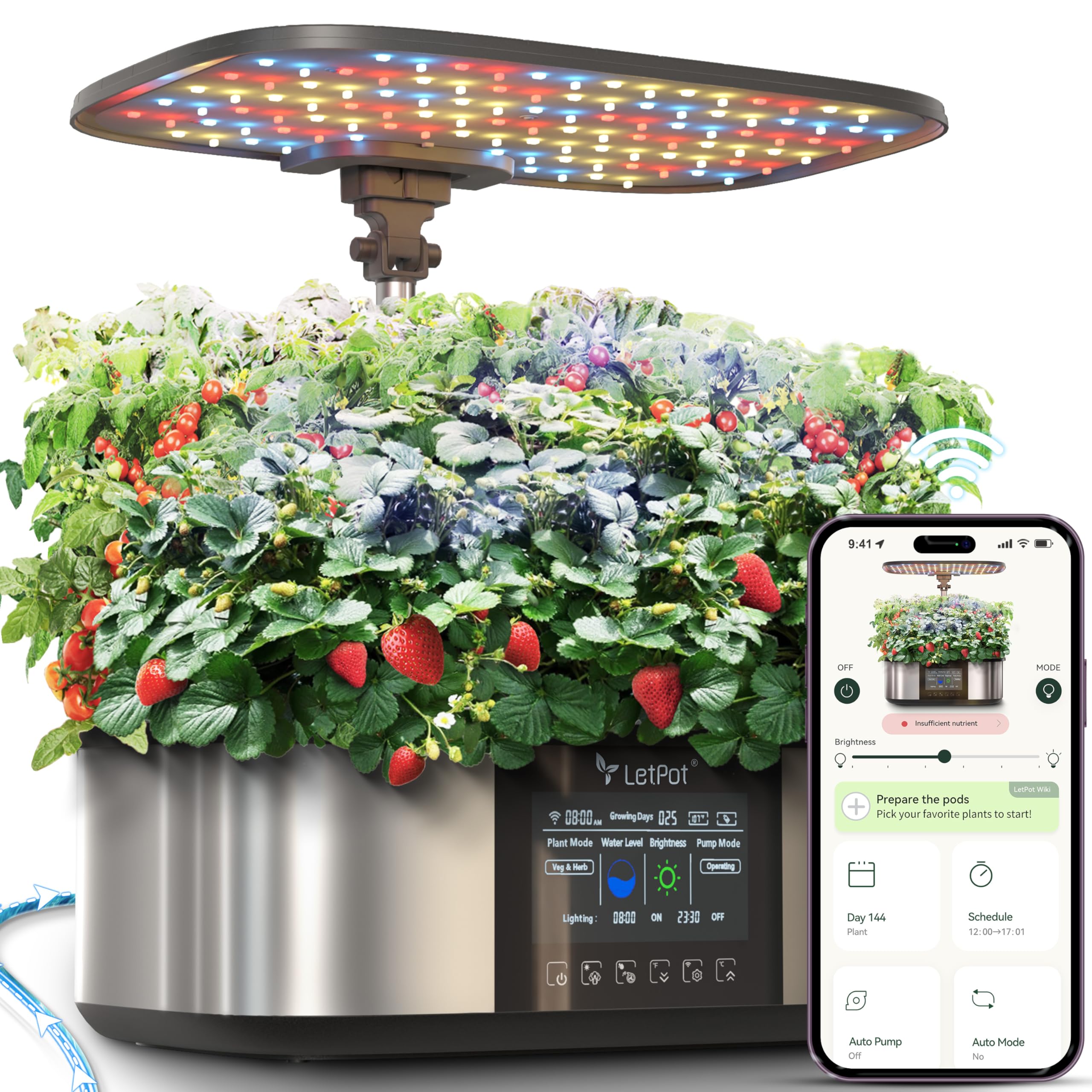
Nice-to-haves: App controls for reminders or simple reservoirs easy to refill. Skip advanced features like CO2 injection or multi-zone pH sensors—they add complexity without benefits for starters. Beginner-friendly means intuitive controls, clear instructions, and small sizes (4-12 plants) that fit kitchens without overwhelming you.
✅ Essential Features for Beginners
•Built-in LED grow lights: Provides perfect light without separate lamps or sunlight worries.
•Automatic water pump/timer: Keeps plants watered evenly so you can't forget.
•Simple reservoir: Easy to see and refill water/nutrients without guessing levels.
•Pre-set growing pods/seeds: No seed starting hassles—just plug in and grow.
•Compact countertop design: Fits small spaces, low maintenance for busy beginners.
•Forgiving pH buffer: Stable system tolerates minor nutrient mix errors.
•Clear setup manual/videos: Step-by-step guidance with no jargon.
🏆 Top 4 Best Hydroponic Systems for Beginners
#1
✨ Premium
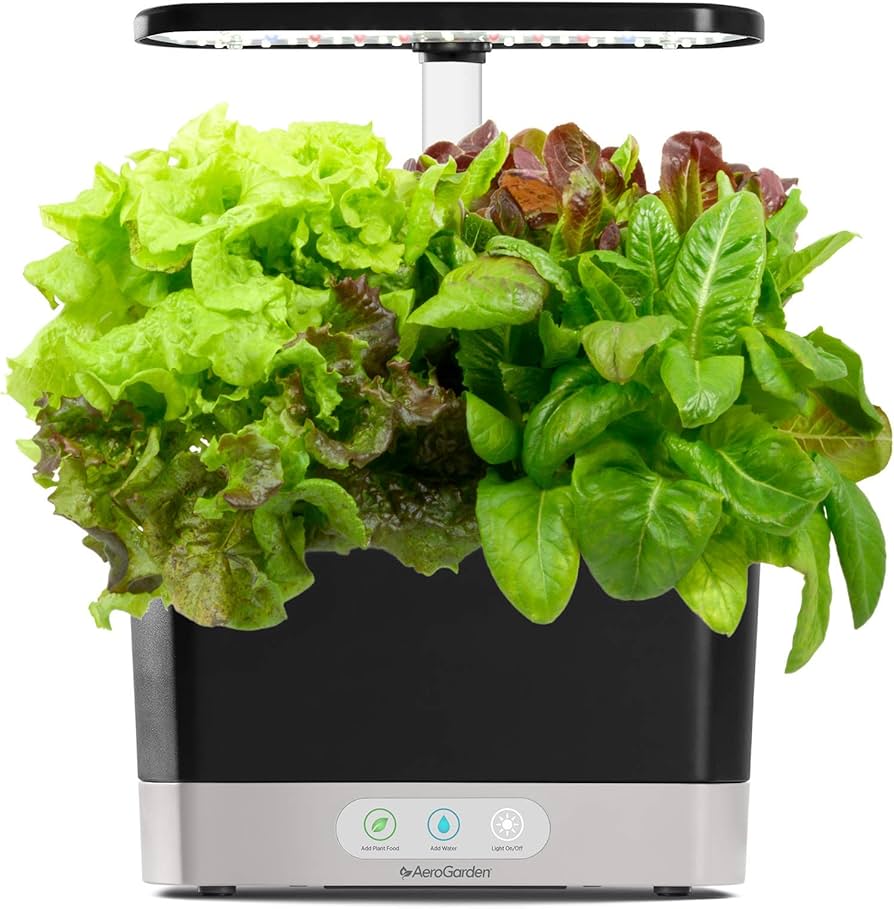
AeroGarden Harvest 6-Pod
Learning Curve: Easy
$149.99
Difficulty: 1/5
Why Great for Beginners:
This countertop wonder sets up in minutes with pre-seeded pods and auto everything—perfect for zero-experience growers. Forgiving design handles minor forgetfulness, yielding herbs fast.
✓ Beginner Pros
+One-touch setup
+Visual water reminders
+Customizable lights/timer
+Comes with seed pods
+Compact 12x7 inches
✗ Beginner Cons
-Pods proprietary (extra cost)
-Small reservoir needs weekly refill
-Herbs only at first
👍 Best for: Kitchen herb lovers wanting fresh basics without effort
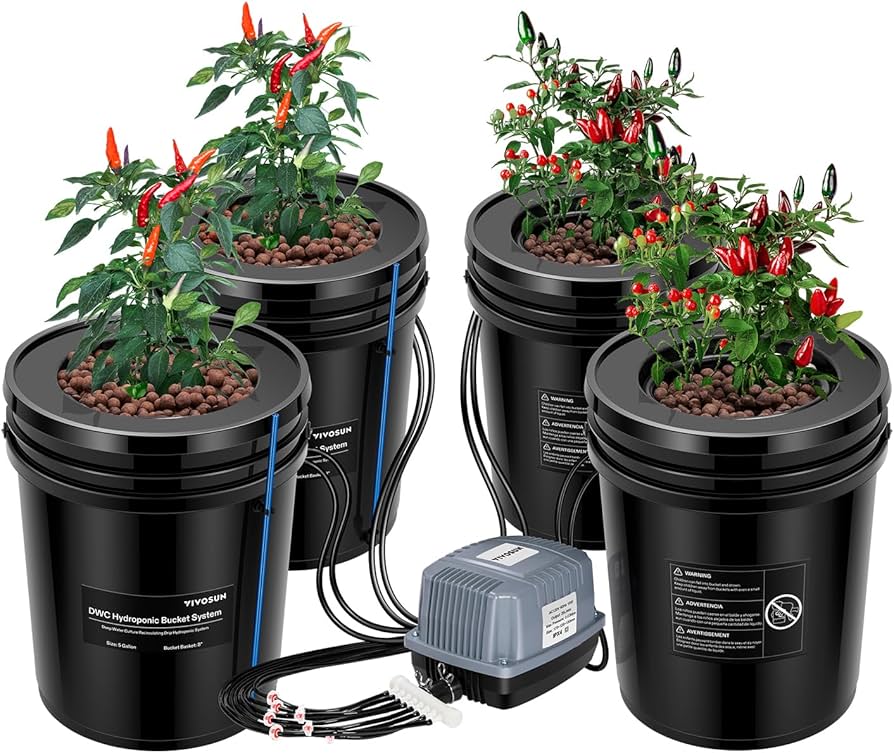
Hydroponics grows plants in nutrient-rich water, skipping soil for faster growth and no dirt mess—ideal for apartments. Types include Deep Water Culture (DWC: plants float in oxygenated water, simplest), Ebb & Flow (floods/drains automatically, moderate), and Aeroponics (mists roots, advanced—avoid for beginners).
DWC or countertop pod systems are best for newbies: foolproof, small-scale, quick harvests (herbs in 4 weeks). Expect steady greens like lettuce/herbs first; tomatoes need more experience. 'Beginner-friendly' means under 30-min weekly maintenance, visual water level checks, and self-contained units.
Marketing buzz like 'smart AI' sounds cool but often means pricier apps you ignore. Focus on ease: Does it have one-button start? Visual guides? Real users rave about systems forgiving pH swings or easy pod swaps.
🔧 Essential Accessories for Beginners
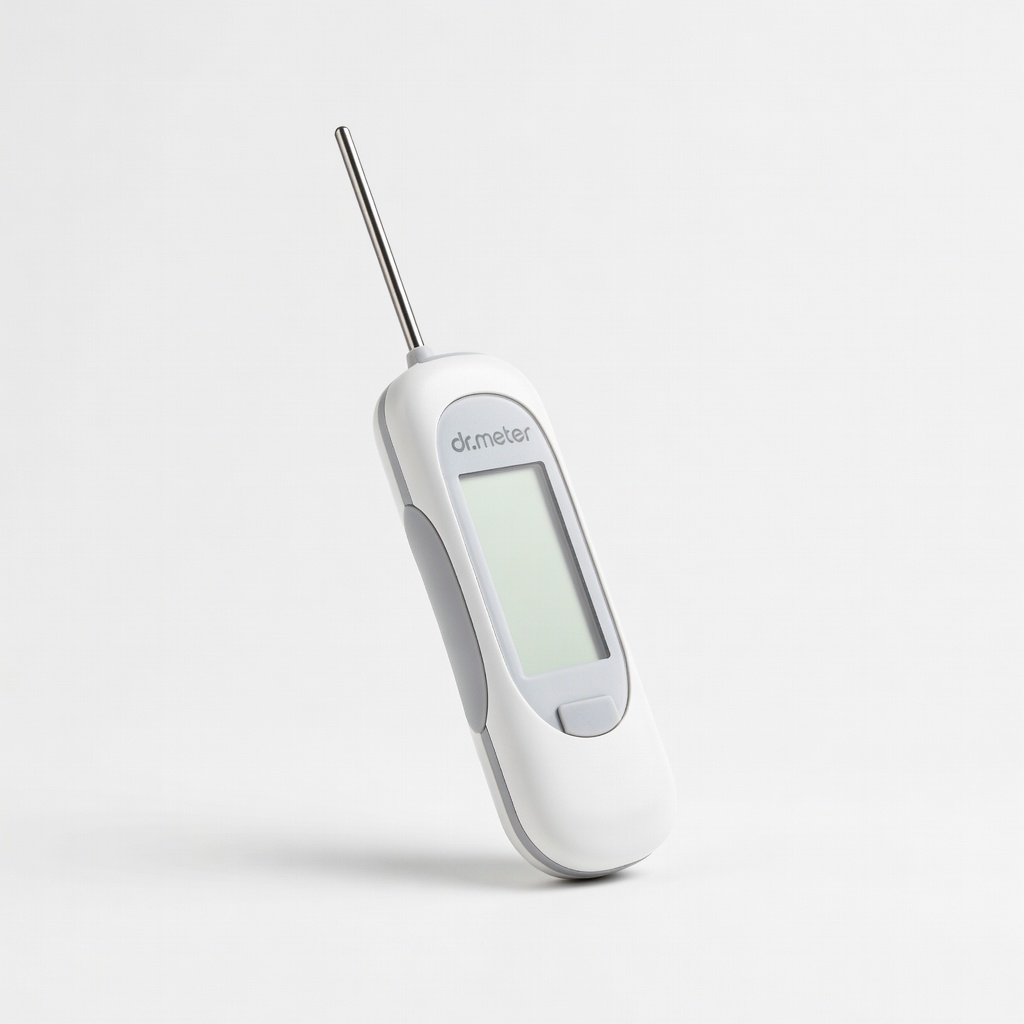
Dr.meter PH Meter
⚠️ Essential
$12.99
When to buy:
Day one
Hydroponics thrives at specific pH (5.5-6.5); this digital tester prevents plant lockout from wrong acidity—common newbie killer.
Ask: Space? (Countertop for small kitchens.) Plants? (Herbs/lettuce first.) Time? (Auto-systems if busy.) Budget? Start under $150 for value.
Scenarios: Tiny space/budget = 3-6 pod unit. Family herbs = 9-pod. Future veggies = expandable. Go budget to test waters, recommended for reliability, premium if committing long-term. Red flags: No lights included, complex assembly (>30 mins), vague instructions, or huge reservoirs hard to manage.
Consider growth: Pick expandable or with extra pod compatibility to avoid full replace.
💰 Budget Guide for Beginners
400+
Advanced starter: Multi-tier for serious hobbyists expanding quickly.
100 - $200
Sweet spot: Best for most beginners—reliable lights/pumps, 6-12 plants, room to grow.
200 - $400
Premium beginner: Larger, app-enabled, pro features without overwhelm.
Under $ - $100
Entry level: Basic kits to dip toes—small plant count, may upgrade in 6 months.
⚠️ Common Beginner Mistakes to Avoid
Newbies grab cheapest Amazon kit, then frustration hits when pump fails or pH crashes—no backup plan. They skip accessories like meters, blaming 'hard hydroponics.' Overbuying pro gear with CO2? Wasteful features unused.
Avoid by sticking to vetted beginner picks, Day 1 accessories, and weekly checks. Experienced growers say: 'Start small, learn pH first—saved my setup.'
×Buying soil-less without pH tester—plants starve.
×Overlooking light inclusion—weak growth.
×Choosing huge systems for small spaces.
×Skipping nutrients—expecting tap water magic.
×Ignoring water temp (too cold kills roots).
×Too-cheap kits with unreliable pumps.
×Not cleaning reservoirs—algae takeover.
×Advanced types like NFT without experience.
📈 Your Progression Path: Beginner to Intermediate
Master basics first: Setup, daily checks, first harvest (4-6 weeks). Practice herbs/lettuce to nail nutrients/lights. Outgrow when wanting 20+ plants or fruits—signs: Consistent yields, boredom with auto-mode.
📖{"name":"Hydroponics for Beginners: Complete Growing System Guide","asin":"B08L3Y8Z3Q","type":"book","price":14.99,"why":"Step-by-step from setup to harvest, jargon-free."}
📖{"name":"Gardening in the Air: The Ultimate Guide to Hydroponics","asin":"B07Z5N1P2Q","type":"book","price":12.99,"why":"Visual diagrams for DWC beginners."}
📖{"name":"AeroGarden Seed Pod Kit Refills","asin":"B01N4IGYRB","type":"tool","price":19.99,"why":"Practice with easy swaps."}
📖{"name":"Hydroponic Food Production Book","asin":"B000Q33VSK","type":"book","price":29.99,"why":"Beginner nutrient recipes."}
📖{"name":"pH Test Strips Kit","asin":"B07BW6RV67","type":"tool","price":8.99,"why":"Hands-on pH learning aid."}