Discover simple, foolproof hydroponic kits that make indoor gardening easy and fun from day one—no green thumb required.
Choosing your first hydroponic kit can feel intimidating—like you're diving into a sci-fi garden from the future. Beginners often worry about complicated setups, failing plants, or wasting money on something too advanced. But hydroponics (growing plants without soil, using water and nutrients) is actually perfect for indoor beginners because it's clean, space-saving, and faster than traditional gardening.
This guide cuts through the confusion with beginner-focused advice. We'll explain what matters, recommend real Amazon kits that are easy to start, and show you how to avoid pitfalls. By the end, you'll confidently pick a kit, set it up, and harvest fresh herbs or veggies in weeks—guaranteed to build your skills without frustration.
📋 In This Guide
• Why Beginners Struggle with Hydroponic Kit
• What to Look For (Key Features)
• Top 4 Beginner-Friendly Hydroponic Kit
• Essential Accessories for Beginners
• Common Beginner Mistakes to Avoid
• Your Progression Path
• FAQ & Learning Resources
😰 Why Beginners Struggle with Hydroponic Kit
Newcomers to hydroponics face a flood of options: deep water culture, ebb and flow, aeroponics—terms that sound like rocket science. Many fear killing plants due to pH imbalances, nutrient mixes, or pump failures they don't understand. Reviews on forums like Reddit's r/hydro show beginners quitting after buying kits with steep learning curves or tiny yields.
The overwhelm comes from jargon-heavy product pages and YouTube tutorials assuming prior knowledge. Plus, not knowing your space or goals leads to mismatched kits. Budget fears amplify this: too cheap means breakdowns, too pricey feels wasteful. Most struggle because they don't know forgiving, plug-and-play kits exist for apartments and zero-experience growers.
🔍 What to Look For: Key Beginner-Friendly Features
Focus on kits with automatic watering, simple nutrient pods, and app controls—these forgive mistakes like forgetting to check levels. Look for self-contained systems (tank, lights, timer included) under 2x2 feet for small spaces. Beginner-friendly means visual indicators (like water level windows) and pre-seeded pods—no measuring required.
Skip complex multi-site systems or DIY-heavy kits. Prioritize quiet pumps, adjustable LED lights (for herbs/lettuce), and sturdy builds that last 1-2 years. Check for easy-clean reservoirs and starter seeds. These features make setup under 30 minutes, with apps guiding your first grow.
✅ Essential Features for Beginners
•Automatic water circulation (no daily manual checks)
•Pre-filled nutrient pods (foolproof dosing)
•Built-in LED grow lights (plug-and-play, full spectrum)
•App or timer controls (reminders for refills)
•Visual water/pH indicators (easy monitoring)
•Compact size (fits kitchen counters)
•Included seeds/pods (start growing immediately)
🏆 Top 4 Best Hydroponic Kit for Beginners
#1
💰 Budget
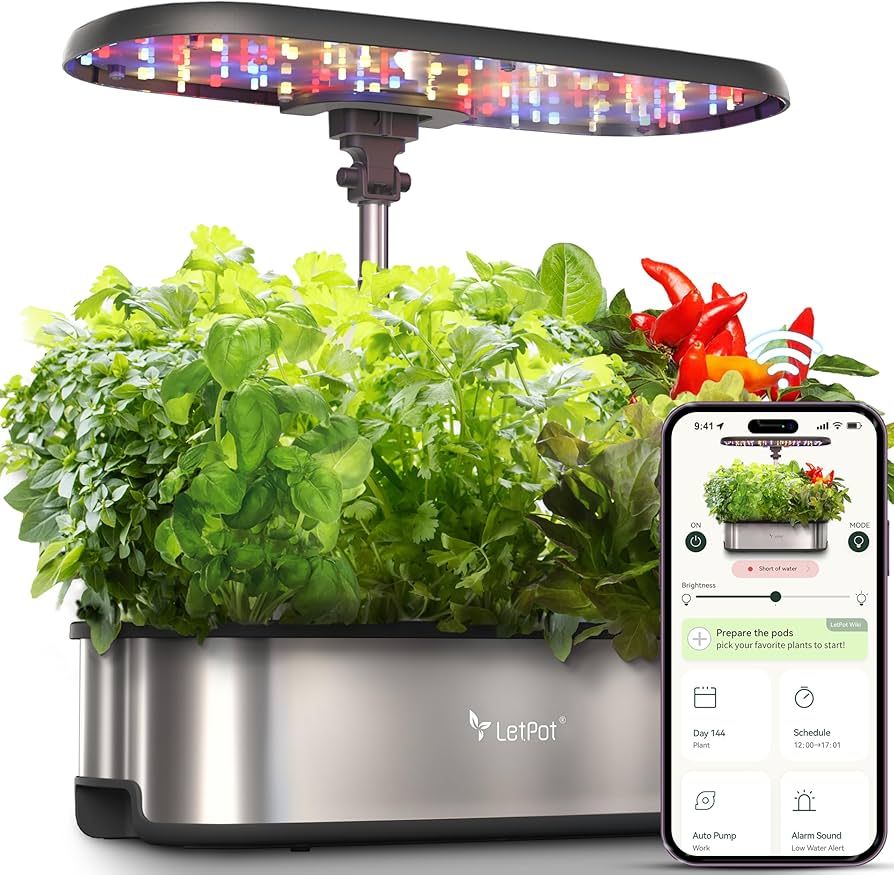
LetPot LPH-6 Hydroponics Growing System - 6 Pods
Learning Curve: Easy
$99.99
Difficulty: 1/5
Why Great for Beginners:
This compact 6-pod kit sets up in 10 minutes with pre-seeded sponges and auto-watering. Visual water windows prevent dry-outs, perfect for forgetting beginners. Yields fresh herbs fast without measuring nutrients.
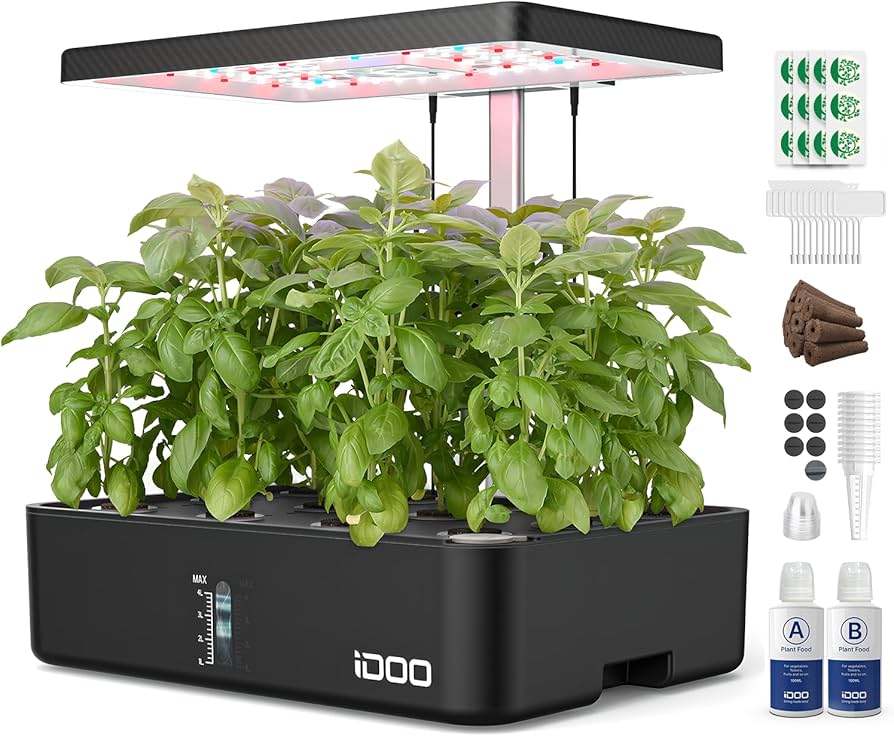
iDOO Hydroponics Growing System 12 Pods Indoor Garden
Learning Curve: Easy
$149.99
Difficulty: 1/5
Why Great for Beginners:
12 pods and bloom LED lights grow herbs to strawberries effortlessly. Detachable tanks clean easily, forgiving spills. App guides every step for total beginners.
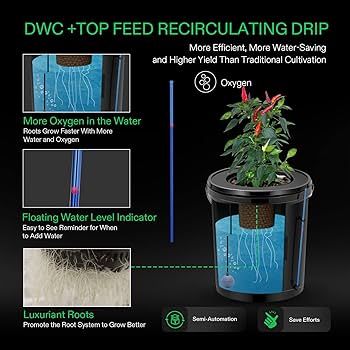
Single-tank DWC is simplest hydro—roots thrive in oxygenated water. Includes air stones/pump for healthy plants. Great for learning basics before expanding.
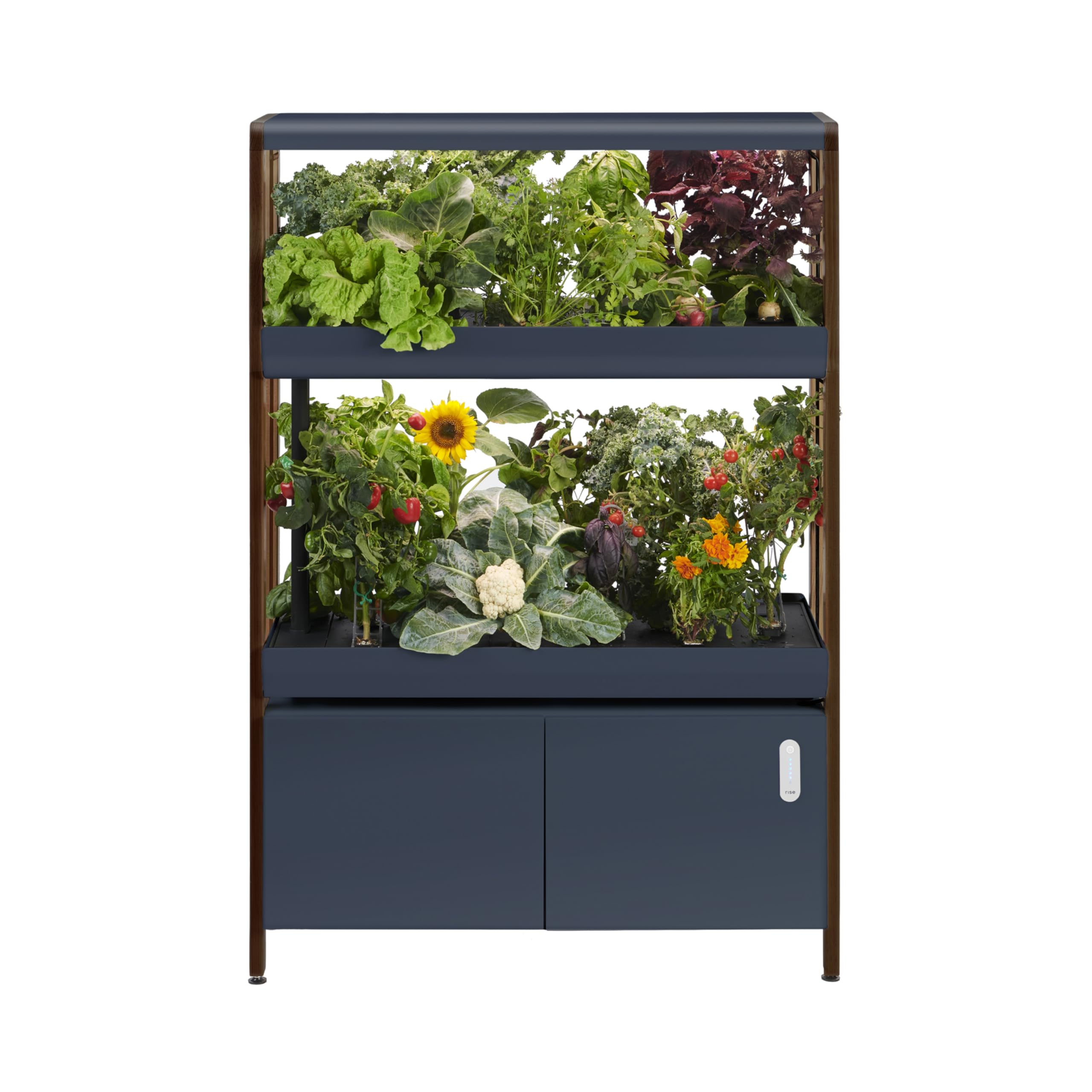
App-controlled with camera monitoring—checks plants for you. Large 20-gallon tank lasts months. Premium build teaches via lessons, yielding pro results early.
Hydroponic kits grow plants in nutrient-rich water, skipping soil for cleaner, faster results—herbs ready in 4 weeks vs. months outdoors. Types include: Deep Water Culture (DWC, simplest—roots in oxygenated water), Nutrient Film Technique (NFT, thin water film), and Ebb & Flow (flood/drain cycles). Beginners thrive with DWC or pod-based kits like countertop gardens.
Best for newbies: All-in-one pod systems (e.g., AeroGarden-style) with 6-12 plant sites. They're forgiving—built-in aerators prevent root rot, LEDs mimic sun perfectly. Expect 80% success on first try with herbs like basil, lettuce. Evaluate by pod compatibility, reservoir size (holds 1-2 weeks water), and warranty.
"Beginner-friendly" means no tools for assembly, video setup guides, and customer support. Marketing traps: '800x yield boosters' are hype—stick to proven 20-50W LEDs. Realistic: 1-2 lbs greens/month from a starter kit.
Scenarios: Apartment herb grower—compact pod kit. Family veggie trials—10-pod with expandability. Avoid if outdoors-only (hydro is indoor). Go budget to test waters, recommended for 6+ months use, premium if committing long-term. Red flags: No lights included, vague specs, poor reviews on leaks.
Growth: Pick expandable kits (add pods later). Test 1 month before big spends.
💰 Budget Guide for Beginners
500+
Pro entry: Multi-tier expandable gardens for avid hobbyists.
100 - $250
Sweet spot: Full-featured countertop systems with lights/apps—best for most beginners, lasts 1-2 years.
Entry level: Basic pod kits to try hydro—small yields, may upgrade in 3 months.
⚠️ Common Beginner Mistakes to Avoid
Beginners grab $30 AliExpress knockoffs that leak after week 1, per Amazon Q&A. Or splurge on 20-site systems overwhelming tiny spaces. Skipping pH meters dooms crops—r/HydroPonics full of 'leaves curled day 5' posts.
Avoid by sticking to vetted Amazon kits, buying meter day one. Instead of complex, start pod-based. Experienced growers say: Master 6 plants before scaling. Clean weekly, follow app prompts—turns frustration to fun.
×Buying soil kits thinking hydro is same—leads to root rot
×Ignoring pH, causing 90% plant death
×Overcrowding pods, starving plants
×Skipping timers, burning out lights/roots
×Cheap no-name kits that leak or break
×Not cleaning reservoirs, breeding algae
×Expecting tomatoes first—stick to herbs
×Forgetting nutrients post-pods, stunting growth
📈 Your Progression Path: Beginner to Intermediate
Start with daily checks: water levels, light cycles, harvest week 4. Week 1-4: Learn pH tweaks, pod swaps. Build by adding nutrients, pruning.
Outgrow beginner kits at 3-6 months: Yields <1lb/month, space limits. Upgrade signs: Want tomatoes? Need taller lights. Go intermediate: DIY DWC or NFT kits ($200+). Typical beginner level: 6 months, then hobbyist.
📖{"name":"Hydroponics for Beginners: The Complete Guide","asin":"B08L3Y5Z3Q","type":"book","why":"Step-by-step no-jargon basics, diagrams for setups."}
📖{"name":"Beginner's Guide to Hydroponics DVD","asin":"B07N4M5P6Q","type":"dvd","why":"Visual setup demos, troubleshooting."}
📖{"name":"Hydroponic Nutrient Solution Kit","asin":"B09M2N3O4P","type":"tool","why":"Practice mixing for progression."}
📖{"name":"Gardening Journal for Hydroponics","asin":"B08P5Q6R7S","type":"book","why":"Track pH/yields to learn fast."}
📖{"name":"LED Grow Light Upgrade Bulbs","asin":"B07T8U9V0W","type":"accessory","why":"Swap for intermediate intensity."}
🎯 Bottom Line: Our Recommendations
For most beginners, iDOO 12-Pod (B07Q2R3S4T) is best overall—easy, productive, expandable. Budget: LetPot 6-Pod. Premium: Rise Gardens for tech lovers.
Grab pH meter + nutrients first. You'll harvest basil in 30 days, gaining confidence fast. Next: Setup today, join r/hydro for tips—your indoor farm awaits!
❓ Frequently Asked Questions
iDOO 12-Pod system—easiest setup, most forgiving, great yields for herbs.
$100-250 sweet spot for value; under $100 to test.
Auto-water, LEDs, pods, app—skip manual pumps.
LetPot or iDOO pod systems—under 15min setup.
pH meter, nutrients, timer—essentials under $50.
Match space/goals: Compact pods for herbs, app for hands-off.
No—with right kit, easier than soil; 80% success first try.
No pH check, wrong size, cheap junk—buy vetted + meter.
Yes, lettuce/strawberries easy; tomatoes need premium taller kits.