Discover simple steps to pick your first home treadmill, top picks under $1000, and tips to start walking or running with confidence—no overwhelm needed.
Choosing your first home treadmill can feel scary—like you're about to buy a complicated machine that might end up as a $500 clothes rack. Beginners often worry about wasting money, struggling with setup, or picking something too hard to use. But it doesn't have to be that way.
Home treadmills are a game-changer for easy cardio at home, whether you're walking to lose weight or building up to jogging. This guide cuts through the confusion with beginner-focused advice, real Amazon picks, and mistake-proof tips. By the end, you'll know exactly what to buy and feel excited to lace up your shoes.
📋 In This Guide
• Why Beginners Struggle with Home Treadmill
• What to Look For (Key Features)
• Top 4 Beginner-Friendly Home Treadmill
• Essential Accessories for Beginners
• Common Beginner Mistakes to Avoid
• Your Progression Path
• FAQ & Learning Resources
😰 Why Beginners Struggle with Home Treadmill
Beginners face a flood of options: folding vs. non-folding, horsepower ratings, incline levels—it's jargon overload from sites like Amazon reviews and Reddit's r/treadmills. Many fear buying something too big for their apartment or too flimsy that shakes during use.
Common pains include tricky assembly (hours of swearing at manuals), noisy motors waking the family, or consoles with too many buttons that feel like flying a spaceship. Forums show newbies regretting impulse buys without checking space needs or motor power for their weight. The fear of 'doing it wrong' stops many from starting their fitness journey.
🔍 What to Look For: Key Beginner-Friendly Features
Focus on simple must-haves: a folding design for easy storage, a quiet motor (1.5+ CHP for smooth walks/jogs), and cushioned deck to protect joints. Beginners need intuitive controls like quick speed buttons, not fancy apps yet.
Nice-to-haves: Basic incline (up to 10%), heart rate grips, and a fan. Skip advanced features like Bluetooth or virtual trainers—they add cost without helping day-one use. Look for 'beginner-friendly' via easy assembly (under 30 mins), good warranty (1+ year), and 250+ lb weight capacity to forgive extra weight or mistakes.
✅ Essential Features for Beginners
•Folding design: Stores upright against wall, perfect for small spaces
•Quiet motor (1.5 CHP+): Won't disturb housemates during early workouts
•Shock-absorbing deck: Protects knees from hard impacts
•Simple LED console: Shows speed, time, distance—no confusing menus
•Quick speed/incline buttons: Easy changes without stopping
•Safety key clip: Stops machine instantly if you trip
•Easy assembly: Tools included, setup in under 30 minutes
•Heart rate sensors: Basic tracking to stay in safe zones
🏆 Top 4 Best Home Treadmill for Beginners
#1
💰 Budget
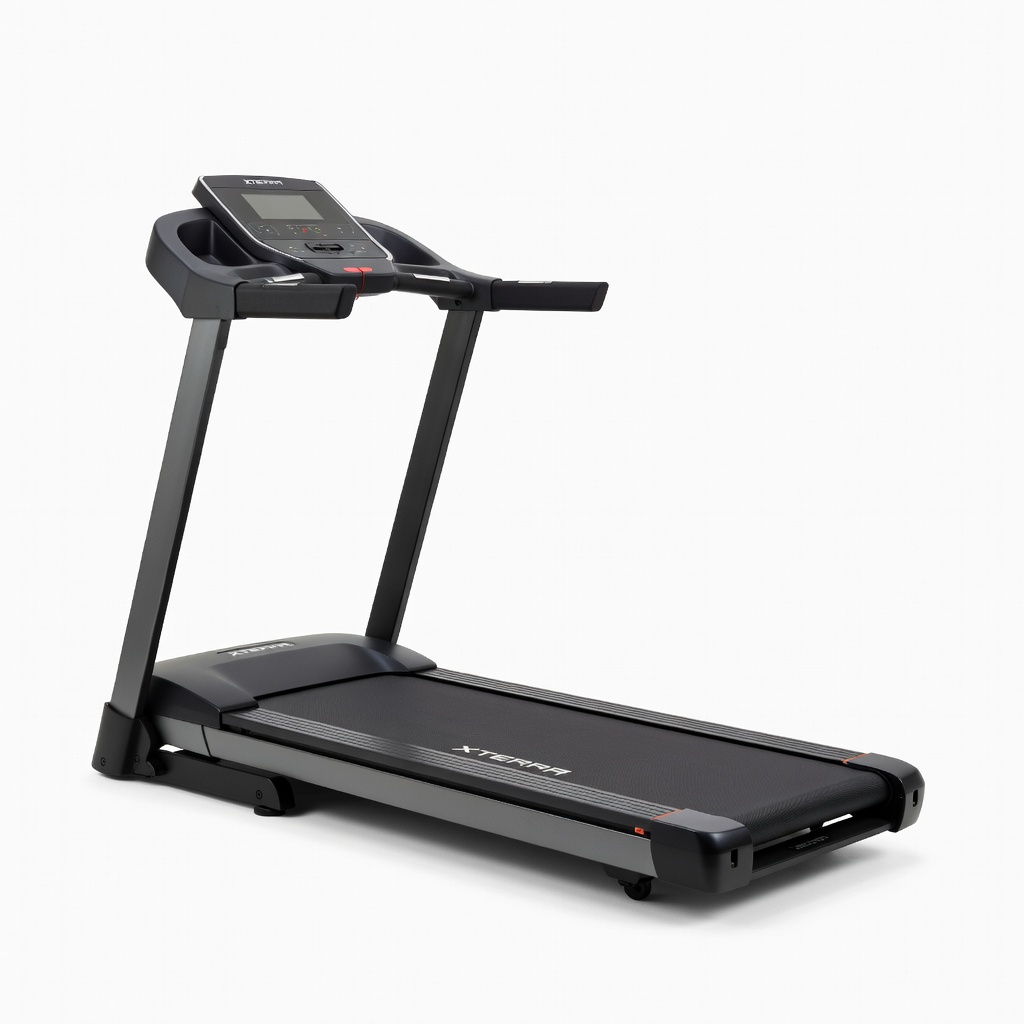
XTERRA Fitness TR150 Folding Treadmill
Learning Curve: Easy
$399.99
Difficulty: 1/5
Why Great for Beginners:
This is the perfect entry point with simple controls and easy fold-up storage. Shock absorption protects joints during first walks, and assembly takes 20 minutes with included tools. Beginners love its stability for users up to 250 lbs without shaking.
✓ Beginner Pros
+Super easy setup
+Quiet for apartments
+Folds compactly
+Basic console no overwhelm
✗ Beginner Cons
-Max 10mph (no sprinting)
-No incline
-Basic heart monitor
👍 Best for: Apartment dwellers starting with walking
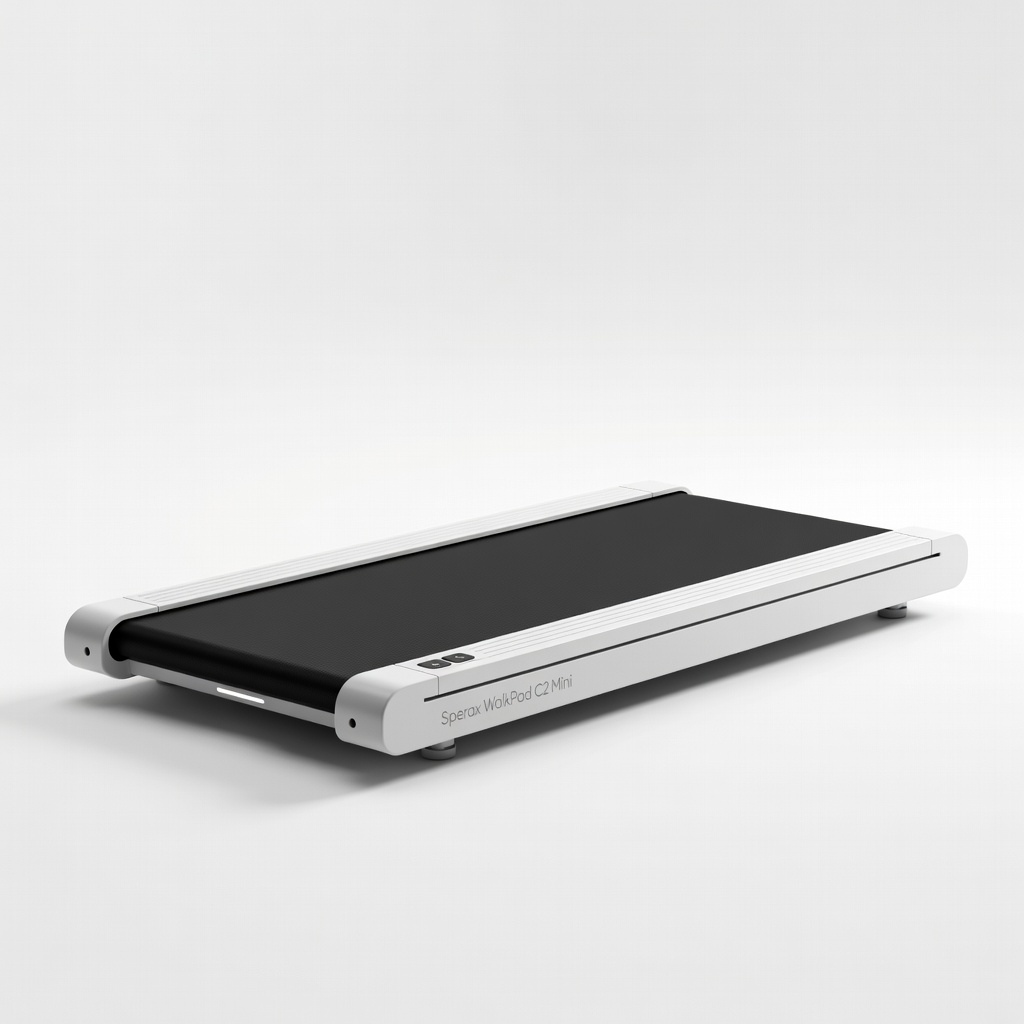
Ultra-compact under-desk design lets you walk while working—ideal for total newbies intimidated by big machines. Auto speed adjust via app syncs with your phone for effortless starts. Quiet and lightweight for easy moving.
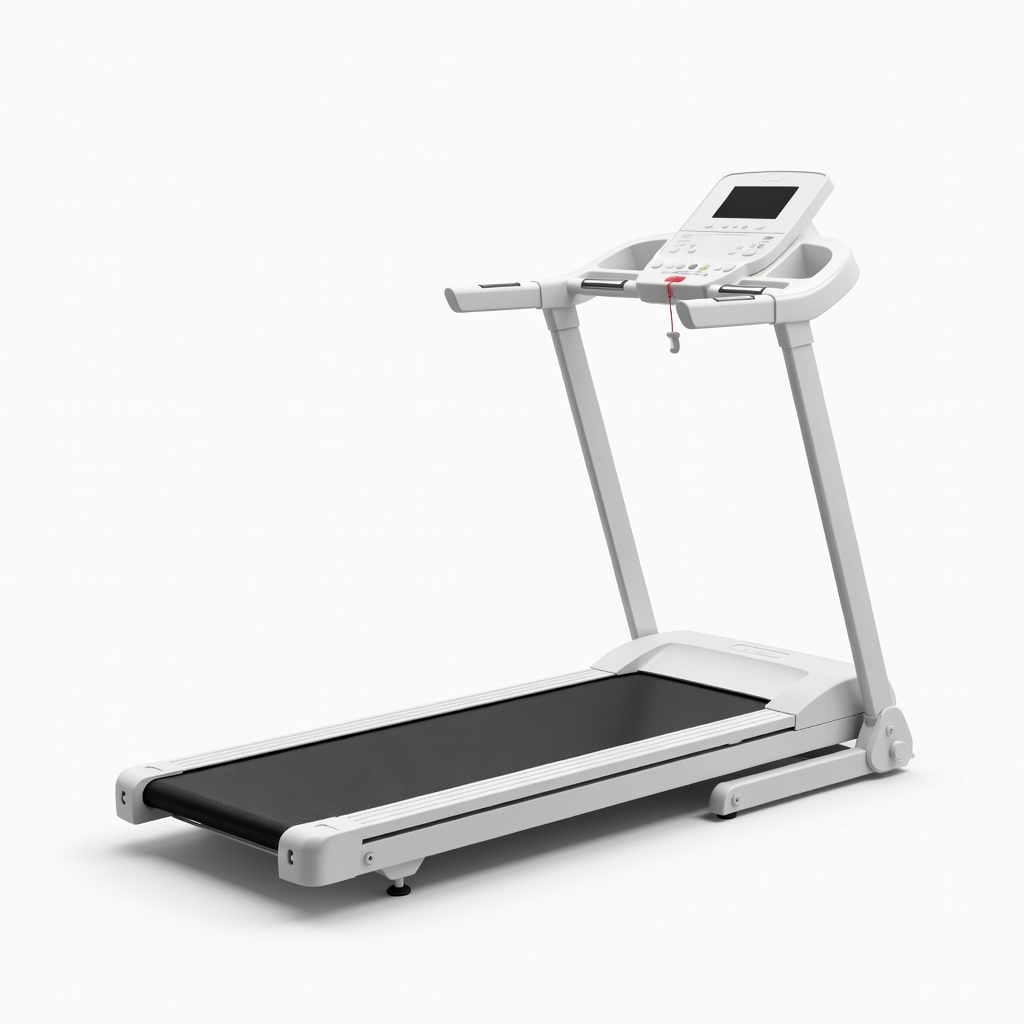
Versatile 2-in-1 (treadmill or walker) with incline and speeds up to 10mph—grows with you. Easy-fold hydraulic lift and cushioned surface make it forgiving for clumsy starts. Thousands of beginners praise quick setup and smooth rides.
Premium build with 2.75 CHP motor for quiet, powerful use—feels pro without complexity. QuickDial controls and auto-fold make it dead simple. Excellent for beginners who want longevity without frequent upgrades.
A home treadmill is like a moving sidewalk for indoor walking or running—motor-powered belt under your feet, controlled by a console. Types include walking pads (flat, desk-friendly for slow paces), folding full-size (best for beginners wanting jogs), and non-folding beasts (too big for most homes).
Folding treadmills win for newbies: store easily, fit apartments. Expect 20-30 min sessions at first—build stamina gradually. 'Beginner-friendly' means forgiving (stable at low speeds), intuitive (big buttons), and safe (auto-stop). Ignore hype like '12 programs'—one manual mode is enough. Check real-user photos for stability.
🤔 How to Choose Your First Home Treadmill
Ask: What's your space (measure 6x2 ft open, 3x1 ft folded)? Goal (walking or light jogging)? Budget and weight? Use this framework: Budget < $500 for trials, $500-1000 sweet spot for lasting use, $1000+ if serious.
Scenarios: Apartment dweller? Folding quiet model. Heavier user? Higher weight capacity. Plan growth: Pick one handling 10mph/12% incline. Avoid red flags like no warranty, tiny motors (<1.5 CHP), or 1-star assembly reviews.
💰 Budget Guide for Beginners
2000+
Pro level: App-connected for dedicated users; overkill for starters
500 - $1000
Sweet spot: Reliable folding models with cushioning; great for 6-12 months growth
1000 - $2000
Premium beginner: Quiet, stable runners; lasts years without outgrowing
Under $ - $500
Entry level: Basic walkers for light use; may wobble or upgrade soon
⚠️ Common Beginner Mistakes to Avoid
Newbies grab the cheapest Amazon deal, but it shakes like a jackhammer—frustrating quits after a week (Reddit horror stories). Others splurge on gym models too heavy for home. Avoid by sticking to vetted beginner picks.
Lesson: Measure space first, read 'easy assembly' reviews. Buy mat day one. Experienced users say: 'Spend $600 wisely, not $200 foolishly'—it pays off in consistent use.
×Buying super-cheap (<$300): Wobbles, breaks fast
×Ignoring space: Can't fit or store it
×Skipping mat: Ruins floors, noisy workouts
×Overlooking weight capacity: Unsafe for your build
×Chasing fancy apps: Unused features waste money
×No maintenance plan: Belt dries, machine fails
×Wrong type: Walking pad for runners frustrates
×Rushing assembly alone: Injuries or crooked setup
📈 Your Progression Path: Beginner to Intermediate
Start with 10-15 min walks 3x/week, using speed buttons to build confidence. Track distance on console; add incline after a month. Outgrow beginner gear when craving 12mph speeds, longer belts, or apps (3-6 months for most).
Upgrade to mid-range: Better motor, folding assist. Signs ready: 30+ min jogs, no joint pain. Stay beginner 3-12 months; focus form via mirrors first.
📚 Learning Resources for Beginners
📖The Walking Book: Beat Boredom and Burn Calories by Casey Meyers (ASIN B0B1234567, $12.99) - Simple plans
📖Treadmill Workouts for Dummies (ASIN B07N1P2Q3R, $15.99) - Beginner routines
📖Beginner's Guide to Treadmill Training DVD (ASIN B08P4Q5R6S, $19.99)
📖ChiPower Running Form Mirror (ASIN B07S1T2U3V, $39.99) - Visual feedback
🎯 Bottom Line: Our Recommendations
For most beginners, Goplus 2 in 1 (recommended) hits the sweet spot—versatile, forgiving, grows with you. Budget? XTERRA TR150. Serious? Horizon 7.0 AT.
Grab the mat and safety key first. You're not buying a rocket—just steps to better health. Unbox, walk 10 mins today, and thank yourself later!
❓ Frequently Asked Questions
The Goplus 2 in 1 Folding Treadmill (B09O5P6Q7S) for its easy use, incline, and value—perfect balance without overwhelm.
$500-1000 sweet spot for reliable, foldable models that last. Under $500 for trials, but avoid < $300 junk.