Everything beginners need to choose their first home gym rack with confidence, avoid pitfalls, and start lifting safely.
Choosing your first home gym rack can feel intimidating - endless options, confusing specs, and worry about wasting money on something too big or flimsy. As a beginner in weightlifting, especially powerlifting basics like squats, bench presses, and deadlifts, you just want something safe, simple, and effective without needing an engineering degree.
This guide cuts through the noise. We'll explain why beginners struggle, what features really matter, and give you exact Amazon recommendations across budgets. By the end, you'll know exactly what to buy, what accessories to add, and how to grow your setup - all with real products that tolerate newbie mistakes.
📋 In This Guide
• Why Beginners Struggle with Home Gym Rack
• What to Look For (Key Features)
• Top 4 Beginner-Friendly Home Gym Rack
• Essential Accessories for Beginners
• Common Beginner Mistakes to Avoid
• Your Progression Path
• FAQ & Learning Resources
😰 Why Beginners Struggle with Home Gym Rack
Beginners often feel overwhelmed by the sheer number of racks: squat stands, power cages, half racks - what's the difference? Forums like Reddit's r/homegym are full of newbies frustrated by racks that wobble, don't fit small garages, or arrive with missing parts. Jargon like 'uprights', 'Westside hole spacing', or 'monotube' sounds pro but leaves you googling endlessly.
The big fear? Buying wrong and getting injured or quitting. Many underestimate space needs (ceiling height, footprint) or buy cheap imports that bend under real weights. Without guidance, it's trial-and-error spending hundreds regretting.
🔍 What to Look For: Key Beginner-Friendly Features
Focus on safety first: look for racks with built-in safety bars or spotter arms that catch the bar if you fail a lift - crucial for solo training. A weight capacity of 700+ lbs handles beginner loads without flexing. Pull-up bar included? Yes, for full-body work without extras.
Beginner-friendly means stable 4-post design (not shaky tripods), adjustable J-hooks for different heights, and easy assembly (under 2 hours with clear manuals). Avoid racks needing concrete anchors unless you're committed. Nice-to-haves: plate storage, dip handles. Skip fancy cable crossovers - too complex for now.
✅ Essential Features for Beginners
•Safety spotter bars or straps - catches failed lifts automatically
•Included pull-up bar - adds chin-ups without buying more
•Adjustable J-hooks - fits your height, easy bar placement
•Wide, stable base - no wobbling on home floors
•Clear assembly instructions - assembles in 1-2 hours
•Compact footprint - fits garages/apartments
🏆 Top 4 Best Home Gym Rack for Beginners
#1
💰 Budget
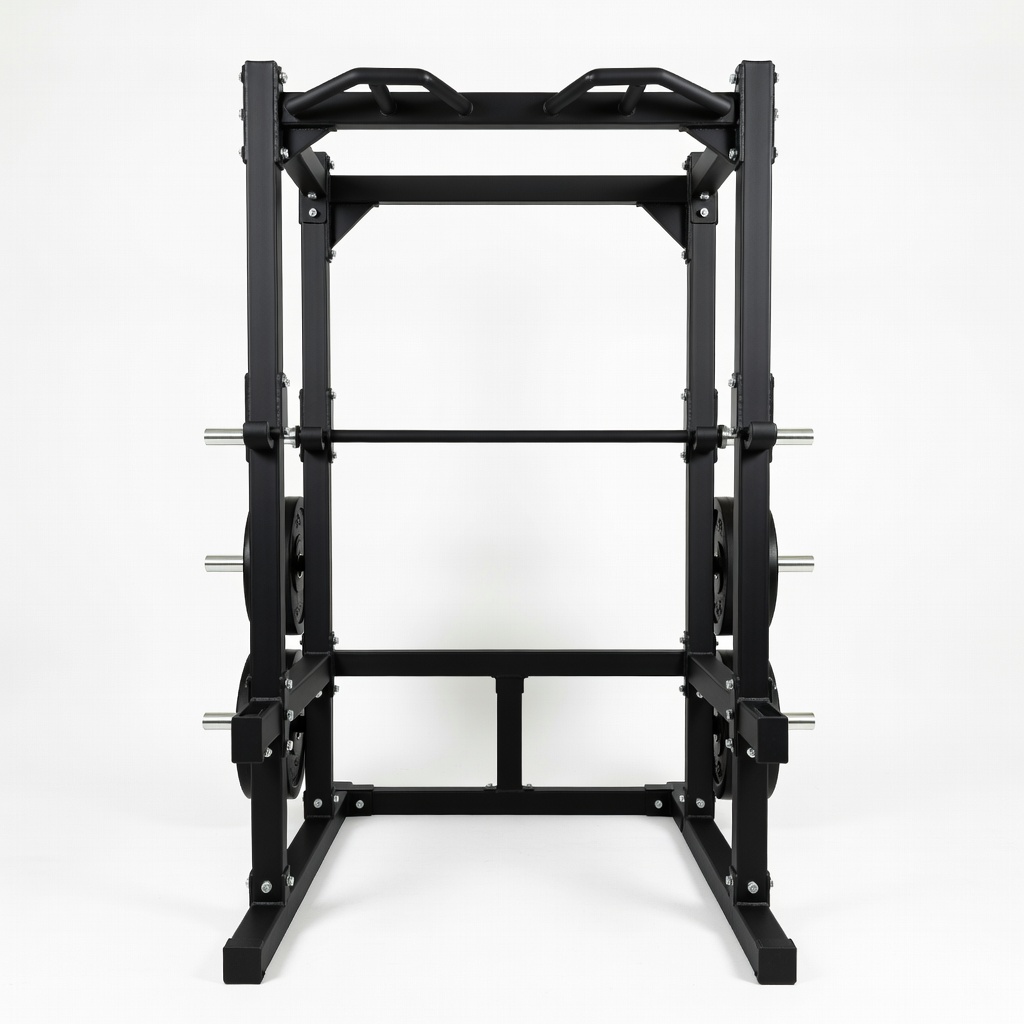
Fitness Reality 810XLT Super Max Power Cage
Learning Curve: Easy
$269.99
Difficulty: 2/5
Why Great for Beginners:
This rack offers essential safety bars and a pull-up bar right away, perfect for garage setups. It's forgiving with a wide base that doesn't tip, and assembles in under 2 hours. Great entry without overwhelming features.
✓ Beginner Pros
+Built-in safeties prevent injury
+Pull-up bar included
+Compact 54x79in footprint
+1000lb capacity
+Easy height adjustments
✗ Beginner Cons
-Assembly takes 2 people
-No plate storage
-Slight flex at max weight
👍 Best for: Budget-conscious apartment dwellers starting powerlifts
👎 Not for: Tall users over 6'4 or heavy lifters over 300lbs
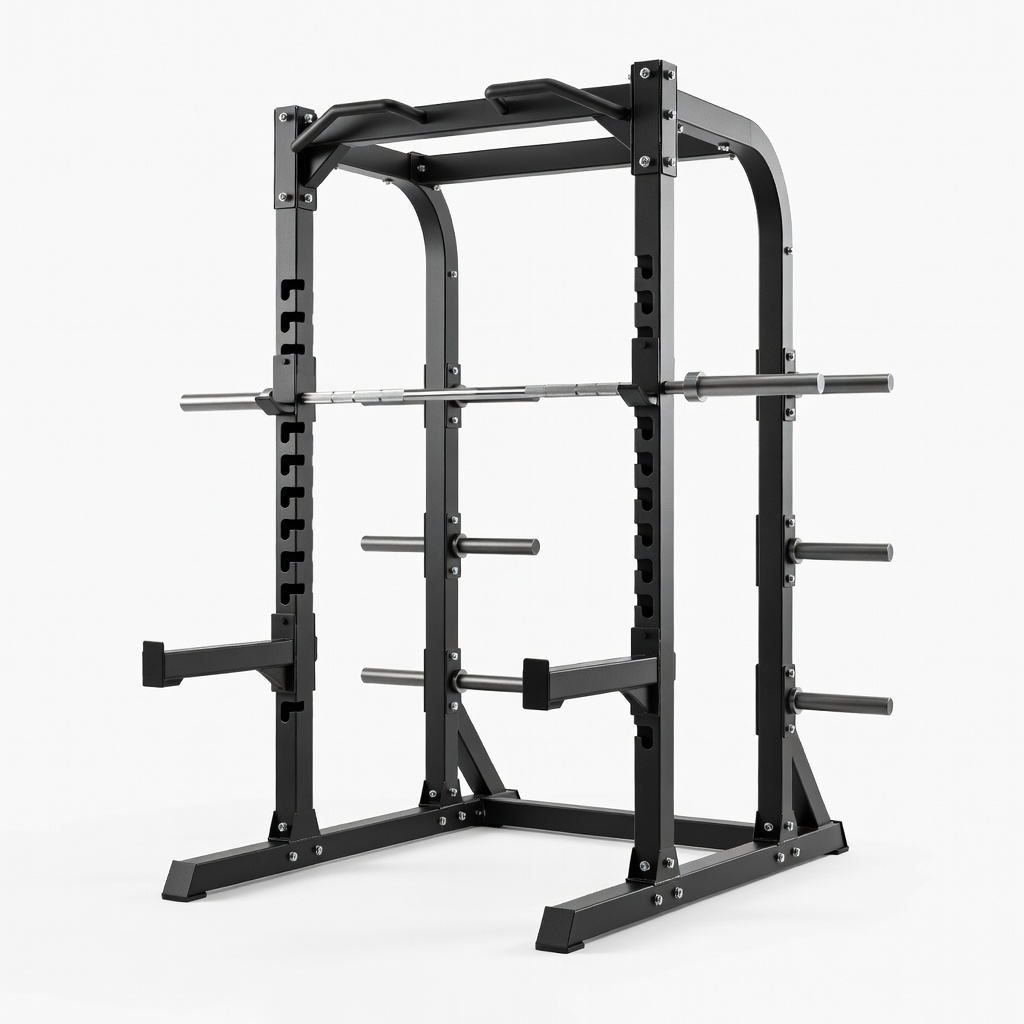
Sweet spot with Westside spacing for powerlifting and tons of attachments. Super stable, high capacity, and intuitive - beginners love the quick adjustments. Expands easily as you grow.
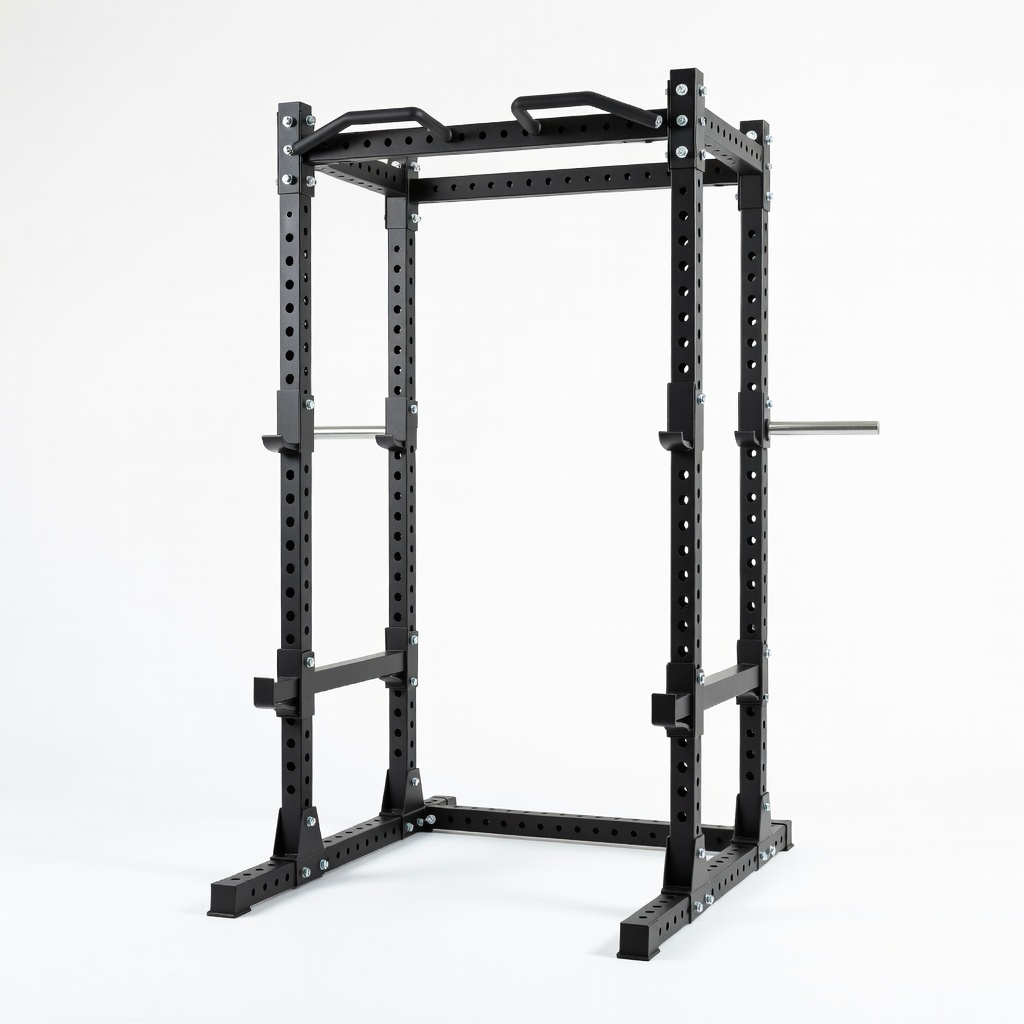
Pro-level quality at beginner price: lifetime warranty, perfect spacing, very stable. Forgiving for mistakes with included safeties and clear manual. Community favorite for new powerlifters.
✓ Beginner Pros
+Lifetime frame warranty
+Built-in safeties
+Smooth adjustments
+Plate storage pins
+Excellent reviews
✗ Beginner Cons
-Shipping heavy
-Needs floor protection
👍 Best for: Serious beginners planning to lift heavy soon
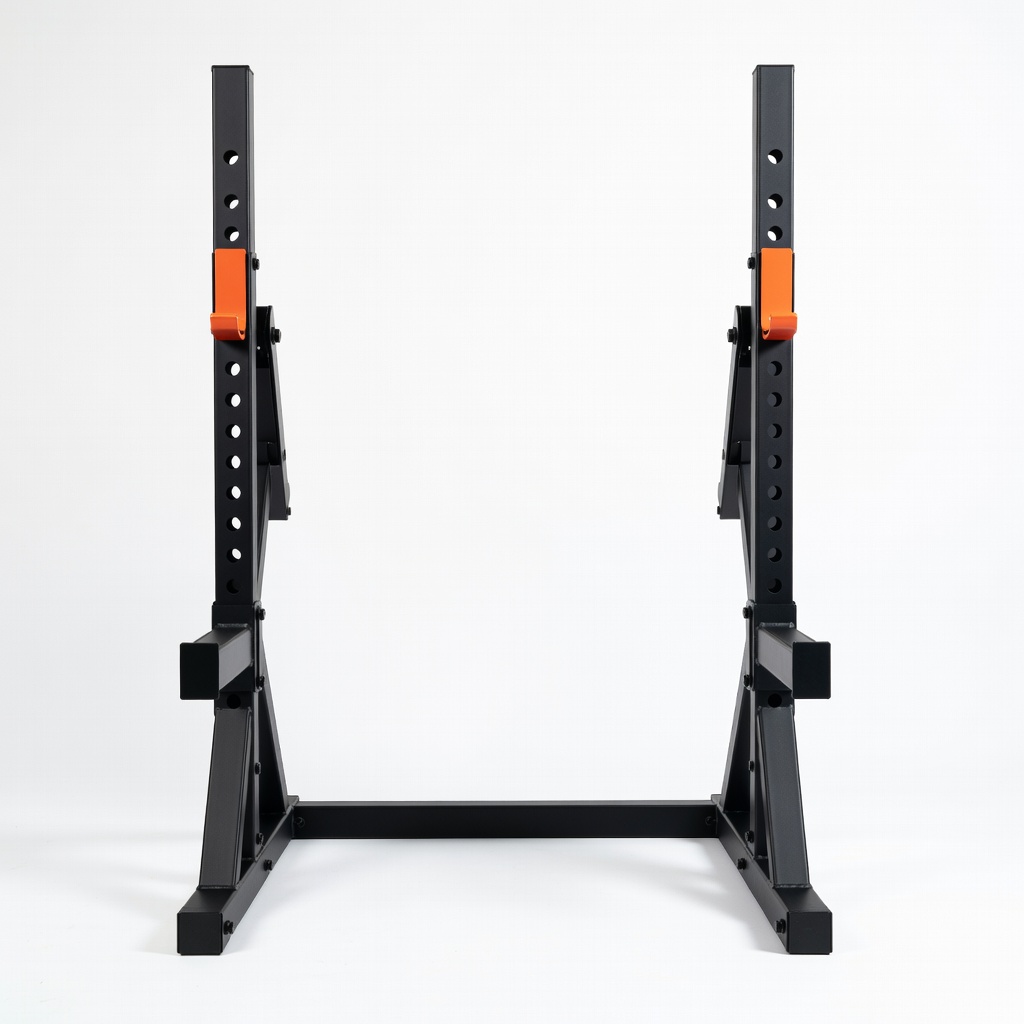
Foldable design saves space when not in use - ideal for home gyms. Premium build feels solid, with easy wall-mount. Beginners appreciate no-assembly hassle and safety focus.
A home gym rack is a metal frame for safe heavy lifts like squats and bench. Types: squat stands (cheap, less safe), half racks (open back, space-saving), full power cages (4 sided, safest). Beginners love full cages or sturdy half racks for protection.
Best for newbies: cages with safeties, as you train alone. Expect to squat 135-225lbs starting - any rack over 1000lb tested is fine. 'Beginner-friendly' = forgiving (no pinch points), intuitive adjustments, no tools needed for height changes. Marketing like 'commercial grade' often means heavy/pricey - ignore unless premium budget.
🔧 Essential Accessories for Beginners
Titan Fitness Safety Strap Safety Bars
⚠️ Essential
$79.99
When to buy:
Day one
Safeties catch the bar on failed reps, preventing injury when training alone. Beginners drop bars often learning form. Cheap insurance for confidence.
Ask: Space? (measure 7ft height, 4x6ft floor). Goals? Powerlifting basics = cage with safeties. Budget? Start sweet spot. Solo training? Must have safeties.
Under $300: Try safely, upgrade later. $300-600: Best balance, lasts years. Premium $600+: If space/money no issue. Red flags: Under 500lb capacity, no reviews on assembly, cheap plastic parts. Plan growth: Pick expandable (add-ons available).
💰 Budget Guide for Beginners
900+
Pro entry - full commercial features for serious starters
300 - $600
Sweet spot - sturdy power cage with safeties, perfect for most beginners, room to grow
Entry level - basic squat rack for light lifts, may flex/need quick upgrade
⚠️ Common Beginner Mistakes to Avoid
Newbies grab $150 stands thinking 'good enough', but they tip or snap - false economy. Many miss 7.5ft ceiling need, returning racks. Skipping safeties leads to ER trips per reviews.
Avoid by measuring space first, reading 100+ reviews for 'wobble' mentions, prioritize safeties over bells. Experienced users say: start with cage, add later.
×Buying too cheap - bends under 200lbs
×Ignoring ceiling height - hits head on lifts
×No safeties - injury waiting to happen
×Wrong footprint for space
×Skipping floor mats - damages home
×Cheap J-hooks that slip
×Not checking weight capacity
×Assembly without help - frustration
📈 Your Progression Path: Beginner to Intermediate
Master form on basics: squat, bench, deadlift 3x/week using apps like Strong. Add accessories monthly. Outgrow when lifting 300+lbs, needing more attachments or mono-lift.
Upgrade after 6-12 months: better spacing, storage. Intermediate: full garage setup. Stay beginner 3-6 months building habits.
📚 Learning Resources for Beginners
📖Starting Strength by Mark Rippetoe (ASIN: 0982522738) - Powerlifting bible for form
📖Bigger Leaner Stronger by Michael Matthews (ASIN: B01M0H4Q5K) - Beginner programs
📖StrongLifts 5x5 App Training Logbook (ASIN: B08L5M3N4P) - Track workouts
📖CAP Barbell Olympic Weight Set (ASIN: B0017K5O8M) - Starter plates
📖Resistance Bands Set (ASIN: B07XJ8G7Y2) - Warm-up/form aid
📖Home Gym Setup Guide Book (ASIN: B09F2G5H3J) - Rack planning