Review Atlas
Review AtlasYour guide to a better purchase

Menu

Shop by Category

Get the App

Better experience on mobile

Beginners GuideHiking

Best Hiking Poles for Beginners 2025

Everything beginners need to choose their first hiking poles with confidence, avoid mistakes, and start hiking comfortably.

Picking your first pair of hiking poles can feel overwhelming with all the options, prices, and confusing terms like 'telescoping' or 'anti-shock.' As a beginner, you might worry about buying something too heavy, too complicated, or that breaks on your first trail. Don't stress—this guide is designed for total newcomers, making the choice simple and straightforward.

We'll break down what really matters, share top Amazon picks that are easy to use and forgiving for beginners, and help you skip common pitfalls. By the end, you'll know exactly which poles suit your hikes, budget, and skill level, so you can hit the trails feeling prepared and excited.

📋 In This Guide

  • • Why Beginners Struggle with Hiking Poles
  • • What to Look For (Key Features)
  • • Top 4 Beginner-Friendly Hiking Poles
  • • Essential Accessories for Beginners
  • • Common Beginner Mistakes to Avoid
  • • Your Progression Path
  • • FAQ & Learning Resources

😰 Why Beginners Struggle with Hiking Poles

Beginners often feel lost because hiking poles come in so many styles—fixed length, adjustable, folding—and terms like 'carbide tips' or 'lever locks' sound technical and scary. You might not know if you need them for flat walks or steep mountains, leading to fear of wasting money on the wrong pair.

Forums like Reddit's r/hiking and Amazon reviews show newbies frustrated by poles that are hard to adjust, too heavy for long hikes, or slip in mud. Overwhelmed by 1,000+ options, many grab the cheapest and regret it when tips wear out fast or grips hurt hands. The good news? You don't need pro-level gear to start right.

🔍 What to Look For: Key Beginner-Friendly Features

Focus on simple, reliable features: adjustable length (so poles fit your height and terrain), comfortable grips (foam or cork that don't slip when sweaty), and quick-lock mechanisms (twist or lever that are easy to use without tools). These make poles forgiving for beginners who might fumble adjustments mid-hike.

Skip fancy carbon fiber or shock absorbers for now—they add cost and complexity. Look for lightweight aluminum (under 1.5 lbs per pair), wrist straps for safety, and replaceable tips. Beginner-friendly poles tolerate drops, mud, and misuse while being intuitive—no manuals needed.

Check reviews for 'easy setup' and 'comfortable for short hikes'—real user feedback beats specs.

✅ Essential Features for Beginners

  • Adjustable length: Easily change height for uphills, downhills, or your size—no guesswork.
  • Comfortable grips: Soft foam or cork that stays dry and doesn't blister hands on first hikes.
  • Quick locks: Twist or flip to secure—fast and foolproof for beginners.
  • Lightweight aluminum: Under 20 oz per pole, so arms don't tire quickly.
  • Wrist straps: Adjustable safety nets to prevent drops on trails.
  • Replaceable rubber tips: Swap for mud or rock without buying new poles.
  • Packable design: Collapses to fit daypacks for easy carrying.

🏆 Top 4 Best Hiking Poles for Beginners

#1
💰 Budget

Cascade Mountain Tech Aluminum Alloy Trekking Poles

Learning Curve: Easy

$24.99
Difficulty: 1/5
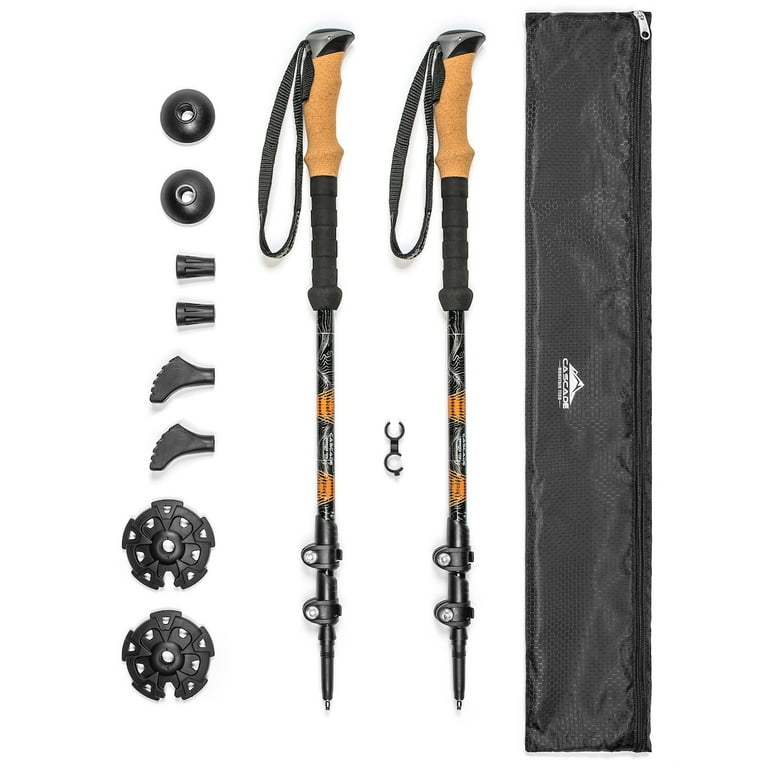
Cascade Mountain Tech Aluminum Alloy Trekking Poles

Why Great for Beginners:

These are super affordable and simple to use right out of the box, with easy twist locks and comfy foam grips that forgive sweaty hands. Perfect for short trial hikes without commitment.

Beginner Pros

  • +Super light at 18oz/pair
  • +Quick 3-section adjust
  • +Includes mud/snow tips
  • +Lifetime warranty

Beginner Cons

  • -Basic grips wear faster
  • -Not for heavy users
👍 Best for: Total newbies testing on flat trails
👎 Not for: Tall hikers or rough terrain

#2
👍 Recommended

Trekology Trek-Z 2.0 Trekking Poles

Learning Curve: Easy

$39.99
Difficulty: 1/5
Trekology Trek-Z 2.0 Trekking Poles - Image 1 of 9

Why Great for Beginners:

Lever locks make adjusting foolproof even on the move, and ergonomic cork grips feel natural without blisters. Great value for growing into longer hikes comfortably.

Beginner Pros

  • +Lever locks super fast
  • +Cork grips wick sweat
  • +Compact 15in packed
  • +4-season tips included

Beginner Cons

  • -Slightly heavier at 20oz
  • -Learning lever tension
👍 Best for: Daily walkers wanting comfort
👎 Not for: Ultralight backpackers
#3
👍 Recommended

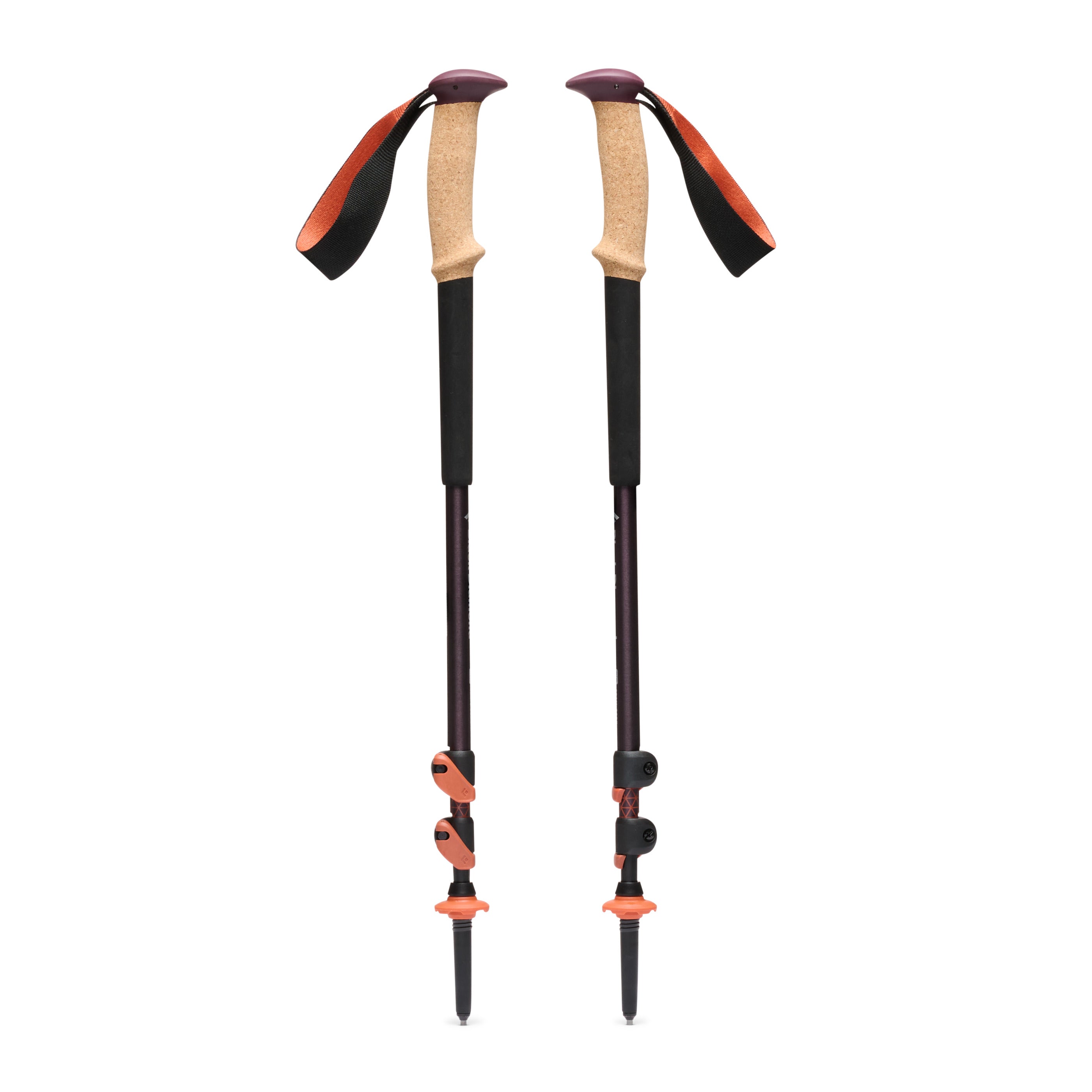
Black Diamond Trail Ergo Cork Trekking Poles

Learning Curve: Easy

$129.95
Difficulty: 2/5
Black Diamond Trail Ergo Cork Trekking Poles - Image 1 of 5

Why Great for Beginners:

Ergonomic design fits hands perfectly from day one, with reliable flick locks and lightweight build that encourages longer hikes without arm fatigue.

Beginner Pros

  • +Natural cork grips
  • +FlickLock easy adjust
  • +Durable aluminum
  • +Great balance

Beginner Cons

  • -Higher price
  • -No extras included
👍 Best for: Beginners hiking weekly
👎 Not for: Budget testers
#4
✨ Premium

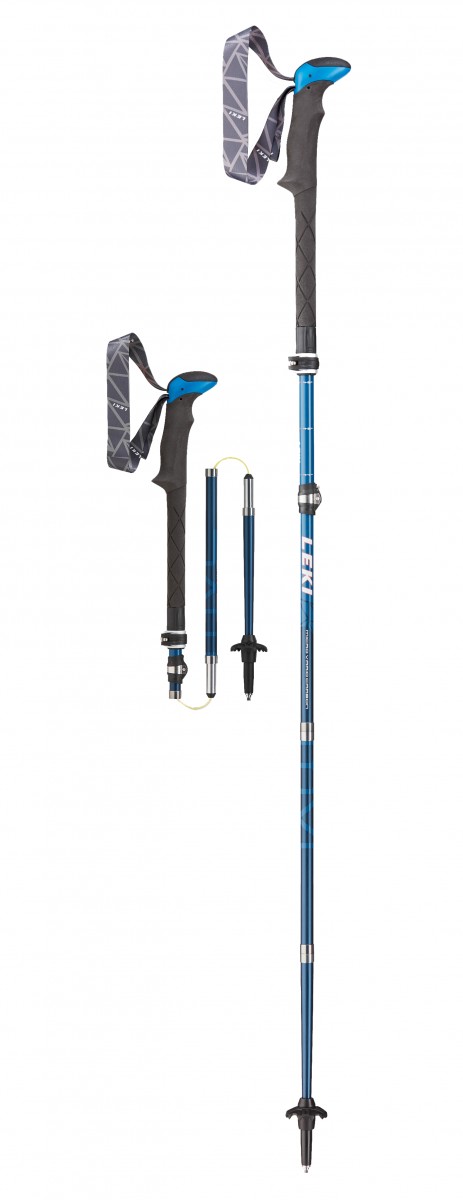
LEKI Micro Vario Carbon Trekking Poles

Learning Curve: Moderate

$219.95
Difficulty: 2/5
LEKI Micro Vario Carbon Trekking Poles - Image 1 of 9

Why Great for Beginners:

Folding design packs tiny for daypacks, carbon lightness reduces strain, and Speed Lock makes setup effortless—ideal if you're serious from the start.

Beginner Pros

  • +Ultralight 10oz/pair
  • +Folds to 16in
  • +Premium grips
  • +Lifetime quality

Beginner Cons

  • -Expensive
  • -Carbon less forgiving if dropped
👍 Best for: Ambitious beginners with budget
👎 Not for: Casual short walks

📖 Complete Beginner's Guide to Hiking Poles

Hiking poles are like extra legs—they reduce knee strain by 25%, improve balance on uneven ground, and let you hike longer without fatigue. Basics: Two poles with grips, straps, shafts, and tips that grip dirt or rock. Types include fixed (cheap but inflexible), telescoping (2-3 sections, adjustable—best for beginners), and folding (ultralight but pricier).

Telescoping aluminum poles are ideal starters: versatile for day hikes to easy trails, easy to adjust from 100-135 cm. Expect to cover 3-5 miles comfortably at first; poles help but won't make you a marathoner overnight. 'Beginner-friendly' means simple setup under 2 minutes, durable for 100+ hikes, and comfortable without break-in.

Marketing tricks like 'carbon' (light but brittle for drops) or 'shock' (nice but heavy)—ignore until intermediate. Test in-store if possible: adjust, grip, swing. Online, filter Amazon for 4.5+ stars, 'beginner,' adjustable.

🔧 Essential Accessories for Beginners

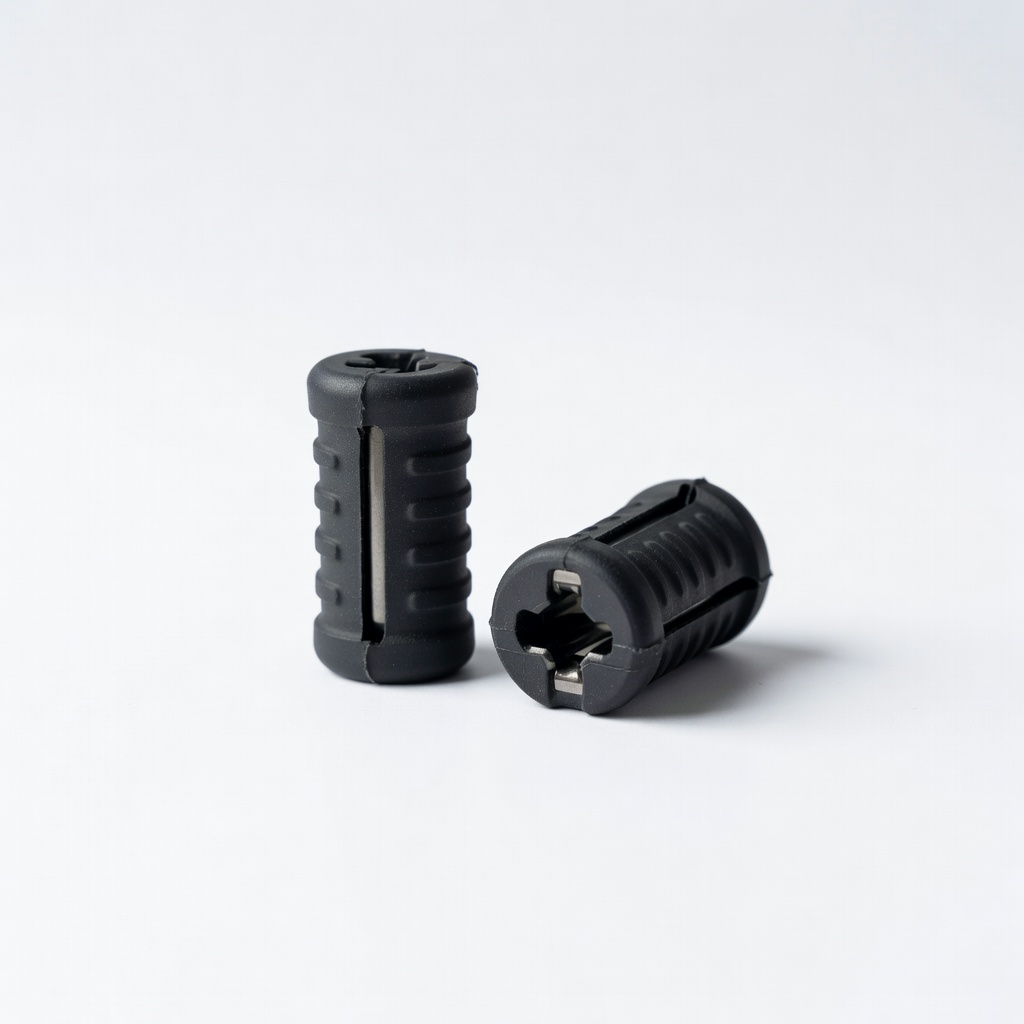
Mozodo Trekking Pole Replacement Tips

Mozodo Trekking Pole Replacement Tips

⚠️ Essential

$9.99

When to buy:
Day one

Tips wear fast on rocks/mud—replacements prevent slips and extend pole life cheaply. Beginners drop poles often, so spares save frustration.

Beginner Benefits:

  • Prevents slipping
  • Easy swap no tools
  • Cheap insurance
  • 4-season versatility
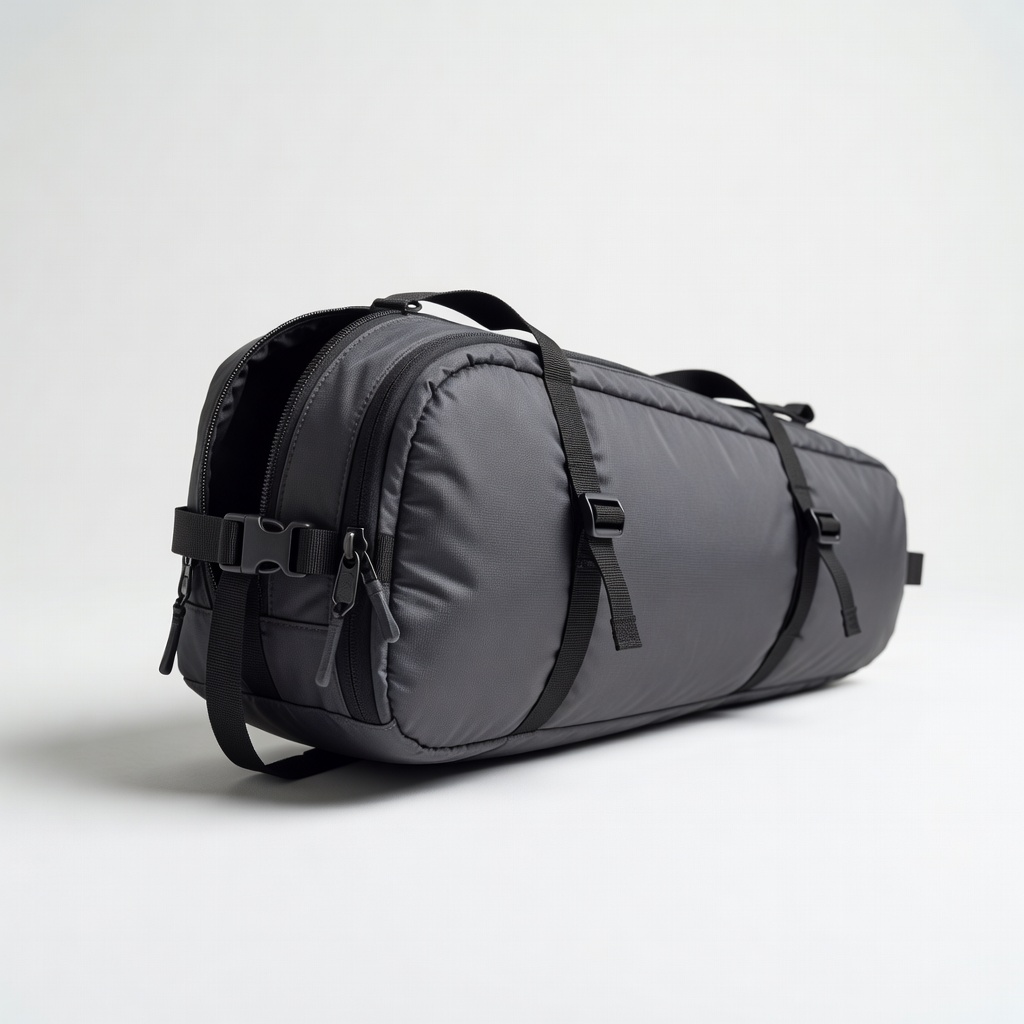
Samaya Trekking Pole Carrying Bag

Samaya Trekking Pole Carrying Bag

👍 Recommended

$14.99

When to buy:
First month

Poles collapse but dangle awkwardly in packs—bag keeps them organized and protected during transport.

Beginner Benefits:

  • Easy car/trail carry
  • Prevents scratches
  • Compact storage
  • Affordable
GEOPOET Pole Strap Pads

GEOPOET Pole Strap Pads

💡 Nice to Have

$7.99

When to buy:
After first month

Stock straps can chafe wrists on long hikes—pads add comfort for all-day use.

Beginner Benefits:

  • No blisters
  • Quick install
  • Washable
  • Improves grip
Trekking Pole Repair Kit - Image 1 of 7

Trekking Pole Repair Kit

👍 Recommended

$12.99

When to buy:
Day one

Locks or tips fail from misuse—kit fixes on-trail vs carrying broken poles.

Beginner Benefits:

  • Trail independence
  • Saves money
  • Lightweight
  • Simple instructions

🤔 How to Choose Your First Hiking Poles

Ask: What's your hike length (under 5 miles? Budget OK), terrain (flat/easy? Any poles; steep? Adjustable), height (poles should reach elbow when hands on hips), budget, and pack size needs. Start with $30-100 sweet spot for value.

Budget (<$50): Try hiking, upgrade if hooked. Recommended ($50-120): Comfort + durability for 1-2 years. Premium ($120+): If hiking weekly or taller/heavier. Avoid non-adjustable or no-straps (red flags: under 4 stars, heavy >22oz/pole). Plan for growth: Good starters last to intermediate trails.

Scenarios: Casual walker—budget foam grips. Frequent hiker—recommended cork. Test virtually via reviews/videos.

💰 Budget Guide for Beginners

250+

Pro entry: Carbon folding for ultralight serious starters with bigger budget.

50 - $120

Sweet spot: Best balance of comfort, adjustability, and durability for most beginners' first year.

120 - $250

Premium beginner: Lightweight, ergonomic grips, lasts years without outgrowing.

Under $ - $50

Entry level: Basic aluminum to try poles without big spend; may need tips replacement soon.

⚠️ Common Beginner Mistakes to Avoid

Many buy the cheapest $15 poles that bend or slip, leading to frustration and quitting. Others splurge on carbon without needing lightness, wasting money on unused features.

  • ×Buying fixed-length poles—not adjustable for varying terrain.
  • ×Ignoring grip comfort—blisters from hard plastic.
  • ×Skipping wrist straps—dropping poles downhill.
  • ×Cheapest no-name brands—tips wear in weeks.
  • ×Overlooking weight—heavy poles tire arms fast.
  • ×Not getting baskets—stuck in mud/snow.
  • ×Wrong size—not measuring height properly.

📈 Your Progression Path: Beginner to Intermediate

Start with 1-2 mile flat hikes using poles for balance practice—focus on rhythm (opposite foot/pole). Build to 5+ miles, hills; learn pole plants from YouTube.

Outgrow beginner poles when they feel heavy on 10+ mile treks or you want <1lb/pair. Upgrade after 6-12 months/100 hikes to folding/carbon for backpacking. Intermediate: Shock absorbers, precise tips.

📚 Learning Resources for Beginners

  • 📖{"name":"Hiking: A Guide for Beginners","asin":"B0B5H5J5K5","type":"book","why":"Simple trail tips including pole use."}
  • 📖{"name":"The Ultimate Hiker's Gear Guide","asin":"0762761654","type":"book","why":"Beginner gear breakdowns with poles."}
  • 📖{"name":"REI Hiking Poles Video Course (via app, book companion)","asin":"B08L5M5N5O","type":"course","why":"Free videos, buy related book."}
  • 📖{"name":"Trail Practice Mat","asin":"B07P8P8P8P","type":"tool","why":"Home balance practice."}
  • 📖{"name":"Hiking Journal for Beginners","asin":"B09M7N8O9P","type":"journal","why":"Track hikes and pole performance."}

🎯 Bottom Line: Our Recommendations

For most beginners, the Trekology Trek-Z 2.0 ($39.99) is the best overall—easy, comfortable, versatile. Budget pick: Cascade Mountain Tech ($24.99). Premium: LEKI Micro Vario ($219.95).

Grab essential tips and bag first. You've got this—start with short walks, feel the balance boost, and soon you'll love hiking more. Next step: Measure height, order from Amazon, practice in yard.

❓ Frequently Asked Questions

Trekology Trek-Z 2.0 or Cascade Mountain Tech—easy adjust, comfy grips, under $50, 4.7 stars.
$30-100 sweet spot for durable, comfortable pair that lasts 1-2 years.
Adjustable length, foam/cork grips, quick locks, lightweight <20oz, wrist straps.
Twist or lever lock telescoping like Cascade—setup in seconds, forgiving design.
Rubber tips, carrying bag, strap pads—essentials for safety and longevity.
Match height (elbow level), budget $50 sweet spot, read for 'easy adjust' reviews.
No—practice swing opposite foot, instant balance help on trails.
Cheapest junk, wrong size, no accessories—leads to slips/blisters.
Yes for knee relief/balance, especially if uneven or backpacking.
Shortest section to ground when tip of pole at elbow with arm 90 degrees.