Discover simple steps to pick your first pair of hiking boots that fit comfortably and keep you safe on easy trails, without the overwhelm.
Starting hiking can be exciting, but choosing your first pair of boots often feels daunting with so many options staring back at you. As a beginner, you might worry about blisters, discomfort, or picking something that doesn't last. The good news? You don't need high-end gear to enjoy short, easy trails—reliable boots that are comfortable and supportive are all it takes to get out there.
This guide cuts through the confusion by focusing on what beginners truly need. We'll explain key features in plain English, recommend real products available on Amazon, and share tips to avoid common pitfalls. By the end, you'll feel confident selecting boots that match your budget and hiking style, helping you focus on the joy of exploring nature rather than foot pain.
📋 In This Guide
• Why Beginners Struggle with Hiking Boots
• What to Look For (Key Features)
• Top 4 Beginner-Friendly Hiking Boots
• Essential Accessories for Beginners
• Common Beginner Mistakes to Avoid
• Your Progression Path
• FAQ & Learning Resources
😰 Why Beginners Struggle with Hiking Boots
Beginners often feel lost when shopping for hiking boots because the choices seem endless—lightweight trail runners, heavy leather hikers, waterproof or breathable? Forums like Reddit's r/hiking are full of newbies sharing stories of sore feet after buying the wrong pair, like opting for stylish sneakers that slip on mud. The fear of wasting money on uncomfortable boots that gather dust is real, especially when reviews mix expert opinions with beginner complaints.
Technical terms like 'Gore-Tex' or 'EVA midsole' add to the intimidation, making it hard to know what matters for casual walks on flat paths. Many overestimate their needs, grabbing heavy-duty options that feel like clunky armor, or go too cheap and end up with blisters from poor support. Without guidance, it's easy to ignore fit and break-in time, leading to frustration on that first hike.
🔍 What to Look For: Key Beginner-Friendly Features
For beginners, prioritize boots that are comfortable right out of the box with good cushioning to handle uneven ground without much effort. Look for breathable materials to keep feet cool on warm days, and a secure fit to prevent slipping—nothing fancy, just reliable support for 3-5 mile hikes. Avoid overly rugged features like extreme waterproofing if you're not crossing streams yet; focus on ease and forgiveness for mistakes like wet socks.
Beginner-friendly boots are intuitive: they lace up easily, weigh under 2 pounds per pair, and have room to add thick socks. Check for padded collars to avoid rubbing and midsoles that absorb shock, explained simply as the squishy layer that makes steps feel softer. These qualities make hiking less tiring, building your confidence without a steep learning curve.
✅ Essential Features for Beginners
•Comfortable cushioning for shock absorption on trails
•Breathable upper to prevent sweaty feet
•Secure lacing system for a snug fit
•Lightweight design under 2 lbs per boot
•Padded tongue and collar to reduce blisters
•Water-resistant materials for light rain
•Wide toe box for natural foot movement
•Easy break-in period under a week
🏆 Top 4 Best Hiking Boots for Beginners
#1
💰 Budget
Merrell Moab 2 Ventilator Hiking Shoe
Learning Curve: Easy
$99.99
Difficulty: 1/5
Why Great for Beginners:
This shoe offers immediate comfort with mesh for breathability, perfect for hot-weather starters avoiding blisters. It's lightweight and forgiving on easy trails, letting new hikers focus on enjoyment rather than gear struggles.
✓ Beginner Pros
+Easy to slip on and off
+Great ventilation to keep feet dry
+Affordable without sacrificing basic support
+Quick break-in time
+Wide sizes available
✗ Beginner Cons
-Limited waterproofing for rain
-Less ankle support on rough paths
👍 Best for: Budget-conscious newbies on flat trails
Columbia Men's Newton Ridge Plus II Waterproof Hiking Boot
Learning Curve: Easy
$109.95
Difficulty: 2/5
Why Great for Beginners:
A reliable mid-cut boot with waterproofing and cushioned midsoles, ideal for variable weather without complexity. Beginners appreciate the secure fit that prevents slips, building confidence on introductory hikes.
✓ Beginner Pros
+Waterproof for light rain
+Good arch support
+Durable for daily use
+Affordable quality
+Easy lacing
✗ Beginner Cons
-Slightly heavier than low-cuts
-May need sizing up for thick socks
👍 Best for: Everyday trail beginners in mixed weather
This low-profile boot combines agility with Gore-Tex waterproofing, forgiving for new hikers tackling moderate paths. Its energy-return foam makes steps feel bouncy, reducing fatigue on longer beginner outings.
With plush cushioning and a wide toe box, this boot feels like walking on clouds, ideal for foot-sensitive starters. It's durable for growing skills, offering premium comfort without the bulk of traditional hikers.
✓ Beginner Pros
+Superior shock absorption
+Spacious fit for swelling feet
+Waterproof and breathable
+Long-lasting build
✗ Beginner Cons
-Premium cost
-May feel too cushy for purists
👍 Best for: Beginners with joint concerns or wide feet
Hiking boots are sturdy shoes designed to protect your feet on outdoor paths, with thicker soles and higher ankles than regular sneakers. They come in types like low-cut hikers for speed on flat trails, mid-cut for ankle support on moderate terrain, and high-cut for rougher adventures—but beginners should start with low or mid-cut for simplicity and less weight.
The best for newbies are versatile trail boots that handle dirt paths and light rocks without overwhelming bulk. Realistic expectations: your first pair won't conquer mountains, but they'll make 2-4 hour walks enjoyable, reducing fatigue so you can focus on scenery. 'Beginner-friendly' means forgiving designs that tolerate wide feet or minor sizing errors, unlike rigid pro models.
When evaluating, try them on with hiking socks and walk around—marketing terms like 'all-terrain grip' just mean good rubber soles for traction. Ignore hype about 'ultralight' if it sacrifices cushioning; opt for balanced options that grow with you from park strolls to longer outings.
🔧 Essential Accessories for Beginners
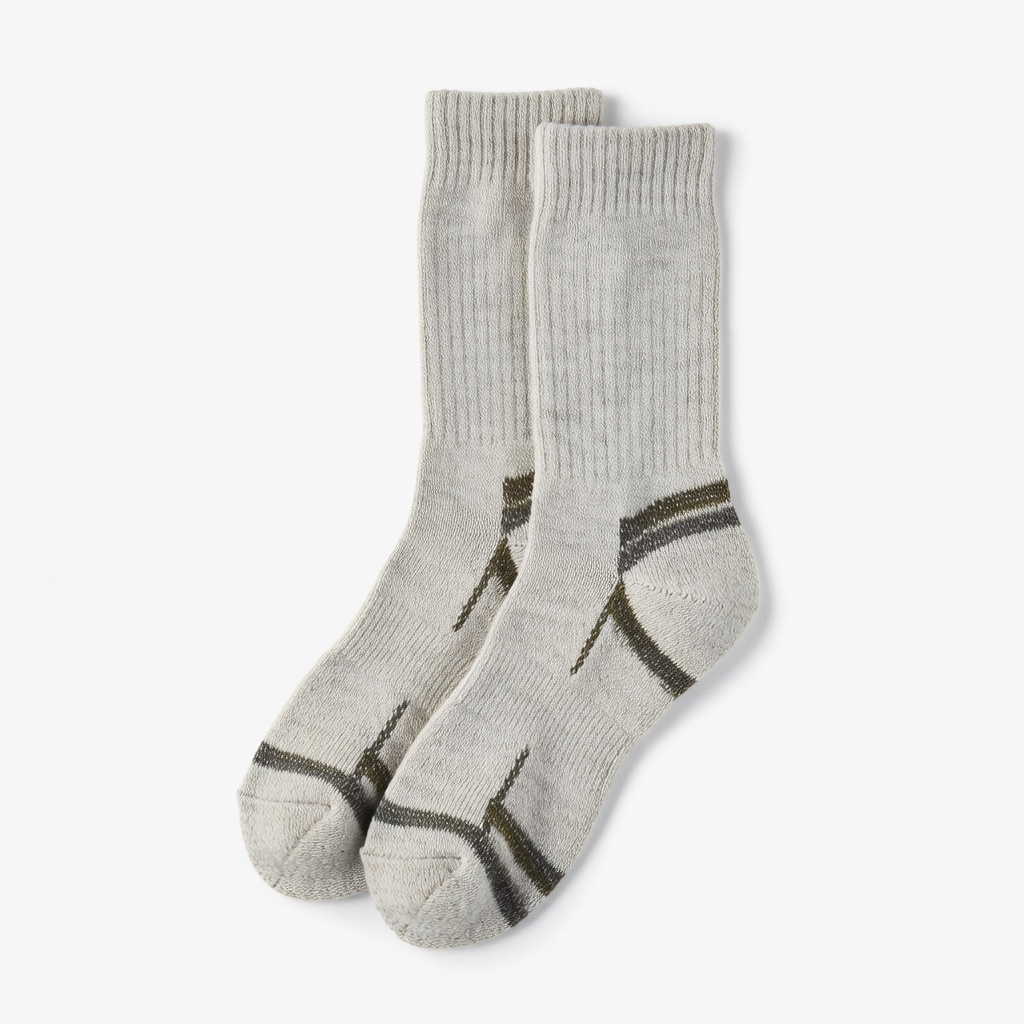
Darn Tough Hiker Micro Crew Light Cushion Sock
⚠️ Essential
$21.95
When to buy:
Day one
Quality socks prevent blisters by wicking moisture and providing cushioning, crucial for new hikers unused to boot friction. They make your boots fit better from day one, avoiding painful breaks.
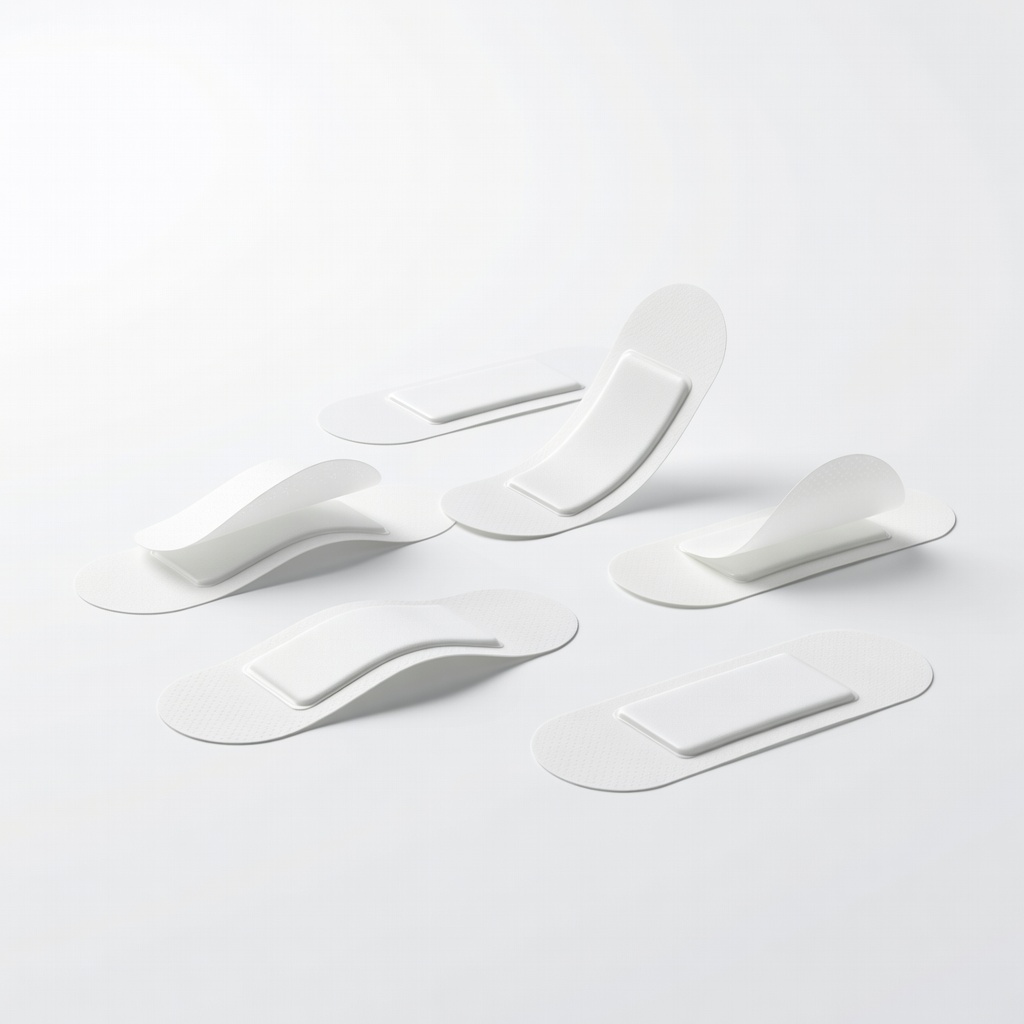
Blisters are a top beginner woe; these gel bandages protect and heal quickly, letting you continue hikes without quitting early. They're a simple safety net for learning proper boot fit.
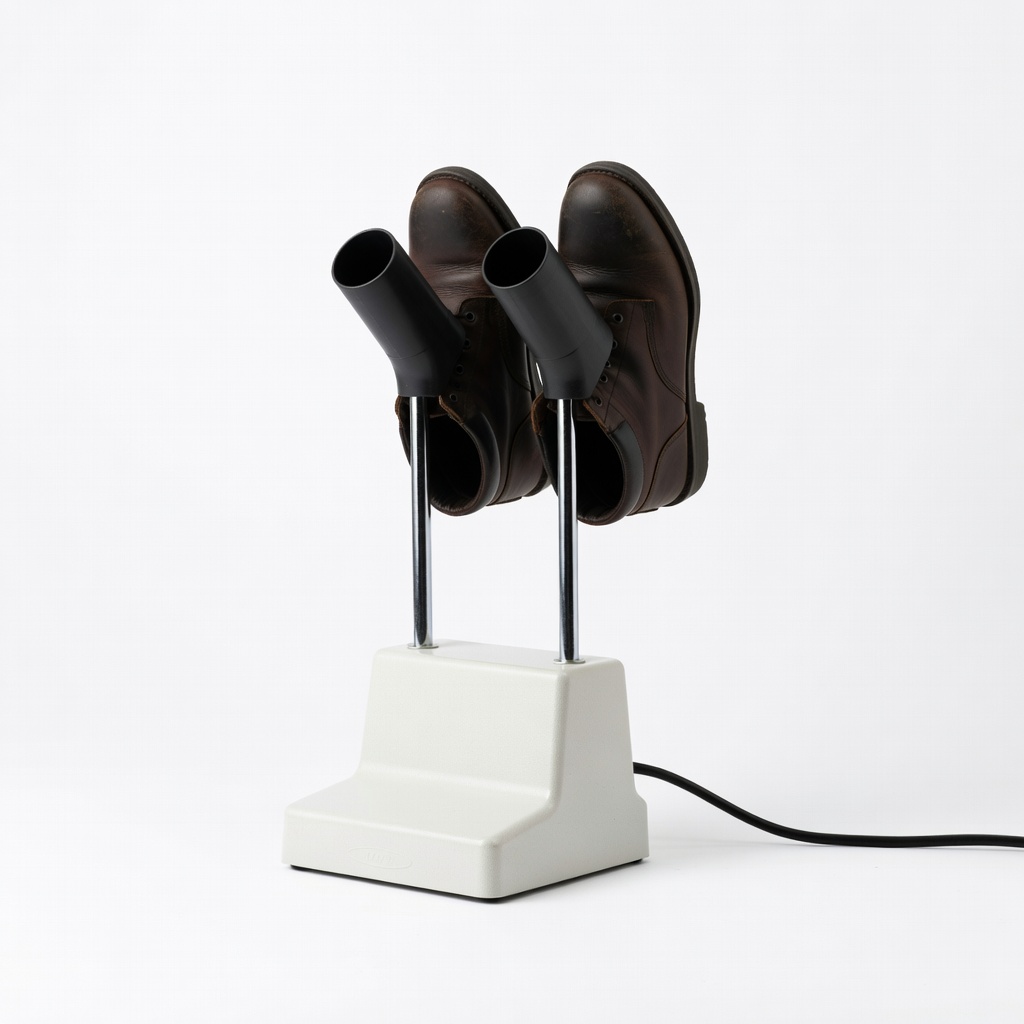
Wet boots lead to smells and damage; this dryer removes moisture overnight, keeping your investment fresh for repeated use. Beginners benefit from odor-free gear that encourages consistent hiking.
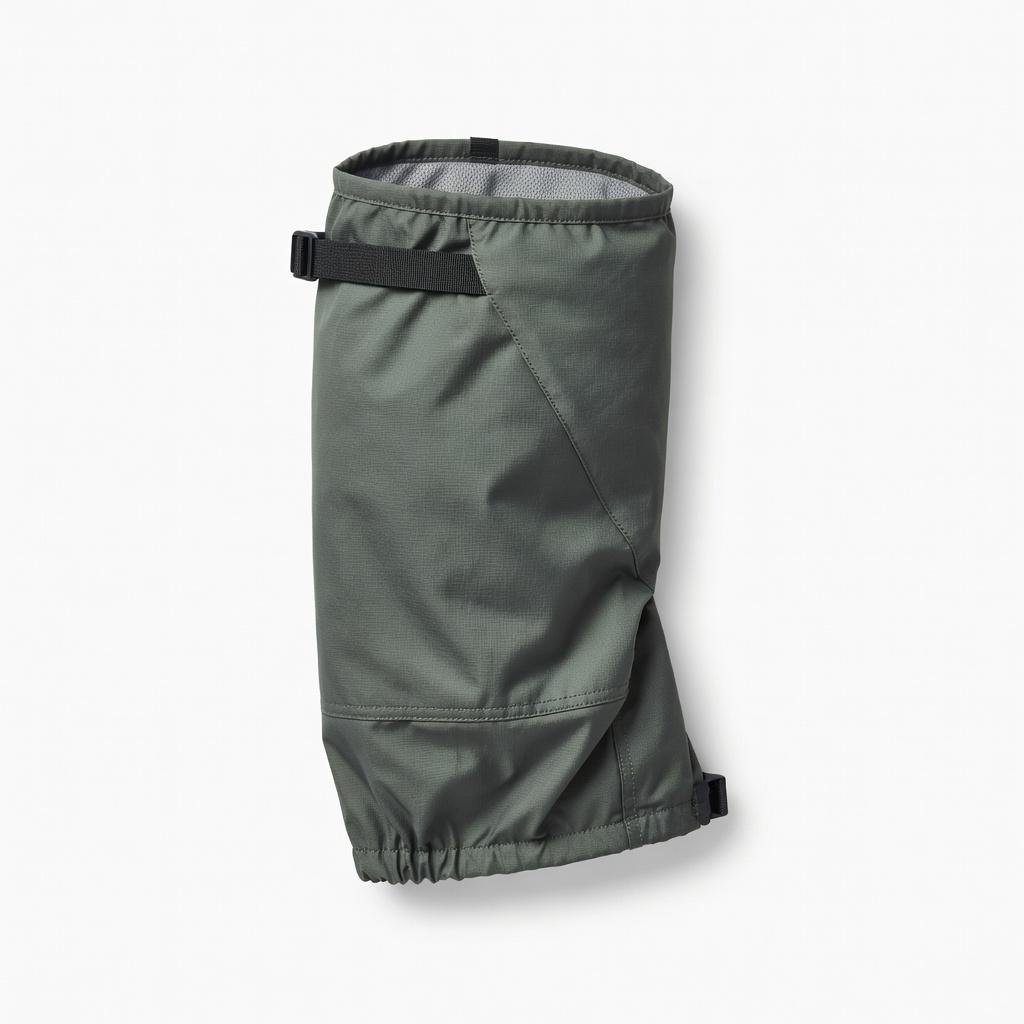
They block debris like sand and water from entering boots on dusty trails, a common irritant for newbies. This keeps hikes cleaner and more comfortable as you explore varied paths.
Start by asking: What's your budget, foot type (wide/narrow), and hike length? For casual trail hiking, aim for boots with cushioned soles and breathability. Consider scenarios like summer heat (choose mesh) or cool weather (light waterproofing). Budget-wise, don't skimp below $70 or you'll regret poor durability; sweet spot is $100-150 for lasting comfort.
Think about growth: Pick versatile boots that work for 1-2 years before upgrading. Go budget if testing the hobby, recommended for regular use, premium if you have wider feet needing extra support. Red flags include stiff leather requiring long break-ins or no return policy—always check Amazon reviews for beginner fit stories.
💰 Budget Guide for Beginners
250+
Advanced entry - High-end materials for dedicated beginners; overkill for casual use but ideal if planning frequent long hikes.
100 - $150
Sweet spot - Balanced comfort and durability for most beginners; supports weekly trails without quick upgrades.
150 - $250
Premium beginner - Superior cushioning and fit for serious starters; lasts longer and handles varied terrain comfortably.
Under $ - $100
Entry level - Basic boots for occasional short hikes; may wear out faster but great for trying hiking without big commitment.
⚠️ Common Beginner Mistakes to Avoid
Beginners often grab the cheapest option, thinking all boots are similar, but end up with flimsy soles that slip on roots—reviews on Amazon show many returning to buy better after one hike. Another pitfall is sizing wrong without trying on, especially online; wide feet in narrow boots spell blisters. To avoid, measure feet in the evening when swollen and read size charts carefully.
Many skip accessories like socks, assuming sneakers work, but this leads to friction burns—forums like AllTrails echo stories of ruined debuts. Instead, invest in basics first and test on short walks. Experienced hikers advise prioritizing fit over features; a comfy pair trumps 'pro' specs every time.
×Buying too cheap, leading to quick wear and blisters
×Ignoring foot shape, causing poor fit and pain
×Skipping break-in hikes, resulting in trail soreness
×Overlooking waterproofing for rainy areas
×Choosing heavy boots that tire feet fast
×Not pairing with proper socks, amplifying discomfort
×Selecting based on looks over comfort
×Forgetting to check return policies for fit issues
📈 Your Progression Path: Beginner to Intermediate
Start with short, flat hikes to learn boot feel and foot care, focusing on even pacing to build endurance without strain. Progress by adding inclines and longer distances weekly, noting when boots feel limiting—like less cushion on rocks. Typically, beginners stay at entry level for 6-12 months, outgrowing when hikes exceed 10 miles or involve technical terrain.
Signs you're ready for intermediate: Comfort on varied paths but wanting more grip or lightness. Upgrade soles first for better traction, then consider specialized boots. Build skills via local groups, turning beginner gear into a solid foundation for confident exploring.
📚 Learning Resources for Beginners
📖The Hiker's Guide to Trail Maintenance (book on Amazon, ASIN: B0B5J2K3L4)
📖Hiking for Dummies by John K. Springer (beginner book, ASIN: 111983845X)
📖REI Hiking Basics DVD (instructional video, ASIN: B07X5Y6Z8A)
📖Trail Map Reading Compass for Beginners (tool, ASIN: B08N4P5Q6R)
For most beginners, the Columbia Newton Ridge Plus II is the best overall pick—affordable, waterproof, and supportive for easy trails. If budget's tight, go Merrell Moab 2; for premium comfort, Hoka Anacapa 2 shines. Pair any with Darn Tough socks and blister bandages to start right.
You're now equipped to choose boots that fit your adventure—remember, the goal is fun, not perfection. Lace up, hit a local path, and celebrate your first steps. With this guide, hiking awaits without the hassle.
❓ Frequently Asked Questions
The Columbia Newton Ridge Plus II (ASIN: B01N4IGYPA) is ideal for most beginners due to its waterproofing, comfort, and value under $110—perfect for easy trails without overwhelming features.
Aim for $100-150 as the sweet spot for durable, comfortable boots that last; under $100 works for testing, but avoid skimping to prevent blisters and quick replacements.
Prioritize cushioning for shock absorption, breathable or light waterproofing, secure lacing, and a lightweight build— these make short hikes enjoyable and forgiving for new feet.
The Merrell Moab 2 Ventilator (ASIN: B07Y1FVS3F) has the easiest learning curve with quick break-in, ventilation, and simple design for flat paths—no steep adjustments needed.
Essentials include moisture-wicking socks like Darn Tough (ASIN: B01N0T8J7M) and blister bandages (ASIN: B07D5N5Q5N) to prevent pain; add a dryer (ASIN: B07Q7V5Z3P) for maintenance.
Assess your foot width, hike type (flat vs. hilly), and budget; try on with socks, check for cushioning and fit, and read Amazon reviews for beginner experiences to ensure comfort.
Not at all—beginner boots like low-cut ventilated models are straightforward, with easy lacing and cushioning that tolerate minor errors; focus on fit to make it simple and fun.
Common errors include buying too cheap for poor support, ignoring break-in time leading to blisters, or choosing heavy styles that exhaust you—always prioritize fit and test on short walks.
Light waterproofing is helpful for dew or rain, but breathable options suffice for dry areas; models like Salomon X Ultra 3 GTX balance both without trapping sweat.
Wear them around home for a few days, then short 1-mile walks; add thick socks and monitor hot spots—most beginner picks like Merrell break in under a week.