Is Best Hiking Backpack for beginners Worth It? Honest Review (2…
Everything beginners need to know to choose their first hiking backpack with confidence.
Choosing your first hiking backpack can feel overwhelming. With so many sizes, features, and brands, it's easy to get lost in technical jargon and end up with a pack that's either too small, too heavy, or just not right for your adventures. But don't worry! This guide cuts through the noise and gives you a simple, actionable path to finding the perfect backpack for your needs. Whether you're planning day hikes, weekend trips, or just want a reliable pack for outdoor fun, we'll help you make a confident choice without breaking the bank.
📋 In This Guide
• Why Beginners Struggle with Hiking Backpack
• What to Look For (Key Features)
• Top 5 Beginner-Friendly Hiking Backpack
• Essential Accessories for Beginners
• Common Beginner Mistakes to Avoid
• Your Progression Path
• FAQ & Learning Resources
😰 Why Beginners Struggle with Hiking Backpack
Many beginners fall into the trap of buying a backpack that's too large, thinking they need to carry everything. Others get dazzled by features like 'hydration sleeve' or 'load lifters' without understanding what they actually do. The sheer number of options—from daypacks to multi-day packs—can paralyze a newcomer. Plus, terms like 'liters' (volume), 'torso length', and 'hip belt padding' are thrown around without explanation. Beginners fear buying the wrong size, wasting money, or ending up with a pack that's uncomfortable. They also worry about not knowing how to pack it properly or adjust it. This guide addresses all of those fears.
🔍 What to Look For: Key Beginner-Friendly Features
For a beginner, the most important factors are fit, comfort, and simplicity. Look for a pack that fits your torso length (not just your height) and has an adjustable hip belt to carry weight on your hips. A daypack with 15–30 liters is ideal for most beginners. Features like a hydration sleeve, multiple pockets, and a rain cover are nice but not essential. Avoid packs with complicated suspension systems or too many straps. Beginner-friendly packs have padded shoulder straps, a sternum strap, and a simple compression system. Don't worry about weight yet—focus on comfort and ease of use. Brands like Osprey, REI Co-op, and Deuter offer great entry-level options.
✅ Essential Features for Beginners
•Adjustable torso length for a custom fit
•Padded hip belt to transfer weight to hips
•Simple, intuitive strap system
•Hydration sleeve for easy drinking
•Lightweight but durable fabric
🏆 Top 5 Best Hiking Backpack for Beginners
#1
💰 Budget
Marmot Kompressor 18L
Learning Curve: Easy
$79.99
Difficulty: 1/5
Why Great for Beginners:
The Marmot Kompressor 18L is an affordable, lightweight daypack perfect for beginners. It compresses small when not in use and has simple features. Ideal for short hikes and minimal gear.
✓ Beginner Pros
+Very affordable
+Lightweight (under 1 lb)
+Simple design with few straps
+Packs into its own pocket
✗ Beginner Cons
-Minimal padding on hip belt
-No hydration sleeve
-Limited organization pockets
👍 Best for: Budget-conscious beginners doing short day hikes.
👎 Not for: Those needing to carry water bladders or heavier loads.
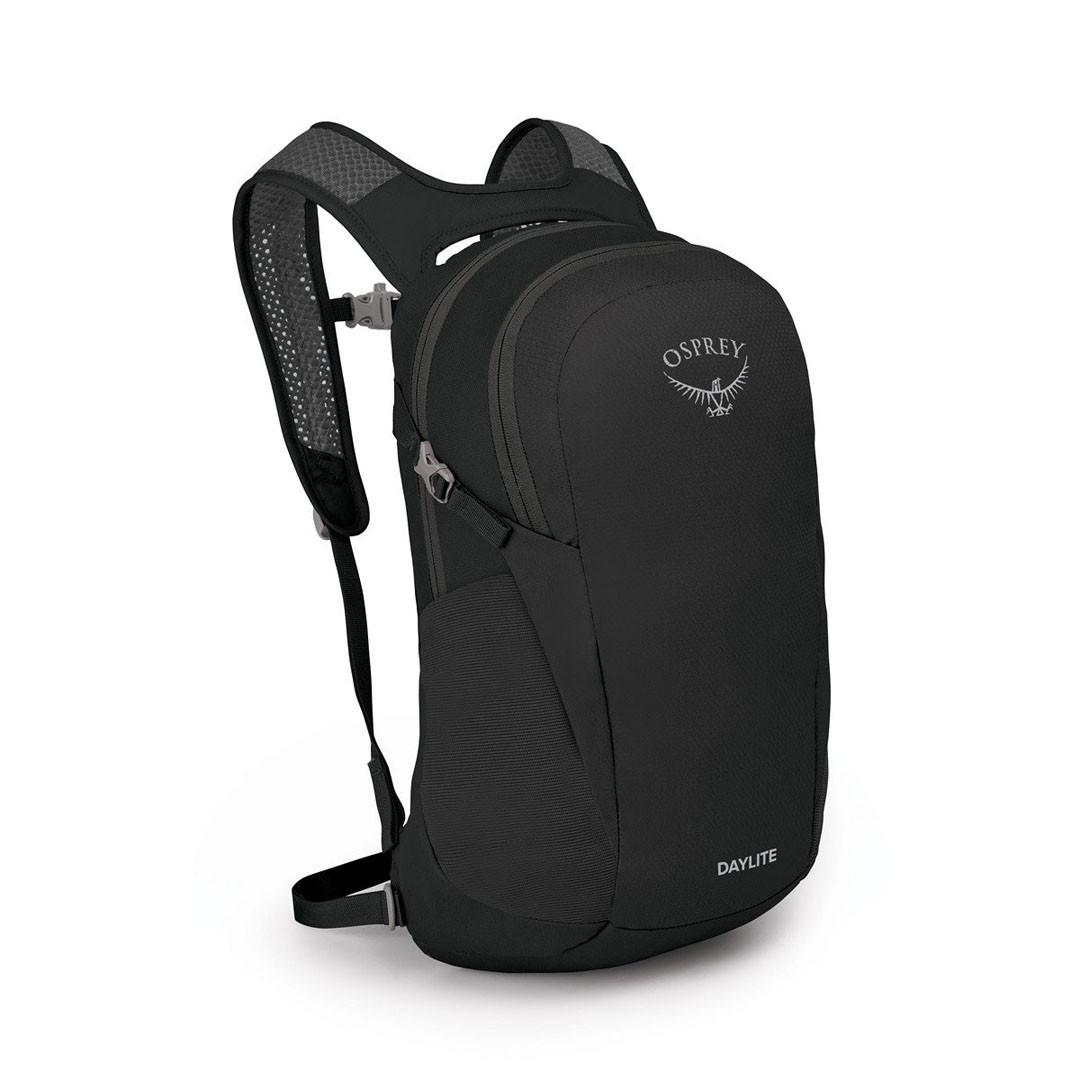
The Osprey Daylite 20L is the gold standard for beginner daypacks. It offers a comfortable fit, hydration sleeve, and multiple pockets in a simple design. Backed by Osprey's lifetime warranty.
✓ Beginner Pros
+Excellent comfort and fit
+Hydration sleeve included
+Multiple pockets for organization
+Lifetime warranty
✗ Beginner Cons
-Higher price point
-No built-in rain cover
-May be small for overnight use
👍 Best for: Beginners who want a reliable, comfortable pack for day hikes and travel.
👎 Not for: Those on a tight budget or needing a pack for multi-day trips.
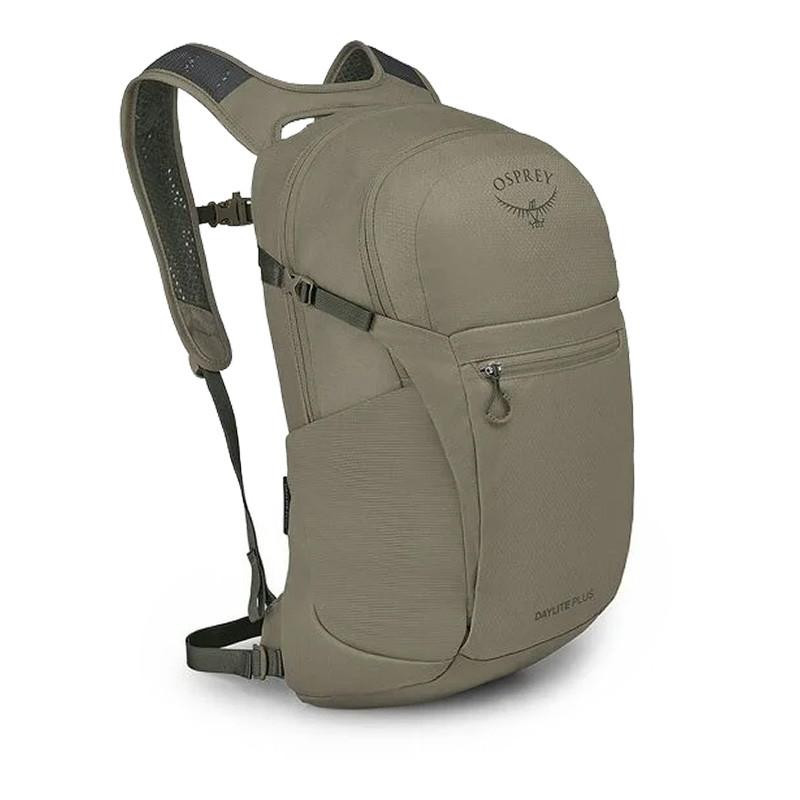
The Osprey Daylite 13L is a smaller, premium version of the classic daypack. Perfect for ultralight hiking or as a summit pack. High-quality materials and comfort in a compact size.
✓ Beginner Pros
+Extremely lightweight (17 oz)
+Great for small loads or attaching to larger pack
+High-quality construction
+Lifetime warranty
✗ Beginner Cons
-Limited capacity (13L)
-No hydration sleeve
-Expensive per liter
👍 Best for: Beginners who prioritize lightweight and simplicity for short hikes or as a secondary pack.
👎 Not for: Those needing to carry a day's worth of gear or water bladder.
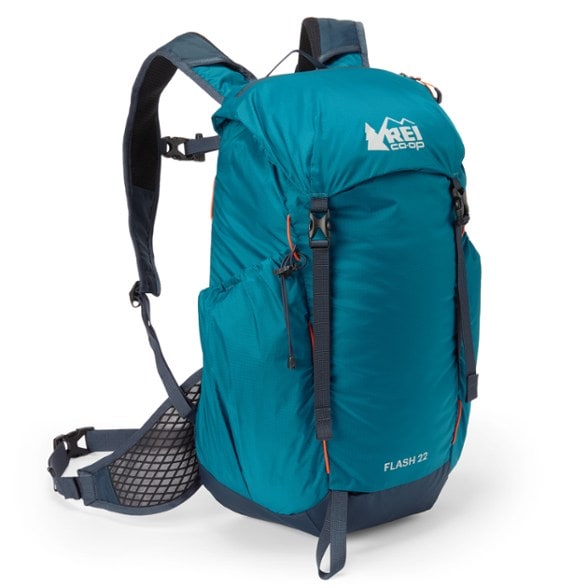
The REI Co-op Flash 22 is an excellent mid-range daypack with a removable frame sheet for added versatility. It's lightweight, well-ventilated, and has a hydration sleeve. Great value for money.
✓ Beginner Pros
+Removable frame for customization
+Good ventilation on back
+Hydration sleeve included
+REI's satisfaction guarantee
✗ Beginner Cons
-No hip belt (just a webbing strap)
-Limited organization pockets
-Frame sheet can be tricky for some
👍 Best for: Beginners who want versatility and are comfortable with a minimal hip belt.
👎 Not for: Those needing a fully padded hip belt for heavy loads.
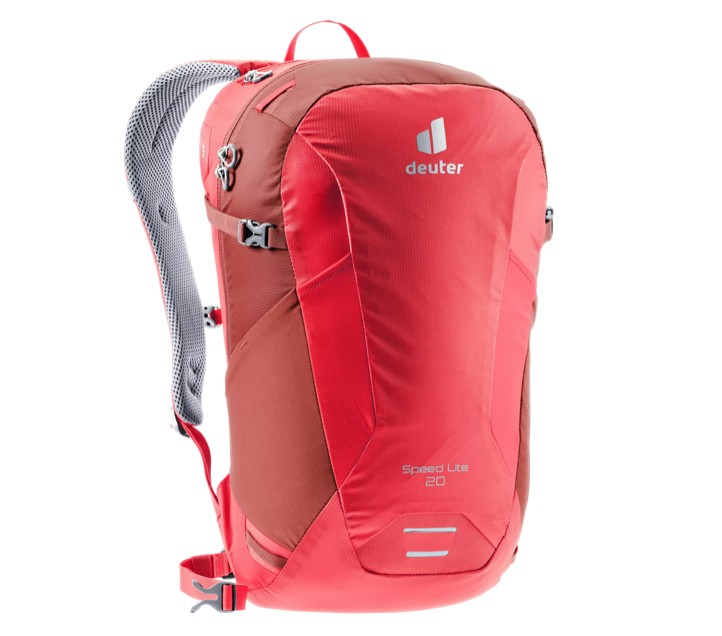
The Deuter Speed Lite 20 is a great alternative with a ventilated back system and a proper hip belt (though minimal). It's designed for fast hiking and offers good organization.
✓ Beginner Pros
+Good ventilation with AirMesh back
+Hydration sleeve and external pocket
+Lid pocket with key clip
+Lightweight (1 lb 5 oz)
✗ Beginner Cons
-Hip belt is thin and unpadded
-Not as durable as Osprey
-May be tight for wider torsos
👍 Best for: Beginners who want a ventilated pack for warm-weather hiking.
👎 Not for: Those needing a plush hip belt or heavier load support.
A hiking backpack is your portable home on the trail. The most important thing is that it fits properly. Backpacks are measured in liters (volume) and by torso length (from your C7 vertebra to your iliac crest). For day hikes, 15–25 liters is plenty. For overnight trips, you'll need 30–50 liters. Beginners should start with a daypack that has a frame (internal frame) and a padded hip belt. The hip belt transfers weight from your shoulders to your hips, making the pack feel lighter. Simple features like a hydration sleeve (for a water bladder) and a few external pockets (for snacks, map, phone) are helpful. Avoid packs with built-in rain covers (you can buy one separately) or complex compression systems. Beginner-friendly packs have adjustable torso lengths, easy-to-use buckles, and soft, breathable back panels. Remember: the most expensive pack isn't always the best for you—comfort and fit come first.
🔧 Essential Accessories for Beginners
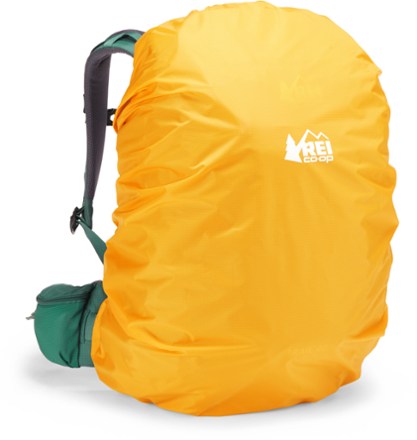
REI Co-op Trail 40 Day Pack Rain Cover
⚠️ Essential
$24.95
When to buy:
Day one
A rain cover keeps your gear dry during unexpected downpours. It's lightweight and packs small. Beginners often forget that most backpacks are not waterproof.
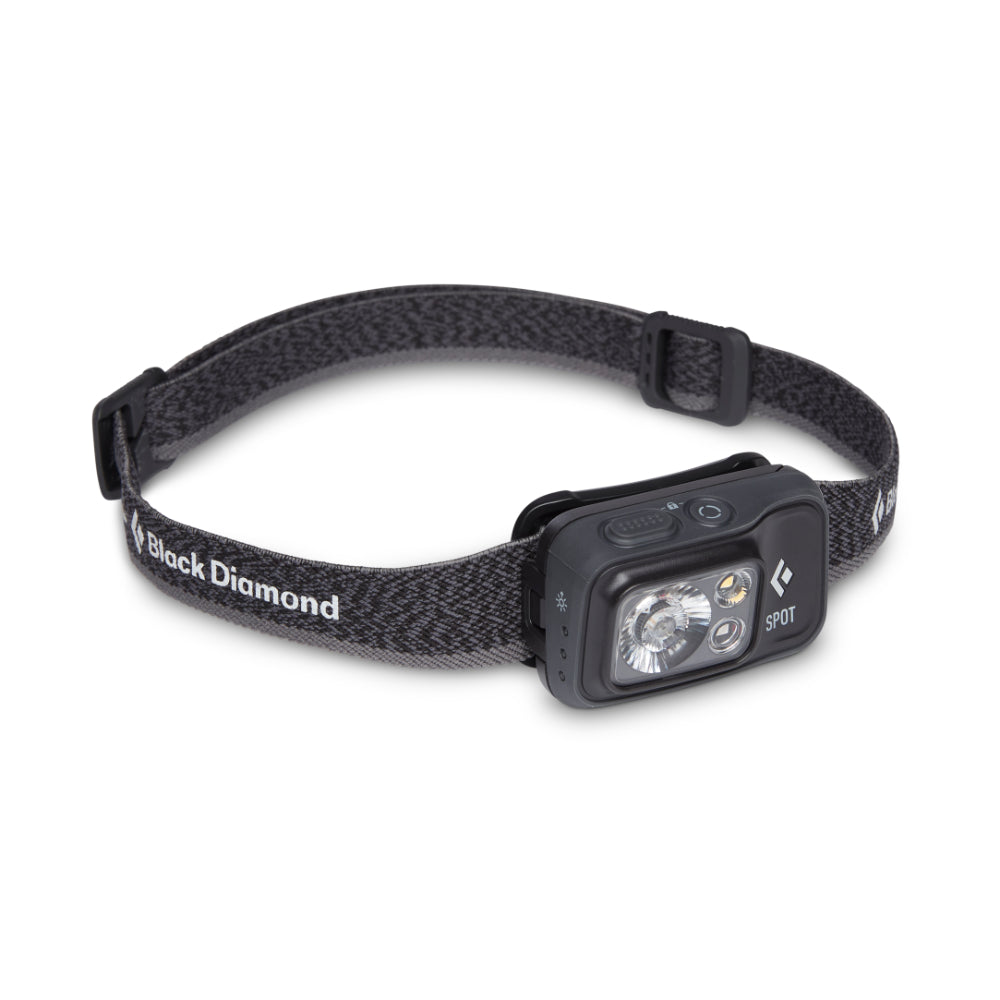
A headlamp is essential for hiking in low light or emergencies. The Spot 400 is bright, lightweight, and simple to use. It's great for beginners because it has a lock mode to prevent accidental turn-on.
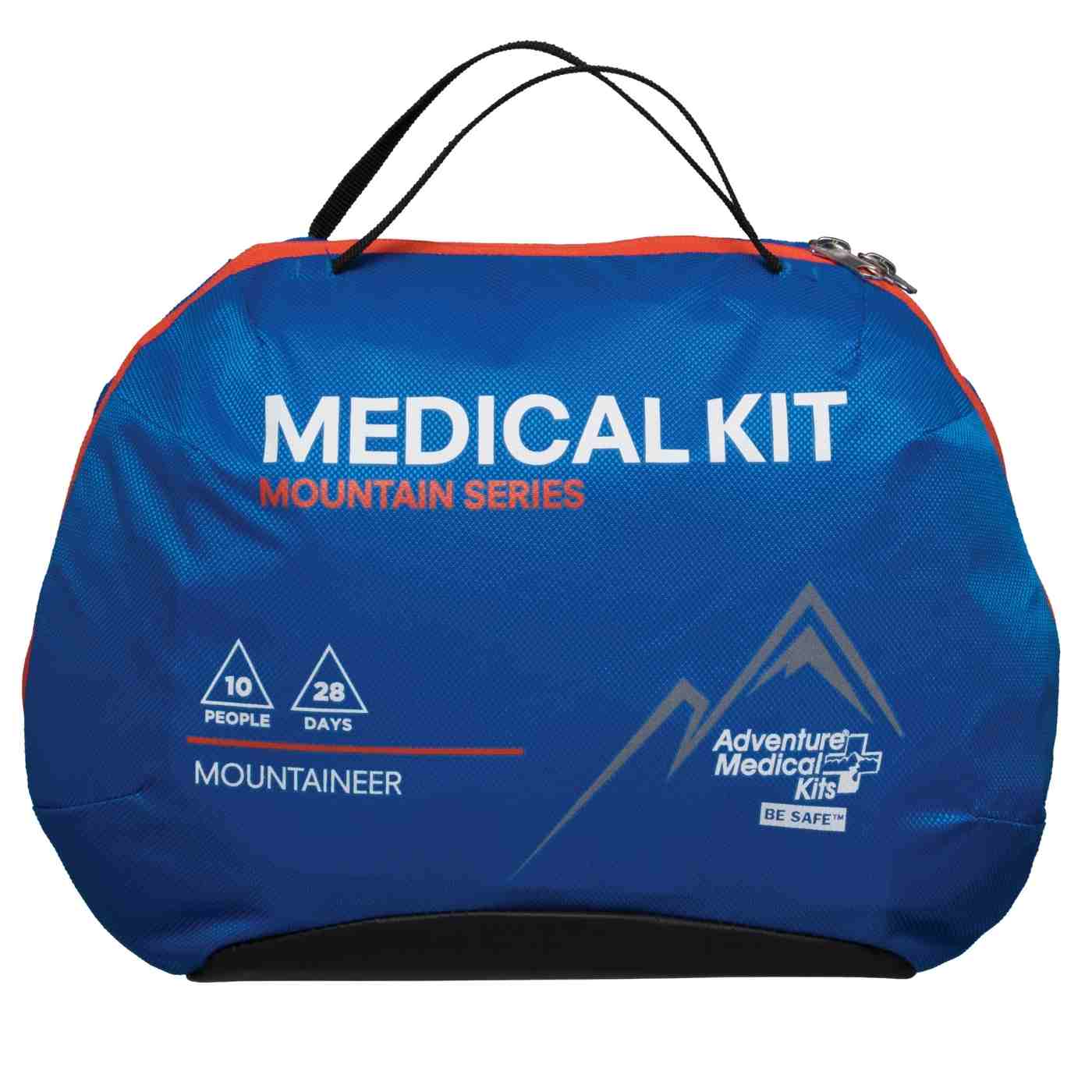
Accidents happen on the trail. A compact first aid kit ensures you're prepared for minor cuts, blisters, or sprains. This kit is specifically designed for outdoor activities.
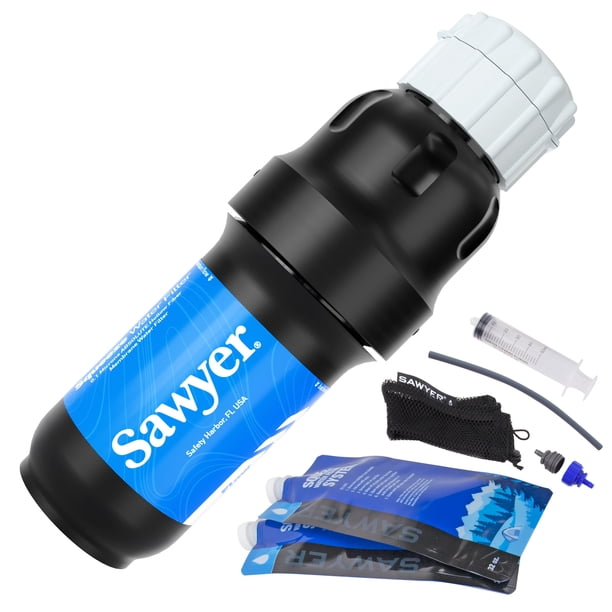
For longer hikes, carrying enough water is heavy. A water filter lets you refill from streams and lakes safely. The Sawyer Mini is lightweight and beginner-friendly.
Start by asking yourself: What kind of hiking will I do? Day hikes (1–5 miles) need a 15–25L pack. Longer day hikes or short overnights (1–2 nights) need 25–40L. Multi-day treks require 40–60L. As a beginner, stick to daypacks first. Your budget: entry-level packs cost $50–$100, mid-range $100–$200, and premium $200+. Don't overspend on features you won't use. Look for a pack with good customer reviews, especially from beginner hikers. Check the return policy—some brands (like Osprey) offer a lifetime guarantee. Red flags: a pack that doesn't have a hip belt, is too heavy (over 3 lbs for a daypack), or has overly complicated straps. Try it on with weight if possible, or measure your torso length before buying online.
💰 Budget Guide for Beginners
250+
Professional entry – for serious beginners with high expectations and budget.
75 - $150
Sweet spot – best value for most beginners, with good fit and features.
150 - $250
Premium beginner – excellent quality and comfort, room to grow into.
Under $ - $75
Entry level – good for very occasional use, but may lack comfort and durability.
⚠️ Common Beginner Mistakes to Avoid
Common beginner mistakes include buying a pack that's too large (thinking more space is better), ignoring torso length, and skipping a rain cover. Many also buy cheap packs that fall apart after a few hikes, or expensive packs with features they don't need. Some forget to consider hydration—a hydration sleeve is very convenient. Others neglect to practice packing and adjusting the pack before hitting the trail. Overpacking is another classic error; beginners often bring too much gear, making the pack heavy and uncomfortable. Finally, not using the hip belt properly leads to shoulder pain. Avoid these by choosing the right size, packing light, and learning to adjust the fit.
×Buying a pack that's too large (over 30L for day hikes)
×Ignoring torso length and hip belt fit
×Skipping a rain cover
×Overpacking with unnecessary gear
×Not using the hip belt properly
×Choosing a pack with too many features (complexity)
×Buying a cheap pack that lacks support
📈 Your Progression Path: Beginner to Intermediate
As a beginner, first learn how to pack your backpack efficiently (heavy items close to your back, light items at the bottom) and adjust the straps correctly. Start with short, easy hikes to get used to the weight. Once you're comfortable, try longer day hikes and eventually overnight trips. When you find yourself needing more space or better suspension, it's time to upgrade. Signs you've outgrown beginner gear: you're doing multi-day trips, carrying heavy gear (like climbing equipment), or your pack doesn't fit well after weight gain/loss. Typically, beginners stay with their first pack for 1–2 years. Upgrade to a pack with better ventilation, lighter weight, or more organization as needed. The next step is a multi-day pack (30–50L) with adjustable torso and good load transfer.
📚 Learning Resources for Beginners
📖The Complete Walker IV by Colin Fletcher
📖Ultralight Backpackin' Tips by Mike Clelland
📖Packing Your Backpack: A Beginner's Guide (Amazon eBook)
📖AMC's Best Day Hikes series
🎯 Bottom Line: Our Recommendations
For most beginners, the best choice is a 15–25L daypack from a reputable brand like Osprey, REI Co-op, or Deuter. Our top pick for beginners is the Osprey Daylite 20L, which offers a perfect balance of comfort, simplicity, and durability. If you're on a tight budget, the Marmot Kompressor 18L is a solid entry-level pack. For those willing to invest, the Osprey Daylite 13L is a premium, versatile option. Don't forget essential accessories: a hydration reservoir, rain cover, and a headlamp. With the right pack and a bit of practice, you'll be ready to hit the trails with confidence. Happy hiking!
❓ Frequently Asked Questions
The Osprey Daylite 20L is widely considered the best beginner backpack. It offers a comfortable fit, essential features like a hydration sleeve, and Osprey's lifetime warranty. It's ideal for day hikes and travel.
For a quality daypack, budget $100–$150. Entry-level packs under $75 may lack comfort and durability, while premium packs over $200 are often overkill for beginners. The sweet spot is $100–$150.
Key features: adjustable torso length, padded hip belt, hydration sleeve, multiple pockets for organization, and a sternum strap. Avoid packs with complicated suspension systems or too many straps.
The Marmot Kompressor 18L is one of the easiest to use due to its simple design and lightweight. However, the Osprey Daylite 20L is more comfortable but still very beginner-friendly.
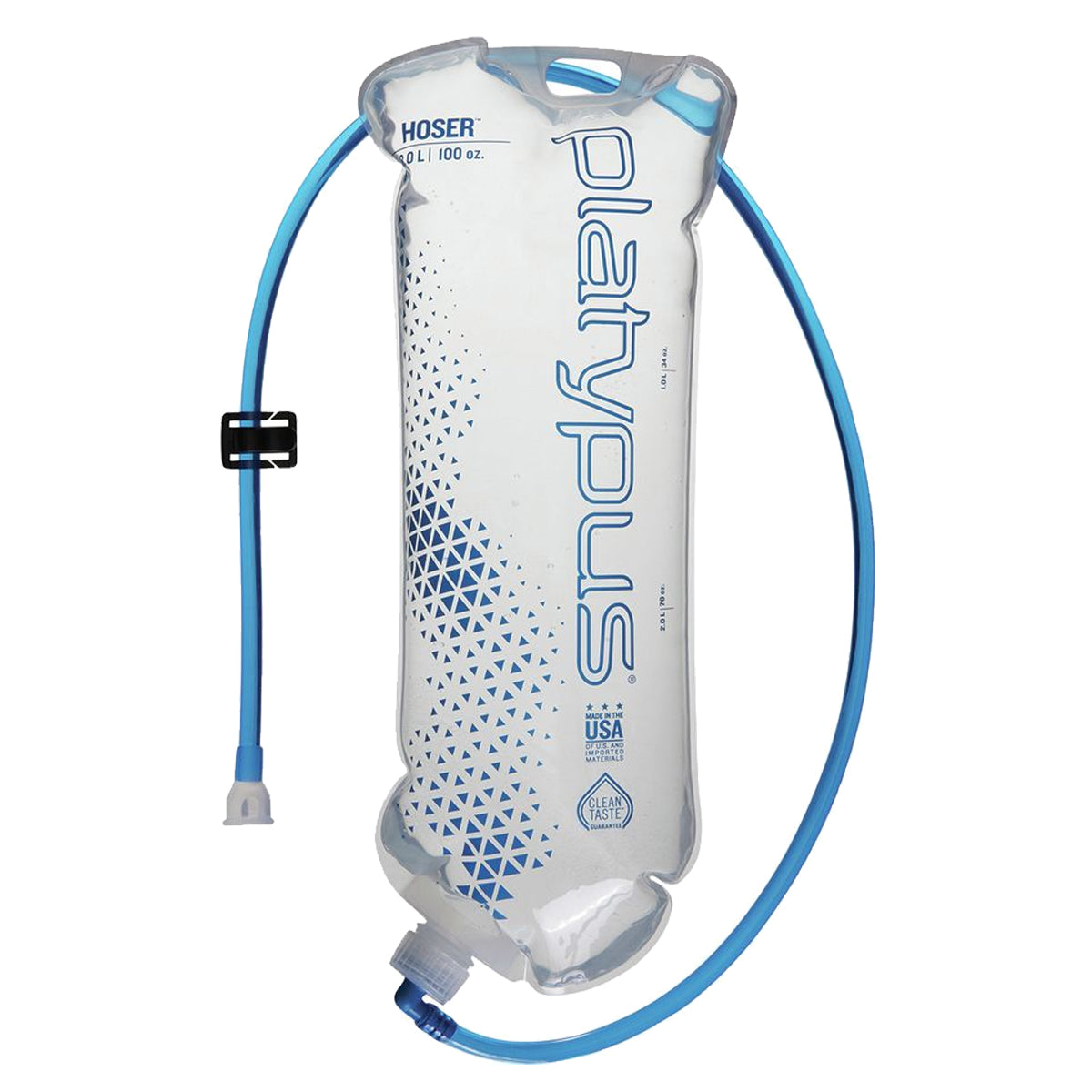
Essential: a rain cover, a hydration reservoir (like Platypus), and a headlamp (e.g., Black Diamond Spot 400). Highly recommended: a first aid kit. Nice-to-have: a water filter for longer trips.
First, measure your torso length. Second, decide on capacity: 15–25L for day hikes, 25–40L for overnights. Third, set a budget ($100–$150). Finally, read reviews from other beginners and check the return policy.
Not at all. With a little guidance on fit and packing, a hiking backpack is easy to use. The key is choosing a simple, well-fitting pack. Most beginners quickly get the hang of it.
Common mistakes include buying too large a pack, ignoring torso length, overpacking, not using the hip belt, and skipping a rain cover. Also, many buy a cheap pack that fails or a premium pack with unnecessary features.
Hand wash with mild soap and warm water. Rinse thoroughly and air dry. Avoid machine washing or drying, as it can damage the fabric and coatings. Regular cleaning extends the life of your pack.