Pick your first diatonic harmonica with confidence – our guide simplifies choices, top picks, and mistakes to avoid for easy learning.
Choosing your first harmonica can feel overwhelming with endless brands, keys, and types staring back at you online. Beginners often worry about wasting money on something unplayable or hard to learn, especially when reviews mix pro opinions with vague advice. But don't stress – this guide is built for total newcomers who want simple, fun playing from day one.
We'll break down why harmonicas seem tricky, what features actually matter for beginners, and hand-pick the best Amazon options that are forgiving and easy to blow. By the end, you'll know exactly what to buy, what accessories to add, and how to start playing without frustration. Get ready to make music confidently!
📋 In This Guide
• Why Beginners Struggle with Harmonica
• What to Look For (Key Features)
• Top 4 Beginner-Friendly Harmonica
• Essential Accessories for Beginners
• Common Beginner Mistakes to Avoid
• Your Progression Path
• FAQ & Learning Resources
😰 Why Beginners Struggle with Harmonica
Beginners dive into harmonicas excited to play blues riffs but hit roadblocks fast. The biggest issue? Too many options: diatonic vs. chromatic, 10-hole vs. 12-hole, keys like C, G, or A – it all sounds like gibberish. Forums like Reddit's r/harmonica are full of newbies frustrated by buying the wrong key (most songs use C) or cheap toys that leak air and won't bend notes.
Fear of 'buyer's remorse' is huge – what if it's too hard to hold or sounds awful? Jargon like 'reed plates,' 'cover plates,' and 'comb material' scares people off. Plus, without guidance, you grab the shiniest Amazon best-seller, only to find it's pro-level and unforgiving for shaky breaths. Many quit after a week, thinking harmonica just isn't for them.
🔍 What to Look For: Key Beginner-Friendly Features
Focus on simplicity: a diatonic harmonica in the key of C – it's the standard for beginners learning blues, folk, and rock. Look for 10 holes (standard size), smooth rounded edges for comfort, and an airtight seal so your breaths produce clear single notes instead of squeaks.
Must-haves: Phosphor bronze or stainless reeds (durable, responsive to beginner blowing), plastic or sealed wood comb (moisture-resistant, no swelling), and ergonomic covers (easy grip, no sharp edges). Skip extras like replaceable reed plates – too advanced. Beginner-friendly means forgiving: it plays well even with imperfect technique, has good tutorials available, and won't break from practice.
Nice-to-haves: A case included and vibrant colors for fun. Avoid: Chromatics (complex valves), tremolo (for folk only), or pro models with thin reeds that demand perfect control.
✅ Essential Features for Beginners
•Diatonic in Key of C: Matches 90% of beginner songs, no key confusion
•10-Hole Design: Standard size, easy to find tabs and lessons
•Airtight Construction: Clear notes even with sloppy breaths
•Responsive Reeds: Bends notes easily without expert skill
•Moisture-Resistant Comb: Stays playable during long sessions
•Includes Case: Protects from day one drops
🏆 Top 4 Best Harmonica for Beginners
#1
💰 Budget
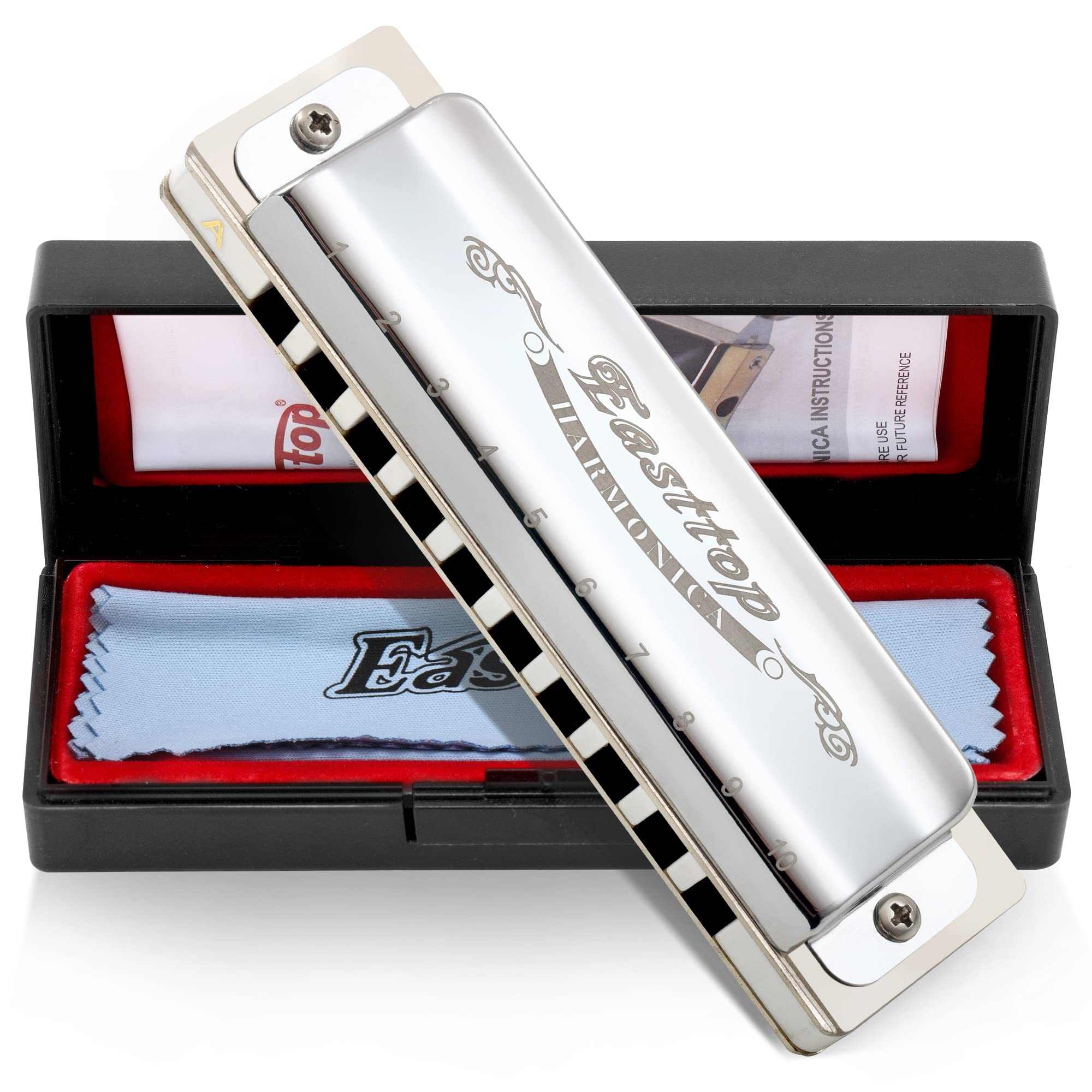
Easttop Blues Diatonic Harmonica Key of C
Learning Curve: Easy
$16.99
Difficulty: 1/5
Why Great for Beginners:
Perfect entry point with smooth ABS comb and phosphor bronze reeds that forgive beginner breaths. Plays clear single notes right away and includes a case for protection.
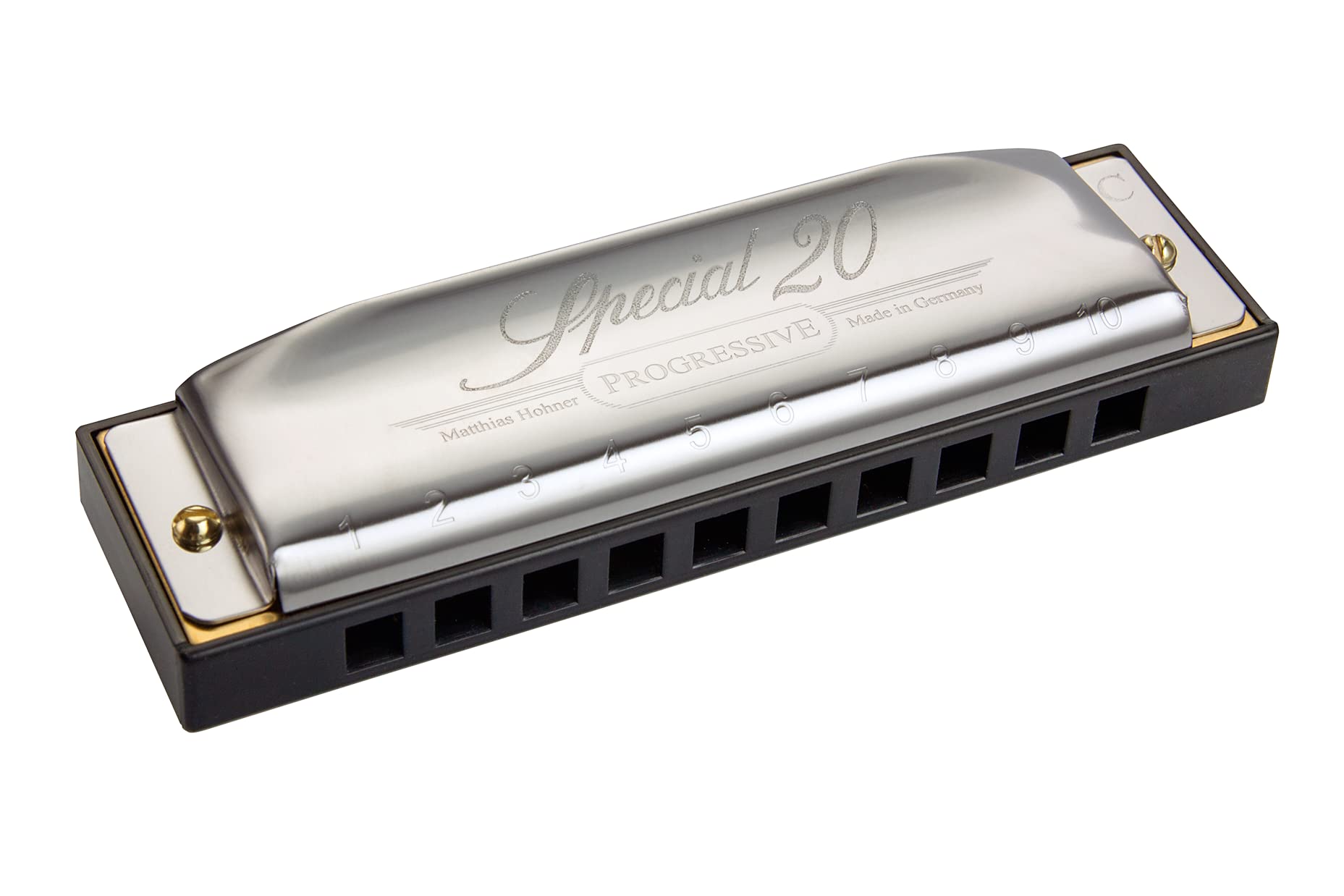
Industry standard for newbies with sealed wood comb (no swelling) and brilliant bronze reeds for easy bending. Comfortable and airtight for confident first notes.
✓ Beginner Pros
+Exceptional airtightness
+Smooth covers for comfort
+Great tutorials available
+Durable for months of practice
✗ Beginner Cons
-Wood comb needs drying
-Mid-price jump
👍 Best for: Most beginners wanting value and growth
Harmonicas are small wind instruments with reeds that vibrate when you blow or draw air. For beginners, stick to diatonic (blow/draw specific notes) over chromatic (sliding button for all notes) – diatonics are simpler, cheaper, and perfect for blues bending.
Key of C is best: Most free tabs (song notations) are in C, and it's versatile for pop, rock, country. Expect to play single notes first, then chords and bends after a few weeks – not solos day one, but fun melodies quickly.
'Beginner-friendly' means intuitive: Feels good in hands, tolerates wet mouths (use plastic combs), and sounds decent out-of-box. Check reviews for 'easy bending' and 'comfortable mouthpiece.' Marketing like 'pro quality' often means stiff for newbies – seek 'responsive for beginners.'
🔧 Essential Accessories for Beginners
Harmonica Hard Case Holder for 24 Harmonicas
⚠️ Essential
$19.99
When to buy:
Day one
Protects your harmonica from drops and dust right away – beginners often toss it in bags and bend reeds.
Ask: What's your budget? Under $25 for testing, $25-50 for serious start, $50+ for lasting quality. Will you play blues/folk (C diatonic)? Practice daily? If casual, budget; committed, recommended tier.
Framework: 1) Key C diatonic. 2) Read beginner reviews (ignore pros). 3) Check reed durability and comfort. Go budget if unsure, recommended for value. Avoid red flags: No case, plastic reeds (break fast), or 'for experts.' Plan growth: Good beginner models handle intermediate bending.
💰 Budget Guide for Beginners
100+
Pro entry: Custom feel, but overkill unless serious fast
25 - $50
Sweet spot: Best value, durable reeds, comfortable for daily practice
50 - $100
Premium beginner: Top responsiveness, won't outgrow for a year
Under $ - $25
Entry level: Cheap to try, basic play but may leak air or need quick upgrade
⚠️ Common Beginner Mistakes to Avoid
Newbies chase 'best seller' badges, grabbing toy harps under $10 that wheeze and die fast – false economy leading to quitting. Others splurge on chromatics thinking 'versatile,' but valves confuse and cost more.
Avoid by sticking to C diatonics $20+, reading 'beginner review' filters. Skip no-case options; always clean post-practice. Experienced players say: 'My first Hohner lasted years because I babied it.'
×Buying chromatic instead of diatonic – too complex for basics
×Overbuying pro model: Too stiff for beginner breath
×No maintenance: Saliva clogs after days
📈 Your Progression Path: Beginner to Intermediate
Start with breathing exercises: Single notes, then tongue blocking. Week 1-4: Simple songs via YouTube tabs. Build to bends (warping notes) by month 2.
Outgrow beginner when bending all draw notes cleanly and wanting other keys/songs. Upgrade to same brand multiples (A, D keys) or tremolo for Irish tunes. Most stay beginner 3-6 months; intermediate means improv jamming.
First upgrade: Better reeds or chromatic after 6 months daily play.
📚 Learning Resources for Beginners
📖Blues Harmonica for Beginners Book, ASIN B00J5Z0Z0K
📖Harmonica Lessons for Beginners DVD, ASIN B0013N2Q5A
📖The Harmonica Handbook by David Harp, ASIN 0793500824
📖Beginner's Guide to Blues Harmonica TAB Book, ASIN B08P5Q6R7S
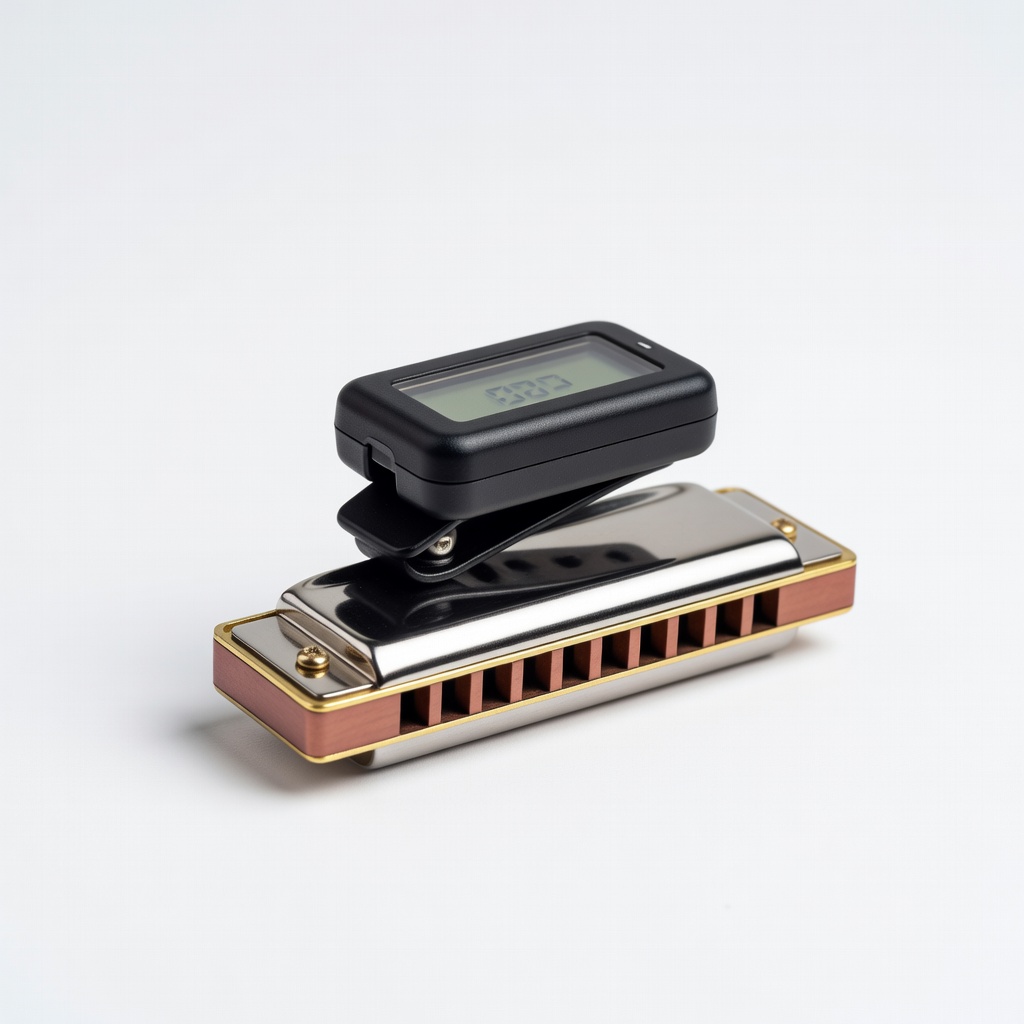
📖Smart Phone Harmonica Tuner App Companion (free, pair with clip-on)
📖Hohner Harmonica Exercise Book, ASIN B07H8I9J0K
🎯 Bottom Line: Our Recommendations
For most beginners, grab the Hohner Special 20 (recommended) – unbeatable value, easy play, grows with you. Budget? Easttop. Serious? Seydel premium.
Add hard case and cleaning kit day one. You'll play 'Oh Susanna' in hours! Next: Watch free Adam Gussow YouTube, practice 15 min daily. You've got this – harmonica rewards persistence with instant joy.
❓ Frequently Asked Questions
Hohner Special 20 in C – airtight, comfortable, perfect for blues bending without frustration.
$25-50 sweet spot for durable, responsive models that last; under $25 to test.
Key of C diatonic, 10 holes, airtight, responsive reeds, comfortable covers.
Easttop Blues C or Hohner Special 20 – forgiving breaths, clear notes.
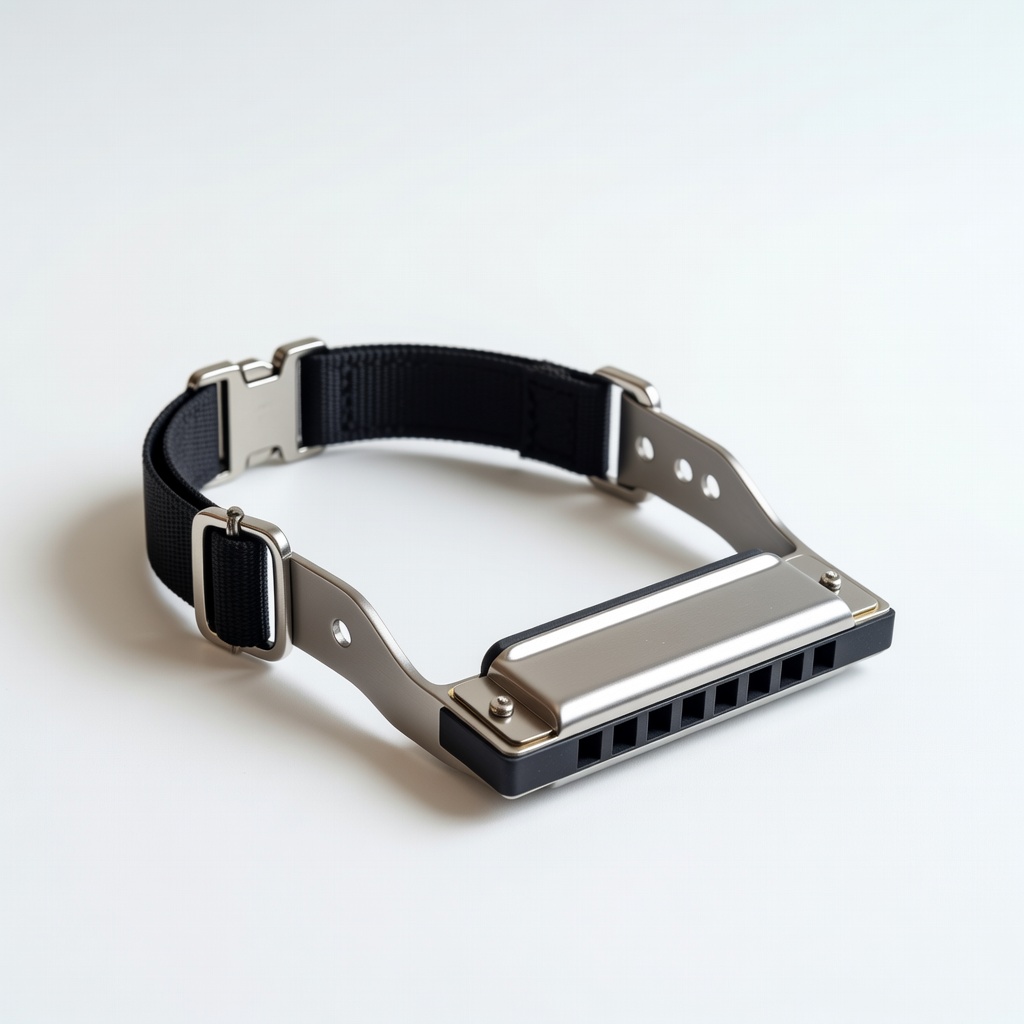
Hard case (essential), cleaning kit (highly recommended), neck holder.
Prioritize C diatonic, read beginner reviews, match budget to commitment.
No – single notes in days with right model; bending takes weeks, fun throughout.
Wrong key/type, no case, cheap toys, skipping cleaning.
Diatonic C – simpler, cheaper; chromatic later.
Rinse lukewarm water, brush reeds gently, dry fully – weekly.