Everything beginners need to choose their first blues harmonica with confidence, avoid mistakes, and start playing fast.
Picking your first harmonica feels overwhelming with endless options, brands, and confusing terms like 'diatonic' or 'reeds.' As a complete beginner, you worry about wasting money on something unplayable or hard to learn. This guide cuts through the noise.
Harmonicas are one of the easiest instruments to start with – portable, cheap, and forgiving for blues lovers. We'll explain why beginners struggle, what features matter, and give specific Amazon picks that are easy to blow and bend. By the end, you'll know exactly what to buy and feel excited to play your first notes.
📋 In This Guide
• Why Beginners Struggle with Harmonica
• What to Look For (Key Features)
• Top 4 Beginner-Friendly Harmonica
• Essential Accessories for Beginners
• Common Beginner Mistakes to Avoid
• Your Progression Path
• FAQ & Learning Resources
😰 Why Beginners Struggle with Harmonica
Beginners often feel lost because harmonicas come in different keys (like C, A, G), types (diatonic for blues vs chromatic), and materials that affect sound and playability. Forums like Reddit's r/harmonica are full of newbies frustrated by buying the wrong key or a cheap toy that buzzes and won't bend notes – essential for blues.
Fear of the 'wrong buy' is huge: Will it last? Is it tunable? Over 50 brands overwhelm Amazon searches, and jargon like 'phosphor bronze reeds' or 'airtight chambers' sounds scary. Many quit early because their first harp warps or feels uncomfortable in the mouth.
🔍 What to Look For: Key Beginner-Friendly Features
Focus on diatonic harmonicas in the key of C – perfect for beginners learning blues basics without transposing songs. Look for plastic (ABS) combs that don't swell with moisture, unlike wood. Responsive reeds that bend easily for that blues wail, smooth rounded cover plates for comfort, and airtight construction for clear single notes.
Skip extras like replaceable reed plates or multiple keys until later. Beginner-friendly harps are forgiving: they tolerate wet breath, stay in tune longer, and have good reviews from new players (check 'easy bending' mentions).
✅ Essential Features for Beginners
•Key of C diatonic: Matches most beginner songs, no need to learn other keys yet
•Plastic ABS comb: Won't warp from saliva, easy to clean
•Responsive phosphor bronze reeds: Bend notes easily for blues without frustration
•Smooth rounded covers: Comfortable on lips, no sharp edges
•Airtight chambers: Clear single notes right away
•Durable build: Survives drops and daily practice
🏆 Top 4 Best Harmonica for Beginners
#1
⭐ Top Pick👍 Recommended
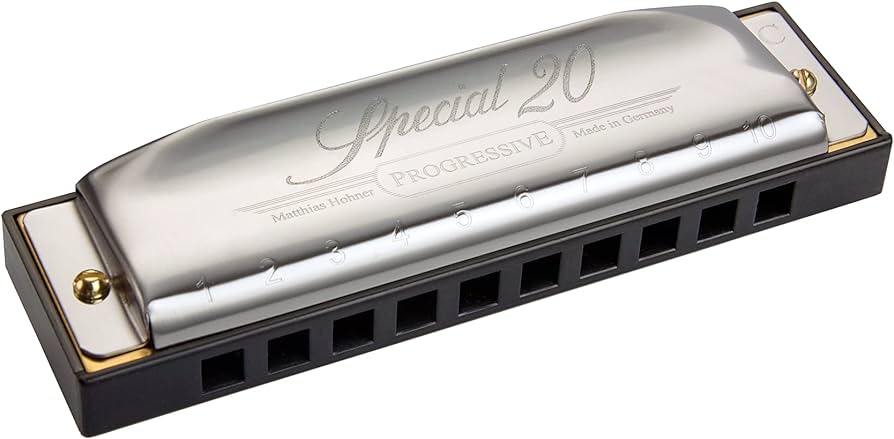
Hohner Special 20 Diatonic Harmonica, Key of C
Learning Curve: Easy
$49.99
Difficulty: 1/5
Why Great for Beginners:
This classic blues harp has a plastic comb that's moisture-resistant and phosphor bronze reeds perfect for easy bending. Beginners love its smooth response and clear tone right out of the box, with thousands of 4.5+ star reviews from new players.
✓ Beginner Pros
+Easy bending for blues
+Comfortable mouthpiece
+Stays in tune longer
+Durable for daily use
✗ Beginner Cons
-Slightly pricier entry
-Wood-like warm tone takes practice
👍 Best for: Most blues beginners wanting pro sound fast
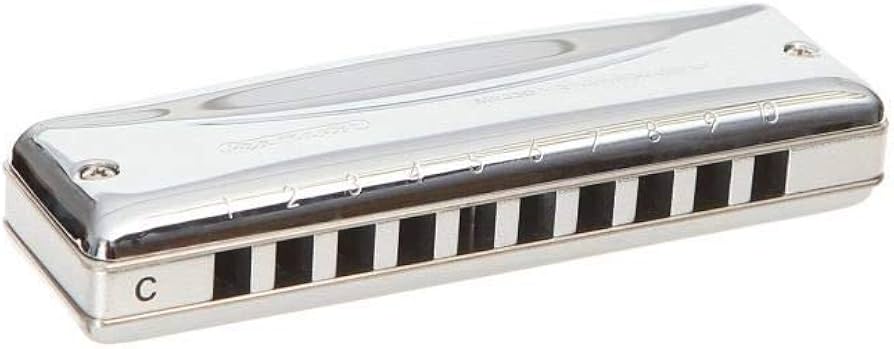
Suzuki Promaster Metal Diatonic Harmonica, Key of C
Learning Curve: Easy
$64.99
Difficulty: 2/5
Why Great for Beginners:
Premium phosphor bronze reeds and equal temperament tuning make bends smooth and accurate. Its metal comb is ultra-airtight for effortless single notes, ideal for beginners building blues skills without fighting the instrument.
✓ Beginner Pros
+Super responsive
+Long-lasting reeds
+Professional tone
+Comfortable fit
✗ Beginner Cons
-Higher price
-Metal feels cold initially
👍 Best for: Serious beginners planning daily practice
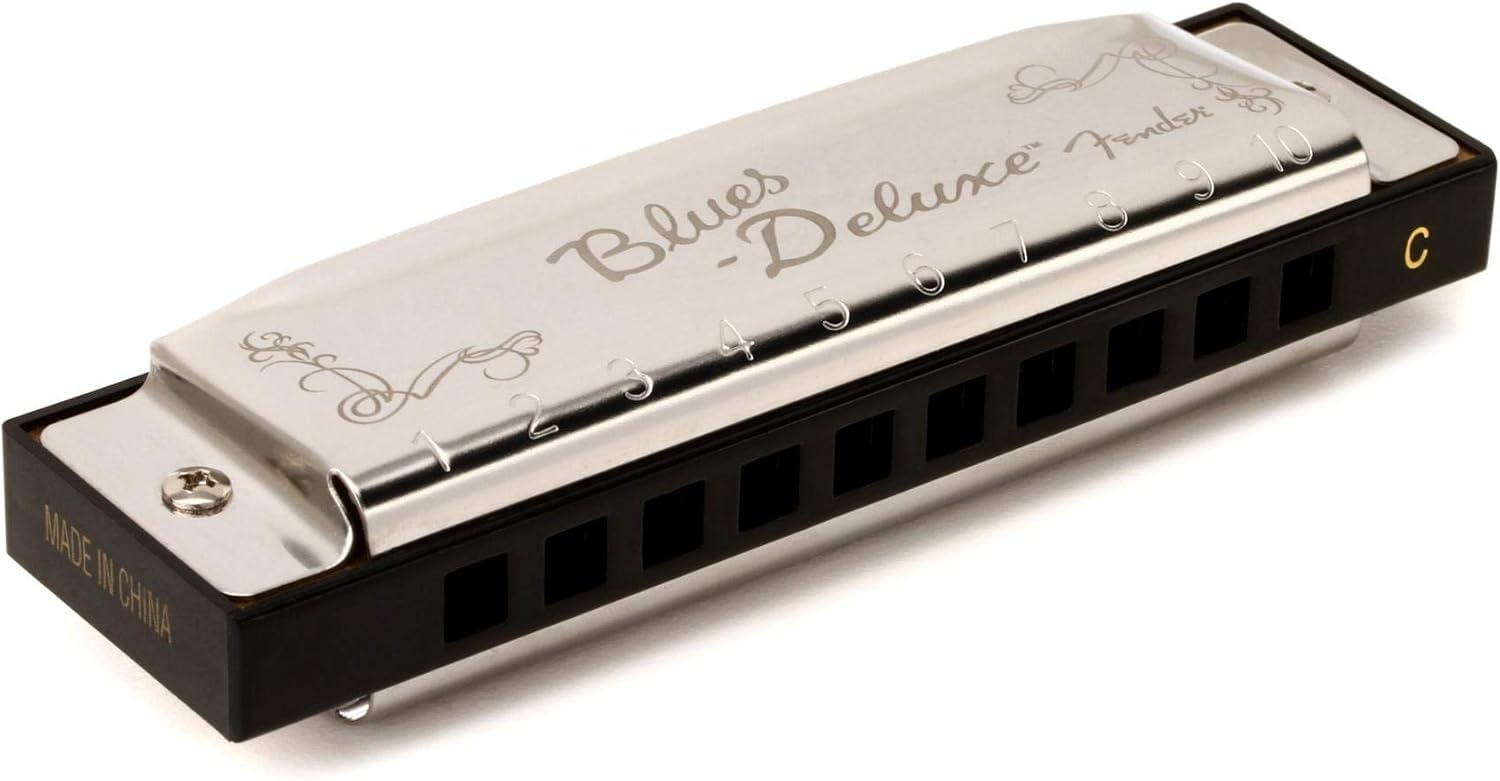
Affordable plastic diatonic with solid reeds for basic blues. Great entry to test if you love it, with smooth covers and good reviews for clear notes from day one.
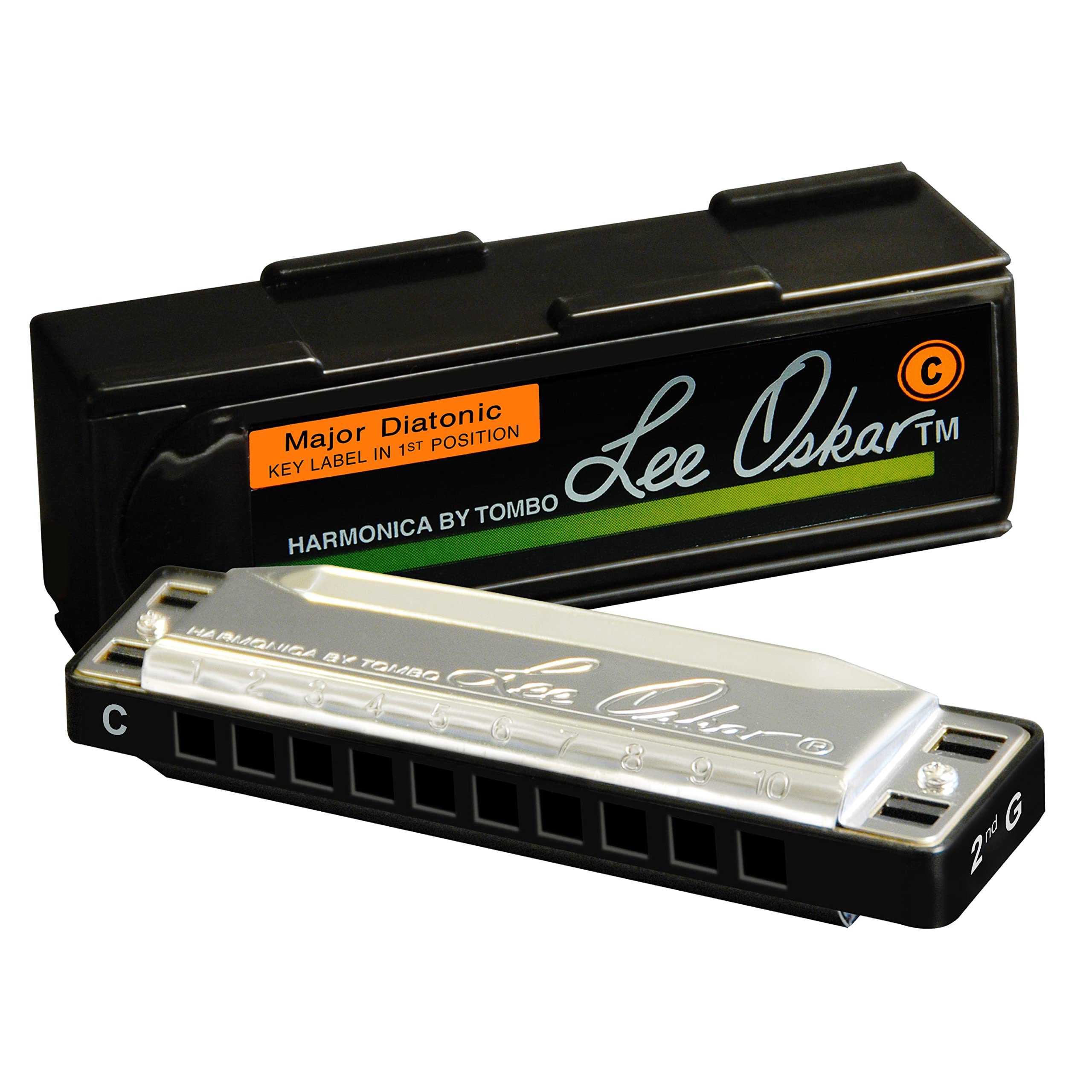
Replaceable reed plates extend life, plastic comb resists swelling. Excellent for blues bends with precise tuning – favored by teachers for new students.
A harmonica is a small metal reed instrument you blow and draw air through 10 holes to play notes. For blues niche, get a diatonic (not chromatic) – it plays a basic major scale in one key, great for folk/blues tunes like 'Heart of Gold.'
Types: Diatonic (beginner best, blues bending), chromatic (buttons, harder), tremolo (Asian music). Stick to diatonic C for starters. Realistic expectations: Day 1 single notes, week 1 simple melodies, month 1 basic bends.
Beginner-friendly means easy breath control, forgiving reeds (don't break from hard blowing), and comfy fit. Marketing like 'pro quality' often hides stiff reeds – check reviews for 'easy for newbies.' Evaluate by price tiers, user photos of covers/reeds, and video demos of bends.
🔧 Essential Accessories for Beginners
Harmonica Case Holder for Multiple Harps
⚠️ Essential
$14.99
When to buy:
Day one
Protects your investment from dust and drops. Beginners lose or damage harps easily without one.
Ask: Budget? (under $20 try, $20-50 commit). Blues focus? Diatonic C. Practice daily? Get responsive reeds. Start with sweet spot for growth.
Budget: Under $20 for test, but upgrade soon. $20-50 best value. Premium $50+ if serious. Scenarios: Casual – budget; daily blues – recommended; gig soon – premium. Red flags: Wood comb (swells), no C key, under $10 (toy-like), poor reviews on bending.
💰 Budget Guide for Beginners
100+
Overkill - custom or sets, wait until intermediate
20 - $50
Sweet spot - quality reeds and build for months of practice, great value
50 - $100
Premium beginner - pro-level response, lasts years without upgrade
Under $ - $20
Entry level - basic plastic harp to try without risk, but reeds may wear fast
⚠️ Common Beginner Mistakes to Avoid
Newbies grab the cheapest Amazon find, but it buzzes and frustrates, leading to quitting. Wood combs swell from breath, causing leaks – plastic avoids this. Avoid by reading 'bending ease' reviews.
Many skip C key, struggling with tabs. Buy case day one. Instead, start with recommended tier and clean weekly.
×Buying cheapest under $10 – reeds fail fast
×Wrong key (not C) – can't play tutorials
×Wood comb – swells and smells after weeks
×Skipping case – harp gets dented
×Ignoring reed response – can't bend for blues
×Buying chromatic – too complex for starters
×No cleaning – sound degrades quickly
×One harp only – limits song variety later
📈 Your Progression Path: Beginner to Intermediate
First: Single notes and basic blues licks (1-2 weeks). Practice 15 min/day with apps. Then bends/chords (1 month). Outgrow beginner when bends are clean, want louder volume, or multi-key songs.
Upgrade to premium or second harp (A/G keys) after 3-6 months. Intermediate: Tongue blocking, overblowing. Stay beginner 1-3 months typically.
📚 Learning Resources for Beginners
📖Blues Harmonica Jam Tracks & Soloing Concepts Book (ASIN: B08L5M3N4P)
📖Harmonica for Dummies Book (ASIN: B000QZL9O2)
📖Teach Yourself Harmonica Instructional DVD (ASIN: B001E5E3O0)
📖Suzuki Harmonica School Method Book Vol 1 (ASIN: B0002F7H5M)
📖Pocket Harmonica Songbook for Beginners (ASIN: B07N1K2L3M)
🎯 Bottom Line: Our Recommendations
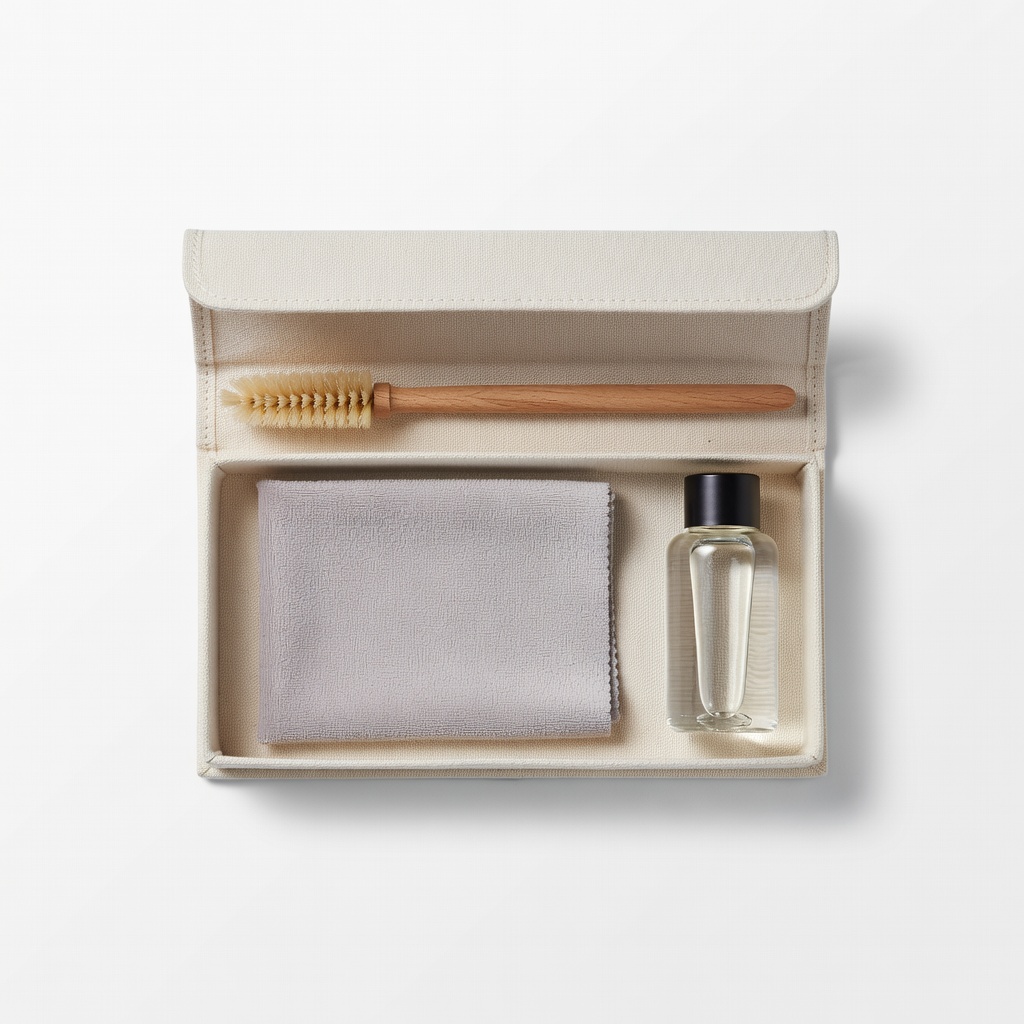
Best overall: Hohner Special 20 – perfect balance for most blues beginners. Budget: Fender Blues Deluxe. Premium: Suzuki Promaster. Get case and cleaning kit first.
You're ready – harmonica is forgiving and fun. Order today, watch YouTube C key tutorials, play daily. You'll wail blues in weeks!
❓ Frequently Asked Questions
Hohner Special 20 in C – easy bends, durable, blues-ready.
$20-50 sweet spot for quality without waste.
Diatonic C key, plastic comb, responsive reeds.
Any plastic diatonic C like Hohner Special 20.
Case, cleaning kit, neck holder.
Key of C diatonic, check reed reviews, fit budget tier.