Review Atlas
Review AtlasYour guide to a better purchase

Menu

Shop by Category

Get the App

Better experience on mobile

Beginners GuideMusic

Best Hand Drums for Beginners 2026

Discover the easiest hand drums to start your rhythmic journey with confidence—no experience needed.

Picking your first hand drum can feel intimidating with so many shapes, sizes, and materials staring back at you online. As a beginner, you might worry about buying something too hard to play, that breaks easily, or sounds terrible right away. The good news? You don't need fancy pro gear to have fun and make great sounds from day one.

Hand drums are perfect for beginners because they're portable, affordable, and super forgiving—slap, tap, or rub, and you'll get rewarding tones. This guide cuts through the confusion, focusing only on what matters for newcomers like you. We'll recommend real Amazon products that are easy to use, explain key features in plain English, and help you avoid pitfalls so you can start playing confidently.

By the end, you'll know exactly which hand drum to buy, what accessories to grab, and how to grow your skills without wasting money.

📋 In This Guide

  • • Why Beginners Struggle with Hand Drums
  • • What to Look For (Key Features)
  • • Top 4 Beginner-Friendly Hand Drums
  • • Essential Accessories for Beginners
  • • Common Beginner Mistakes to Avoid
  • • Your Progression Path
  • • FAQ & Learning Resources

😰 Why Beginners Struggle with Hand Drums

Beginners often feel overwhelmed by the huge variety of hand drums—djembes, frame drums, bodhrans, and more—without knowing which one fits their hands or style. Terms like 'goatskin head,' 'rope tuning,' or 'diameter' sound technical and scary, making it hard to tell quality from junk. Many fear buying a cheap drum that warps or tears after a few sessions, or an expensive one that's too big and tiring to hold.

Online reviews mix pro opinions with beginner complaints, like drums that go out of tune fast or heads that rip from normal slapping. Forums like Reddit's r/handdrums echo this: newbies get frustrated with silent or buzzy sounds because they don't know what 'resonance' means. Plus, without guidance, they overlook simple needs like a comfortable grip, leading to sore hands and quick give-ups.

The biggest fear? Wasting money on the wrong drum and quitting before the fun begins. This guide fixes that by focusing on forgiving, intuitive options.

🔍 What to Look For: Key Beginner-Friendly Features

For beginners, prioritize drums that are easy to hold (8-12 inches wide, lightweight under 3 lbs), with synthetic heads that won't tear from enthusiastic slaps. Look for pre-tuned models—no fiddly adjustments needed at first. A warm, responsive tone from basic strokes means instant gratification without perfect technique.

Nice-to-haves include a beater or stick option for varied sounds and a carrying bag for protection. Skip pro features like intricate shell carvings or natural skins that need constant care—they add complexity and cost without beginner benefits. Beginner-friendly drums tolerate mistakes: uneven hits still sound good, and they're durable for daily practice.

Check for good customer support via Amazon Q&A and video demos showing real beginners playing. Synthetic materials forgive sweat and rough handling, unlike delicate natural skins.

✅ Essential Features for Beginners

  • Synthetic drum head: Won't rip easily from beginner slaps, stays in tune longer
  • 8-12 inch diameter: Fits small to medium hands comfortably, not too bulky
  • Lightweight wood or bamboo shell: Easy to hold for 20-30 minute sessions without fatigue
  • Pre-tuned with ropes or easy lugs: No tools needed to start playing
  • Dual-tone capability: Slap center for bass, edge for high notes—intuitive sounds
  • Included beater or mallet: Expands play options beyond hands
  • Protective carrying bag: Keeps it safe during transport
  • Clear demonstration videos: Helps you learn basic rhythms fast

🏆 Top 4 Best Hand Drums for Beginners

#1
💰 Budget

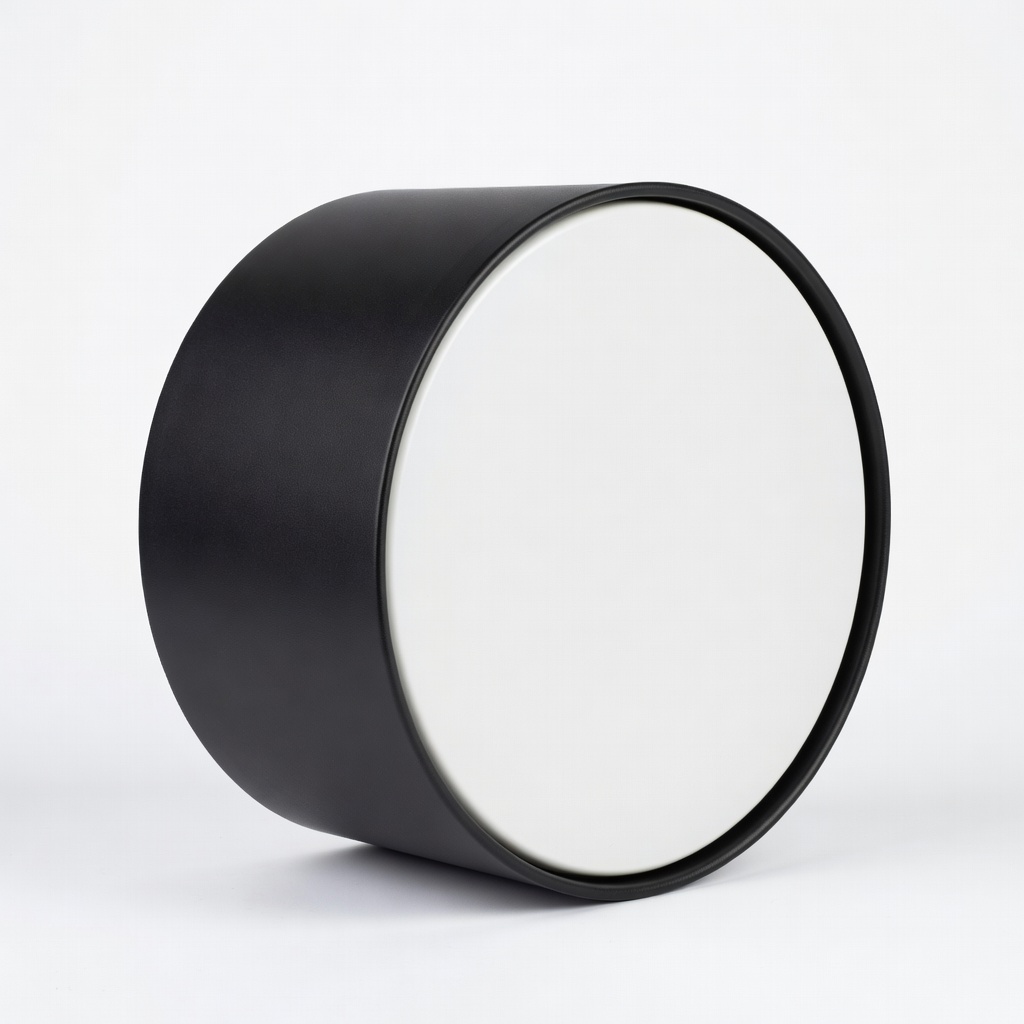
Meinl Headliner Bamboo Hand Drum 10in

Learning Curve: Easy

$29.99
Difficulty: 1/5
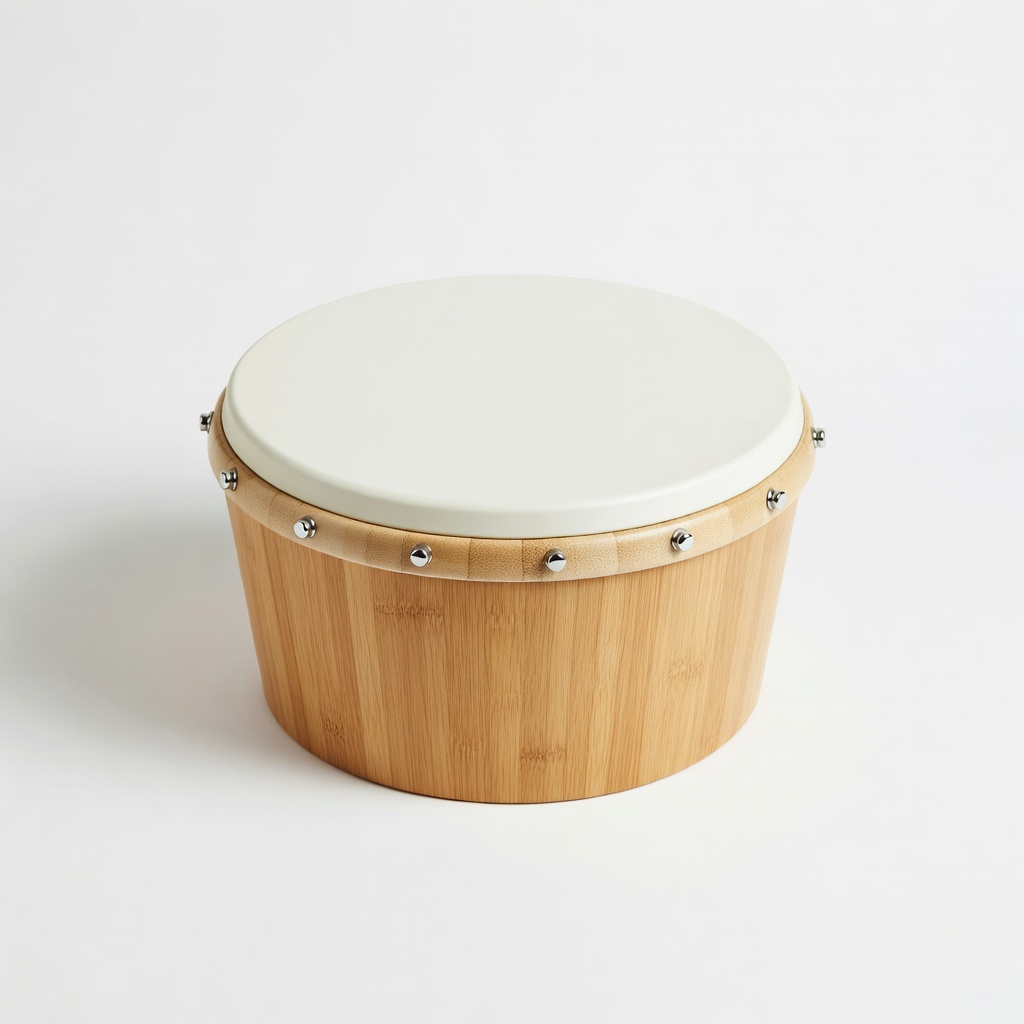
Meinl Headliner Bamboo Hand Drum 10in

Why Great for Beginners:

This lightweight bamboo frame drum produces clear tones with simple hand slaps, perfect for total newbies. Synthetic head forgives hard hits without tearing, and it's pre-tuned out of the box. At under $30, it's a low-risk way to start making music instantly.

Beginner Pros

  • +Super light and portable
  • +Instant rewarding sounds
  • +Affordable to test interest
  • +Fits small hands
  • +Durable for kids/adults

Beginner Cons

  • -Shallower bass than djembes
  • -Basic single tone focus
👍 Best for: Casual tryers or kids starting out
👎 Not for: Those wanting deep drum sounds

#2
👍 Recommended

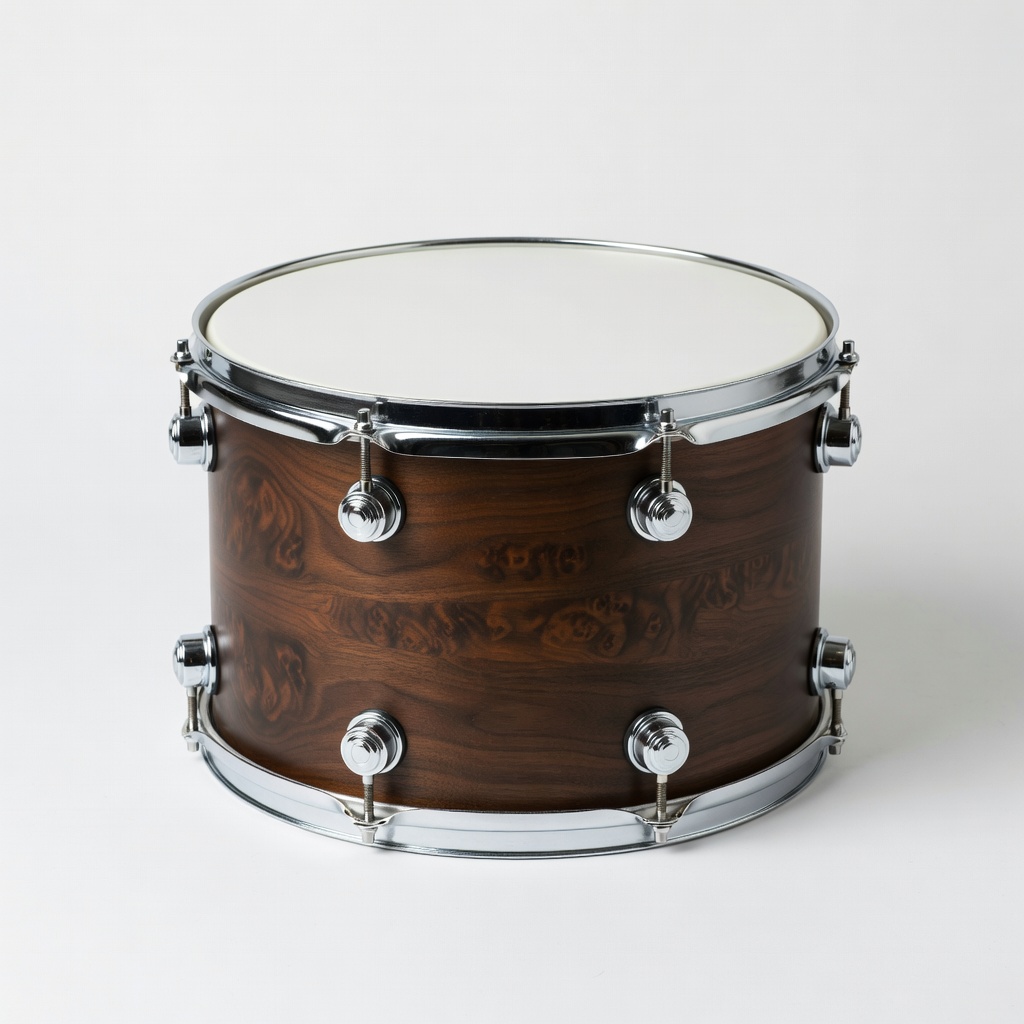
Remo Gather Drum HD2365-BK 10"

Learning Curve: Easy

$79.99
Difficulty: 1/5
Remo Gather Drum HD2365-BK 10"

Why Great for Beginners:

Pre-tuned with a textured synthetic head for easy play and great projection, this frame drum feels natural in hands. Dual play surfaces (head and rim) teach basic techniques without overwhelm. Ideal sweet-spot value for daily practice.

Beginner Pros

  • +Versatile tones
  • +Ergonomic design
  • +Stays tuned
  • +Includes beater
  • +Community tutorials

Beginner Cons

  • -Slightly louder than whisper-quiet
  • -Bag sold separate
👍 Best for: Home practice and meditation beginners
👎 Not for: High-energy rockers needing bass
#3
👍 Recommended

Meinl Professional Series HD1 Hand Drum

Learning Curve: Moderate

$99.99
Difficulty: 2/5
Meinl Professional Series HD1 Hand Drum

Why Great for Beginners:

Buffalo drum style with goat/synthetic hybrid head for warm, forgiving tones. Lightweight mango wood shell is comfortable for long sessions, and easy rope tuning builds skills gently. Great for beginners wanting pro feel without pro price.

Beginner Pros

  • +Rich dual tones
  • +Comfortable hold
  • +Responsive to slaps
  • +Durable build
  • +Video guides available

Beginner Cons

  • -Tuning needs occasional tweak
  • -10% heavier
👍 Best for: Group jam or world music starters
👎 Not for: Ultra-portable needs
#4
✨ Premium

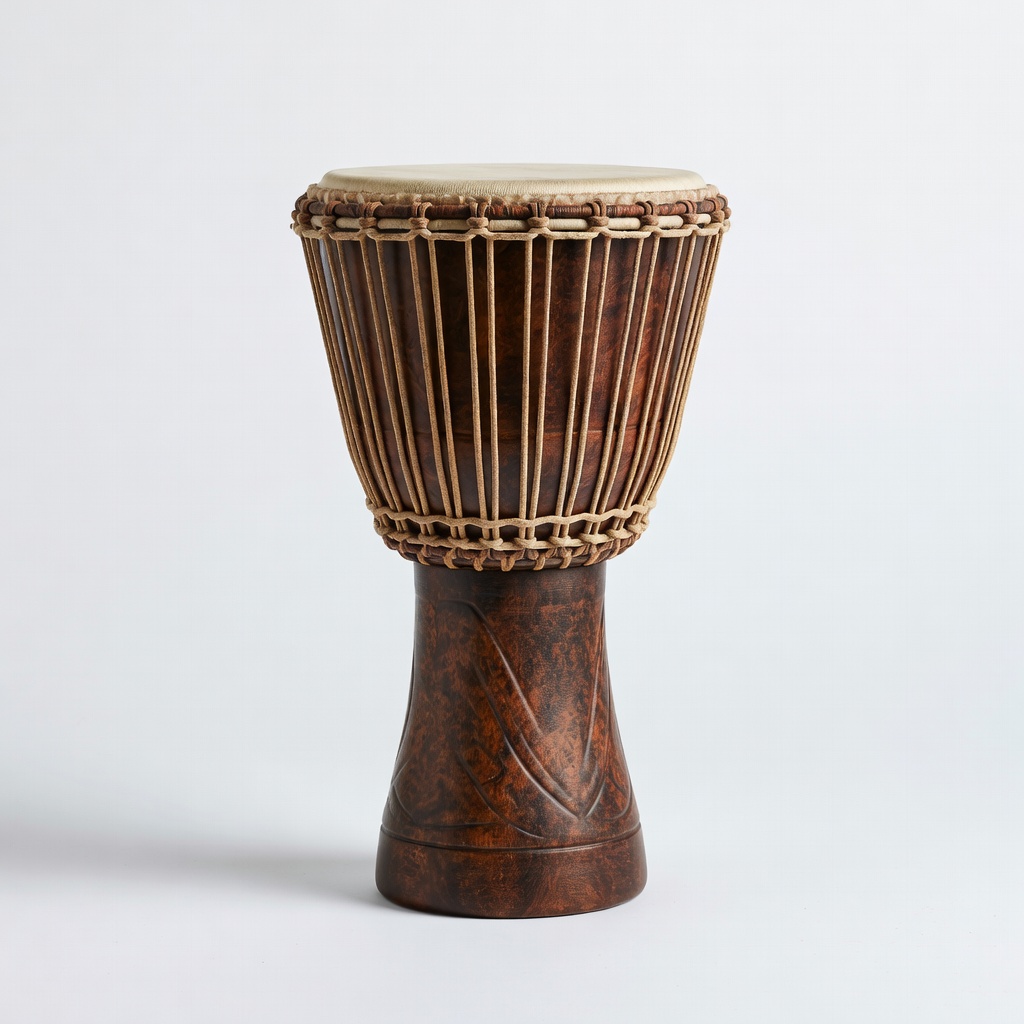
Meinl Africa Series Fiberglass Djembe

Learning Curve: Moderate

$199.99
Difficulty: 2/5
Meinl Africa Series Fiberglass Djembe

Why Great for Beginners:

Fiberglass shell won't crack like wood, with synthetic head for maintenance-free play. Deep bass and crisp slaps from day one, scalable as skills grow. Premium quality ensures you won't outgrow it quickly.

Beginner Pros

  • +Pro-level sound
  • +Ultra-durable
  • +Lightweight pro shell
  • +Wide tuning range
  • +Gig-ready

Beginner Cons

  • -Higher price
  • -Larger size (12in)
👍 Best for: Serious beginners committing to practice
👎 Not for: Tight budgets or tiny spaces

📖 Complete Beginner's Guide to Hand Drums

Hand drums are simple percussion instruments you play with hands, fingers, or a beater—think rhythmic beats for fun, meditation, or jamming. Common types include frame drums (flat circle, like a tambourine without jingles), djembes (goblet-shaped for deep bass), and panderos (shallow rim for sharp tones). Beginners should start with frame drums or small djembes: they're lightest, easiest to grip, and produce clear sounds with minimal skill.

'Beginner-friendly' means forgiving design—synthetic heads handle heavy-handed play, fixed tuning avoids frustration, and compact size fits any space. Realistic expectations: In week one, you'll make basic beats; by month one, simple grooves. Evaluate by watching play videos: does it sound good from sloppy hits? Ignore hype like 'authentic African tone'—focus on ease.

Marketing terms decoded: 'Rope-tuned' = adjustable tension (good if simple); 'Goatskin' = natural but fragile (avoid); 'Resonant shell' = echoes nicely for fuller sound without effort. Test in-store if possible, or rely on Amazon's return policy.

Types for beginners: Frame drums for meditation/relaxed play; mini-djembes for energetic slaps. Avoid large congas—they're heavy and technique-heavy.

🔧 Essential Accessories for Beginners

Meinl Drum Bag for Hand Drums - Image 1 of 7

Meinl Drum Bag for Hand Drums

⚠️ Essential

$24.99

When to buy:
Day one

Protects your drum from dents and dust during transport or storage—beginners drop things! Padded design prevents head damage from knocks. Essential day-one buy to keep your investment safe.

Beginner Benefits:

  • Easy carry to classes
  • Prevents warping
  • Affordable protection
  • Quick access
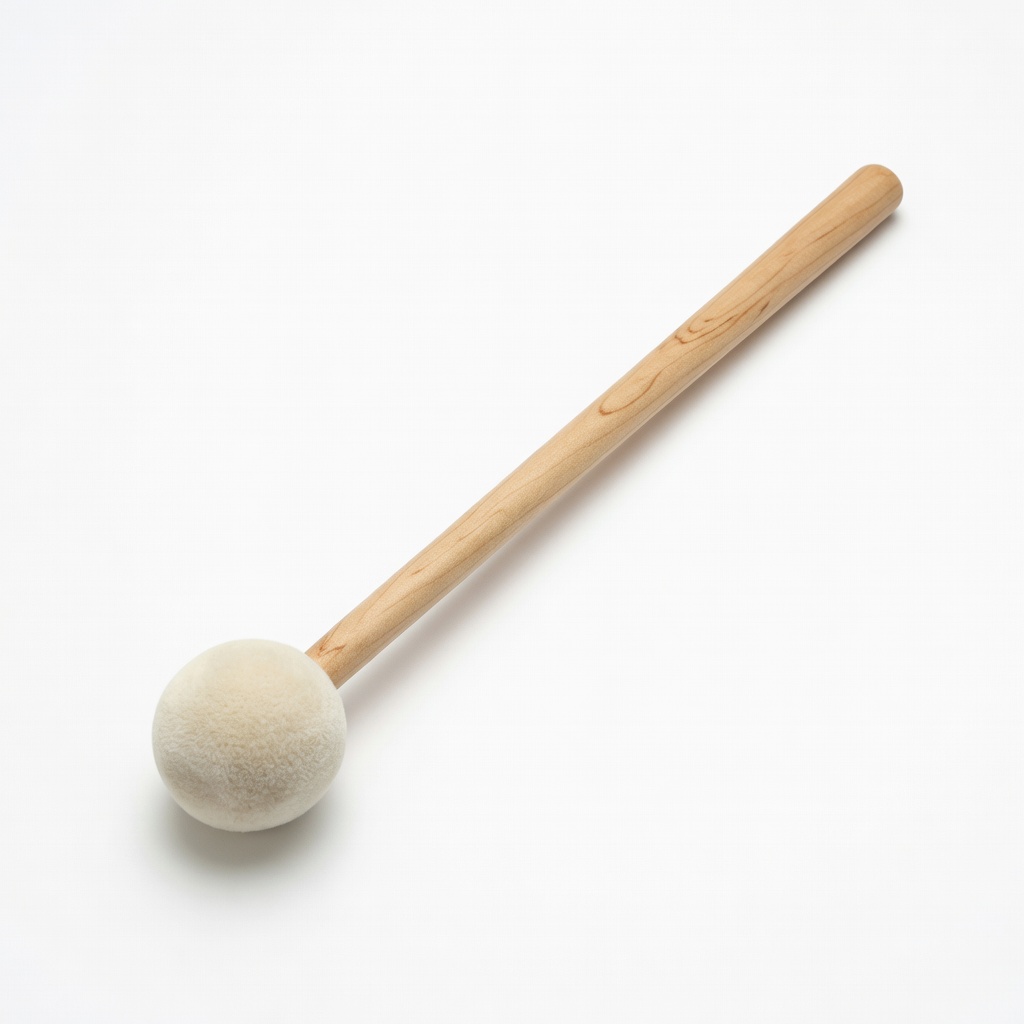
Promark Mallet for Frame Drums

Promark Mallet for Frame Drums

👍 Recommended

$12.99

When to buy:
First week

Expands sounds beyond hands—tap for highs, slap for bass without sore palms. Soft tip avoids head damage on synthetic skins. Beginners love varied tones to stay engaged.

Beginner Benefits:

  • Reduces hand fatigue
  • New sound options
  • Builds technique
  • Inexpensive
Drum Tuning Key Basic

Drum Tuning Key Basic

💡 Nice to Have

$8.99

When to buy:
First month

Simple tool to adjust rope tension as you learn—keeps tones crisp. Beginners tweak accidentally; this makes fixes easy without frustration.

Beginner Benefits:

  • Quick tuning
  • Prevents loose head
  • Teaches maintenance
  • Pocket-sized

🤔 How to Choose Your First Hand Drums

Ask yourself: What's your budget? Practice time? Play style (gentle taps or hard slaps)? Hands size? Start with sweet spot ($50-150) for balance of quality and growth room. Budget under $50 for testing waters; premium $150+ if committing long-term.

Scenarios: Casual home fun? Frame drum. Group jams? Djembe-style. Small hands/kids? 8-inch. Plan for growth: Choose versatile tone drums so you don't upgrade soon. Red flags: Noisy shipping rattles, vague 'professional' claims without beginner reviews, natural skins under $100 (false economy).

Decision tree: If under $50 and casual—budget pick. Daily 30min practice—recommended. Serious hobby—premium. Always check weight (<3lbs) and head material (synthetic).

💰 Budget Guide for Beginners

300+

Pro entry: Custom tunables for serious growth; only if budget allows and practicing daily

50 - $150

Sweet spot: Quality wood shell, durable head, great tones; perfect for most beginners, lasts 1-2 years

150 - $300

Premium beginner: Rich resonance, pro-like feel without complexity; ideal for dedicated starters

Under $ - $50

Entry level: Basic synthetic frame drum to try without big risk; may lack depth, upgrade in 3-6 months

⚠️ Common Beginner Mistakes to Avoid

Beginners grab the absolute cheapest ($10 toys) thinking 'it's just a drum,' but tinny sounds and fragile heads lead to frustration and quitting. Expensive natural-skin models lure with 'authentic' hype, but they require care skills you don't have yet. Skipping a bag means dings from daily carry, ruining resale or play.

Wrong size fools many: huge drums overwhelm small hands; minis lack satisfaction. Forums show newbies buy rope-tuned without a key, then complain of 'dead' sound. Avoid by sticking to synthetic, sized-right recs with accessories. Experienced players say: Start simple, upgrade happy.

  • ×Buying cheapest plastic toy—sounds tinny, breaks fast
  • ×Choosing goatskin head—rips easily, needs humidity control
  • ×Ignoring size—too big tires hands, too small boring
  • ×Skipping bag—drum gets banged up in car/backpack
  • ×Overlooking synthetic materials—hard to maintain
  • ×Buying pro djembe first—too heavy/technical
  • ×No beater—limited sounds, hand pain quick
  • ×Not watching demos—misses playability issues

📈 Your Progression Path: Beginner to Intermediate

Start with basic slaps and taps—10min daily on open tones. Week 2: Add rhythms from free YouTube (search 'beginner hand drum patterns'). Month 1: Experiment with beater and tuning. Outgrown signs: Want deeper bass, group volume, or varied techniques (3-6 months).

Upgrade to tunable djembes first, then stands or multi-drums. Intermediate: Layer rhythms, jam with others. Most stay beginner 3-12 months with 3x/week practice. Track progress via recordings—celebrate small wins!

📚 Learning Resources for Beginners

  • 📖Hand Drums for Beginners Book: A Step-by-Step Guide (ASIN B08L5M7N2P)
  • 📖The Frame Drum Circle DVD (ASIN B0002E5K3O)
  • 📖Beginner Hand Drumming Method Book (ASIN B07Z5K3L4M)
  • 📖World Beat Fun! Hand Drumming DVD (ASIN B0013G5Q8A)
  • 📖Practice Rhythm Cards for Percussion (ASIN B09K2P7R5T)
  • 📖Online Course Bundle: Hand Percussion Basics (Amazon Video ASIN B07X9N3V2W)

🎯 Bottom Line: Our Recommendations

For most beginners, the Remo Gather Drum (B09T9B3C6J) is the best overall—easy, versatile, great value. Budget pick: Meinl Bamboo (B07J2A6B9I) for dipping toes. Premium: Meinl Fiberglass Djembe (B09R5D8E1L) for future-proofing.

Grab the drum bag (essential) and mallet right away. You're ready to play—hand drums build rhythm sense fast and joyfully. Order today, watch a 5min tutorial, and drum away. You've got this!

❓ Frequently Asked Questions

The Remo Gather Drum (B09T9B3C6J) for its ease, tones, and forgiveness—perfect starter without overwhelm.
$50-150 sweet spot gets durable quality with growth room; under $50 to test, $150+ for serious.
Synthetic head, 8-12in size, lightweight shell, pre-tuned—forgiving and instant fun.
Frame drums like Meinl Bamboo (B07J2A6B9I)—light, simple slaps yield great sounds.
Padded bag (essential), beater (highly rec), tuning key (nice)—protect and enhance play.
Match size to hands, synthetic head, your budget tier; watch demos, read beginner reviews.
No—intuitive slaps work day one; forgiving drums make it fun, skills build naturally.
Cheapest toys, wrong size, no bag, natural skins—stick to recs to avoid.
Yes—durable, tune-stable, forgiving vs fragile natural skins.
3-12 months with regular play; upgrade when needing more volume or tones.