Confidently choose your first electric guitar amp without overwhelm – top picks, features explained simply, and mistakes to avoid.
Picking your first electric guitar amp feels intimidating when you're just starting out. With endless options, confusing specs like 'watts' and 'modeling,' and prices from $50 to $500+, it's easy to freeze or make a regretful buy. But don't worry – this guide is built for total beginners like you.
We'll break down what really matters, skip the jargon, and give you exact recommendations that are easy to use, forgiving on mistakes, and perfect for home practice. By the end, you'll know exactly which amp to buy, what accessories you need, and how to start rocking without frustration.
Our promise: Simple steps to confidence, proven picks from real beginner reviews, and a clear path to grow your skills.
📋 In This Guide
• Why Beginners Struggle with Electric Guitar Amp
• What to Look For (Key Features)
• Top 4 Beginner-Friendly Electric Guitar Amp
• Essential Accessories for Beginners
• Common Beginner Mistakes to Avoid
• Your Progression Path
• FAQ & Learning Resources
😰 Why Beginners Struggle with Electric Guitar Amp
Beginners often feel lost because guitar amps come in so many types – tiny practice ones, huge stage beasts, digital 'modeling' amps, or old-school 'tube' amps. Forums like Reddit's r/GuitarAmps are full of newbies frustrated by buzzwords: 'What does 15W mean?' or 'Is overdrive essential?'
The fear of wasting money hits hard – buy too cheap, and it sounds tinny; too pricey, and features overwhelm you. Without knowing your needs (quiet home jams? Band practice?), options paralyze. Plus, bad first experiences like no headphone jack for silent playing lead to quitting early.
Real reviews show beginners regret ignoring portability or skipping headphone outs, turning excitement into disappointment.
🔍 What to Look For: Key Beginner-Friendly Features
Focus on amps that are simple: 3-5 knobs max (volume, gain, tone), headphone jack for quiet practice, and aux input for jamming to songs. Must-haves: 5-25 watts for home use (loud enough without shaking walls), lightweight under 15 lbs for easy moving.
Nice-to-haves: Preset sounds (clean, crunch, lead) via buttons or app – no fiddling needed. Avoid: High-watt beasts (overkill), complex EQs, or footswitch-heavy setups.
Beginner-friendly amps forgive mistakes like cranking volume too high (no distortion mess) and have clear manuals or apps with tutorials.
✅ Essential Features for Beginners
•Headphone output: Practice silently anytime without bugging roommates.
•Simple controls: Just volume, gain, and basic tone – no confusing menus.
•Built-in presets: Push-button sounds like 'clean' or 'rock' for instant fun.
•Aux/Bluetooth input: Play along with your phone's music.
•Lightweight design: Under 15 lbs, easy to carry to lessons.
•Headphone jack compatibility: Plug in earbuds for private sessions.
•Low wattage (5-25W): Plenty loud for home, won't overwhelm.
•Battery option or portable: Practice anywhere.
🏆 Top 4 Best Electric Guitar Amp for Beginners
#1
💰 Budget
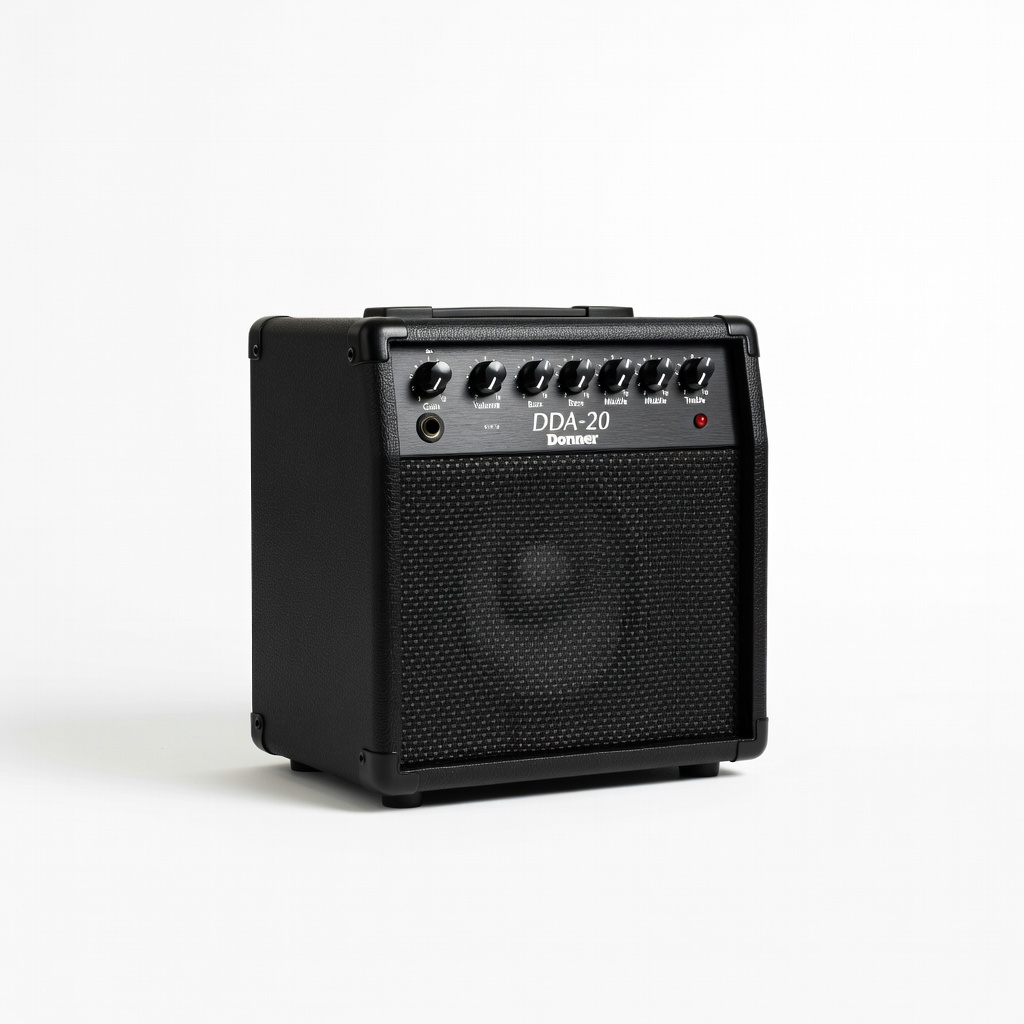
Donner DDA-20 20W Guitar Amplifier
Learning Curve: Easy
$59.99
Difficulty: 1/5
Why Great for Beginners:
Super affordable entry with clean/overdrive channels and aux in. Simple 3-band EQ lets you tweak tone easily without overwhelm. Lightweight at 7 lbs for bedroom practice.
✓ Beginner Pros
+Headphone jack for silent play
+Aux input for songs
+Portable and durable
+No setup hassle
✗ Beginner Cons
-Limited presets
-Basic sound variety
-Not app-connected
👍 Best for: Absolute beginners testing waters on tight budget
👎 Not for: Those wanting pro tones or app features
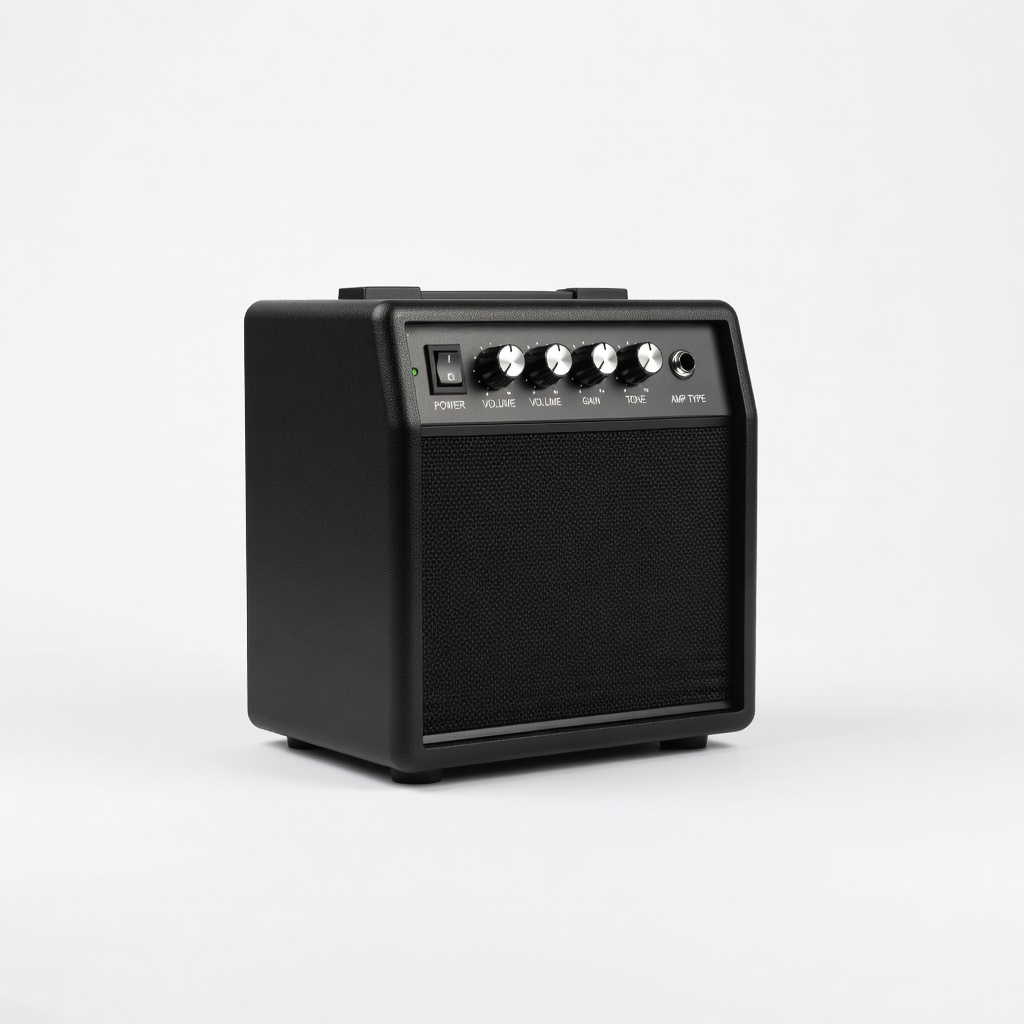
Iconic reliability with 3 amp voicings (clean, crunch, brown) via delay/echo switch. Runs on batteries for anywhere practice. Tiny but punches loud with headphone out.
✓ Beginner Pros
+Portable anywhere
+Built-in delay effect
+Battery powered
+Trusted Boss quality
✗ Beginner Cons
-No aux input
-Limited effects
-Small speaker
👍 Best for: Mobile beginners practicing outdoors or travel
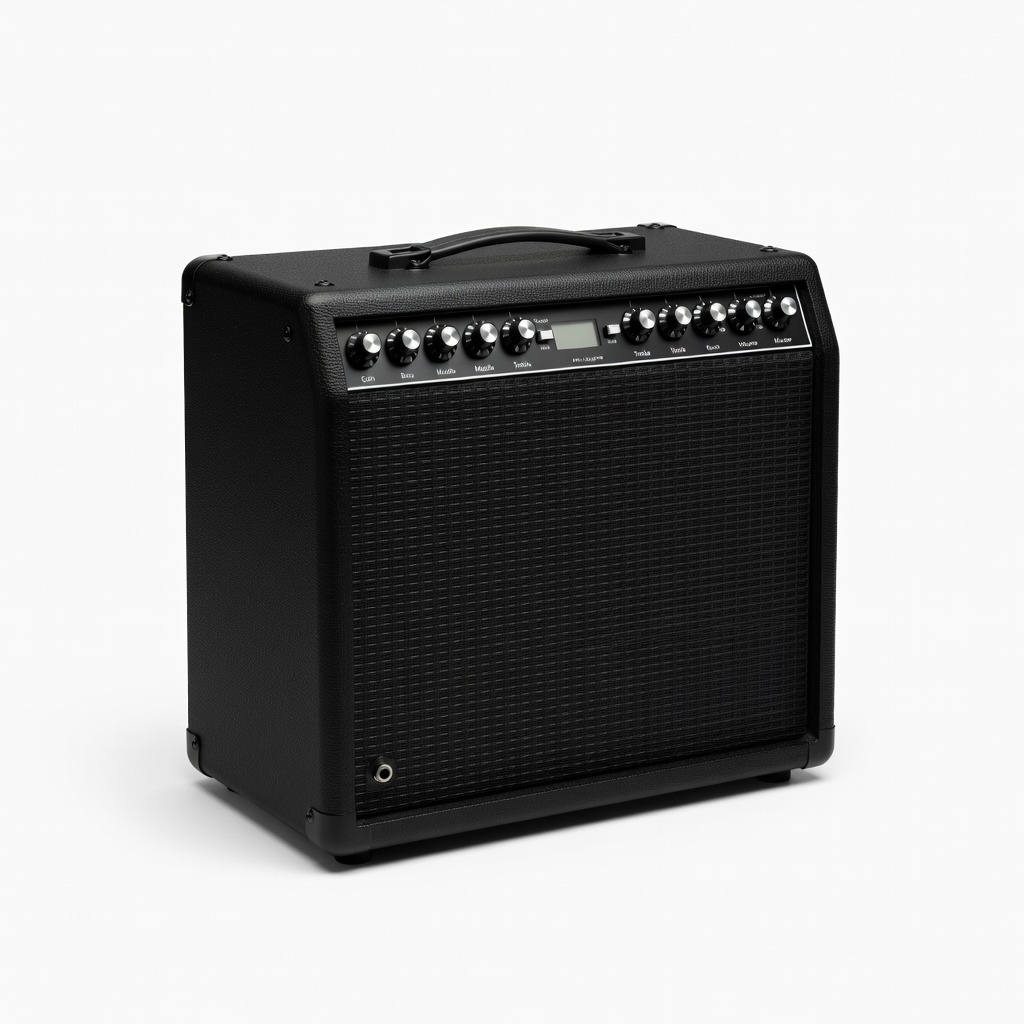
25 presets cover rock to metal, free Fender Tone app for more. Simple encoder knob, reverb, headphone out. Great value for versatile tones without complexity.
✓ Beginner Pros
+App for easy preset tweaks
+30 effects onboard
+USB recording
+Preset variety
✗ Beginner Cons
-App needed for full power
-Slightly heavier
👍 Best for: Most beginners wanting growth and fun sounds
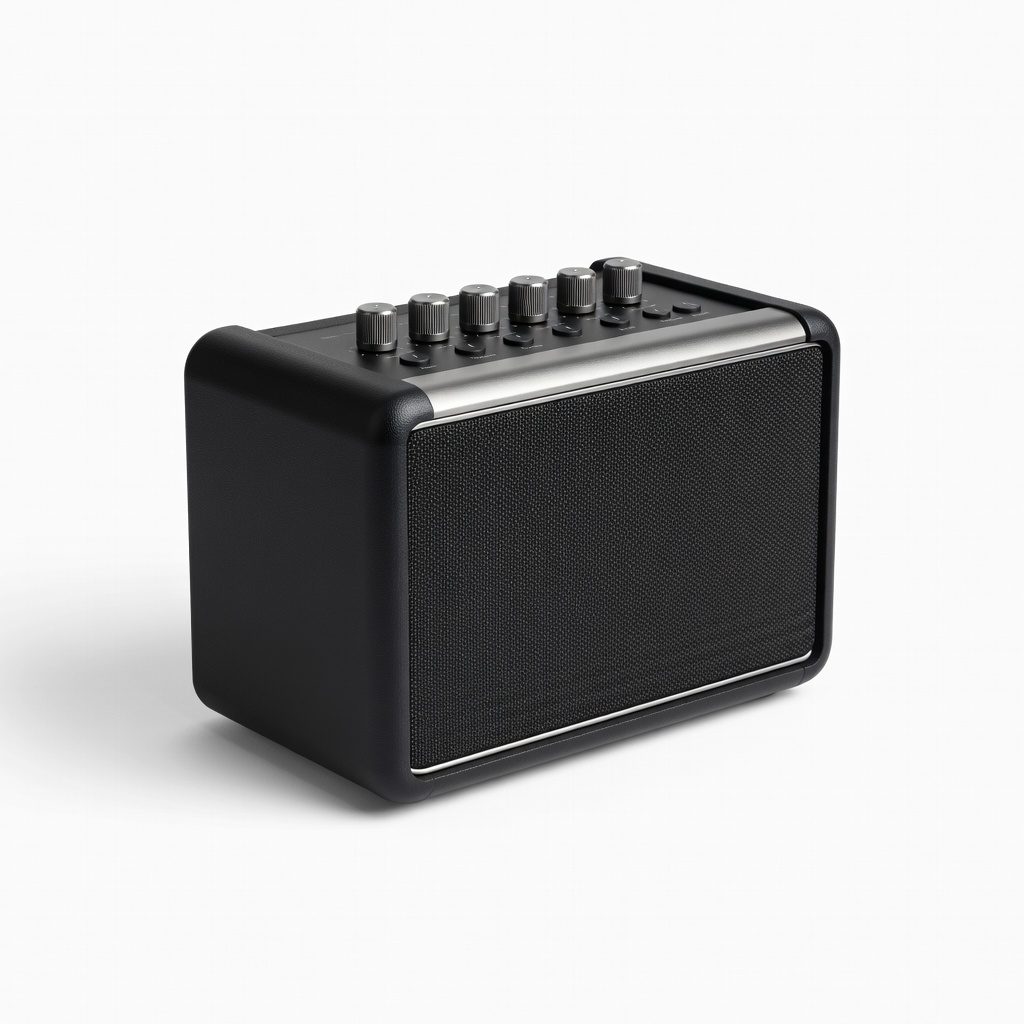
App-driven with auto-chords, 33 amps/43 effects – learns your style. Bluetooth for backing tracks, tiny powerhouse. Smart features guide beginners like a teacher.
✓ Beginner Pros
+Guided lessons in app
+Bluetooth jamming
+Tiny but loud
+Auto tone matching
✗ Beginner Cons
-App reliant
-Higher price
👍 Best for: Tech-savvy beginners serious about fast progress
📖 Complete Beginner's Guide to Electric Guitar Amp
An electric guitar amp takes your guitar's weak signal and makes it loud and shaped – like adding power and tone to your playing. Beginners need 'practice amps': small, solid-state (digital or basic circuit) boxes for home use.
Types: Solid-state (cheap, reliable), modeling (digital presets mimicking famous amps – best for beginners), tube (warm sound but fragile, hot, loud – skip for now). Go for modeling like Boss or Positive Grid; they're versatile without complexity.
Expect realistic sounds at low volumes, enough for one room. 'Beginner-friendly' means plug-and-play: auto-gain staging, no hiss, app-guided if digital. Marketing traps: '200 presets!' (too many choices) vs. 'versatile beginner tones' (what you want).
Test by playing: Clean tone clear? Crunch without mud? Easy volume sweet spot? Prioritize that over fancy lights.
🤔 How to Choose Your First Electric Guitar Amp
Ask: Where will you play (home/bedroom = small amp)? Budget? Phone jamming (need aux)? Lessons soon (portable)?
Budgets: Under $100 for basics; $100-200 sweet spot (modeling magic); $200+ premium (apps, effects). Budget for trying; recommended for growth; premium if committed.
Scenarios: Bedroom – headphone/portable; garage band – 20W+. Growth: Pick amp with presets to last 1-2 years. Red flags: No headphone jack, heavy >20lbs, 50+ controls, 'tube' label.
💰 Budget Guide for Beginners
400+
Pro entry: Larger power/features for gigs, only if budget allows and playing often.
100 - $200
Sweet spot: Modeling amps with presets/apps, forgiving, lasts 1-2 years.
Entry level: Basic practice amp for trying guitar, simple sound, upgrade in 6 months.
⚠️ Common Beginner Mistakes to Avoid
Beginners chase 'pro' tube amps from YouTube demos, but they're loud monsters needing mic'd cabs – regret city for apartments. Cheap $30 no-names die fast, sounding harsh.
Avoid by sticking to 5-25W modeling with headphone/aux. Always buy cable/tuner bundle. Users on GuitarForums say: 'Wasted $200 on Fender Rumble bass amp by mistake – check guitar-specific!'
Instead: Read reviews for 'bedroom practice,' test in-store if possible, plan accessories upfront.
×Buying under $50 'toy' amps that buzz/distort easily
×Picking tube amps – too loud/hot/fragile for home
×Ignoring headphone jack – can't practice quietly
×Overlooking aux/Bluetooth – boring without jam tracks
×Choosing heavy amps >15lbs for bedroom use
×Falling for 'watt wars' – 100W unnecessary at home
×Skipping tuner/cable – can't even start playing
×No growth plan – basic amp frustrates after months
📈 Your Progression Path: Beginner to Intermediate
First: Master basics – tune, chords, simple riffs on clean tone. Practice 20min/day with presets for variety.
Build: Add songs via aux/app, experiment effects. Outgrow when needing louder for band (30W+), more effects (pedals), or recording (USB).
Typically 6-18 months at beginner. Upgrade: Multi-effects board first, then bigger amp. Signs ready: Clean tone control, gig interest.
📚 Learning Resources for Beginners
📖Hal Leonard Guitar Method Complete Edition (Books 1, 2 & 3) ASIN B0002E3XQG - Step-by-step lessons with amp tips.
📖Guitar for Dummies by Mark Phillips ASIN B08L5Y6Z3P - Amp basics explained simply.
📖Fender Play Membership Card (for app lessons) ASIN B07Z8J4K2M - Pairs perfect with Mustang amps.
📖Planet Waves Auto-Trim Tuner ASIN B001OWOUZO - Practice aid.
📖Guitar Chord Bible by Phil Capone ASIN B0002E0Z5A - Visual chords for amp jams.
📖Electric Guitar Starter Kit Book ASIN B09J2K3L4M - Includes amp setup guides.
🎯 Bottom Line: Our Recommendations
Best overall: Fender Mustang LT25 – versatile, app-fun, grows with you.