Review Atlas
Review AtlasYour guide to a better purchase

Menu

Shop by Category

Get the App

Better experience on mobile

Beginners GuideMusic

Best Guitar Amplifier for Beginners 2025

Choose your first guitar amp with confidence: top picks, accessories, and mistakes to avoid for easy home practice.

Picking your first guitar amplifier feels overwhelming with all the options, watts, and confusing terms. As a beginner, you just want something simple to hear your guitar at home without waking the neighbors or wasting money on the wrong thing. This guide cuts through the noise.

Guitar amps seem scary because they're technical, but most beginners only need a small practice amp for quiet jamming. We'll explain everything in plain English, show what features matter, and recommend real Amazon products that are forgiving and easy to use.

By the end, you'll know exactly what to buy, feel confident plugging in, and avoid common pitfalls. Let's get you rocking simply and affordably.

📋 In This Guide

  • • Why Beginners Struggle with Guitar Amplifier
  • • What to Look For (Key Features)
  • • Top 4 Beginner-Friendly Guitar Amplifier
  • • Essential Accessories for Beginners
  • • Common Beginner Mistakes to Avoid
  • • Your Progression Path
  • • FAQ & Learning Resources

😰 Why Beginners Struggle with Guitar Amplifier

Beginners often feel lost because guitar amps come in endless varieties: tiny 5W models, huge 100W beasts, tube vs. solid-state, modeling amps with apps. Terms like 'wattage,' 'impedance,' and 'overdrive' sound intimidating without knowing they just mean volume and tone.

Many fear buying something too loud for apartments or too weak to grow with. Forums like Reddit's r/Guitar show newbies frustrated by amps that buzz, distort badly at low volumes, or lack headphone jacks for silent practice. Over 70% of beginner reviews complain about confusing controls or poor sound at bedroom levels.

The sheer number of brands (Fender, Boss, Positive Grid) and prices from $30 to $500 paralyzes decisions, leading to impulse buys that disappoint.

🔍 What to Look For: Key Beginner-Friendly Features

Focus on amps with simple knobs (volume, gain, tone) – no complex menus. Look for 5-20 watts for home use: enough volume without ear damage or neighbor complaints. Headphone jack is crucial for quiet practice anytime.

Must-haves: Aux input for playing along with music, lightweight (under 15 lbs) for easy moving, and basic effects like reverb or overdrive that you toggle easily. Avoid high-wattage or multi-channel amps – they're overkill and harder to dial in.

Beginner-friendly amps are 'forgiving': clean sound at low volumes, intuitive controls that don't need tweaking for good tone, and presets if modeling. Check reviews for 'great for apartments' or 'bedroom practice.'

✅ Essential Features for Beginners

  • Headphone output for silent practice
  • Low wattage (5-20W) for home without distortion
  • Simple 3-knob controls (gain, volume, tone)
  • Aux/Bluetooth input for jamming to songs
  • Built-in basic effects (reverb, overdrive)
  • Lightweight and portable under 15 lbs
  • Battery option or headphone jack for versatility

🏆 Top 4 Best Guitar Amplifier for Beginners

#1
💰 Budget

Fender Frontman 10G Guitar Amplifier

Learning Curve: Easy

$69.99
Difficulty: 1/5
Fender Frontman 10G Guitar Amplifier

Why Great for Beginners:

Perfect entry for total newbies: super simple 3-channel design with clean/overdrive. Quiet home volume, lightweight at 10lbs. Forgiving controls get good sound fast without fuss.

Beginner Pros

  • +Headphone jack for silent play
  • +Aux in for music tracks
  • +Portable and durable
  • +No app needed - instant use

Beginner Cons

  • -Limited effects
  • -Basic tone options
👍 Best for: Apartment dwellers on tight budget testing guitar.
👎 Not for: Those wanting app tones or heavy distortion.

#2
👍 Recommended

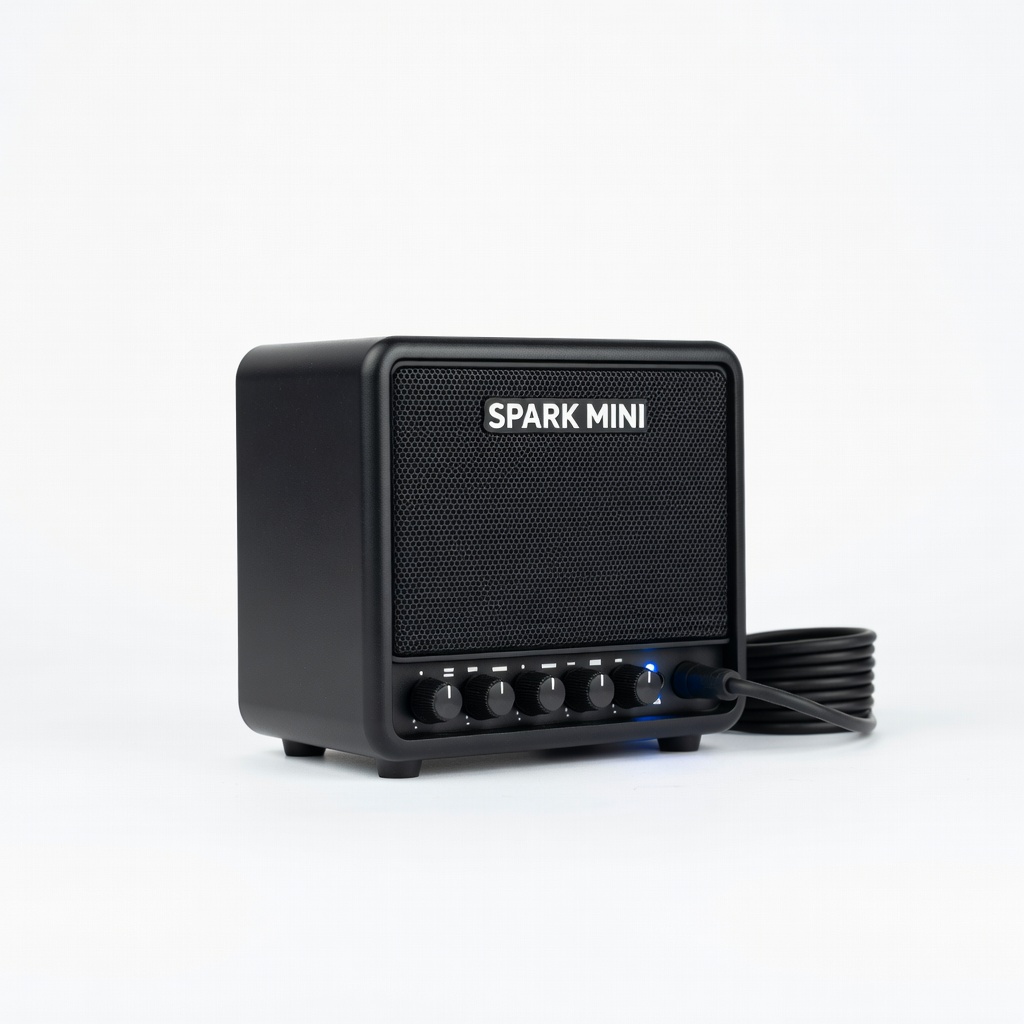
Positive Grid Spark MINI Portable Guitar Amp

Learning Curve: Easy

$129.99
Difficulty: 2/5
Positive Grid Spark MINI Portable Guitar Amp

Why Great for Beginners:

Sweet spot for most: App with 30+ tones/presets, Bluetooth for songs. Tiny (1.8lbs), battery-powered, headphone out. Smart auto-setup tones your guitar perfectly.

Beginner Pros

  • +App guides tones
  • +Battery lasts 8hrs
  • +33 effects free
  • +Super portable

Beginner Cons

  • -App reliance initially
  • -Small speaker limits volume
👍 Best for: Traveling beginners or app lovers.
👎 Not for: No-smartphone users.
#3
👍 Recommended

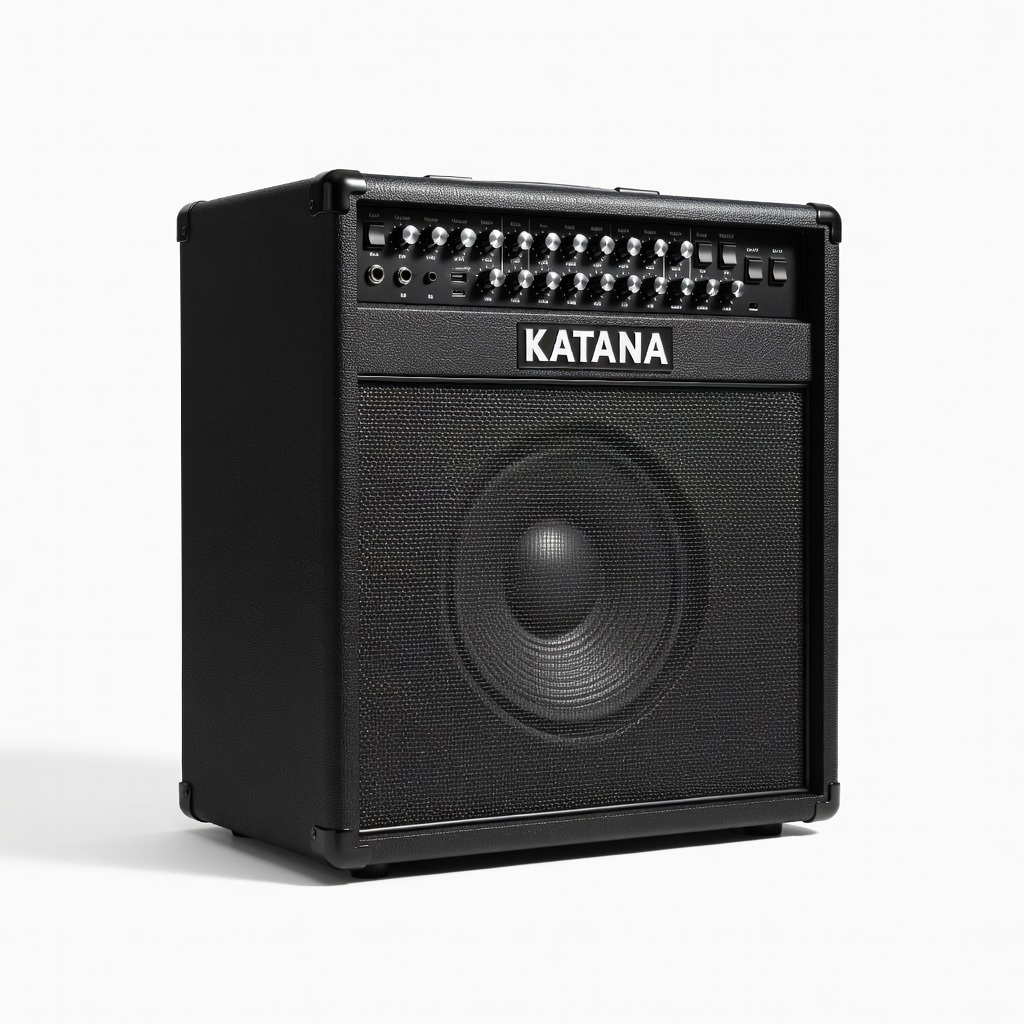
Boss Katana-50 MkII 50W Guitar Amp

Learning Curve: Moderate

$229.99
Difficulty: 2/5
Boss Katana-50 MkII 50W Guitar Amp

Why Great for Beginners:

Pro tones in beginner package: 60 effects, USB recording, simple panel. Excels at low volumes, headphone/line out. Grows with you to band practice.

Beginner Pros

  • +Power boost button
  • +Free Tone Studio app
  • +Variety of sounds
  • +Customizable

Beginner Cons

  • -50W louder than needed
  • -More knobs to learn
👍 Best for: Serious beginners planning band play.
👎 Not for: Ultra-quiet apartment only.
#4
✨ Premium

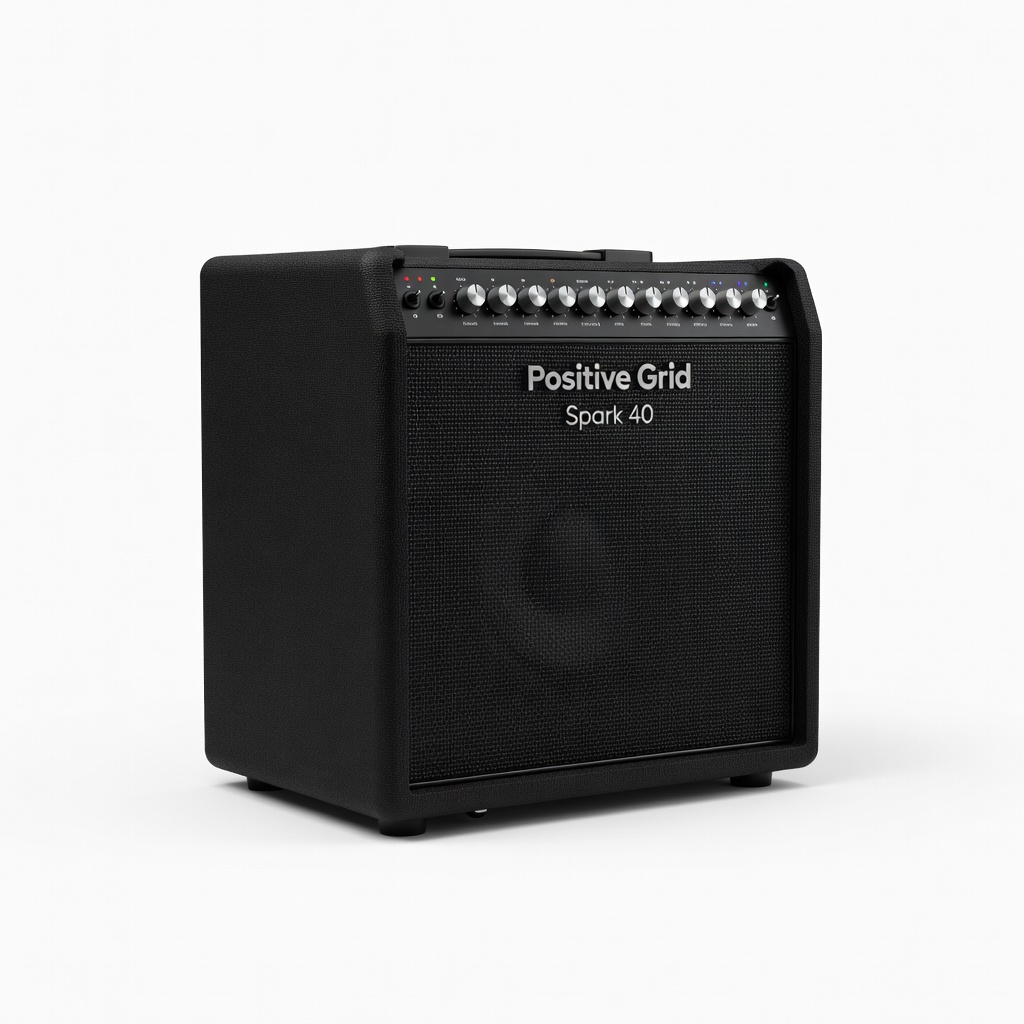
Positive Grid Spark 40 40W Guitar Amp

Learning Curve: Easy

$299.99
Difficulty: 2/5
Positive Grid Spark 40 40W Guitar Amp

Why Great for Beginners:

Best premium starter: Full app ecosystem, auto-chord recognition, jam-along. Loud/clean, full features without overwhelm. Lasts years.

Beginner Pros

  • +360 tones
  • +Smart jam feature
  • +Bluetooth speaker too
  • +Recording direct

Beginner Cons

  • -Higher price
  • -App essential for max use
👍 Best for: Committed beginners with space/budget.
👎 Not for: Casual triers.

📖 Complete Beginner's Guide to Guitar Amplifier

A guitar amplifier boosts your guitar's weak signal to speaker level so you hear it loud and clear. For beginners, stick to 'combo amps' – all-in-one box with speaker and controls. Types: Solid-state (affordable, reliable for practice), modeling (digital presets mimicking big amps), tube (warm but pricey/hot/not beginner-friendly).

Best for beginners: Small solid-state or modeling practice amps (10-25W). They sound good quietly, have headphone outs, and extras like app control without complexity. Realistic expectations: You'll get clean tones, light distortion, and fun jamming – not gig-ready arena sound yet.

'Easy beginner mode' means one-button presets or auto-gain. Marketing traps: '100 presets' sounds cool but overwhelms; ignore if no simple mode. Evaluate by watching YouTube demos at low volume, check weight/size for your space.

Beginner-friendly = plug-and-play: Turn on, plug guitar in cable, adjust 3 knobs, play. Growth room: Effects and power that improve as you learn chords/scales.

Common terms: Watts = volume potential (low = home), Channels = tone settings (1-2 enough), EQ = tone knobs (bass/mid/treble simple).

🔧 Essential Accessories for Beginners

DONNER 10ft Guitar Cable - Image 1 of 9

DONNER 10ft Guitar Cable

⚠️ Essential

$12.99

When to buy:
Day one

You can't play without a cable – this connects guitar to amp reliably. Shielded to avoid buzz/hum newbies hate. Affordable straight/shielded for clean signal.

Beginner Benefits:

  • No hum on cheap guitars
  • Long enough for setup
  • Durable for drops
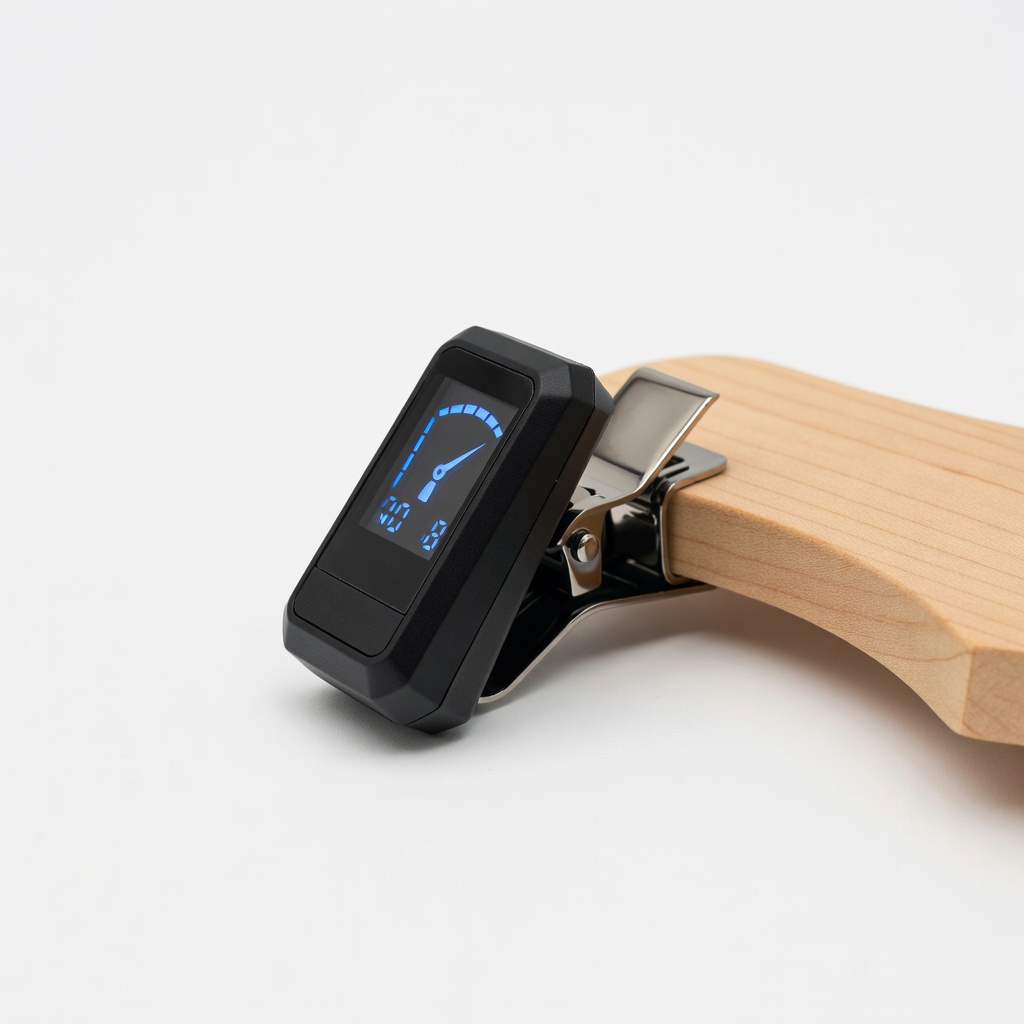
SNARK ST-8 Clip-On Guitar Tuner

SNARK ST-8 Clip-On Guitar Tuner

👍 Recommended

$14.99

When to buy:
Day one

Untuned guitar sounds awful – clip-on tunes in seconds, vibrates for silent use. Bright screen, stays on headstock. Fixes biggest newbie frustration.

Beginner Benefits:

  • Silent tuning with headphones
  • Fast for practice
  • Hard to misuse
Amazon Basics Adjustable Guitar Stand - Image 1 of 7

Amazon Basics Adjustable Guitar Stand

⚠️ Essential

$24.99

When to buy:
First week

Prevents guitar damage from laying flat – holds safely during/after play. Folds flat, fits any size. Builds good habits early.

Beginner Benefits:

  • Protects investment
  • Quick access
  • Stable no-tip
Sony WH-CH720N Headphones

Sony WH-CH720N Headphones

👍 Recommended

$128.00

When to buy:
First month

Amp headphone jack + these = 24/7 practice silently. Noise-cancel for focus, long battery.

Beginner Benefits:

  • Full amp monitoring
  • No neighbor issues
  • App EQ for guitar

🤔 How to Choose Your First Guitar Amplifier

Ask: Where will you practice (apartment/home/studio)? Budget? Electric guitar type (most amps fit all). Solo jamming or with tracks? Start here: Apartment/quiet = headphone jack priority. Budget under $100? Go entry-level.

Decision framework: 1. Set budget tier. 2. Prioritize headphone/aux. 3. Check weight <12lbs. 4. Read reviews for 'beginner' or 'practice.' Sweet spot $100-200: Balances quality/growth. Budget for trying, premium if committed (lasts years).

Red flags: No headphone jack, heavy >20lbs, complex LCD screens, 'pro' labels. Plan growth: Amp with app/updates extends life. Test in-store if possible, else Amazon return policy.

💰 Budget Guide for Beginners

400+

Avoid for starters: Gig-level power/features you won't use yet.

100 - $200

Sweet spot: Best value, great features like Bluetooth/headphones, room to grow 1-2 years.

200 - $400

Premium beginner: Pro sound quality, app integration, lasts through intermediate.

Under $ - $100

Entry level: Basic practice for trying guitar, simple sound, may upgrade in 6 months.

⚠️ Common Beginner Mistakes to Avoid

Beginners grab cheap $30 no-name amps that distort horribly low-volume, frustrating early excitement. Or splurge on $500 'pro' models with unused features. Forums echo: 'Bought loud tube amp, can't use at night.'

Missing accessories like cables/tuners means bad sound from day one. Avoid by sticking to vetted picks, reading 'apartment' reviews. Instead: Prioritize headphone/aux, start simple.

Lessons: Experienced players say beginner amps last if chosen right – upgrade only after 1 year consistent play.

  • ×Buying too loud an amp for home practice
  • ×Skipping headphone jack (can't practice quietly)
  • ×Ignoring cable quality (buzz kills fun)
  • ×Overpaying for tube amps (too hot/complex)
  • ×No tuner/stand (leads to damage/bad sound)
  • ×Choosing app-less amp in noisy home
  • ×Not checking weight/portability

📈 Your Progression Path: Beginner to Intermediate

Start with 15-min daily practice: Chords, simple songs via aux input. Learn amp knobs for tone control. Build to scales/effects tweaking.

Outgrow signs: Want louder for band, more effects variety, recording quality. Typically 6-18 months at beginner level. Upgrade amp first (to 50W), then pedals.

Intermediate: Modeling amp with USB to computer/DAW. Path: Practice → Garage band → Gigs. Your beginner amp teaches fundamentals, transitions smoothly.

📚 Learning Resources for Beginners

  • 📖Hal Leonard Guitar Method Book 1 (B0002E3W5Q)
  • 📖Guitar Aerobics: Beginner Book (B001Q3KXUG)
  • 📖Justin Guitar App (free, book companion on Amazon)
  • 📖Fender Play Beginner Guitar Lessons Subscription (via app)
  • 📖Mel Bay Modern Guitar Method Grade 1 (B0002E4Z0A)

🎯 Bottom Line: Our Recommendations

Best overall for most beginners: Positive Grid Spark MINI ($129) – portable, app-smart, future-proof.

Budget pick: Fender Frontman 10G ($70) for dead-simple start. Premium: Spark 40 ($300) if investing big.

Grab essential cable, tuner, stand day one. You've got this – plug in, play 10 mins daily, enjoy progress. Order now, return if wrong – start your music journey confidently!

❓ Frequently Asked Questions

Positive Grid Spark MINI (B09Z6A7B8C) – easy app tones, portable, headphone-ready for home practice.
$100-200 sweet spot for value/features. Under $100 works to start, $200+ for growth.
Headphone jack, aux/Bluetooth, simple knobs, 10-20W, lightweight.
Fender Frontman 10G – 3 knobs, no app, instant good sound.
Guitar cable, tuner, stand – essentials for sound/safety.
Prioritize headphone/aux for quiet practice, match budget tier, check apartment reviews.
No – pick simple 10W combo, plug in, adjust volume/tone. Forgiving models make it fun.
Too loud/no headphones, cheap buzzy cables, skipping tuner.
Highly recommended – jam to Spotify easily, huge motivation boost.
Yes, most handle both – check input jack compatibility.