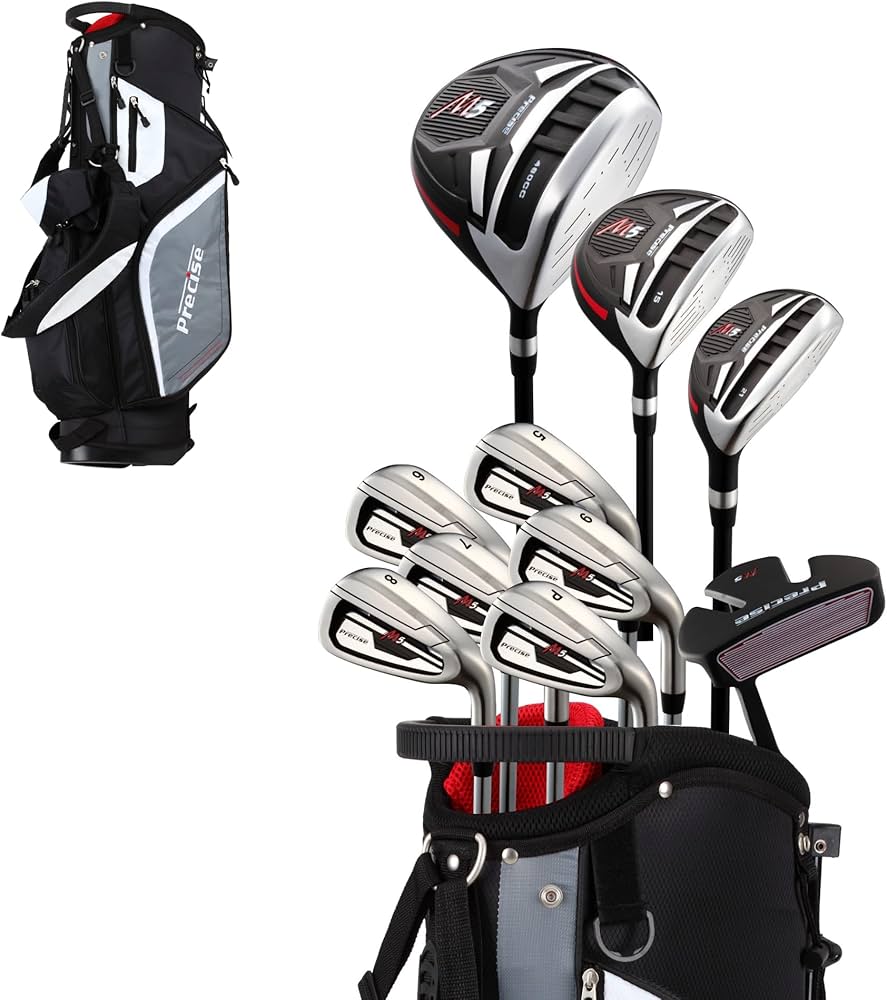
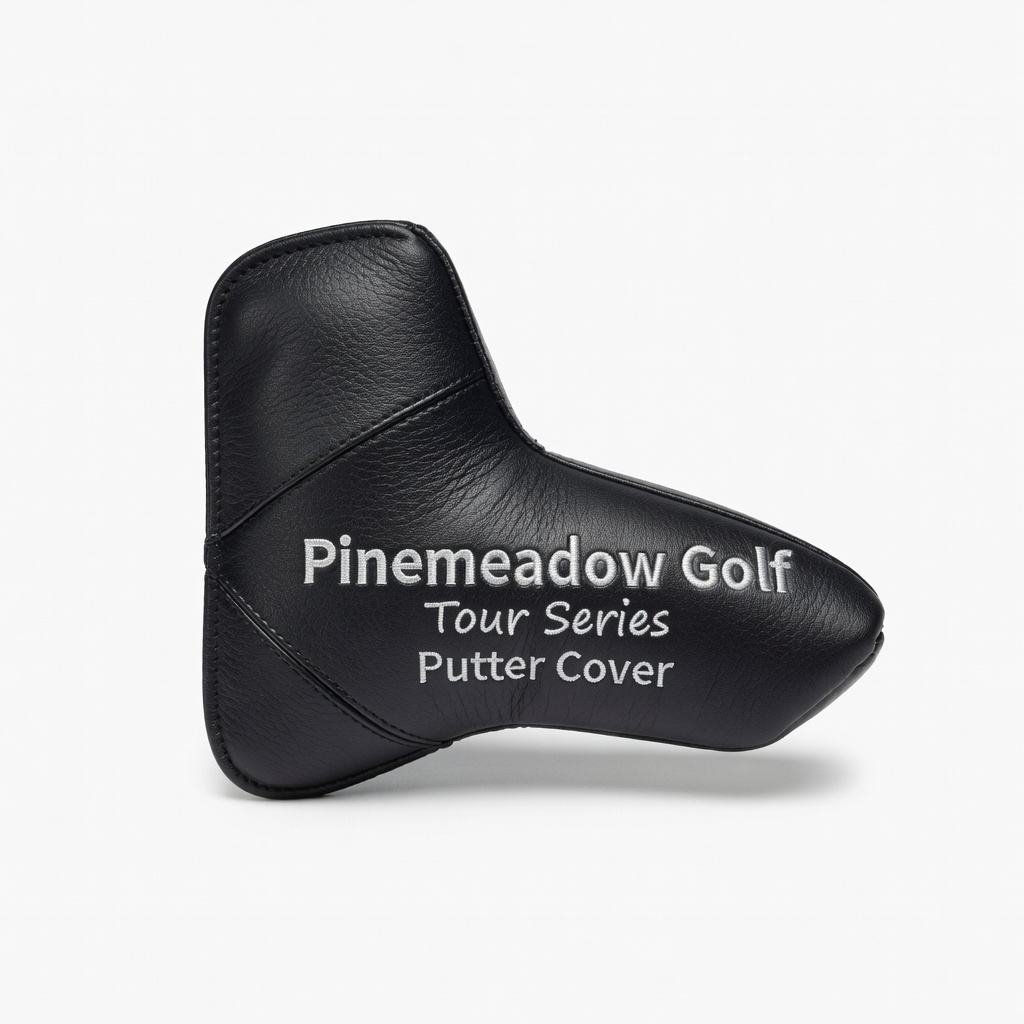
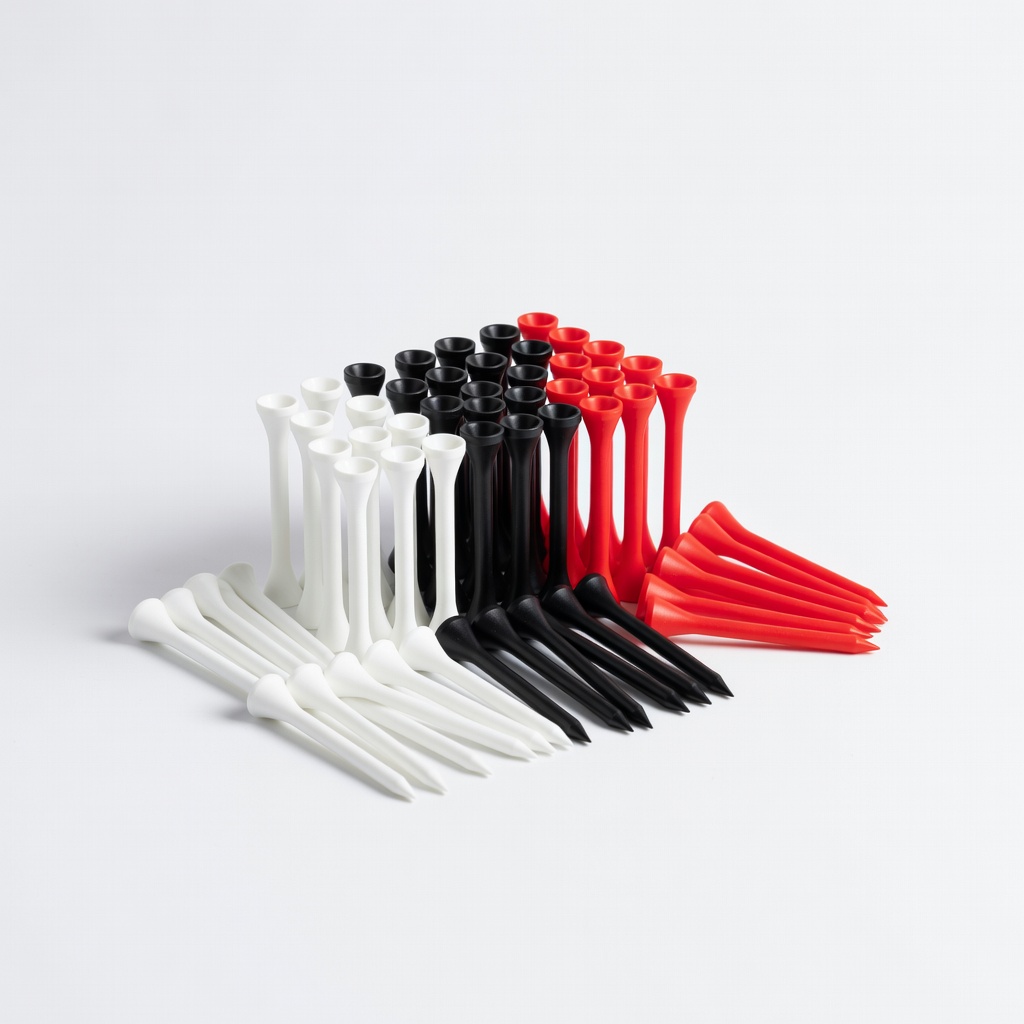
A golf clubs set is essentially your toolkit for the game: it includes woods (for long shots), irons (for mid-range), wedges (for short approaches), and a putter (for the green). For beginners, a 'complete set' means 10-14 matched clubs that work together, unlike pro bags with custom mixes. This harmony ensures consistent feel across shots, crucial when you're still learning basics like grip and stance.
Types range from junior sets (for kids), women's (lighter, shorter), to men's standard, and complete vs. partial sets. Beginners should go for a complete adult set—avoid partial ones that leave gaps in your bag. Women's or senior flex options suit slower swings common in new players, regardless of gender. Brands like Callaway or Wilson offer beginner lines with forgiving tech, explained simply as 'perimeter weighting' that keeps the ball straight even on imperfect swings.
Realistic expectations: As a beginner, you won't bomb drives 300 yards right away—aim for consistent contact and fun. A good set helps by being 'forgiving,' meaning it minimizes distance loss on errors. Evaluate by trying in-store if possible, or reading reviews for 'easy launch' mentions. 'Beginner-friendly' means no steep learning curve; it's gear that grows with you from range practice to casual rounds.
Marketing terms like 'game improvement' signal beginner suits—seek those over 'player's irons' for pros. Ignore hype on MOI (moment of inertia, basically stability); focus on sets under 15 clubs to avoid bag clutter. This basics understanding lets you shop confidently, turning 'what club is this?' confusion into 'this feels right' excitement.
Ultimately, the best beginner set balances affordability with quality materials like durable graphite. It should feel natural in your hands, not like wielding a foreign object. With the right choice, your first swings will build momentum for lifelong enjoyment.