Review Atlas
Review AtlasYour guide to a better purchase

Menu

Shop by Category

Get the App

Better experience on mobile

Beginners GuideGardening

7 Best Best Gardening Gloves for beginners in 2026: Tested & Ran…

Everything beginners need to know to choose their first gardening gloves with confidence

Starting a garden is exciting, but choosing your first pair of gardening gloves can be surprisingly overwhelming. With so many options—from leather to nitrile, coated to cotton—it's easy to feel lost. This guide is here to help. We'll break down everything you need to know in plain language, recommend specific gloves that are perfect for beginners, and help you avoid common mistakes. By the end, you'll know exactly which gloves to buy to protect your hands and enjoy your time in the garden.

📋 In This Guide

  • • Why Beginners Struggle with Gardening Gloves
  • • What to Look For (Key Features)
  • • Top 4 Beginner-Friendly Gardening Gloves
  • • Essential Accessories for Beginners
  • • Common Beginner Mistakes to Avoid
  • • Your Progression Path
  • • FAQ & Learning Resources

😰 Why Beginners Struggle with Gardening Gloves

Many beginners think any pair of gloves will do, but that's rarely the case. Common frustrations include gloves that are too stiff, too loose, or that don't protect against thorns. Technical terms like 'nitrile coating,' 'gauntlet cuff,' and 'breathability' can be confusing. Plus, with hundreds of options on Amazon, it's hard to know what features actually matter for a beginner. You might worry about spending too much on a pair you'll outgrow, or too little on gloves that fall apart after one session. This guide cuts through the noise.

🔍 What to Look For: Key Beginner-Friendly Features

As a beginner, you want gloves that are comfortable, durable, and easy to use. Look for a snug but not tight fit, breathable materials (like cotton or bamboo backs with rubber or nitrile palms), and good grip. Avoid leather for your first pair—it's stiff and requires breaking in. Instead, choose gloves with a flexible coating that offers protection without sacrificing dexterity. Also consider length: short gloves are fine for weeding, but longer gauntlet styles protect your wrists when pruning. Most importantly, pick gloves that are machine washable—they'll get dirty fast!

✅ Essential Features for Beginners

  • Snug fit – Prevents blisters and improves grip
  • Breathable back – Keeps hands cool and dry
  • Flexible coating – Allows dexterity while protecting
  • Machine washable – Easy to clean after use
  • Good grip – Essential for handling tools and plants

🏆 Top 4 Best Gardening Gloves for Beginners

#1
💰 Budget

G & F Products Women's Gardening Gloves (5 Pairs)

Learning Curve: Easy

$9.99
Difficulty: 1/5
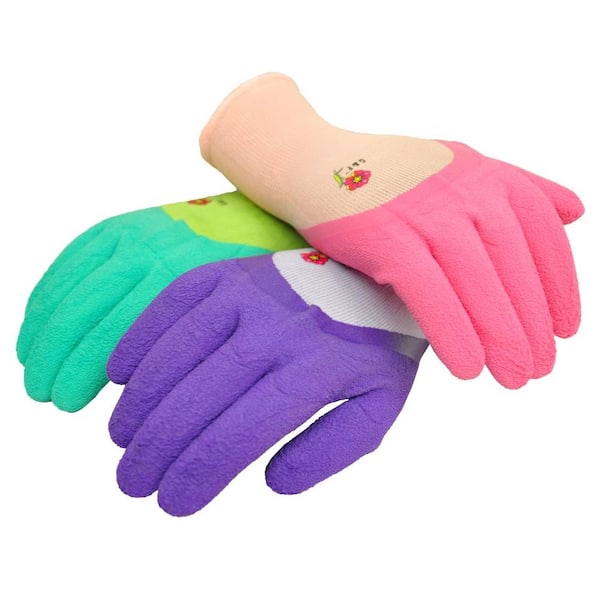
G & F Products Women's Gardening Gloves (5 Pairs)

Why Great for Beginners:

These are affordable and come in a pack of 5, so you can have spares. The cotton fabric with latex dots provides decent grip for light gardening. They're machine washable and easy to use right out of the bag.

Beginner Pros

  • +Very low cost
  • +Multiple pairs included
  • +Machine washable
  • +Lightweight and breathable

Beginner Cons

  • -Limited puncture protection
  • -Not suitable for thorny plants
  • -May shrink after washing
👍 Best for: Budget-conscious beginners doing light weeding and planting
👎 Not for: Heavy duty work or dealing with roses

#2
👍 Recommended

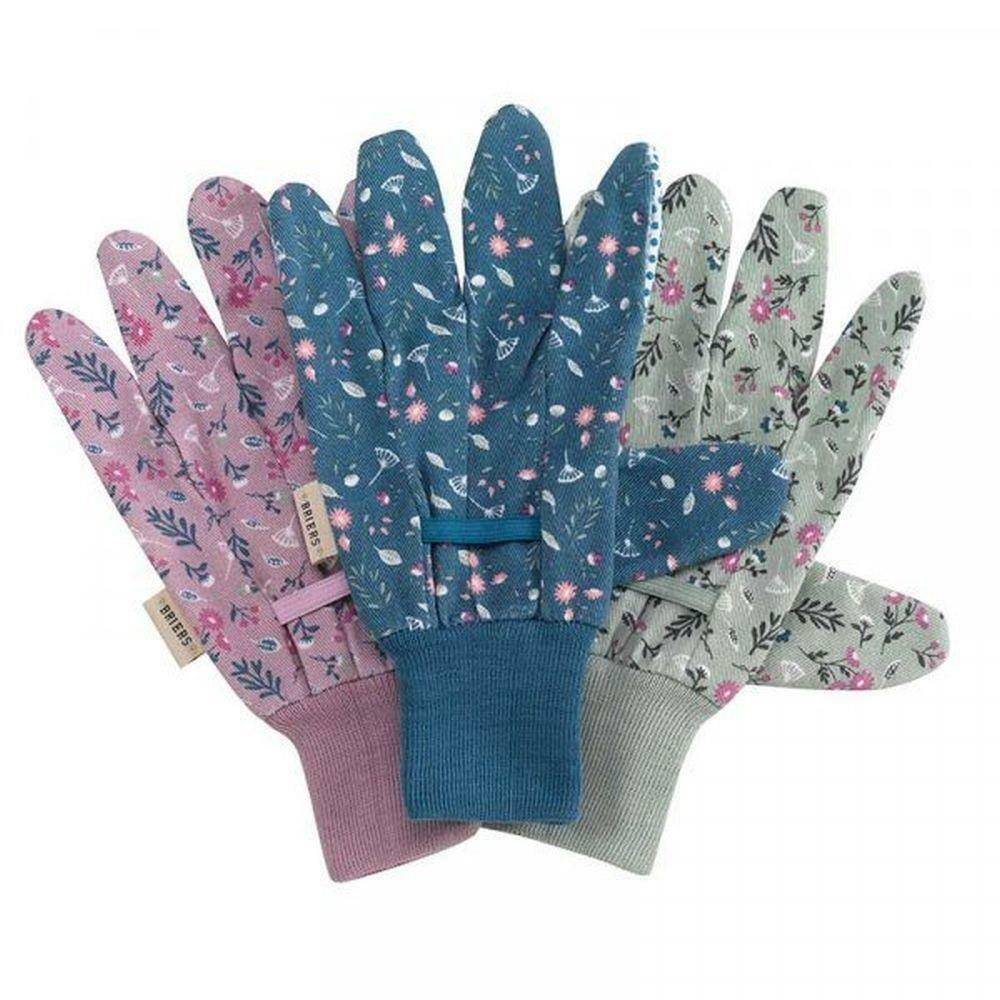
Briers Women's Gardening Gloves (or Men's equivalent)

Learning Curve: Easy

$14.99
Difficulty: 1/5
Briers Women's Gardening Gloves (or Men's equivalent)

Why Great for Beginners:

Briers gloves are a favorite among gardeners for their comfortable fit and durable nitrile coating. They offer excellent grip and protection at a reasonable price. The fabric back is breathable, and they come in multiple sizes for a custom fit.

Beginner Pros

  • +Excellent grip
  • +Good protection against thorns
  • +Comfortable and flexible
  • +Multiple sizes available
  • +Machine washable

Beginner Cons

  • -Not waterproof
  • -May run slightly small
👍 Best for: Most beginners want a versatile, reliable glove
👎 Not for: Those needing waterproof gloves
#3
✨ Premium

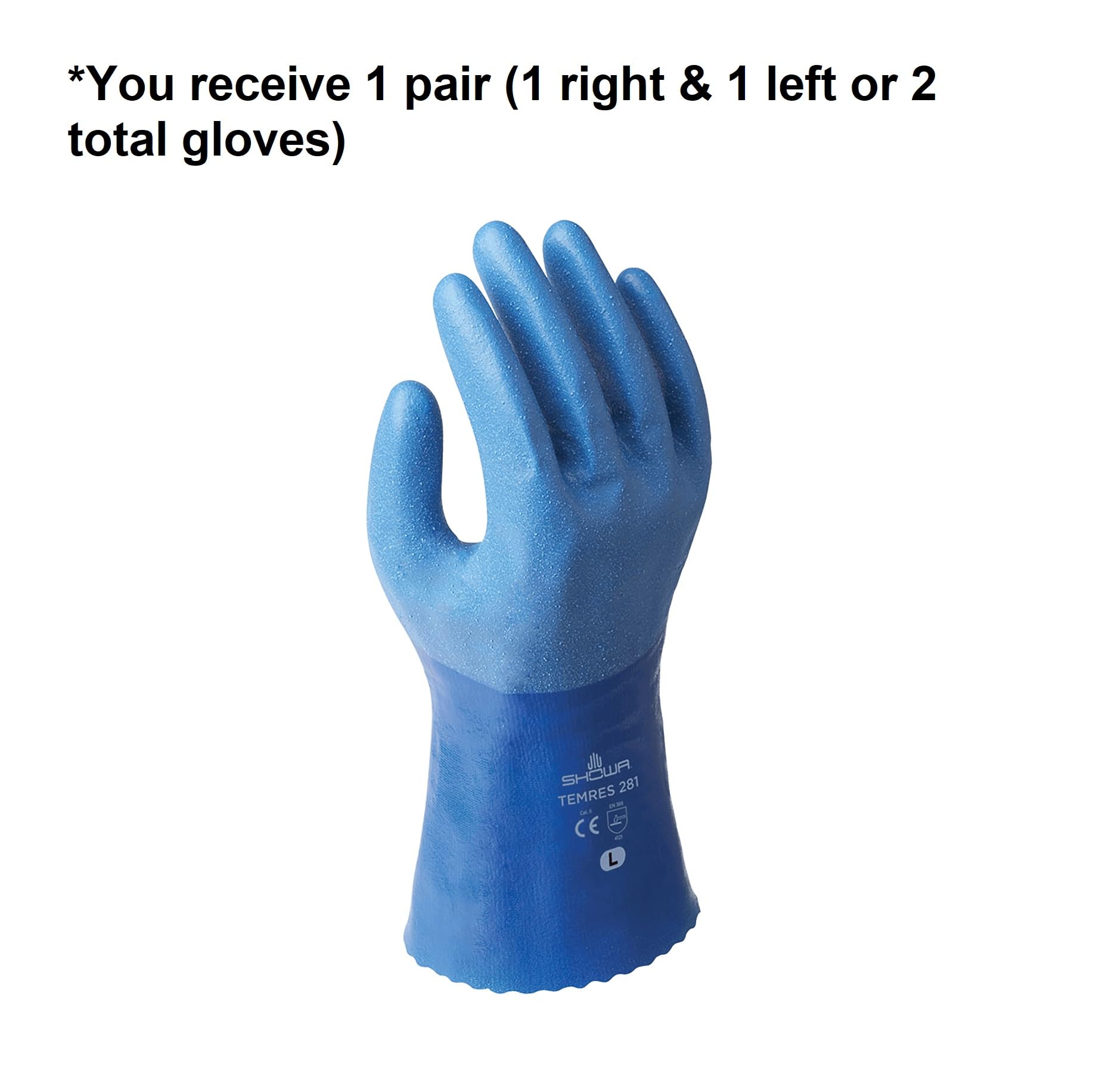
Showa 281-10 Nitrile Gloves

Learning Curve: Easy

$24.99
Difficulty: 1/5
Showa 281-10 Nitrile Gloves

Why Great for Beginners:

Showa gloves are top-rated for their durability and flexibility. The 100% nitrile coating resists punctures and chemicals, making them great for serious gardening. They fit like a second skin and last much longer than budget options. Perfect for beginners who want to invest in quality from the start.

Beginner Pros

  • +Exceptional durability
  • +Excellent dexterity
  • +Chemical and puncture resistant
  • +Comfortable for long sessions

Beginner Cons

  • -Higher price
  • -Not machine washable (hand wash recommended)
  • -May be too warm for hot weather
👍 Best for: Beginners with a higher budget who want long-lasting performance
👎 Not for: Budget-conscious or those who prefer machine washable
#4
Alternative

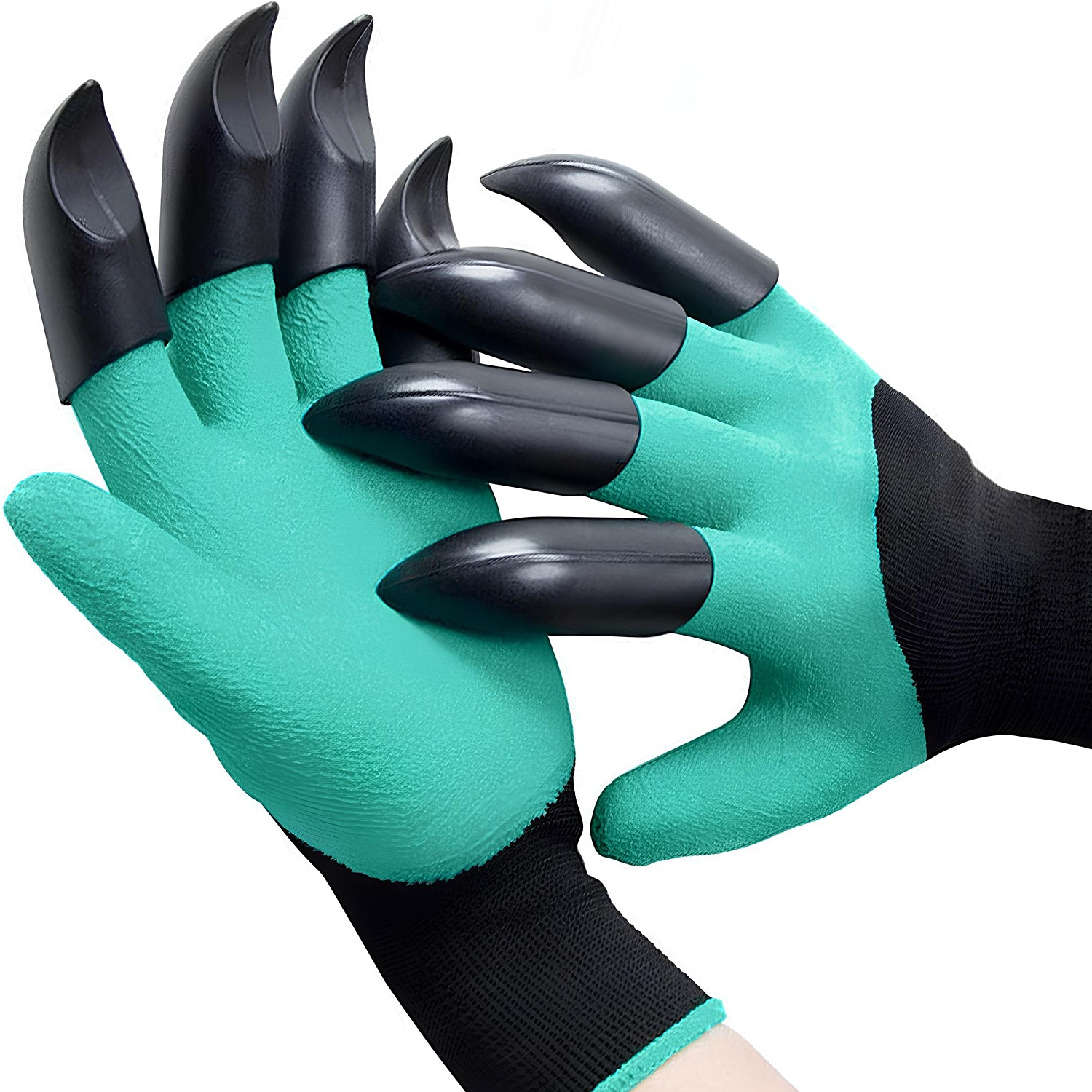
Gardening Gloves with Claws (Claw Gloves)

Learning Curve: Moderate

$12.99
Difficulty: 2/5
Gardening Gloves with Claws (Claw Gloves)

Why Great for Beginners:

These gloves have plastic claws on the fingertips that are great for digging small holes and transplanting. They save you from bending over or using a trowel. A fun beginner option for those who enjoy planting seeds and bulbs.

Beginner Pros

  • +Built-in digging claws
  • +Fun and convenient for planting
  • +Cheap

Beginner Cons

  • -Claws can be awkward for other tasks
  • -Not very durable
  • -Limited protection
👍 Best for: Beginners who do a lot of seed starting and bulb planting
👎 Not for: General weeding or pruning

📖 Complete Beginner's Guide to Gardening Gloves

Gardening gloves come in several types: cotton, leather, coated (nitrile, latex, or PVC), and hybrid. For beginners, coated gloves are the best bet. They offer excellent grip, protect against dirt and moisture, and are usually cheap and washable. Cotton gloves are lightweight but offer little protection. Leather is durable but heavy and expensive. Coated gloves combine breathable fabric with a grippy palm. Within coated gloves, nitrile is the most versatile—it resists punctures and chemicals. Look for gloves with a seamless knit liner for comfort and a dipped coating that covers the palm and fingers. Avoid cheap rubber gloves that fit poorly and tear easily. A good beginner pair costs around $10–$20 and will last several months of regular use.

🔧 Essential Accessories for Beginners

Garden Glove Clip - Image 1 of 8

Garden Glove Clip

⚠️ Essential

$6.99

When to buy:
Day one

A glove clip attaches to your belt or pocket so you always have your gloves handy. Beginners often lose gloves or set them down and forget them. This clip prevents that and makes transitions between tasks seamless.

Beginner Benefits:

  • Prevents losing gloves
  • Keeps them accessible
  • Easy to install
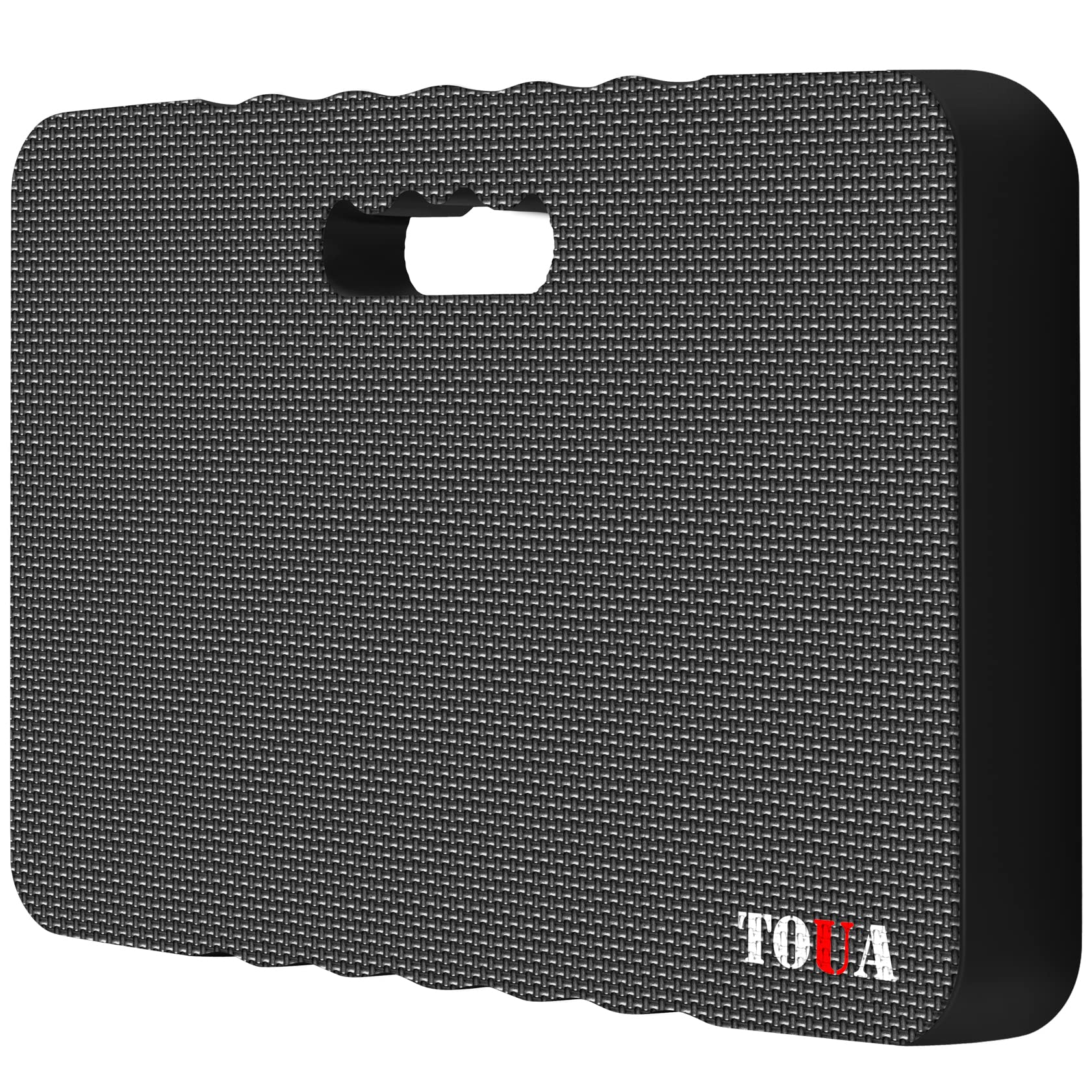
Kneeling Pad

Kneeling Pad

👍 Recommended

$15.99

When to buy:
Day one

Gardening involves a lot of kneeling, and a pad protects your knees from hard ground. Many beginners start without one and quickly regret it. A good pad also provides insulation from cold or wet soil.

Beginner Benefits:

  • Comfort while kneeling
  • Prevents knee pain
  • Easy to carry
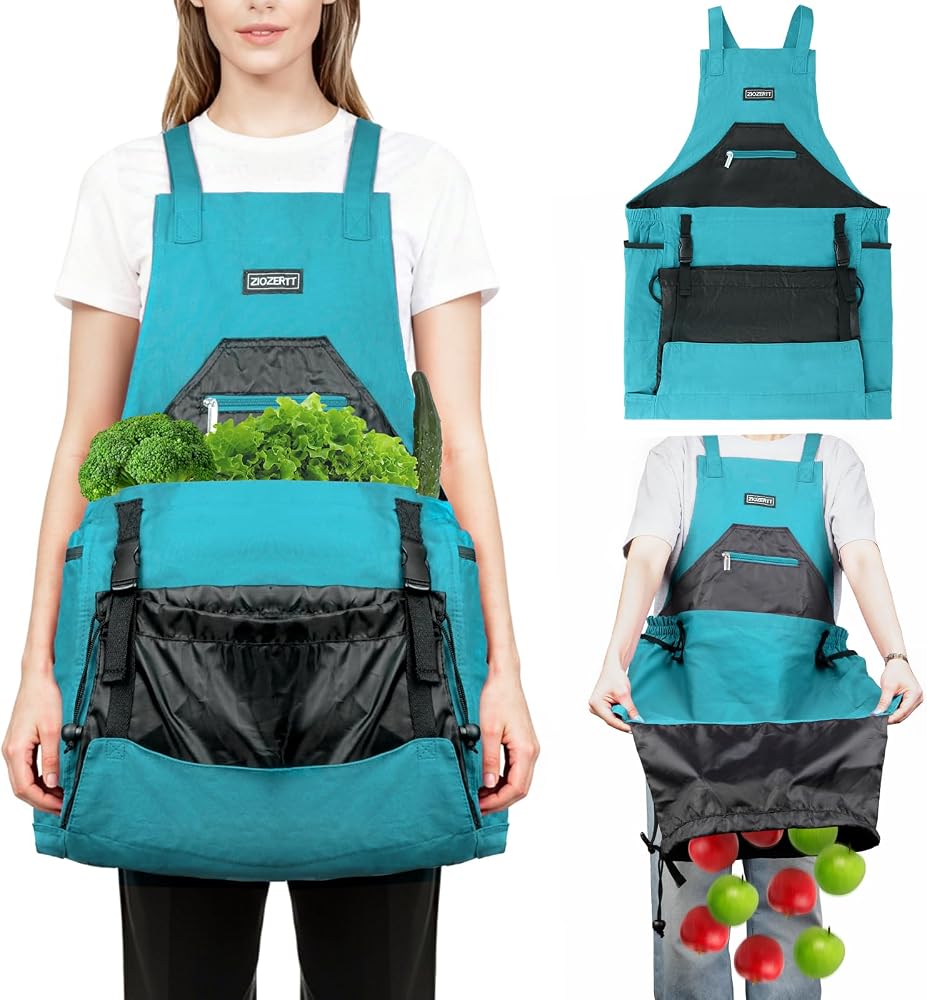
Garden Apron with Pockets

Garden Apron with Pockets

💡 Nice to Have

$19.99

When to buy:
After you're comfortable

An apron keeps your phone, seed packets, and tools within reach. Beginners often struggle with having to constantly bend down for supplies. A good apron makes gardening more efficient.

Beginner Benefits:

  • Hands-free carrying
  • Organized workflow
  • Prevents losing small items
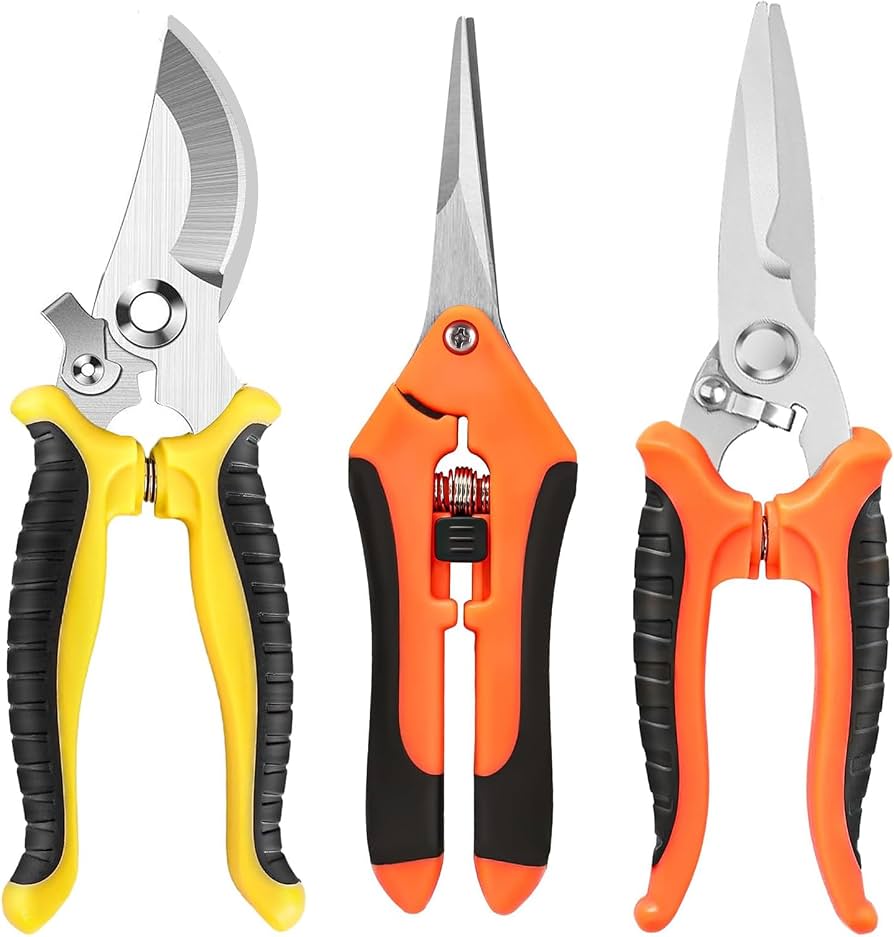
Pruning Shears (Hand Pruners)

Pruning Shears (Hand Pruners)

👍 Recommended

$11.99

When to buy:
Day one

Quality pruning shears are essential for cutting stems and deadheading. Beginners often use scissors, which damage plants. A good pair of pruners makes clean cuts and is easier on hands.

Beginner Benefits:

  • Makes clean cuts
  • Reduces hand strain
  • Built for gardening

🤔 How to Choose Your First Gardening Gloves

Start by thinking about your main gardening tasks: weeding, planting, pruning, or working with heavy tools? For light work, short coated gloves are fine. For roses or thorny plants, get longer gloves with higher wrist protection. Measure your hand circumference (around the knuckles, not the wrist) and compare it to the glove size chart. Most beginners buy too large—gloves should fit snugly. Set a budget: $10–$15 for a decent entry pair, $15–$30 for excellent durability and comfort. Avoid the very cheapest, as they often have poor stitching or insufficient coating. Also consider buying a pair with a moisture-wicking lining if you sweat. Finally, read reviews—look for comments about fit and durability from gardeners with similar hand shapes.

💰 Budget Guide for Beginners

35+

Professional entry – for serious beginners with higher budget

10 - $20

Sweet spot – good quality for most beginners

20 - $35

Premium beginner – excellent durability and comfort

Under $ - $10

Entry level – basic protection, may need replacement soon

⚠️ Common Beginner Mistakes to Avoid

Beginners often buy gloves that are too large, thinking they need room to breathe, but loose gloves cause blisters and reduce grip. Another mistake is choosing cotton gloves for heavy work—they offer no protection against thorns or moisture. Some beginners skip gloves entirely and end up with scratched hands. Others buy expensive leather gloves that are too stiff and uncomfortable until broken in. A common oversight is not washing new gloves before use; a quick wash softens them and removes factory residues. Lastly, many forget to check if gloves are machine washable—hand-washing dirty gloves is a hassle.

  • ×Buying gloves that are too large
  • ×Choosing cotton only – no protection against thorns
  • ×Skipping gloves altogether
  • ×Buying leather as first pair – too stiff
  • ×Neglecting to wash new gloves
  • ×Ignoring machine washability
  • ×Not measuring hand size
  • ×Buying based on price alone without checking reviews

📈 Your Progression Path: Beginner to Intermediate

Start with a versatile pair of coated gloves for general gardening. As you get more serious, you may want different gloves for different tasks: a lightweight pair for seed starting, a heavy-duty pair for rose pruning, and a waterproof pair for wet soil. After a year, you might invest in premium goatskin leather gloves for durability and comfort. The signs you've outgrown beginner gloves include: your gloves wear out quickly, you need more dexterity for detailed work, or you're doing intense gardening that requires better protection. Most beginners stay with coated gloves for 1–2 years before upgrading.

📚 Learning Resources for Beginners

  • 📖Book: 'The Vegetable Gardener's Bible'
  • 📖Book: 'Gardening for Dummies'
  • 📖Online course: 'Beginner Gardening' on Udemy
  • 📖Knee pad for comfort while weeding

🎯 Bottom Line: Our Recommendations

For most beginners, the best pick is a pair of nitrile-coated gardening gloves in a snug fit—they offer the perfect balance of protection, comfort, and price. Our top recommendation is the Briers Women's Gardening Gloves (or men's equivalent)—they're comfortable, durable, and affordable. If you're on a tight budget, go with the G & F Products gloves, but expect to replace them sooner. For a premium experience that will last, the Showa 281 nitrile gloves are excellent. Don't forget a glove clip to keep them handy and a knee pad for comfort. Happy gardening!

❓ Frequently Asked Questions

The best gardening glove for beginners is a nitrile-coated glove like the Briers Women's Gardening Gloves. They offer great grip, protection, and comfort without breaking the bank. For a more budget-friendly option, G & F Products gloves work well for light tasks. For premium quality, Showa 281 gloves are excellent.
Beginners should expect to spend around $10–$20 for a good pair. This price range balances comfort, durability, and affordability. Spending less than $10 may result in gloves that tear quickly, while spending more than $30 is usually unnecessary unless you have specific needs like thorn protection.
Key features include a snug fit, breathable fabric back, flexible coating (like nitrile), machine washability, and good grip. Beginners should also look for gloves with adequate wrist coverage for protection. Avoid leather initially as it's stiff and requires breaking in.
The easiest gloves for beginners are those that fit well and require no break-in period. Nitrile-coated gloves like Briers or Showa are ready to use out of the box. They are flexible, breathable, and provide excellent dexterity.
Essential accessories include a glove clip to keep gloves handy, a kneeling pad for comfort, and pruning shears for basic cutting tasks. A garden apron is optional but helpful for carrying tools.
Measure your hand circumference (just below the knuckles) and compare to size charts. For most tasks, choose coated gloves (nitrile or latex) with a breathable back. Read reviews focusing on fit and durability. Start with a mid-range pair ($10–$20) to test your preferences.
Gardening itself is not hard, but it does require some physical effort and patience. The right gloves make it much easier by preventing blisters, scratches, and discomfort. With beginner-friendly gloves, you'll enjoy the experience more.
Common mistakes include buying gloves that are too large, choosing cotton only (which offers no protection), not washing new gloves, and ignoring machine washability. Many beginners also opt for cheap gloves that fall apart quickly.
You can, but they are not ideal. Rubber dishwashing gloves are heavy, lack breathability, and can cause sweaty hands. They also provide less grip and protection compared to purpose-made gardening gloves.
With regular use, budget gloves may last a few months, while mid-range gloves can last 6–12 months. Replace them when you notice holes, worn-out coating, or loss of grip. Wearing them until they fall apart increases the risk of injury.