#1
💰 Budget
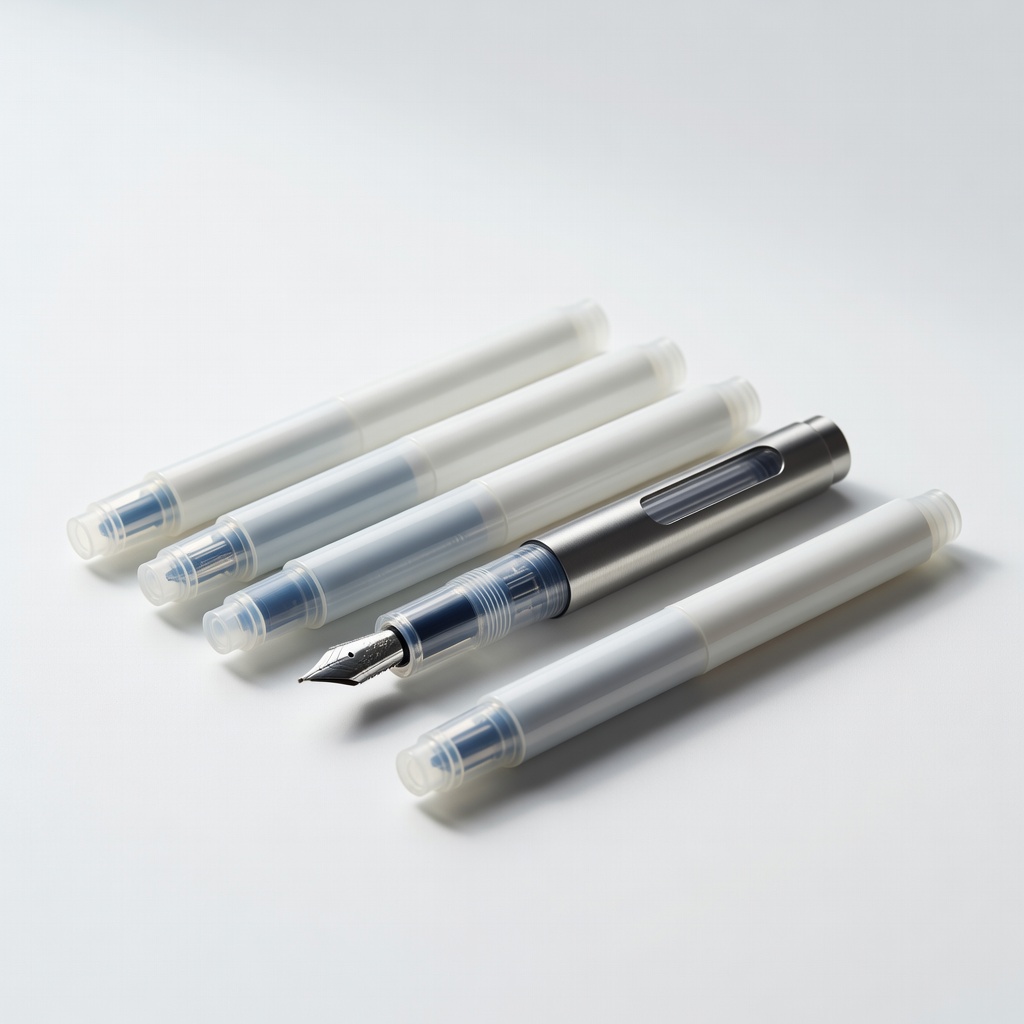
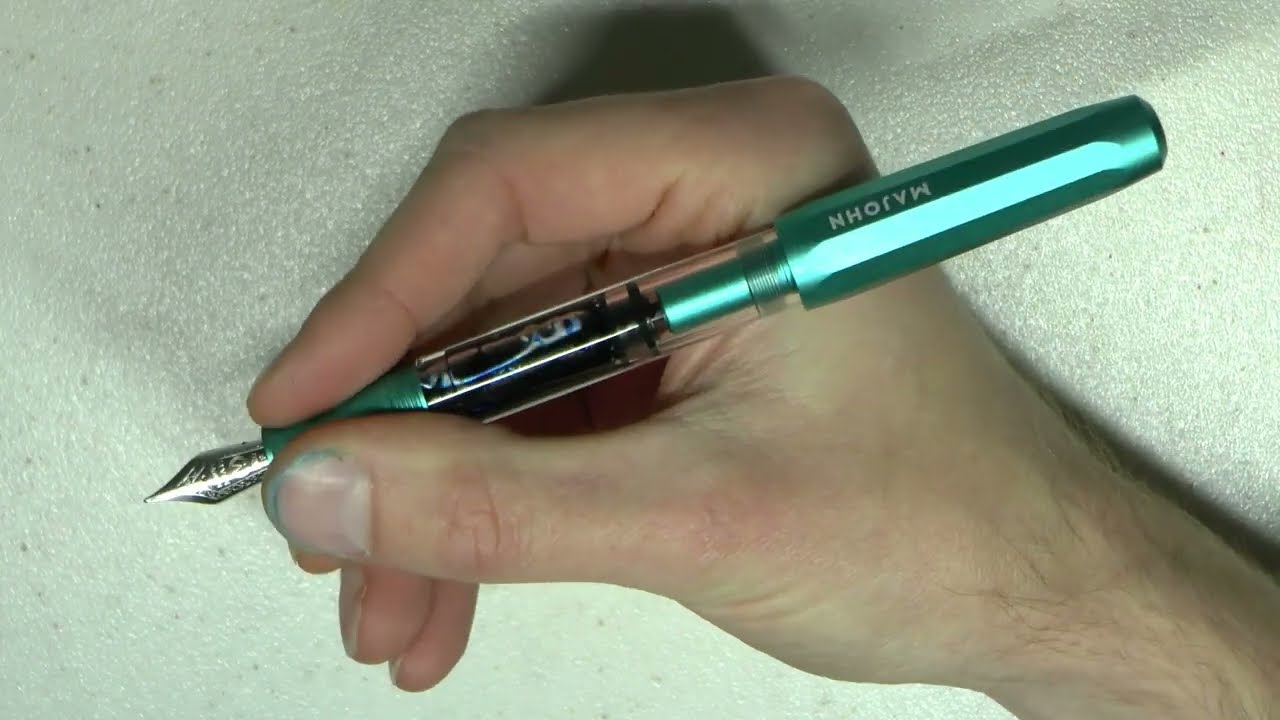
Moonman T1 Starter Fountain Pen (B09A9B0C1D)
Learning Curve: Easy
$14.99
Difficulty: 1/5
Why Great for Beginners:
This affordable pen comes with cartridges and writes smoothly right away, perfect for dipping toes without commitment. Its simple design forgives beginner pressure mistakes, and the medium nib glides on most paper.
✓ Beginner Pros
- +Super cheap entry
- +Includes 6 cartridges
- +Lightweight and balanced
- +No leaks reported by newbies
✗ Beginner Cons
- -No converter included
- -Plastic feels basic
- -Limited color options
👍 Best for: Absolute newbies testing the waters
👎 Not for: Heavy daily writers needing durability