Everything beginners need to choose their first foosball table with confidence – no jargon, just simple picks for family fun.
Choosing your first foosball table can feel intimidating – with endless sizes, styles, and prices, it's easy to worry about wasting money on something wobbly or hard to use. Beginners often fear picking a cheap toy that breaks or an overkill pro model they can't handle. This guide cuts through the confusion, focusing on tables perfect for family play and casual fun.
We'll explain what really matters for newcomers, recommend real Amazon products that are easy to set up and forgiving on mistakes, and show you how to avoid buyer's remorse. By the end, you'll know exactly which table fits your space, budget, and skill level – and feel excited to start playing.
📋 In This Guide
• Why Beginners Struggle with Foosball Table
• What to Look For (Key Features)
• Top 4 Beginner-Friendly Foosball Table
• Essential Accessories for Beginners
• Common Beginner Mistakes to Avoid
• Your Progression Path
• FAQ & Learning Resources
😰 Why Beginners Struggle with Foosball Table
Beginners dive into foosball tables overwhelmed by options: tiny tabletops vs. full-sized beasts, plastic vs. wood, and confusing terms like 'counterbalanced players' or 'telescoping rods.' Many fear buying something too big for their room or too flimsy for rowdy family games, leading to frustration when legs wobble or balls fly everywhere.
Common pains from reviews include tricky assembly (hours of swearing over instructions), poor quality handles that slip, and tables that don't stay level on carpet. Without guidance, newbies grab the cheapest option, only to regret it when it bends or the players don't spin smoothly. Space constraints and not knowing if it's for kids or adults add to the anxiety – forums are full of 'wish I started better' stories.
🔍 What to Look For: Key Beginner-Friendly Features
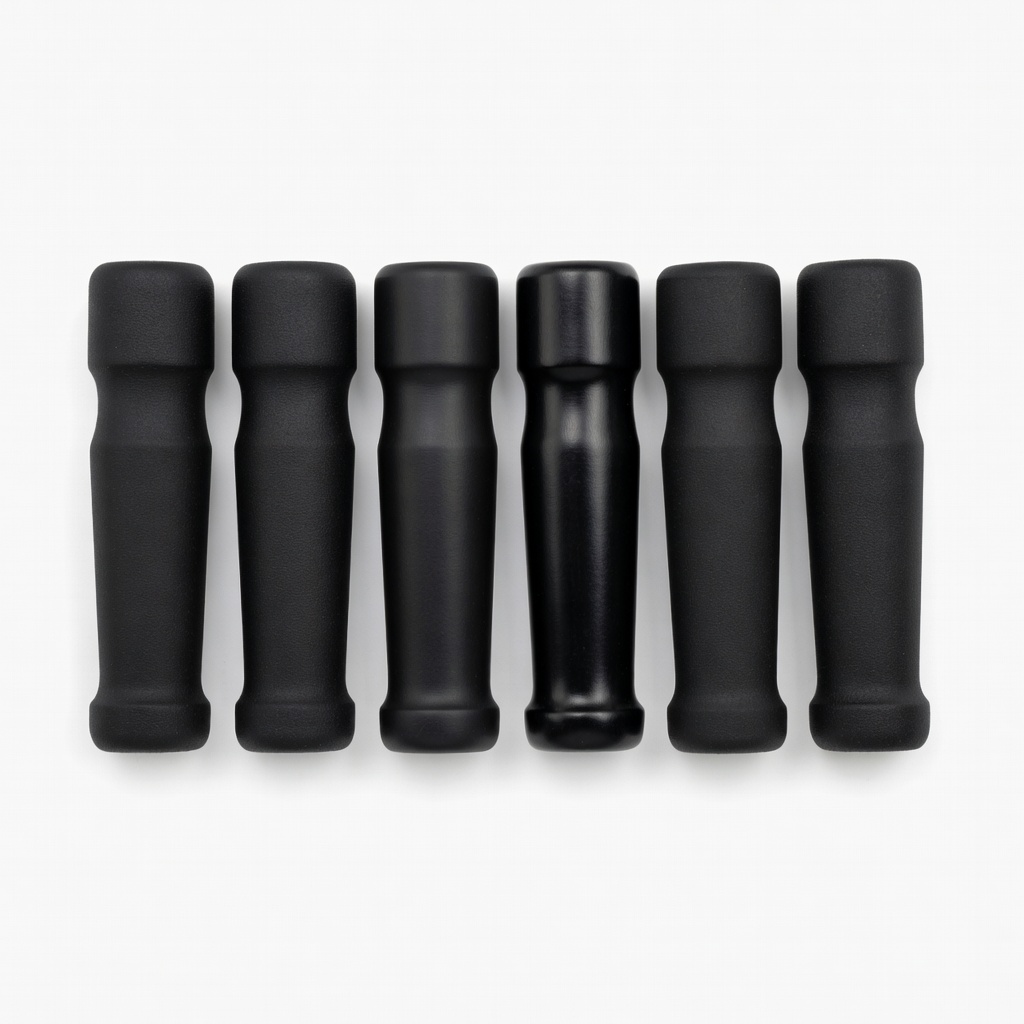
For beginners, prioritize stability and simplicity: look for adjustable legs to keep the table level on any floor, smooth-spinning rods that don't stick, and ergonomic handles for comfy gripping without blisters. Must-haves include built-in scorekeepers and goal boxes that catch balls easily – no chasing them across the room.
Nice-to-haves: folding design for storage and extra foosballs included. Skip pro features like solid rods or unlimited rotation yet; they add cost and complexity. Beginner-friendly tables are lightweight for easy moving, forgiving (plastic players survive slams), and quick to assemble (under 30 mins). Check reviews for 'easy setup' and 'family fun' keywords.
✅ Essential Features for Beginners
•Adjustable legs for level play anywhere
•Smooth, hollow rods that spin easily
•Ergonomic, non-slip handles
•Built-in score trackers
•Included foosballs and easy-fill goals
•Folding or compact design for storage
•Sturdy frame that resists wobbling
🏆 Top 4 Best Foosball Table for Beginners
#1
💰 Budget
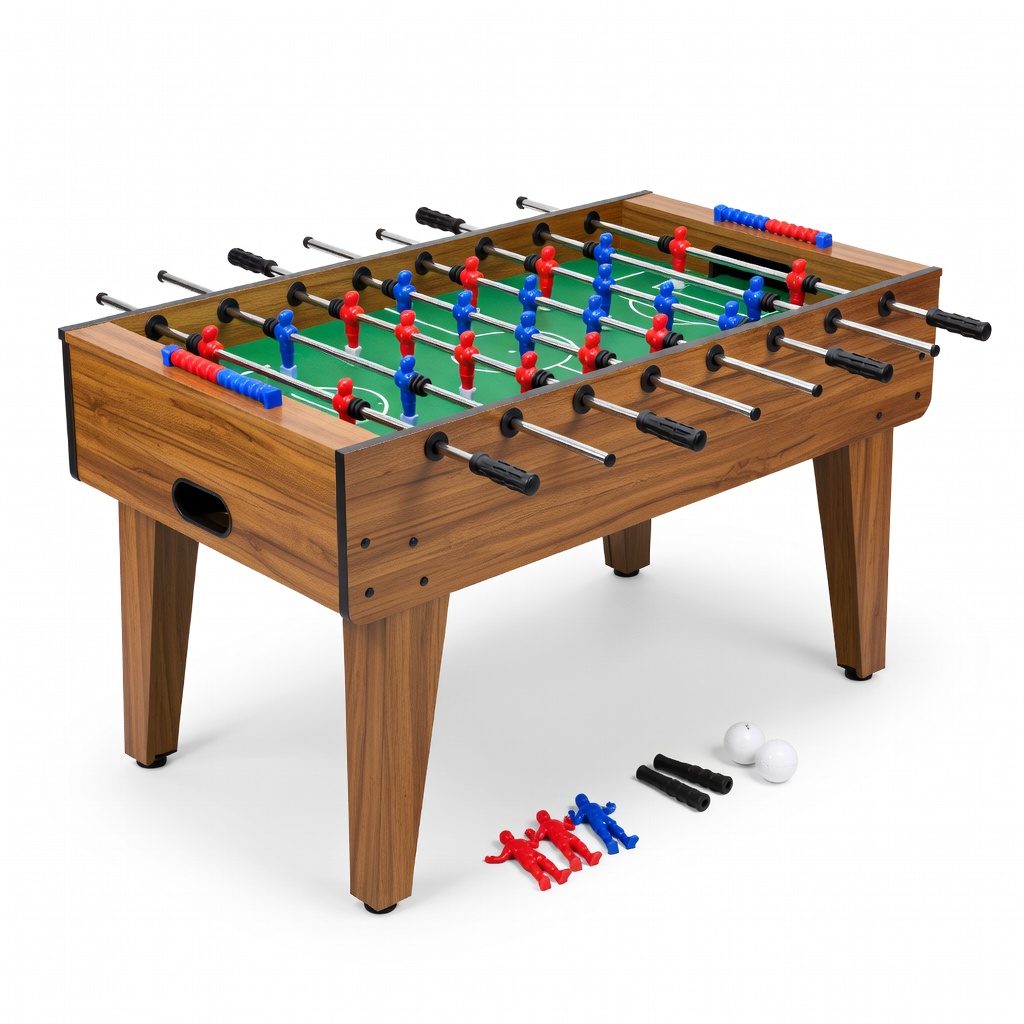
Best Choice Products 40in Tabletop Foosball Table
Learning Curve: Easy
$89.99
Difficulty: 1/5
Why Great for Beginners:
Perfect entry point for total newbies – compact and lightweight, sets up in minutes on any table. Forgiving plastic players and simple controls make learning fun without frustration.
✓ Beginner Pros
+Ultra-portable, no assembly hassle
+Cheap to try the game
+Includes balls and scores
+Great for kids/apartments
✗ Beginner Cons
-Small play area limits shots
-Lighter build may tip slightly
👍 Best for: Kids, small spaces, first-timers testing interest
👎 Not for: Adults wanting full games or garage setups
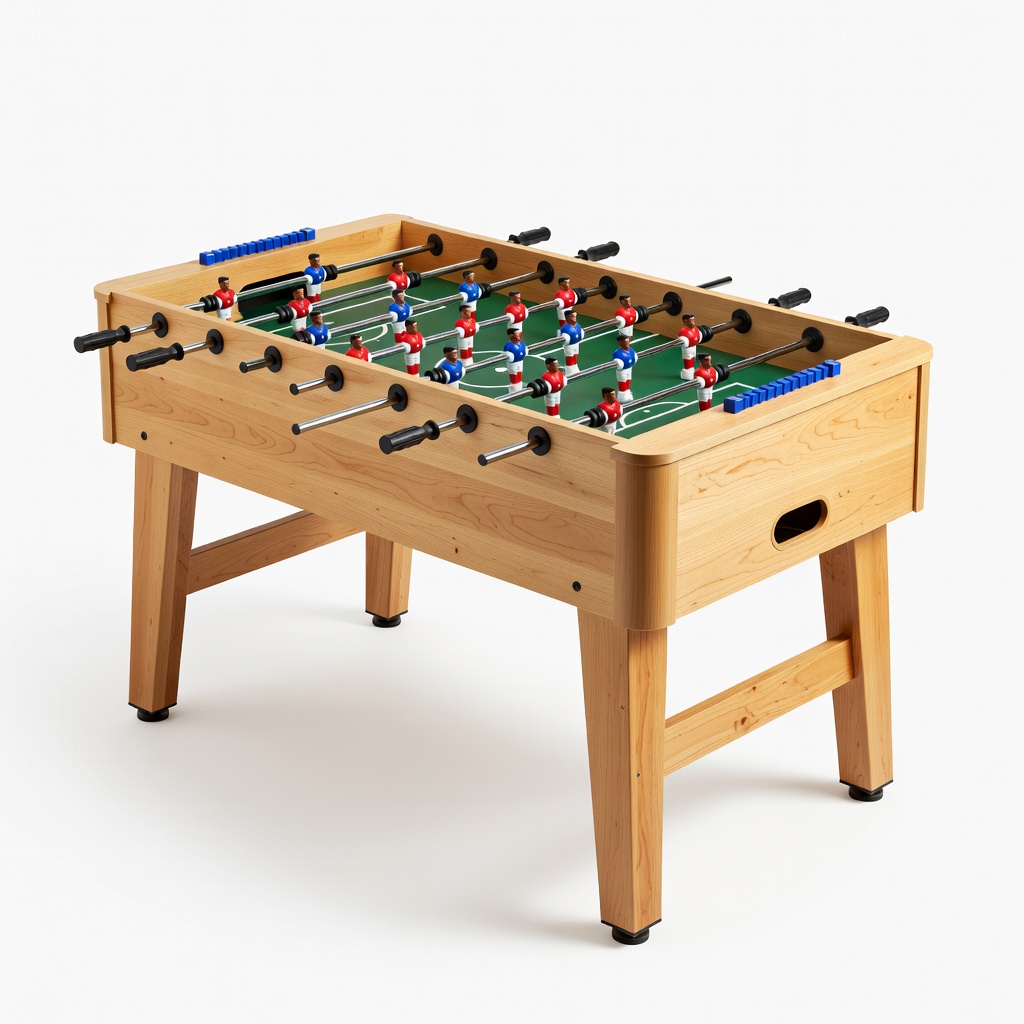
Top pick for most families – balances size, stability, and fun at a fair price. Smooth rods and adjustable legs forgive newbie spins and uneven floors.
✓ Beginner Pros
+Quick 20-min assembly
+Leveling feet
+Ergonomic handles
+Folds for storage
✗ Beginner Cons
-Heavier to move alone
-Basic players (upgrade later)
👍 Best for: Family game nights, garages, casual adults
Foosball (aka table soccer) is a fast-paced game where you twist handles to flick players and score goals – perfect for family nights, ages 8+. Tables come in tabletop (small, portable), mid-size (4-5 ft, home use), and full-size (5+ ft, serious play). Beginners should start with mid-size or tabletop: they're affordable, fit garages/living rooms, and teach basics without overwhelming space needs.
Beginner-friendly means forgiving design – plastic or ABS players that don't break on aggressive spins, pre-lubricated rods for instant smooth play, and simple 2-player setups (one side each). Expect casual games lasting 10-20 mins; you won't be pro-level day one. Evaluate by weight (heavier = stabler), player count (8-10 per side is enough), and Amazon photos/videos for real use.
🔧 Essential Accessories for Beginners
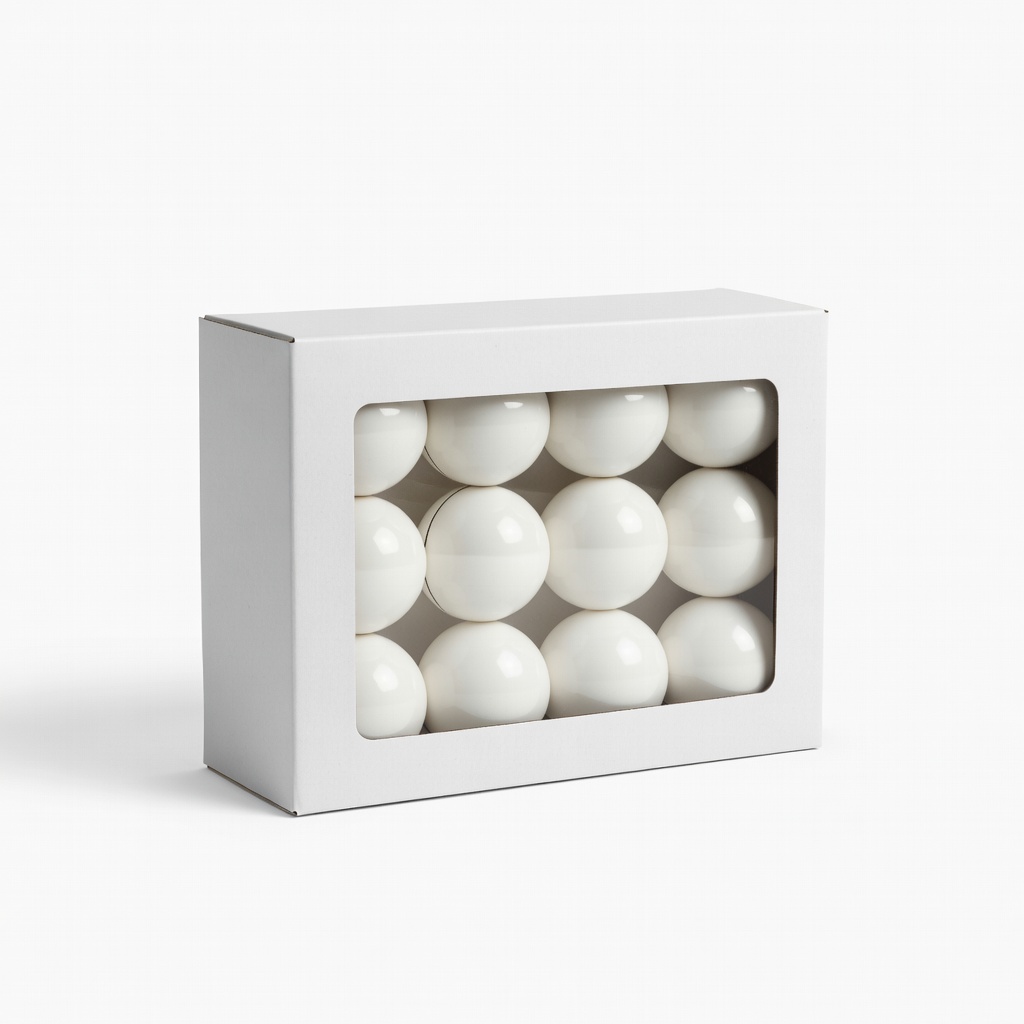
Tornado Official Foosballs 12-Pack
⚠️ Essential
$24.99
When to buy:
Day one
Tables often come with cheap balls that dent or fly out – these official ones roll true and last, preventing early frustration.
Ask: What's your space (under 5ft? Go tabletop)? Budget? Family/kids or adults? Casual or semi-serious? For most, sweet spot $150-350 gets sturdy home tables. Budget under $150 for trying it out; premium $350+ if you want heirloom quality.
Scenarios: Kids/family – folding plastic table. Adults/garage – wood-look mid-size. Red flags: super-cheap no-name brands (wobbly), non-folding giants for small homes, missing assembly tools. Plan for growth: pick one with upgrade potential like better rods later.
💰 Budget Guide for Beginners
600+
Tournament entry – for dedicated families, but overkill for pure beginners.
150 - $350
Sweet spot – sturdy home tables with smooth play, room to grow skills without quick replacement.
350 - $600
Premium beginner – pro-like quality, stable for adults, lasts years.
Under $ - $150
Entry-level tabletop – great for testing the game, kids, small spaces; may wobble or upgrade soon.
⚠️ Common Beginner Mistakes to Avoid
Beginners chase 'tournament ready' hype, landing expensive tables they rarely use due to steep setup/space needs. Cheap $50 plastic toys frustrate with bent rods after one party. Reviews scream 'assembly nightmare' from ignoring tool requirements.
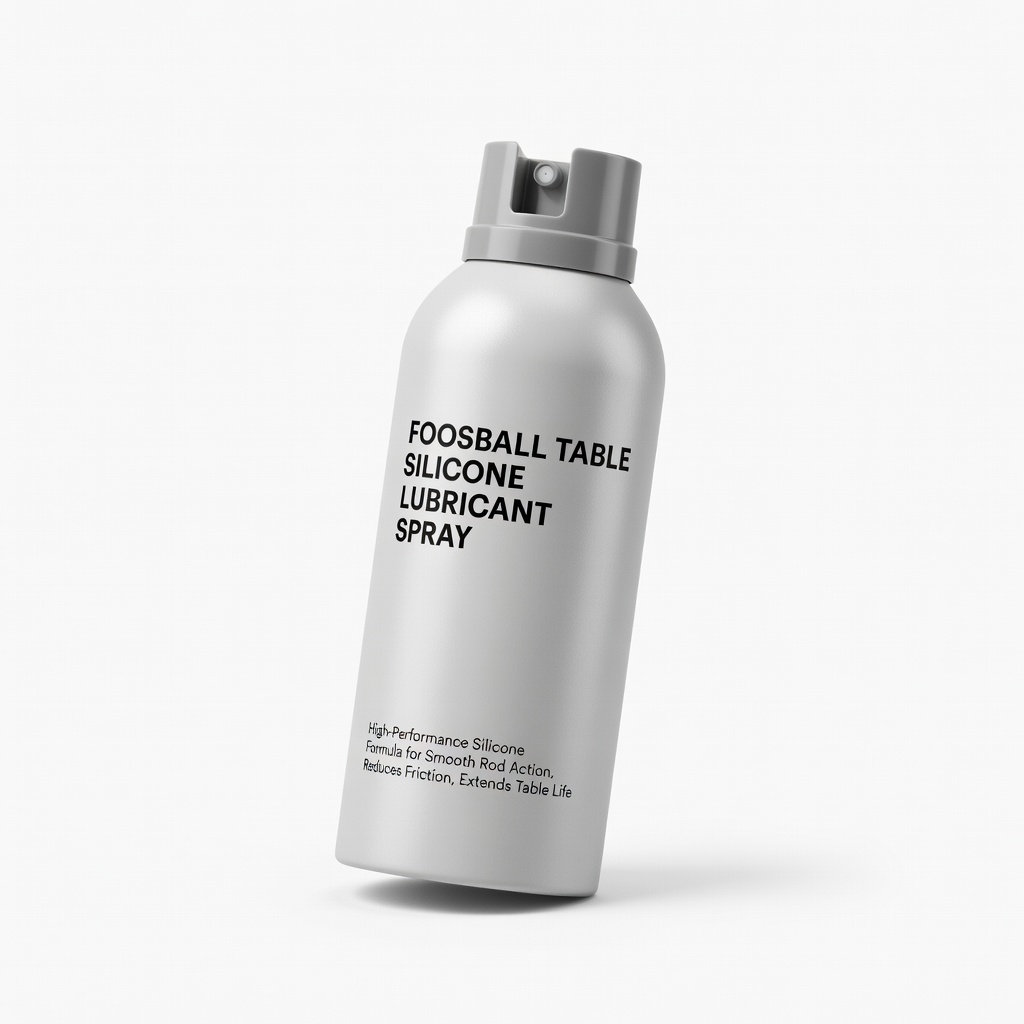
Avoid by sticking to Amazon best-sellers with 4+ stars and video reviews. Always measure space twice, buy extras balls/lube upfront. Experienced players say: start mid-size, maintain weekly, upgrade men/rods after 6 months.
×Buying tabletop thinking it's 'real' foosball (too small for adults)
×Picking cheapest no-brand (wobbles, breaks fast)
×Ignoring space – full table won't fit
×Skipping lube/accessories (rods seize quickly)
×Overbuying pro model (unneeded features, hard setup)
×Not leveling legs (balls roll weird)
×Forgetting storage (big tables clutter homes)
📈 Your Progression Path: Beginner to Intermediate
Start with basics: learn control shots, passing (1-2 weeks). Practice 20-min daily family games to build wrist strength. Outgrow beginner table when it feels cramped or wobbly during fast play (3-6 months).
Upgrade to larger/mid-rods first, then solid rods. Intermediate: join leagues, customize players. Most stay beginner 3-12 months; focus fun over winning.
📚 Learning Resources for Beginners
📖Foosball Rules and Strategies Book (ASIN: B08K5L6M7N) – Simple rules with diagrams.
📖Tornado Foosball Instructional DVD (ASIN: B001GSO1OQ) – Visual basics.
📖Foosball Spin Trainer Tool (ASIN: B07H8I9J0K) – Practice grips.
📖Replacement Beginner Player Set (ASIN: B06X3Y4Z5A)
🎯 Bottom Line: Our Recommendations
For most beginners, grab the 55'' Foosball Table (B08O1P2Q3R) – perfect balance of fun, size, and price. Budget? 40in tabletop (B09P4Q5R6S). Serious? Hathaway premium (B07N8O9P0Q).
Add foosballs and cover day one. You're set for epic family battles – assemble, level, lube, play! Next: measure space, order, invite friends.
❓ Frequently Asked Questions
The 55'' Foosball Soccer Table (B08O1P2Q3R) – easy setup, stable, family-sized fun under $200.
$150-350 sweet spot for durable home play; under $150 for tabletop trial.