Discover simple, reliable picks to chop, slice, and puree with confidence—no kitchen overwhelm required.
Picking your first food processor feels scary when you're bombarded by confusing specs, endless models, and reviews full of chef lingo. As a beginner into meal prep or everyday cooking, you worry about wasting money on something too complicated or flimsy that breaks on day one. We've all been there—staring at Amazon options, unsure if '14-cup capacity' even matters for your salads and doughs.
This guide cuts through the noise. We'll explain what beginners truly need in plain English, share top Amazon picks tested for ease, and arm you with tips to avoid regrets. By the end, you'll confidently choose a food processor that makes cooking fun and fast, not frustrating.
📋 In This Guide
• Why Beginners Struggle with Food Processor
• What to Look For (Key Features)
• Top 4 Beginner-Friendly Food Processor
• Essential Accessories for Beginners
• Common Beginner Mistakes to Avoid
• Your Progression Path
• FAQ & Learning Resources
😰 Why Beginners Struggle with Food Processor
Beginners often feel lost because food processors look simple but hide confusing choices: bowl sizes from 7 to 20 cups, blades for 'julienne' or 'dicing' that sound fancy but overwhelm. Forums like Reddit's r/Cooking show newbies frustrated by leaky lids, dull blades that stall on carrots, or machines too heavy to store. You fear buying one that's too big for your counter or too weak for real tasks like nut butters.
The jargon—'S-blade,' 'feed tube diameter'—makes it worse, and cheap models from big box stores break fast, leading to 'why did I bother?' vibes. With 100+ options on Amazon, it's easy to pick wrong without knowing your needs like quick veggie prep or baby food making.
🔍 What to Look For: Key Beginner-Friendly Features
Focus on forgiving designs: wide feed tubes so you don't precut everything, simple one-touch buttons over dials, and dishwasher-safe parts for easy cleanup. Must-haves include a sturdy S-blade for chopping/mixing, reversible disc for slicing/shredding, and anti-slip feet to stay put.
Nice-to-haves: pulse button for control, storage for blades (safety win). Skip extras like dough blades or multiple bowls until later—they add complexity. Beginner-friendly means lightweight (under 15 lbs), quiet operation, and clear manuals with recipes to build your skills fast.
✅ Essential Features for Beginners
•Wide feed tube (3+ inches) - Fits whole veggies without precutting, saves time
•Pulse button - Gives control to avoid over-processing mush
•Dishwasher-safe bowl and blades - Easy cleanup for busy beginners
•Simple 2-4 speed buttons - No confusing dials or presets
•Safety lock lid - Won't start if not assembled right
•Compact size (7-12 cups) - Fits small kitchens, not overwhelming
•Rubber feet - Stays stable on counters during use
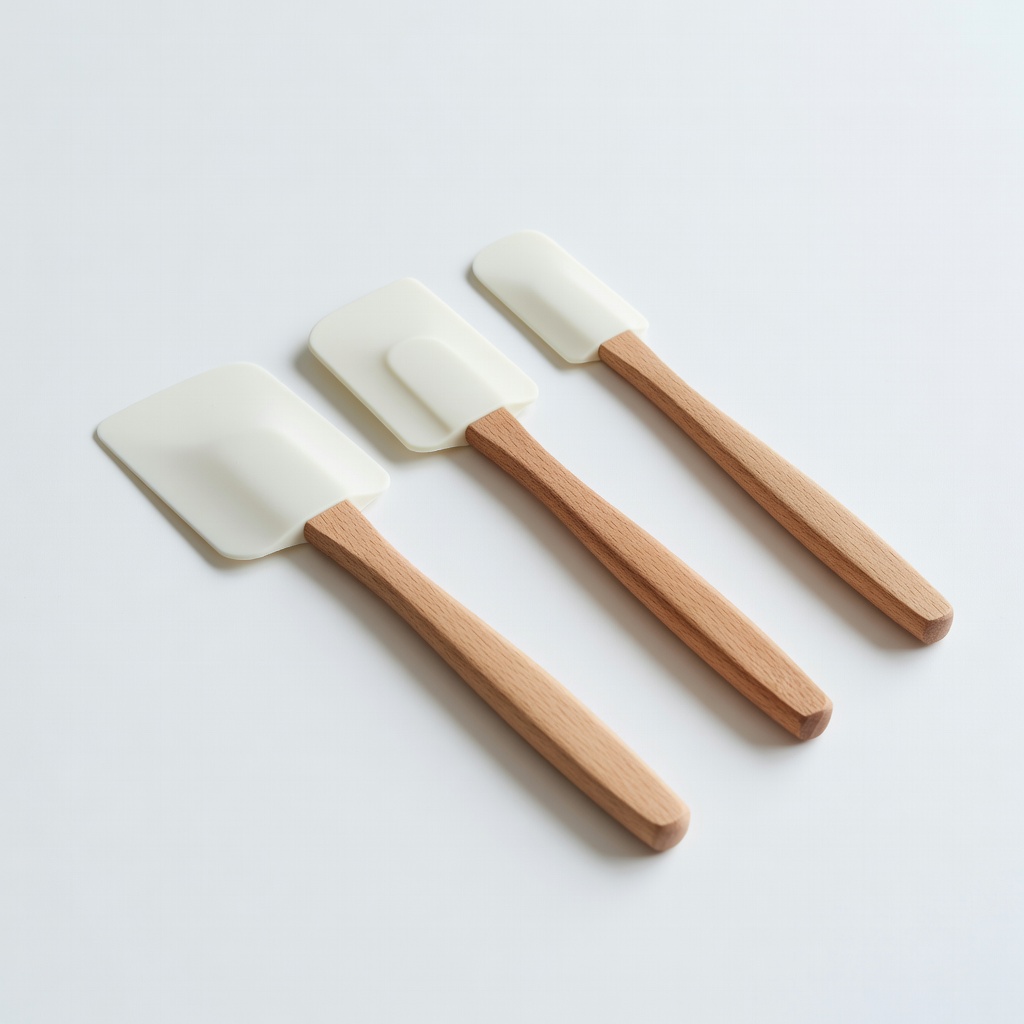
•Included spatula - Helps scrape bowls without mess
🏆 Top 4 Best Food Processor for Beginners
#1
💰 Budget
Hamilton Beach 12-Cup Stack & Snap Food Processor
Learning Curve: Easy
$59.99
Difficulty: 1/5
Why Great for Beginners:
Snap-together design assembles in seconds—no twisting or locking puzzles. Wide 3-inch chute handles whole tomatoes, reducing prep cuts. Affordable entry to see if you love processing without big spend.
Touchpad controls are idiot-proof with clear icons; perfect for first purees or shreds. Durable metal housing forgives drops, and classic design has tons of free YouTube tutorials. Balances power and simplicity for most kitchens.
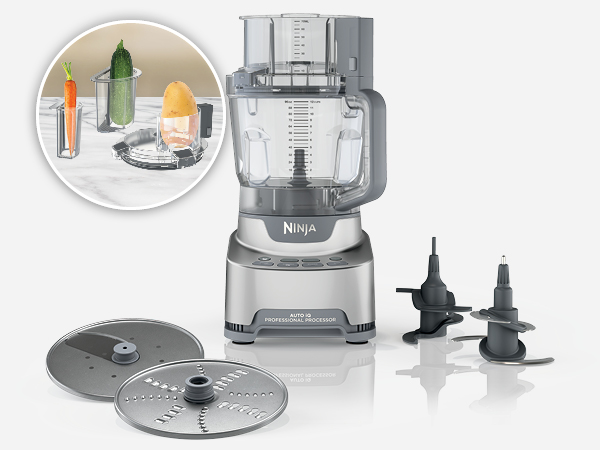
Auto-iQ presets take guessing out—chop or puree at button press. XL chute fits blocks of cheese; fold-away design stores flat. Great bridge to intermediate with room for recipes beyond basics.
Duo-horsepower motor handles anything forgivingly; adjustable slicing (1-6mm) for perfect veggies every time. Detachable stem simplifies cleaning; premium feel builds confidence for big batches.
✓ Beginner Pros
+Adjustable disc
+Extra-large bowl
+Liquid barrier lid
+Pro-level quiet
✗ Beginner Cons
-Bulky size
-Higher price
👍 Best for: Serious beginners into baking/meal prepping
A food processor is your kitchen sidekick for fast chopping onions, shredding cheese, pureeing soups, or kneading dough—tasks that take forever by hand. Basics: Motor spins blades inside a bowl via a central shaft; food goes in top or chute. Beginners start with mini (3-5 cups) for dips, full-size (8-14 cups) for family meals.
Best for newbies: Full-size with stackable bowls or snap-on designs—no screws. Expect smooth hummus first try, not pro-level emulsions yet. 'Beginner-friendly' means intuitive assembly (under 2 minutes), forgiving on hard foods like nuts, and videos included. Marketing traps: 'Professional-grade' often means heavy/noisy; ignore wattage over 700W unless blending.
🔧 Essential Accessories for Beginners
Hamilton Beach Food Processor Blade Storage Organizer
⚠️ Essential
$14.99
When to buy:
Day one
Sharp blades cause drawer accidents— this keeps them safe and organized. Beginners fumble blades; this magnetic holder prevents cuts while storing neatly. Day-one must for confidence.
Ask yourself: Weekly use? Family size? Counter space? If occasional salads, budget suffices. Daily meal prep? Go recommended for power. Red flags: No pulse, tiny chute, plastic gears (noisy/break). Test via Amazon preview videos.
💰 Budget Guide for Beginners
300+
Pro-level - Overkill unless cooking for crowds
80 - $150
Sweet spot - Reliable daily use, easy features, lasts years
150 - $300
Premium beginner - Powerful, quiet, room to grow skills
Under $ - $80
Entry level - Basic chopping for rare use, may struggle with tough foods
⚠️ Common Beginner Mistakes to Avoid
Newbies grab cheapest Amazon deal, but it leaks or stalls on celery, leading to abandonment. Experienced cooks say invest in known brands like Cuisinart. Avoid by reading 'easy clean' reviews.
Another trap: Big capacity for 'future-proofing,' but it's countertop hog. Match to use. Prep forums warn against no pulse—practice control first. Always buy blade storage upfront.
×Buying under $40—blades dull fast, motor burns out
Start with chopping veggies/onions (10-min recipes), then purees, shreds. Master pulse after week 1. Outgrow beginner when craving dough kneading or fine julienne—signs: Stalling on nuts, wanting extras.
Upgrade to premium after 6 months daily use; intermediate means mini attachments, stand mixer hybrid. Stay beginner 1-3 months building recipes.
📚 Learning Resources for Beginners
📖Food Processor Perfection by America's Test Kitchen (ASIN: 1940352600) - 400+ beginner recipes
📖The Food Processor Bible by David Joachim (ASIN: B000Q36NR4) - Step-by-step basics
📖Cuisinart Food Processor Recipe Booklet (included or ASIN: B0000CFP1M)
📖Complete Air Fryer Cookbook (pairs with prep, ASIN: B08L9K4Z5L)
📖Meal Prep for Beginners Book (ASIN: B09B3Q3Q3Q)
🎯 Bottom Line: Our Recommendations
For most beginners, grab the Cuisinart 8-Cup ($130)—perfect balance of ease and power. Budget? Hamilton Beach. Serious? Cuisinart 14-Cup. Add blade storage and containers day one.
You're ready—start with salad prep tonight. This gear grows with you; enjoy stress-free cooking!
❓ Frequently Asked Questions
Cuisinart 8-Cup (B001DIX5DS) for its simple buttons and wide chute—ideal first machine.
$80-150 sweet spot for reliable daily use without skimping.