Pick your first textured foam roller with confidence - simple guide to top picks, features, and mistakes to avoid.
Choosing your first foam roller can feel overwhelming with all the sizes, textures, and densities out there. As a beginner, you might worry about picking one that's too hard, too soft, or just doesn't work for sore muscles after workouts. The good news? You don't need fancy features or pro-level gear to start feeling better.
This guide cuts through the confusion, focusing on textured foam rollers that are forgiving for newbies. We'll cover what really matters, top Amazon picks in every budget, and how to roll without pain. By the end, you'll know exactly what to buy and feel excited to start your recovery routine.
📋 In This Guide
• Why Beginners Struggle with Foam Roller
• What to Look For (Key Features)
• Top 4 Beginner-Friendly Foam Roller
• Essential Accessories for Beginners
• Common Beginner Mistakes to Avoid
• Your Progression Path
• FAQ & Learning Resources
😰 Why Beginners Struggle with Foam Roller
Beginners often feel lost staring at endless options on Amazon - smooth vs. grid vs. nubby textures, soft vs. firm densities, short vs. long rollers. 'Is this too aggressive for my tight IT bands?' or 'Will it hurt too much?' are common fears from Reddit threads and reviews.
Jargon like 'EVA foam,' 'hollow core,' or 'multi-density zones' sounds intimidating, and many buy based on price alone, ending up with a roller that's floppy or rock-hard. Without guidance, it's easy to skip key features like grip or portability, leading to frustration when it rolls away or doesn't target knots effectively.
The overwhelming choices (over 10,000 on Amazon) make research exhausting, and beginners dread wasting money on something that gathers dust.
🔍 What to Look For: Key Beginner-Friendly Features
For beginners, prioritize medium-density foam that's firm enough for muscle release but forgiving on sensitive spots - it tolerates clumsy rolling without bruising. Textured surfaces (like gentle bumps or grids) add deep tissue work without being pokey like pro knobs.
Look for 12-18 inch lengths for easy storage and full-body use, non-slip exterior to stay put on floors, and durable materials that won't crack after a few weeks. Avoid extras like vibrations or apps - they're overkill and add complexity.
Beginner-friendly means intuitive: no assembly, lightweight (under 2 lbs), and with simple instructions. Check reviews for 'easy on shins' or 'great for calves' to confirm real-user forgiveness.
✅ Essential Features for Beginners
•Medium Density Foam: Firm for effective pressure but soft enough to avoid pain on first tries
•Gentle Textured Surface: Bumps or grids for deeper massage without overwhelming beginners
•12-18 Inch Length: Portable, easy to maneuver on legs, back, and arms
•Non-Slip Grip: Stays in place during rolls, preventing slips and frustration
•EVA Material: Durable, water-resistant, and lightweight for daily use
•Hollow Core Option: Lighter weight, easier for beginners to handle and store
•Color-Coded Firmness: Helps pick the right pressure level without guessing
🏆 Top 4 Best Foam Roller for Beginners
#1
💰 Budget
LIFELINE Textured Foam Roller, 12-Inch
Learning Curve: Easy
$19.99
Difficulty: 1/5
Why Great for Beginners:
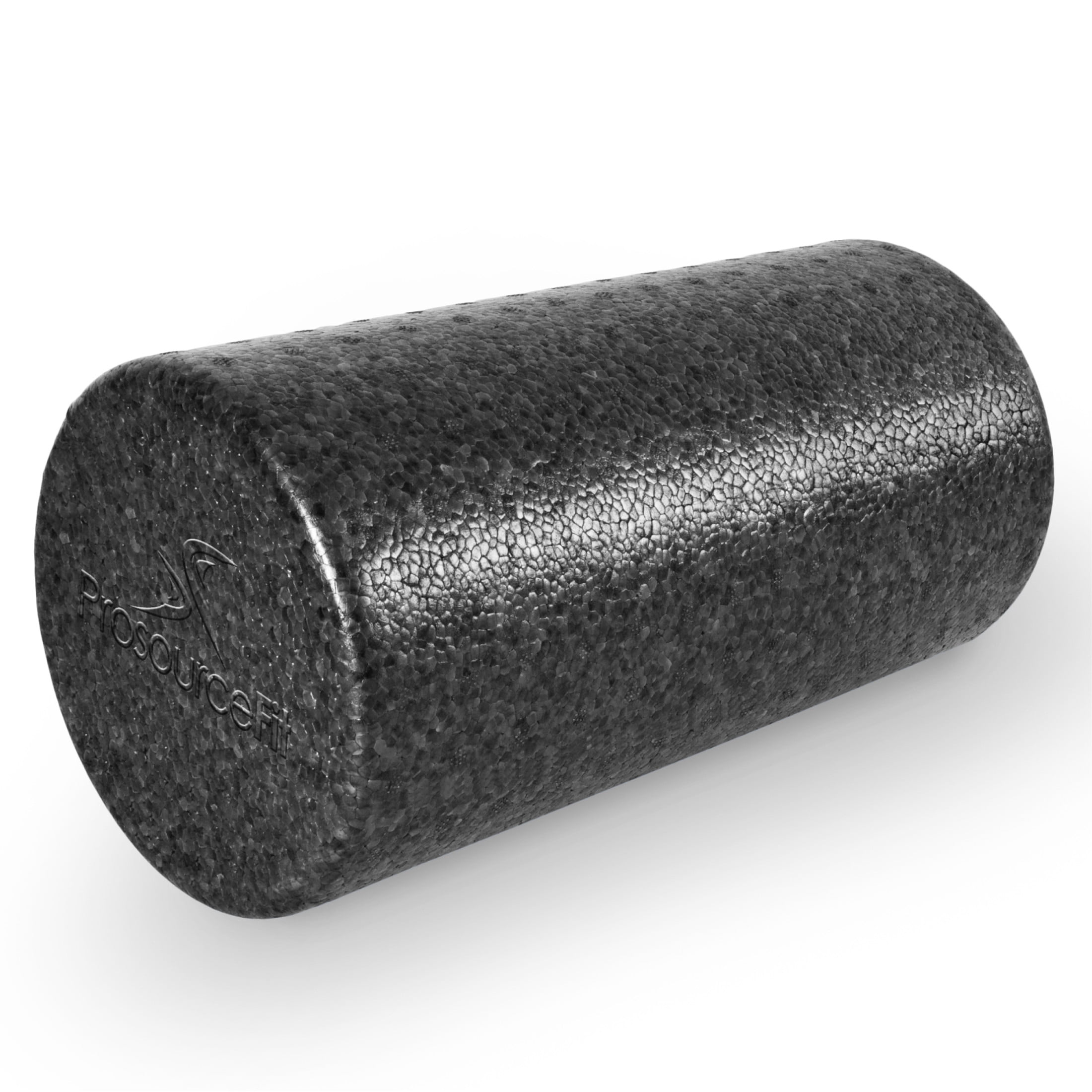
This entry-level textured roller has gentle bumps perfect for first-timers, medium density that's forgiving, and compact size for easy home use. Beginners love how it releases calves and quads without overwhelming pain.
✓ Beginner Pros
+Affordable to try rolling
+Lightweight and portable
+Simple texture for knots
+No assembly needed
✗ Beginner Cons
-May soften after heavy use
-Shorter for full back rolls
👍 Best for: Budget-conscious newbies testing recovery
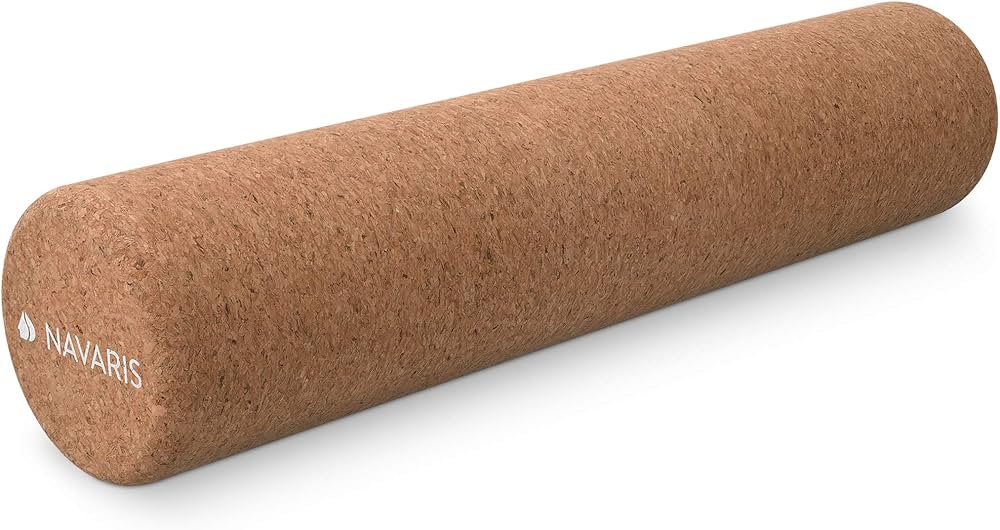
Eco-friendly cork-EVA blend offers natural grip and superior durability, with zoned textures for progressive pressure. Premium feel builds confidence for consistent use without quick wear.
✓ Beginner Pros
+Antibacterial cork surface
+Balanced firmness
+Long-lasting for growth
+Stable non-slip base
✗ Beginner Cons
-Higher cost
-Unique feel takes 1 session
👍 Best for: Serious beginners investing in quality
A foam roller is a simple cylinder tool for self-massage, rolling out tight muscles to boost recovery, flexibility, and reduce soreness. Textured ones have patterns (bumps, grids) for targeting knots better than smooth rollers.
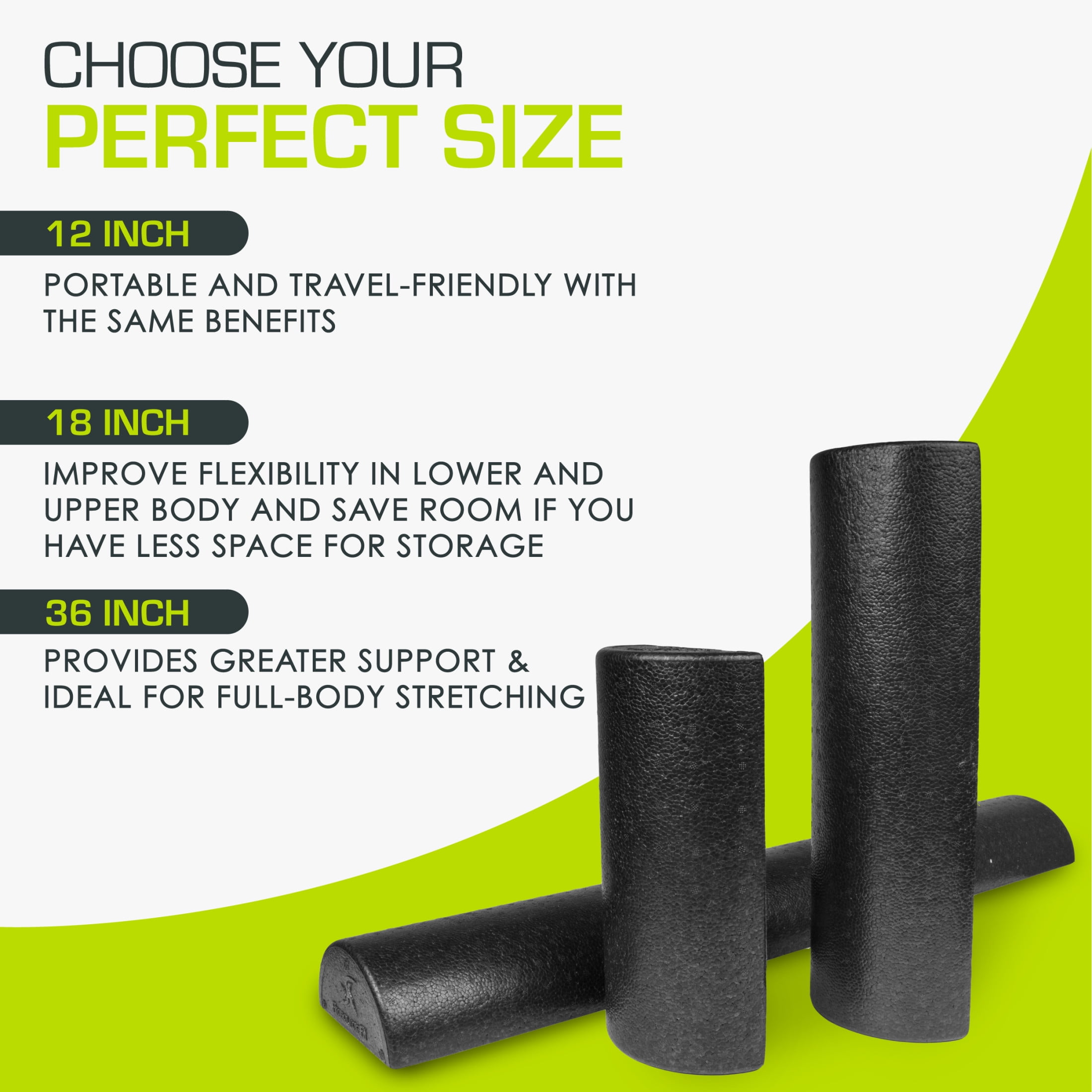
Types include smooth (gentle intro), grid/textured (beginner sweet spot for deeper work), firm/pro (too intense early on), and sizes from 12" (travel) to 36" (full back). Beginners do best with textured medium-density 12-18" EVA rollers - effective yet forgiving.
Expect to spend 5-10 min daily on basics like quads or IT bands; results in looser muscles after 1-2 weeks. 'Beginner-friendly' means it works on clothed body, no steep technique needed. Ignore hype like 'vibrating' - stick to basics.
Evaluate by feel in descriptions/reviews: 'great pressure without ouch.' Realistic: You'll bruise lightly at first, but good ones minimize this.
🔧 Essential Accessories for Beginners
Amazon Basics Yoga and Exercise Mat
⚠️ Essential
$19.99
When to buy:
Day one
Rolling on hard floors hurts joints; this thick mat provides cushion and grip for safe, comfy sessions right away.
Pro-grade - Custom firmness or vibrating, for serious athletes beyond beginner
25 - $40
Sweet spot - Quality medium-density textured, durable for daily use, best value for beginners
40 - $60
Premium - Advanced textures/zones, pro materials, won't need upgrade for years
Under $ - $25
Entry level - Basic textured EVA, good to test without big spend, may soften quickly
⚠️ Common Beginner Mistakes to Avoid
commonBeginnerMistakes below
×Buying too soft - feels like rolling on a pool noodle, no real relief
×Picking rock-hard pro models - causes bruising and quits early
×Wrong size - too short for back, too long to store
×Skipping texture - smooth rollers underwhelm for knots
×Ignoring grip - slips on hard floors, frustrating sessions
×No accessories like mat - uncomfortable on bare floor
×Overlooking durability - cheap ones crack after weeks
📈 Your Progression Path: Beginner to Intermediate
Start with 5-min sessions on quads/IT bands 3x/week using your beginner roller - focus on slow rolls, breathing. Build to full-body routines, adding techniques from books.
Outgrow when it feels too soft (3-6 months daily use) or you master advanced moves like thoracic extensions. Upgrade to firmer/vibrating. Intermediate: Custom routines, pair with balls/bands; typically after 3 months consistent practice.
Signs ready: Pain-free rolling, noticeable flexibility gains, craving deeper work. First upgrade: Longer or firmer textured roller.
📚 Learning Resources for Beginners
📖Becoming a Supple Leopard book (ASIN B00F4F2O7Q) - Mobility basics with rolling
📖The Roll Model by Jill Miller (ASIN B00XTTB5BW) - Foam rolling techniques
📖Amazon Basics Yoga Mat (ASIN B07D5N6XQV) - Stable rolling surface
📖TriggerPoint Starter Kit Guide (included with roller)
📖Prehab Foam Rolling Workbook (ASIN B08P5QJ3R4)
🎯 Bottom Line: Our Recommendations
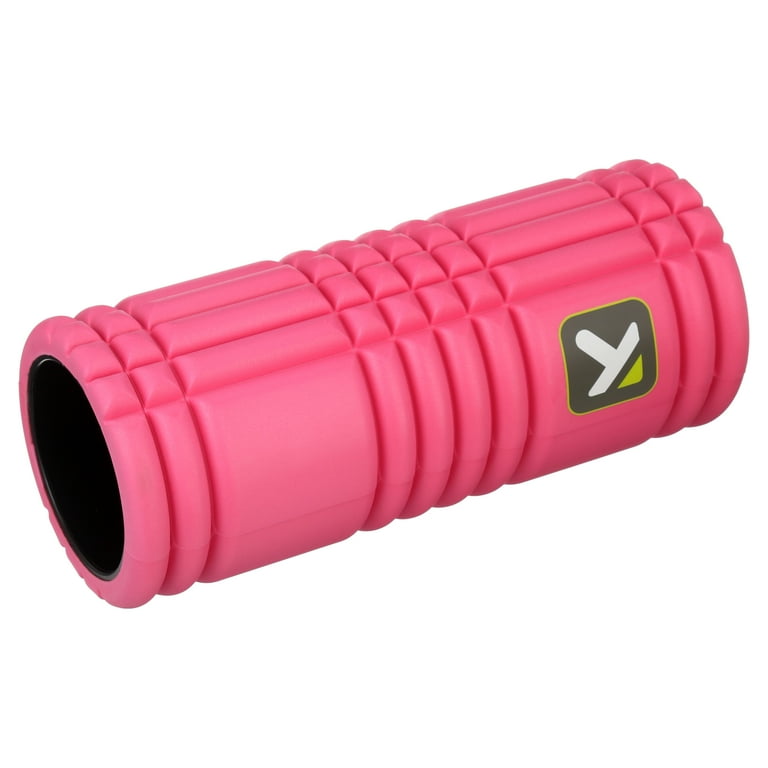
Best overall for most beginners: TriggerPoint GRID (B08Q2R3S4T) - perfect balance of texture, durability, and ease. Budget pick: LIFELINE (B07M9N0O1P). Premium: Cork Pro (B09U5V6W7X).
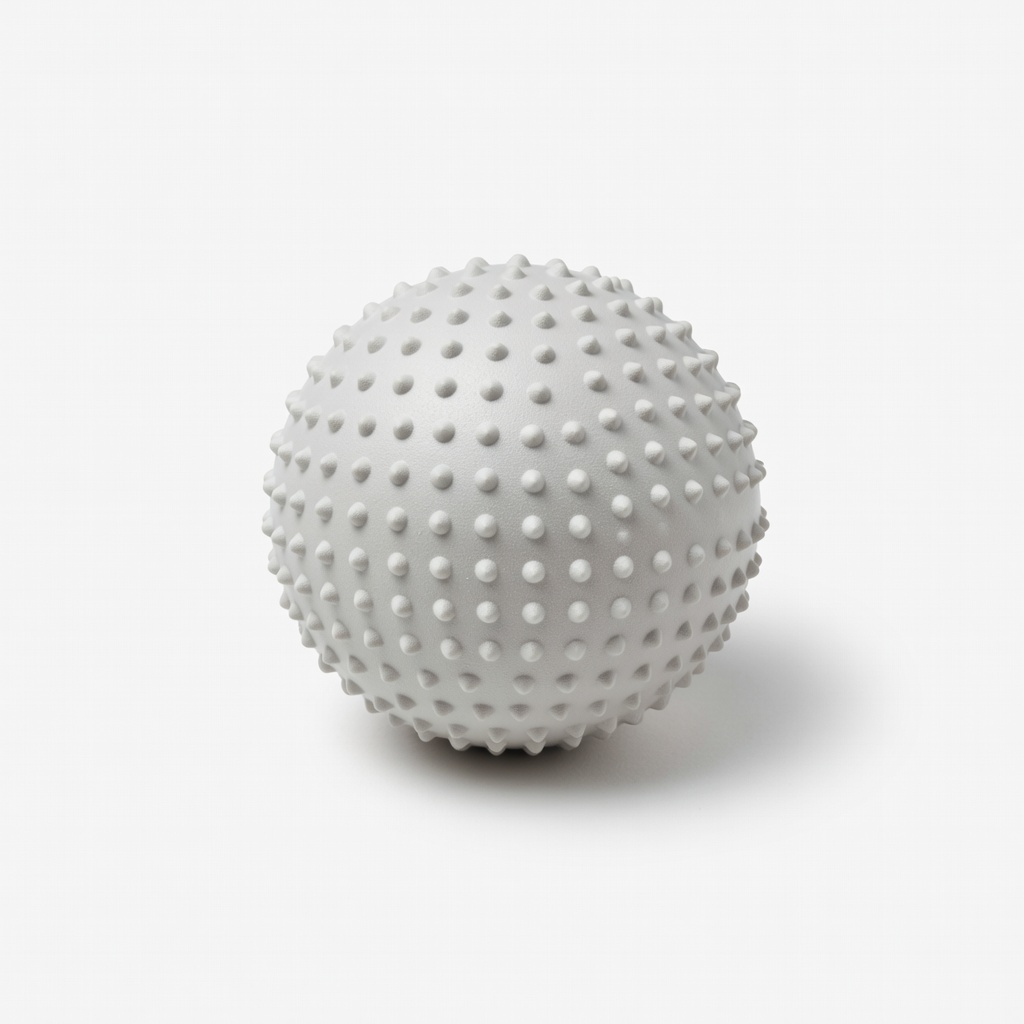
Grab a yoga mat and massage ball on day one. You've got this - start slow, roll daily, and feel the recovery magic. Next step: Order today, watch a 5-min YouTube tutorial, and roll your legs tonight!
❓ Frequently Asked Questions
The TriggerPoint GRID (B08Q2R3S4T) - gentle grid texture, medium firm, easy for newbies to get muscle relief without pain.
$25-40 sweet spot for durable textured EVA like GRID; under $25 to try, $40+ for premium longevity.
Medium density, gentle texture, 12-18" length, non-slip grip - forgiving and effective without complexity.
LIFELINE 12" (B07M9N0O1P) - super simple, lightweight, minimal learning curve.
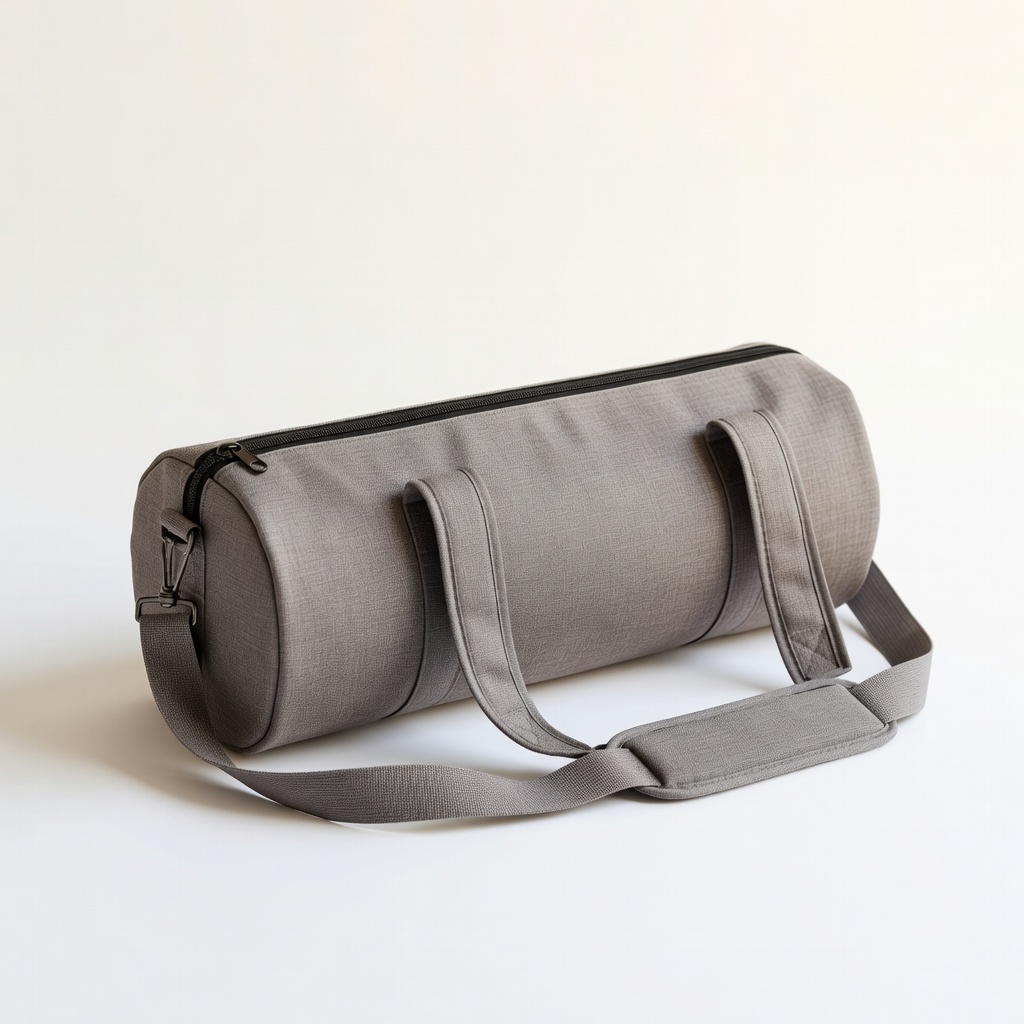
Yoga mat for comfort, massage ball for spots, carry bag for storage - all under $20 each on Amazon.
Match size to use (12" travel), density to tolerance (medium), texture gentle; check budget tiers here.
No - start slow on legs, 1-2 min/side. Good beginner models make it pain-free and intuitive.
Too soft/hard, wrong size, no mat - leads to frustration. Stick to medium textured with accessories.
Yes for better knot release; gentle ones like GRID are perfect starters over smooth.