Choose your first flute with confidence – simple guide to top picks, accessories, and avoiding beginner pitfalls.
Picking your first flute can feel scary – there are so many shiny options, confusing terms like 'offset G key,' and worries about wasting money on something too hard to play. Beginners often fear sounding bad or buying the wrong one, especially when cheap toys break fast and expensive pro models gather dust. Don't worry; this guide cuts through the noise.
We'll explain everything in plain English, highlight what really matters for new players, and recommend real Amazon flutes that are easy to start with. You'll learn key features, budget tips, and top picks that forgive mistakes while helping you make beautiful sounds quickly. By the end, you'll feel ready to play your first notes with a smile.
📋 In This Guide
• Why Beginners Struggle with Flute
• What to Look For (Key Features)
• Top 4 Beginner-Friendly Flute
• Essential Accessories for Beginners
• Common Beginner Mistakes to Avoid
• Your Progression Path
• FAQ & Learning Resources
😰 Why Beginners Struggle with Flute
Beginners dive into flutes overwhelmed by choices: cheap student models vs. pro ones costing thousands. Forums like Reddit's r/flute show newbies frustrated by squeaky tones, sticky keys, or flutes that go out of tune fast. Jargon like 'closed holes,' 'split E,' or 'footjoint' sounds like rocket science.
Fear of the 'wrong buy' is huge – many spend hours reading reviews but still pick fragile toys that frustrate or overpay for features they can't use. Without guidance, they ignore playability, leading to sore fingers, bad posture, and quitting early. Plus, no one mentions assembly or cleaning, causing early headaches.
🔍 What to Look For: Key Beginner-Friendly Features
For beginners, focus on flutes that are simple to hold, blow, and finger without fighting the instrument. Must-haves: closed-hole keys (easier to cover fully), offset G key (comfy pinky reach), and split E key (helps high notes without squeaks). A curved headjoint option makes it shorter for small hands or beginners.
Nice-to-haves: nickel-plated body (shiny, durable, forgiving shine) and included case/cleaning kit. Skip open-hole keys or B-footjoints – they're for later when your fingers are stronger. Beginner-friendly means good out-of-box tune, lightweight build, and smooth action that tolerates puckered embouchure (mouth position).
✅ Essential Features for Beginners
•Closed-hole keys: Easy to seal notes without air leaks
•Offset G key: Natural pinky position, no finger cramps
•Split E key: Smooth high notes without squeaking
•Curved headjoint option: Shorter for tiny hands or easy reach
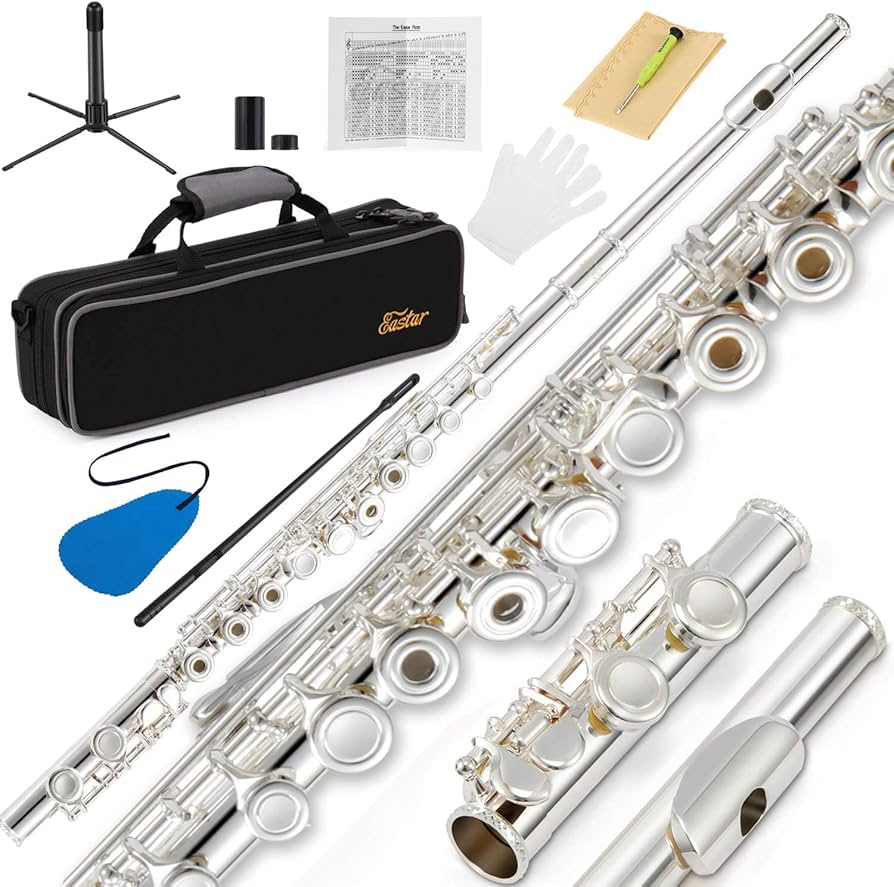
This flute has all beginner essentials like closed keys and offset G, making first notes easy without frustration. It comes ready-to-play with case and cleaning kit, forgiving squeaks as you learn embouchure.
✓ Beginner Pros
+Super affordable entry
+Lightweight and easy hold
+Includes everything needed
+Good starter tone
✗ Beginner Cons
-May need tuning tweaks
-Not for big hands
👍 Best for: Total newbies testing the waters or kids
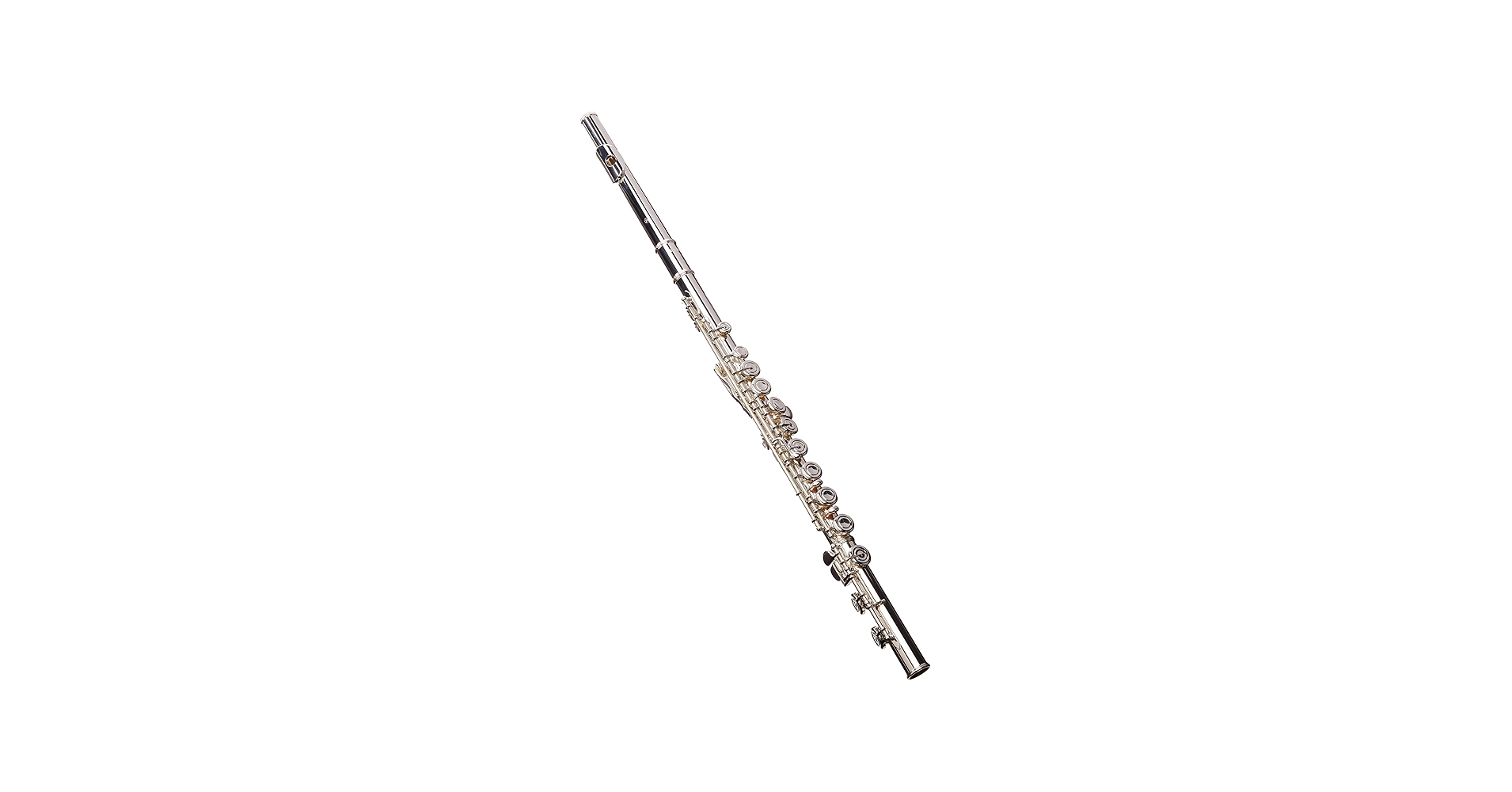
Perfect balance of price and quality with smooth keys and stable pitch, helping beginners sound good fast. Curved head option suits smaller players, and it's durable for drops.
✓ Beginner Pros
+Smooth action
+Curved headjoint
+Great intonation
+Lifetime warranty
✗ Beginner Cons
-Assembly takes 5 mins
-Slightly heavier
👍 Best for: Most beginners wanting value and growth
Steps up with better plating and tone for confident practice, yet still simple for newbies. Forgiving design helps build skills without outgrowing too soon.
Pro brand quality in beginner package – precise keys and tone inspire from day one. Built to last forever, perfect for committed newbies avoiding quick upgrades.
A flute is a woodwind you blow across a hole to vibrate air, making music from low to high notes. We're talking C flute (concert pitch, most common for beginners) – silver-ish metal tube about 2 feet long, with keys for fingers.
Types: Student (closed keys, basic), intermediate (open holes), pro (fancy materials). Beginners need student C flutes – forgiving, affordable, perfect for scales and simple tunes like 'Hot Cross Buns.' Expect squeaks at first; good ones help you progress to songs in weeks.
'Beginner-friendly' means intuitive keys, stable tone, and no setup hass needed. Marketing like 'professional quality' often hides stiff action – check reviews for 'easy blowing.' Test in-store if possible, but Amazon returns make online safe.
🔧 Essential Accessories for Beginners
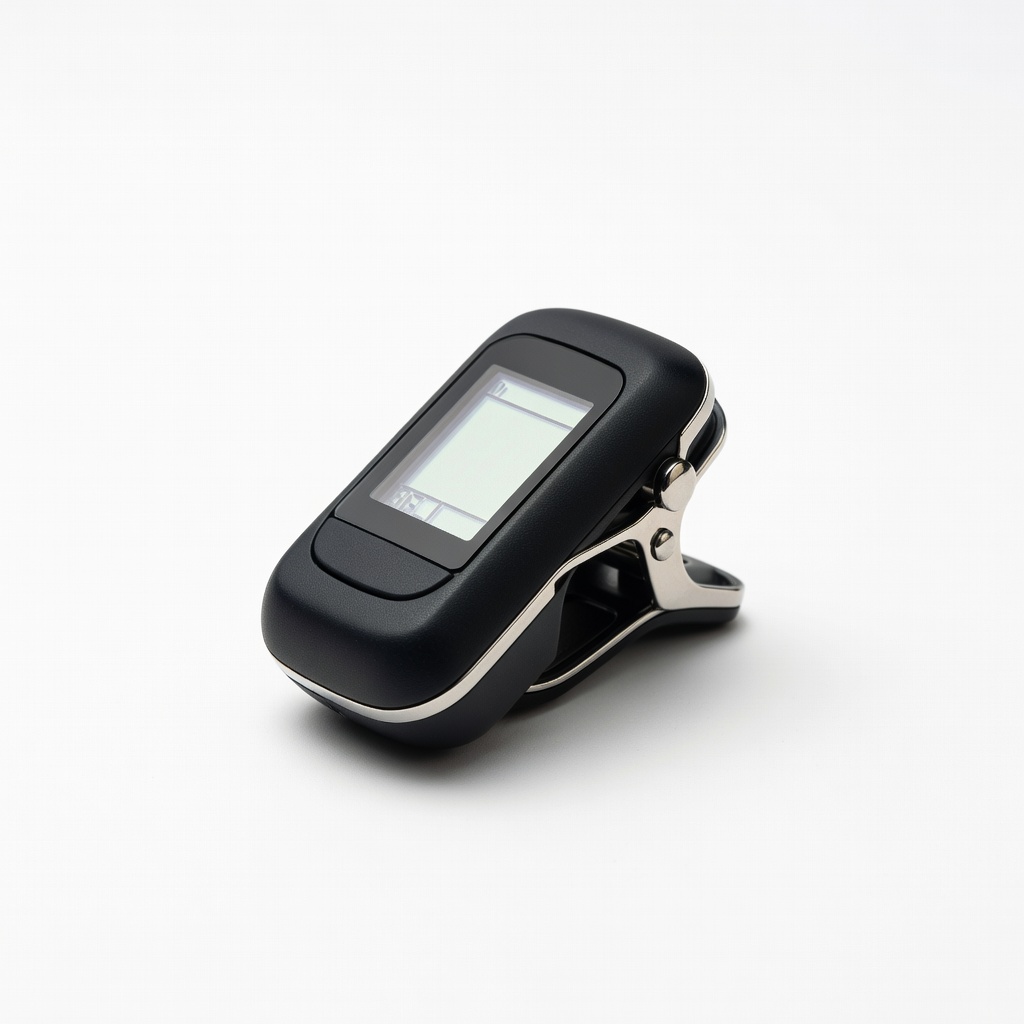
Snark ST-8HZ Clip-On Tuner
⚠️ Essential
$14.99
When to buy:
Day one
Flutes go out of tune easily; this tuner shows exact pitch so your notes sound right from lesson one. Clips on fast, no apps needed.
Ask: What's my budget? Trying it out (<$150) or serious (>$200)? Hand size (curved head for kids/small)? Play time (daily practice needs durable).
Budgets: Under $150 for testing, $150-300 sweet spot (great sound, lasts years), $300+ premium (pro feel early). Go budget if unsure, recommended for most. Avoid red flags: no case, plastic body (breaks easy), unknown brands with zero reviews.
Think growth: Pick one with room for better technique before upgrading. Rent first if local shop offers, but buying unlocks ownership joy.
💰 Budget Guide for Beginners
500+
Serious investment: Brand-name like Yamaha for dedicated starters
150 - $300
Sweet spot: Best value, solid tone and build for daily practice, grows with you
300 - $500
Premium beginner: Near-pro quality, excellent intonation, lasts through intermediate
Under $ - $150
Entry level: Basic starter to try without big risk, may need upgrade in 1-2 years
⚠️ Common Beginner Mistakes to Avoid
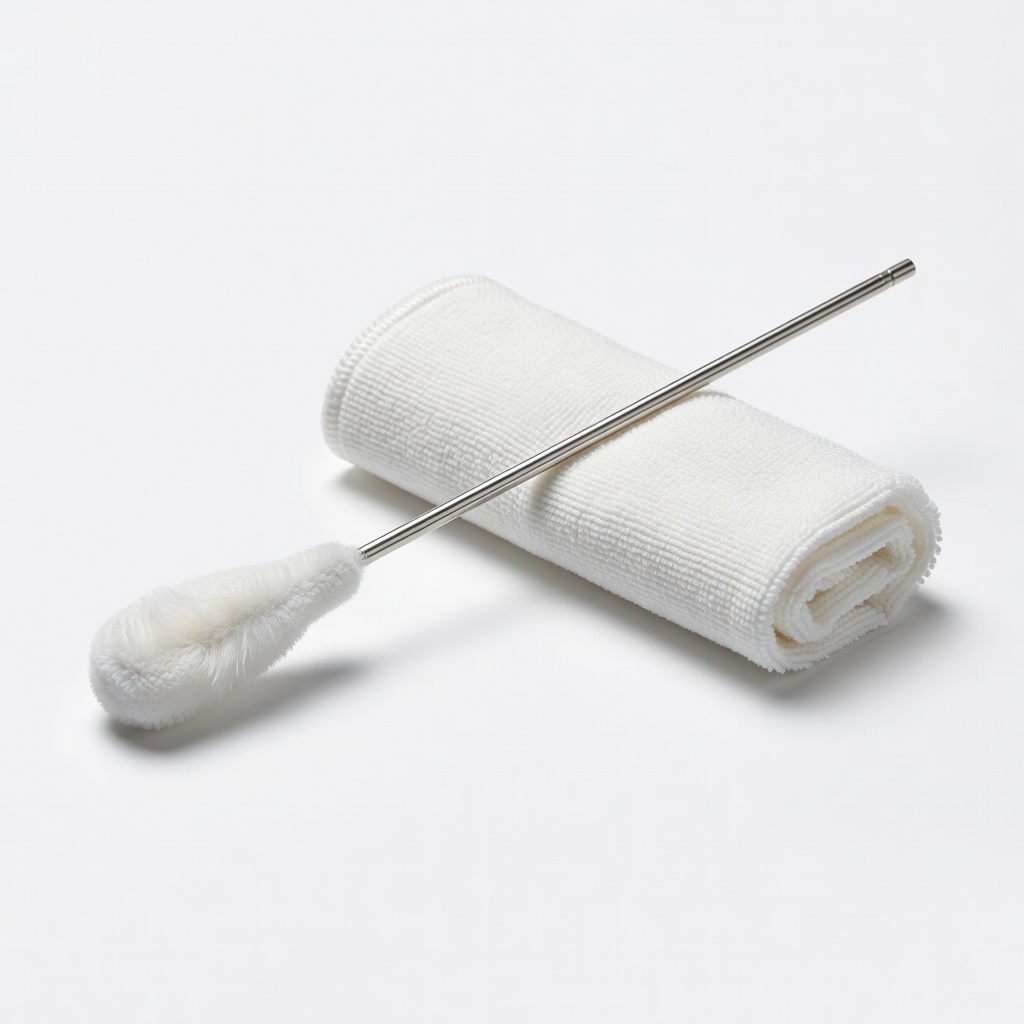
Newbies grab $20 toys that crack and squeak horribly, quitting fast – false economy. Others splurge on $1000+ models, intimidated by complexity. Skipping tuner/swab leads to bad habits and ruined pads (reviews cry 'sticky mess!').
Avoid by sticking to student C flutes under $300, buying kit-included, and practicing 10 mins daily. Experienced players say: 'My first Eastar lasted 5 years; learn basics before upgrading.'
×Buying plastic recorders thinking they're flutes
×Skipping tuner and sounding off-pitch
×Ignoring cleaning, causing sticky keys
×Choosing open-hole too soon (finger leaks)
×Overpaying for pro flutes without skills
×No case protection, bending parts
×Forgetting curved head for kids
×Quitting from squeaks without patience
📈 Your Progression Path: Beginner to Intermediate
Start with long tones and simple scales (Mary Had a Lamb), using free YouTube like Flute Center. Practice 15-30 mins daily, focus embouchure/posture. Outgrow beginner flute in 6-18 months when hitting intermediate books cleanly, wanting richer tone.
Upgrade to open-hole or silver-plated at year 1-2 with teacher. Signs ready: Playing songs fluidly, good high notes. Path: Beginner (1 year) > Intermediate (open holes, $500-1000) > Advanced (custom).
📖The Flute Book by Nancy Toff (ASIN B000Q35X4Q, $24.95): Beginner history and tips.
📖Flute Practice Pad (ASIN B08J7K8L9M, $19.99): Silent practice tool.
📖Beginner Flute Lessons DVD (ASIN B001U2W2A0, $14.99): Visual home teaching.
🎯 Bottom Line: Our Recommendations
For most beginners, grab the Lazarro (B08P9Q0R1S) – sweet spot value, easy start. Budget? Eastar EFL-1. Serious? Yamaha premium. Add tuner and swab day one.
You're not tone-deaf; everyone squeaks first. Order today, practice tomorrow – your first melody awaits. You've got this!
❓ Frequently Asked Questions
The Lazarro Beginner Flute (B08P9Q0R1S) for most – easy keys, good tone, under $150. Yamaha for premium quality.
$150-300 sweet spot for lasting value; under $150 to try, avoid under $100 junk.
Closed keys, offset G, split E, case – for easy notes without struggle.
Closed-hole student models like Eastar EFL-1 – forgiving and simple.
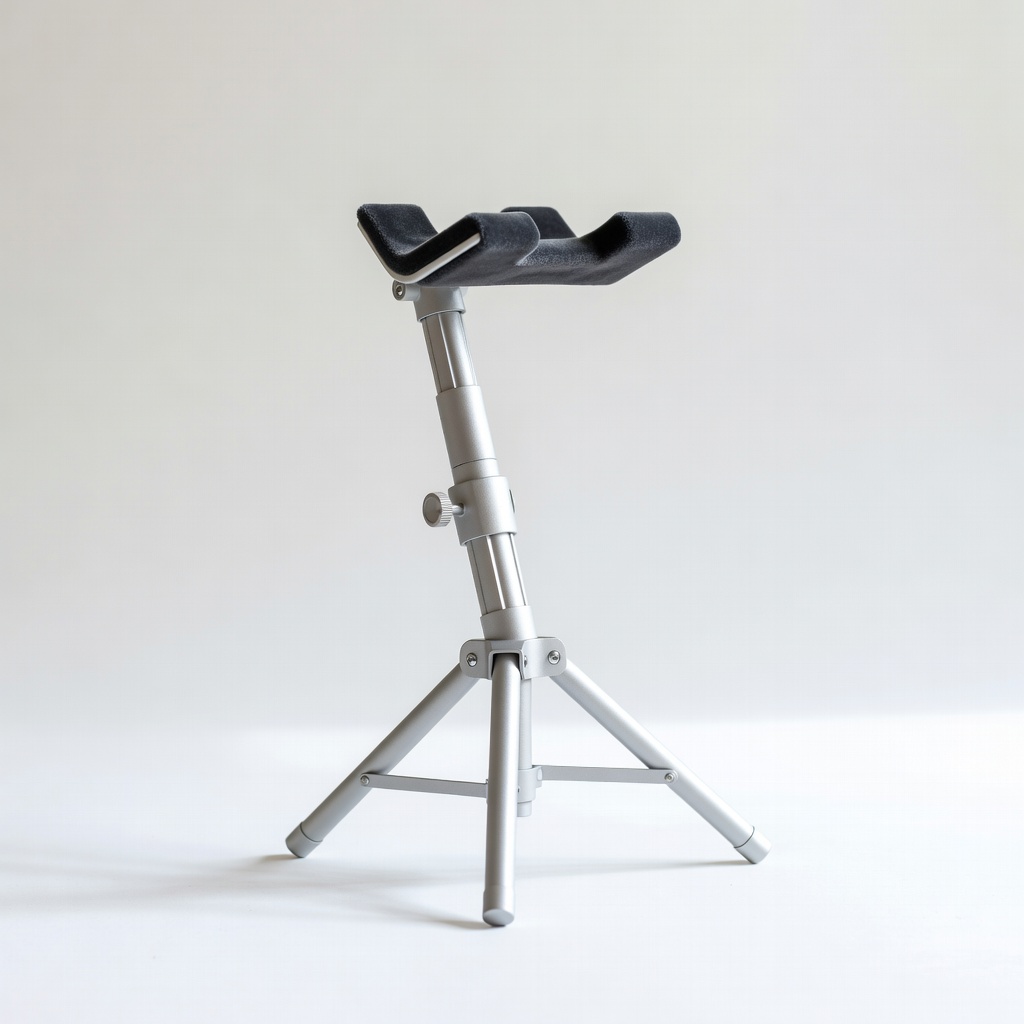
Tuner, swab, stand – essentials for tune, clean, safety.
Match budget to commitment: budget test, recommended daily fun.
Embouchure takes weeks, but right flute makes it fun – not harder than guitar.
Cheap toys, no cleaning, skipping tuner – stick to this guide.
Mostly yes, but use tuner to adjust; pros check often.