Everything beginners need to start fermenting sauerkraut, kimchi, and more at home with confidence and no overwhelm.
Choosing your first fermentation kit can feel intimidating with all the jars, lids, and gadgets out there. Beginners often worry about picking the wrong one, ending up with moldy messes, or spending money on something too complicated. But fermenting at home is simpler than you think—it's just controlled rotting of veggies for tasty, gut-healthy foods like sauerkraut or kombucha.
This guide cuts through the confusion with beginner-focused advice, top Amazon picks that are easy to use and forgiving, and tips to avoid common pitfalls. By the end, you'll know exactly what to buy, how to start, and feel excited to make your first batch.
📋 In This Guide
• Why Beginners Struggle with Fermentation Kit
• What to Look For (Key Features)
• Top 4 Beginner-Friendly Fermentation Kit
• Essential Accessories for Beginners
• Common Beginner Mistakes to Avoid
• Your Progression Path
• FAQ & Learning Resources
😰 Why Beginners Struggle with Fermentation Kit
Fermenting seems fun until you face the reality: mysterious bubbles, funky smells, and the fear of spoilage. Beginners struggle with basic stuff like keeping oxygen out (to prevent mold) or knowing when it's done. Forums like Reddit's r/fermentation are full of newbies posting pics of failed batches because their kit lacked simple airlocks or weights.
Jargon like 'airlock,' 'kraut pounder,' or 'secondary fermentation' sounds scary, and options range from cheap jars to fancy crocks. Many fear wasting money on a kit that sits unused or buying one that's too advanced, leading to frustration and giving up.
🔍 What to Look For: Key Beginner-Friendly Features
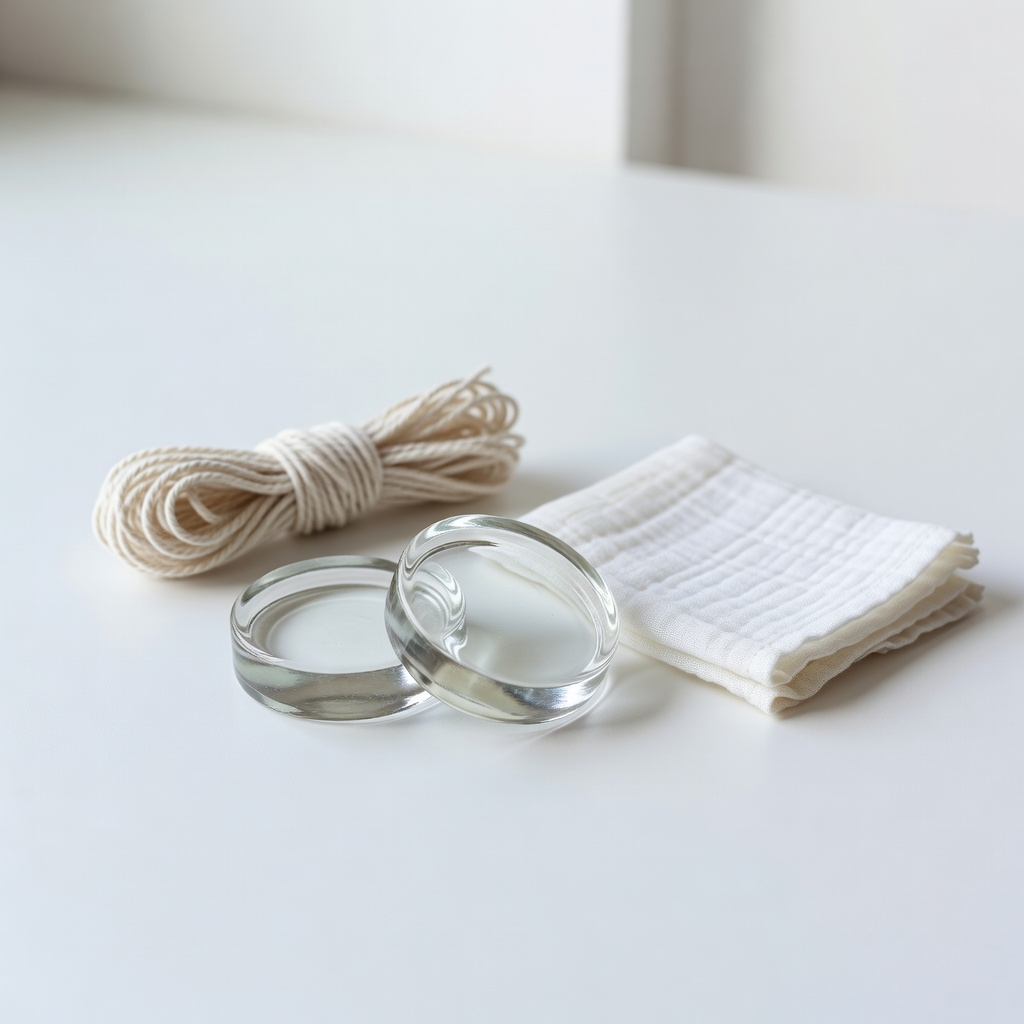
Focus on kits with glass jars (no plastic taste), easy airlock lids (let CO2 out, keep bugs in), and fermentation weights (keep veggies submerged). These are forgiving for mistakes like forgetting to burp the jar. Skip complex temperature controls—you don't need them yet.
Look for clear instructions, included recipes, and dishwasher-safe parts. Beginner-friendly kits tolerate temperature swings and have minimal pieces to clean. Check reviews for 'easy for first-timers' and good customer support.
✅ Essential Features for Beginners
•Airlock lids: Prevent oxygen in while releasing gases, stopping mold without daily checking.
•Glass jars: Clear to see progress, no chemical leaching, easy to clean.
•Fermentation weights: Keep food under brine to avoid spoilage—crucial for beginners.
•Included recipes and instructions: Step-by-step guides reduce guesswork.
•Wide-mouth design: Easy to pack veggies and clean.
•Durable, stackable parts: Forgiving if you drop or overcrowd your kitchen.
🏆 Top 4 Best Fermentation Kit for Beginners
#1
💰 Budget
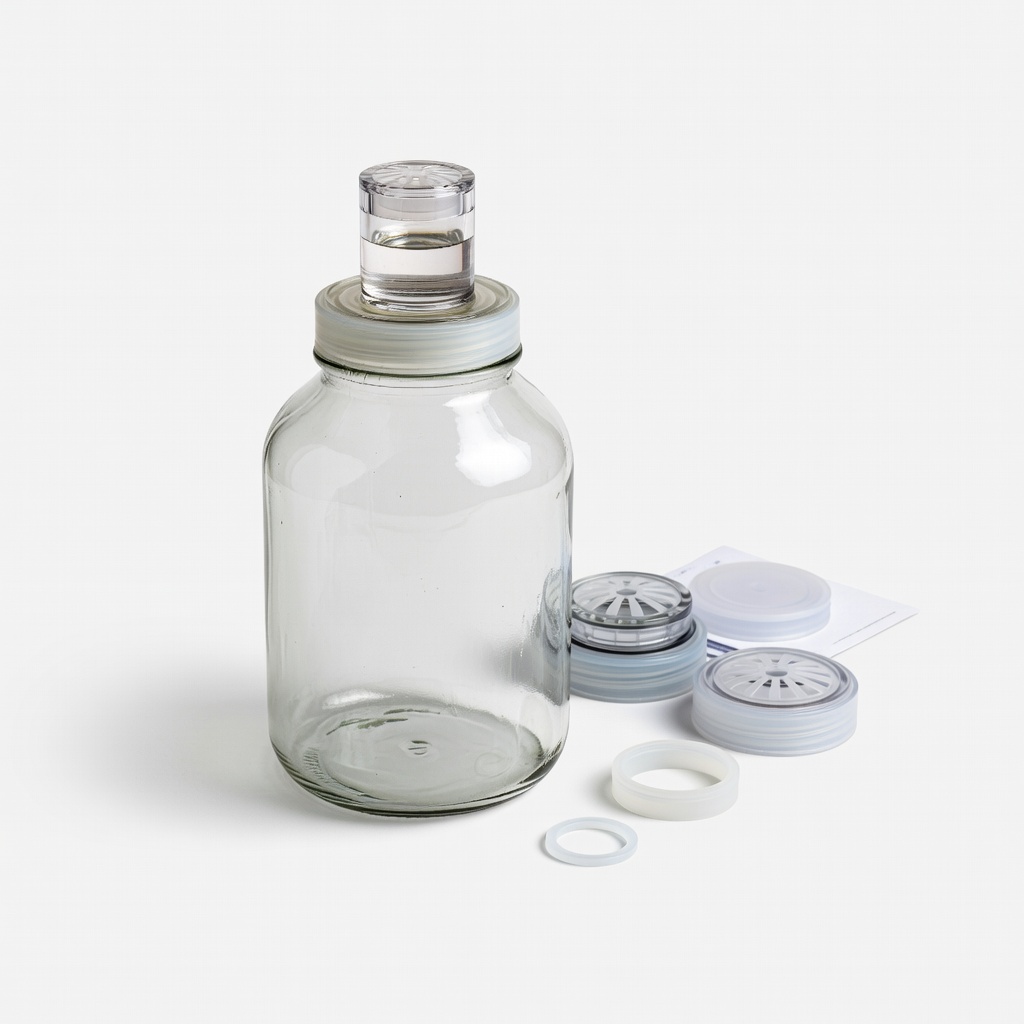
Fermentaholics Glass Fermentation Kit with 4 Wide Mouth Mason Jars
Learning Curve: Easy
$34.99
Difficulty: 1/5
Why Great for Beginners:
This kit gives you everything for small veggie batches without complexity. Airlocks and weights prevent common failures like mold, and it's super affordable to start experimenting.
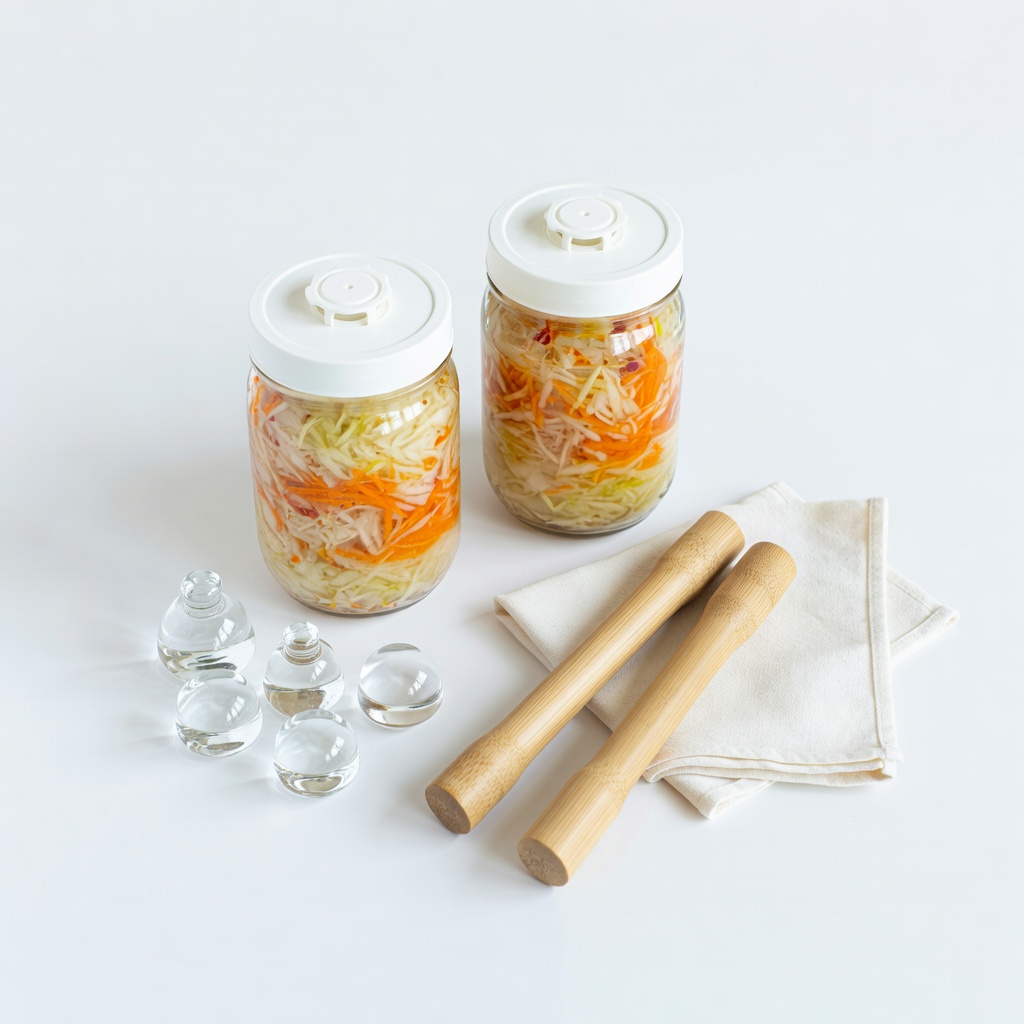
A fermentation kit is basically jars and tools to safely ferment veggies, turning cabbage into tangy sauerkraut or cukes into pickles. Gases build up during the process, so you need airlocks to vent without letting air (and bacteria) in.
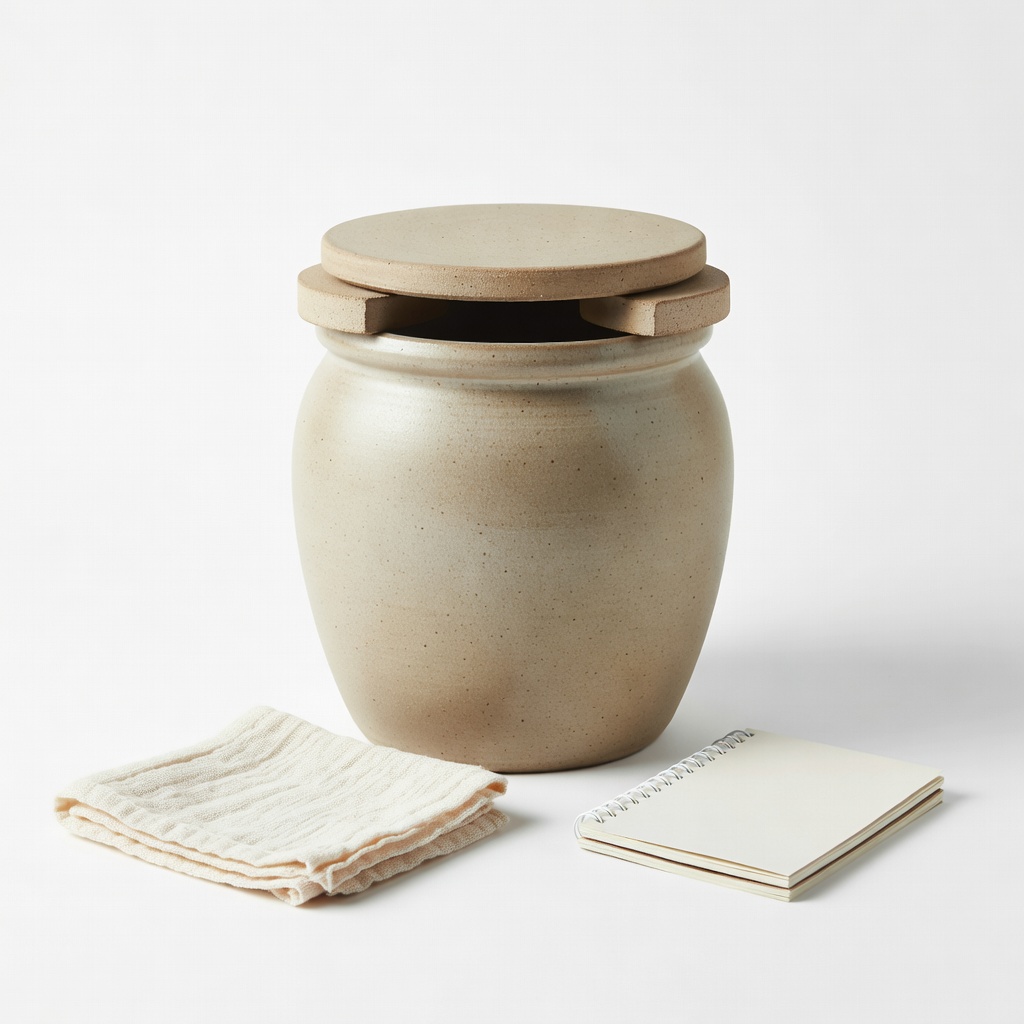
Types include mason jar kits (best for beginners—small batches, cheap), crock pots (bigger, more traditional but harder to monitor), and all-in-one systems (automatic but pricey). Start with mason jar kits: compact, visual progress, low risk.
Expect your first batches to take 7-14 days, tasting mildly sour. 'Beginner-friendly' means 5-10 parts max, no assembly hassles, and tolerance for room-temp changes (65-75°F ideal). Ignore hype like 'probiotic maximizers'—basic kits deliver healthy results.
🔧 Essential Accessories for Beginners
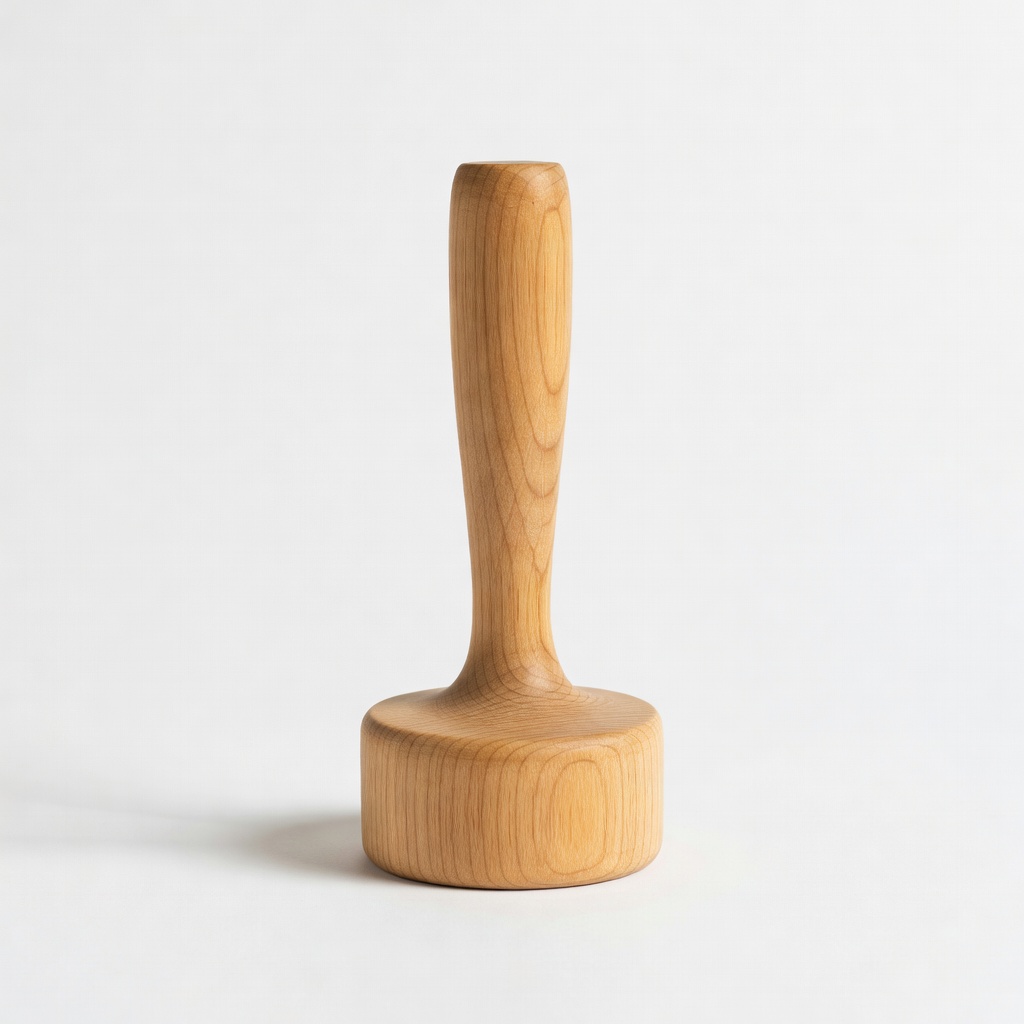
Nourished Kitchen Kraut Pounder Wooden Masher
⚠️ Essential
$19.99
When to buy:
Day one
Pounding cabbage releases juices for natural brine—without it, beginners add water and risk weak flavor or spoilage.
Ask: What will I ferment first (veggies? kombucha?)? Small jars for veggies if testing. Budget under $50 to dip toes, $50-100 for reliability. Match to space—countertop jars beat huge crocks.
Budget for trying, recommended for sticking with it (better seals, extras). Premium if committing long-term. Avoid no-name brands without reviews or plastic-only kits. Red flags: No weights included, vague instructions, or promises of 'zero effort.'
💰 Budget Guide for Beginners
200+
Advanced entry: Temperature-controlled for year-round, but overkill for pure newbies.
50 - $100
Sweet spot: Complete kits with weights, recipes—best value, forgiving for multiple batches.
Entry level: Basic jars and lids to try fermenting without big spend—may lack extras, upgrade soon.
⚠️ Common Beginner Mistakes to Avoid
Newbies grab the cheapest kit, but flimsy lids fail, leading to contaminated batches and quitting. Others splurge on electric fermenters with temp controls they ignore. Skipping weights is huge—forums show 80% of fails from floating cabbage.
Avoid by sticking to glass/airlock kits, reading instructions fully, and starting small. Experienced fermenters say: 'Master one jar before scaling up.'
×Buying plastic kits that leach flavors or crack.
×Skipping weights, letting veggies float and mold.
×Not using airlocks, causing explosions or spoilage.
×Overpacking jars, blocking gas escape.
×Ignoring temp (too hot speeds bad bacteria).
×Buying huge crocks before small success.
×No recipes, guessing ratios.
📈 Your Progression Path: Beginner to Intermediate
Start with shredding cabbage, salting, pounding, jarring—learn brine and burping. After 5-10 batches, try kimchi or pickles. Outgrow beginner kits when wanting bigger volumes or temp control (e.g., winter ferments).
Upgrade to crocks at 3-6 months, or add heaters. Intermediate: Custom recipes, longer ferments. Most stay beginner 1-3 months.
📚 Learning Resources for Beginners
📖The Art of Fermentation by Sandor Katz (ASIN: B0050M6LPO)
📖Fermenting For Dummies (ASIN: B07G4J6Q5R)
📖Nourished Kitchen's Fermentation Starter Guide Book (ASIN: B08K3N4P2Q)
📖Wild Fermentation Cookbook (ASIN: B000FC1J1K)
📖pH Meter for Precise Testing (ASIN: B07V5R8N3T)
🎯 Bottom Line: Our Recommendations
For most beginners, grab the Jillmo or Masontops recommended kits—easy wins without fuss. Budget? Fermentaholics. Premium committed? Ohio Stoneware.
Add a pounder and weights day one. You'll be eating homemade sauerkraut in two weeks—celebrate that first success! Next: Follow a simple recipe and track your batches.
❓ Frequently Asked Questions
The Jillmo Fermentation Kit (B09J2K3L4M) or Masontops (B08N5WNW2M)—easy airlocks, weights, and recipes make success simple.
$50-100 sweet spot for reliable glass kits with extras; under $50 to test, avoid super-cheap plastics.
Airlock lids, glass jars, weights, wide mouths, and starter recipes—forgiving and visual.
Fermentaholics (B08L62DZM5)—minimal parts, foolproof for first sauerkraut.
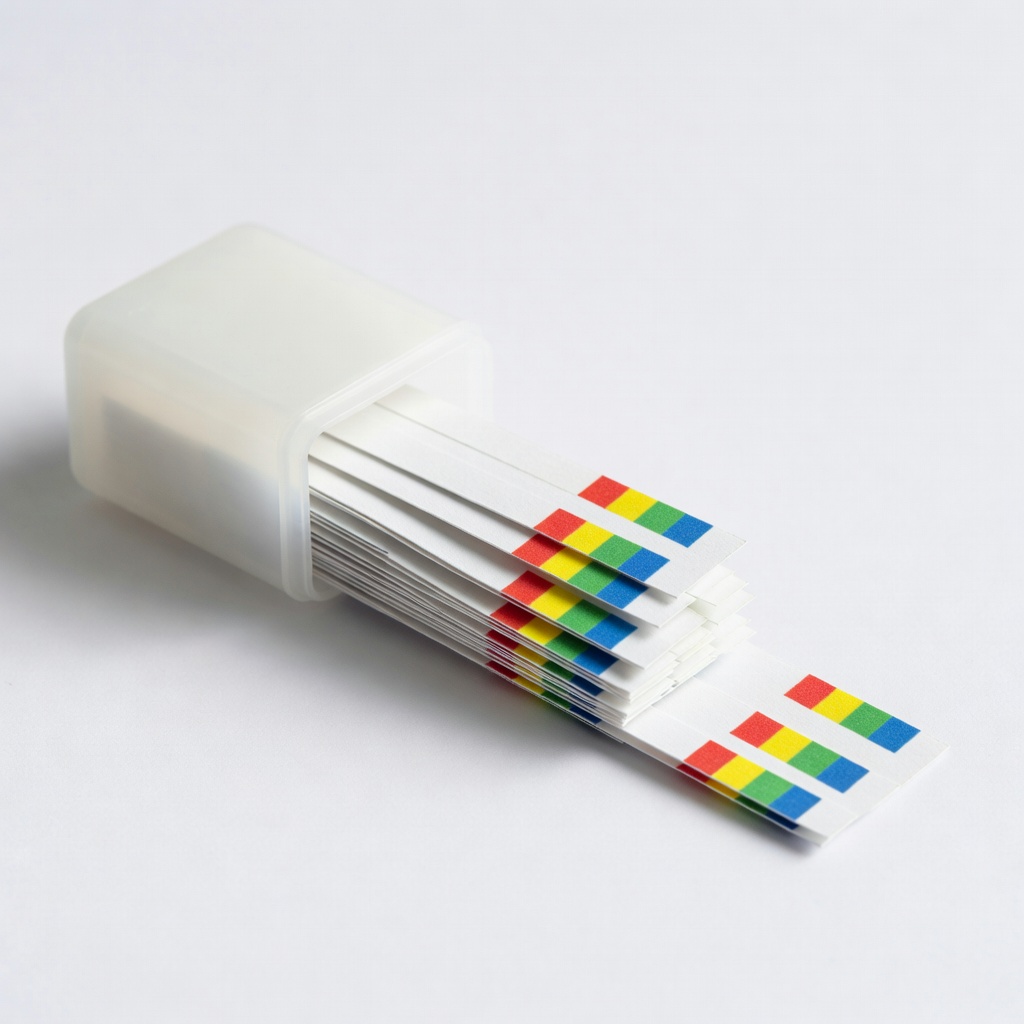
Kraut pounder, weights, pH strips—essentials for brine and safety.
Match to veggie ferments, budget $50+, check airlocks/weights in reviews.
No—with right kit, it's waiting 7-10 days; mistakes teach fast.
No weights (mold), wrong temp, skipping airlocks—buy complete kits to avoid.