7 Best Best Ergonomic Office Chair for beginners in 2026: Tested…
Everything beginners need to know to choose their first Ergonomic Office Chair with confidence
Choosing your first ergonomic office chair can feel overwhelming. With dozens of brands, confusing terms like 'lumbar support' and 'adjustable armrests,' and prices ranging from $100 to over $1,000, it’s easy to get lost. This guide cuts through the noise. We’ll explain what features actually matter for a beginner, help you set a realistic budget, and recommend tried-and-true chairs that won’t break the bank. By the end, you’ll know exactly which chair fits your body, workspace, and wallet.
📋 In This Guide
• Why Beginners Struggle with Ergonomic Office Chair
• What to Look For (Key Features)
• Top 4 Beginner-Friendly Ergonomic Office Chair
• Essential Accessories for Beginners
• Common Beginner Mistakes to Avoid
• Your Progression Path
• FAQ & Learning Resources
😰 Why Beginners Struggle with Ergonomic Office Chair
Most beginners don’t know what ‘ergonomic’ really means—it’s not just a trendy label. Terms like ‘seat depth adjustment,’ ‘tilt tension,’ and ‘mesh back’ get thrown around without explanation. Combine that with hundreds of models on Amazon, and it’s easy to buy the wrong thing. Many first-timers also underestimate the importance of fit: a chair that’s too big or small can cause even more discomfort than a cheap chair. Without a clear buying framework, beginners often either overspend on unnecessary features or underinvest in a chair that breaks down within months.
🔍 What to Look For: Key Beginner-Friendly Features
As a beginner, focus on four core features: adjustable seat height, lumbar support, armrest adjustability, and a comfortable seat cushion. These give you the most benefit for your money. You don’t need premium features like 4D armrests or memory-foam upholstery yet. Look for a chair that fits your body size—the seat should be wide enough for your hips, and the backrest should support your spine’s natural curve. A forgiving chair tolerates occasional slouching, so don't stress about perfect posture. Avoid chairs with only fixed arms or no lumbar adjustment; they’ll likely cause pain later. Remember: easy adjustability (levers instead of knobs) makes life simpler for beginners.
✅ Essential Features for Beginners
•Seat height adjustment (pneumatic lever) – lets you align your hips and knees at 90°
•Lumbar support (adjustable) – supports your lower back’s natural curve
•Armrest adjustment (height and/or width) – allows your elbows to rest at desk height
•Seat cushion (dense foam or mesh) – prevents pressure points during long sits
•Tilt lock and tension control – lets you recline safely or lock upright
•Sturdy base and smooth casters – prevents tipping and rolls easily
🏆 Top 4 Best Ergonomic Office Chair for Beginners
#1
💰 Budget
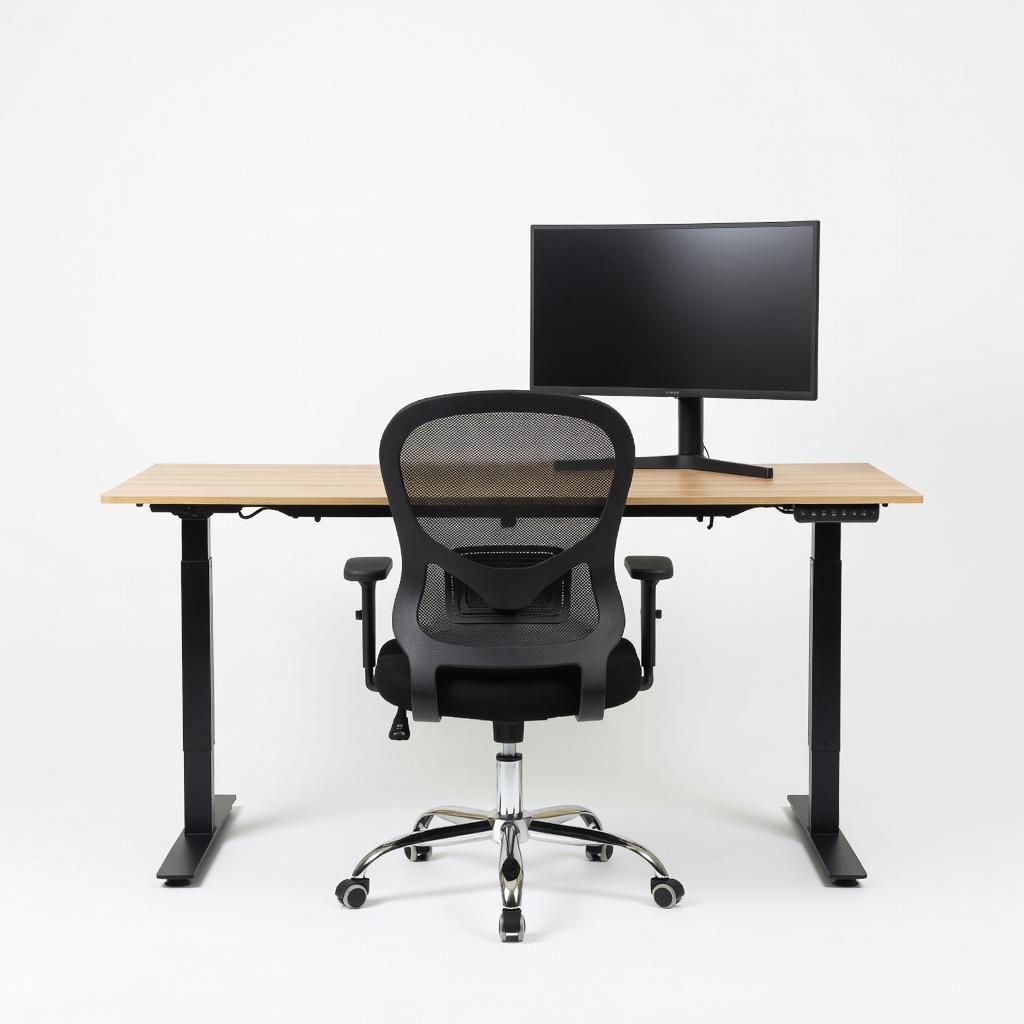
Hbada Office Chair Ergonomic Desk Chair with Lumbar Support
Learning Curve: Easy
$149.99
Difficulty: 1/5
Why Great for Beginners:
Affordable and simple to assemble. Offers adjustable lumbar support and tilt lock. Great for testing ergonomic features without a big investment.
✓ Beginner Pros
+Low price entry point
+Easy assembly with clear instructions
+Basic height and tilt adjustments
+Comfortable mesh back for airflow
+Decent lumbar support for the price
✗ Beginner Cons
-Armrests are not adjustable
-Seat cushion may flatten after 6 months
-Not ideal for tall users over 6'0"
-Limited weight capacity (250 lbs)
👍 Best for: Budget-conscious beginners working from home 4–6 hours a day
👎 Not for: Heavy users or those who need extensive adjustability
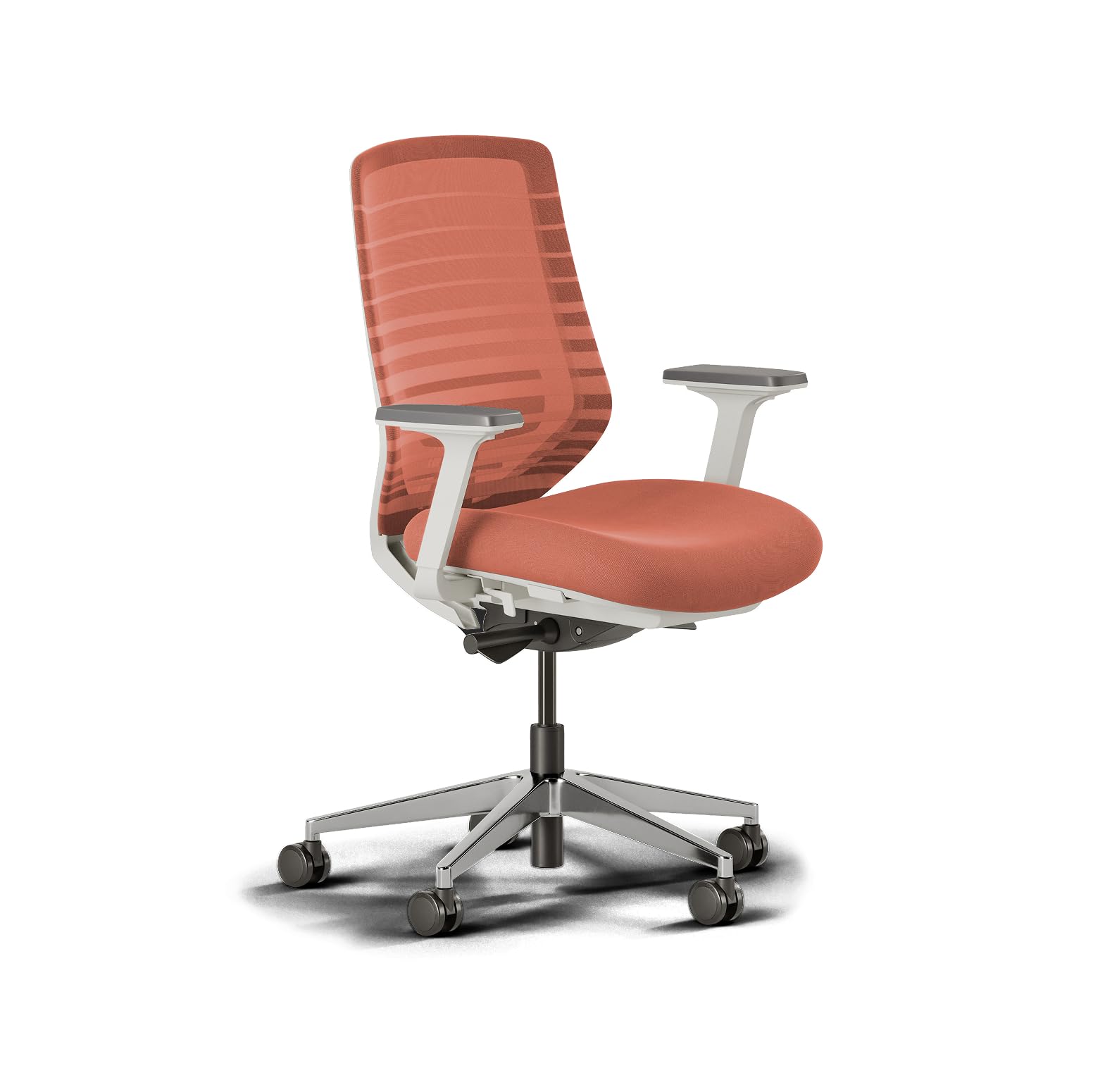
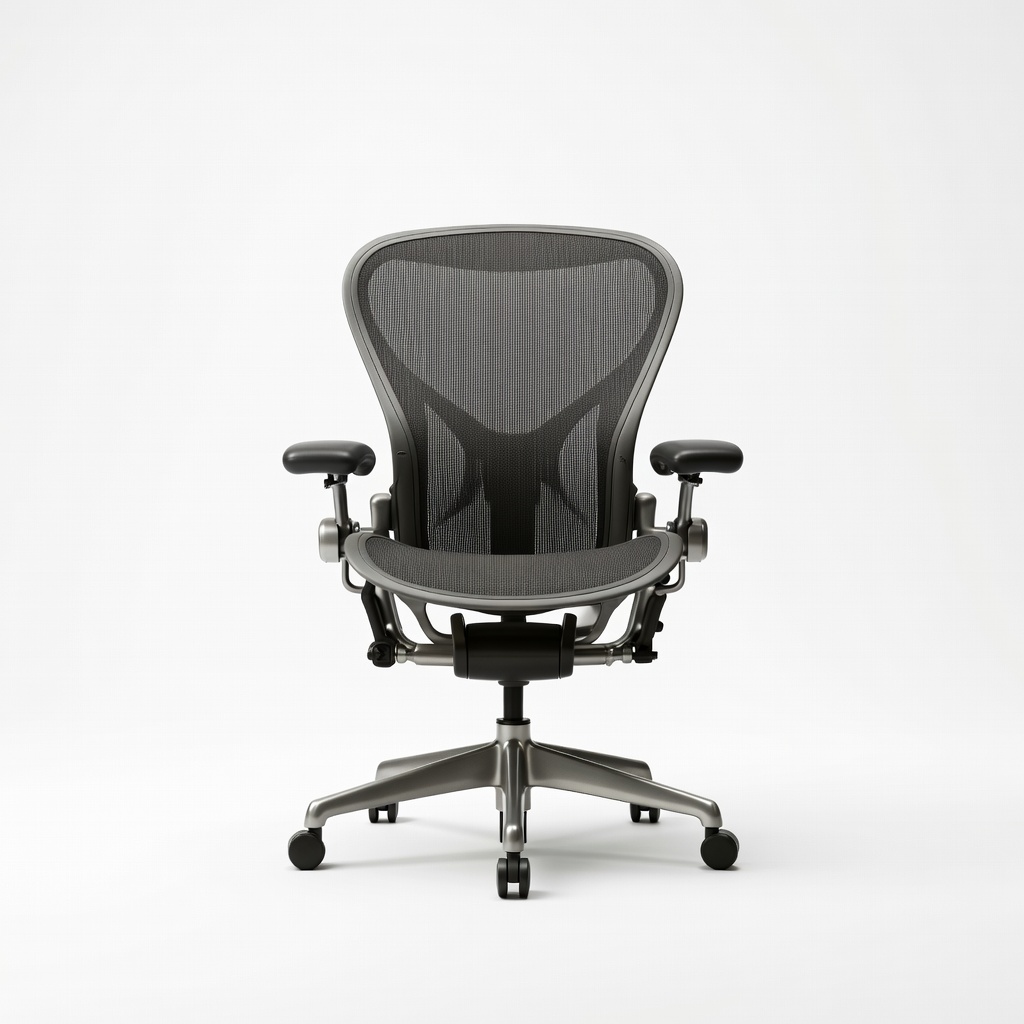
Premium build with intuitive controls. The seat depth adjustment and 4D armrests are rare at this price. Excellent for those ready to invest in long-term comfort.
✓ Beginner Pros
+User-friendly levers for all adjustments
+Excellent lumbar support (adjustable height and depth)
+Seat depth slider for short and long legs
+Durable mesh back and thick foam seat
+10-year warranty
✗ Beginner Cons
-Higher upfront cost
-No headrest included (sold separately)
-Armrests have slight wobble
-Not as breathable as all-mesh chairs
👍 Best for: Serious beginners who sit 8+ hours daily and want a chair that lasts
👎 Not for: Beginners on a tight budget or those who need a headrest
📖 Complete Beginner's Guide to Ergonomic Office Chair
An ergonomic office chair is designed to support your body during long hours of sitting, reducing strain on your back, neck, and shoulders. The key parts are: seat base, backrest, armrests, and base with casters. For beginners, the best type is a mid-back chair with adjustable lumbar support—it gives ample back support without overwhelming you with controls. Avoid high-back ‘executive’ chairs if you’re short; they can push your head forward. Also skip heavy-duty gaming chairs (they often lack proper lumbar support). A good beginner chair lets you sit with your feet flat on the floor, knees at 90°, and elbows close to your body. Realistically, you won’t get perfect posture overnight. Aim for a chair you can adjust in 2–3 ways (height, lumbar, armrests) and that encourages some movement. Marketing terms like ‘orthopedic’ or ‘mesh technology’ often mean little; focus on adjustability and solid construction.
🔧 Essential Accessories for Beginners
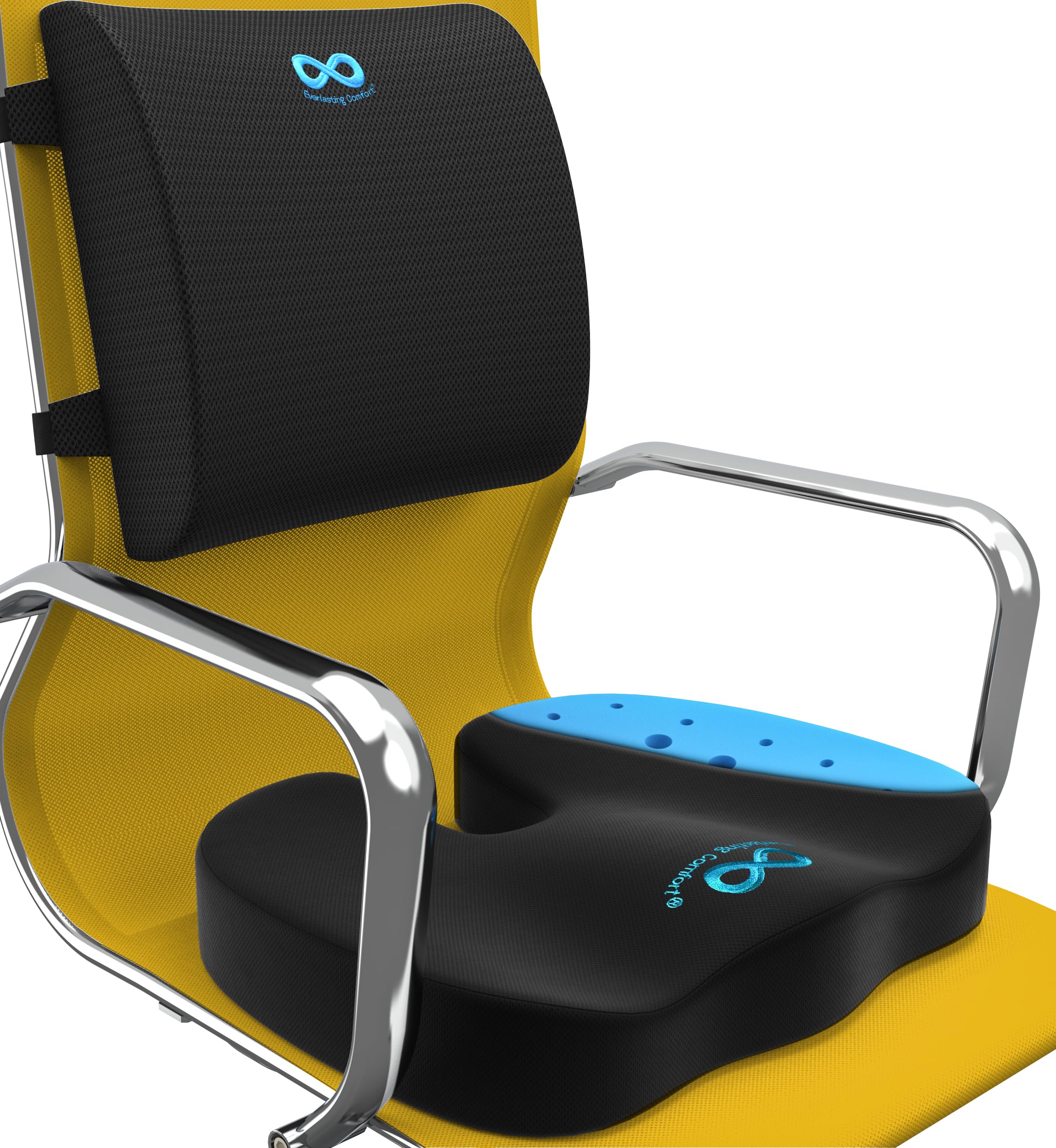
Everlasting Comfort Lumbar Support Cushion
⚠️ Essential
$29.99
When to buy:
Day one
Most budget chairs have thin lumbar support. This cushion fills the gap, providing targeted lower back relief and preventing slouching.
Beginner Benefits:
• Easy to install
• Adds lumbar support to any chair
• Adjustable height via strap position
• Helps beginners feel what 'good' support is like
Start by measuring your desk height and the space under your desk (for chair height range). Ask yourself: Do I need headrest support? (Most beginners don’t, unless you’re tall and want to lean back.) How many hours a day will I sit? (If 8+, invest in a quality chair.) What’s my priority—cool mesh or soft cushion? (Mesh breathes but may feel firm; foam cushions are softer but can wear out.) For budget: under $150 gets you a basic chair that may lack durability; $150–$300 is the sweet spot for longevity and comfort; over $300 gives premium adjustability and materials. Red flags: chairs with only a one-year warranty, no lumbar adjustment, or that come unassembled without clear instructions. Choose a chair from a reputable return-friendly brand (Amazon’s free returns help).
💰 Budget Guide for Beginners
500+
Professional entry – top-tier ergonomics and build, often overkill for beginners
150 - $300
Sweet spot – best value with core adjustments, suitable for daily use of 4–8 hours
300 - $500
Premium beginner – quality materials, more adjustments, ideal for 8+ hour days
Under $ - $150
Entry level – basic features, may lack durability but good for trying out ergonomics
⚠️ Common Beginner Mistakes to Avoid
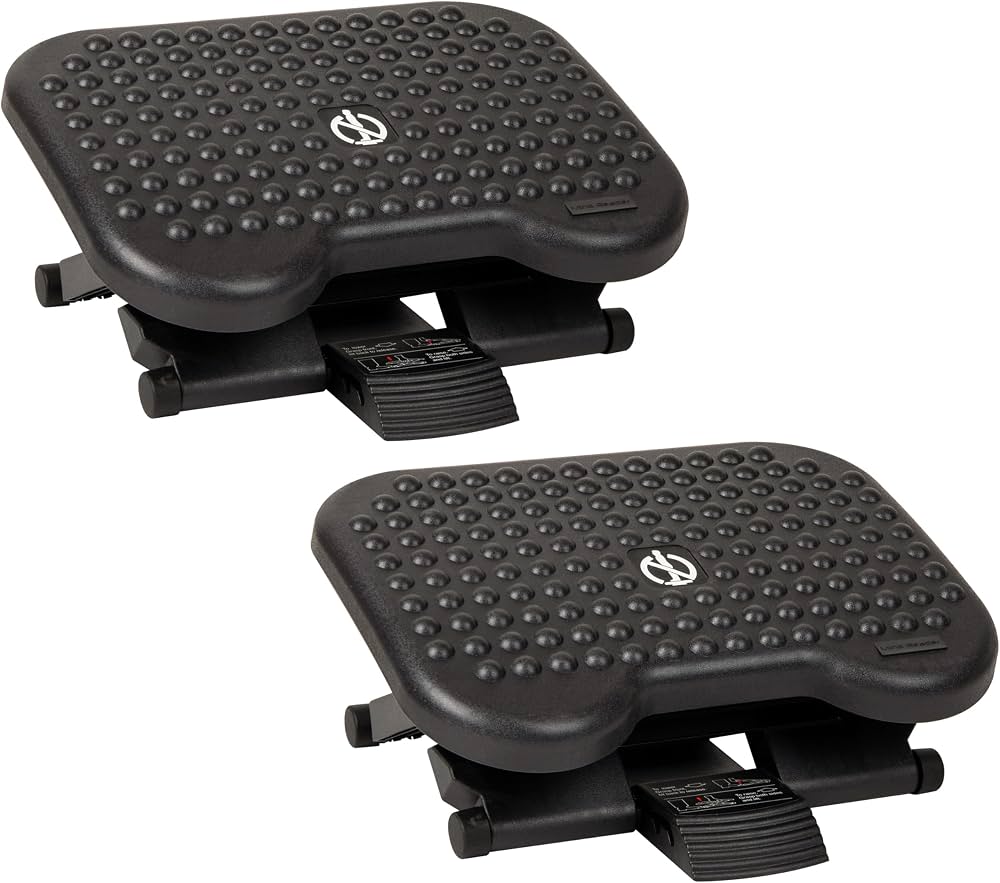
Buying too cheap and ending up with a painful chair that you replace in six months. Also, buying too expensive because you think you need all the features (like adjustable seat pan or headrest) when a simpler chair would do. Many beginners skip checking the weight capacity or seat width—if the chair is too narrow, it’s uncomfortable. Another common mistake: ignoring the need for a footrest or cushion when the chair doesn’t fit your exact body proportions. Finally, beginners often assemble the chair incorrectly or fail to adjust it properly after setup, so they never experience the ergonomic benefits.
×Buying a chair with no lumbar adjustment
×Choosing a chair that’s too big or too small for your body
×Overlooking weight capacity and seat width
×Skipping essential accessories like a footrest
×Spending too much on unnecessary features
×Not adjusting the chair properly after assembly
📈 Your Progression Path: Beginner to Intermediate
Start by mastering your chair’s adjustments: seat height, lumbar position, and armrest angle. After a month, you’ll notice if you need more support (like a lumbar wedge) or a headrest. As you sit longer, you might want a chair with more refined adjustments (e.g., forward tilt for typing). Signs you’ve outgrown your beginner chair: you’ve been sitting 8+ hours daily for over a year, and you’re looking for features like seat depth adjustment or mesh back. Next upgrade would be a chair like a Steelcase Series 1 or a higher-end SIHOO model. Most beginners stay in the $200–$300 range for 2–3 years before upgrading.
📚 Learning Resources for Beginners
📖Book: 'Sitting: The Ergonomic Guide' by Dr. Michael Hart (ASIN B07P1V1J7M)
📖Online course: 'Ergonomics for the Home Office' on Udemy (available via Amazon Video)
📖Practice tip: Use a timer to remind you to stand every 30 minutes
🎯 Bottom Line: Our Recommendations
For most beginners, the SIHOO Ergonomic Office Chair offers the best balance of adjustability, comfort, and price at around $250. If you’re on a tight budget, the Hbada Office Chair for ~$150 gets you the essentials. For a premium feel without breaking the bank, consider the Branch Ergonomic Chair at $300. Pair any chair with a lumbar cushion if the built-in support isn’t enough, and add a footrest if your feet don’t reach the floor. Remember: no chair fixes posture overnight—take breaks and stretch. You’ve got this!
❓ Frequently Asked Questions
The SIHOO Ergonomic Office Chair ($220) is widely recommended for beginners due to its comprehensive adjustability (lumbar, armrests, headrest) and breathable mesh back at a reasonable price.
Most beginners should budget $150–$300. Under $150 often sacrifices comfort and durability, while over $300 gives premium features that may not be necessary for first-time users.
Prioritize adjustable seat height, lumbar support, and armrests. Tilt lock and seat depth are nice bonuses. Avoid chairs without these basics.
The Hbada Office Chair is one of the easiest to assemble, with only a few parts and clear instructions. Most chairs come with tools and can be set up in under 30 minutes.
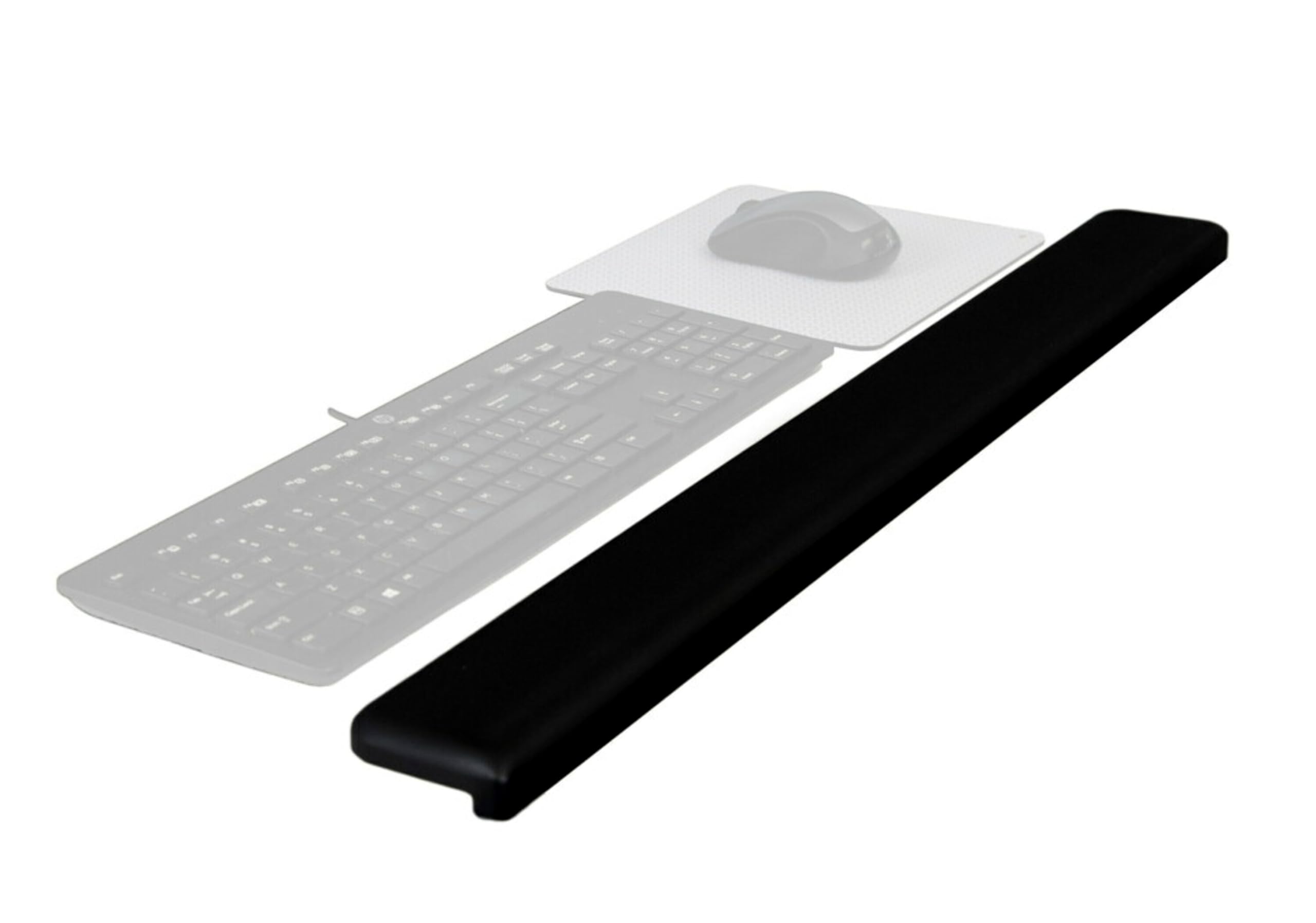
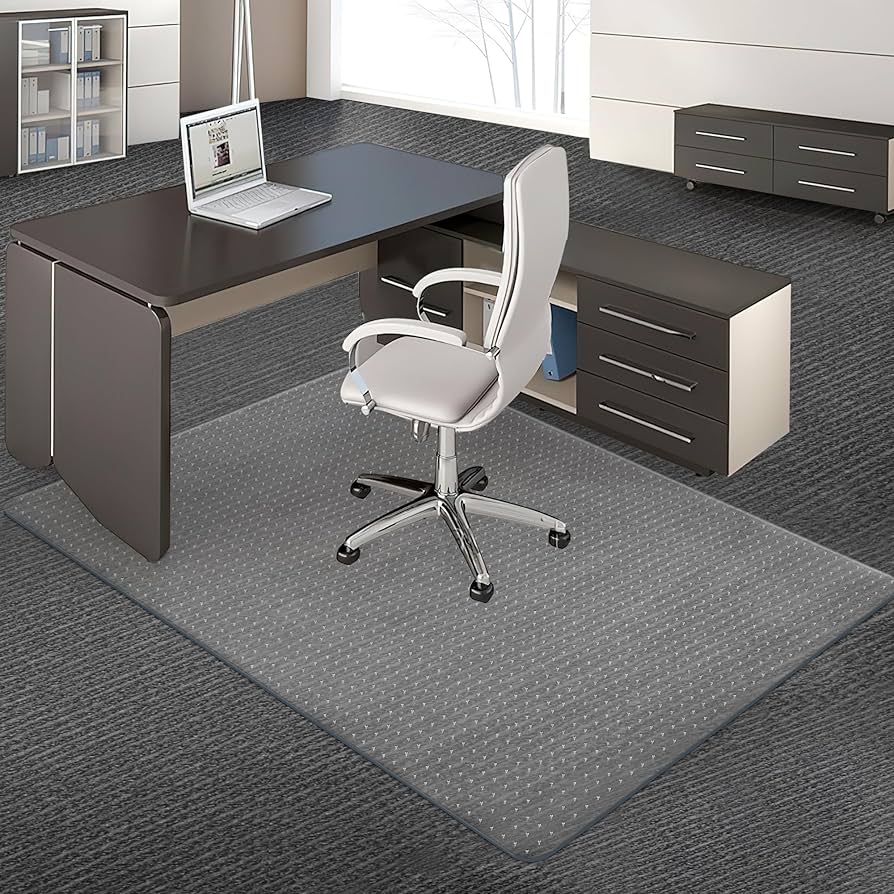
Essential: lumbar support cushion if built-in is weak, and a footrest if feet don't reach floor. Highly recommended: wrist rest for typing and chair mat for carpet.
First, measure your desk height and space. Then, check weight capacity and seat width to match your body. Look for at least three adjustments (height, lumbar, arms). Read Amazon reviews for assembly difficulty and comfort from users with similar height/weight.
Not really. Your back may feel tired the first few days as it adjusts to proper support. Follow the adjustment guides, and within a week you'll notice less strain.
Common mistakes: buying a chair without lumbar adjustment, choosing one that's too big or small, ignoring weight limits, and not adjusting the chair after assembly.
Yes, most Amazon chair sellers offer free returns within 30 days. Read the return policy before buying.
A well-made chair in the $200–$300 range should last 3–5 years with daily use. Budget chairs may start sagging after a year.