Everything beginners need to choose their first electronic drum set with confidence—no overwhelm, just simple picks and tips.
Picking your first electronic drum set can feel scary—like you're about to drop money on something too complicated or wrong for you. Beginners often worry about noisy neighbors, tricky setup, or buying junk that breaks right away. But electronic drums are perfect for starters because they're quiet, apartment-friendly, and forgiving.
This guide cuts through the confusion. We'll explain why beginners struggle, what features really matter (in plain English), and give you exact Amazon picks that are easy to use and built for newbies. By the end, you'll know exactly what to buy, feel confident hitting play on your drumming journey, and avoid costly mistakes.
📋 In This Guide
• Why Beginners Struggle with Electronic Drum Sets
• What to Look For (Key Features)
• Top 4 Beginner-Friendly Electronic Drum Sets
• Essential Accessories for Beginners
• Common Beginner Mistakes to Avoid
• Your Progression Path
• FAQ & Learning Resources
😰 Why Beginners Struggle with Electronic Drum Sets
Beginners dive into electronic drum sets and get hit with walls of tech talk like 'mesh heads,' 'module sensitivity,' and 'polyphony' that make eyes glaze over. Forums like Reddit's r/drums are full of newbies frustrated by cheap kits that feel flimsy or sound fake, leading to quick regret and returns.
The sheer number of options—over 1,000 on Amazon—paralyzes choices. Many fear buying too big for their space or too quiet to feel real. Without guidance, they miss quiet operation for apartments or easy apps for learning, ending up with setups that gather dust.
🔍 What to Look For: Key Beginner-Friendly Features
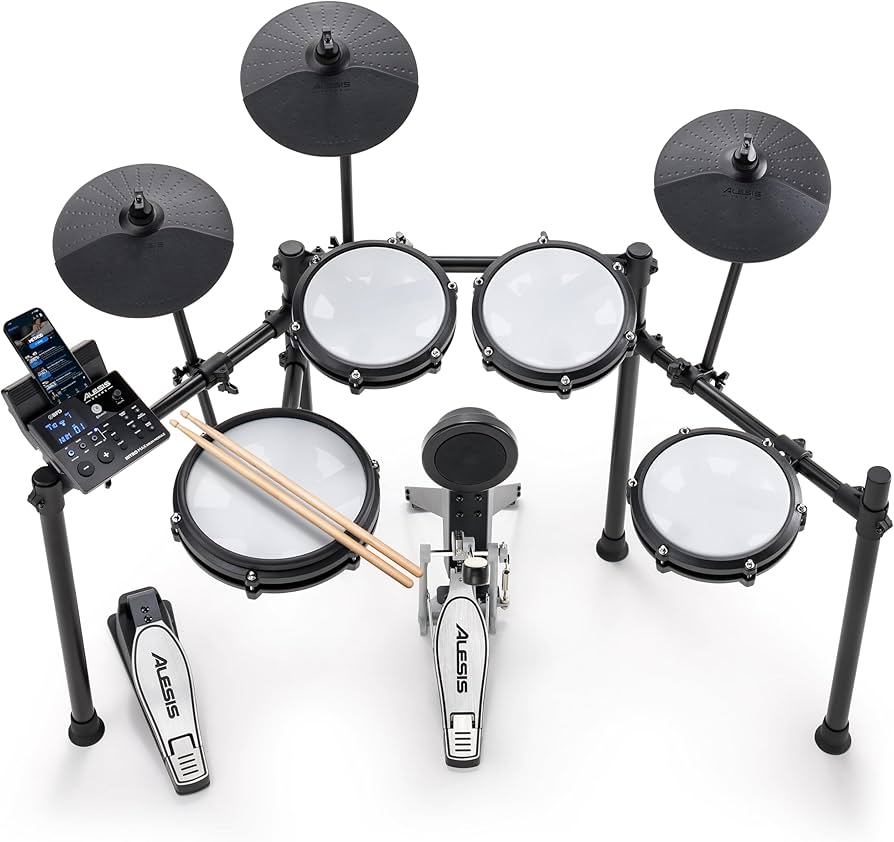
For beginners, focus on kits with mesh heads—they're quiet (like tapping a pillow) and feel realistic without the boom of plastic pads. Look for 8+ pads including snare, toms, hi-hat, crash, and ride, plus easy plug-and-play modules with built-in songs and metronomes.
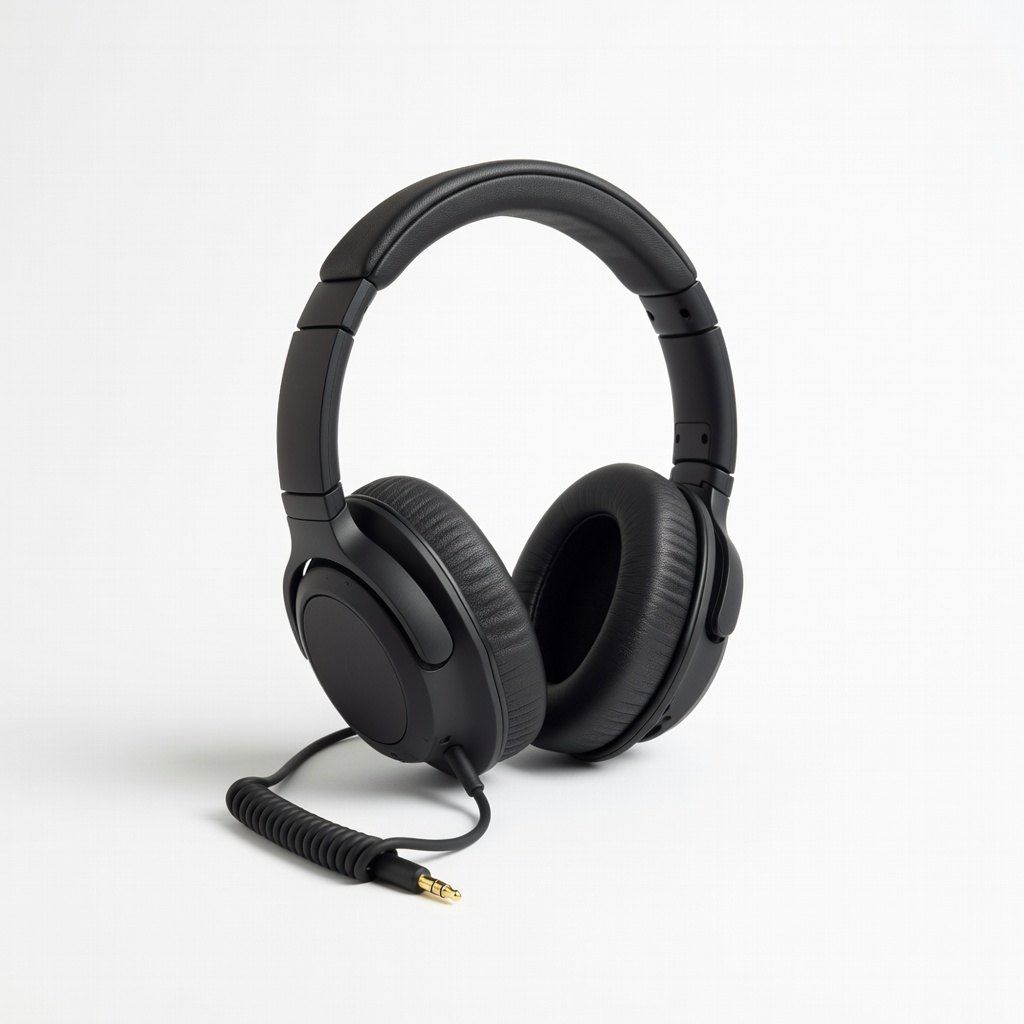
Must-haves: Bluetooth for phone lessons, sturdy rack that doesn't wobble, and headphone jack for silent practice. Skip fancy sound libraries or 1000+ voices—you won't use them yet. Beginner kits should assemble in under an hour, tolerate heavy hits, and have apps or tutorials.
✅ Essential Features for Beginners
•Mesh heads for quiet, realistic feel
•Built-in metronome and songs for practice
•Bluetooth connectivity for easy lessons
•Sturdy, adjustable rack for stability
•Headphone output for silent playing
•Simple module with coaching modes
•8+ pads covering full basic kit
•Quick assembly under 1 hour
🏆 Top 4 Best Electronic Drum Sets for Beginners
#1
💰 Budget
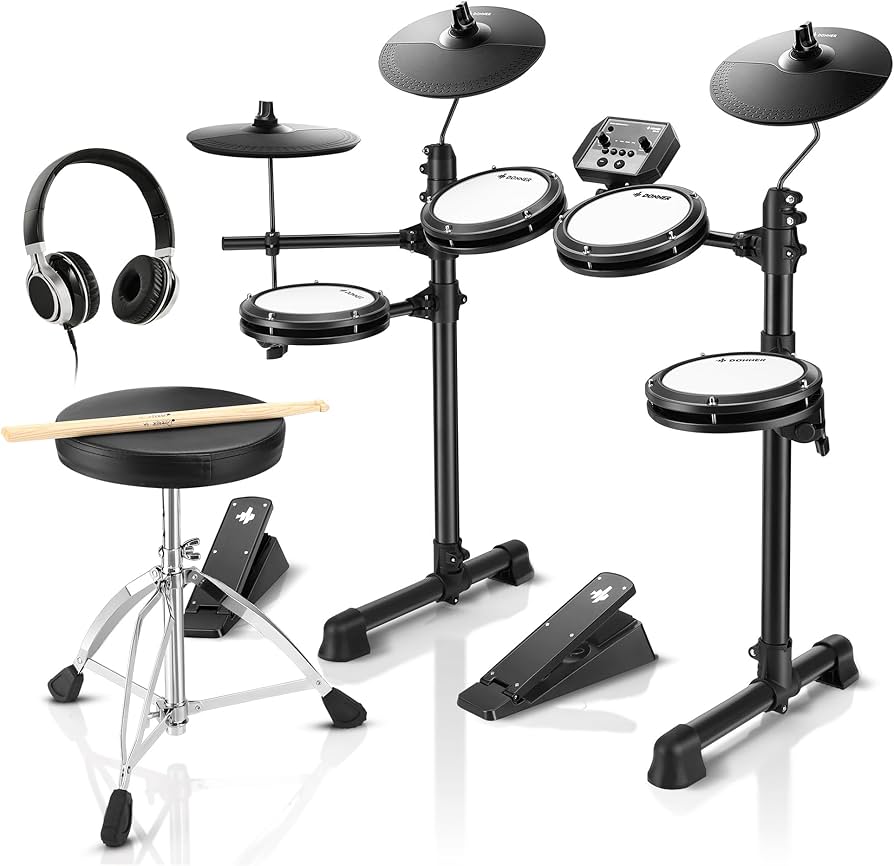
Donner DED-80 Electronic Drum Set
Learning Curve: Easy
$259.99
Difficulty: 1/5
Why Great for Beginners:
Perfect entry with mesh heads and 8 pads for full sound without noise. Bluetooth lessons make learning fun and easy right away.
📖 Complete Beginner's Guide to Electronic Drum Sets
Electronic drum sets mimic acoustic drums electronically: pads send signals to a 'brain' (sound module) that plays drum sounds through headphones or speakers. Mesh heads use tensioned fabric for a natural bounce and low volume—ideal for beginners in small spaces.
Types include compact (4-5 pads for desks), full kits (8+ pads like real drums), and portable. Beginners do best with full mesh kits: they're forgiving on timing, have coaching lights/sounds, and grow with you. Avoid rubber pads—they're loud and unresponsive.
Expect to play basic beats in weeks, not pro solos. 'Beginner-friendly' means intuitive apps, auto-setup, and mistake-tolerant response. Marketing like 'pro quality' often hides steep curves—stick to kits with 4+ star newbie reviews.
🔧 Essential Accessories for Beginners
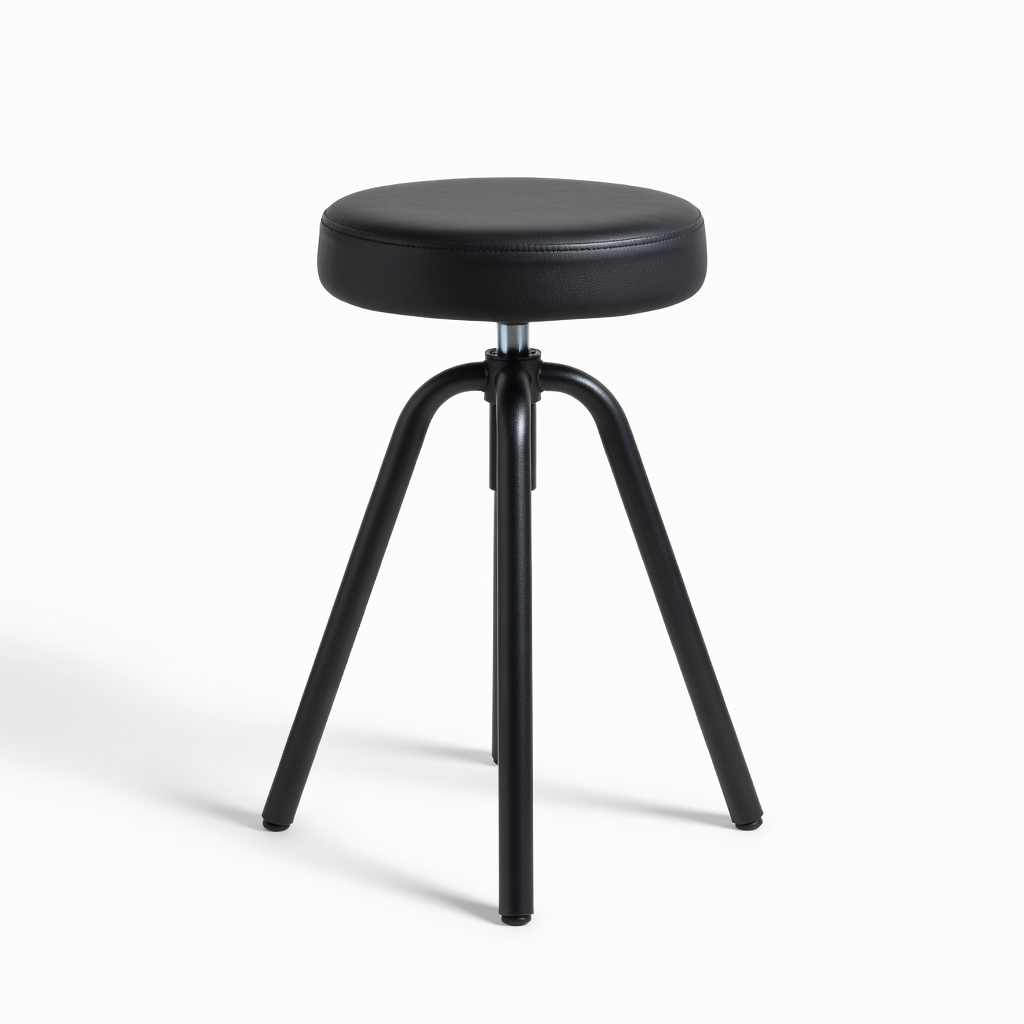
Donner Drum Throne Adjustable Stool
⚠️ Essential
$69.99
When to buy:
Day one
Comfort prevents back pain during long sessions. Adjustable height fits anyone.
Ask: Space? (compact under 4ft wide). Noise? (mesh only). Use? (home practice = Bluetooth lessons). Budget? Start here.
Under $300: Try it out. $300-500: Sweet spot, lasts years. $500+: Serious commitment. Test virtually via Amazon previews; read 'easy setup' reviews. Go recommended for most—balances fun and growth without overwhelm.
Red flags: No mesh, wobbly racks, complex modules. Prioritize growth: room for cymbals later.
💰 Budget Guide for Beginners
800+
Advanced entry - for dedicated with space/budget
300 - $500
Sweet spot - full features, quiet, grows with you for most beginners
500 - $800
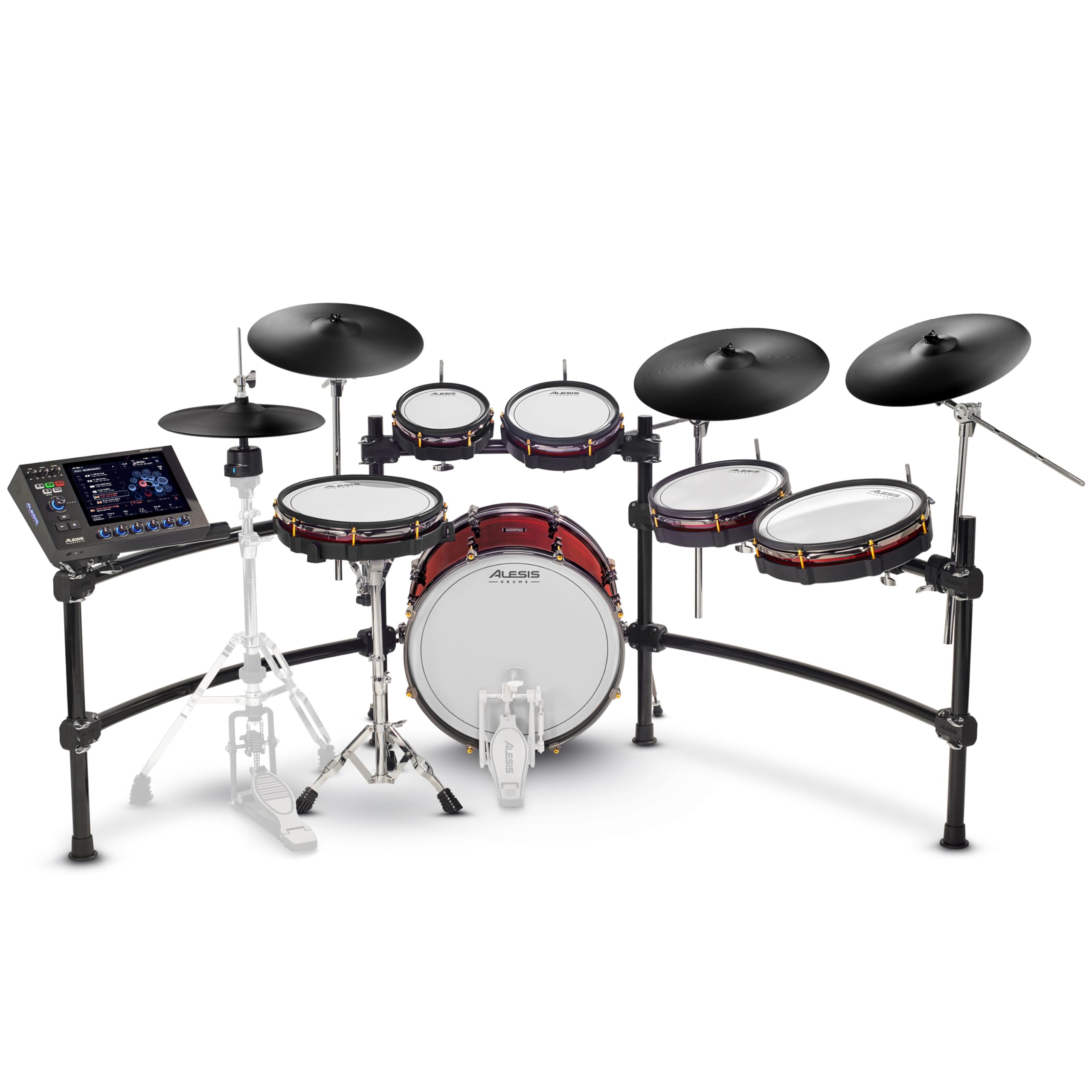
Premium beginner - pro feel, expandable, rarely outgrow
Under $ - $300
Entry level - basic mesh kit to dip toes, may feel limited soon
⚠️ Common Beginner Mistakes to Avoid
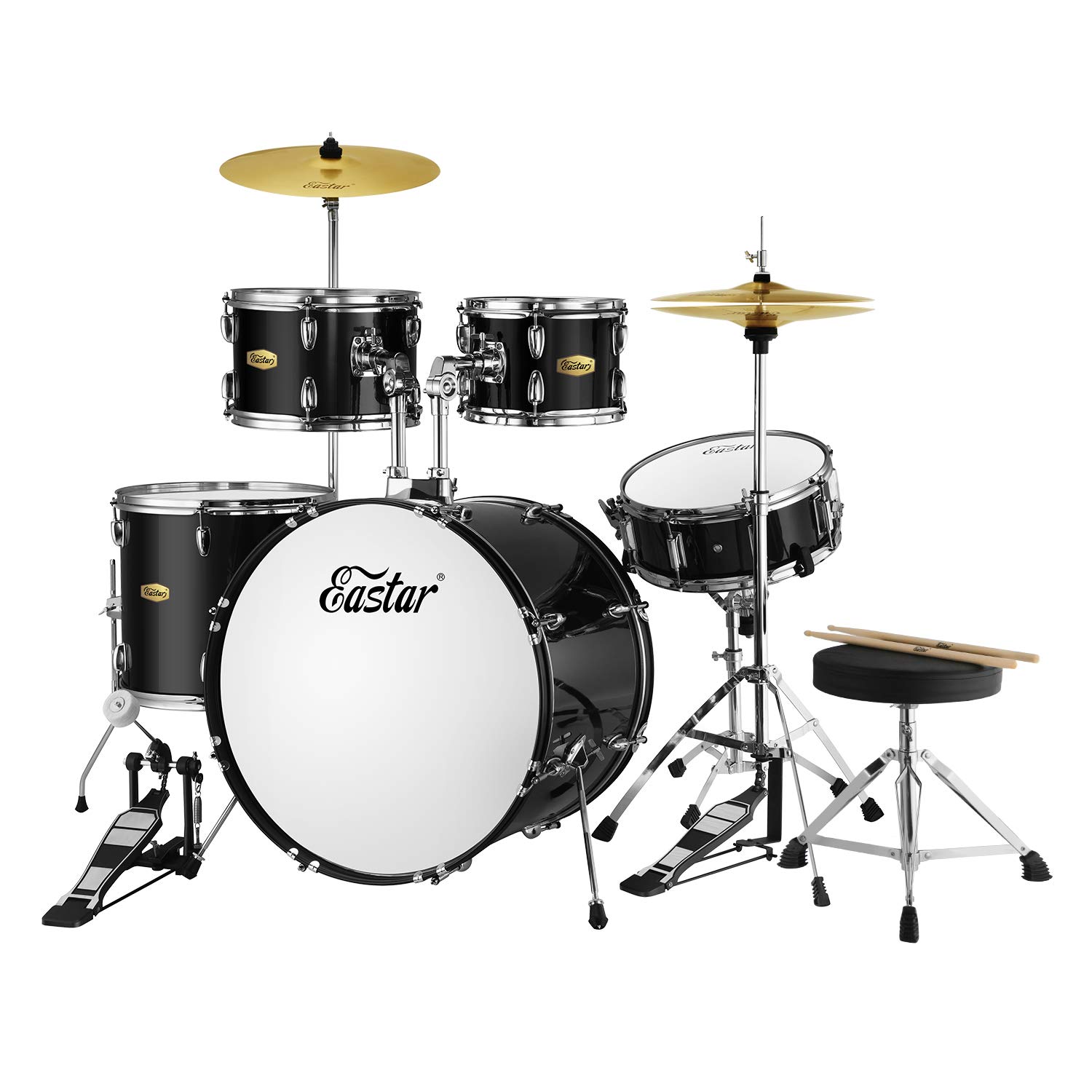
Beginners grab the cheapest Amazon 'drum set' expecting pro results, but rubber pads boom like thunder, scaring neighbors and quitting fast. Or they splurge on feature-packed beasts overwhelmed by menus.
Avoid by sticking to mesh, reading setup reviews, and starting with essentials. Experienced drummers say: 'Invest in quiet and stable first—fun follows.'
×Buying rubber pads—incredibly loud for apartments
×Skipping mesh heads—cheap plastic feels fake
×Ignoring rack stability—wobbles frustrate practice
×Overbuying voices/sounds—won't use 1000 options
×No headphones—annoys family immediately
×Cheap no-name kits—break after weeks
×Wrong size for space—too big for rooms
×Forgetting throne—back pain kills motivation
📈 Your Progression Path: Beginner to Intermediate
Start with basics: metronome beats, simple grooves 15min/day. Use app lessons for fills. Outgrow when craving real cymbals or better response (6-12 months).
Upgrade rack/pads first, then module. Intermediate: Add double pedal, better sounds. Stay beginner 3-6 months building timing.