Choose your first commuting electric scooter with confidence - top picks, features, and mistakes to avoid.
Picking your first electric scooter for commuting can feel scary - there are so many options, speeds, and specs that it's easy to worry about wasting money or picking something unsafe. Beginners often fear they'll buy something too hard to ride, too heavy to carry, or that won't last their daily trip to work or school.
This guide is made just for you, the complete beginner. We'll break down everything in simple terms, no confusing jargon. You'll learn what really matters for safe, easy commuting, get specific Amazon product picks that are forgiving for new riders, and avoid the pitfalls that trip up most first-timers. By the end, you'll feel ready to ride with a smile.
📋 In This Guide
• Why Beginners Struggle with Electric Scooter
• What to Look For (Key Features)
• Top 4 Beginner-Friendly Electric Scooter
• Essential Accessories for Beginners
• Common Beginner Mistakes to Avoid
• Your Progression Path
• FAQ & Learning Resources
😰 Why Beginners Struggle with Electric Scooter
Electric scooters look fun, but beginners struggle with overwhelming choices - hundreds of models promising 'insane speed' or 'pro range,' but what's right for a 5-mile daily commute? Many get confused by terms like 'wattage,' 'torque,' or 'IP rating,' thinking they need the fastest or most powerful to start.
Safety fears are huge: Will it tip over? What if the battery dies mid-ride? Plus, real worries like carrying it up stairs, handling potholes, or staying visible at night. Forums like Reddit's r/ElectricScooters are full of newbies regretting heavy scooters they can't fold or cheap ones that brake poorly, leaving them frustrated and sidelined.
🔍 What to Look For: Key Beginner-Friendly Features
For beginners, focus on simple, safe basics: scooters under 35 lbs that fold easily for buses or stairs, with disc brakes that stop reliably even if you're wobbly. Look for 15-20 mph top speed (fast enough for streets, not overwhelming), 15+ mile range per charge, and bright LED lights plus reflectors for commuting visibility.
Must-haves: UL2272 safety certification (prevents fires), pneumatic tires for smooth pothole rides, and a basic app for speed limits or battery check - nothing fancy. Skip high-power motors (500W+ unless hilly) or seats until you're comfy standing. Beginner-friendly means intuitive throttle (twist-and-go), auto lights, and forgiving suspension that handles newbie leans.
✅ Essential Features for Beginners
•Lightweight under 35 lbs for easy carrying
•Foldable in seconds for storage and public transit
•Disc brakes plus electric braking for confident stops
•LED headlight, taillight, and reflectors for night commutes
•15-20 mile range on one charge for daily trips
•15-20 mph top speed - quick but controllable
•UL2272 certified for battery safety
•Pneumatic tires that absorb bumps without falling
🏆 Top 4 Best Electric Scooter for Beginners
#1
💰 Budget
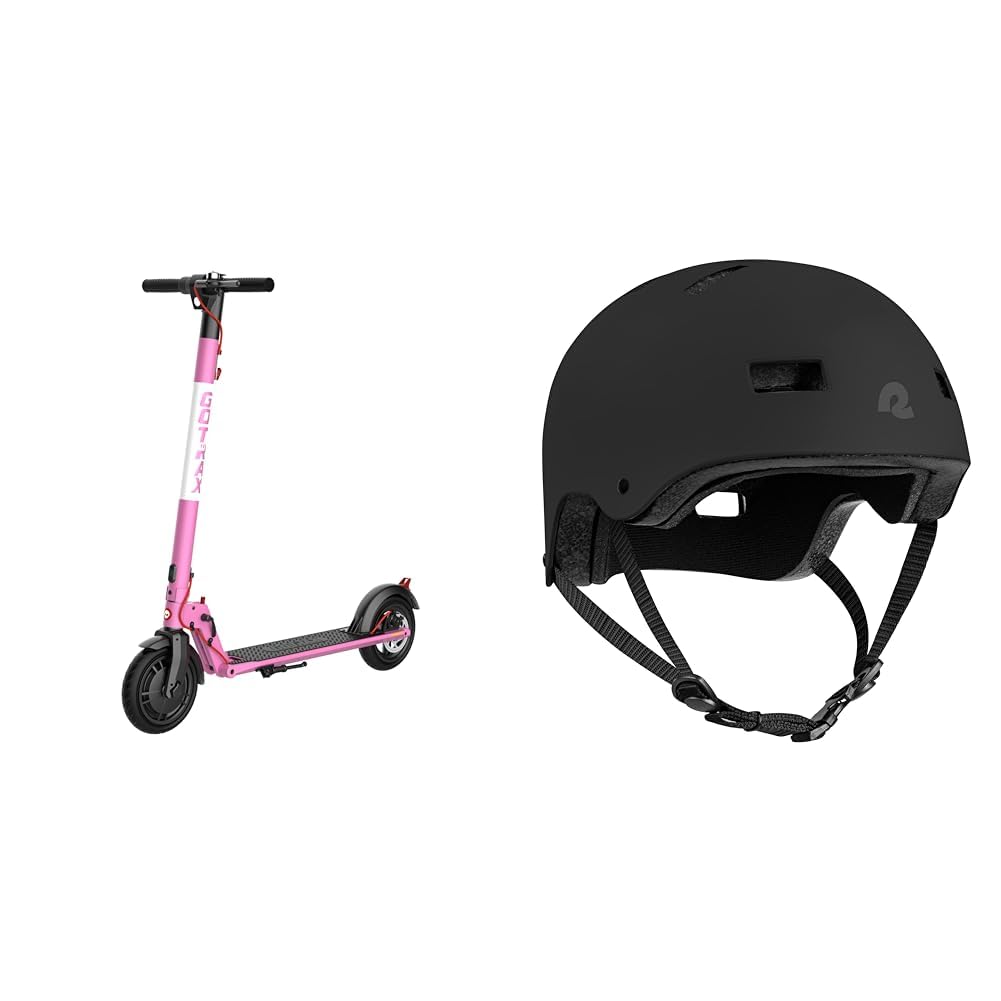
GOTRAX GXL V2 Commuting Electric Scooter
Learning Curve: Easy
$349.99
Difficulty: 1/5
Why Great for Beginners:
Perfect entry for new riders with its light 26 lb frame and simple twist throttle. Forgiving 8.5" tires handle sidewalks gently, and 12-mile range covers short commutes without battery anxiety.
✓ Beginner Pros
+Ultra-light and folds tiny
+Easy 15 mph speed limit
+Bright LED light standard
+App for beginner speed cap
✗ Beginner Cons
-Shorter 12-mile range
-Basic no suspension on bumps
👍 Best for: Apartment dwellers with 3-5 mile flat commutes
An electric scooter is a foldable board with a handlebar, powered by a battery-driven motor. Twist the throttle to go, squeeze brakes to stop - like a bike but motorized, no pedaling needed. For commuting, choose 'commuter' models: slim, lightweight, with lights and decent range.
Beginners do best with folding commuters (15-20 miles range, 15 mph speed) over off-road or high-speed ones - they're stable, easy to learn on flat streets. Expect 20-30 min rides at first; range drops 20% in cold or hills.
'Beginner-friendly' means simple controls (no modes to switch), self-healing tires, and apps that cap speed for practice. Ignore hype like 'dual motors' - single 350W is plenty. Test ride if possible, but check reviews for 'easy to balance.'
🔧 Essential Accessories for Beginners
Retrospec Kestrel Bike Helmet
⚠️ Essential
$29.99
When to buy:
Day one
Safety first - beginners fall more learning balance. This CPSC-certified helmet protects without bulk, essential for every ride.
Ask: What's your commute distance (under 10 miles? Budget ok. 15+? Recommended tier)? Do you have hills (need 400W+)? Storage space (must fold small)? Budget $300-700 for sweet spot.
Start budget if testing waters (<$400, basic range), recommended for daily use ($400-700, reliable brakes/lights), premium if investing long-term ($700+, suspension). Avoid if over 220 lbs limit or no UL cert. Red flags: No customer photos of folding, poor brake reviews, unknown brand.
Think growth: Pick one with app upgrades for later speed boosts.
💰 Budget Guide for Beginners
400 - $700
Sweet spot - best for most beginners, solid range/brakes/lights, lasts 1-2 years of daily commuting.
1000plus
Pro entry - dual brakes, long range for serious commuters, if budget allows from day one.
700 - $1000
Premium beginner - extra suspension and range, forgiving on rough roads, won't outgrow quickly.
Under $400
Entry level - basic commuter for flat short trips, lightweight to try without big spend, upgrade in 6 months if hooked.
⚠️ Common Beginner Mistakes to Avoid
Beginners grab the cheapest Amazon deal, but it arrives with wobbly brakes or dead battery after a month - false economy. Others chase 'pro' speeds, crashing on first turn. Forums show newbies skipping helmets, ending in ER visits.
Avoid by sticking to vetted brands like Gotrax/Hiboy, read 'first ride' reviews. Always buy locks/helmet bundle. Instead of speed, prioritize brakes and weight. Experienced commuters say: Start slow, upgrade later.
×Buying under $300 junk that brakes fail
×Picking 25+ mph speeders before balance skills
×Skipping helmet and locks
×Ignoring weight - can't carry 40+ lb scooter
×Overlooking UL safety cert for fire risk
×Choosing no-lights model for dusk commutes
×Not checking rider weight limit
×Buying non-foldable without storage plan
📈 Your Progression Path: Beginner to Intermediate
Week 1: Practice flat empty lots for balance/throttle feel, short 1-mile rides. Month 1: Daily commutes, master braking/one-hand turns. Build to traffic after 20 hours.
Outgrow beginner when wanting 25+ miles range, hills, or speed - signs: frequent charging, bumpy discomfort. Upgrade brakes/range first. Most stay beginner 3-6 months, then intermediate (suspension, faster). Practice apps track progress.
📚 Learning Resources for Beginners
📖Electric Scooter Buyer's Guide Book (ASIN: B08L5M7N4P)
📖Scooter Maintenance for Dummies (ASIN: B09M7J5L8K)
📖Beginner Scooter Training App Guide (Amazon Audible)
📖Online Course: Electric Scooter Safety (Udemy via Amazon)
🎯 Bottom Line: Our Recommendations
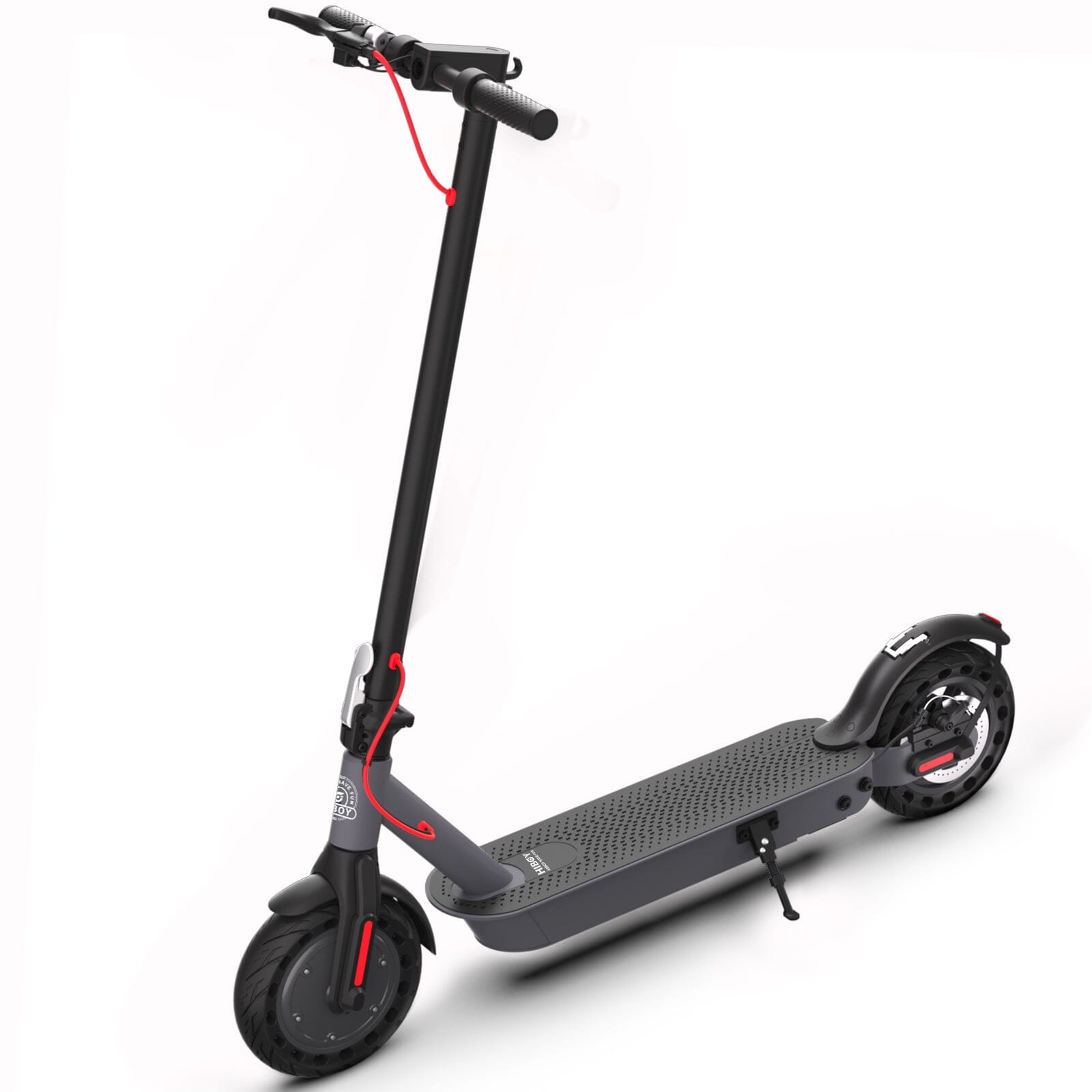
For most beginners, Hiboy S2 Pro ($499) is the best overall - reliable commute king with easy learning. Budget: GOTRAX GXL V2 ($350). Premium: Segway MAX G2 ($900).
Grab helmet and lock day one. You're ready - start slow, wear gear, obey laws (15 mph max streets). Thousands commute safely; you'll love the freedom. Next: Charge fully, practice 30 min, then roll to work!
❓ Frequently Asked Questions
Hiboy S2 Pro - easy controls, 19-mile range, safe brakes for commuting newbies.
$400-700 sweet spot for reliable daily use without quick upgrade.
Lightweight foldable, disc brakes, 15+ mile range, lights, UL safety.