Review Atlas
Review AtlasYour guide to a better purchase

Menu

Shop by Category

Get the App

Better experience on mobile

Beginners GuideCommuting

Best Electric Scooters for Beginners 2025

Discover your first electric scooter with confidence: top picks, accessories, and tips to avoid beginner pitfalls.

Picking your first electric scooter can feel overwhelming with all the speeds, ranges, and tech specs thrown at you. As a beginner, you just want something safe, fun, and easy to ride for short commutes without crashing your budget or confidence. This guide cuts through the confusion.

Electric scooters seem simple until you see hundreds of models promising 'pro-level' performance you don't need yet. Beginners often worry about safety, battery life dying mid-ride, or buying something too heavy to carry. We've got you covered.

We'll show you exactly what to look for, hand-pick the best beginner scooters on Amazon, and share real tips to get rolling safely. By the end, you'll know your perfect starter scooter and feel excited to hit the pavement.

📋 In This Guide

  • • Why Beginners Struggle with Electric Scooter
  • • What to Look For (Key Features)
  • • Top 4 Beginner-Friendly Electric Scooter
  • • Essential Accessories for Beginners
  • • Common Beginner Mistakes to Avoid
  • • Your Progression Path
  • • FAQ & Learning Resources

😰 Why Beginners Struggle with Electric Scooter

Beginners dive into electric scooters excited for easy commutes, but quickly hit roadblocks like confusing terms: 'watts,' 'torque,' 'IP ratings.' What do they mean for your daily ride to work? Forums like Reddit's r/ElectricScooters are full of newbies regretting buys because they picked speed over stability.

Safety fears are huge – will it tip on bumps? How far will it really go? Over 50% of Amazon reviews from first-timers mention struggling with heavy scooters (30+ lbs) on stairs or buses. Plus, too many options: 1,000+ models, from kids' toys to $2,000 beasts.

The biggest pain? Buying wrong and feeling stuck. No one wants a scooter that dies after 5 miles or handles like a twitchy bike. This guide fixes that with beginner-only advice.

🔍 What to Look For: Key Beginner-Friendly Features

Focus on scooters under 35 lbs, foldable for carrying, with 15-20 mph top speed – enough for streets without scaring you. Look for disc brakes (quick, reliable stopping), pneumatic tires (smooth over cracks), and 15+ mile range for real commutes.

Beginner-friendly means intuitive: one-button start, simple speed modes (eco/normal), and lights/horn for visibility. Skip crazy features like suspension or 30mph speeds – they're unforgiving for new riders.

Check weight limit (220+ lbs), IP54+ water resistance (light rain ok), and app-free basics first. Good support? Brands like Hiboy/Gotrax have easy manuals and YouTube tutorials galore.

✅ Essential Features for Beginners

  • Lightweight under 35 lbs for easy carrying
  • Foldable design for storage and public transport
  • Disc brakes for confident, quick stops
  • Pneumatic tires for bump forgiveness
  • 15-20 mile range for daily commutes
  • Simple 2-3 speed modes (no overwhelm)
  • Bright LED lights and bell for safety
  • 15-20 mph top speed (fun but controllable)

🏆 Top 4 Best Electric Scooter for Beginners

#1
💰 Budget

Hiboy S2 Electric Scooter

Learning Curve: Easy

$399.99
Difficulty: 1/5
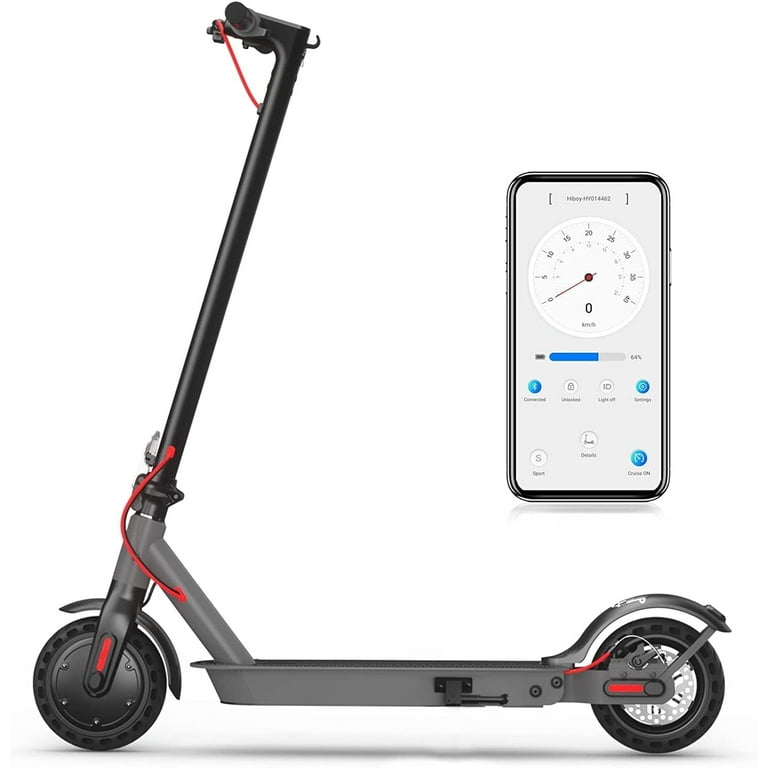
Hiboy S2 Electric Scooter

Why Great for Beginners:

Perfect entry for new riders with intuitive controls and forgiving ride. Lightweight and folds small for apartments/buses. Real-world 10-15 mile range matches beginner commutes without range anxiety.

Beginner Pros

  • +Super light 31 lbs easy to carry
  • +Simple one-button start
  • +Dual brakes stop smoothly
  • +App optional for basics

Beginner Cons

  • -Range drops on hills
  • -Basic lights
  • -18mph max may feel fast at first
👍 Best for: Apartment dwellers with flat short commutes
👎 Not for: Heavy riders over 220lbs or long hills

#2
👍 Recommended

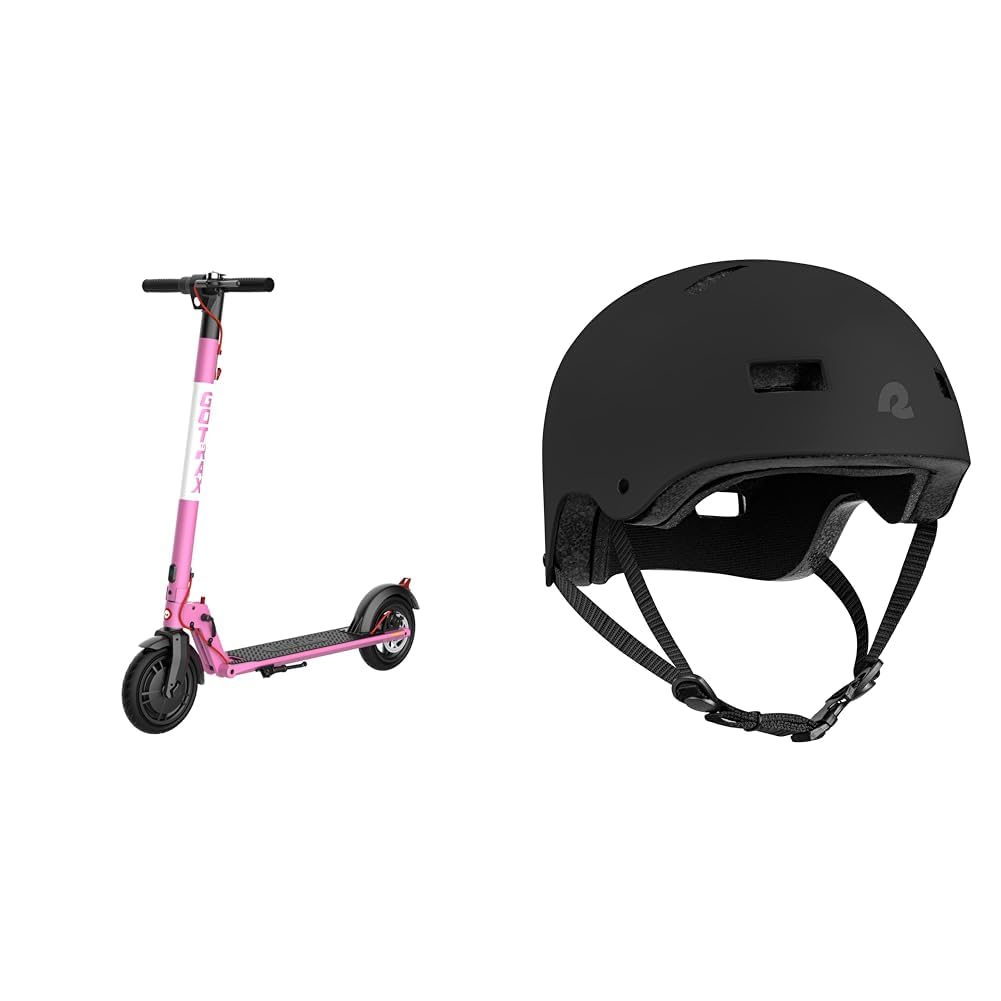
Gotrax GXL V2 Commuter Scooter

Learning Curve: Easy

$449.99
Difficulty: 1/5
Gotrax GXL V2 Commuter Scooter

Why Great for Beginners:

Sweet spot with reliable range and stability for daily rides. Wide deck feels secure, brakes are responsive for new stop confidence. Thousands of beginners praise its 'just works' simplicity.

Beginner Pros

  • +17mi range real-world
  • +33lbs carry-friendly
  • +Honeycomb tires no flats
  • +3 speed modes

Beginner Cons

  • -No suspension for big bumps
  • -App setup minor hassle
👍 Best for: First-time commuters 5-10 miles daily
👎 Not for: Rough off-road paths
#3
✨ Premium

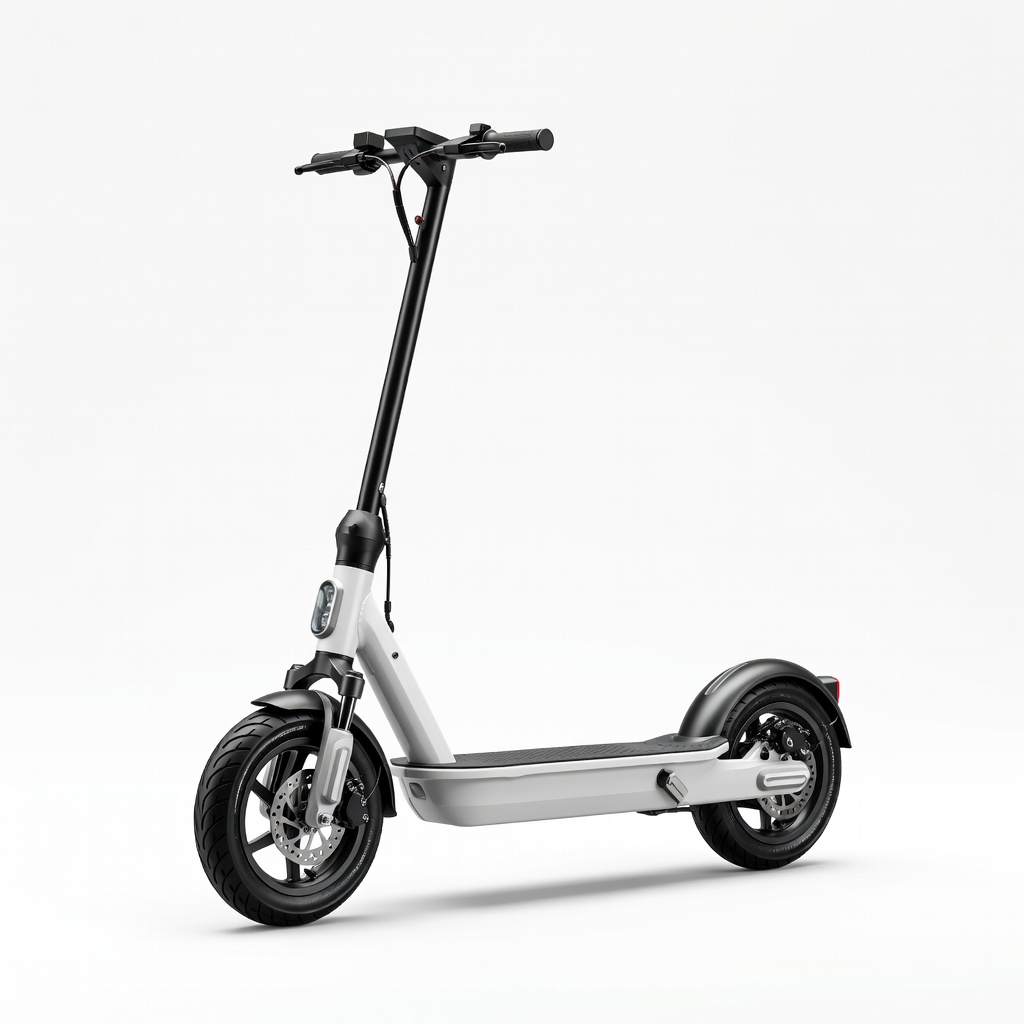
Segway Ninebot MAX G2

Learning Curve: Moderate

$799.99
Difficulty: 2/5
Segway Ninebot MAX G2

Why Great for Beginners:

Premium build forgives mistakes with self-healing tire and smooth ride. 28mi range lets you explore confidently. Excellent for beginners who want longevity without upgrading soon.

Beginner Pros

  • +Hydraulic suspension comfy
  • +Apple Find My tracking
  • +43lbs still manageable
  • +Apple/Google app intuitive

Beginner Cons

  • -Higher price
  • -Slightly heavier
👍 Best for: Serious beginners with longer commutes/hills
👎 Not for: Tight budgets or super light needs
#4
👍 Recommended

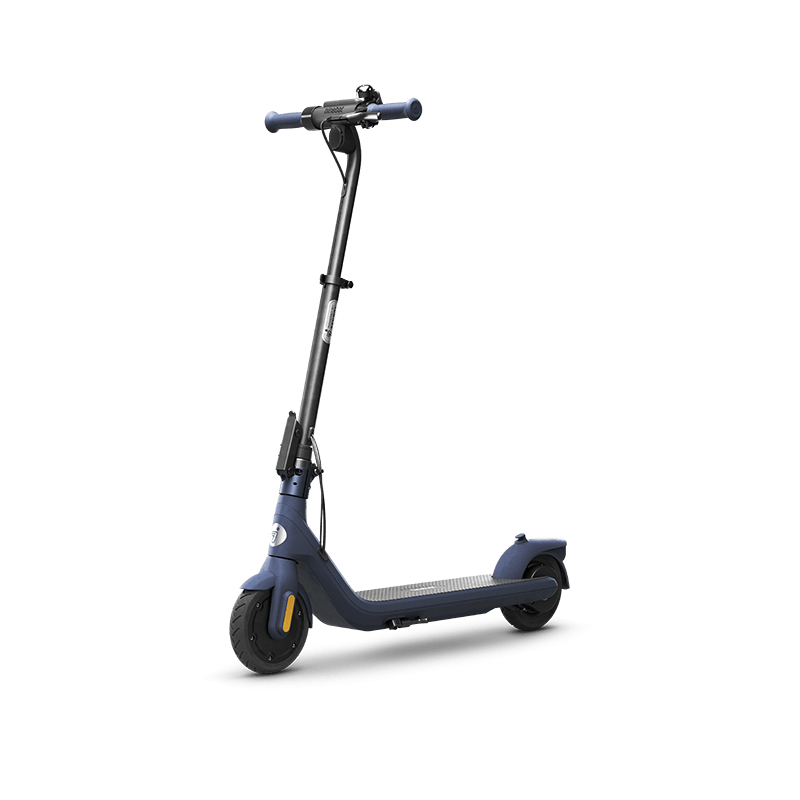
NIU KQi2 Pro

Learning Curve: Easy

$549.00
Difficulty: 2/5
NIU KQi2 Pro

Why Great for Beginners:

Balanced features with turn signals for street safety. Intuitive TFT display shows battery/speed clearly. Great harmony of power and ease for growing confidence.

Beginner Pros

  • +25mi range
  • +Dual disc brakes
  • +Lights + signals
  • +Harmon Kardon speaker

Beginner Cons

  • -36lbs borderline heavy
👍 Best for: Urban commuters wanting safety extras
👎 Not for: Very budget-conscious

📖 Complete Beginner's Guide to Electric Scooter

Electric scooters are battery-powered rides with a handlebar, deck, and throttle – like a bike but no pedaling. Basics: Twist throttle to go, brake to stop, fold to carry. For commuting, commuters (15-25 miles range, 15-20mph) beat off-road or mini models.

Beginner best: Commuter type – stable, not zippy. Expect 10-15mph comfy cruising; full speed takes practice. Realistic: 8-12 miles per charge first weeks as you learn throttle control.

'Beginner-friendly' = forgiving ride (wide deck, grippy tires), no apps needed day one. Marketing traps: '500W motor' sounds powerful but means hill climb – beginners want smooth, not surge. Evaluate: Read 'first ride' reviews, check weight/range real-world.

Types: Budget (basic range), mid (brakes/lights), premium (longer battery). Start mid for growth without instant upgrade.

Test virtually: Watch unboxing videos. Good ones feel solid, start smooth, no wobbles.

🔧 Essential Accessories for Beginners

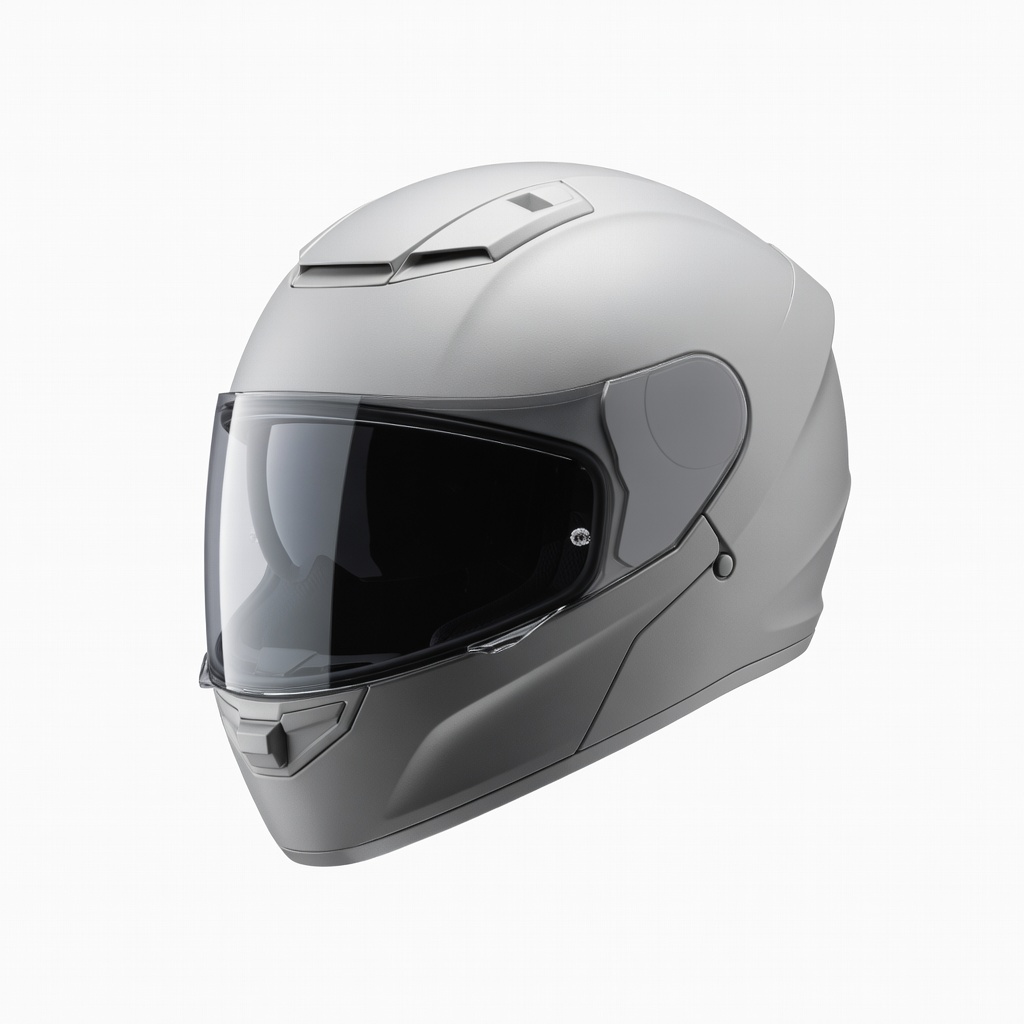
ILM Full Face Helmet - Image 1 of 8

ILM Full Face Helmet

⚠️ Essential

$69.99

When to buy:
Day one

Safety first – beginners fall learning balance. DOT certified protects head on pavement. Adjustable fit for all-day comfort without distraction.

Beginner Benefits:

  • Reduces injury fear
  • Builds ride confidence
  • Legal in many areas
  • Quick-release buckle
FORTEM U-Shaped Heavy Duty Scooter Lock - Image 1 of 8

FORTEM U-Shaped Heavy Duty Scooter Lock

⚠️ Essential

$29.99

When to buy:
Day one

Scooters get stolen fast – lock prevents heartbreak. Hardened steel resists cutters. Peace of mind for quick coffee stops.

Beginner Benefits:

  • Easy to use no combo fuss
  • Compact carry
  • Stops theft anxiety
  • Includes mount
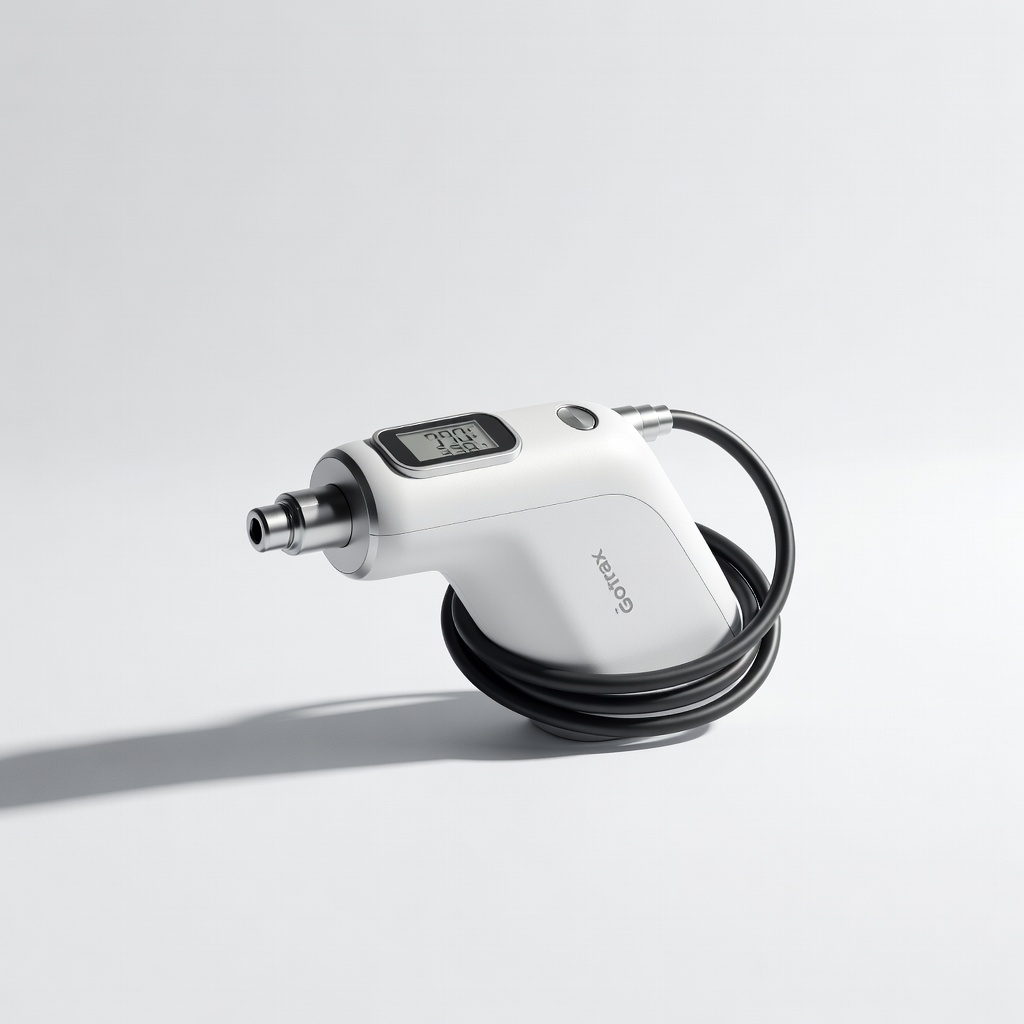
Gotrax Electric Scooter Tire Pump - Image 1 of 9

Gotrax Electric Scooter Tire Pump

👍 Recommended

$19.99

When to buy:
First week

Flat tires kill fun – pump keeps pneumatic tires smooth/forgiving. Portable for on-go fixes. Extends tire life, better ride.

Beginner Benefits:

  • Prevents wobbly rides
  • Easy digital gauge
  • Lightweight pocketable
  • Avoids shop trips
DEMUIT Knee & Elbow Pads Set - Image 1 of 7

DEMUIT Knee & Elbow Pads Set

👍 Recommended

$24.99

When to buy:
Day one

Protect joints during inevitable first falls. Soft padding, hard shells. Builds bravery to practice turns/stops.

Beginner Benefits:

  • Reduces scrapes/bruises
  • Comfortable velcro
  • Machine washable
  • Confidence booster

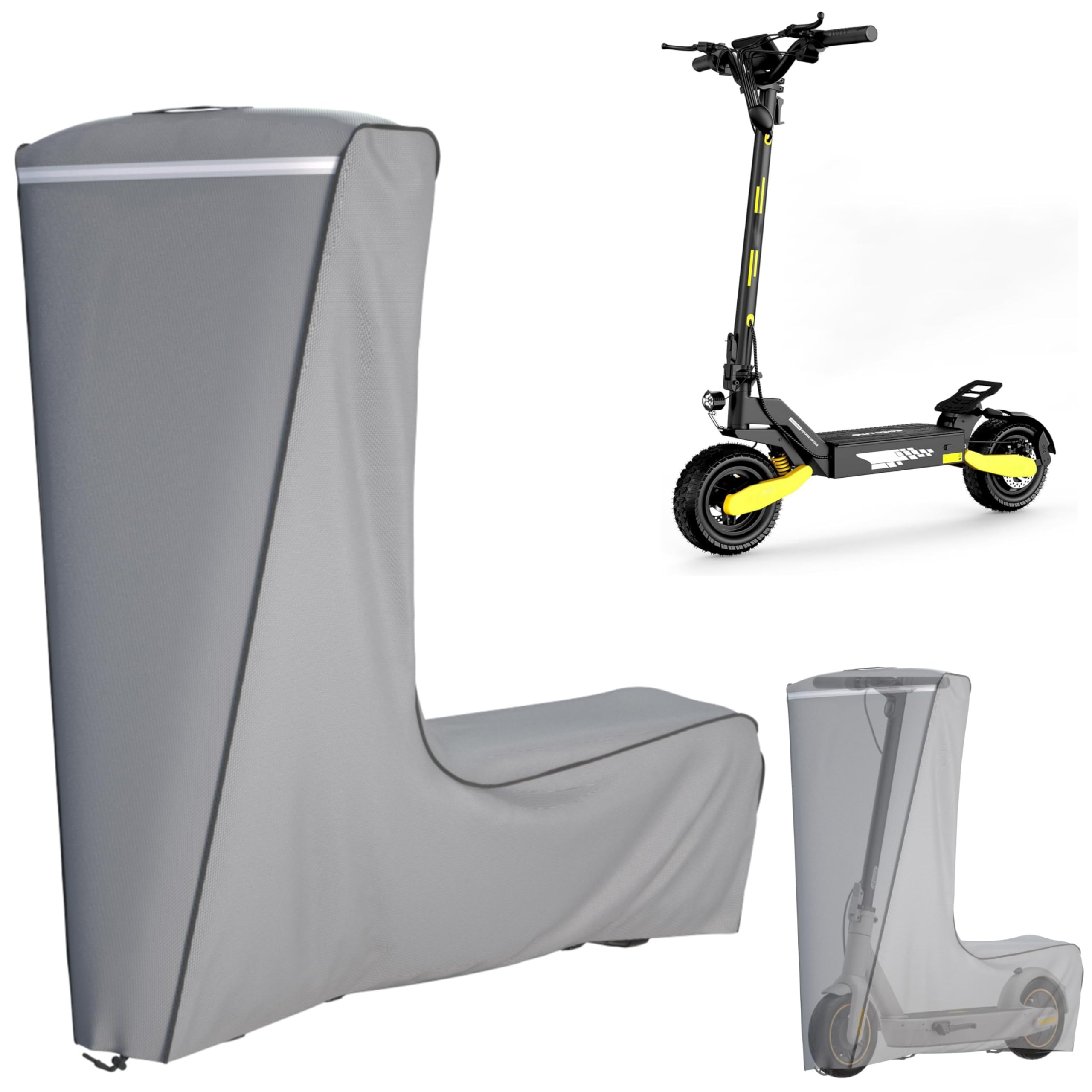
Electric Scooter Cover

💡 Nice to Have

$22.99

When to buy:
First month

Shields from rain/dust, keeps clean for longer life. Waterproof Oxford fabric. Easy storage protection.

Beginner Benefits:

  • Prevents water damage
  • Dust-free deck
  • Prolongs beginner scooter's life
  • Cheap maintenance

🤔 How to Choose Your First Electric Scooter

Ask: Commute distance? (Under 10 miles? Budget ok). Carry upstairs? (Under 33 lbs). Hills? (350W+ motor). Budget $400-600 sweet spot for most.

Scenarios: City flat – lightweight folder. Hilly – more power/range. Future: Pick with 20mi range to grow into longer rides.

Budget vs premium: Under $400 tests waters (may upgrade fast). $400-600 balanced (lasts 1-2yrs). $700+ if daily heavy use. Red flags: No brakes listed, over 40lbs, vague range claims, bad reviews on build quality.

💰 Budget Guide for Beginners

900+

Advanced entry - pro features like suspension, for serious commuters planning long-term

400 - $600

Sweet spot - best for most beginners, solid brakes/range, room to grow without quick upgrade

600 - $900

Premium beginner - longer range, better build, handles hills/daily use confidently

Under $ - $400

Entry level - basic range/speed to try commuting, lightweight but shorter battery life

⚠️ Common Beginner Mistakes to Avoid

Beginners grab cheapest Amazon deal, then complain of wobbles/early breakdowns – false economy. Experienced riders say spend $400+ for reliable frame/brakes. Avoid by reading 1-3 star reviews for 'fell apart' flags.

Another trap: Speed hype. Newbies buy 25mph beasts, panic on first ride, sell low. Start 15-18mph. Skip accessories? One theft or flat ends fun. Always bundle helmet/lock.

Don't ignore use: Commuting? Prioritize range/lights. Wrong pick wastes money. Check local laws too – some ban throttles over 15mph.

  • ×Buying under $300 – flimsy build, short range frustrates quickly
  • ×Ignoring weight – too heavy (40lbs+) can't carry upstairs
  • ×Skipping helmet/pads – small falls cause big regrets
  • ×Chasing max speed (25mph+) – scary, unstable for newbies
  • ×Overlooking real range – half advertised on headwinds/hills
  • ×No lock – theft common in cities
  • ×Wrong tires – solid ones bumpy, puncture-prone without pump
  • ×Not checking weight limit – overloads strain battery/motor

📈 Your Progression Path: Beginner to Intermediate

Week 1: Master basics – straight lines, gentle stops, eco mode on flats. Practice empty lots. Month 1: Add turns, light traffic, normal mode.

Outgrow beginner when: Crave 25mi range, hills easy, carry no issue. Upgrade signs: Frequent charging, want suspension/off-road. Typically 6-12 months at beginner level.

Next: Intermediate commuter ($800+) with app tracking/suspension. Build skills via group rides/YouTube. First upgrade: Battery/range, then power.

📚 Learning Resources for Beginners

  • 📖Electric Scooters: A Buyer's and User's Guide (Amazon Book, ASIN B08KJQ2P3Q)
  • 📖Scooter Maintenance Manual for Beginners (ASIN B09F2G3H4I)
  • 📖Electric Scooter Riding Practice Cones Set (ASIN B07P8Q9R0S)
  • 📖Beginner Scooter Safety Course DVD (ASIN B08N5O6P7Q)
  • 📖The Complete Guide to Electric Kick Scooters (ASIN B0C1D2E3F4)
  • 📖Portable Scooter Training Mat (ASIN B09G5H6I7J)

🎯 Bottom Line: Our Recommendations

Best overall for most beginners: Gotrax GXL V2 ($450) – easy, reliable sweet spot. Budget pick: Hiboy S2 ($400). Premium: Segway MAX G2 ($800) for future-proofing.

Grab essentials: Helmet (B07HZNZ5QJ), lock (B07S5N6JZK), pads. You'll ride confidently Day 1.

You're ready! Order, practice safe, join r/ElectricScooters. Fun commutes await – you've got this.

❓ Frequently Asked Questions

Gotrax GXL V2 (B07W0X1Y2Z) – lightweight, 17mi range, easy brakes. Perfect balance for new commuters.
$400-600 sweet spot. Gets reliable range/brakes without skimping or overkill.
Lightweight <35lbs, disc brakes, 15mi range, pneumatic tires, simple modes, lights.
Hiboy S2 (B09R4S5T6U) – 1-button start, forgiving ride, minimal learning curve.
Helmet, lock, pads, tire pump. Day 1 musts for safety/theft-proofing.
Match commute distance/budget: <10mi flat? Budget. Hills? Premium. Prioritize weight/brakes.
No – easier than bikes. 1-2 hours practice for basics. Start slow, wear gear.
Cheapest buy (breaks fast), no helmet, ignore weight, chase speed over stability.
Yes with gear, 15mph models, practice areas. 90% issues from no helmet/speed rushing.
Expect 10-15 real miles (less on hills). Charge nightly for daily commutes.

Related Articles