Review Atlas
Review AtlasYour guide to a better purchase

Menu

Shop by Category

Get the App

Better experience on mobile

Beginners GuideMusic

Best Electric Keyboards for Beginners 2025

Everything beginners need to choose their first electric keyboard with confidence, avoid mistakes, and start playing right away.

Choosing your first electric keyboard can feel overwhelming with all the options, prices, and confusing terms like 'weighted keys' or 'polyphony.' As a complete beginner, you might worry about wasting money on something too hard to use or buying the wrong size. Don't stress – this guide is designed for you.

Electric keyboards are perfect for new players because they're portable, affordable, and packed with beginner tools like built-in lessons. We'll break it down simply, focusing on what really matters so you can play simple songs from day one.

By the end, you'll know exactly which keyboard to buy, what accessories you need, and how to avoid common pitfalls. Let's get you making music confidently!

📋 In This Guide

  • • Why Beginners Struggle with Electric Keyboards
  • • What to Look For (Key Features)
  • • Top 4 Beginner-Friendly Electric Keyboards
  • • Essential Accessories for Beginners
  • • Common Beginner Mistakes to Avoid
  • • Your Progression Path
  • • FAQ & Learning Resources

😰 Why Beginners Struggle with Electric Keyboards

Beginners often feel lost because electric keyboards come in endless varieties – 49 keys, 61 keys, 88 keys, weighted or not. Forums like Reddit's r/piano are full of newbies frustrated by jargon like 'aftertouch' or 'velocity sensitivity,' which sound scary but aren't needed yet.

The fear of buying the wrong one is huge: too big for small spaces, too quiet without headphones, or lacking simple lesson modes. With Amazon flooded by cheap toys disguised as keyboards, it's easy to pick something flimsy that frustrates you after a week.

Many don't know what features matter – do you need 500 sounds right away? No. Overwhelmed by choices, beginners skip research and regret impulse buys.

🔍 What to Look For: Key Beginner-Friendly Features

For beginners, focus on simplicity: look for 61 full-size keys (not mini), light touch response so playing feels natural, and built-in lessons or apps to guide you. Headphone jack is essential for quiet practice, and battery power means play anywhere.

Nice-to-haves: USB for computer lessons, stand compatibility, and 100+ realistic piano sounds. Skip advanced stuff like MIDI sequencing or 76-note polyphony – it overwhelms and sits unused.

Beginner-friendly keyboards are lightweight (under 15 lbs), have clear buttons/displays, forgiving key action (plays even if you bang hard), and free apps/tutorials. They tolerate mistakes without breaking the bank.

✅ Essential Features for Beginners

  • 61 full-size keys: Enough for most beginner songs without feeling cramped.
  • Touch-sensitive keys: Louder when you press harder, like a real piano – helps learn dynamics easily.
  • Built-in lessons: Step-by-step songs and finger guides to start playing immediately.
  • Headphone jack: Practice silently anytime, perfect for apartments or late nights.
  • Battery-powered: Portable for playing on the go, no outlet needed.
  • Clear display & simple buttons: No confusing menus – just turn on and play.
  • App connectivity: Free apps with hundreds of songs and tutorials.

🏆 Top 4 Best Electric Keyboards for Beginners

#1
💰 Budget

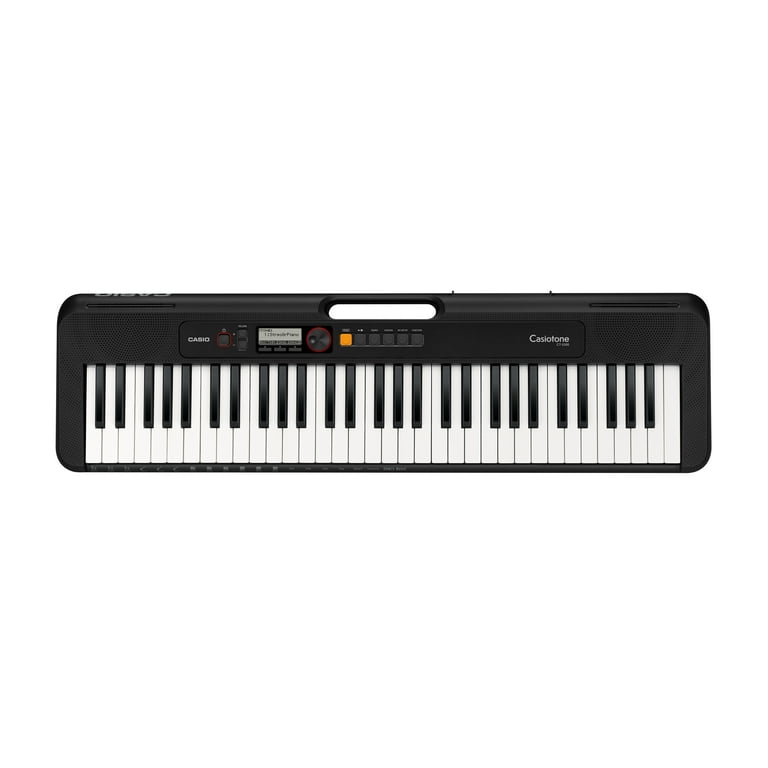
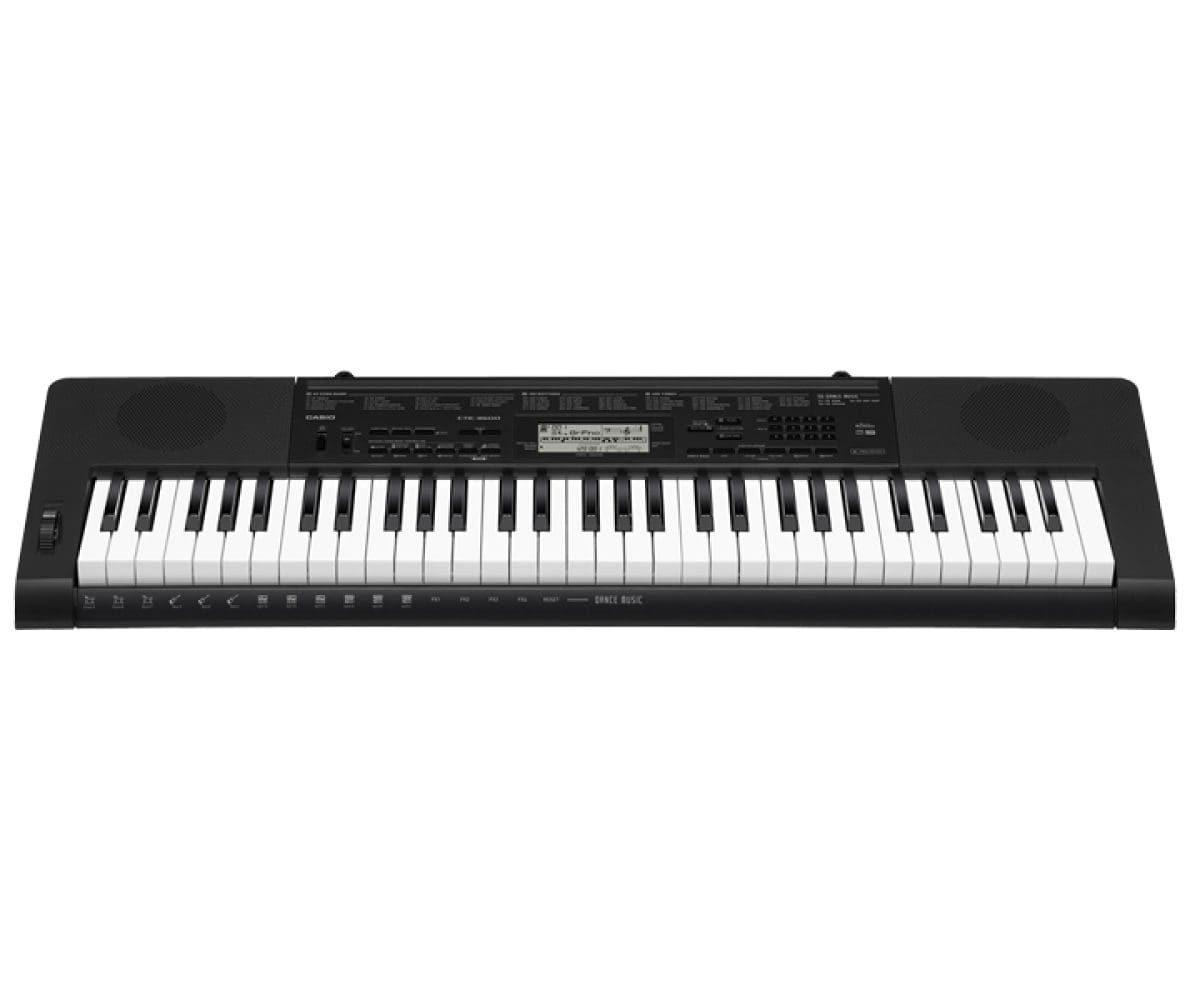
Casio CTK-3500 61-Key Portable Keyboard

Learning Curve: Easy

$129.99
Difficulty: 1/5
Casio CTK-3500 61-Key Portable Keyboard

Why Great for Beginners:

Affordable entry with 61 keys and 400 tones – simple to start songs fast. Built-in lessons guide finger positions without books. Lightweight at 8 lbs for easy moving.

Beginner Pros

  • +Cheap to test hobby
  • +Lots of fun rhythms
  • +Battery powered
  • +Headphones included

Beginner Cons

  • -Keys not weighted
  • -Basic sound quality
  • -No app
👍 Best for: Kids or casual tryouts on tight budget
👎 Not for: Serious piano learners needing real feel

#2
👍 Recommended

Casio CT-S200 61-Key Portable Keyboard

Learning Curve: Easy

$219.99
Difficulty: 1/5
Casio CT-S200 61-Key Portable Keyboard

Why Great for Beginners:

Sweet spot with dance music mode and app lessons for guided practice. Keys feel natural, thin/light design fits anywhere. 48-note polyphony handles chords without muddiness.

Beginner Pros

  • +AiX sound engine realistic
  • +Chordana app free
  • +USB-MIDI
  • +Long battery

Beginner Cons

  • -No weighted keys
  • -Speakers average
👍 Best for: Most beginners wanting fun + learning
👎 Not for: Space hogs needing stand included
#3
👍 Recommended

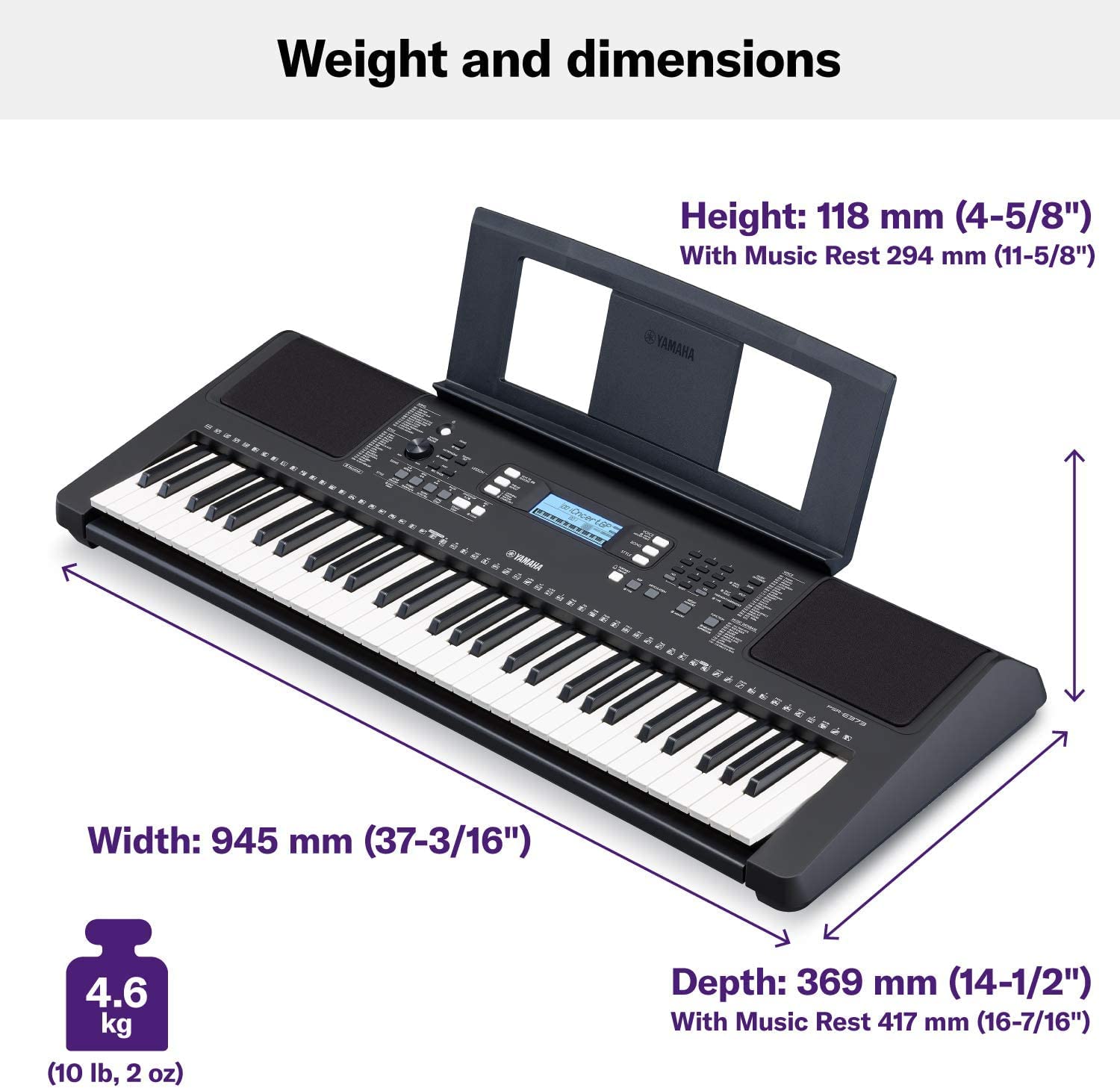
Yamaha PSR-E373 61-Key Portable Keyboard

Learning Curve: Easy

$279.99
Difficulty: 2/5
Yamaha PSR-E373 61-Key Portable Keyboard

Why Great for Beginners:

Top sweet spot with smart chord mode – play full songs with few fingers. Quiz games and lessons build skills fast. Superior sound and build quality.

Beginner Pros

  • +Keys with velocity
  • +Groove creator
  • +USB audio
  • +Durable

Beginner Cons

  • -Slightly heavier
  • -More buttons to learn
👍 Best for: Self-taught adults progressing fast
👎 Not for: Absolute minimalists
#4
✨ Premium

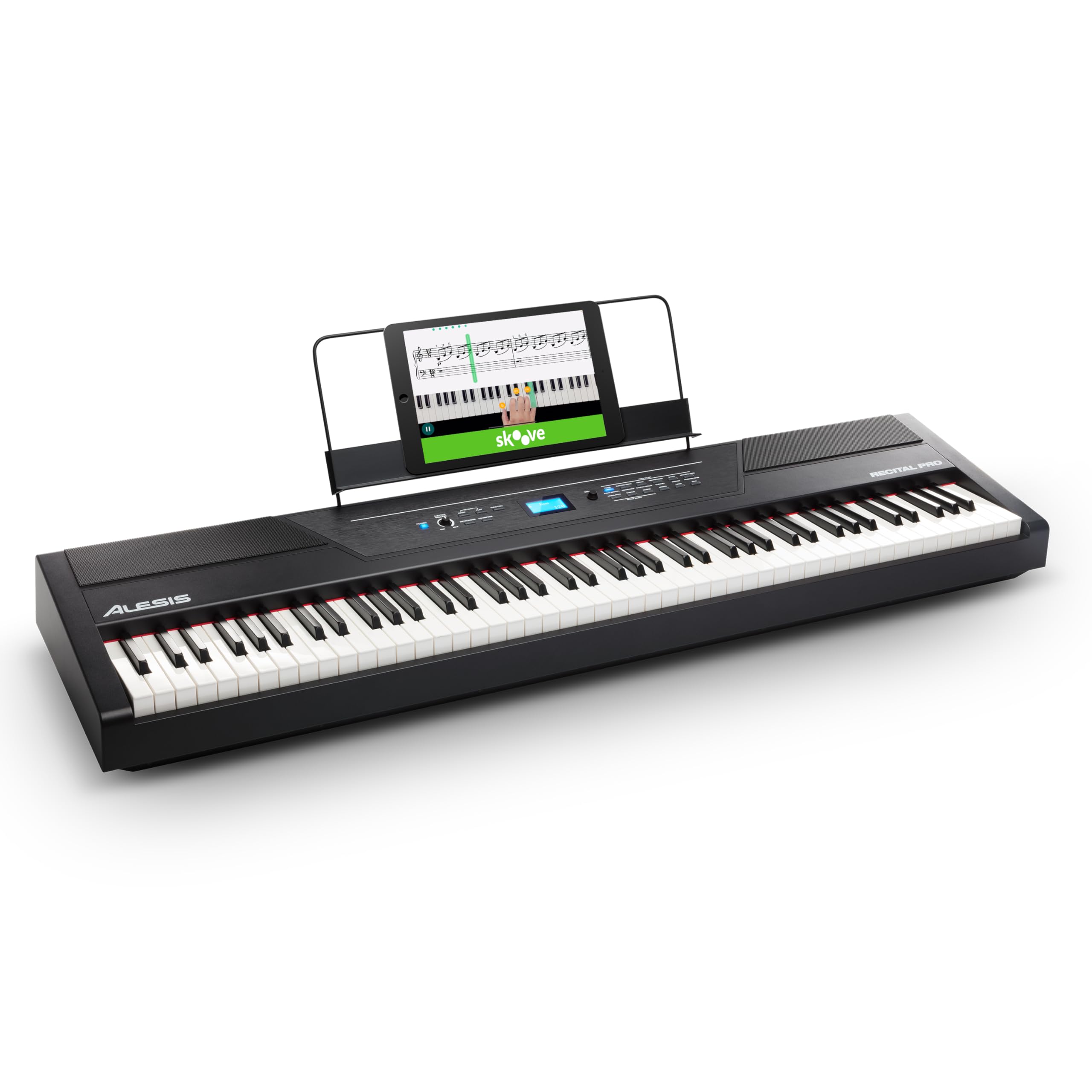
Alesis Recital Pro 88-Key Digital Piano

Learning Curve: Moderate

$449.99
Difficulty: 3/5
Alesis Recital Pro 88-Key Digital Piano

Why Great for Beginners:

Premium feel with hammer-action keys mimicking acoustic piano without bulk. 12 lessons included, layer/split modes for creativity. Built to last years.

Beginner Pros

  • +88 full keys
  • +Weighted action
  • +Bluetooth audio
  • +Stand included

Beginner Cons

  • -Heavier 26 lbs
  • -Higher price
👍 Best for: Committed beginners wanting piano realism
👎 Not for: Portable needs or tiny budgets

📖 Complete Beginner's Guide to Electric Keyboards

Electric keyboards are battery-powered pianos with realistic sounds, perfect for home practice without tuning like acoustic ones. Basics: Keys mimic piano feel, speakers play sounds, buttons access rhythms/songs.

Types: Portable (light, 61 keys – best for beginners), digital pianos (88 weighted keys – more realistic but heavier), arranger (rhythm bands – fun but complex). Beginners thrive with portable 61-key models – compact, affordable, full-featured without bulk.

Expect to play simple melodies in weeks, not concertos. 'Beginner-friendly' means intuitive controls, lesson modes, and durable build. Marketing like 'pro quality' often hides steep curves – ignore, seek 'easy start' labels.

Evaluate by trying in-store if possible, or watch unboxing videos. Check weight, key size, and demo lessons online.

🔧 Essential Accessories for Beginners

X STAND Music Keyboard Stand

X STAND Music Keyboard Stand

⚠️ Essential

$39.99

When to buy:
Day one

Prevents hunching over table – proper height reduces back pain for hour-long practice. Adjustable for kids/adults. Sturdy for 61-key boards.

Beginner Benefits:

  • Ergonomic playing
  • Portable folds flat
  • Boosts confidence with pro setup
Sony WH-CH720N Wireless Headphones

Sony WH-CH720N Wireless Headphones

👍 Recommended

$129.99

When to buy:
Day one

Quiet practice anytime without disturbing others. Clear sound helps hear mistakes. Long battery for sessions.

Beginner Benefits:

  • Silent play
  • Motivates longer practice
  • Portable
Keyboard Dust Cover - Image 1 of 6

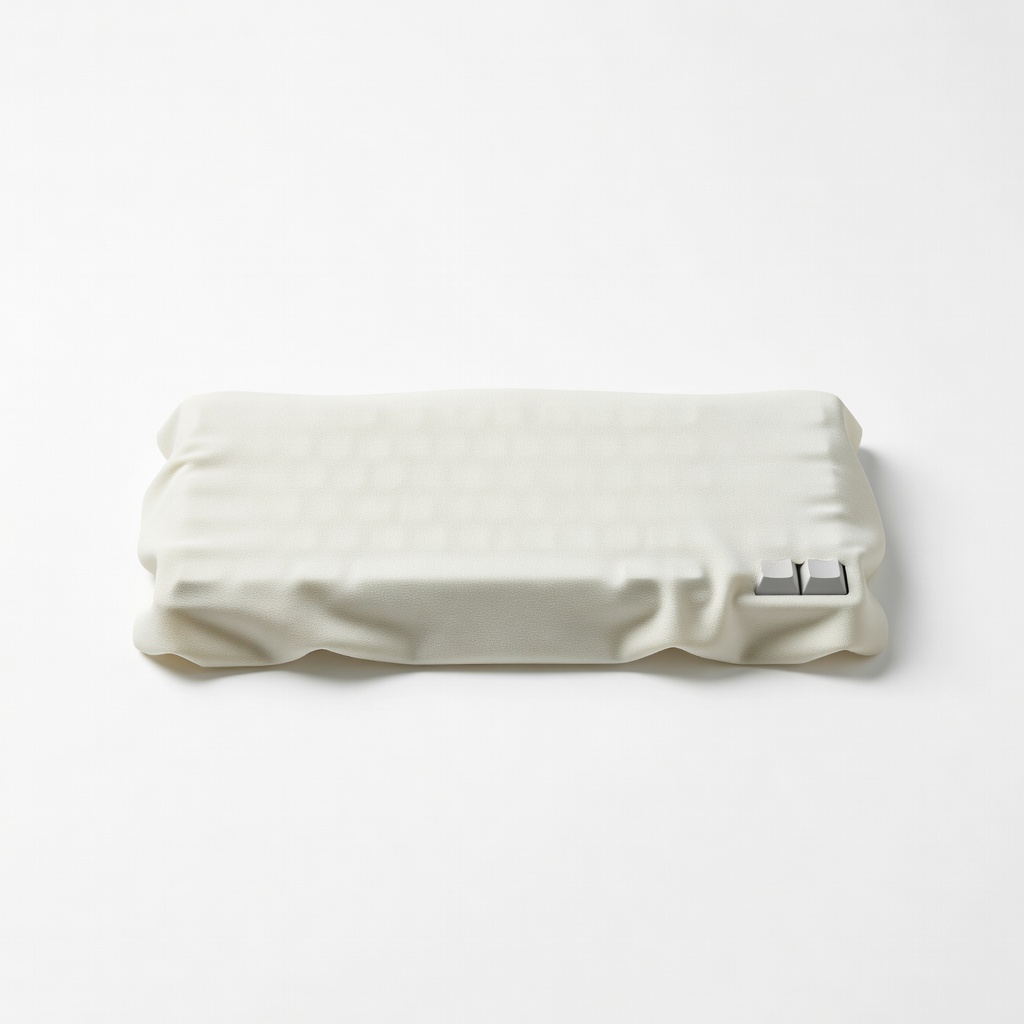
Keyboard Dust Cover

⚠️ Essential

$15.99

When to buy:
Day one

Keeps dust/keys clean – extends life since beginners leave out. Waterproof for spills.

Beginner Benefits:

  • Easy maintenance
  • Protects investment
  • Quick setup
Sustain Pedal

Sustain Pedal

👍 Recommended

$19.99

When to buy:
First month

Holds notes like real piano – essential for songs. Plugs right in.

Beginner Benefits:

  • Realistic playing
  • Improves songs instantly
  • Cheap upgrade

🤔 How to Choose Your First Electric Keyboards

Ask yourself: What's your space like? (Portable for apartments.) How will you learn? (Built-in lessons for self-taught.) Goals? (Piano songs or fun beats?) Budget? Match tiers.

Scenario: Kid's gift? Budget with fun sounds. Adult hobby? Recommended with apps. Future musician? Premium. Plan growth: Good beginner boards expand via apps.

💰 Budget Guide for Beginners

500+

Pro entry - full piano action, studio quality; for dedicated beginners with space/budget.

150 - $300

Sweet spot - great sounds, apps, portability; perfect for most beginners, lasts 1-2 years.

300 - $500

Premium beginner - weighted keys, better build; serious starters won't outgrow quickly.

Under $ - $150

Entry level - basic keys and lessons to try playing; may lack quality feel, upgrade in 6 months.

⚠️ Common Beginner Mistakes to Avoid

Beginners grab flashy cheapies from ads, but tinny sounds and sticky keys kill motivation (Amazon reviews full of 'regret'). Why? Shiny pics hide poor build. Avoid: Read 'beginner' verified reviews.

Many skip stand, playing on laps – sore backs quitters make. Instead: Budget $40 for X-stand day one.

Buying 88-key without space: Dust collectors. Experienced say: Start 61-key, upgrade later. Lesson: Match life to specs.

  • ×Buying toy-like mini keys (32-49) – too small for real songs.
  • ×Skipping stand/headphones – bad posture, noisy practice.
  • ×Choosing too cheap (<$100) – poor feel frustrates fast.
  • ×Overloading on features (arranger pro) – confusing menus.
  • ×Ignoring key weighting – flat keys slow piano progress.
  • ×No lessons mode – harder to self-teach.
  • ×Forgetting portability – heavy without batteries.
  • ×Not checking app support – misses free content.

📈 Your Progression Path: Beginner to Intermediate

Start with basics: Learn C-scale, simple songs via built-in lessons (1-3 months). Practice 15-30 min daily, use apps for sheet music.

Build: Add chords, dynamics (3-6 months). Outgrow when craving better key feel/polyphony or recording.

Upgrade signs: Want weighted keys, more sounds, stage use (6-12 months typical). First: Better keyboard, then amp/mic. Intermediate: 88-key stage piano.

📚 Learning Resources for Beginners

  • 📖Alfred's Basic Adult Piano Course, Lesson Book 1 (ASIN: B0002G4WYG) - Step-by-step for self-learners.
  • 📖Piano For Dummies Book (ASIN: B0B3J4K5L6) - Fun intro with tips.
  • 📖Casio Chordana Play App - Free with many keyboards.
  • 📖Yamaha Flowkey Subscription (Amazon device compatible) - Video lessons.
  • 📖Beginner Piano Songbook (ASIN: B07M8N9O0P) - Easy pop songs.

🎯 Bottom Line: Our Recommendations

Best overall: Casio CT-S200 (B08U1V2W3X) – perfect balance for most. Budget: Casio CTK-3500. Premium: Alesis Recital Pro.

Grab stand (B07N6O7P8Q) + headphones first. You're ready – start with 10 min daily, celebrate first song!

Next: Download app, practice scales. You've got this – music joy awaits.

❓ Frequently Asked Questions

Casio CT-S200 (B08U1V2W3X) – easy lessons, great app, portable for $220.
$150-300 sweet spot for value; under $150 to test, $300+ for quality.
61 keys, touch sensitivity, lessons, headphones jack, battery power.
Casio CTK-3500 – simplest buttons, instant play.
Stand, headphones, cover – start there.
Match budget/space to 61-key portable with lessons.
No – built-in guides make first songs easy in days.
Cheap toys, no stand, ignoring key count.
Not yet – touch-sensitive enough; add later.
61 – full songs, portable.

Related Articles