Best Electric Drum Set for Beginners: Complete Guide 2025
Everything beginners need to choose their first electric drum set with confidence, avoid mistakes, and start playing fast.
Picking your first electric drum set can feel overwhelming with endless options, confusing specs, and worries about wasting money on the wrong kit. As a beginner, you just want something easy to set up, fun to play, and forgiving when you miss a beat. This guide cuts through the noise to help you find the perfect starter kit.
Electric drum sets are a game-changer for newcomers because they're quiet (great for apartments), portable, and come with built-in lessons to guide you. No more lugging heavy acoustic drums or disturbing neighbors. We'll cover what matters, top picks on Amazon, and pitfalls to dodge so you can drum confidently from day one.
By the end, you'll know exactly which kit suits your budget and goals, feel excited to start, and have a clear path to improve.
📋 In This Guide
• Why Beginners Struggle with Electric Drum Set
• What to Look For (Key Features)
• Top 4 Beginner-Friendly Electric Drum Set
• Essential Accessories for Beginners
• Common Beginner Mistakes to Avoid
• Your Progression Path
• FAQ & Learning Resources
😰 Why Beginners Struggle with Electric Drum Set
Beginners often feel lost staring at specs like 'mesh heads,' 'modules,' and 'polyphony' without knowing what they mean or if they need them. Forums like Reddit's r/drums are full of newbies frustrated by kits that assemble wrong, sound cheap, or have steep learning curves.
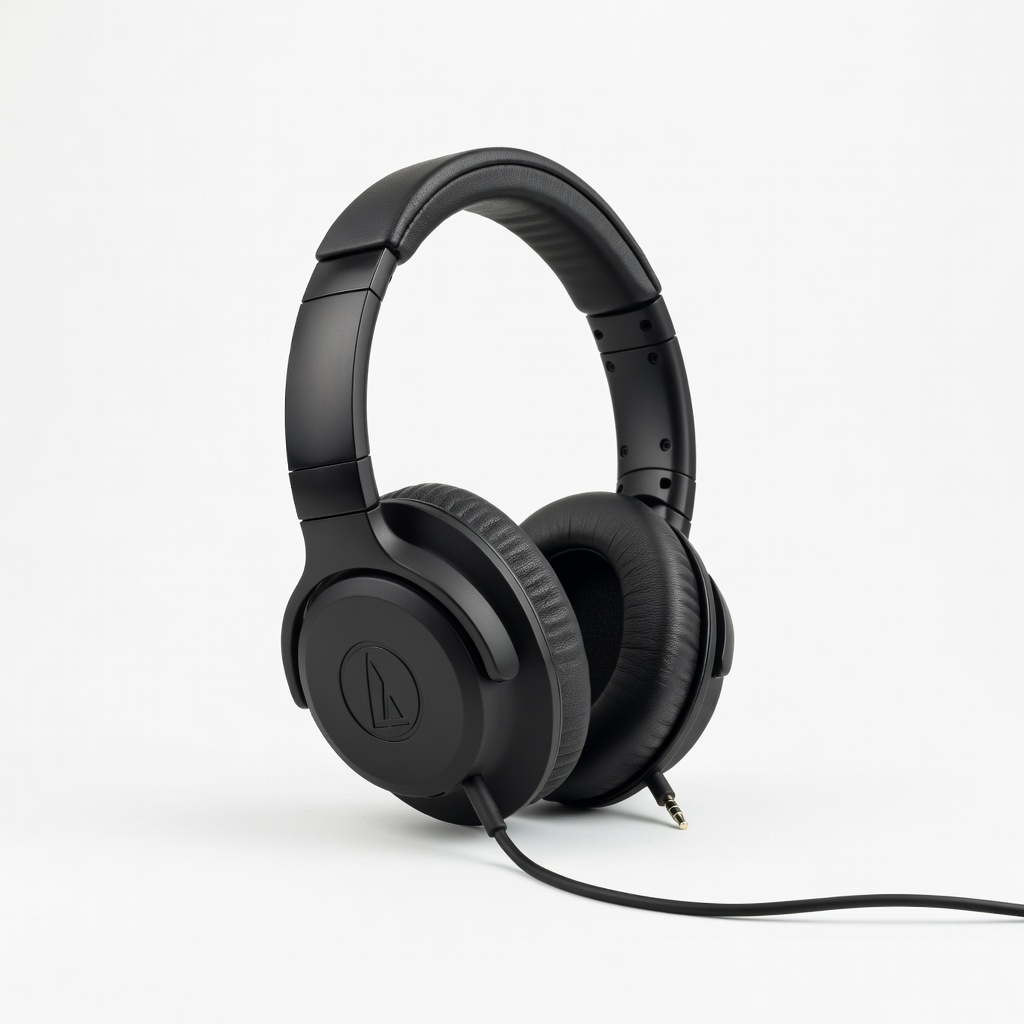
The sheer number of brands—Roland, Alesis, Donner—overwhelms, especially when reviews mix beginner and pro needs. Many fear buying too cheap (flimsy pads that break) or too pricey (unused fancy features). Plus, without guidance, they miss essentials like headphones for silent practice, leading to noisy fails or giving up early.
Real pain points from Amazon Q&A and YouTube comments: setup taking hours, pedals slipping, and no guidance on basic beats, making drumming feel harder than it should.
🔍 What to Look For: Key Beginner-Friendly Features
Focus on kits with responsive mesh or rubber pads that feel natural but forgive off-center hits—perfect for shaky beginner timing. Look for 8+ pads (snare, toms, hi-hat, crash, kick) and a sound module with 200+ sounds and built-in songs/lessons to learn without extra apps.
Beginner-friendly means easy assembly (under 30 minutes), headphone jack for quiet play, and sturdy rack that doesn't wobble. Avoid overwhelming MIDI features or tiny pads; prioritize intuitive volume controls and coaching modes that slow down beats.
What makes it forgiving? Dual-zone pads (edge/center response) and adjustable sensitivity so light hits register without ghost notes frustrating you. Skip pro-level triggers or expandability until later—stick to all-in-one kits under 50 lbs for easy storage.
✅ Essential Features for Beginners
•Mesh or thick rubber pads for quiet, realistic feel
•Built-in metronome and practice songs for guided learning
•Headphone output for silent, anytime practice
•Easy-setup rack with cable management
•Coach mode that scores your playing
•Adjustable pedal for natural footwork
•Compact size under 50 lbs for apartments
🏆 Top 4 Best Electric Drum Set for Beginners
#1
💰 Budget
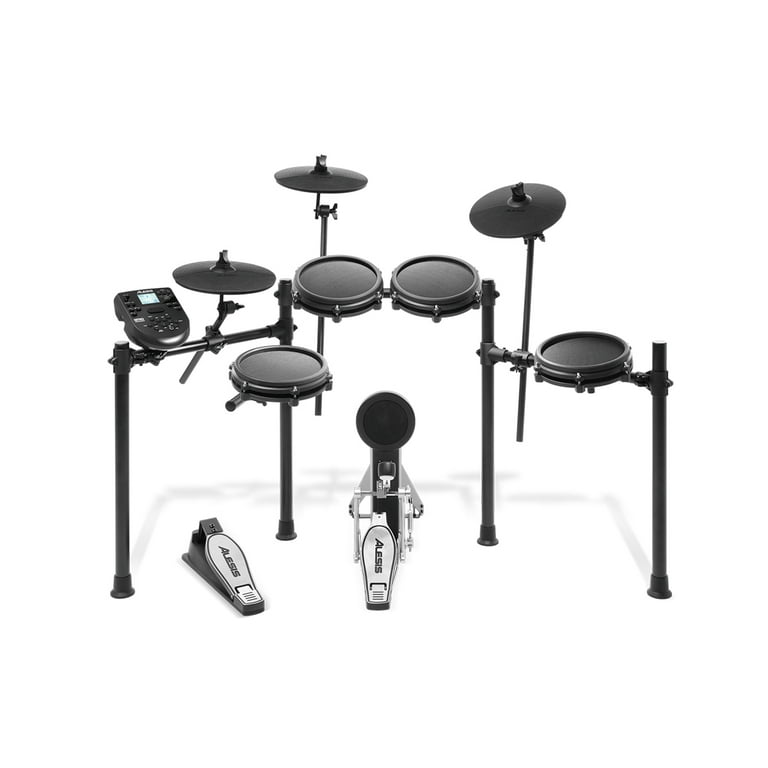
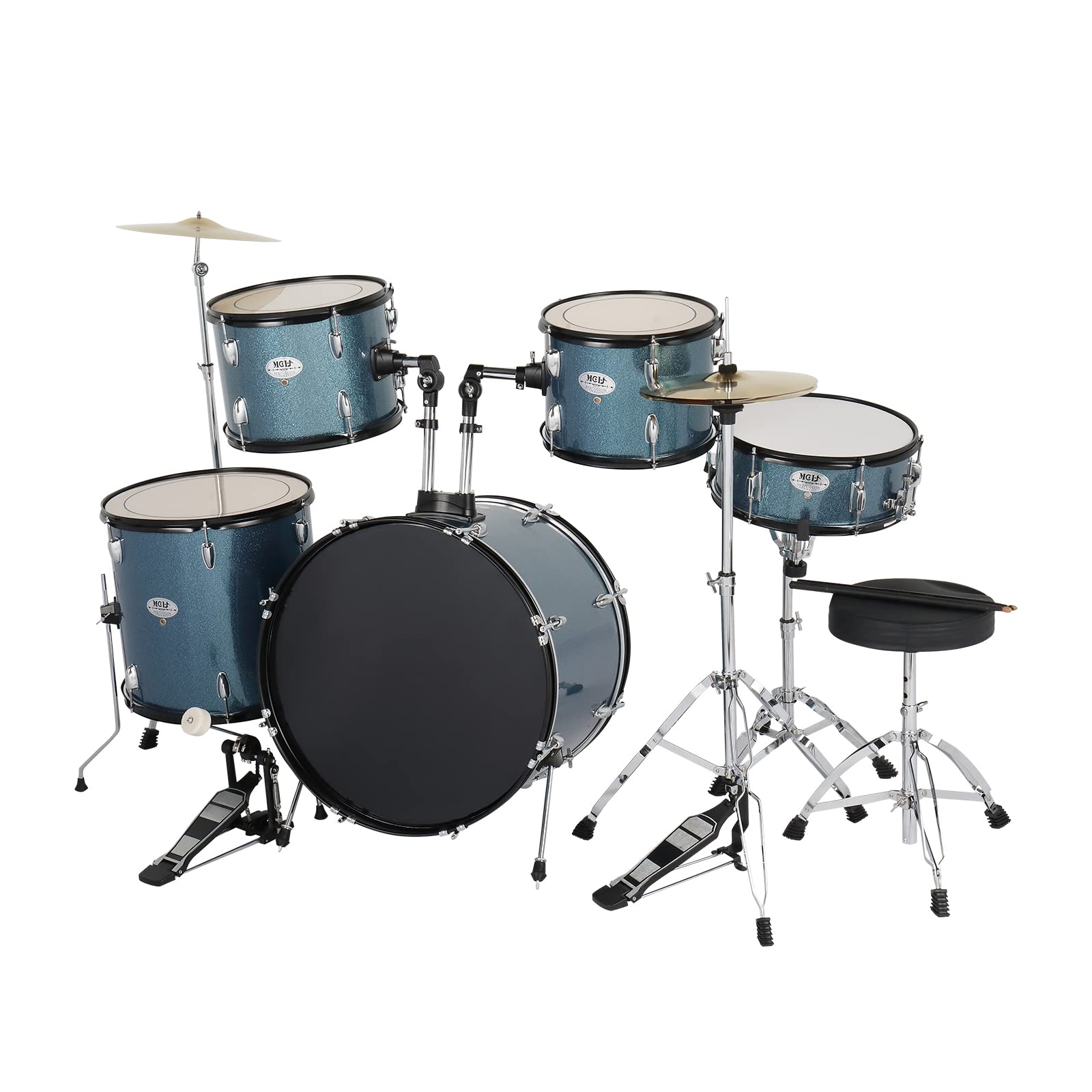
Alesis Nitro Mesh Kit Electronic Drum Set
Learning Curve: Easy
$349.00
Difficulty: 1/5
Why Great for Beginners:
This kit has mesh heads for quiet practice and 385 sounds with 60 play-along tracks to learn beats easily. Assembly takes 20 minutes, and the coaching mode gives instant feedback without needing a teacher.
Full 8-piece with dual-zone pads and 180 songs makes it forgiving and fun. Bluetooth connectivity adds free app lessons, helping you progress without frustration.
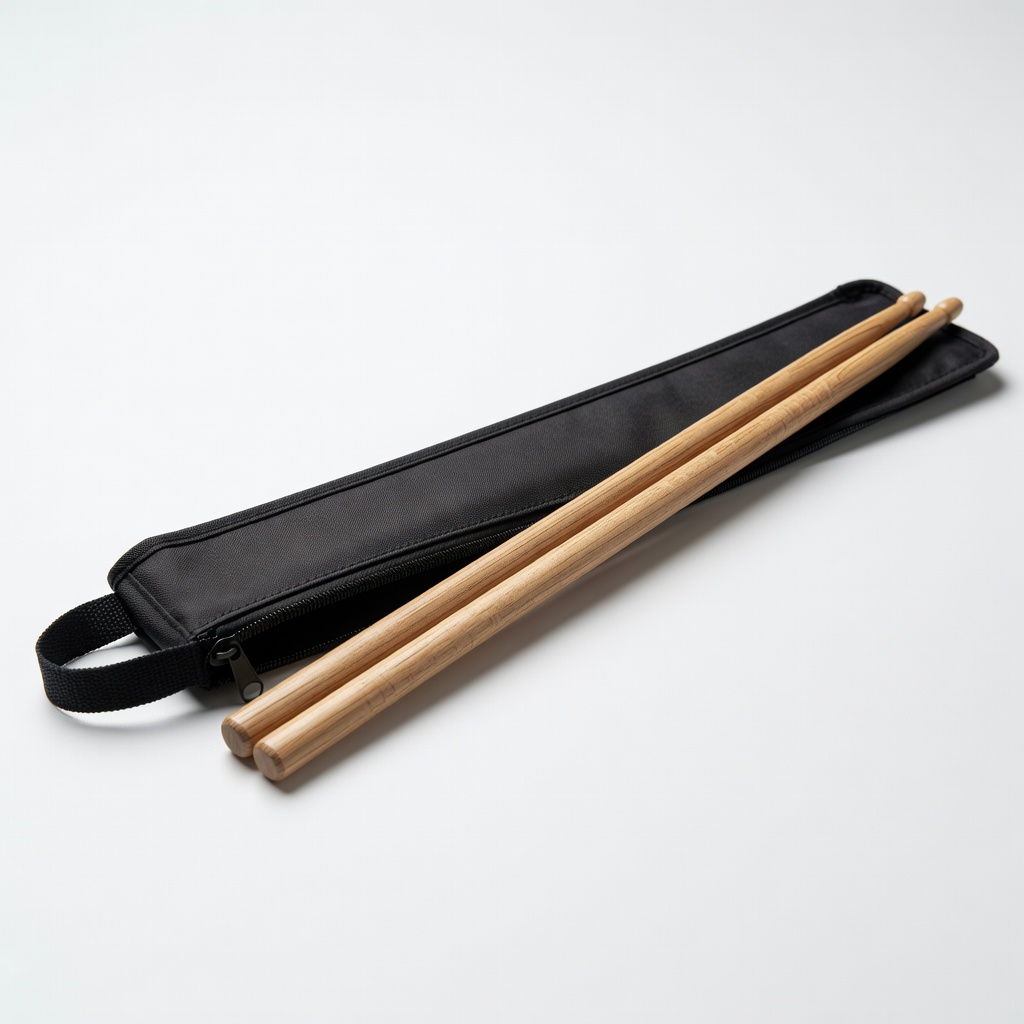
An electric drum set mimics acoustic drums electronically: pads trigger sounds from a module via cables. Basics include 5-10 pads on a metal rack, bass pedal, hi-hat controller, and sticks. No tuning needed—plug in and play.
Types: Entry kits (rubber pads, basic sounds) for budgets; mesh-head kits (quieter, better rebound) for immersion; hybrid (mix acoustic/electric) for feel. Beginners thrive on full-size mesh kits like 8-piece setups—compact yet complete.
Best for newbies: Mesh electronic kits with lessons. Realistic expectations: Week 1, basic beats; Month 1, simple songs. Evaluate by video demos (pad response), user assembly vids, and beginner reviews. 'Beginner-friendly' means plug-and-play, not pro connectivity.
🔧 Essential Accessories for Beginners
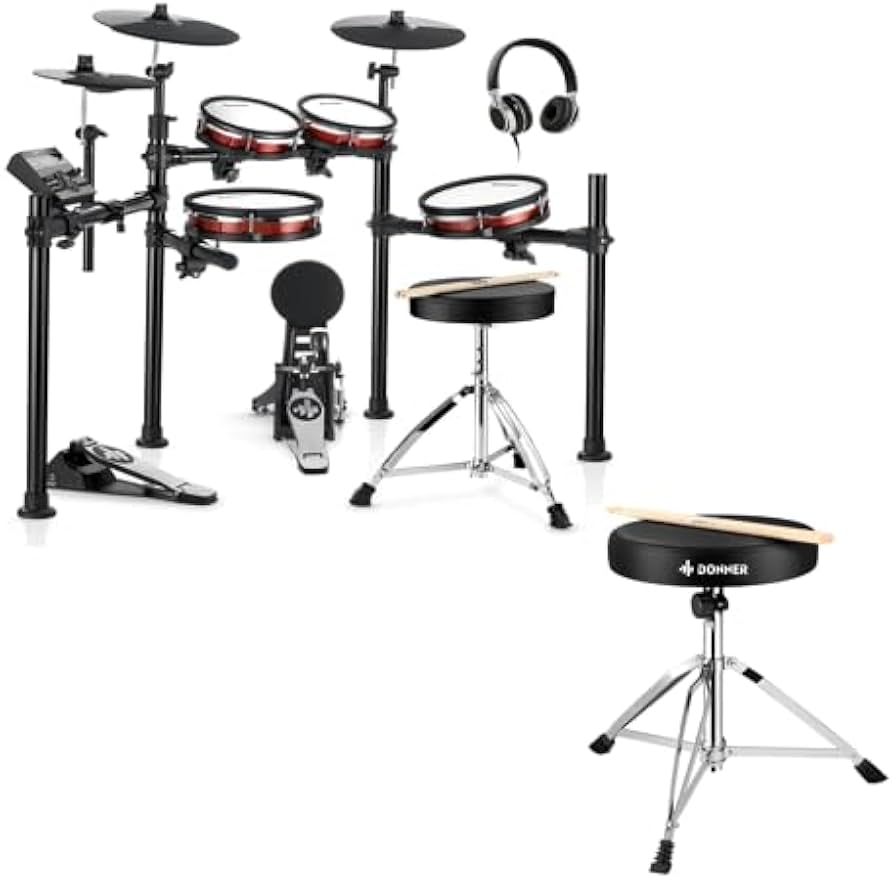
PAXBM Drum Throne Adjustable Stool
⚠️ Essential
$49.99
When to buy:
Day one
Sitting comfortably prevents back pain during long sessions, letting you focus on beats. Adjustable height fits all sizes for proper posture.
Ask: Space? (compact for small rooms). Noise? (headphones essential). Goals? (fun jamming vs lessons). Budget? Start here.
Scenarios: Apartment—quiet mesh. Garage—any. Kids/teens—forgiving pads. Growth: Pick expandable racks. Budget vs premium: Under $300 for trial; $300-500 sweet spot (quality lasts); $600+ if committed. Red flags: No lessons, flimsy pedals, poor English manuals.
Test via Amazon previews: Check pad size (8-10" snare), sounds (400+ realistic), app-free setup. Match to playstyle—rock? More crashes.
💰 Budget Guide for Beginners
800+
Serious starter: Expandable, near-pro quality for dedicated learners.
Premium beginner: Pro sounds, responsive pads, room to grow without quick replacement.
Under $ - $300
Entry level: Basic rubber pads to try drumming, but may upgrade in 6 months due to noise/plastic feel.
⚠️ Common Beginner Mistakes to Avoid
Newbies grab the cheapest kit, then complain of tinny sounds and breaking pedals—false economy. Others splurge on pro Roland without basics, ignoring unused features. Skipping accessories like thrones leads to pain; no rug means slipping disasters per reviews.
Avoid by sticking to vetted beginner kits, budgeting 20% extra for add-ons. Experienced drummers say: 'Start simple, master basics before bells.' Check unboxing videos for real setups.
×Buying acoustic-thinking kits without headphones
×Ignoring mesh pads for noisy rubber
×Skipping throne, causing poor posture
×Overlooking lesson modes, stalling progress
×Cheap pedals that slip constantly
×No rug, pedals wander
×Too many pads overwhelming setup
×Forgetting growth: non-expandable racks
📈 Your Progression Path: Beginner to Intermediate
First: Learn fills, rudiments via kit lessons (1-3 months). Practice 20 min/day with metronome. Outgrown when basic songs bore you, want real cymbals/MIDI recording.
Upgrade: Add cymbals (6 months), better pedals (1 year). Intermediate: Hybrid kits or acoustic. Signs ready: Consistent grooves, jamming with tracks. Most stay beginner 6-12 months.
📚 Learning Resources for Beginners
📖Alfred's Teach Yourself to Play Drums, ASIN B0002E1W9G - Step-by-step book with audio.