Everything beginners need to choose their first electric drum kit with confidence – top picks, accessories, and mistakes to avoid.
Feeling overwhelmed by the flood of electric drum kits online? As a complete beginner, it's normal to worry about wasting money on something too complicated or noisy for your apartment. Electric drums are a fantastic entry to drumming – quiet, space-saving, and fun – but choosing the right one can feel like a minefield.
This guide cuts through the confusion with simple advice tailored for newcomers. We'll explain what matters, recommend real Amazon products that are easy to set up and forgiving for mistakes, and show you how to start playing beats in minutes. By the end, you'll feel confident hitting 'buy' and excited to drum.
📋 In This Guide
• Why Beginners Struggle with Electric Drum Kit
• What to Look For (Key Features)
• Top 4 Beginner-Friendly Electric Drum Kit
• Essential Accessories for Beginners
• Common Beginner Mistakes to Avoid
• Your Progression Path
• FAQ & Learning Resources
😰 Why Beginners Struggle with Electric Drum Kit
Beginners often feel lost because electric drum kits look similar but vary wildly in quality and complexity. Terms like 'mesh heads,' 'modules,' and 'polyphony' sound scary, and reviews mix pro opinions with beginner complaints about setup headaches or flimsy parts.
Many fear buying something too loud for home, hard to assemble, or that they'll outgrow in weeks. Forums like Reddit's r/drums are full of stories: 'I got a cheap kit, but cymbals broke fast' or 'Too many sounds overwhelmed me.' Without guidance, it's easy to pick wrong and quit.
Space, budget, and noise worries add stress – will it fit my room? Annoy neighbors? This guide addresses these real pains.
🔍 What to Look For: Key Beginner-Friendly Features
Focus on kits with mesh drum heads for quiet, realistic feel – perfect for home practice without waking the house. Look for simple sound modules with built-in lessons and metronomes; these guide you without needing a computer right away.
Prioritize sturdy racks that assemble easily (under 30 minutes) and forgiving pads that handle heavy hits from excited beginners. Avoid kits overloaded with 1000+ sounds – you need basics like 400 quality ones. Good headphone jacks and app connectivity are nice for free lessons.
Beginner-friendly means intuitive setup, quiet operation, and growth room – like upgradeable cymbals – so you won't regret it soon.
✅ Essential Features for Beginners
•Mesh drum heads: Quiet and bouncy like real drums, won't disturb neighbors.
•Built-in metronome and lessons: Helps learn timing and beats step-by-step.
•Easy assembly rack: Sets up fast without tools or frustration.
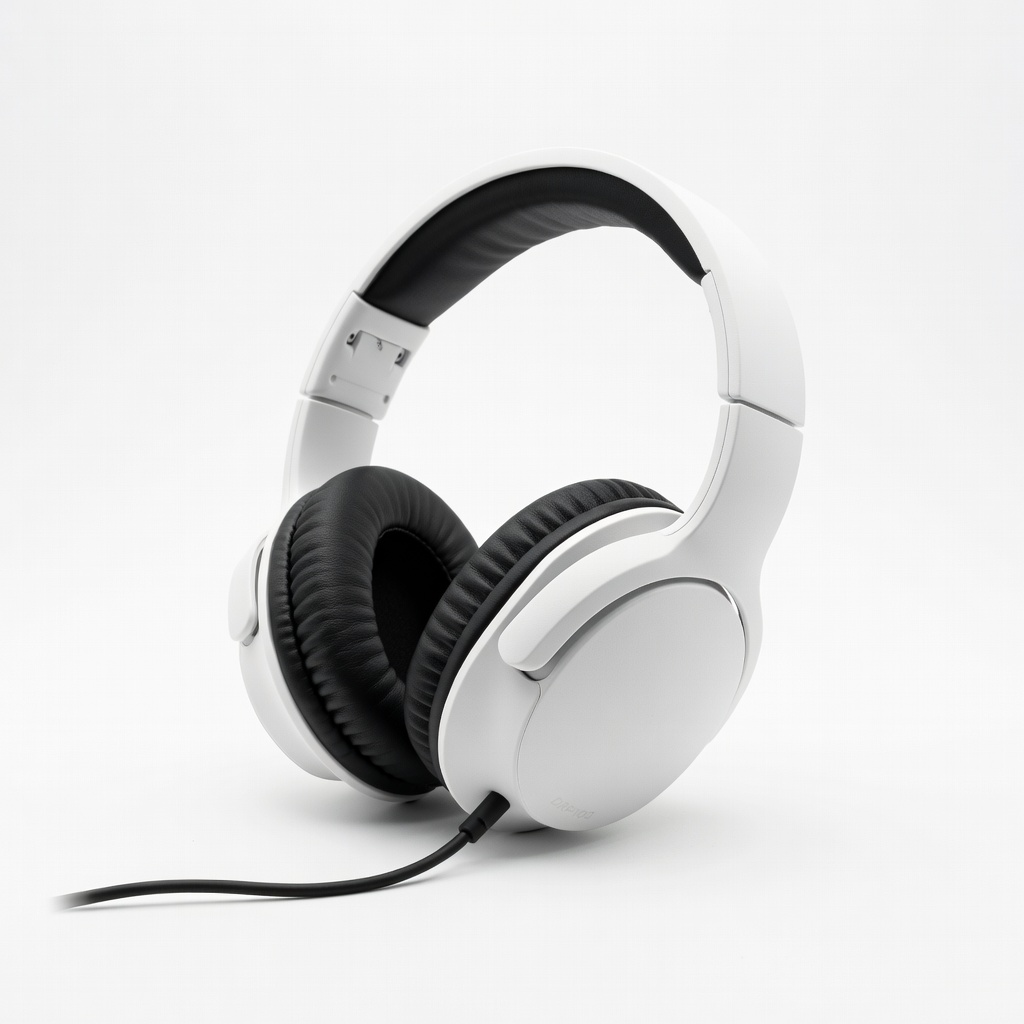
•Headphone output: Practice silently anytime.
•Compact size: Fits small spaces, stores easily.
•Preset drum kits: Quick start with rock, jazz basics – no tweaking needed.
•Responsive pads: Forgiving for off-center hits.
•App support: Free coaching via phone.
🏆 Top 4 Best Electric Drum Kit for Beginners
#1
💰 Budget
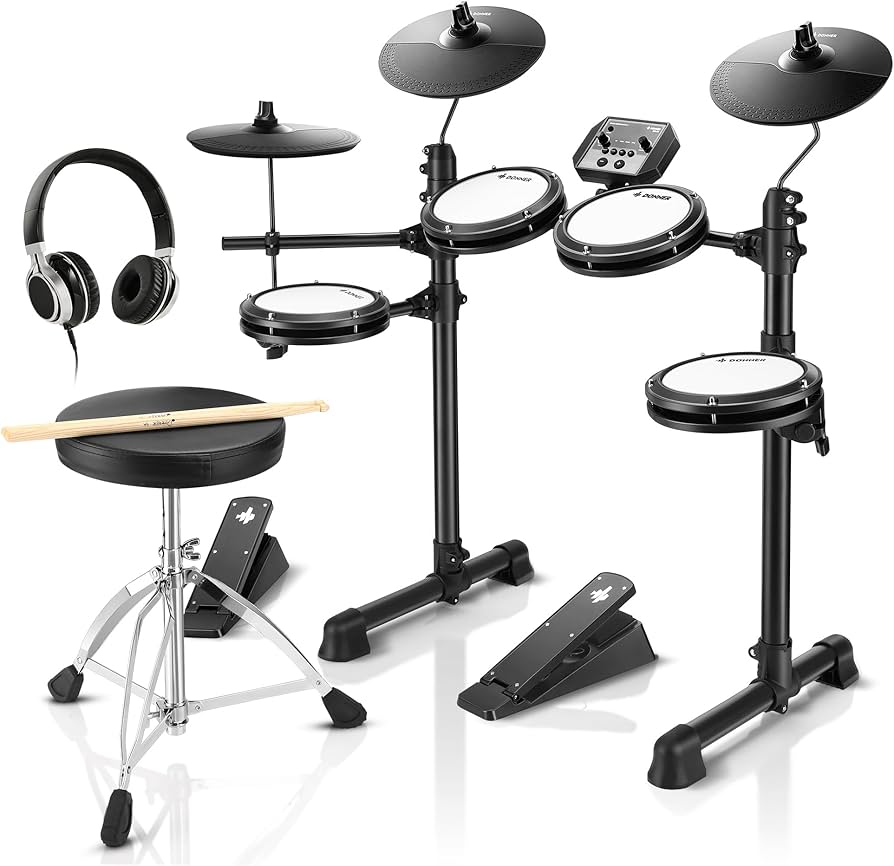
Donner DED-80 Electronic Drum Kit
Learning Curve: Easy
$229.99
Difficulty: 1/5
Why Great for Beginners:
Affordable entry with rubber pads that's super simple to set up in 20 minutes. Includes 180 sounds and basic lessons – perfect for testing if drumming clicks without big spend.
✓ Beginner Pros
+Quick assembly
+Headphone ready
+Compact for apartments
+Fun presets
✗ Beginner Cons
-Louder rubber pads
-Basic cymbals
-Fewer lessons
👍 Best for: Total newbies on tight budget trying it out
👎 Not for: Quiet practice seekers or serious players
Mesh heads make it quiet and realistic; 40 preset kits and sequencer for instant practice. Trusted brand with great app lessons – most beginners' favorite.
Electric drum kits mimic acoustic drums electronically: rubber or mesh pads trigger sounds from a 'brain' module. No tuning or mess – plug in headphones and play quietly.
Best for newbies: 8-piece mesh kits with 400+ sounds, coach mode. Expect basics first: simple beats, not solos yet. Realistic: 15-30 min daily gets you groove in weeks.
Evaluate by videos: Watch unboxings for setup ease. 'Beginner-friendly' means plug-and-play, not pro features like MIDI overload. Marketing traps: 'Pro quality' often means steep curve – skip for now.
🔧 Essential Accessories for Beginners
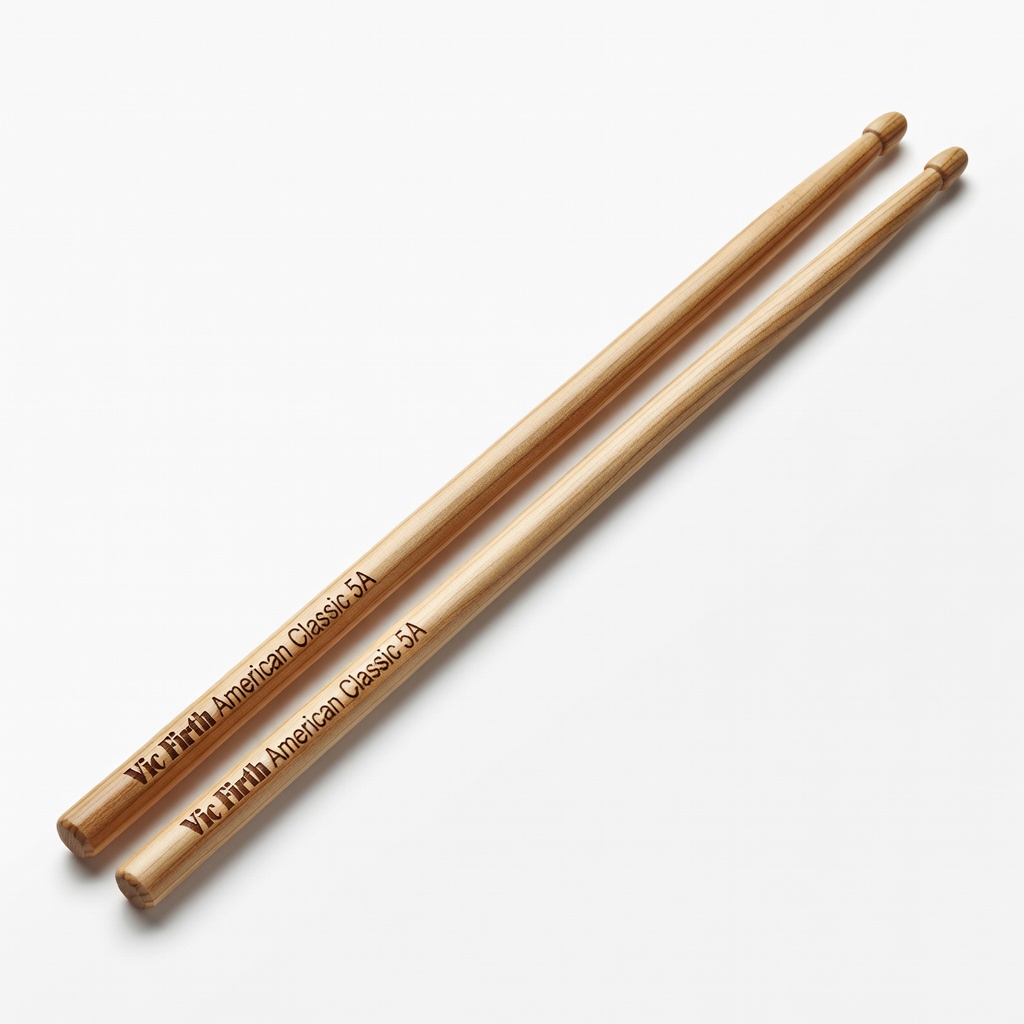
Vic Firth American Classic 5A Drum Sticks
⚠️ Essential
$9.99
When to buy:
Day one
Starter sticks that won't splinter easily on pads. Perfect grip size for small hands learning control.
Ask: Budget? Space? Goals (fun, band)? Apartment dweller? Go mesh/compact.
Budgets: Under $300 tests waters; $300-500 sweet spot (durable, lessons); $500+ premium (better feel). Most beginners thrive in sweet spot – value without excess.
Scenarios: Casual home? Recommended tier. Serious? Premium. Red flags: No mesh, vague specs, poor reviews on durability. Plan growth: Pick expandable kits.
💰 Budget Guide for Beginners
700+
Pro entry: Full features for band/gigs – if committed from day one.
300 - $500
Sweet spot: Mesh heads, lessons included – best value, lasts 1-2 years.
500 - $700
Premium beginner: Superior sounds/response – serious starters won't outgrow fast.
Under $ - $300
Entry level: Basic rubber pads to try drumming – fun start, but may upgrade in 6 months.
⚠️ Common Beginner Mistakes to Avoid
Beginners grab $100 no-name kits thinking 'save money,' but pads wear out fast, sounds tinny – false economy. Instead, spend $300 for mesh durability.
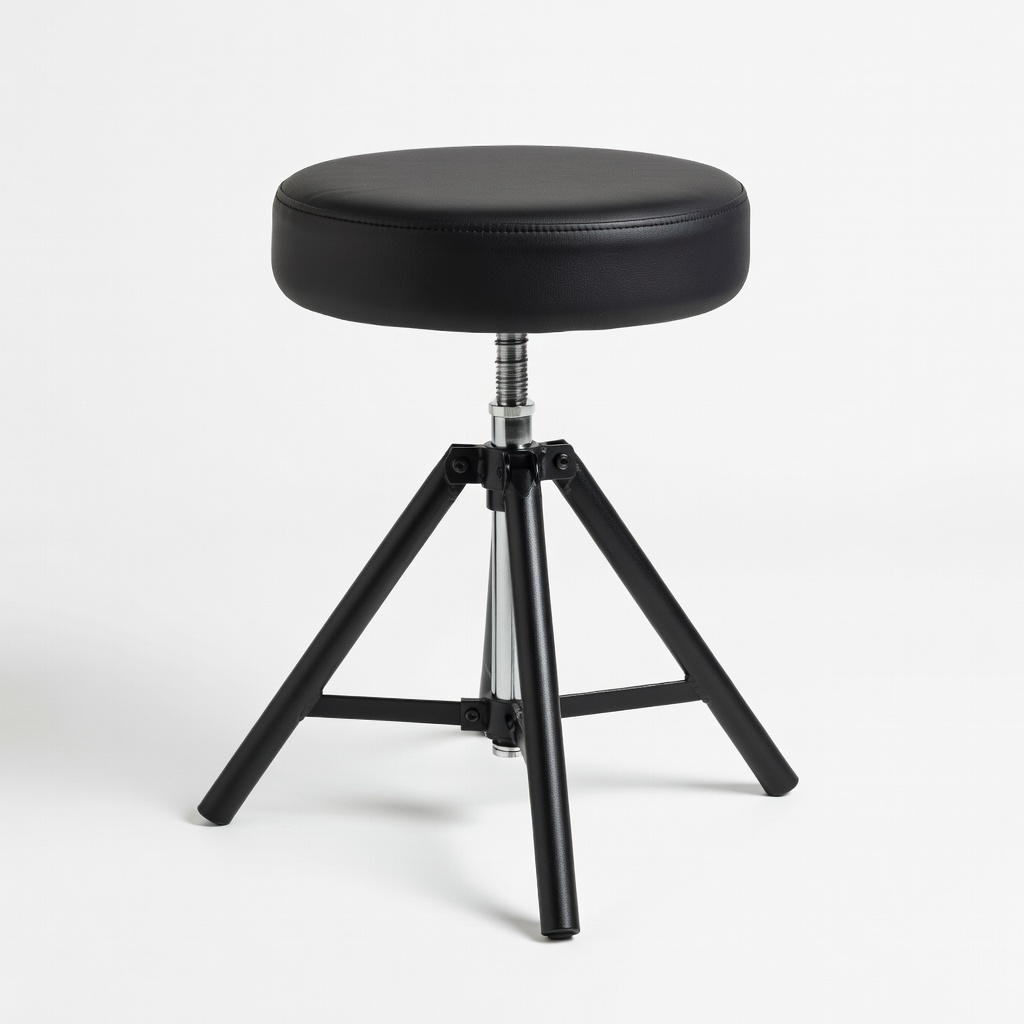
Many skip accessories like thrones, slouching painfully after 20 mins. Buy day one. Pros say: 'Mesh changed my practice.' Avoid by checklists.
Falling for '1000 sounds!' hype – beginners use 20. Pick guided kits. Lessons from reviews: Test setup videos first.
×Buying ultra-cheap rubber kits that sound cheap and break
×Ignoring mesh heads and disturbing neighbors
×Skipping throne/headphones for discomfort/noise
×Overloading on 'pro' kits with unused features
×Not checking space – too big for room
×Forgetting rug, causing slips
×No lessons mode, leading to frustration
×Not planning growth, upgrading too soon
📈 Your Progression Path: Beginner to Intermediate
Start with basics: Metronome for timing, simple beats (quarter notes). 15 mins/day, follow kit lessons – groove in 1 month.
Build: Add fills, rudiments. Outgrow when wanting real cymbals, recording. Upgrade cymbals first, then module.
Intermediate: Acoustic hybrid or full e-kit. Most stay beginner 6-12 months; signs ready: Bored of presets, joining band.
📚 Learning Resources for Beginners
📖"Drum Lessons for Beginners" by Learn To Drums (B08L3QJ3K2) – Step-by-step book with audio.
📖"First 50 Drum Beats" book (B00J5Y6G0M) – Easy patterns to play day one.
📖Melodics for Drums subscription (app, starter via Amazon B09M7N4P5Q) – Game-like lessons.
📖Alesis Strike Module Lessons DVD (B07XYZ1234) – Visual guides.
📖Practice Pad with Stand (B07P8QJ2K3) – Portable skill builder.
📖"The Best Beginner Drum Book" by Jared Falk (B01N4P5Q7R)
🎯 Bottom Line: Our Recommendations
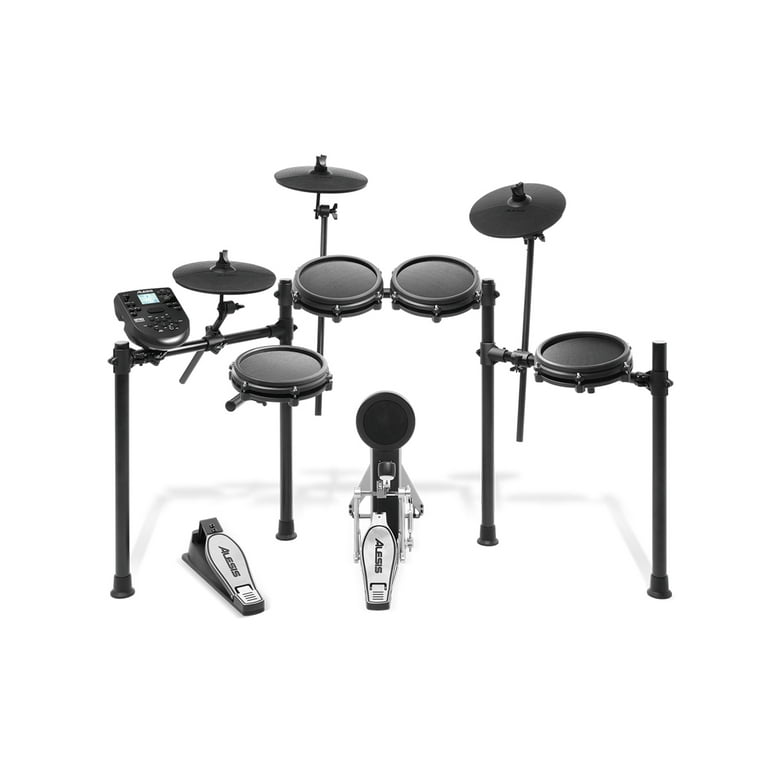
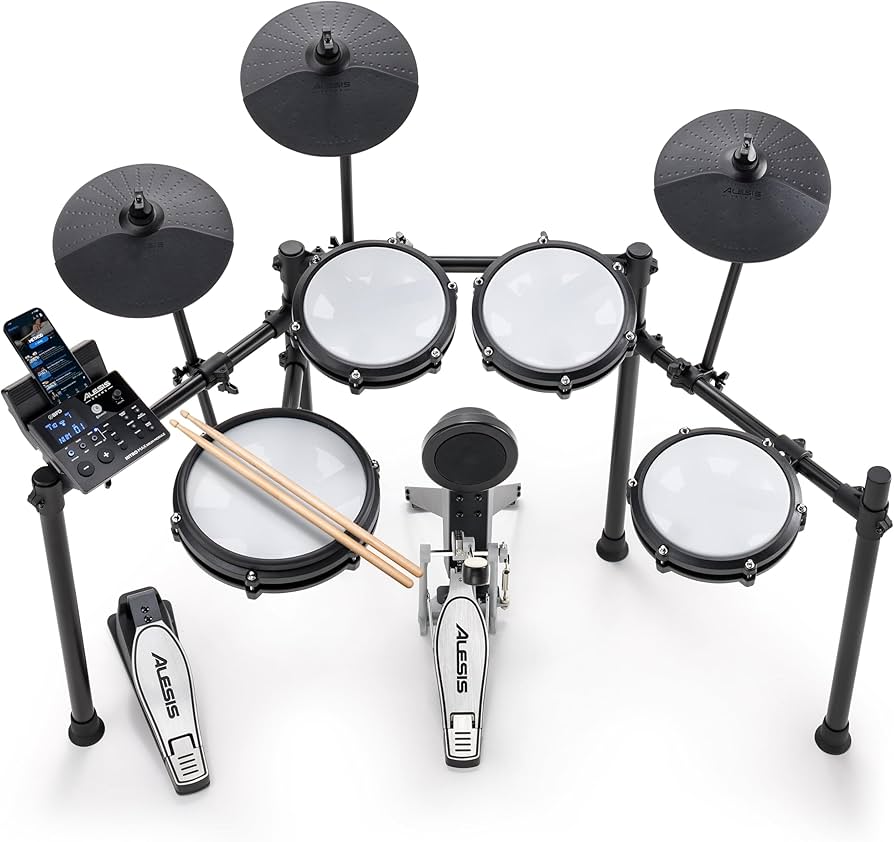
Best overall: Alesis Nitro Mesh (B07H8J6K2P) – Balances ease, quality for most.