Everything beginners need to choose their first E Mountain Bike with confidence—no jargon, just simple picks and tips.
Picking your first E Mountain Bike (eMTB) can feel scary with all the tech talk, high prices, and trail worries. Beginners often fear wasting money on something too hard to ride or that breaks on the first bump. But don't worry—this guide cuts through the confusion.
E Mountain Bikes make uphill climbs easy with electric help, letting you focus on fun trails instead of exhaustion. We'll cover what matters for new riders, top Amazon picks, and mistakes to skip, so you ride confidently from day one.
By the end, you'll know exactly which bike fits your budget and trails, plus accessories to start safe. Let's get you pedaling!
📋 In This Guide
• Why Beginners Struggle with E Mountain Bike
• What to Look For (Key Features)
• Top 4 Beginner-Friendly E Mountain Bike
• Essential Accessories for Beginners
• Common Beginner Mistakes to Avoid
• Your Progression Path
• FAQ & Learning Resources
😰 Why Beginners Struggle with E Mountain Bike
New to eMTBs? You're hit with overwhelming choices: motors, batteries, suspensions—terms that sound like rocket science. Forums like Reddit's r/MTB show beginners stressing over 'torque sensors' vs 'cadence' or if 500Wh battery is enough.
Fear of buying wrong is huge—too heavy to lift, dies mid-ride, or can't handle real trails. Prices from $1,000 to $10,000 confuse everyone, and without test rides, it's a gamble. Many quit after frustration from poor fit or steep learning curves.
Plus, trails scare newbies: roots, rocks, drops. Without forgiving features, crashes build fear. This guide fixes that with beginner-proof advice.
🔍 What to Look For: Key Beginner-Friendly Features
For beginners, skip fancy tech—focus on simple, reliable basics. Look for 250-750W hub or mid-drive motors: enough power for trails without overwhelming speed. Battery at least 400Wh for 20-40 miles, with easy charging.
Hardtail suspension (front only) is forgiving and cheap to maintain—full suspension later. Fat or 27.5" tires grip loose dirt; adjustable seat/stem for fit. Walk-assist mode helps pushing uphill.
Intuitive displays with auto-modes (eco/turbo) mean no fiddling. Lightweight under 55lbs if possible, good brakes (hydraulic discs), and warranty/support. Avoid: super-aggressive geometry or 1000W+ motors that feel scary fast.
✅ Essential Features for Beginners
•Simple auto pedal-assist modes (eco/tour/turbo)
•Walk-assist for easy pushing
•Long battery life (400Wh+)
•Hydraulic disc brakes
•Adjustable stem/seat for fit
•Fat tires for stability
•Integrated lights and fenders
🏆 Top 4 Best E Mountain Bike for Beginners
#1
💰 Budget
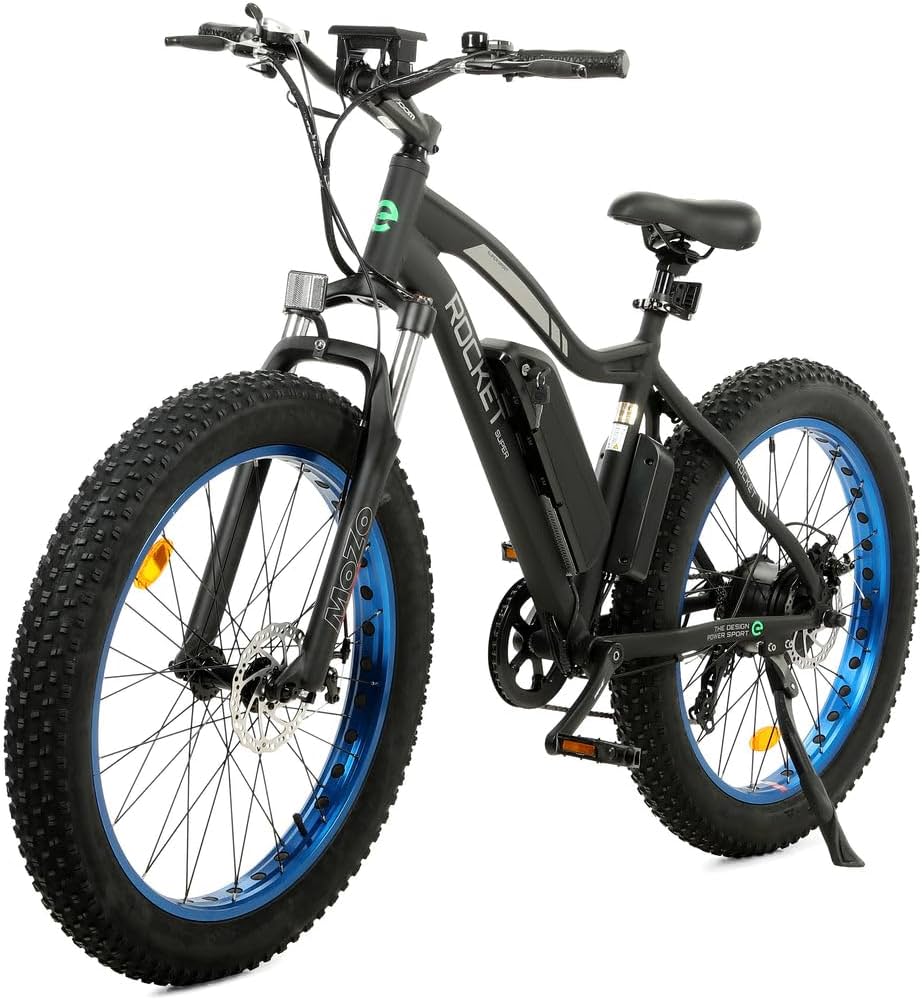
Ecotric Fat Tire Electric Mountain Bike
Learning Curve: Easy
$1299.99
Difficulty: 1/5
Why Great for Beginners:
This hardtail eMTB has a forgiving fat tire setup and simple controls, perfect for first trail rides. 500W motor with 48V battery gives easy assist without scaring newbies. Adjustable fit and walk mode make it intuitive.
✓ Beginner Pros
+Fat tires for stability on roots/rocks
+Long 40-mile range
+Lightweight at 52lbs
+Easy assembly
✗ Beginner Cons
-Basic suspension
-Hub motor less natural feel
👍 Best for: Budget-conscious new trail riders on easy paths
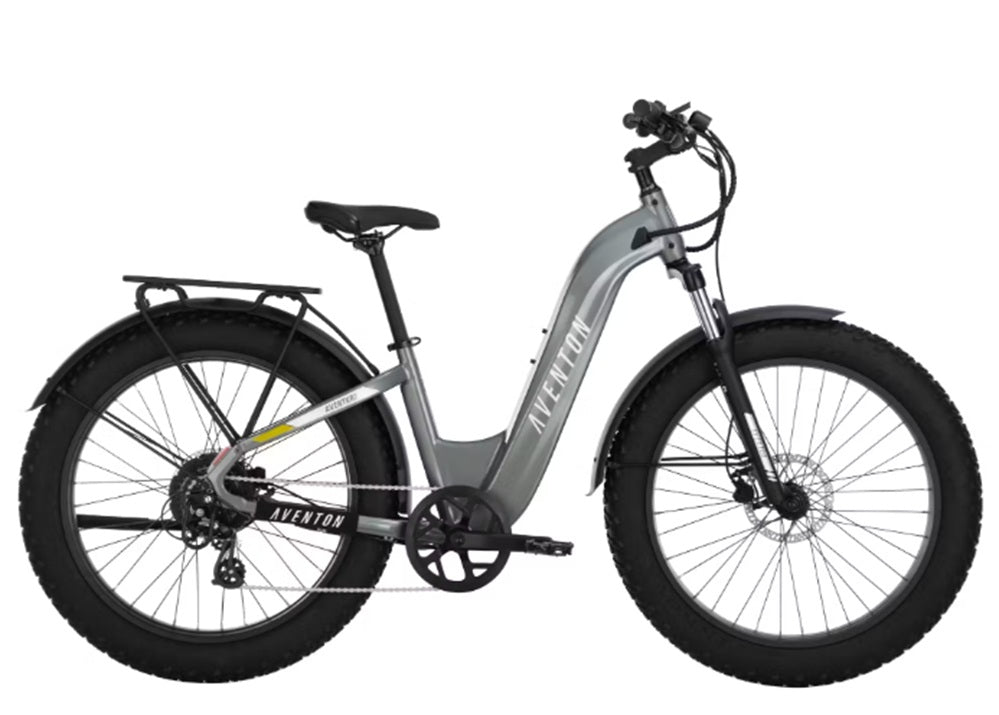
Sweet spot with torque sensor for smooth power, fat tires for grip, and app integration for easy tweaks. Great for trails, upright posture reduces fatigue. Excellent battery and warranty build confidence.
✓ Beginner Pros
+Natural pedal feel
+50-mile range
+Integrated lights
+Step-through easy mount
✗ Beginner Cons
-Slightly heavier 68lbs
-App optional learning
👍 Best for: Most beginners wanting value and growth
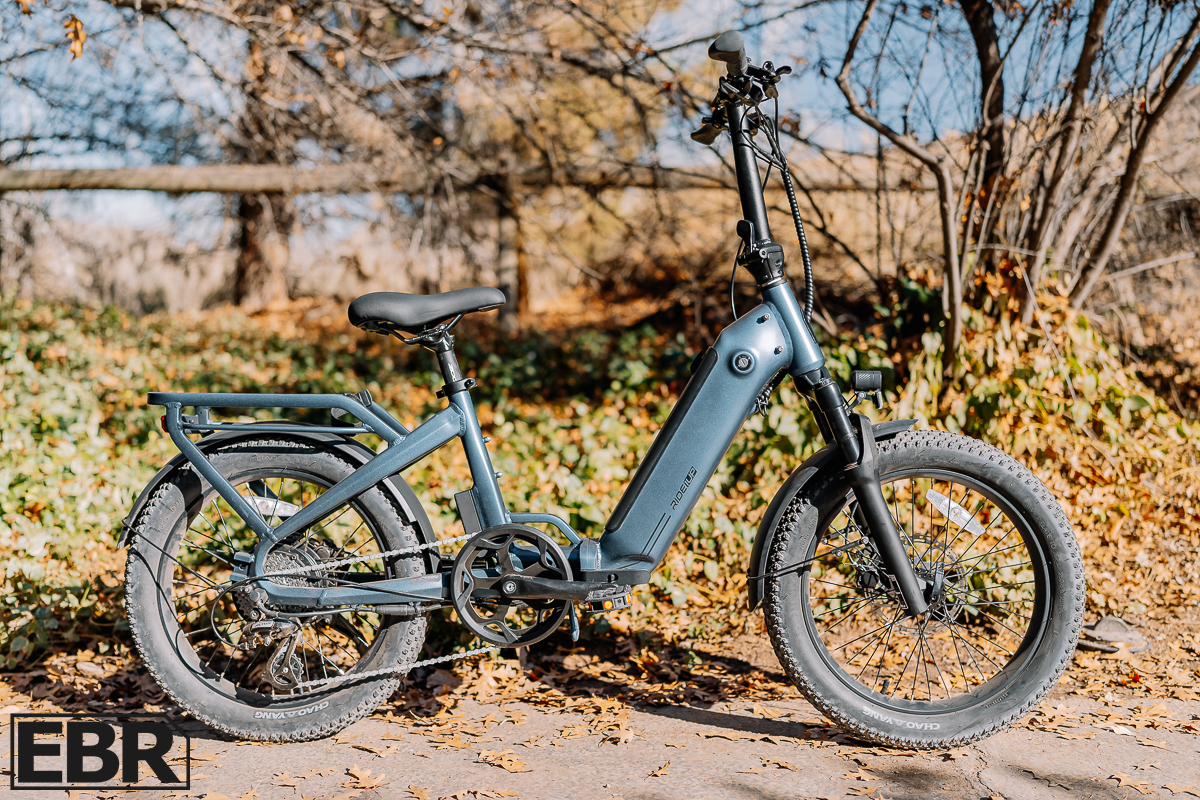
Trail-ready hardtail with quality Shimano components and mid-drive motor for precise assist. Forgiving geometry and hydraulic brakes stop safely. Good community support for new riders.
✓ Beginner Pros
+Smooth mid-drive
+45-mile range
+Adjustable cockpit
+Rack compatible
✗ Beginner Cons
-Narrower tires less plush
👍 Best for: Beginners eyeing gravel-to-trail progression
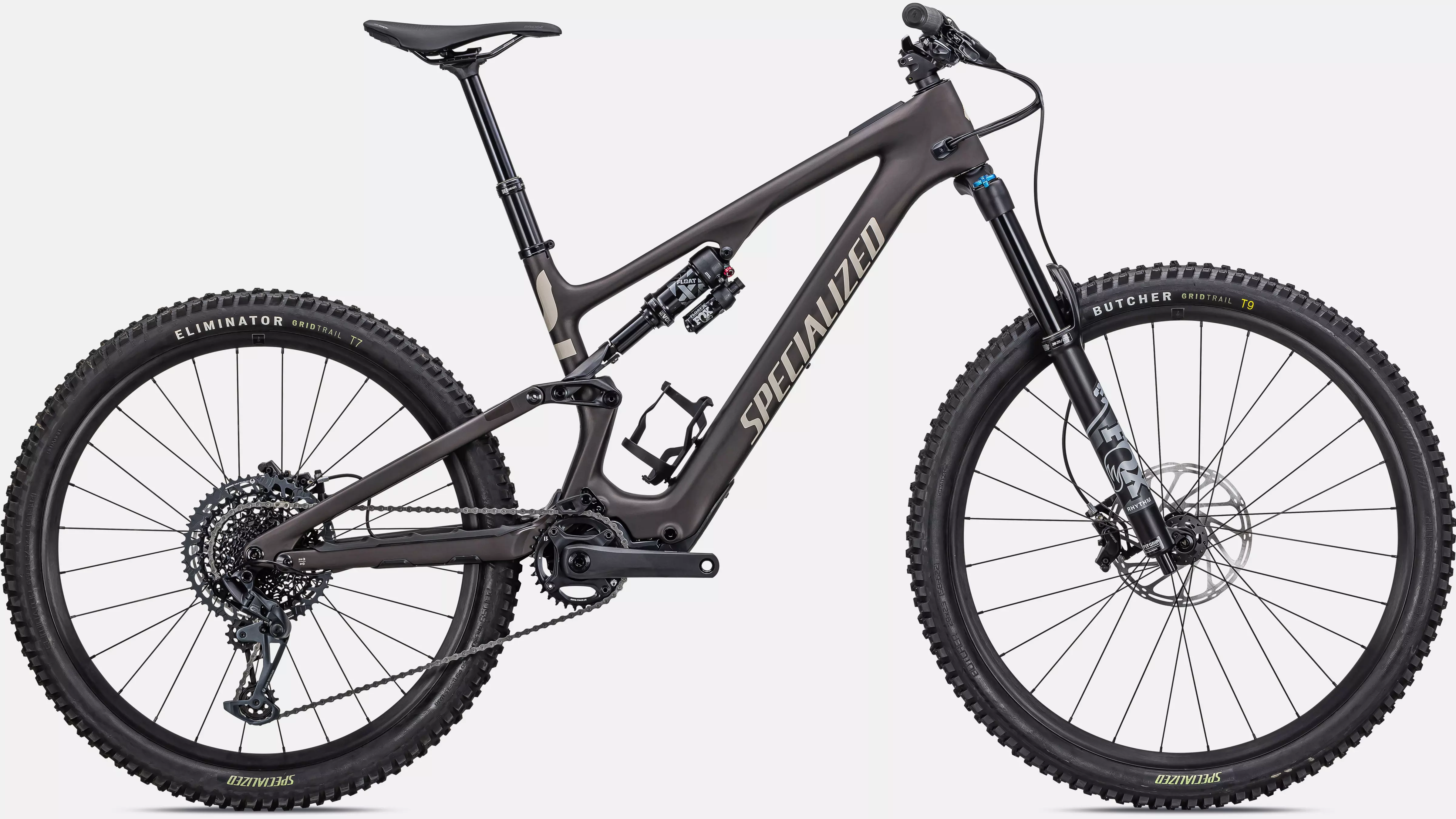
Premium lightweight full-suspension with SL motor—feels like a normal bike with help. Top-tier components last years, app tunes perfectly. Forgiving for learning trails without bulk.
An E Mountain Bike is a regular mountain bike with a battery-powered motor that boosts your pedaling on trails. It flattens hills, extends rides, and builds confidence—no more walking up steeps.
Types: Hardtails (front suspension only—best for beginners, lighter/cheaper); Full-suspension (both wheels—smoother but heavier/pricey, for later). Trail niche means balanced for climbs/descents, not extreme downhill.
Beginners thrive on hardtails with mid-drive motors (natural feel) or hubs (simple). Expect 15-30mph top speed, 20-50 mile range. 'Beginner-friendly' = forgiving geometry (upright posture), easy controls, app-free setup.
Marketing traps: 'Enduro-ready' means aggressive—not for newbies. Test fit: standover height comfortable. Realistic: First rides on easy trails, 5-10 miles.
🔧 Essential Accessories for Beginners
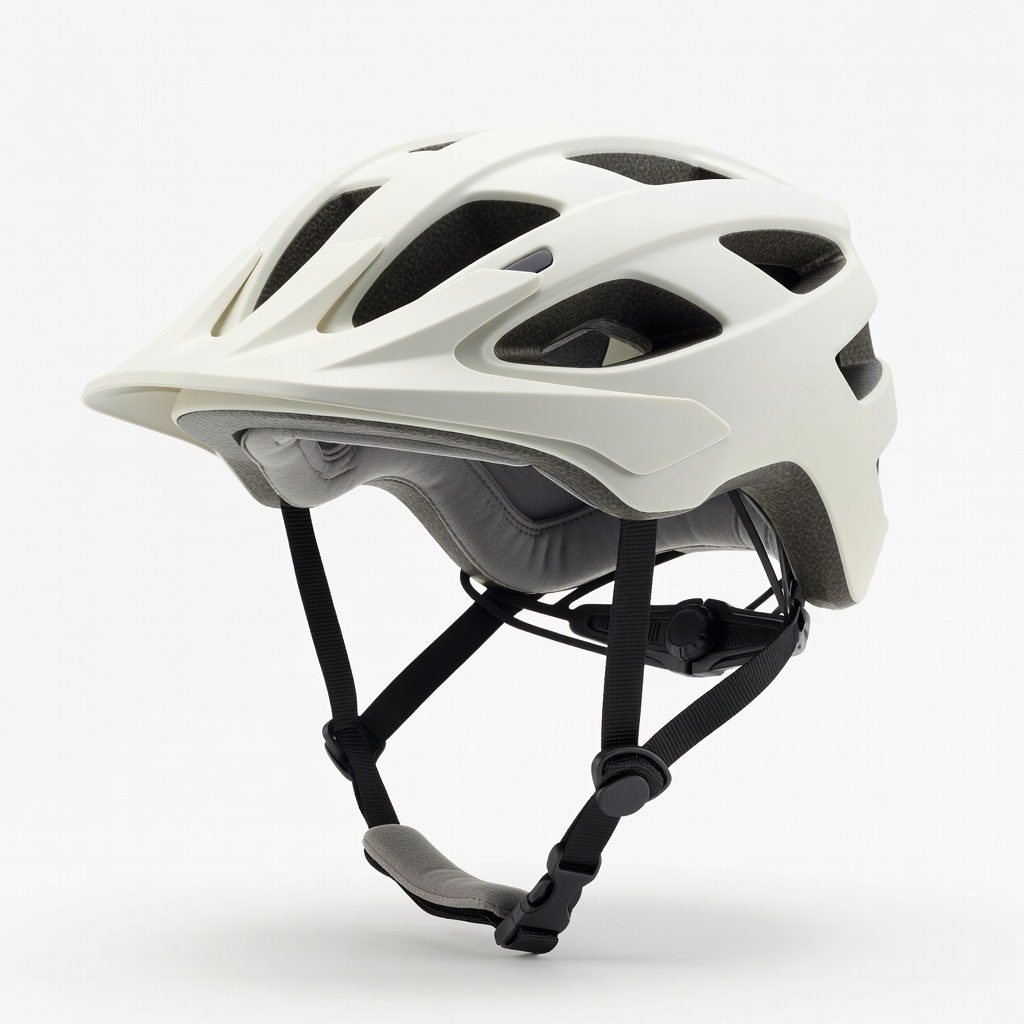
Schwinn Intercept Adult Mountain Bike Helmet
⚠️ Essential
$29.99
When to buy:
Day one
Crashes happen learning trails— this MIPS helmet absorbs impacts safely. Dial fit adjusts perfectly, lightweight for all-day comfort. Beginners need head protection first.
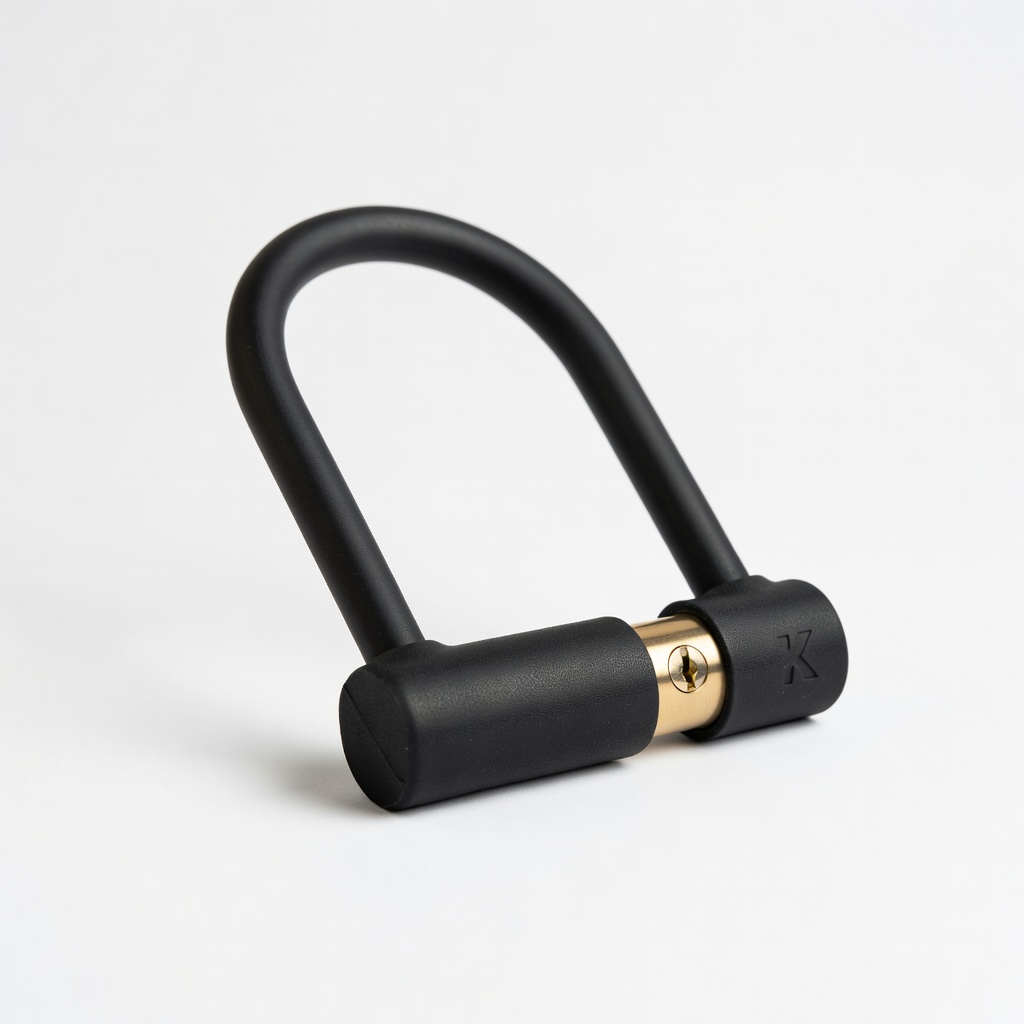
Trailheads mean leaving bike unattended—this u-lock deters thieves simply. 12mm steel hard to cut, includes cable for wheels. Peace of mind for new riders.
Ask: Budget? Trails near? Height/weight? First, match frame size (S/M for 5'2"-5'10"). Use case: Local dirt paths? Go budget hardtail. Rougher trails? Recommended with better suspension.
Budgets: Under $2,000 entry (basic power); $2,000-$3,500 sweet spot (reliable, growable); $3,500+ premium (top components). Budget if testing; recommended for most—balances value/growth.
Red flags: No reviews, cheap no-name batteries, over 60lbs. Prioritize fit over specs. Rent locally first if possible.
💰 Budget Guide for Beginners
5000+
Pro entry—full-suspension, advanced motors for serious starters.
2000 - $3500
Sweet spot—best for most beginners; reliable range, suspension, room to grow.
Entry level—basic motors and batteries for flat/easy trails; may upgrade in 1 year.
⚠️ Common Beginner Mistakes to Avoid
Beginners grab $999 'eBikes' that lack trail suspension, dying after 10 miles—false economy per Amazon reviews. Others splurge on $6k full-sus without skills, feeling overwhelmed.
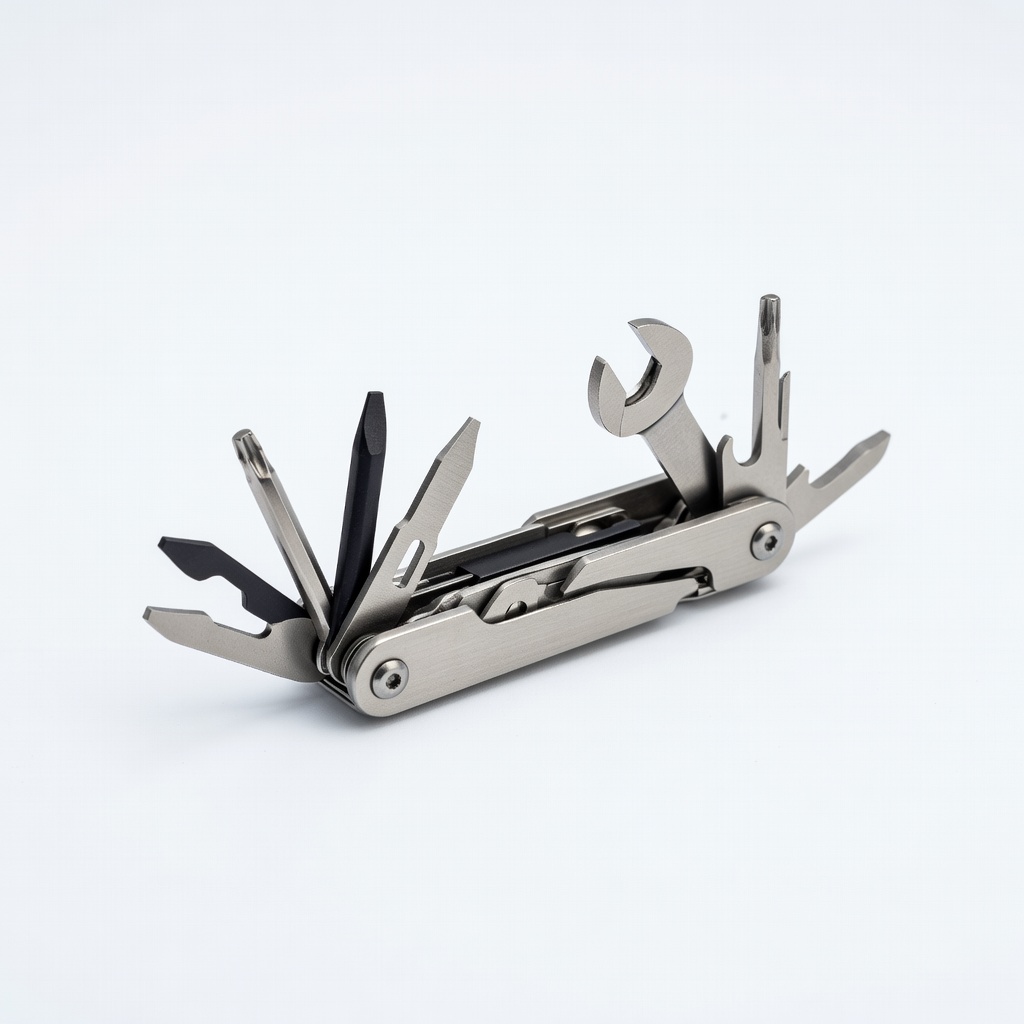
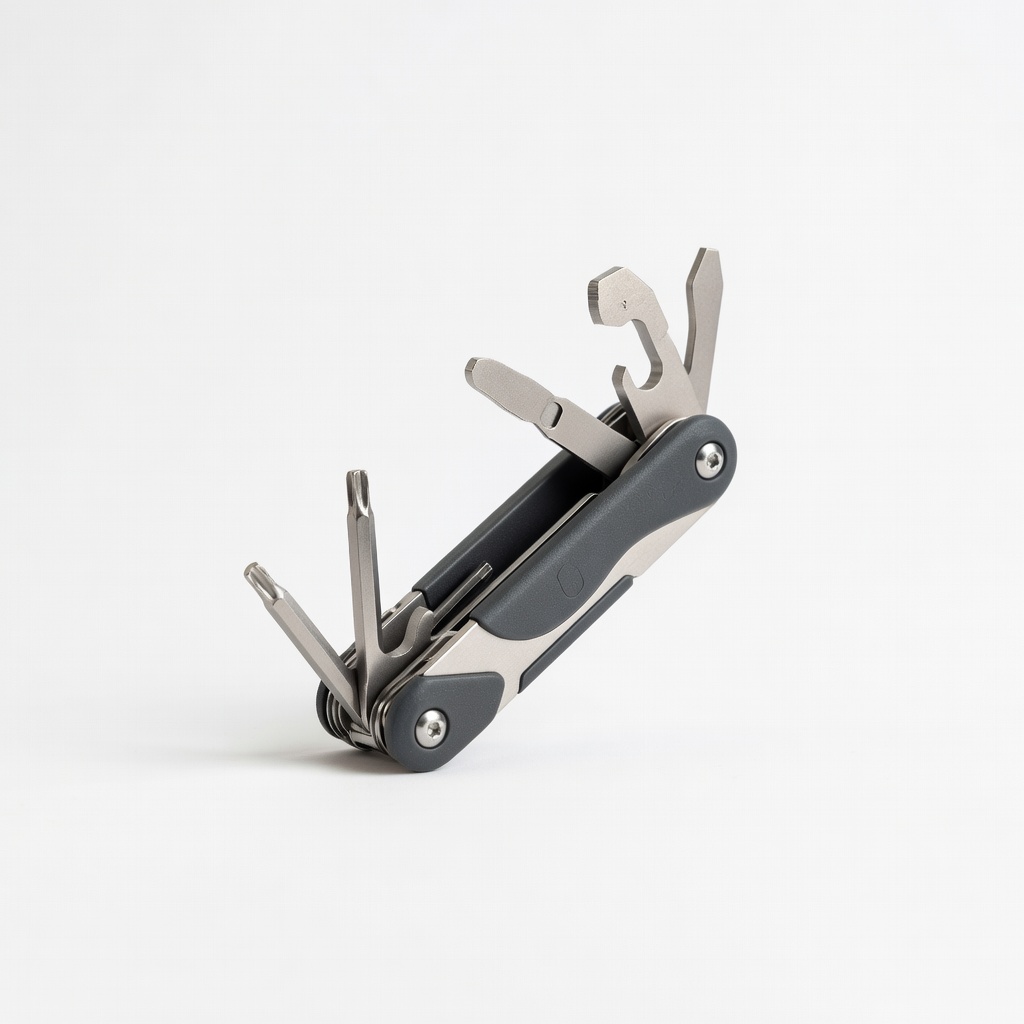
Skipping helmet/lock leads to injury/theft; forums rant about hike-outs from no tools. Avoid by sticking to vetted Amazon picks, size charts, and day-one essentials. Experienced riders say: Start simple, upgrade happy.
×Buying cheapest—no real power or battery
×Ignoring frame size—uncomfortable rides
×Skipping helmet/accessories—unsafe starts
×Overbuying full-suspension—too complex/expensive
×Wrong motor type—jerky assist frustrates
×No test fit—handlebar too low
×Forgetting weight—can't lift over logs
📈 Your Progression Path: Beginner to Intermediate
Start with easy trails: Learn assist modes, braking on dirt (week 1). Practice hills, standing pedaling (month 1). Join local groups for tips.
Outgrow beginner when craving rougher trails, longer rides, or airtime—6-12 months typical. Upgrade suspension first, then dropper post. Intermediate: Full-sus eMTB, skills courses.
Build progressively: Log rides, watch YouTube. Most stay beginner 3-6 months before confident intermediate.
📚 Learning Resources for Beginners
📖{"name":"Mountain Bike! A Beginner's Guide","asin":"B08L3QJ2K4","type":"book","why":"Simple skills/trails for new MTB riders."}
📖{"name":"The Art of Mountain Biking","asin":"B07Z5N6P2Q","type":"book","why":"Trail reading, descending basics."}