Confidently pick your first DSLR camera with our simple guide to top picks, features, and mistakes to avoid.
Choosing your first DSLR camera can feel scary with all the tech talk and price tags. Beginners often worry about wasting money on something too complicated or not good enough for their photos. But don't stress – DSLRs are still great for learning real photography basics like aperture and shutter speed.
This guide cuts through the confusion. We'll explain what matters for newbies, recommend real Amazon cameras that are easy to use, forgiving of mistakes, and fun right away. By the end, you'll know exactly what to buy and why, so you can start snapping confident shots.
📋 In This Guide
• Why Beginners Struggle with DSLR Cameras
• What to Look For (Key Features)
• Top 4 Beginner-Friendly DSLR Cameras
• Essential Accessories for Beginners
• Common Beginner Mistakes to Avoid
• Your Progression Path
• FAQ & Learning Resources
😰 Why Beginners Struggle with DSLR Cameras
Beginners feel overwhelmed by DSLR cameras because stores and sites throw around terms like 'APS-C sensor' or 'f-stops' without explaining them simply. You might see hundreds of models and wonder: Do I need 4K video? What's the difference between Canon and Nikon? The fear of picking the wrong one hits hard – what if it's too heavy or hard to learn?
Many newbies buy based on reviews without knowing their needs, like portraits vs landscapes. Forums are full of regrets like 'I got a cheap one and the photos look bad' or 'Too many buttons, I gave up.' Plus, without guidance, you miss that beginner cameras should have auto modes to hold your hand while you learn.
🔍 What to Look For: Key Beginner-Friendly Features
For beginners, skip fancy specs and focus on cameras that are simple to hold, shoot sharp photos in auto mode, and teach you step-by-step. Look for a kit lens (18-55mm) included – it's versatile for everyday shots. Must-haves: Easy auto modes, flip-out screen for selfies/vlogs, and WiFi to share photos fast to your phone.
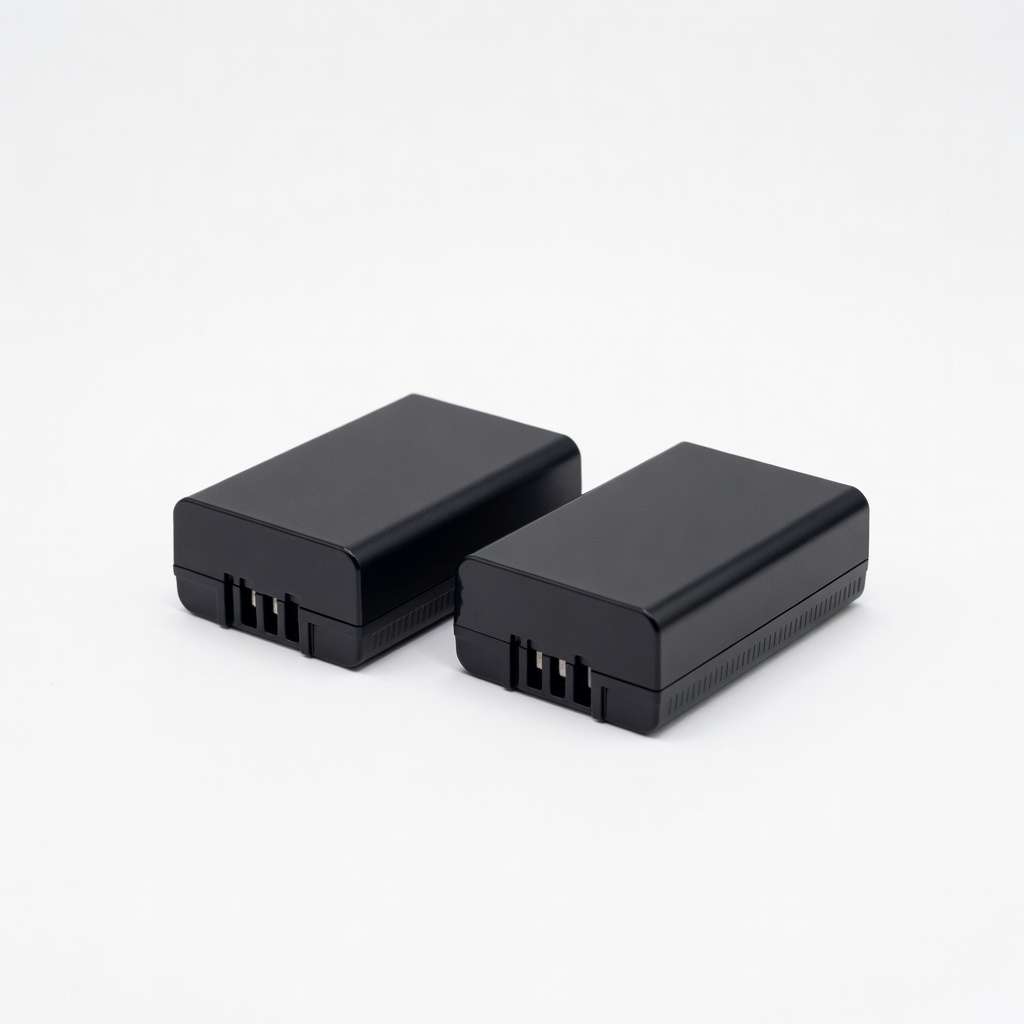
Nice-to-haves: Good battery (300+ shots) and lightweight body under 1.5 lbs. Avoid: Super high megapixels (24MP is plenty) or weather-sealing you won't use yet. Beginner-friendly DSLRs forgive shaky hands with image stabilization and have picture guides in the menu.
✅ Essential Features for Beginners
•Auto and scene modes for point-and-shoot ease
•Kit lens included (18-55mm for everyday photos)
•Flip-out touchscreen for easy viewing
•WiFi/Bluetooth for quick phone sharing
•Lightweight body (under 1 lb without lens)
•Guided menus with tips
•Good low-light performance without flash
🏆 Top 4 Best DSLR Cameras for Beginners
#1
💰 Budget
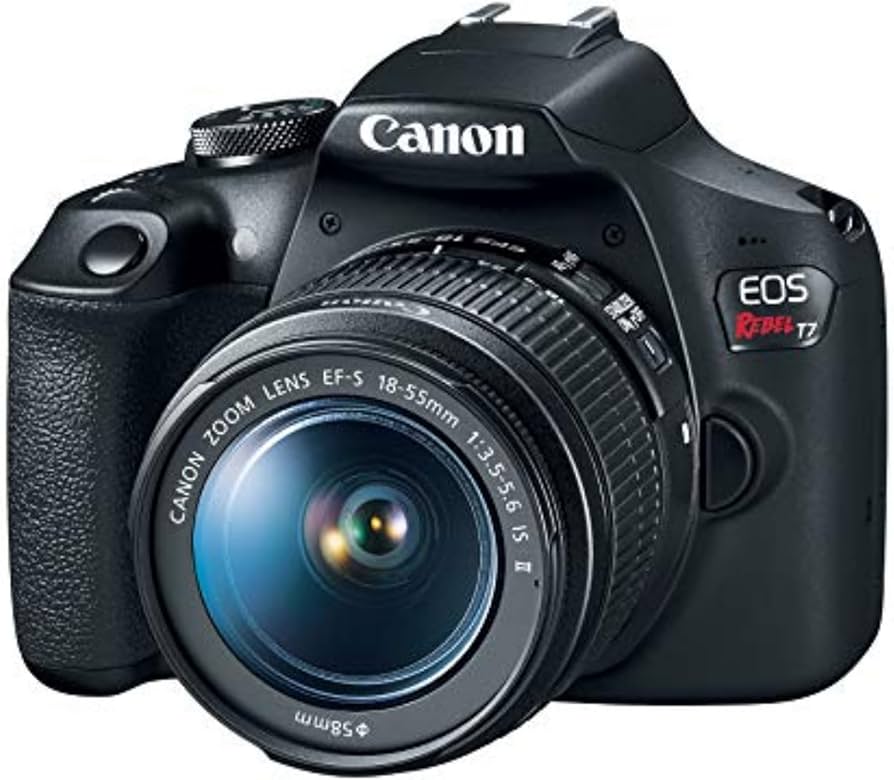
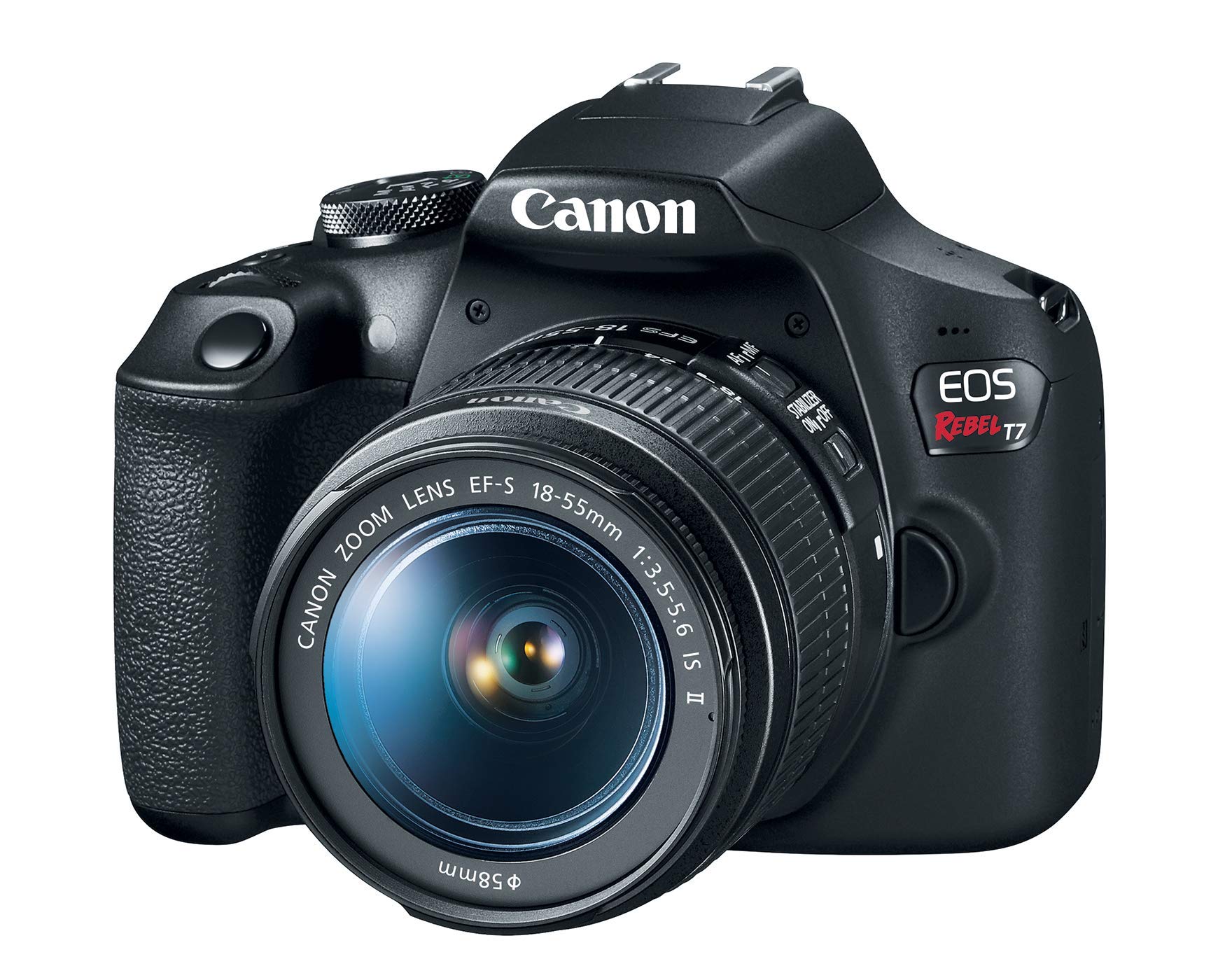
Canon EOS Rebel T100 DSLR Camera with 18-55mm Lens
Learning Curve: Easy
$429.00
Difficulty: 1/5
Why Great for Beginners:
This is the easiest entry to DSLRs with full auto modes that handle everything. Kit lens covers daily shots, and WiFi shares to phone instantly. Perfect for total newbies afraid of complexity.
✓ Beginner Pros
+Super simple auto mode
+Lightweight and compact
+Affordable kit lens
+Built-in guides
✗ Beginner Cons
-Basic video
-Slower focus in low light
-Smaller battery
👍 Best for: Absolute beginners testing photography
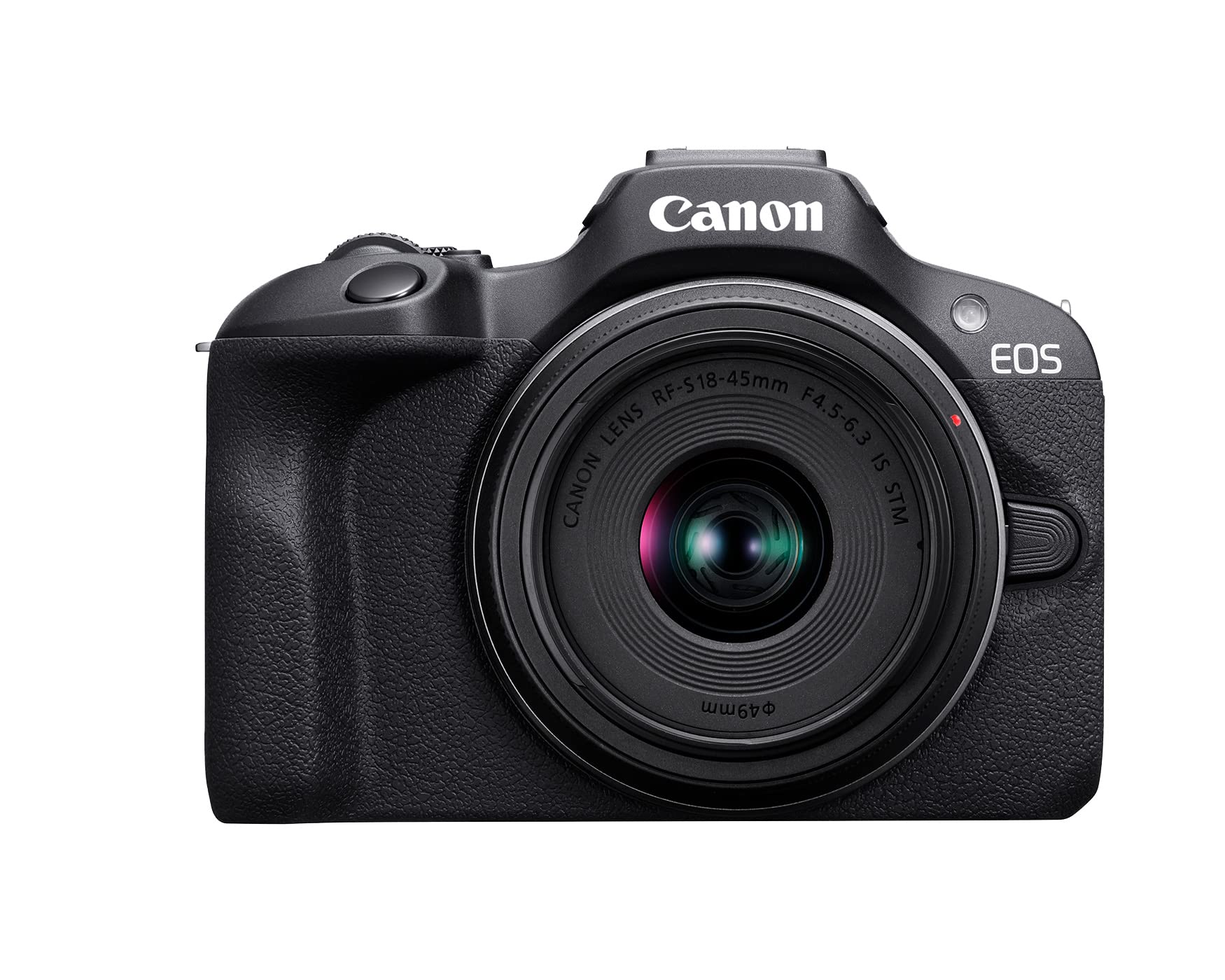
Nikon D3500 DX-Format DSLR Camera with 18-55mm Lens
Learning Curve: Easy
$496.95
Difficulty: 2/5
Why Great for Beginners:
Outstanding battery life means all-day shooting without worry. Guide mode teaches as you go, and sharp photos build confidence fast. Sweet spot for growth without overwhelm.
A DSLR camera uses a mirror to let you see exactly what the lens sees through the viewfinder – perfect for learning composition. Basics: Point, focus (green box locks it), shoot. Entry-level DSLRs come in kits with a starter lens.
Best for beginners: APS-C sensor models like Canon Rebel or Nikon D3xxx series. They're affordable, have huge lens options later, and auto modes do 90% of work. Realistic: First month, use auto for family pics; then try manual for creative control. 'Beginner-friendly' means intuitive buttons, not buried menus, and tutorials in-camera.
🔧 Essential Accessories for Beginners
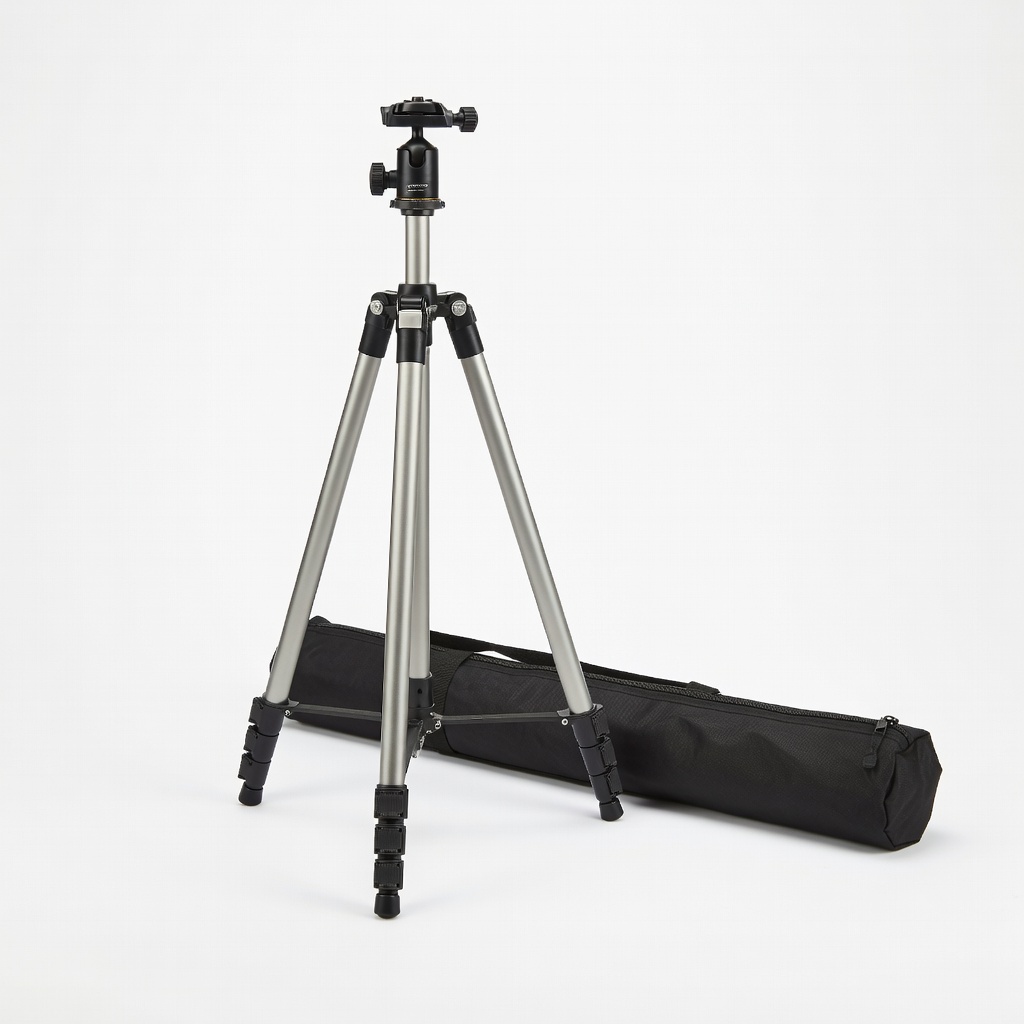
AmazonBasics 50-Inch Lightweight Tripod with Bag
⚠️ Essential
$19.49
When to buy:
Day one
Shaky hands ruin beginner shots; this steady base lets you practice long exposures safely. Cheap protection for your camera too.
Ask: Budget? Use? (family pics, travel). Framework: 1. Set budget tier. 2. Prioritize auto modes + kit lens. 3. Check weight/learning curve. Go budget to test, recommended for commitment.
💰 Budget Guide for Beginners
500 - $800
Sweet spot - Best value, great quality, forgiving auto modes, lasts 1-2 years.
800 - $1200
Premium beginner - Superior speed/build, video perks, pro-level growth potential.
Under $ - $500
Entry level - Basic kit to dip toes in, sharp photos, quick upgrade if hooked.
⚠️ Common Beginner Mistakes to Avoid
Newbies grab the cheapest Amazon deal, but blurry/no-stabilization frustrates. Or splurge on $1000+ with video they ignore. Skip SD card/tripod, first outing fails. Fix: Stick to kits under $800, buy accessories day one. Vets say: 'Start simple, learn manual later.'
×Buying body-only without kit lens (extra $100+)
×Skipping tripod – blurry beginner photos
×Choosing too cheap non-DSLR (phone quality)
×Ignoring weight – heavy kills motivation
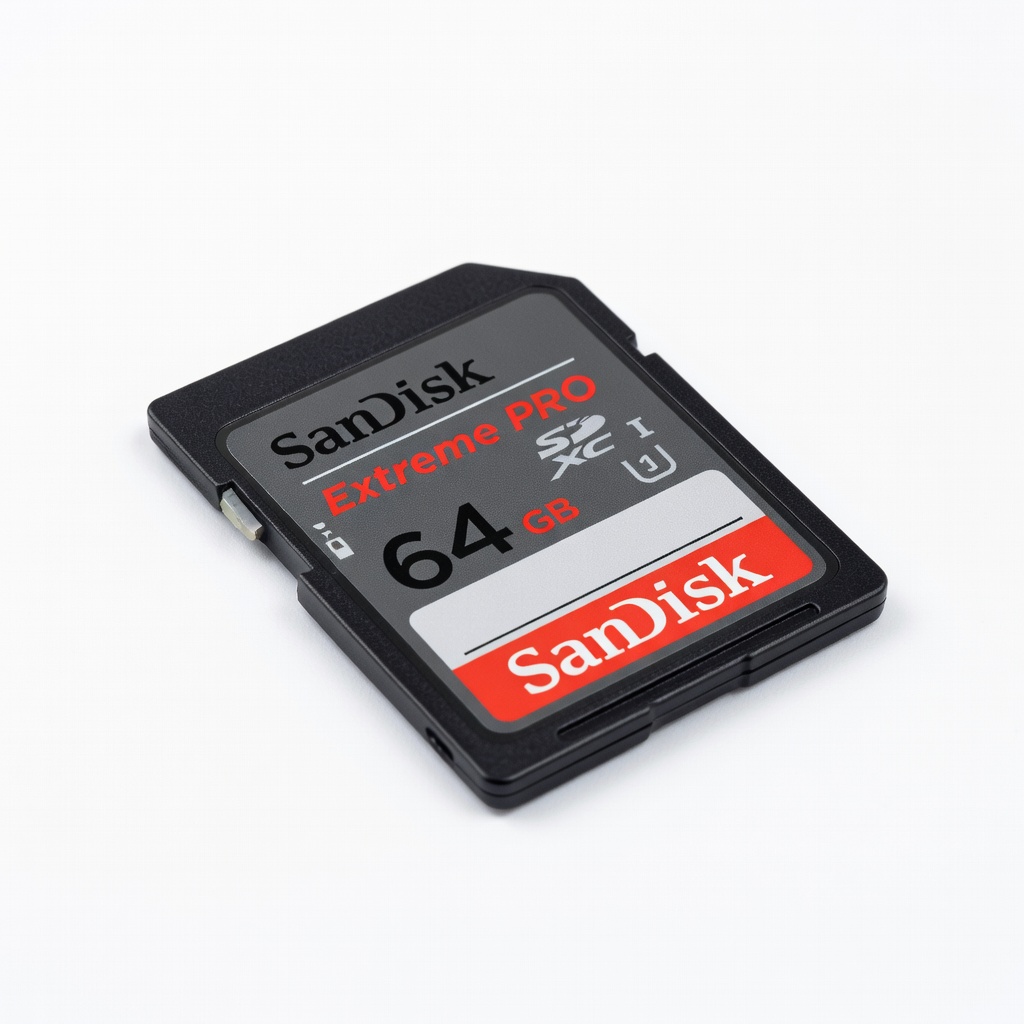
×No memory card – can't shoot
×Overlooking WiFi – hard to share/review
×Buying pro model – steep curve, regret
📈 Your Progression Path: Beginner to Intermediate
Week 1: Auto mode, family shots. Month 1: Scene modes, tripod basics. Practice rule of thirds via guides. Outgrow when auto bores, crave shallow depth (add 50mm lens ~$100). Upgrade at 6-12 months: Better body or full-frame. Intermediate: Manual all day, off-camera flash.
📚 Learning Resources for Beginners
📖Understanding Exposure by Bryan Peterson (B000SEH9QG)
📖The Photography Book by Phaidon Press (B0B1J5Z5Z5)