Review Atlas

Menu

Shop by Category

Get the App

Better experience on mobile

Beginners GuidePhotography

Best DSLR Camera for Beginners: Complete Guide 2026

Everything beginners need to know to choose their first DSLR camera with confidence and start capturing great photos right away.

Choosing your first DSLR camera can feel intimidating, especially if you're new to photography and bombarded by technical specs and endless options. As a beginner, you might worry about picking something too complicated or wasting money on the wrong model. But don't stress—DSLR cameras are designed to grow with you, and starting simple is the best way to build your skills without frustration.

This guide is here to simplify everything. We'll break down why DSLRs are great for newcomers, what features really matter, and how to pick the perfect one for your budget and goals. By the end, you'll feel confident selecting a camera that lets you focus on learning and enjoying photography, not struggling with gear.

📋 In This Guide

  • • Why Beginners Struggle with DSLR Camera
  • • What to Look For (Key Features)
  • • Top 4 Beginner-Friendly DSLR Camera
  • • Essential Accessories for Beginners
  • • Common Beginner Mistakes to Avoid
  • • Your Progression Path
  • • FAQ & Learning Resources

😰 Why Beginners Struggle with DSLR Camera

Beginners often feel overwhelmed by the sheer number of DSLR models from brands like Canon, Nikon, and Sony, each promising pro-level results. The technical jargon—like 'megapixels,' 'ISO,' and 'shutter speed'—can make it seem like you need a degree to choose wisely. Many newbies fear buying something too basic that they'll outgrow quickly or too advanced that sits unused because it's hard to figure out.

From forums like Reddit's r/photography and Amazon reviews, common frustrations include confusing auto modes with manual settings, dealing with bulky gear that's hard to carry, and not knowing if a camera will 'forgive' beginner mistakes like shaky hands or poor lighting. Plus, with prices ranging from $300 to over $1,000, the worry of overspending adds to the anxiety. The good news? You don't need the fanciest features to start—focusing on ease of use helps you avoid these pitfalls.

🔍 What to Look For: Key Beginner-Friendly Features

When shopping for your first DSLR, prioritize cameras that are easy to hold and use, with clear buttons and screens that guide you through shots. Look for automatic modes that handle settings for you, so you can learn without constant trial and error. A good beginner DSLR should have a flip-out screen for selfies or awkward angles and built-in guides that explain what each setting does in plain English.

Must-haves include at least 18 megapixels for sharp photos, fast autofocus to catch moving subjects, and compatibility with affordable extra lenses for growth. Nice-to-haves are wireless sharing to your phone and video capabilities, but skip extras like 4K video or weather sealing if you're just starting—they add cost without much beginner benefit. What makes a DSLR beginner-friendly? It's forgiving (like image stabilization to reduce blur from shaky hands), intuitive (simple menus), and supported by free tutorials from the manufacturer.

✅ Essential Features for Beginners

  • Automatic shooting modes: Let the camera choose settings so you can focus on framing your shot without worrying about technical details.
  • Vari-angle LCD screen: Flip it out to see what you're shooting from odd angles, perfect for beginners learning composition.
  • Built-in flash and hot shoe: Provides light in dim settings and room to add external flashes later as you advance.
  • Image stabilization: Reduces blur from hand shakes, forgiving your beginner steadiness issues.
  • Easy menu navigation: Simple icons and on-screen tips that explain features without overwhelming you.
  • High battery life: Lasts for a full day of shooting so you don't run out during your first adventures.
  • Compatible lens ecosystem: Starts with a basic lens but lets you add more affordably as skills grow.

🏆 Top 4 Best DSLR Camera for Beginners

#1
💰 Budget

Canon EOS Rebel T6 DSLR Camera with 18-55mm Lens

Learning Curve: Easy

$379.00
Difficulty: 1/5
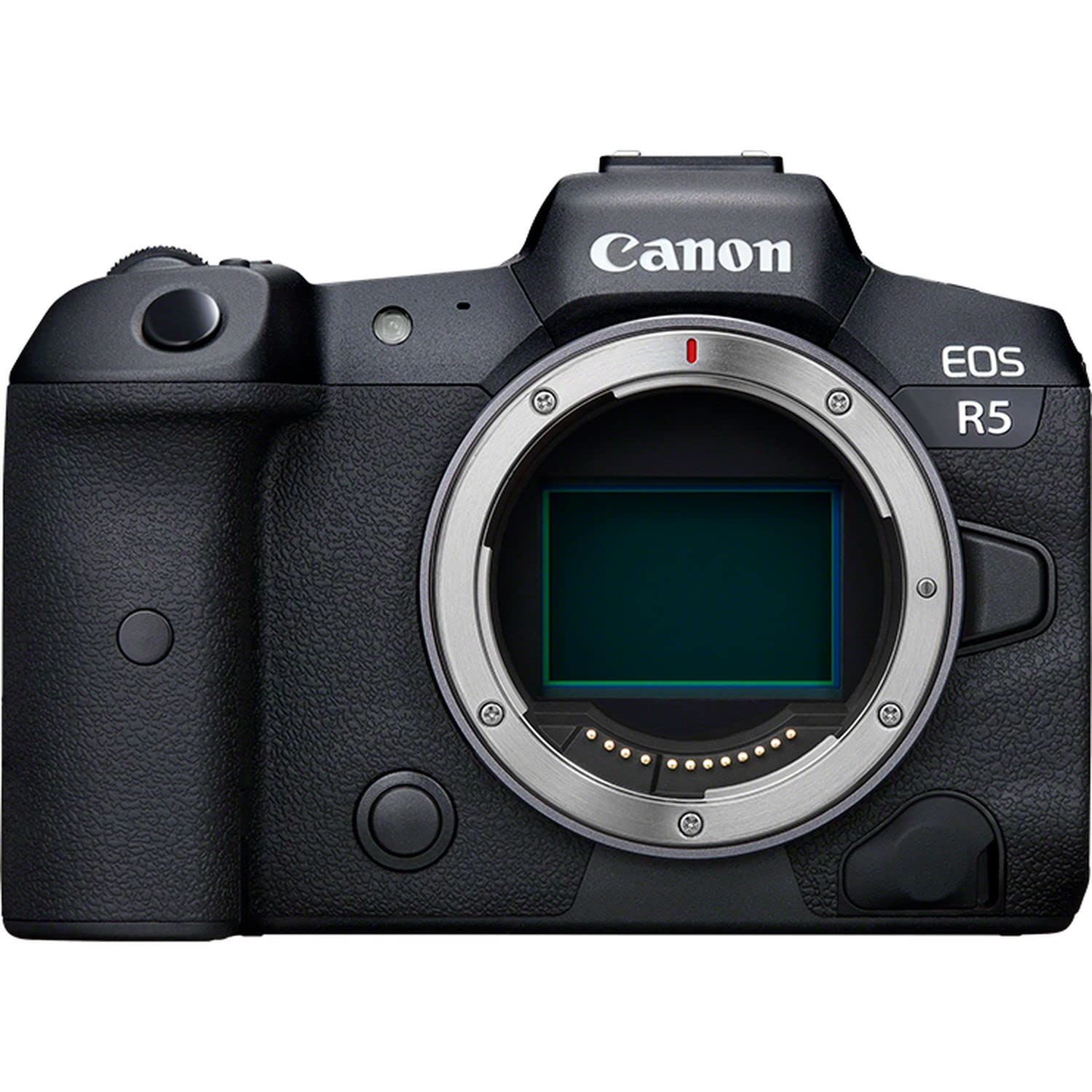
Canon EOS Rebel T6 DSLR Camera with 18-55mm Lens

Why Great for Beginners:

This camera is perfect for absolute beginners because it starts with simple auto modes that make taking photos as easy as point-and-shoot. The included lens covers everyday shooting, and Canon's intuitive interface helps you learn without frustration. It's affordable, so you can experiment without financial worry.

Beginner Pros

  • +Super easy auto settings for instant great shots
  • +Lightweight and comfortable to hold all day
  • +Built-in tutorials explain basics simply
  • +Good battery for extended practice sessions

Beginner Cons

  • -Limited video quality for moving subjects
  • -Older model, so fewer modern app integrations
  • -Basic build might feel plasticky
👍 Best for: Casual beginners on a tight budget wanting to try photography.
👎 Not for: Those needing advanced video or heavy weather resistance.

#2
👍 Recommended

Canon EOS Rebel T7 DSLR Camera with 18-55mm Lens

Learning Curve: Easy

$479.99
Difficulty: 2/5
Canon EOS Rebel T7 DSLR Camera with 18-55mm Lens

Why Great for Beginners:

The T7 strikes the perfect balance for beginners with upgraded autofocus that tracks subjects easily, reducing blurry photos from newbie mistakes. It has creative filters to make shots fun right away, and the menu is straightforward. This model grows with you into manual shooting without feeling overwhelming.

Beginner Pros

  • +Faster focus for moving kids or pets
  • +Vari-angle screen for creative angles
  • +Long battery life for all-day shoots
  • +Compatible with affordable Canon lenses

Beginner Cons

  • -No touchscreen for quicker adjustments
  • -Bulkier than mirrorless alternatives
  • -Basic video stabilization
👍 Best for: Family photographers wanting reliable everyday performance.
👎 Not for: Ultra-portable travel needs or 4K video enthusiasts.
#3
👍 Recommended

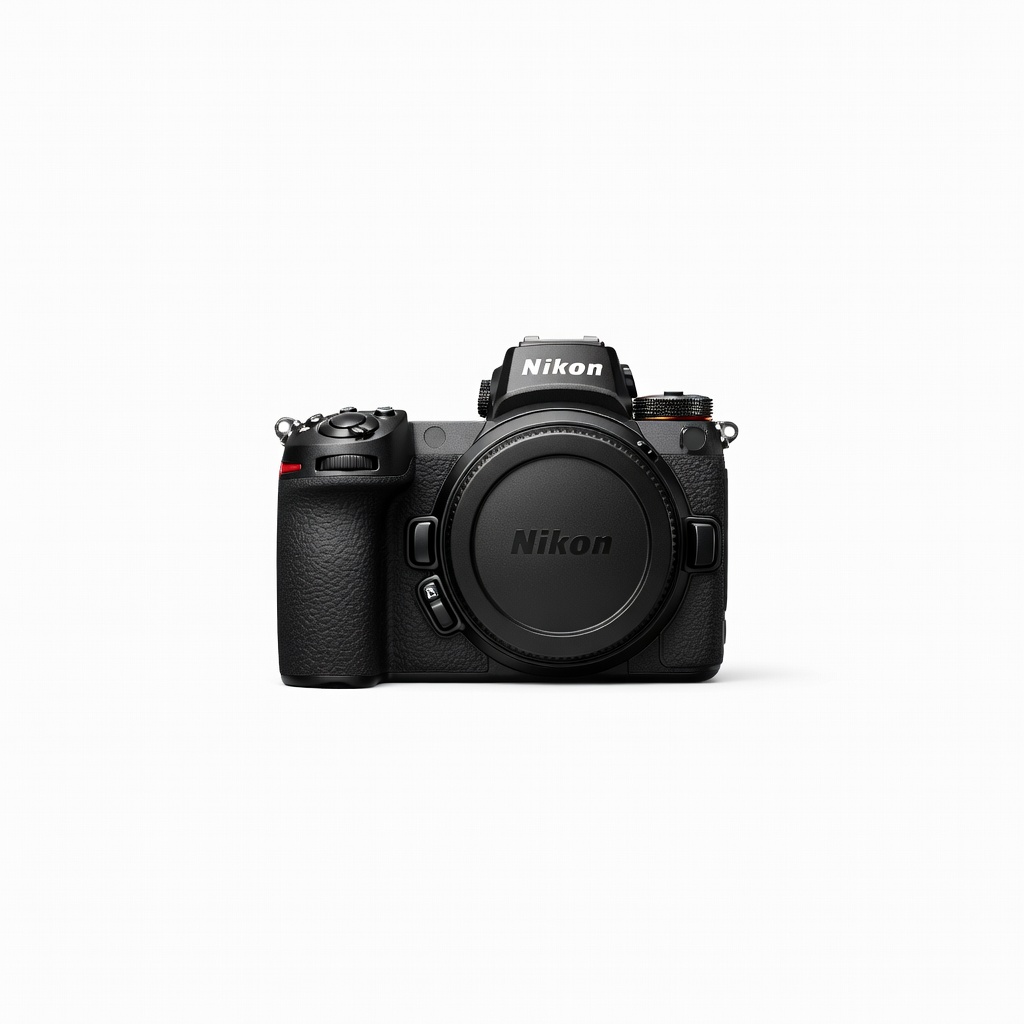
Nikon D3500 DSLR Camera with 18-55mm Lens

Learning Curve: Easy

$497.00
Difficulty: 2/5
Nikon D3500 DSLR Camera with 18-55mm Lens

Why Great for Beginners:

Nikon's D3500 is forgiving with excellent image quality even in auto mode, helping beginners get sharp, vibrant photos from day one. The guide mode teaches you as you shoot, and it's lightweight for carrying on walks. Great for those preferring Nikon's color science and lens options.

Beginner Pros

  • +Exceptional battery (1,550 shots per charge)
  • +Guide mode walks you through settings
  • +SnapBridge app for wireless transfers
  • +Compact for a DSLR

Beginner Cons

  • -No flip screen for vlogging
  • -Slower continuous shooting
  • -Fewer video features
👍 Best for: Beginners who love landscapes or portraits and want long battery life.
👎 Not for: Video-focused users or those needing touchscreen controls.
#4
✨ Premium

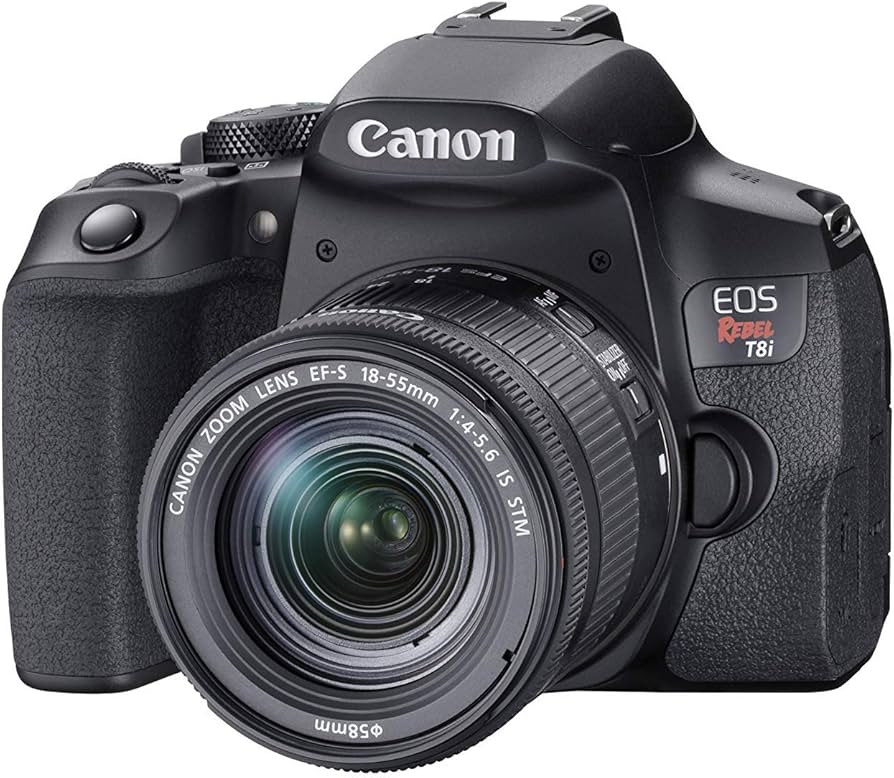
Canon EOS Rebel T7i DSLR Camera with 18-55mm Lens

Learning Curve: Moderate

$749.99
Difficulty: 3/5
Canon EOS Rebel T7i DSLR Camera with 18-55mm Lens

Why Great for Beginners:

For serious beginners, the T7i offers pro-level autofocus and a vari-angle touchscreen that makes composing shots intuitive and fun. It handles low light better, forgiving indoor shooting errors, and includes tools to transition to manual mode smoothly. This camera feels premium without the steep learning curve.

Beginner Pros

  • +Touchscreen for easy focus and menus
  • +45-point autofocus system
  • +4K time-lapse capability
  • +Dust reduction for cleaner images

Beginner Cons

  • -Higher price may stretch budgets
  • -Heavier than entry models
  • -Overkill for purely casual use
👍 Best for: Ambitious beginners planning to invest in photography long-term.
👎 Not for: Budget-conscious casual snappers or total novices scared of extras.

📖 Complete Beginner's Guide to DSLR Camera

A DSLR camera, or Digital Single-Lens Reflex, is like a point-and-shoot on steroids—it uses a mirror to show you exactly what the lens sees through the viewfinder, giving you control over your photos. Unlike smaller mirrorless cameras, DSLRs are bulkier but offer a traditional feel that's great for learning fundamentals. For beginners, entry-level DSLRs are ideal because they balance simplicity with room to experiment.

There are a few categories: entry-level (basic, affordable for casual shots), mid-range (more features for enthusiasts), and pro (advanced for experts). Beginners should stick to entry-level models—they have auto modes to ease you in and manual options to explore later. 'Beginner-friendly' means the camera teaches you: many have scene modes for portraits, landscapes, or sports that adjust settings automatically.

Realistic expectations? Your first photos won't be magazine-worthy, but a good DSLR will make them better than a smartphone. Evaluate by holding the camera in-store if possible—check if it feels comfortable. Marketing terms like 'full-frame sensor' sound fancy but aren't needed yet; stick to APS-C sensors for lighter, cheaper gear. Focus on how it feels to use, not specs on paper.

🔧 Essential Accessories for Beginners

Amazon Basics 50-Inch Lightweight Tripod with Smartphone Holder - Image 1 of 7

Amazon Basics 50-Inch Lightweight Tripod with Smartphone Holder

⚠️ Essential

$24.49

When to buy:
Day one

A tripod is crucial for beginners to keep shots steady, especially in low light or for self-portraits, preventing blurry photos from shaky hands. It lets you experiment with longer exposures without frustration. This affordable model is lightweight and easy to set up, perfect for learning composition.

Beginner Benefits:

  • Reduces camera shake for sharper images
  • Encourages experimenting with slow shutter speeds
  • Portable for outdoor practice
  • Includes bag for easy storage

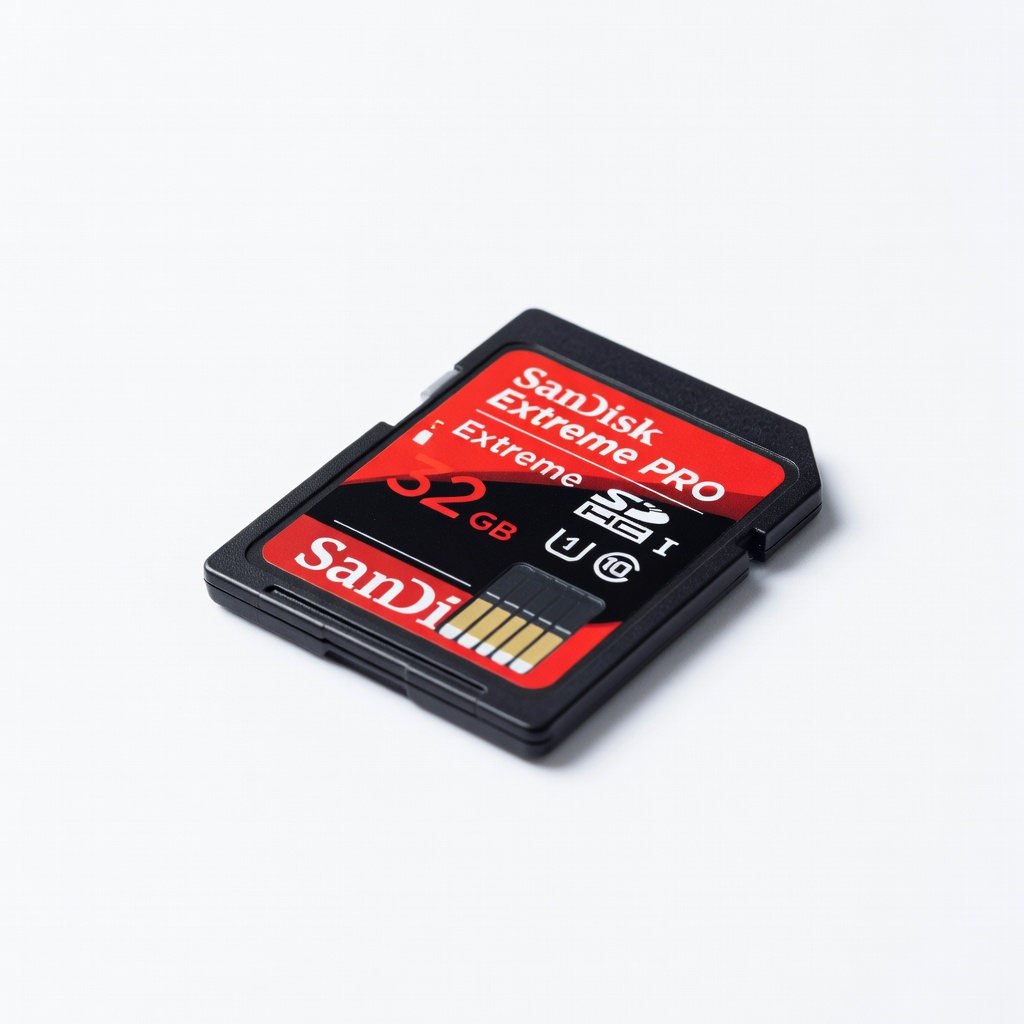
SanDisk 32GB Extreme PRO SDHC UHS-I Memory Card

⚠️ Essential

$12.99

When to buy:
Day one

Beginners shoot lots of practice photos, and running out of space mid-session kills momentum—this fast card stores hundreds of images and videos without slowing your camera. It's reliable to avoid lost shots from failures. Start with 32GB to cover your early learning phase affordably.

Beginner Benefits:

  • Holds plenty for trial-and-error shooting
  • Fast enough for continuous photos
  • Durable against drops or weather
  • Easy to format in-camera

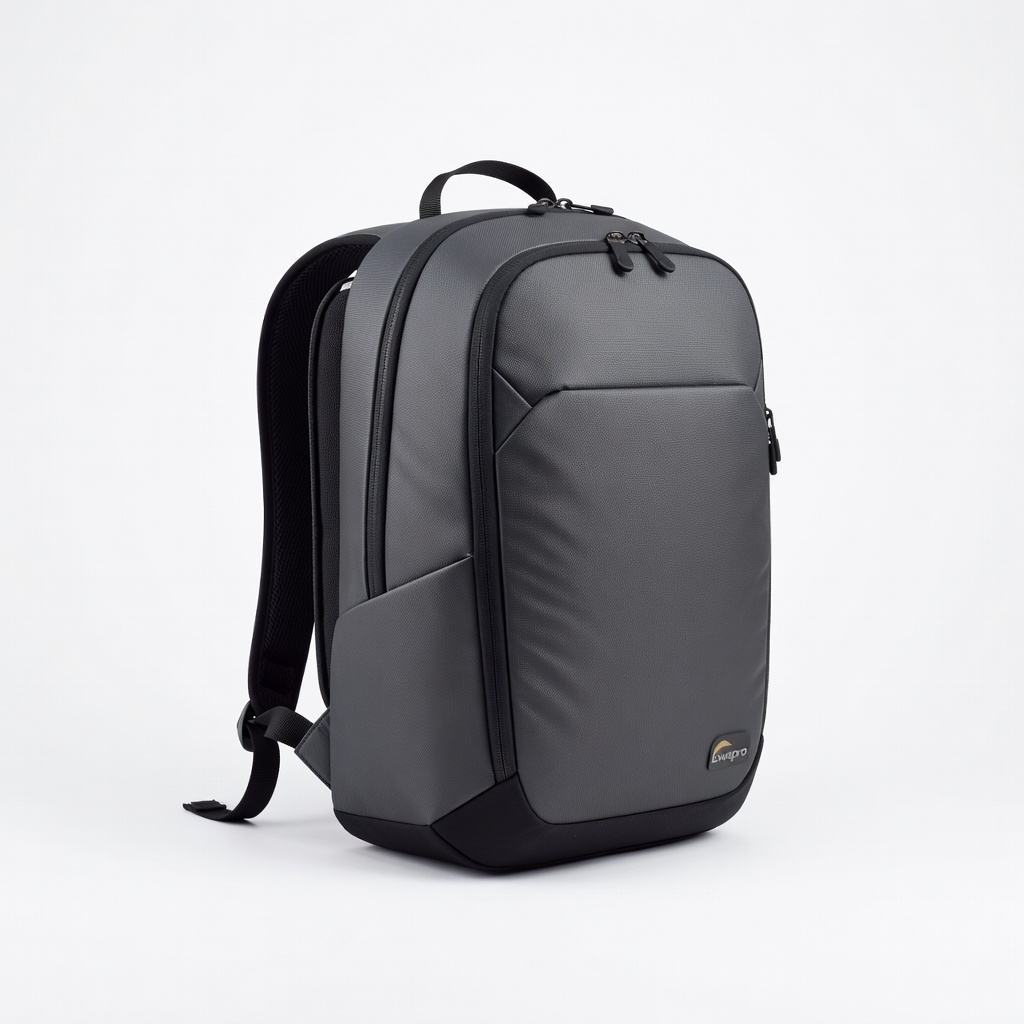
Lowepro Format 150 Camera and Laptop Backpack

👍 Recommended

$49.99

When to buy:
First month

Protecting your new DSLR is key, as beginners often carry it everywhere and risk scratches or drops. This bag organizes your camera, lenses, and extras safely, making outings less stressful. It encourages you to practice more by keeping gear accessible and secure.

Beginner Benefits:

  • Custom fit for DSLR and accessories
  • Comfortable for long walks
  • Quick access pockets for batteries
  • Builds habit of safe gear handling

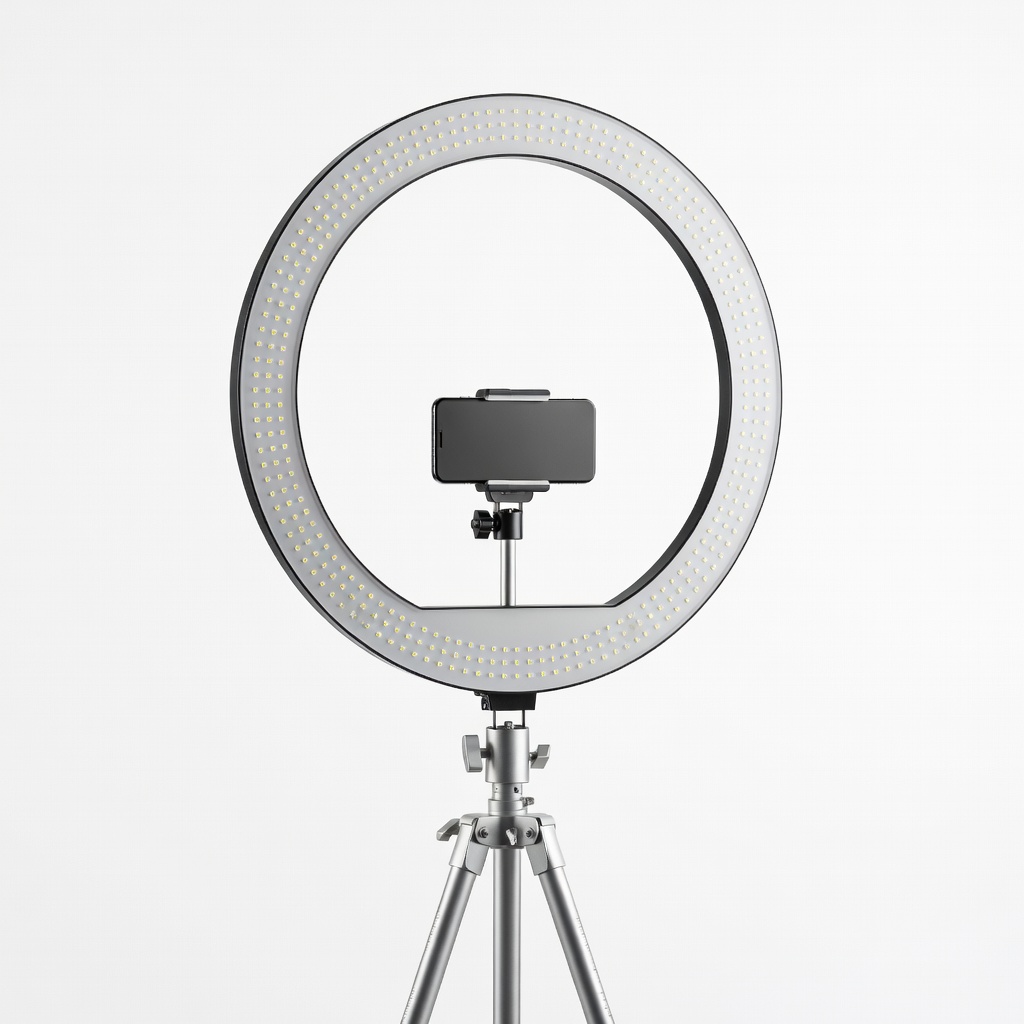
Neewer 18-Inch Ring Light Kit with Stand and Phone Holder

💡 Nice to Have

$49.99

When to buy:
After you're comfortable

Good lighting transforms beginner portraits from flat to professional, and this ring light provides even illumination for selfies or indoor shots. It helps you learn about lighting without expensive setups. Fun for experimenting with creative effects early on.

Beginner Benefits:

  • Fills shadows for flattering photos
  • Teaches basic lighting principles
  • Versatile for product or pet shots
  • Collapsible for small spaces

🤔 How to Choose Your First DSLR Camera

Start by asking: What's your budget, and what will you photograph most (family, travel, nature)? If you're under $500, go for a budget pick to test the waters. For $500-800, the sweet spot, choose a recommended model with growth potential. Over $800? Premium if you're serious and want longevity.

Consider your use: Casual shooters need easy auto modes; aspiring hobbyists want lens compatibility. Always check for a kit lens (18-55mm) included—it's versatile for starters. Red flags: Cameras without beginner guides, poor battery life, or from unknown brands lacking support. Plan for growth by picking one with swappable lenses, so you upgrade optics before the body.

💰 Budget Guide for Beginners

1200+

Advanced entry: For dedicated beginners with bigger budgets; includes extras like better video but might overwhelm true newbies.

500 - $800

Sweet spot: Best value with solid features, forgiving tech, and room to grow skills; ideal for most beginners committing to the hobby.

800 - $1200

Premium beginner: High-quality build and performance that lasts longer, perfect for serious starters who want pro-like results early on.

Under $ - $500

Entry level: Basic models to dip your toes in photography without big commitment; great for casual use but may need upgrades in 1-2 years.

⚠️ Common Beginner Mistakes to Avoid

Beginners often grab the lowest-priced DSLR thinking it's a steal, but cheap models lack stabilization, leading to blurry shots and quick frustration—many return them within weeks, per Amazon reviews. Instead, invest in a mid-budget with forgiving features. Another pitfall is overbuying based on hype, like full-frame sensors for 'better quality,' but these are heavy and complex for starters; stick to APS-C for lighter learning.

Forgetting accessories like tripods or bags is common—users on photography forums complain of dropped cameras or full memory cards ruining trips. Avoid by making a starter kit list. Also, don't ignore ergonomics; a camera that feels awkward in hand gets left at home. Read reviews from other beginners, test in-store, and start with guided modes to build confidence gradually.

  • ×Buying the cheapest model and getting frustrated with poor image quality or frequent breakdowns.
  • ×Splurging on a pro camera with features like 8K video that you'll never use as a beginner.
  • ×Forgetting to buy a memory card or extra battery, leading to missed shots during your first outing.
  • ×Ignoring the weight—picking a heavy DSLR that discourages carrying it for practice.
  • ×Choosing based on megapixels alone without checking ease of use or lens options.
  • ×Skipping tutorials and jumping into manual mode too soon, causing confusion and bad photos.
  • ×Not considering lens compatibility, so future upgrades are expensive or limited.

📈 Your Progression Path: Beginner to Intermediate

As a beginner, focus first on auto and scene modes to master composition, lighting, and framing—practice daily with everyday subjects like family or pets. After a few months, dip into semi-auto modes (like aperture priority) to learn depth of field. Build skills by joining free online challenges or local photo walks.

You'll outgrow beginner gear when auto modes feel limiting and you crave sharper low-light shots or faster bursts—typically 6-12 months in. Signs: Wanting to change lenses often or edit RAW files. Upgrade the kit lens first to a 50mm prime for portraits, then consider a mid-range body. Intermediate level means shooting manually confidently; most stay beginner for 3-6 months with consistent practice.

📚 Learning Resources for Beginners

  • 📖{"name":"Understanding Exposure, 4th Edition: How to Shoot Great Photographs with Any Camera","asin":"B09N3Z5Z5Z","type":"book","whyForBeginners":"This bestseller explains lighting and settings in simple terms, perfect for DSLR newbies to grasp basics without jargon."}
  • 📖{"name":"The Photographer's Guide to Posing: Techniques to Flatter Everyone","asin":"B00AEB6JPO","type":"book","whyForBeginners":"Helps beginners pose subjects for better portraits, a common starting point in photography."}
  • 📖{"name":"Canon EOS Rebel T7i for Dummies","asin":"B07D7J5K5L","type":"book","whyForBeginners":"Model-specific guide with step-by-step tips tailored for Canon users just starting out."}
  • 📖{"name":"Neewer Photography Lighting Kit","asin":"B01M8K4Z6Y","type":"tool","whyForBeginners":"Affordable softbox lights to practice indoor setups safely at home."}
  • 📖{"name":"Digital Photography Complete Course","asin":"B07H5J5J5J","type":"course book","whyForBeginners":"Structured 20-week plan with lessons and projects to build skills progressively."}

🎯 Bottom Line: Our Recommendations

For most beginners, the Canon EOS Rebel T7 (B07Y1FVS3F) is the best overall pick—it's reliable, easy, and packed with features to grow into without overwhelming you. On a budget? Go for the Rebel T6 (B01N4IGYPA) to start affordably. Serious about photography? The premium T7i (B07Y5Y993W) delivers lasting quality.

Don't forget essentials like the Amazon Basics tripod (B07D5N5Q5N) and SanDisk memory card (B07H4L9Z7P) for a complete setup. You've got this—photography is about joy, not perfection. Next steps: Buy your pick, download the manual, and snap your first 100 photos this week. Your skills will surprise you!

❓ Frequently Asked Questions

The Canon EOS Rebel T7 (B07Y1FVS3F) is our top pick for most beginners—it's easy to use with auto modes, has great image quality, and costs around $480. It forgives mistakes like shaky hands and grows with you into manual shooting.