Everything beginners need to choose their first driver with confidence – top picks, tips, and mistakes to avoid.
Picking your first driver golf club can feel intimidating with all the shiny pro-level clubs and golf jargon flying around. As a beginner, you might worry about wasting money on something too advanced or not forgiving enough for your swing. Don't stress – this guide is designed for complete newcomers like you.
Drivers are the clubs used for long-distance shots off the tee, but beginners often struggle with slices, mishits, and inconsistent distance. We'll break it down simply, focusing on clubs that are easy to hit and forgiving on off-center strikes.
By the end, you'll know exactly which driver to buy, what accessories to add, and how to avoid common pitfalls. Let's get you bombing drives confidently!
📋 In This Guide
• Why Beginners Struggle with Driver Golf Club
• What to Look For (Key Features)
• Top 4 Beginner-Friendly Driver Golf Club
• Essential Accessories for Beginners
• Common Beginner Mistakes to Avoid
• Your Progression Path
• FAQ & Learning Resources
😰 Why Beginners Struggle with Driver Golf Club
Beginners often feel overwhelmed by the huge selection of drivers – from $100 clones to $600 pro models. Terms like 'MOI,' 'CG location,' and 'shaft flex' sound like rocket science, leaving you guessing what matters.
Many fear buying the wrong one: too stiff a shaft causes slices, too small a head leads to frustrating mishits, and adjustable features confuse rather than help. Forums are full of stories like 'My first driver hooked everything!' or 'I spent $400 and can't hit it straight.'
Plus, without knowing your swing speed (typically 85-95 mph for beginners), it's hard to match the right flex or loft, leading to poor results and demotivation.
🔍 What to Look For: Key Beginner-Friendly Features
Focus on forgiving designs: Look for a large clubhead (460cc is standard and beginner-friendly) that has high MOI – that's just a fancy way of saying it resists twisting on off-center hits, keeping your ball straight.
Choose regular flex shafts (flexible for slower swings) and lofts around 10.5-12 degrees to get the ball up easily without ballooning. Avoid stiff shafts or tiny heads meant for pros.
Nice-to-haves: Draw bias (fights slices) and lightweight construction for easier swings. Skip complex adjustability until later – simple is best for starters.
✅ Essential Features for Beginners
•Large 460cc clubhead: Maximizes forgiveness on mishits
•High MOI (Moment of Inertia): Keeps face square for straighter shots
•Higher loft (10.5-12°): Launches ball higher and farther easily
•Offset hosel: Helps square the face to reduce slices
•Lightweight design: Reduces fatigue and improves swing speed
•Draw-biased weighting: Corrects common beginner slice
🏆 Top 4 Best Driver Golf Club for Beginners
#1
💰 Budget
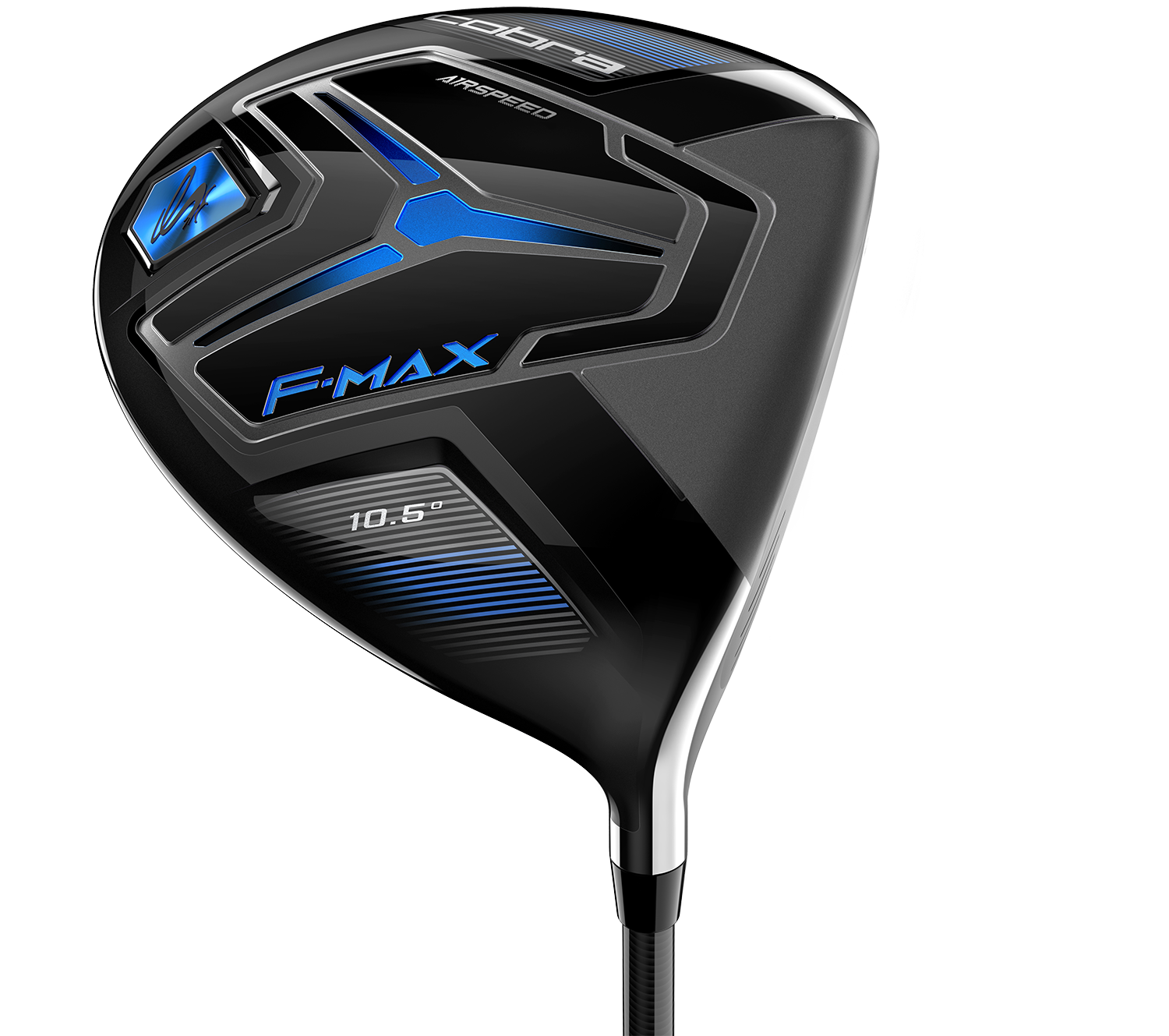
Cobra Golf 2019 F-Max Airspeed Driver
Learning Curve: Easy
$149.99
Difficulty: 1/5
Why Great for Beginners:
This driver has a lightweight design and high loft perfect for slower swings. Ultra-forgiving with heel weighting to fight slices. Great entry without breaking bank.
A driver golf club is your longest club, used for tee shots to maximize distance – think 200-250 yards for beginners. It has a oversized wood head, long shaft (45-46 inches), and low loft for speed.
Types include standard, draw-biased (anti-slice), and adjustable. Beginners do best with draw-biased or max-forgiveness models – they're designed to fix common errors like slicing right.
Beginner-friendly means 'forgiving': big sweet spot, perimeter weighting so mishits still go far and straight. Realistic expectations: Don't expect 300-yard bombs yet; aim for consistent 200+ yards with practice.
Evaluate by reading reviews for 'easy launch' and 'forgiving.' Marketing like 'pro tour proven' is hype – ignore it. Test swing weight (light D2-D3 best for newbies).
🔧 Essential Accessories for Beginners
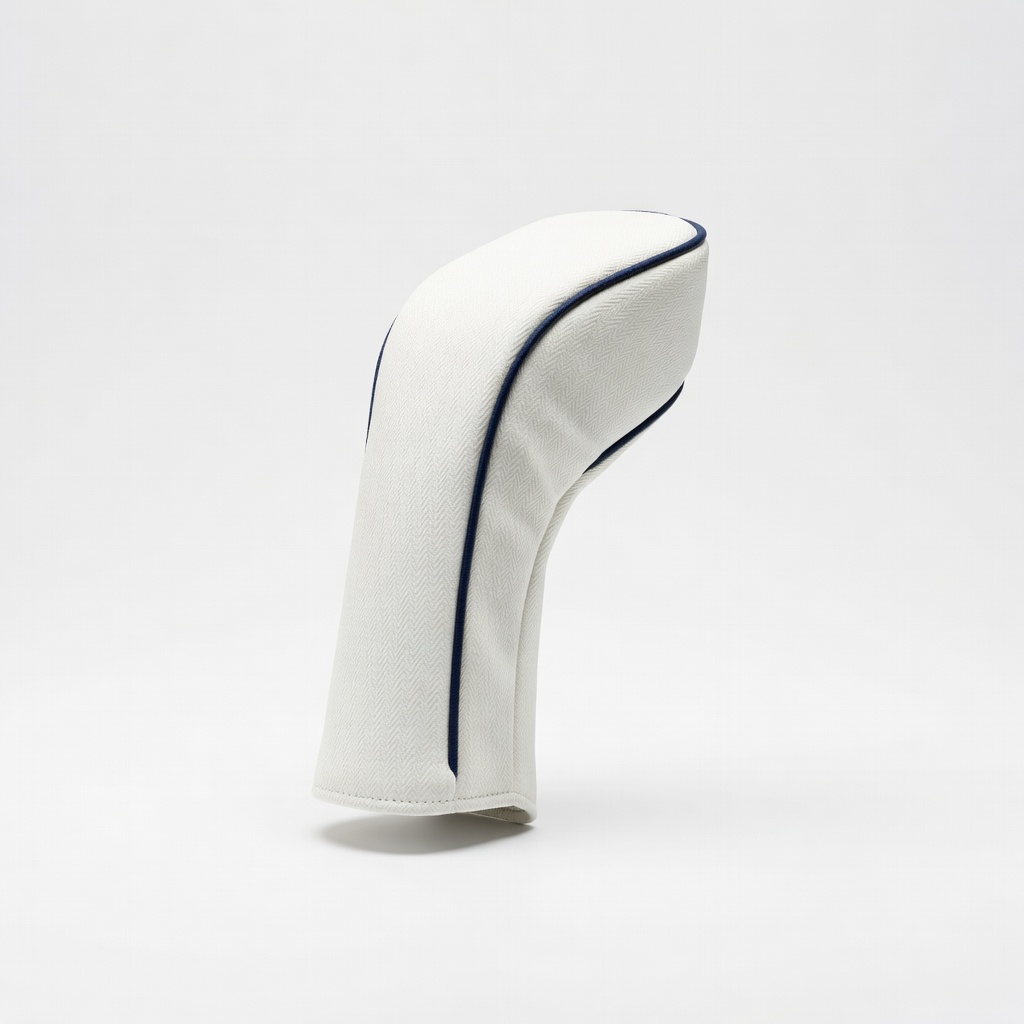
Stix Golf Headcover for Driver
⚠️ Essential
$24.99
When to buy:
Day one
Protects your investment from dings in the bag. Beginners drop clubs a lot – this prevents costly repairs.
Ask: What's your budget? Swing speed (slow = regular flex)? Main issue (slice = draw bias)? Start with sweet spot $150-300 for value.
Scenarios: Casual range golfer? Budget pick. Weekly player? Recommended. Tournament hopeful? Premium. Avoid under $100 (poor quality) or over $400 (unneeded tech).
Red flags: Stiff shafts, tiny heads (<450cc), no reviews from beginners. Plan for growth: Pick one with room to improve without quick upgrade.
💰 Budget Guide for Beginners
500+
Pro entry: Advanced tech for dedicated starters; overkill for casual play
150 - $300
Sweet spot: Best value – highly forgiving with growth potential for most beginners
300 - $500
Premium beginner: Top forgiveness and distance; lasts years as skills improve
Under $ - $150
Entry level: Basic forgiving driver to try golf without big spend; may lack durability
⚠️ Common Beginner Mistakes to Avoid
Beginners grab shiny pro drivers seen on TV, but stiff shafts and low lofts kill distance. Why? Unknown swing speed leads to mismatches – check demos or charts first.
Skipping gloves or covers seems minor, but leads to slips and dents costing more later. Avoid by sticking to beginner reviews on Amazon.
Cheap $50 clones frustrate with poor quality; instead, spend $150+ for reliability. Experienced golfers say: 'My first forgiving driver changed everything.'
×Buying a stiff shaft (for fast swings, slices for slow ones)
×Picking small-headed drivers (no forgiveness)
×Ignoring flex/loft matching to swing
×Skipping headcover (clubhead damage)
×Buying pro models (too advanced, frustrating)
×No gloves (poor grip, blisters)
×Overlooking draw bias (persistent slices)
×Cheap no-name brands (break quickly)
📈 Your Progression Path: Beginner to Intermediate
Start with range practice: Focus on setup, grip, smooth tempo (10-20 sessions). Use alignment aids for straight shots.
Outgrow beginner driver when consistently hitting 240+ yards straight, no big slices. Typically 6-12 months with weekly play.
Upgrade to adjustable intermediate (e.g., loft tweaks) first. Build skills: Lessons, video analysis. Intermediate means custom fitting.
📚 Learning Resources for Beginners
📖Golf for Dummies Book (ASIN B0B3J5K2L1)
📖Ben Hogan's Five Lessons: The Modern Fundamentals (ASIN B000W94FKY)
📖SKLZ Impact Snap Swing Trainer (ASIN B00185Y1C2)
📖The Golf Swing Simplified DVD (ASIN B07D7N3Q4R)
📖Orange Whip Golf Swing Trainer (ASIN B07H4K5L2M)
🎯 Bottom Line: Our Recommendations
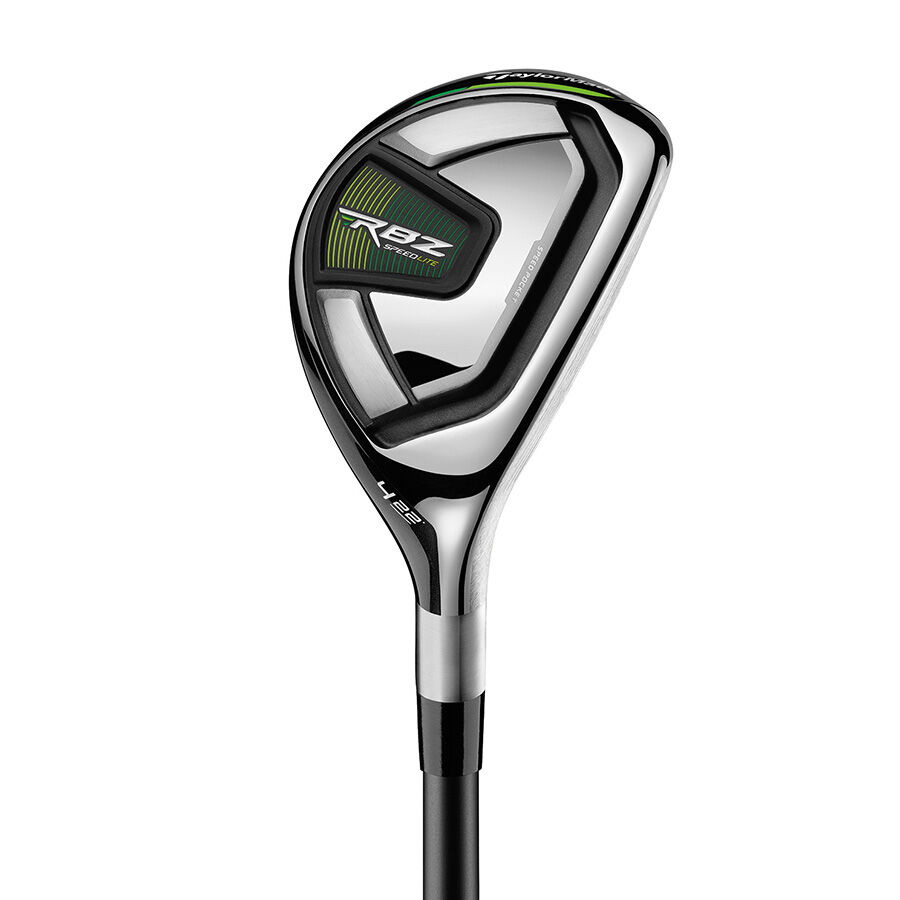
Best overall: TaylorMade RBZ SpeedLite – perfect balance for most beginners.
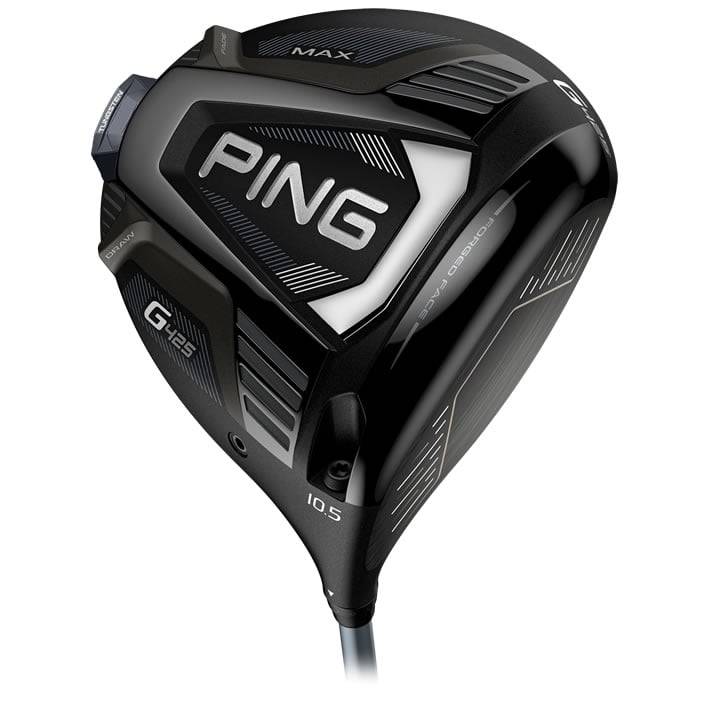
Budget: Cobra F-Max. Premium: Ping G425 Max. Grab headcover and gloves day one.
You're ready! Order, hit the range, and watch improvement. Golf is 90% mental – this gear builds confidence fast. Next: Book a lesson.
❓ Frequently Asked Questions
TaylorMade RBZ SpeedLite (B08Y7R3K4L) – ultra-forgiving with easy launch for new swings.
$150-300 sweet spot for forgiving quality that lasts.
Large head, high MOI, regular flex, 10.5-12° loft, draw bias.
Cobra F-Max Airspeed – lightweight and slice-correcting.
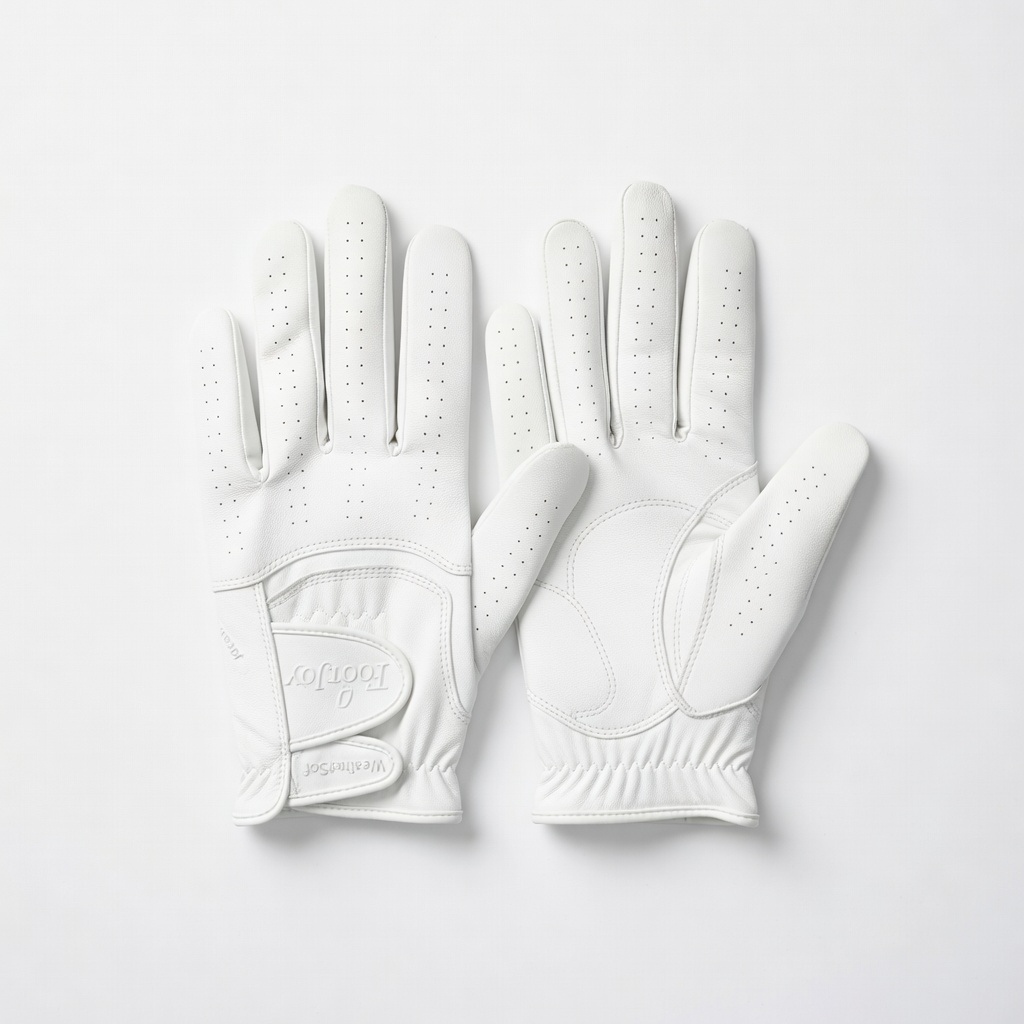
Headcover, golf gloves, swing trainer.
Match flex to swing speed, prioritize forgiveness over distance claims.
With forgiving models, no – focus on practice for quick wins.
Wrong shaft flex, no protection, buying too cheap/pro.