Discover the easiest portable digital pianos for beginners, with top picks, accessories, and tips to start playing confidently without overwhelm.
Choosing your first digital piano can feel scary—too many buttons, confusing specs, and prices that make you wonder if you're ready for this. As a beginner, you just want something simple to learn basic songs without frustration or regret.
Digital pianos mimic real pianos but are portable, affordable, and forgiving for new players. This guide cuts through the noise, focusing on portable models perfect for apartments or travel.
We'll cover what matters most, top beginner picks on Amazon, must-have accessories, and mistakes to skip—so you can buy with confidence and start playing today.
📋 In This Guide
• Why Beginners Struggle with Digital Piano
• What to Look For (Key Features)
• Top 4 Beginner-Friendly Digital Piano
• Essential Accessories for Beginners
• Common Beginner Mistakes to Avoid
• Your Progression Path
• FAQ & Learning Resources
😰 Why Beginners Struggle with Digital Piano
Beginners often feel lost with digital pianos because of techy terms like 'polyphony' or 'weighted keys' that sound intimidating. You might worry about buying something too hard to use or that breaks the bank, only to realize later it's not what you need.
Forums like Reddit's r/piano are full of stories: 'I bought cheap and the keys felt like toys,' or 'Overwhelmed by 100+ apps and modes I don't understand.' Portability adds confusion—do you need full 88 keys or is less okay?
The fear of wasting money on the wrong model stops many from starting. This guide fixes that by focusing on simple, portable options that let you learn without stress.
🔍 What to Look For: Key Beginner-Friendly Features
For beginners, prioritize touch-sensitive keys that feel like a real piano (weighted or semi-weighted) so every note responds naturally to your fingers. Look for a headphone jack to practice quietly, built-in lessons or simple demos, and at least 64-note polyphony to play without notes cutting off.
Nice-to-haves: Bluetooth for apps, 88 full-size keys for proper hand position, and a sturdy build for portability. Skip fancy effects, MIDI ports, or pro-level sounds—you won't use them yet.
Beginner-friendly pianos are lightweight (under 30 lbs), have clear buttons (not tiny screens), and apps/tutorials that guide you step-by-step. They're forgiving: no perfect technique needed to sound decent.
✅ Essential Features for Beginners
•88 full-size keys with semi-weighted action for realistic feel without hand strain
•Headphone output for quiet practice anytime
•Built-in lessons and 100+ tones/songs to learn easily
•Lightweight and portable (under 25 lbs) with battery option
•Simple volume/app controls—no complex menus
•USB/MIDI for free lesson apps
•Adjustable stand included or easy setup
🏆 Top 4 Best Digital Piano for Beginners
#1
💰 Budget
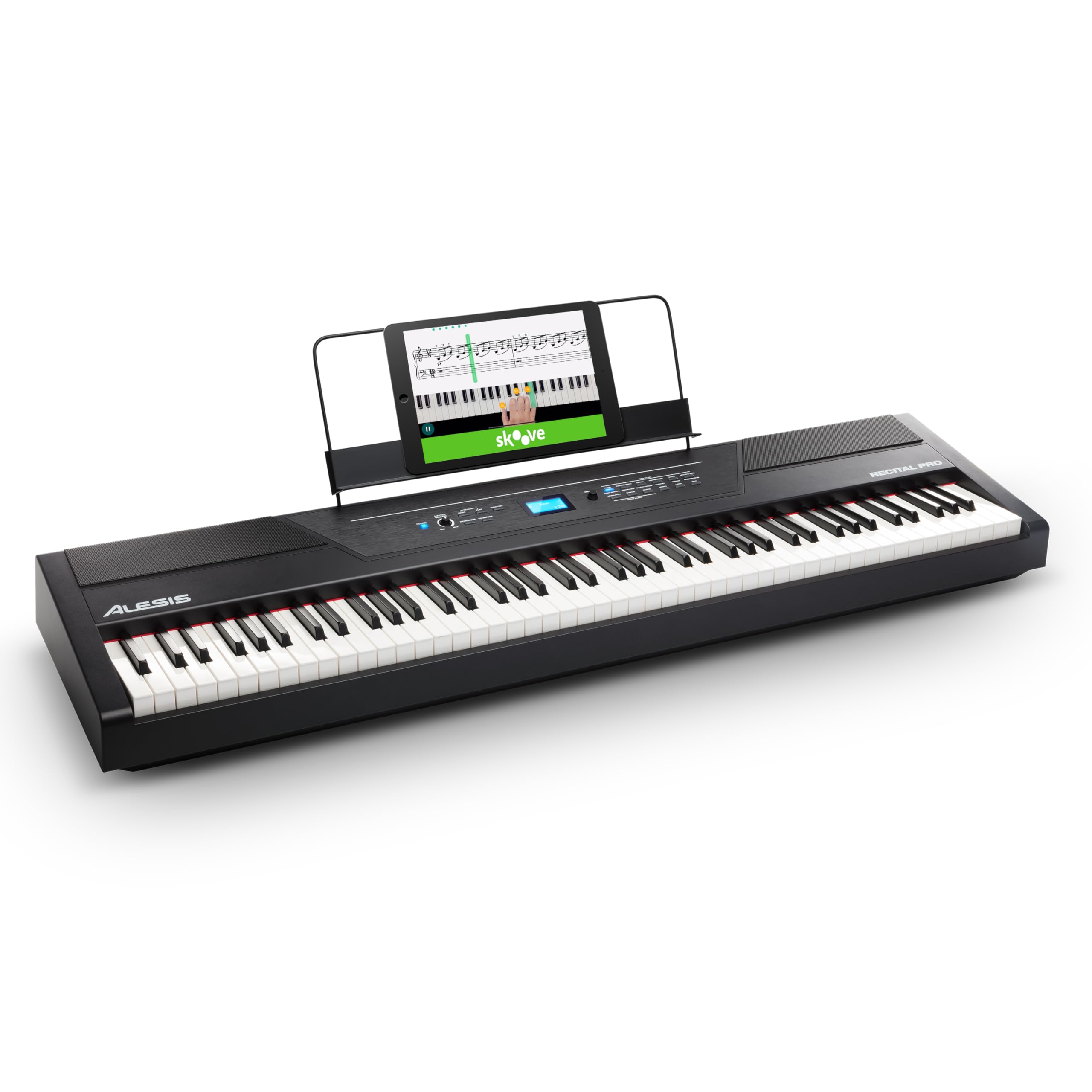
Alesis Recital Pro | 88-Key Digital Piano with Built In Lessons Semi-Weighted Overflow
Learning Curve: Easy
$229.99
Difficulty: 1/5
Why Great for Beginners:
Perfect entry for total newbies—lightweight at 26 lbs, easy plug-and-play with 12 built-in lessons. Forgiving keys build confidence without overwhelming features.
✓ Beginner Pros
+Super affordable start
+Lesson mode guides you
+Headphones included
+Portable carry handle
✗ Beginner Cons
-Basic sounds
-No Bluetooth
-Keys slightly light
👍 Best for: Budget-conscious apartment dwellers testing piano
👎 Not for: Serious classical players needing authentic feel
A digital piano is an electronic keyboard that sounds and feels like an acoustic piano but plugs in anywhere—no tuning needed. Portable ones are slim, light, and battery-powered for practice on the go.
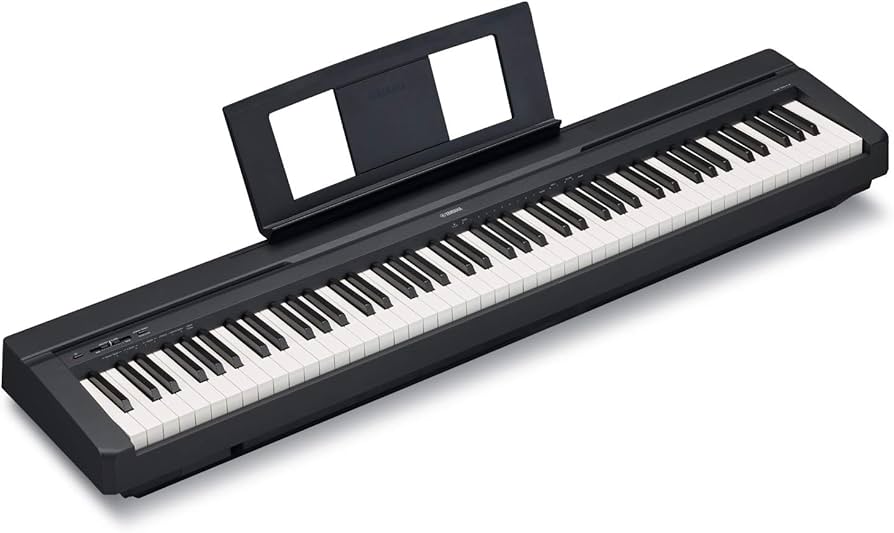
Types: Slab-style (no stand, super portable like Yamaha P-45), console (home-use with stand), or arranger (with rhythms—avoid for pure piano beginners). Best for beginners: portable slab with 88 weighted keys.
Expect to play simple songs in weeks, not concertos. 'Weighted' means keys resist like real piano for better technique. Evaluate by trying in-store or watching unboxing videos—focus on key feel and sound quality.
Marketing traps: '128-note polyphony' sounds great but 64 is plenty. 'Beginner-friendly' means intuitive apps and lessons, not gimmicks.
🔧 Essential Accessories for Beginners
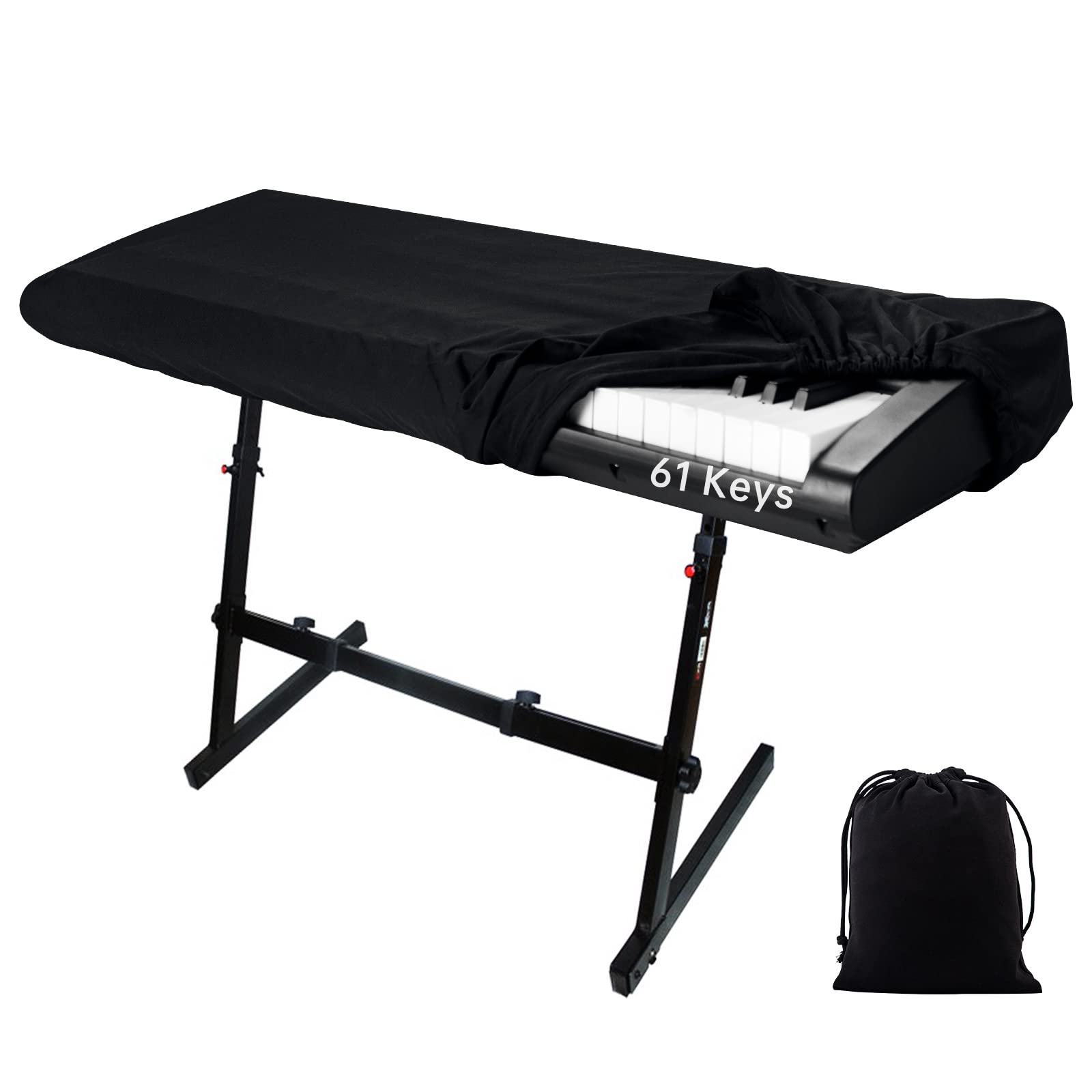
LAGRIM Keyboard Stand Adjustable Piano Stand
⚠️ Essential
$39.99
When to buy:
Day one
Beginners slouch without proper height— this adjustable stand sets elbows at perfect angle for pain-free play. Folds flat for portability.
Ask: What's your budget? Practice space? Goals (fun songs or classical)? Time to learn (under 30 min/day)? For most, sweet spot $200-400 gets portable 88-key with lessons.
Scenarios: Apartment—headphone-ready portable. Travel—under 20 lbs with batteries. Kids—durable, fun demos. Go budget if testing, recommended for commitment, premium if serious.
Red flags: Under 61 keys (limits songs), no weighted action (toy-like), heavy/non-portable. Plan for growth: pick one with app/USB expandability.
💰 Budget Guide for Beginners
600+
Pro entry: Full features for fast learners planning performance.
Premium beginner: Superior sound/feel, Bluetooth—serious starters won't outgrow soon.
Under $ - $200
Entry level: Basic 61-76 keys to try piano without commitment; lightweight but may upgrade in 6 months.
⚠️ Common Beginner Mistakes to Avoid
Beginners grab the cheapest Amazon find, then complain keys feel plastic and sounds tinny—false economy, upgrade in months. Others splurge on $1000+ with rhythms/MIDI they ignore.
Skipping stand/bench leads to slouching and wrist pain (Reddit horror stories). Avoid by sticking to weighted 88-key portables under $400. Test sound via videos.
Not using apps means no guidance—pair with free Simply Piano for success.
×Buying under 61 keys—can't play full songs
×Skipping weighted keys—toy feel frustrates
×Ignoring headphone jack—noisy practice fails
×Cheap no-name brands—poor sound/break soon
×Overbuying pro models—unused features overwhelm
×Forgetting stand/bench—bad posture hurts
×No lessons/apps—stuck not progressing
📈 Your Progression Path: Beginner to Intermediate
Start with 15-min daily scales/chords using built-in lessons. Month 1: Simple songs like 'Twinkle.' Build to pop/classical in 3-6 months.
Outgrow when needing better action/sounds or stage portability. Upgrade after 1 year if playing 1hr/day. Intermediate: 128-poly, Bluetooth pedals.