Everything beginners need to confidently choose their first digital piano keyboard, with top picks, accessories, and mistake-proof tips.
Picking your first digital piano keyboard can feel scary – so many choices, confusing terms like 'weighted keys' or 'polyphony,' and worry about wasting money on the wrong one. As a complete beginner, you just want something easy to play, fun to learn on, and that won't frustrate you right away. This guide cuts through the noise.
We'll explain why beginners get stuck, what simple features really matter, and give you exact Amazon recommendations that are forgiving for new hands. No jargon overload – just straightforward advice to build your confidence and get you playing simple songs from day one. By the end, you'll know exactly what to buy.
📋 In This Guide
• Why Beginners Struggle with Digital Piano Keyboard
• What to Look For (Key Features)
• Top 4 Beginner-Friendly Digital Piano Keyboard
• Essential Accessories for Beginners
• Common Beginner Mistakes to Avoid
• Your Progression Path
• FAQ & Learning Resources
😰 Why Beginners Struggle with Digital Piano Keyboard
Beginners often feel overwhelmed by the huge selection on Amazon – from cheap toy-like keyboards to pro models costing thousands. Terms like 'touch sensitivity,' 'aftertouch,' or 'MIDI' sound technical and scary, making it hard to know what's essential versus fluff. Many fear buying something too basic that breaks their motivation or too advanced that gathers dust.
Real frustrations from forums like Reddit's r/piano and Amazon reviews include keys that feel like plastic toys (not piano-like), no headphone jack for quiet practice, or missing lesson modes that make learning alone tough. Without guidance, beginners waste time comparing specs that don't matter yet, leading to buyer's remorse or quitting early.
🔍 What to Look For: Key Beginner-Friendly Features
Focus on basics that make playing feel natural and forgiving: full-size 88 keys (like a real piano), semi-weighted or weighted action (keys that bounce back realistically without being stiff), and built-in lesson modes or apps. These tolerate clumsy fingers and help you build good habits.
Nice-to-haves: headphone jack for private practice, USB for free computer lessons, and 10+ sounds to keep things fun. Skip fancy stuff like 500 tones, Bluetooth, or recording – they add complexity you won't use at first. Beginner-friendly means simple buttons, clear manuals, and setups under 10 minutes.
✅ Essential Features for Beginners
•88 full-size keys: Matches real piano, no cramping small hands.
•Semi-weighted or weighted keys: Feels realistic, helps learn proper touch without frustration.
•Built-in lessons or metronome: Guides you step-by-step, like having a teacher.
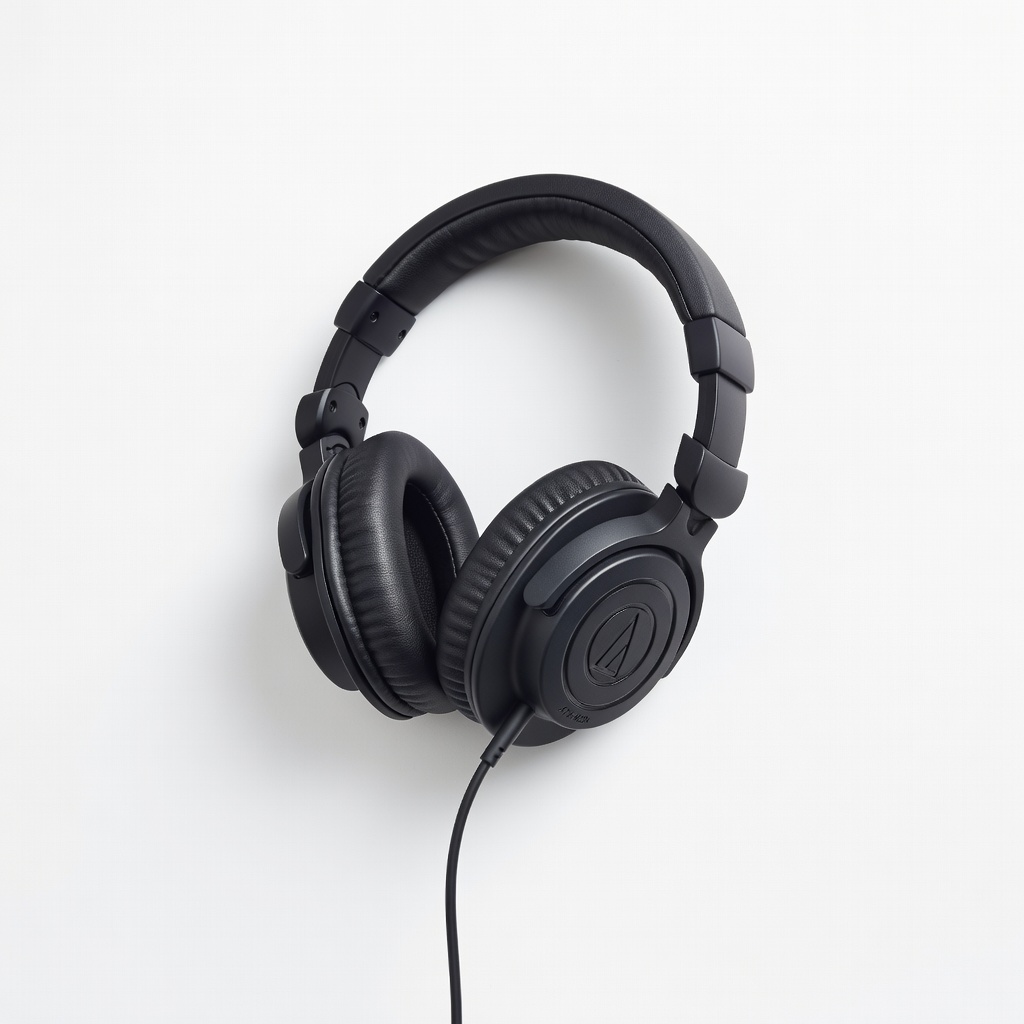
•Headphone jack: Practice anytime without bothering others.
•USB/MIDI port: Connect to free apps for interactive learning.
•Battery or AC power: Portable for practice anywhere.
•Simple volume and sustain pedal input: Easy control for beginners.
🏆 Top 4 Best Digital Piano Keyboard for Beginners
#1
💰 Budget
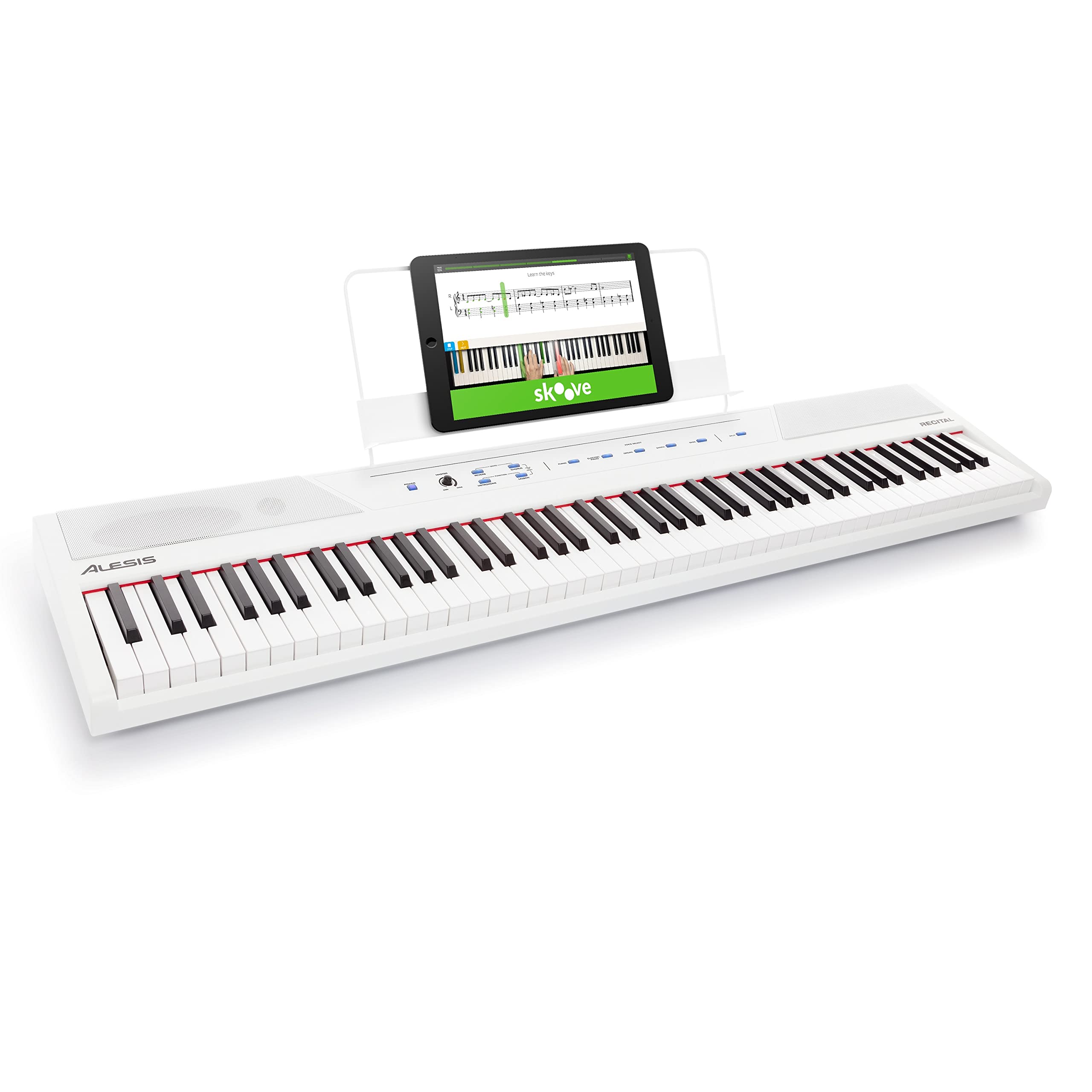
Alesis Recital – 88-Key Beginner Digital Piano with Semi-Weighted Keys
Learning Curve: Easy
$229.99
Difficulty: 1/5
Why Great for Beginners:
This is the perfect entry point with full 88 keys and semi-weighted action that feels like a real piano without overwhelming new players. Built-in lessons and 5 voices keep practice fun and simple.
✓ Beginner Pros
+Easy setup in minutes
+Lessons mode guides you
+Headphones for quiet play
+Affordable yet durable
✗ Beginner Cons
-Speakers are basic
-No Bluetooth yet
👍 Best for: Budget-conscious adults or kids starting out
👎 Not for: Those wanting pro-level key feel immediately
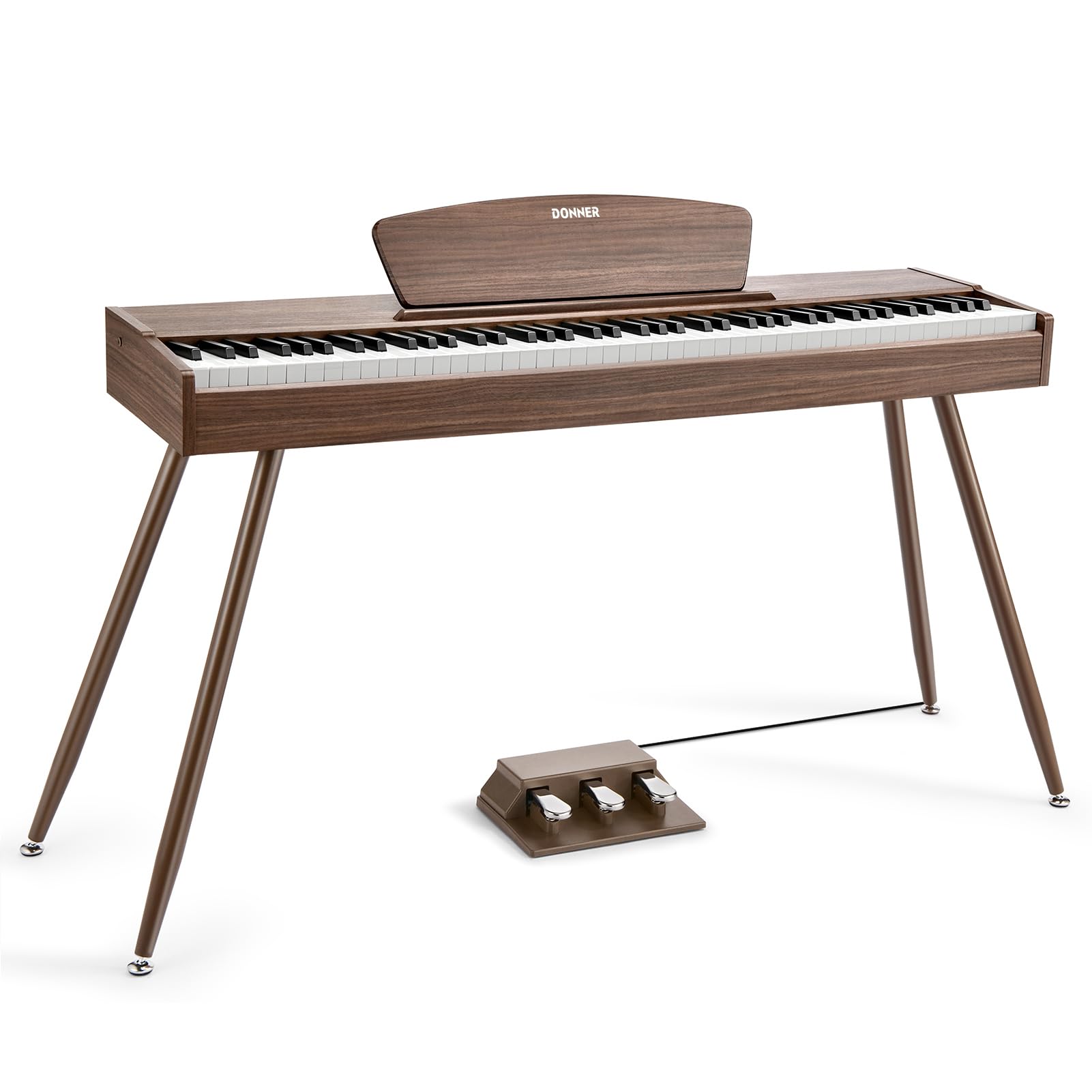
Donner DDP-80 88-Key Fully Weighted Action Digital Piano
Learning Curve: Easy
$399.99
Difficulty: 2/5
Why Great for Beginners:
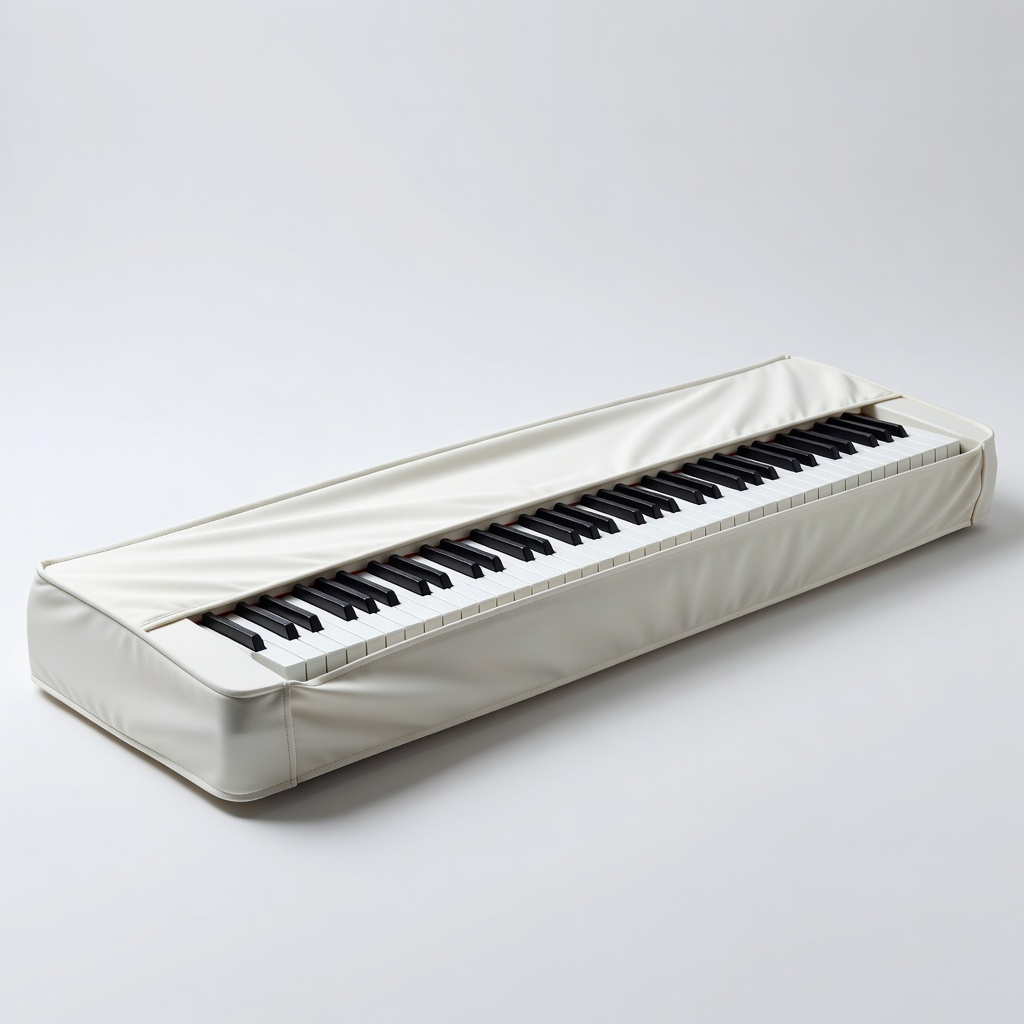
Offers realistic weighted keys in a compact design, with slide-up cover for furniture-like look – ideal for home beginners. Free lessons via app make solo practice effortless.
✓ Beginner Pros
+Piano-like action
+App lessons included
+Built-in stand
+Multiple voices
✗ Beginner Cons
-Slightly heavier
-App needs download
👍 Best for: Home users wanting realistic feel on budget
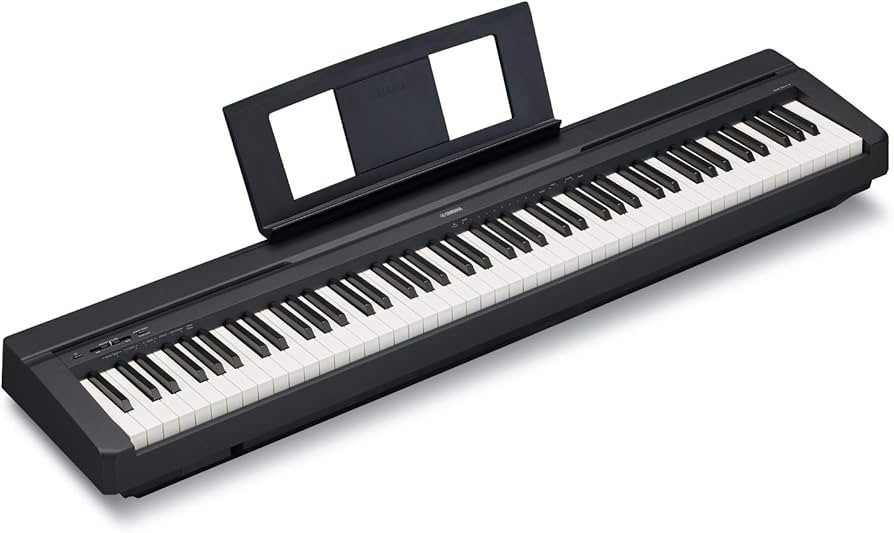
Yamaha's trusted Graded Hammer action feels authentic, helping beginners develop proper technique fast. Simple interface and pure piano sounds focus on learning without distractions.
✓ Beginner Pros
+Pro key action
+Compact and light
+USB to computer
+10-year durability rep
✗ Beginner Cons
-Basic voices (10 total)
-No lessons built-in
👍 Best for: Serious beginners prioritizing key feel
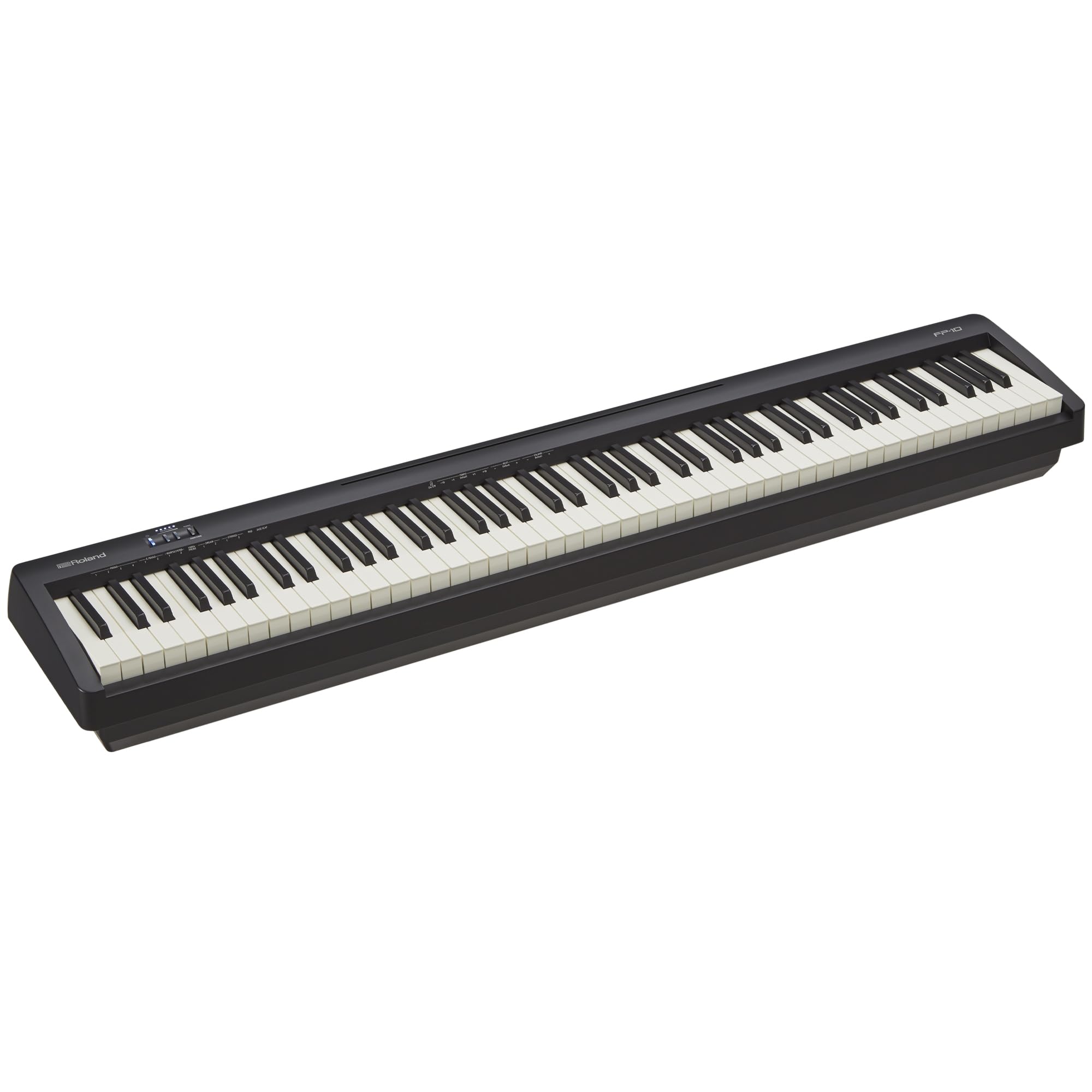
Super realistic PHA-4 keys and superb piano tones make it feel like a grand piano – forgiving for mistakes while rewarding progress. Bluetooth app integration for modern lessons.
📖 Complete Beginner's Guide to Digital Piano Keyboard
A digital piano keyboard mimics an acoustic piano electronically – press keys for realistic sounds through speakers or headphones. Beginners should start with 'stage' or 'home' pianos: 88 keys, decent key action, and essentials like lessons.
Portable 61/76-key toys are too limited; full 88-key semi-weighted models (keys with some resistance) are best for beginners – forgiving yet teach proper technique. Expect to play simple melodies in weeks, not concertos. 'Beginner-friendly' means plug-and-play, no assembly hassles, and apps/tutorials included.
Marketing traps: 'Portable' often means lightweight but flimsy; 'pro sounds' hide poor keys. Test via Amazon's return policy.
🔧 Essential Accessories for Beginners
Plix Keyboard Stand - Adjustable X-Frame
⚠️ Essential
$49.99
When to buy:
Day one
Beginners slump on tables, ruining posture and play – this stand gets your keyboard to perfect height for relaxed wrists. Sturdy for wobbly new hands.
Ask: What's your budget and space? Daily practice or casual? Apartment (need headphones/quiet)? Start here: under $200 for testing, $200-400 sweet spot for growth.
Budget: Try piano feel cheaply. Recommended: Balance quality/value. Premium: Invest if serious. Avoid no-name brands without reviews. Red flags: Under 61 keys, no weight, poor customer support.
Match use: Kids/home – lessons included; adults – weighted keys for realism.
💰 Budget Guide for Beginners
200 - $400
Sweet spot - 88 semi-weighted keys, lessons, apps; perfect for most beginners, lasts 1-2 years.
Pro entry - Advanced action, connectivity; for committed learners planning long-term.
Under $200
Entry level - 61-76 keys, basic sounds; great for kids or testing interest, but upgrade soon for full piano feel.
⚠️ Common Beginner Mistakes to Avoid
Beginners grab the cheapest Amazon option, like 49-key toys, then hate the fake feel and quit. Or splurge on $1000 models with Bluetooth/samplers they ignore. Forums are full of 'wish I got weighted keys sooner.'
Avoid by sticking to 88-key semi-weighted under $400 first. Always buy stand/bench day one – returns hurt if posture suffers. Read recent reviews for 'easy setup' mentions.
×Buying 61-key 'toy' keyboards – too small for real songs.
×Skipping stand/bench – bad posture leads to pain/quitting.
×No headphones – can't practice quietly.
×Overbuying pro models with unused features.
×Cheap no-names – break fast, poor sound.
×Forgetting sustain pedal input.
×Not checking app/lesson compatibility.
📈 Your Progression Path: Beginner to Intermediate
Start with basics: 10-15 min daily on lesson modes, simple scales/songs. Master C scale, then chords in 1-3 months. Outgrow beginner gear when wanting better action, more voices, or recording.
Upgrade after 6-12 months: Add pedals/apps first, then intermediate like Yamaha P-125 ($700). Signs ready: Playing full songs fluidly, wanting acoustic feel. Stay beginner 3-6 months typically.
📚 Learning Resources for Beginners
📖Alfred's Basic Adult Piano Course, Lesson Book 1 (ASIN: 0882846167) – Step-by-step for self-learners.
📖Adult Piano Adventures All-In-One Lesson Book 1 (ASIN: 1617271461) – Fun songs, theory simple.
📖Piano for Dummies, 5th Edition (ASIN: 1119700950) – Beginner overview with tips.
📖Hal Leonard Adult Piano Method (ASIN: 1423404210) – Popular lessons book.
🎯 Bottom Line: Our Recommendations
For most beginners, the Donner DDP-80 ($399) is the sweet spot – realistic keys, lessons, future-proof. Budget? Alesis Recital ($229). Serious? Roland FP-10 ($599).
Grab stand, bench, headphones day one. You're not buying a piano – you're investing in joy. Start small, practice daily, celebrate first songs. You've got this – order today!
❓ Frequently Asked Questions
The Donner DDP-80 or Yamaha P-45 – 88 weighted keys, lessons, under $500. Great feel without complexity.
$200-400 sweet spot for 88-key quality that lasts. Under $200 tests interest; over $600 if committed.