Review Atlas
Review AtlasYour guide to a better purchase

Menu

Shop by Category

Get the App

Better experience on mobile

Beginners GuideMusic

Best Digital Piano for Beginners 2026

Pick your first digital piano with confidence—no jargon, no overwhelm, just simple steps and top picks for beginners.

Choosing your first digital piano can feel scary with all the options, prices, and confusing terms like 'weighted keys' or 'polyphony.' Beginners often worry about wasting money on something too hard to use or buying the wrong one that they'll outgrow in weeks. But it doesn't have to be that way.

This guide is built for complete beginners like you—no music experience needed. We'll break down what really matters, share top Amazon picks that are forgiving and easy, and help you avoid pitfalls. By the end, you'll know exactly which digital piano to buy and feel excited to start playing.

Our recommendations focus on pianos that sound great, feel natural under your fingers, and come with beginner helpers like built-in lessons. Let's turn that anxiety into your first chord!

📋 In This Guide

  • • Why Beginners Struggle with Digital Piano
  • • What to Look For (Key Features)
  • • Top 4 Beginner-Friendly Digital Piano
  • • Essential Accessories for Beginners
  • • Common Beginner Mistakes to Avoid
  • • Your Progression Path
  • • FAQ & Learning Resources

😰 Why Beginners Struggle with Digital Piano

Beginners dive into digital pianos overwhelmed by endless choices—hundreds of models from Casio, Yamaha, Roland, and more, each boasting specs like '128-note polyphony' that sound impressive but mean nothing without context. Forums like Reddit's r/piano are full of newbies frustrated by buying cheap toys that feel plasticky or expensive ones loaded with features they can't use.

The jargon is a big hurdle: What's 'touch sensitivity'? Do you need 88 keys or is 61 enough? Many fear spending $200 only to realize it sounds tinny or has no headphone jack for quiet practice. Plus, without knowing their goals—like casual playing or lessons—they grab the shiniest ad, leading to regret.

Physical setup scares too: Will it fit my apartment? Need a stand? Real reviews show beginners returning pianos because they're too loud, too heavy, or the keys feel wrong, killing motivation before song one.

🔍 What to Look For: Key Beginner-Friendly Features

For beginners, skip fancy extras and focus on basics that make playing fun and forgiving. First, 88 full-sized weighted keys—these mimic a real piano's feel, helping you learn proper technique without bad habits. Look for 'semi-weighted' or 'hammer action' that's light and responsive, not stiff.

Built-in speakers and a headphone jack are musts for private practice without bugging roommates. 10+ realistic piano sounds, simple lesson modes, and app connectivity ease learning. Avoid overwhelming touchscreens; buttons and dials are better for new hands.

Beginner-friendly pianos are lightweight (under 30 lbs), include pedals, and have clear manuals/videos. They tolerate sloppy playing with good touch response and volume control, building your confidence fast.

✅ Essential Features for Beginners

  • 88 weighted keys for real piano feel without frustration
  • Headphone jack for quiet, anytime practice
  • Built-in lessons and metronome to guide you step-by-step
  • Decent speakers so you hear yourself clearly
  • USB/MIDI for free apps and future computer hookup
  • Adjustable touch sensitivity to match your playing strength
  • Included sustain pedal for easy expression

🏆 Top 4 Best Digital Piano for Beginners

#1
💰 Budget

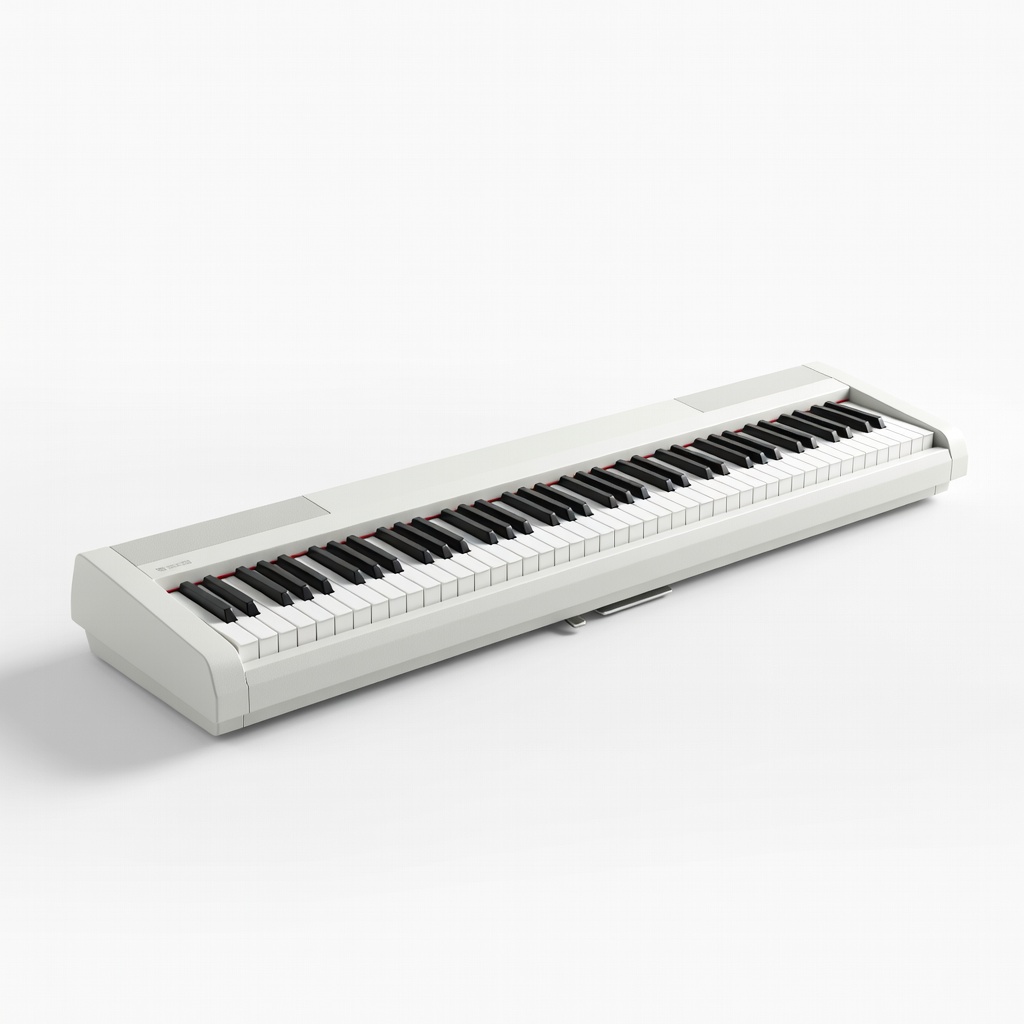
Alesis Recital – 88-Key Beginner Digital Piano with Semi-Weighted Keys

Learning Curve: Easy

$229.99
Difficulty: 1/5
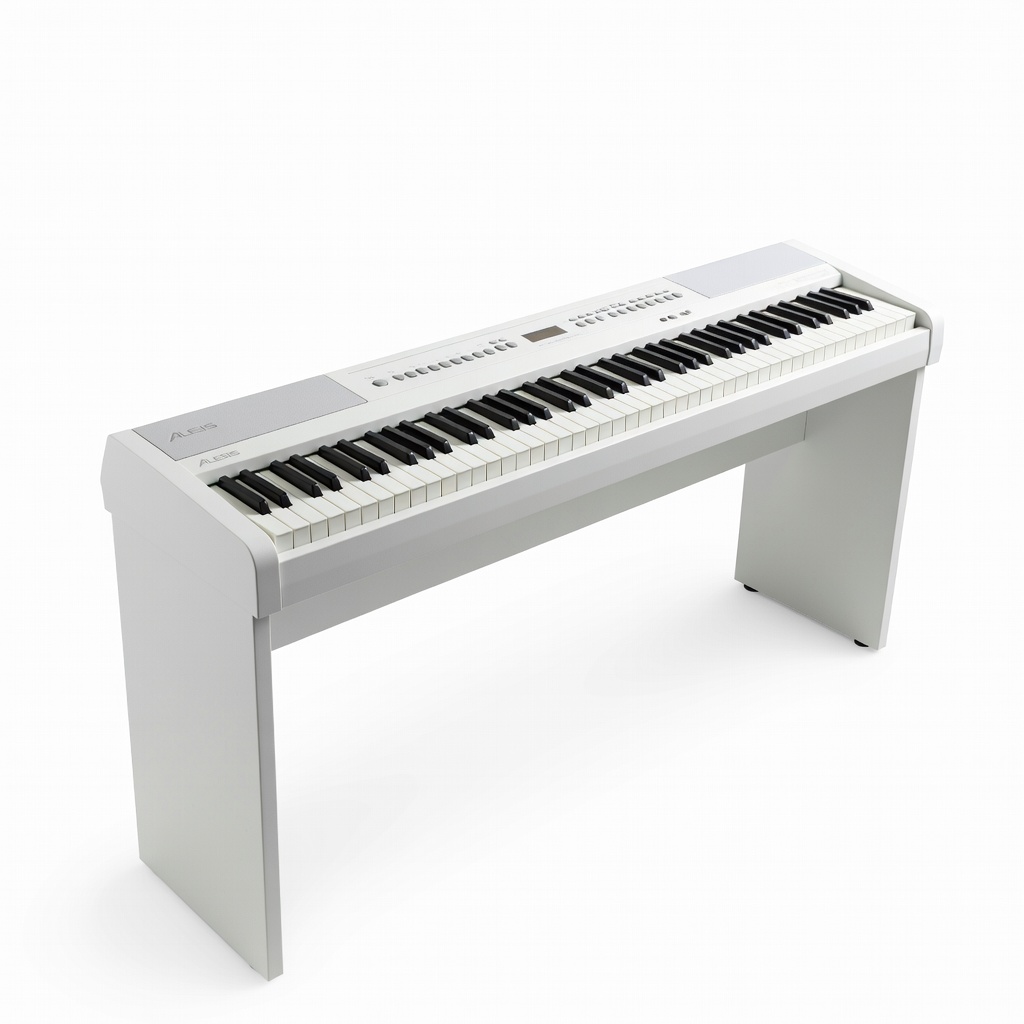
Alesis Recital – 88-Key Beginner Digital Piano with Semi-Weighted Keys

Why Great for Beginners:

This is the perfect entry point with 88 semi-weighted keys that feel natural right away, forgiving for clumsy fingers. Built-in lessons and 20 sounds keep practice fun without overwhelm. Lightweight and includes everything to start day one.

Beginner Pros

  • +Super affordable to test the waters
  • +Easy plug-and-play setup
  • +Headphone jack for quiet practice
  • +Lesson modes guide you
  • +Portable under 25 lbs

Beginner Cons

  • -Speakers a bit quiet for rooms
  • -Basic app integration
👍 Best for: Total newbies on tight budget wanting full keys
👎 Not for: Those needing pro-stage sounds

#2
👍 Recommended

Yamaha P-45 88-Key Weighted Digital Piano

Learning Curve: Easy

$479.99
Difficulty: 2/5
Yamaha P-45 88-Key Weighted Digital Piano

Why Great for Beginners:

Yamaha's Graded Hammer action feels just like a real piano, building good habits fast. Pure, warm sounds and simple controls make it intuitive. Reliable brand with great support for your journey.

Beginner Pros

  • +Authentic key feel
  • +Stereo speakers shine
  • +USB to apps
  • +Durable build
  • +Lessons compatible

Beginner Cons

  • -No stand/bench included
  • -Slightly heavier
👍 Best for: Most beginners serious about lessons
👎 Not for: Ultra-portable needs
#3
✨ Premium

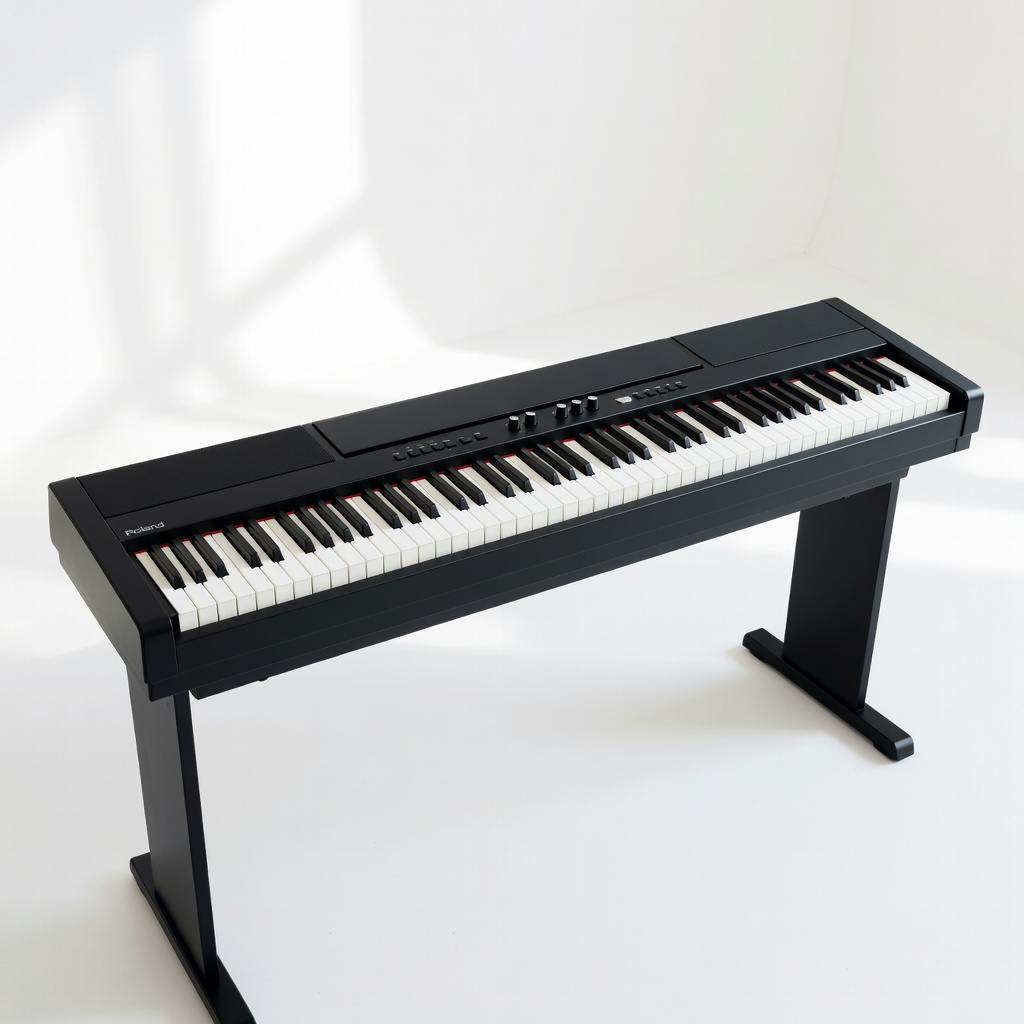
Roland FP-10 88-Key Digital Piano

Learning Curve: Moderate

$599.00
Difficulty: 2/5
Roland FP-10 88-Key Digital Piano

Why Great for Beginners:

Pro-level PHA-4 action is forgiving yet realistic, with superb piano tones that inspire. Bluetooth app for free lessons, super quiet keys. Grows with you for years without upgrade itch.

Beginner Pros

  • +Best-in-class key feel
  • +Rich SuperNATURAL sounds
  • +App lessons
  • +Compact/slim
  • +Headphone bliss

Beginner Cons

  • -Price jump
  • -Speakers modest
👍 Best for: Committed beginners with lessons
👎 Not for: Casual dabblers
#4
👍 Recommended

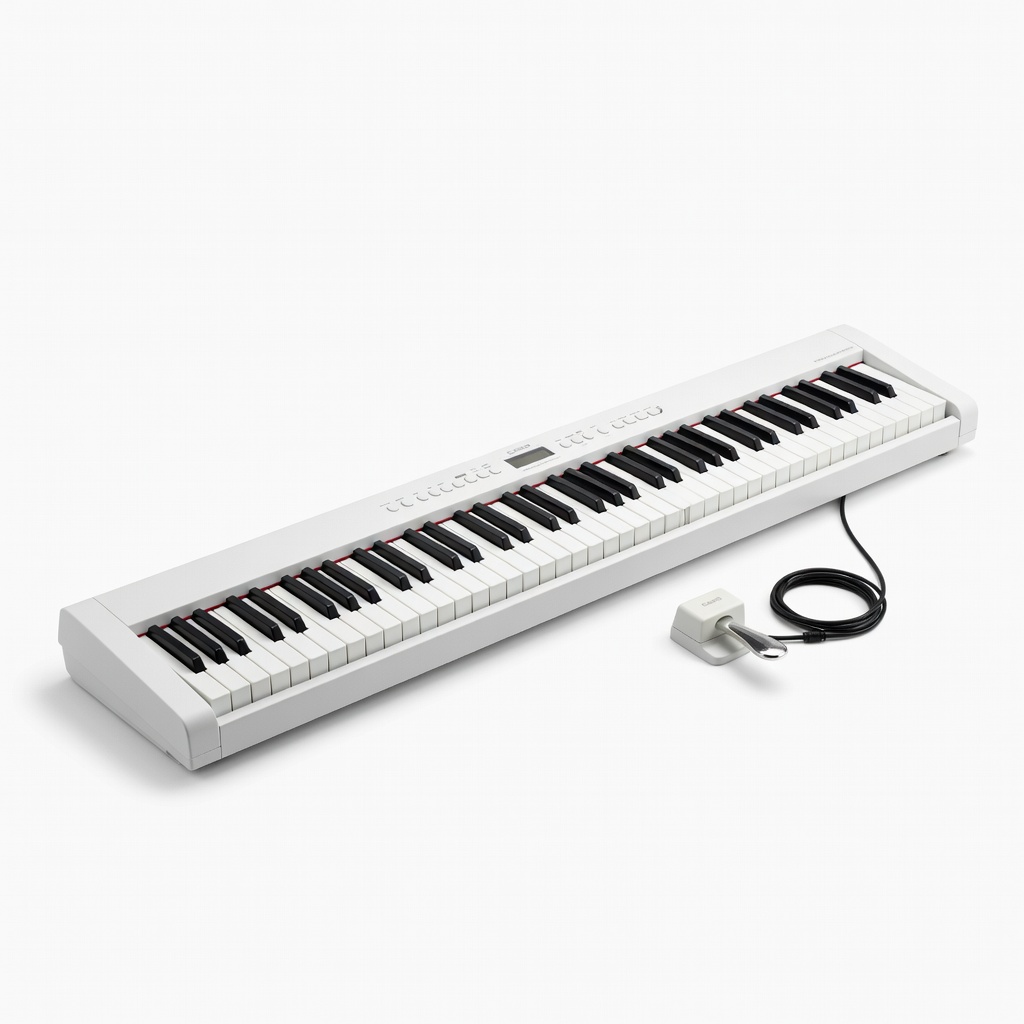
Casio CDP-S160 88-Key Portable Digital Piano

Learning Curve: Easy

$449.99
Difficulty: 1/5
Casio CDP-S160 88-Key Portable Digital Piano

Why Great for Beginners:

Slim design fits anywhere, Scaled Hammer Action is beginner-perfect—light but responsive. 10 tones and chordana app make learning interactive and fun.

Beginner Pros

  • +Ultra slim/portable
  • +Affordable quality
  • +App fun
  • +Layer/split modes simple

Beginner Cons

  • -Fewer lessons built-in
👍 Best for: Space-limited apartments
👎 Not for: Heavy stage use

📖 Complete Beginner's Guide to Digital Piano

A digital piano is an electronic keyboard that sounds and feels like an acoustic piano but is portable, affordable, and maintenance-free—no tuning needed. Unlike synths or cheap keyboards, it has weighted keys for realistic action.

Types for beginners: Portable (light, no stand), console-style (home furniture look), or stage pianos (pro but simple). Beginners thrive with portable 88-key models—they're versatile, fit small spaces, and grow with you.

'Beginner-friendly' means intuitive controls, forgiving key action (not too heavy), and helpers like 100+ songs for practice. Expect to play simple tunes in weeks, not months. Marketing traps: '256 voices' sounds cool but you need just 10 good piano tones. Test via Amazon videos/reviews for key feel.

Evaluate by playing demos: Keys should bounce back smoothly, sounds warm (not buzzy). Realistic goal: Chord basics and songs like 'Fur Elise' in a month with 20 min/day practice.

🔧 Essential Accessories for Beginners

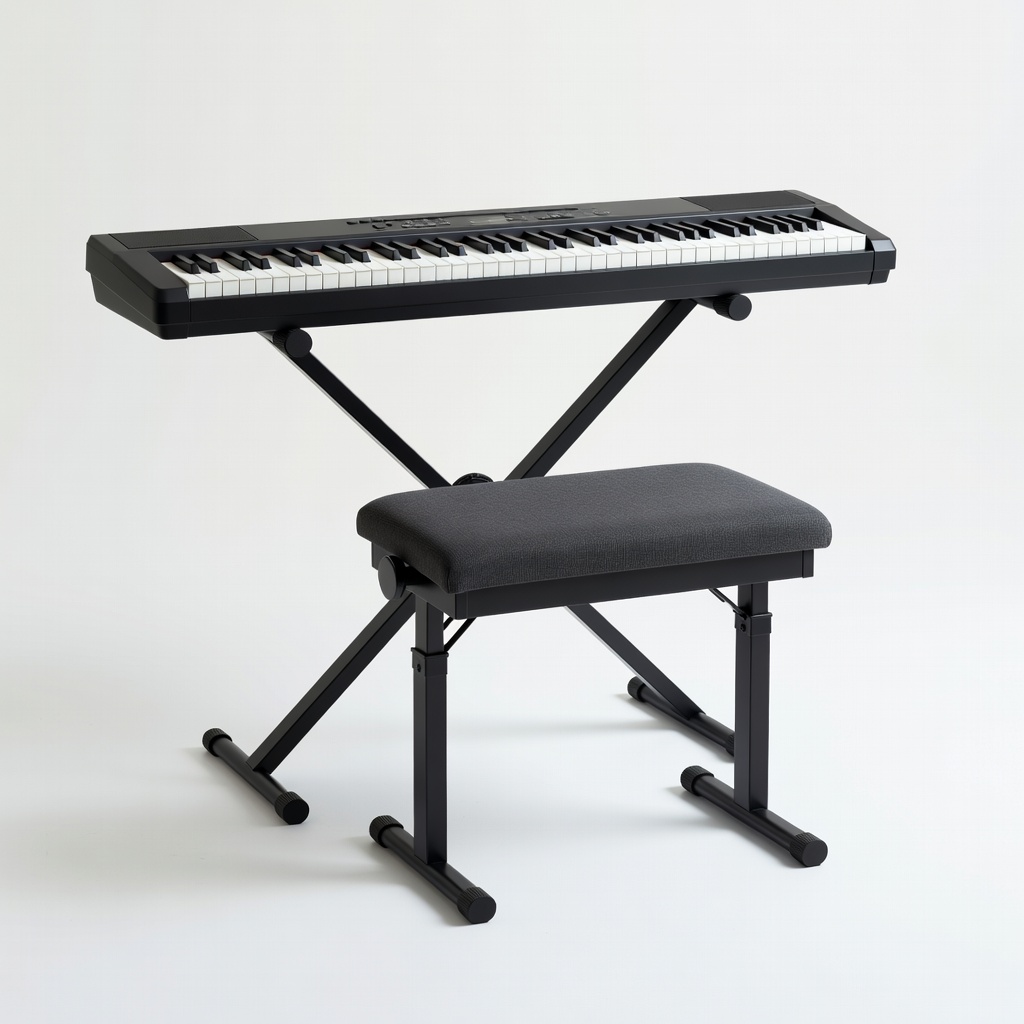
Vangoa Keyboard Stand & Bench

Vangoa Keyboard Stand & Bench

⚠️ Essential

$89.99

When to buy:
Day one

Most pianos don't include a stand—without it, playing on a table wrecks posture and technique. This adjustable set fits all heights, stable for wobbly beginners.

Beginner Benefits:

  • Prevents back pain
  • Stable no-tip
  • Quick assembly
  • Fits small spaces
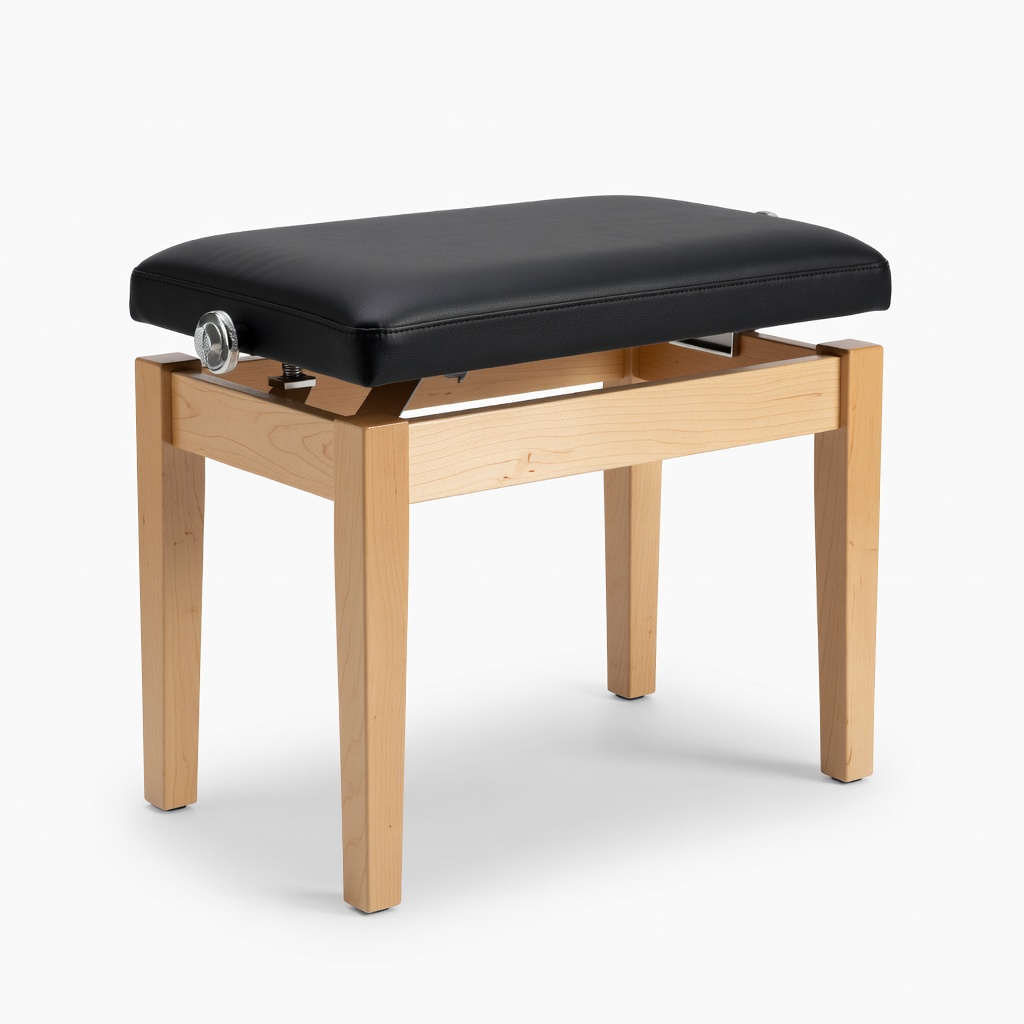
Adjustable Padded Piano Bench - Image 1 of 7

Adjustable Padded Piano Bench

⚠️ Essential

$49.99

When to buy:
Day one

Proper height keeps wrists straight, avoiding strain in first weeks. Padded for long sessions without sore butt.

Beginner Benefits:

  • Correct posture
  • Comfort for 30+ min
  • Cheap upgrade
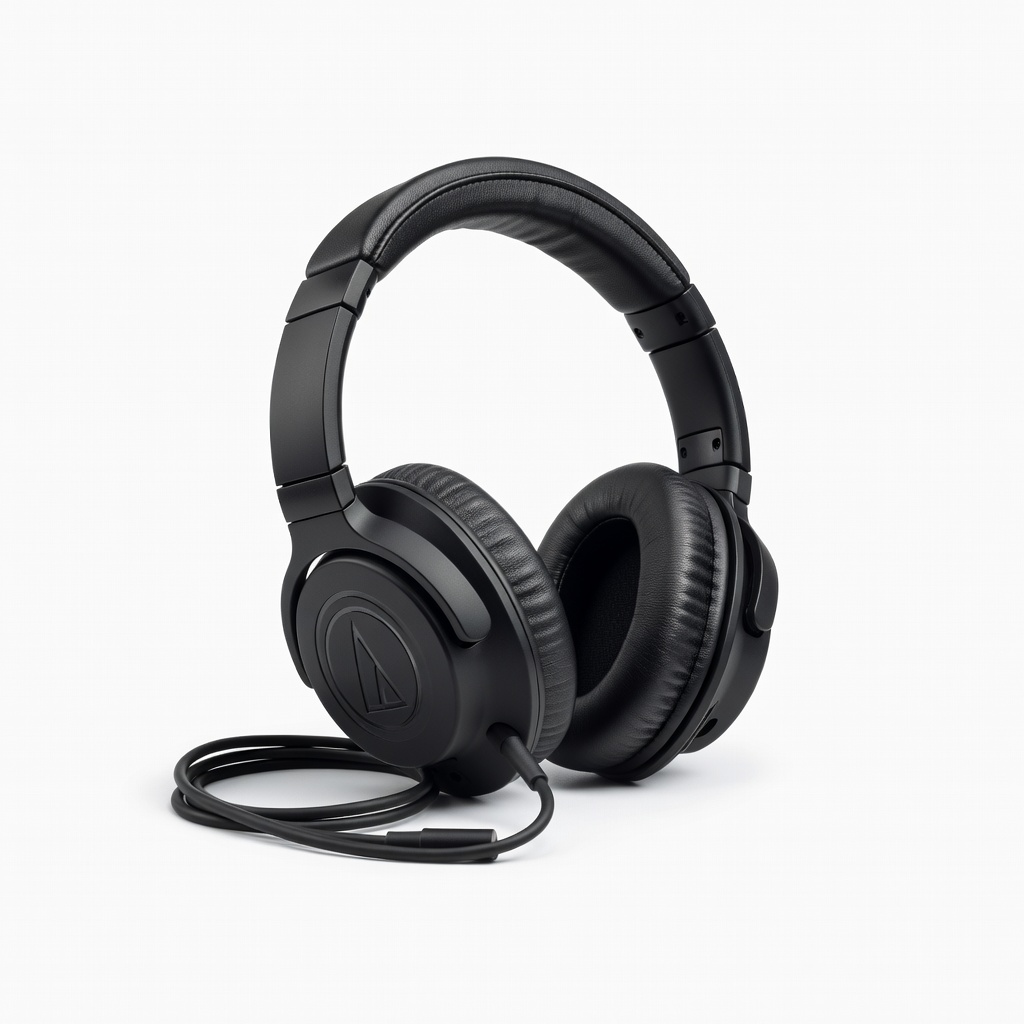
Audio-Technica ATH-M20x Headphones

Audio-Technica ATH-M20x Headphones

👍 Recommended

$49.00

When to buy:
Day one

Practice anytime without noise complaints—hear every note clearly to self-correct. Closed-back blocks distractions.

Beginner Benefits:

  • Quiet practice
  • Clear feedback
  • Long cord
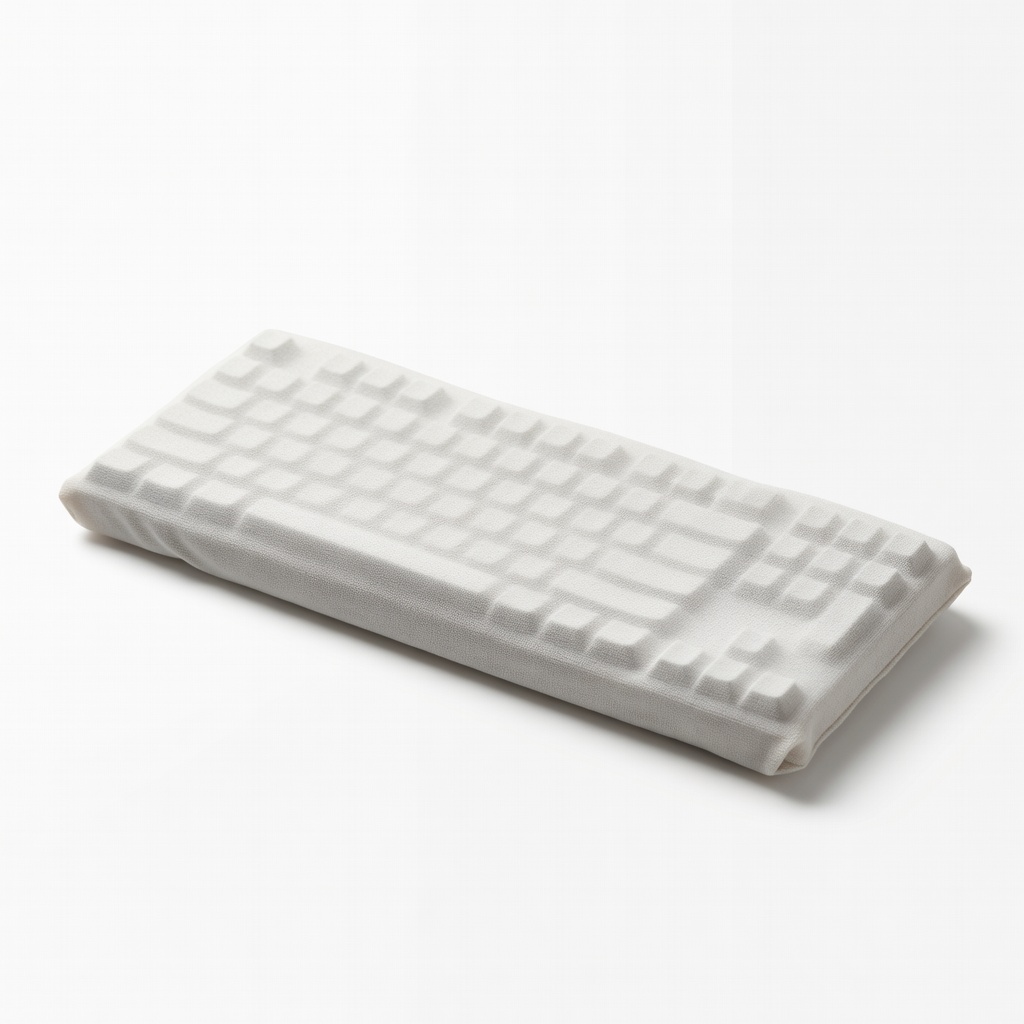
Keyboard Dust Cover

Keyboard Dust Cover

💡 Nice to Have

$19.99

When to buy:
First week

Dust kills keys fast—protects your investment during off days.

Beginner Benefits:

  • Easy clean
  • No sticky keys
  • Cheap protection

🤔 How to Choose Your First Digital Piano

Start with three questions: 1) Budget? Under $300 for testing, $300-500 sweet spot. 2) Space/use? Apartment—portable; home—console. 3) Goals? Fun—basic sounds; lessons—weighted keys/apps.

Match to tiers: Budget if casual/unsure (forgiving but basic sounds). Recommended for most—balanced growth. Premium if serious (pro feel early). Check reviews for 'easy setup' and 'beginner lessons.' Red flags: No weighted keys, poor customer support, heavy without stand.

Test via return policy: Play 30 days. Prioritize feel over features—good action prevents finger pain and bad habits.

💰 Budget Guide for Beginners

800+

Serious starter: Concert-like quality, for committed beginners planning stage use.

300 - $500

Sweet spot: Excellent value—realistic action, lessons, room to grow for 2+ years.

500 - $800

Premium beginner: Pro-level feel/sounds, rarely outgrow, ideal for lessons.

Under $ - $300

Entry-level: Basic weighted keys, okay sounds—great for trying without big risk, but upgrade in 6-12 months.

⚠️ Common Beginner Mistakes to Avoid

Beginners chase 'best rated' without trying, grabbing toy keyboards that clack unnaturally, leading to finger fatigue and quitting (Reddit horror stories abound). They skimp on stand/bench, hunching over tables, causing wrist pain by week two.

Another trap: Flashy ads for 76-key 'pianos'—too short for real music. Or premium with sequencers nobody uses. Avoid by sticking to 88 weighted, reading 'beginner' reviews. Instead, buy bundles, test returns, prioritize feel.

  • ×Buying non-weighted keys—feels like a toy, bad habits
  • ×Skipping stand/bench—posture pain quits you fast
  • ×Cheapest no-name—tinny sounds demotivate
  • ×Overbuying pro features like 500 voices you ignore
  • ×No headphones—can't practice quietly
  • ×Ignoring key action reviews—stiff keys frustrate
  • ×Forgetting sustain pedal—flat playing
  • ×Not checking space/weight—setup hassle

📈 Your Progression Path: Beginner to Intermediate

Start with basics: Posture, hand position, 5-finger scales (10 min/day). Use built-in lessons for songs. In 1-3 months, add chords, simple pieces like 'Ode to Joy.'

Outgrow beginner gear when craving better action/sounds or gigging—keys feel mushy, speakers weak. Upgrade to intermediate ($800+) after 6-12 months consistent play.

Path: Beginner (fun tunes) → Intermediate (Bach inventions, apps) → Advanced (pedaling, dynamics). Most stay beginner 3-6 months; practice trumps gear.

📚 Learning Resources for Beginners

  • 📖{"name":"Alfred's Basic Adult Piano Course Lesson Book 1","asin":"B0002E25LY","price":10.99,"why":"Step-by-step from zero, fun songs, no reading overwhelm."}
  • 📖{"name":"Adult Piano Adventures All-In-One Lesson Book 1","asin":"B0002E3OJI","price":19.99,"why":"Combines theory/playing, popular for self-learners."}
  • 📖{"name":"Piano for Adults Book 1 - Hal Leonard","asin":"B07G5J6K7L","price":14.99,"why":"Modern songs, QR codes to videos."}
  • 📖{"name":"Simply Piano App (via MIDI)","asin":"N/A","price":"Free tier","why":"Interactive lessons sync with your piano."}
  • 📖{"name":"Metronome Clip-On","asin":"B01N4QJXYZ","price":12.99,"why":"Builds rhythm without guessing."}

🎯 Bottom Line: Our Recommendations

For most beginners, the Yamaha P-45 is the sweet-spot winner—reliable feel, sounds, and growth room. Budget? Alesis Recital. Serious? Roland FP-10. Grab stand, bench, headphones day one.

You're not buying a hassle—you're starting a joyful skill. Order today, play tomorrow, celebrate your first song soon. You've got this!

❓ Frequently Asked Questions

Yamaha P-45 or Casio CDP-S160—easy weighted keys, great sounds, lessons. Budget: Alesis Recital.
$300-500 sweet spot for value/growth. Under $300 tests waters; $500+ for quality.
88 weighted keys, headphones, lessons, sustain pedal, USB. Skip extras.
Alesis Recital—plug-play, lessons, light keys. Difficulty 1/5.
Stand, bench, headphones essential. Dust cover nice.
Budget/space/goals. Prioritize weighted keys, reviews. Use our tiers.
No—pick forgiving model, 20 min/day with lessons, simple songs fast.
Non-weighted keys, no stand, cheap toys, ignoring feel.
Yes—for full songs, proper hand span.
Weighted always—builds real skills.

Related Articles