Review Atlas

Menu

Shop by Category

Get the App

Better experience on mobile

Beginners GuidePhotography

Best Digital Cameras for Beginners 2025

Everything beginners need to choose their first point-and-shoot digital camera with confidence and avoid common pitfalls.

Picking your first digital camera can feel overwhelming with all the choices, specs, and prices out there. As a beginner, you might worry about buying something too complicated or wasting money on the wrong one. The good news? Point-and-shoot digital cameras are perfect for newcomers because they're simple to use and let you focus on taking photos, not fiddling with settings.

This guide cuts through the confusion. We'll explain why beginners struggle, what features really matter, and share top Amazon picks that are easy, forgiving, and fun. By the end, you'll know exactly what to buy, what accessories to add, and how to start snapping great shots right away.

📋 In This Guide

  • • Why Beginners Struggle with Digital Cameras
  • • What to Look For (Key Features)
  • • Top 4 Beginner-Friendly Digital Cameras
  • • Essential Accessories for Beginners
  • • Common Beginner Mistakes to Avoid
  • • Your Progression Path
  • • FAQ & Learning Resources

😰 Why Beginners Struggle with Digital Cameras

Beginners often feel lost because digital cameras come loaded with technical terms like 'megapixels,' 'zoom ratios,' and 'aperture' that sound scary but are simple once explained. Stores and websites push high-end models with features you won't use, leading to decision paralysis.

Many fear buying the 'wrong' camera – too cheap and photos look blurry, too fancy and it's hard to learn. Forums like Reddit's r/photography are full of newbies frustrated by poor battery life, confusing menus, or cameras that break easily. Plus, without guidance, it's easy to overlook basics like ease of use or how it fits your hand for everyday shooting.

🔍 What to Look For: Key Beginner-Friendly Features

For beginners, prioritize cameras with automatic modes that handle settings for you, so you just point and shoot. Look for image stabilization to reduce blurry photos from shaky hands, and a simple menu that's easy to navigate without a manual.

Must-haves include good battery life (at least 200 shots), expandable storage via SD card, and a screen that's bright outdoors. Nice-to-haves: optical zoom for closer shots without losing quality, and scene modes for portraits or landscapes. Skip megapixel wars over 16MP – more isn't better for beginners, as it drains battery and enlarges file sizes you don't need yet.

Beginner-friendly cameras feel intuitive, forgive small mistakes like slight shakes, and have helpful guides or apps. They're lightweight, with big buttons, making photography fun from day one.

✅ Essential Features for Beginners

  • Automatic shooting modes: Handles exposure and focus so you don't have to think.
  • Optical image stabilization: Keeps photos sharp even if your hands shake.
  • Simple point-and-shoot interface: Big buttons and clear menus, no complicated dials.
  • Good zoom (at least 4x optical): Get closer to subjects without blurry digital zoom.
  • HD screen: Bright and large enough to review shots easily outdoors.
  • SD card slot: Expand storage cheaply without deleting photos.
  • Long battery life: Shoot all day without constant recharging.

🏆 Top 4 Best Digital Cameras for Beginners

#1
💰 Budget

Kodak PIXPRO FZ45 16.1 MP Digital Camera

Learning Curve: Easy

$109.99
Difficulty: 1/5
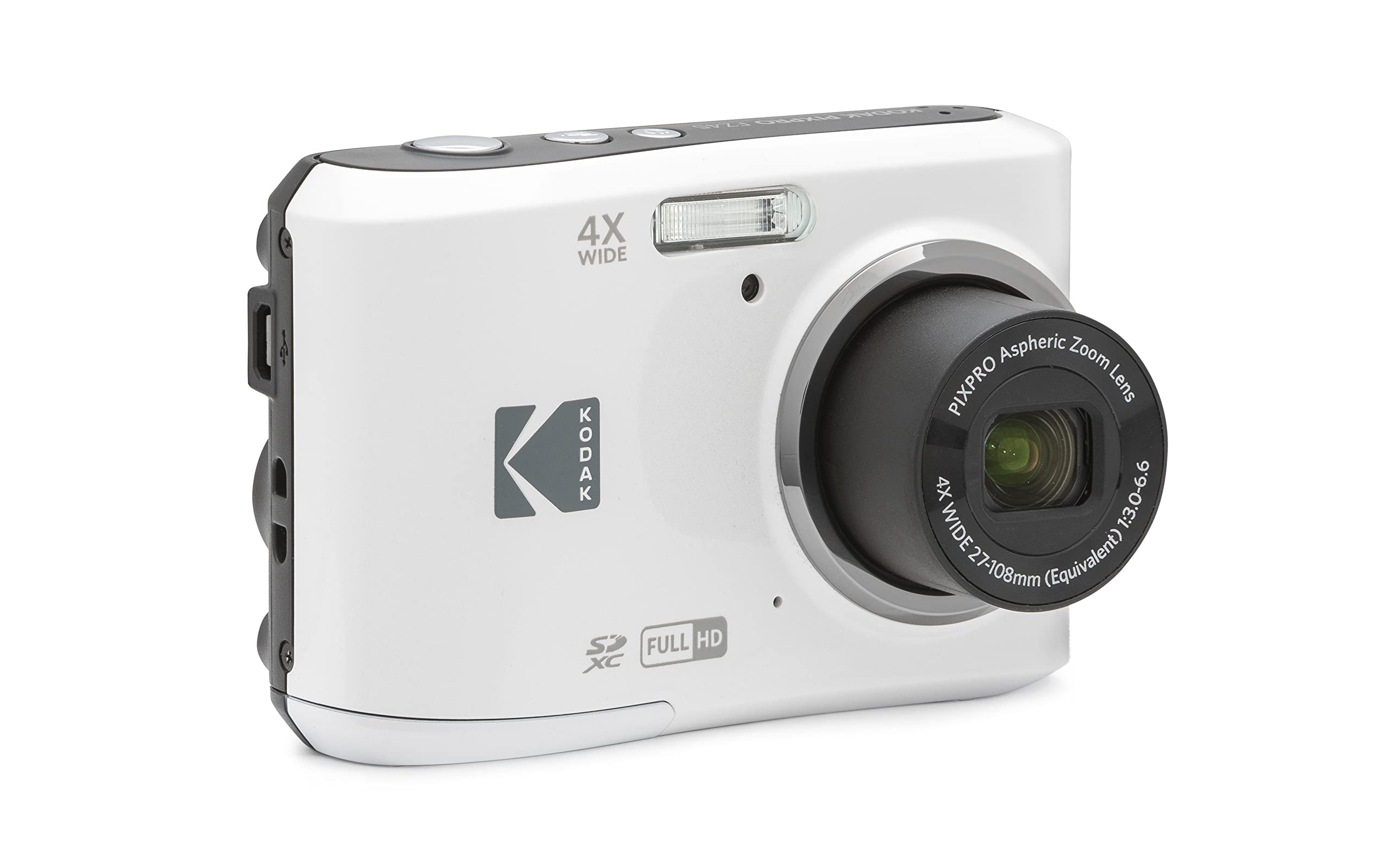
Kodak PIXPRO FZ45 16.1 MP Digital Camera

Why Great for Beginners:

This is the perfect entry point with dead-simple point-and-shoot operation and auto modes that deliver sharp photos instantly. Its lightweight design fits in your pocket, and forgiving stabilization helps shaky hands.

Beginner Pros

  • +Super easy menus
  • +Affordable storage expansion
  • +Quick startup
  • +Fun creative modes

Beginner Cons

  • -Limited zoom (4x)
  • -Basic video
  • -Plastic build
👍 Best for: Casual family photographers on a tight budget
👎 Not for: Anyone needing long zoom or ruggedness

#2
👍 Recommended

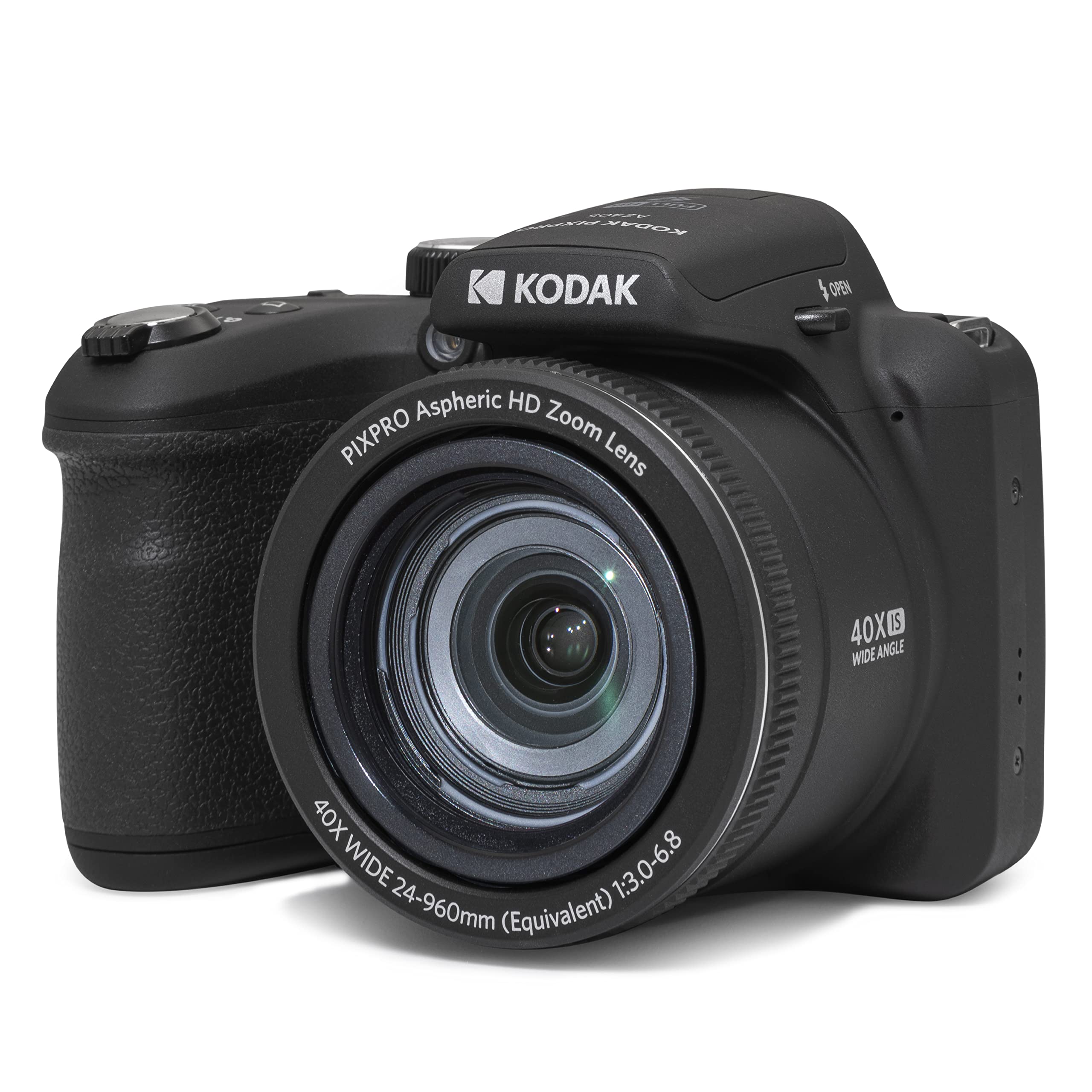
Kodak PIXPRO AZ405 20MP Bridge Camera

Learning Curve: Easy

$229.99
Difficulty: 2/5
Kodak PIXPRO AZ405 20MP Bridge Camera

Why Great for Beginners:

Offers impressive 40x zoom in an intuitive package with auto everything, making distant shots easy without expertise. Great battery and clear screen build confidence fast.

Beginner Pros

  • +Huge zoom range
  • +Stabilization
  • +Long battery
  • +Easy sharing

Beginner Cons

  • -Bulkier size
  • -Slower focus sometimes
👍 Best for: Travel and wildlife beginners
👎 Not for: Pocket carry fans
#3
Alternative

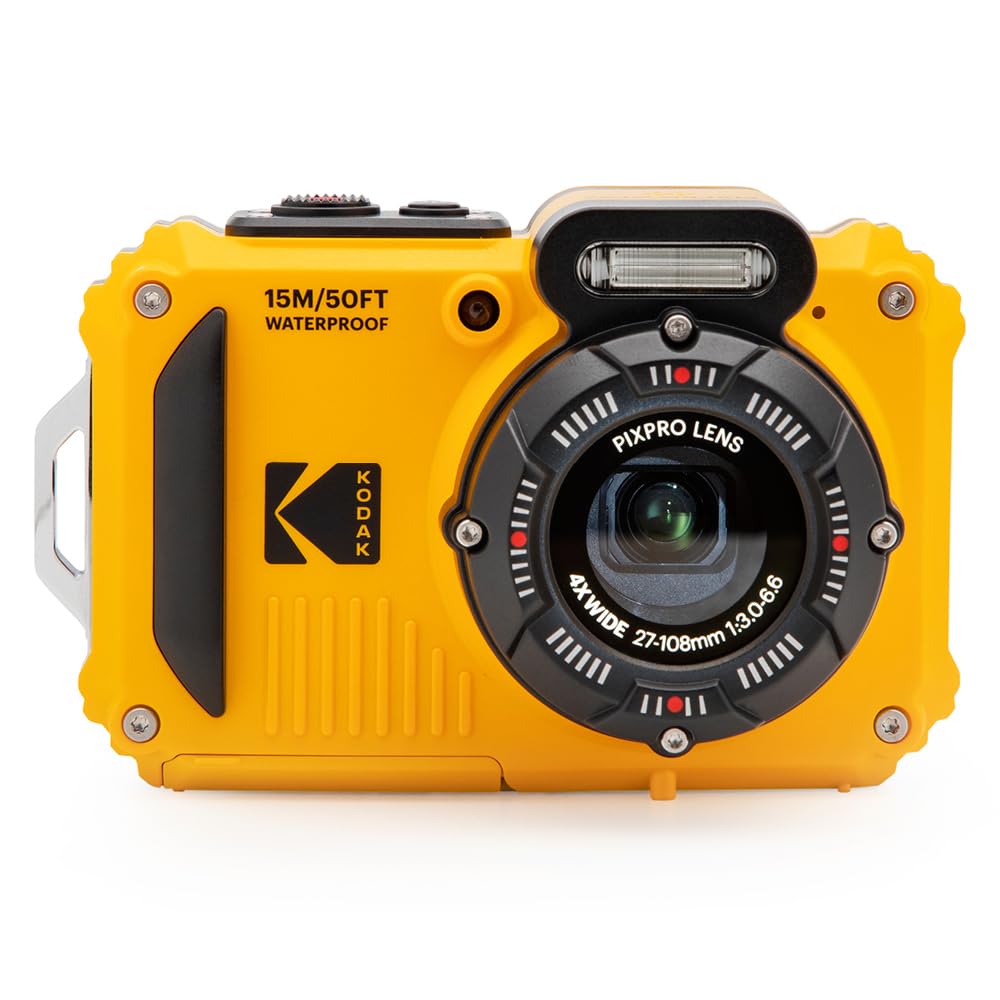
Kodak PIXPRO WPZ2 Waterproof Digital Camera

Learning Curve: Easy

$129.99
Difficulty: 1/5
Kodak PIXPRO WPZ2 Waterproof Digital Camera

Why Great for Beginners:

Rugged and waterproof for worry-free beach or pool use, with simple controls that let beginners splash around. Auto modes ensure good shots in tough conditions.

Beginner Pros

  • +Waterproof to 15ft
  • +Shockproof
  • +Easy grip
  • +Selfie mode

Beginner Cons

  • -Fixed lens
  • -Lower resolution
👍 Best for: Outdoor adventure newbies
👎 Not for: Indoor/studio shooters
#4
✨ Premium

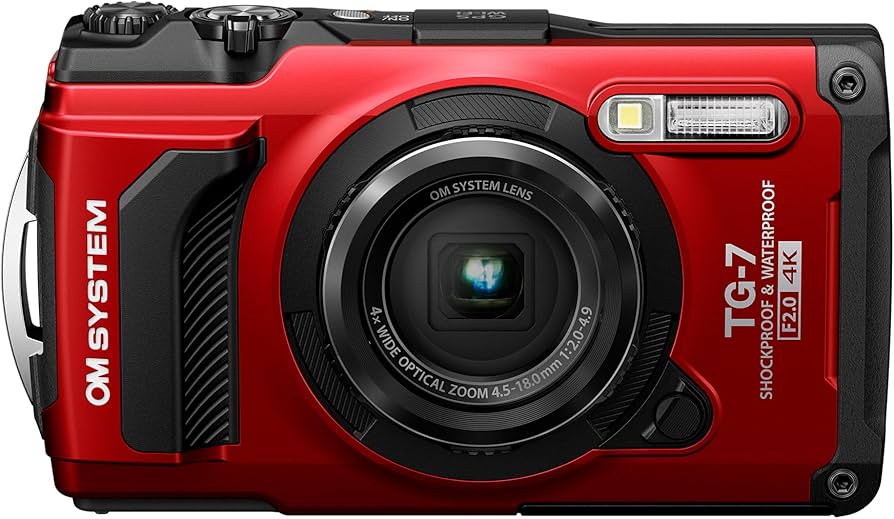
OM SYSTEM Tough TG-7 12MP Waterproof Digital Camera

Learning Curve: Moderate

$499.99
Difficulty: 2/5
OM SYSTEM Tough TG-7 12MP Waterproof Digital Camera

Why Great for Beginners:

Top-tier ruggedness with pro-like auto modes and microscope mode for close-ups, yet simple enough for newbies. Excellent stabilization and battery make it forgiving and versatile.

Beginner Pros

  • +4K video
  • +15ft waterproof
  • +Macro focus
  • +GPS logging

Beginner Cons

  • -Higher price
  • -Smaller sensor
👍 Best for: Active beginners wanting longevity
👎 Not for: Budget-conscious casual users

📖 Complete Beginner's Guide to Digital Cameras

Digital cameras capture photos using a sensor that turns light into digital images, stored on memory cards. Point-and-shoot models are compact, with fixed lenses – ideal for beginners since everything is automatic.

Types include basic compacts (everyday snaps), bridge cameras (longer zoom for travel), and rugged waterproof ones (adventures). Point-and-shoots win for beginners: no interchangeable lenses like DSLRs, less to learn, pocketable size.

Expect clear, vibrant photos of family, vacations, or pets right away – not pro-level yet, but way better than phone cameras. Evaluate by holding it (ergonomics matter), testing auto modes in stores, and reading beginner reviews. 'Beginner-friendly' means forgiving errors, quick startup, and fun filters/effects to experiment.

Marketing like '20MP sensor' sounds great but prioritize usability; high MP is useless if the camera shakes or menus confuse you.

🔧 Essential Accessories for Beginners

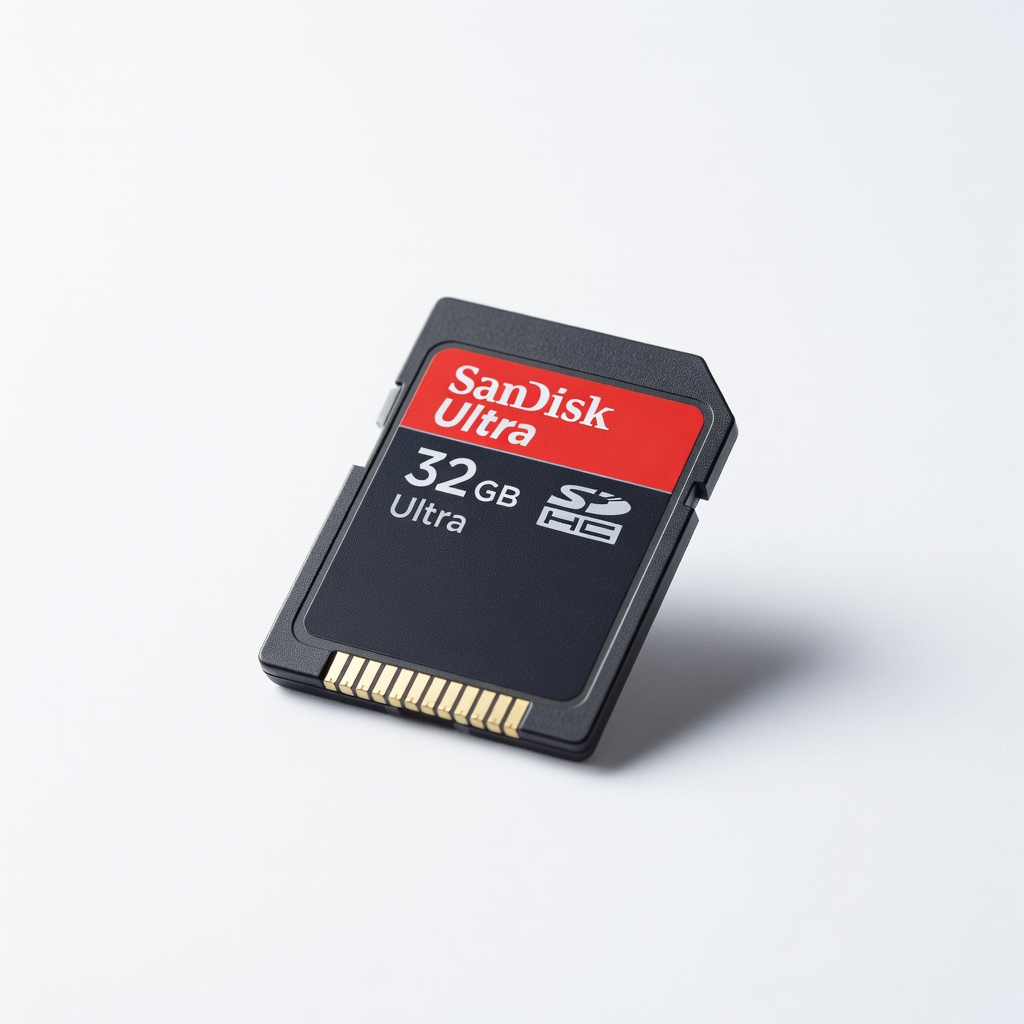
SanDisk 32GB Ultra SDHC Memory Card - Image 1 of 3

SanDisk 32GB Ultra SDHC Memory Card

⚠️ Essential

$8.99

When to buy:
Day one

Cameras have tiny built-in memory; this lets you store hundreds of photos without deleting. Beginners forget space runs out fast during events.

Beginner Benefits:

  • Prevents 'out of space' frustration
  • Cheap insurance
  • Easy phone/computer transfer

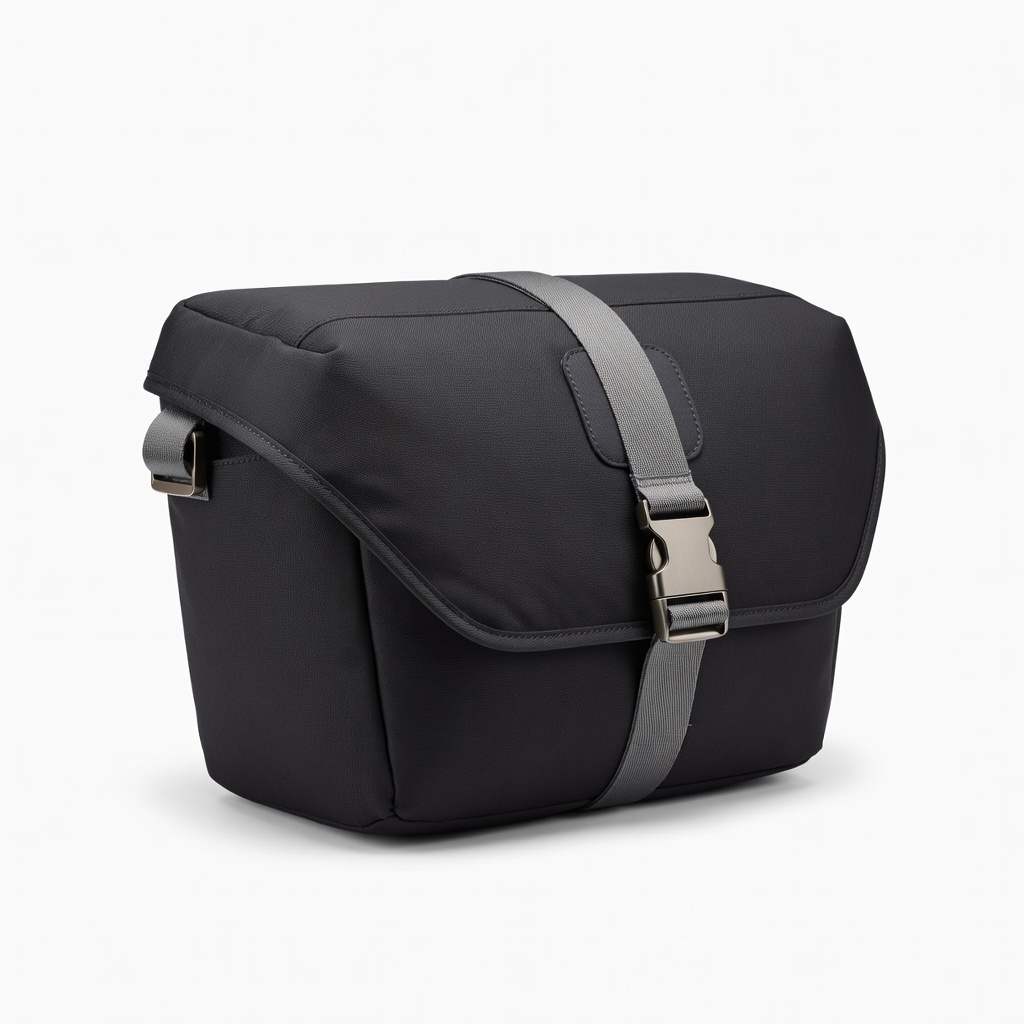
Lowepro Edit 110 Camera Bag

👍 Recommended

$24.99

When to buy:
Day one

Protects your camera from drops and dust; beginners often leave it loose in bags, leading to scratches.

Beginner Benefits:

  • Easy carry
  • Organized storage
  • Peace of mind
Amazon Basics 60-Inch Lightweight Tripod - Image 1 of 7

Amazon Basics 60-Inch Lightweight Tripod

👍 Recommended

$24.49

When to buy:
First month

Steadies shots for sharp low-light or group photos; beginners' shaky hands blur images without it.

Beginner Benefits:

  • Sharper photos
  • Selfies/groups easy
  • Indoor/outdoor use

🤔 How to Choose Your First Digital Cameras

Ask: What will I shoot most (vacations, kids, outdoors)? Budget? Size preference? Start with point-and-shoot for simplicity.

Budgets: Under $100 for casual tries, $100-250 sweet spot for reliable quality, $250+ for premium features like better zoom. Go budget if testing waters, recommended for daily use, premium if outdoorsy. Consider growth: Pick one with manual modes to learn later.

Red flags: No image stabilization (blurry shots), tiny screen, poor reviews on battery. Test in hand; if menus confuse you, skip it.

💰 Budget Guide for Beginners

500+

High-end compacts for serious starters; advanced auto and video, but overkill for pure newbies.

100 - $250

Sweet spot for most beginners; great auto modes, stabilization, and battery for everyday photography.

250 - $500

Premium beginner options; rugged builds, longer zooms, won't outgrow quickly.

Under $ - $100

Entry-level basics for casual snaps; fun to start but limited zoom and features.

⚠️ Common Beginner Mistakes to Avoid

Beginners buy ultra-cheap no-name cameras that break or blur, thinking 'it's just for fun' – false economy, as frustration kills hobby. Others splurge on mirrorless with lenses they ignore, wasting money.

Skipping SD cards or bags leads to lost photos or damage. Avoid by sticking to recommended tiers, buying day-one essentials, and prioritizing ease over specs. Experienced users say: start simple, upgrade skills first.

  • ×Buying cheapest without stabilization – blurry photos frustrate.
  • ×Overlooking SD cards – run out of space mid-shoot.
  • ×Ignoring battery life – dead camera mid-event.
  • ×Choosing DSLRs over point-and-shoots – too complex.
  • ×Skipping case/tripod – damage or shakes ruin shots.
  • ×Megapixel obsession – drains battery, no real benefit.
  • ×Not reading beginner reviews – miss usability issues.
  • ×No growth path – stuck without manual options.

📈 Your Progression Path: Beginner to Intermediate

Start with auto modes for 1-3 months: practice composition, lighting basics. Move to scene modes (portrait, night) to experiment.

Outgrow when auto feels limiting – craving manual control, better low-light. Upgrade to bridge or entry mirrorless after 6-12 months, 1000+ photos. Build progressively: daily shoots, join free apps/forums.

Typical beginner stage: 3-6 months; focus on fun, not perfection.

📚 Learning Resources for Beginners

  • 📖The Beginner's Photography Guide by Chris Gatcum (ASIN: B07Z5G5Z5Z)
  • 📖Photography: The Definitive Visual History book (ASIN: B07G9K9Z9K)
  • 📖Understanding Exposure book by Bryan Peterson (ASIN: B08L5M5M5M)
  • 📖Digital Photography Complete Course (ASIN: B07H5H5H5H)
  • 📖Neewer Photography Light Box Kit for product shots (ASIN: B01M0G5G5G)

🎯 Bottom Line: Our Recommendations

For most beginners, the Kodak PIXPRO AZ405 (recommended) hits the sweet spot: easy, versatile zoom, long battery.

Budget: Kodak FZ45. Premium: TG-7 for adventurers. Grab SD card and bag day one.

You're ready – start shooting today! Photography is about capturing moments, not gear. Practice daily, review shots, and watch skills grow.

❓ Frequently Asked Questions

The Kodak PIXPRO AZ405 for most – easy auto modes, great zoom, under $250. Budget pick: FZ45.