Review Atlas
Review AtlasYour guide to a better purchase

Menu

Shop by Category

Get the App

Better experience on mobile

Beginners GuideHiking

7 Best Best Daypack Backpack for beginners in 2026: Tested & Ran…

Everything you need to know to choose your first hiking daypack with confidence.

Choosing your first daypack can feel overwhelming with all the technical terms, features, and price points. But it doesn't have to be. This guide will walk you through everything a beginner needs to know, from what features actually matter to which packs offer the best value. We'll help you avoid common mistakes and find a daypack that fits your adventures perfectly.

📋 In This Guide

  • • Why Beginners Struggle with Daypack Backpack
  • • What to Look For (Key Features)
  • • Top 4 Beginner-Friendly Daypack Backpack
  • • Essential Accessories for Beginners
  • • Common Beginner Mistakes to Avoid
  • • Your Progression Path
  • • FAQ & Learning Resources

😰 Why Beginners Struggle with Daypack Backpack

Many beginners get lost in jargon like 'torso length,' 'hydration sleeve,' and 'suspended mesh back panel.' They don't know if they need a built-in rain cover or how many pockets are enough. The fear of buying the wrong pack is real, especially when some cost over $150. On top of that, there are dozens of brands and models, each claiming to be the best. Without a clear understanding of what you actually need, it's easy to either overspend on features you'll never use or underspend on a pack that's uncomfortable and falls apart quickly.

🔍 What to Look For: Key Beginner-Friendly Features

As a beginner, focus on comfort, fit, and simplicity. Look for a pack with a padded hip belt to shift weight off your shoulders, adjustable shoulder straps, and a breathable back panel. A hydration sleeve is a game-changer for staying hydrated on the trail. Keep capacity between 18-30 liters – enough for a day hike without encouraging overpacking. Don't worry about technical fabric names; just ensure it feels sturdy and has basic weather resistance. Avoid packs with too many compartments that complicate packing.

✅ Essential Features for Beginners

  • Adjustable hip belt and sternum strap for a secure fit
  • Hydration sleeve or bladder compatibility
  • Breathable mesh back panel to reduce sweating
  • Simple organization - one main compartment and a few pockets
  • Lightweight but durable fabric
  • Built-in rain cover or a compatible cover
  • Load-lifter straps to fine-tune fit
  • Padded shoulder straps with sternum strap

🏆 Top 4 Best Daypack Backpack for Beginners

#1
⭐ Top Pick👍 Recommended

Osprey Daylite Plus

Learning Curve: Easy

$85.00
Difficulty: 1/5
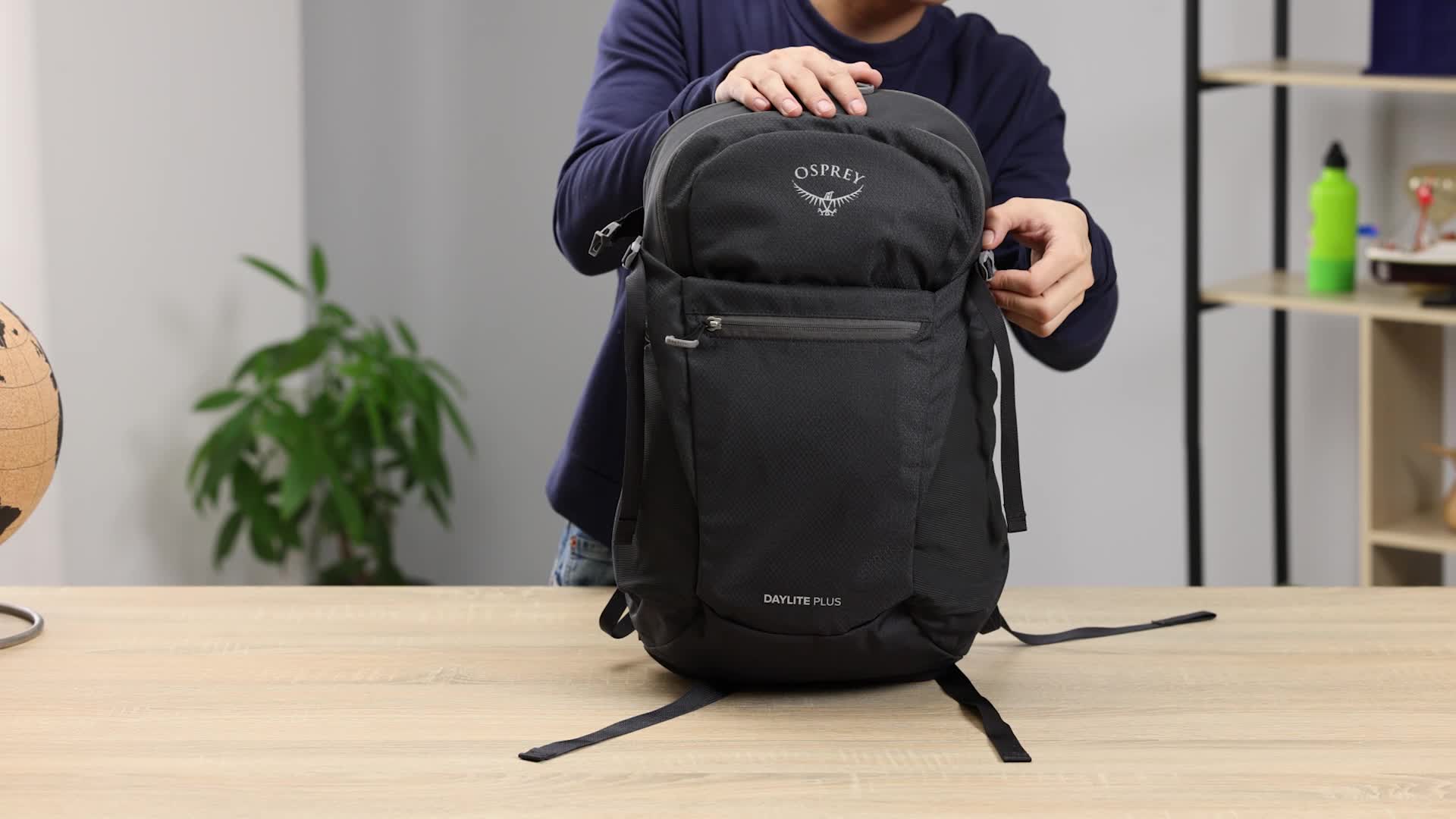
Osprey Daylite Plus

Why Great for Beginners:

The Osprey Daylite Plus offers a comfortable fit with a padded hip belt and breathable back panel. Its simple design and 20L capacity are ideal for day hikes, and it can attach to larger Osprey packs for future trips.

Beginner Pros

  • +Great ventilation
  • +Hydration sleeve included
  • +Comfortable hip belt
  • +Lifetime warranty

Beginner Cons

  • -No built-in rain cover
  • -Limited side pockets
  • -May feel small for longer hikes
👍 Best for: Day hikers who want a reliable, comfortable pack from a trusted brand.
👎 Not for: Those needing more than 25L capacity or heavy gear carrying.

#2
💰 Budget

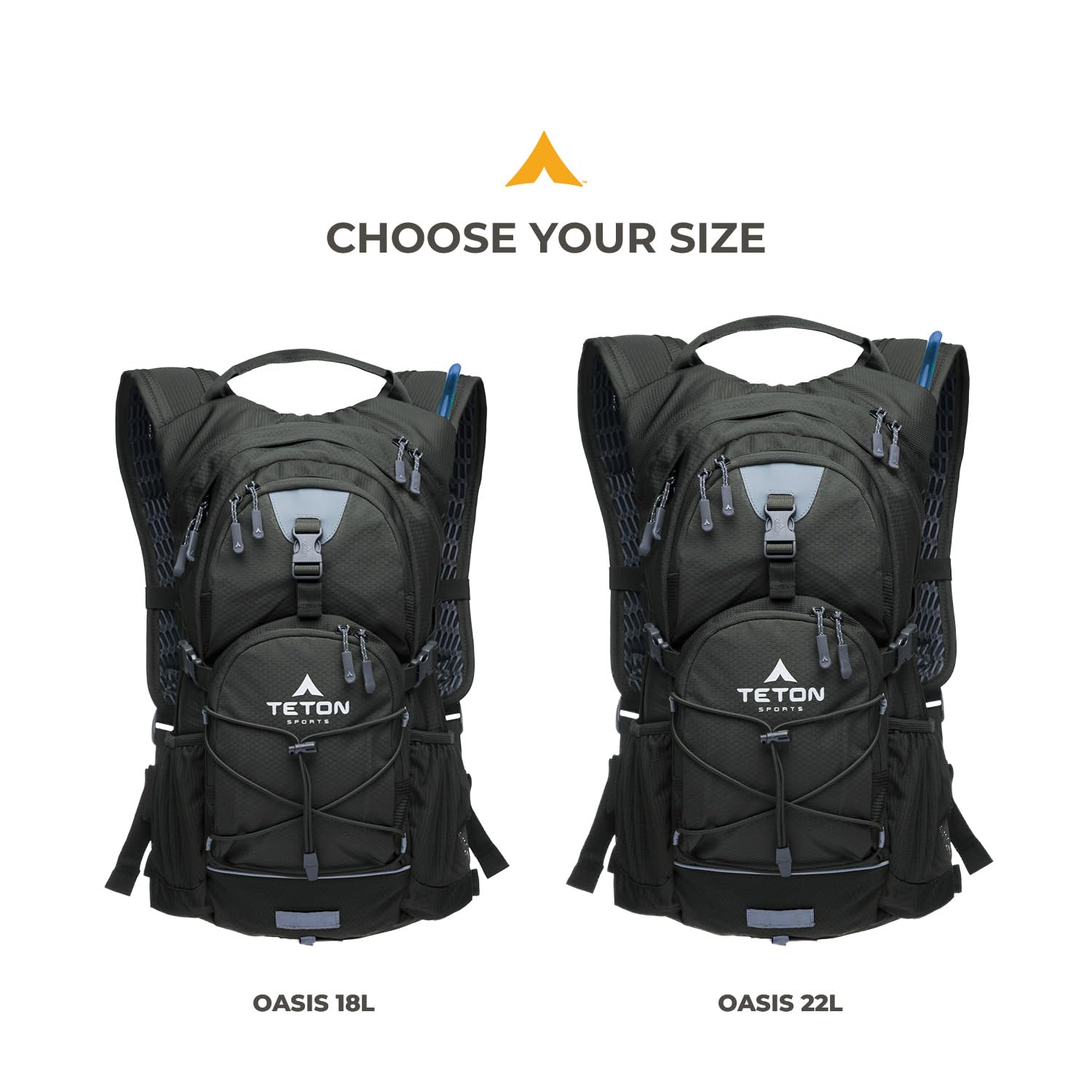
TETON Sports Oasis 18L Hydration Pack

Learning Curve: Easy

$44.99
Difficulty: 1/5
TETON Sports Oasis 18L Hydration Pack

Why Great for Beginners:

This budget-friendly pack comes with a hydration bladder, good padding, and multiple pockets. It's simple to use and comfortable for short to moderate hikes, making it an excellent entry point.

Beginner Pros

  • +Includes 2L hydration bladder
  • +Affordable price
  • +Good padding
  • +Compact and lightweight

Beginner Cons

  • -Less durable zippers
  • -Small capacity (18L)
  • -Back panel not highly ventilated
👍 Best for: Beginners on a tight budget who want a hydration pack.
👎 Not for: Hikers needing more space or better durability for heavy use.
#3
✨ Premium

Osprey Daylite

Learning Curve: Easy

$75.00
Difficulty: 2/5
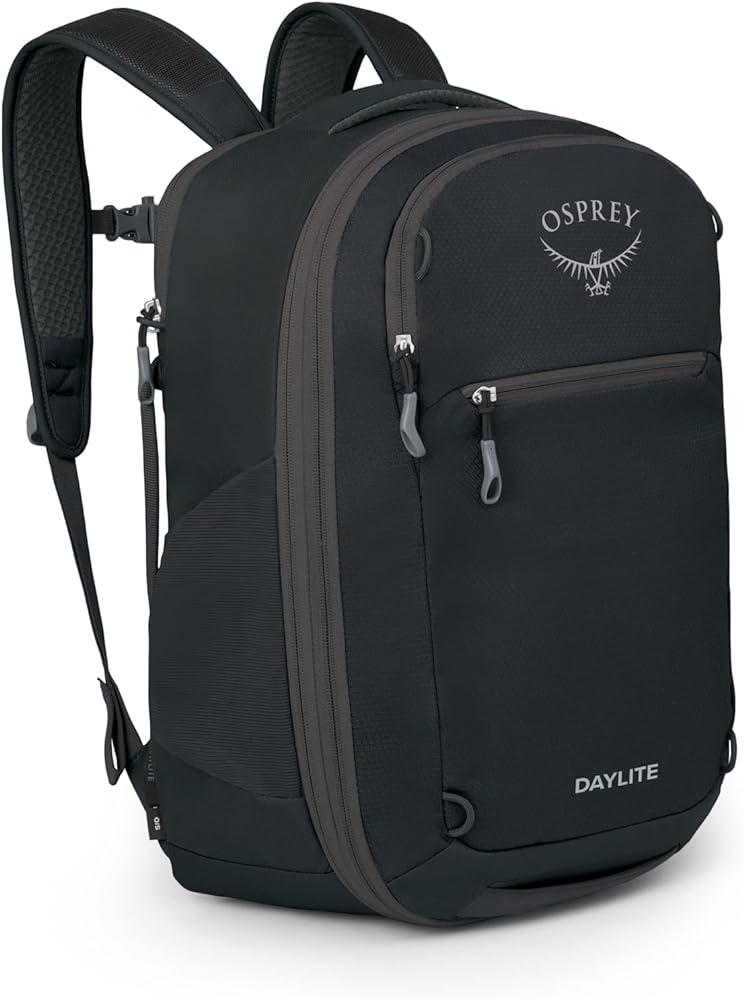
Osprey Daylite

Why Great for Beginners:

The standard Osprey Daylite is ultralight yet well-built. It features a comfortable mesh back panel and simple design. Great for those who want a quality pack without unnecessary extras.

Beginner Pros

  • +Extremely lightweight (under 1 lb)
  • +Breathable back
  • +Comfortable for all-day wear
  • +Durable construction

Beginner Cons

  • -No hip belt (only a webbing strap)
  • -Minimal padding on shoulder straps
  • -No built-in rain cover
  • -Limited pocket organization
👍 Best for: Beginners who prioritize weight and want a pack for light day hikes.
👎 Not for: Those needing a hip belt or carrying heavier loads.
#4
Alternative

Osprey Daylite Waist Pack

Learning Curve: Easy

$42.00
Difficulty: 1/5
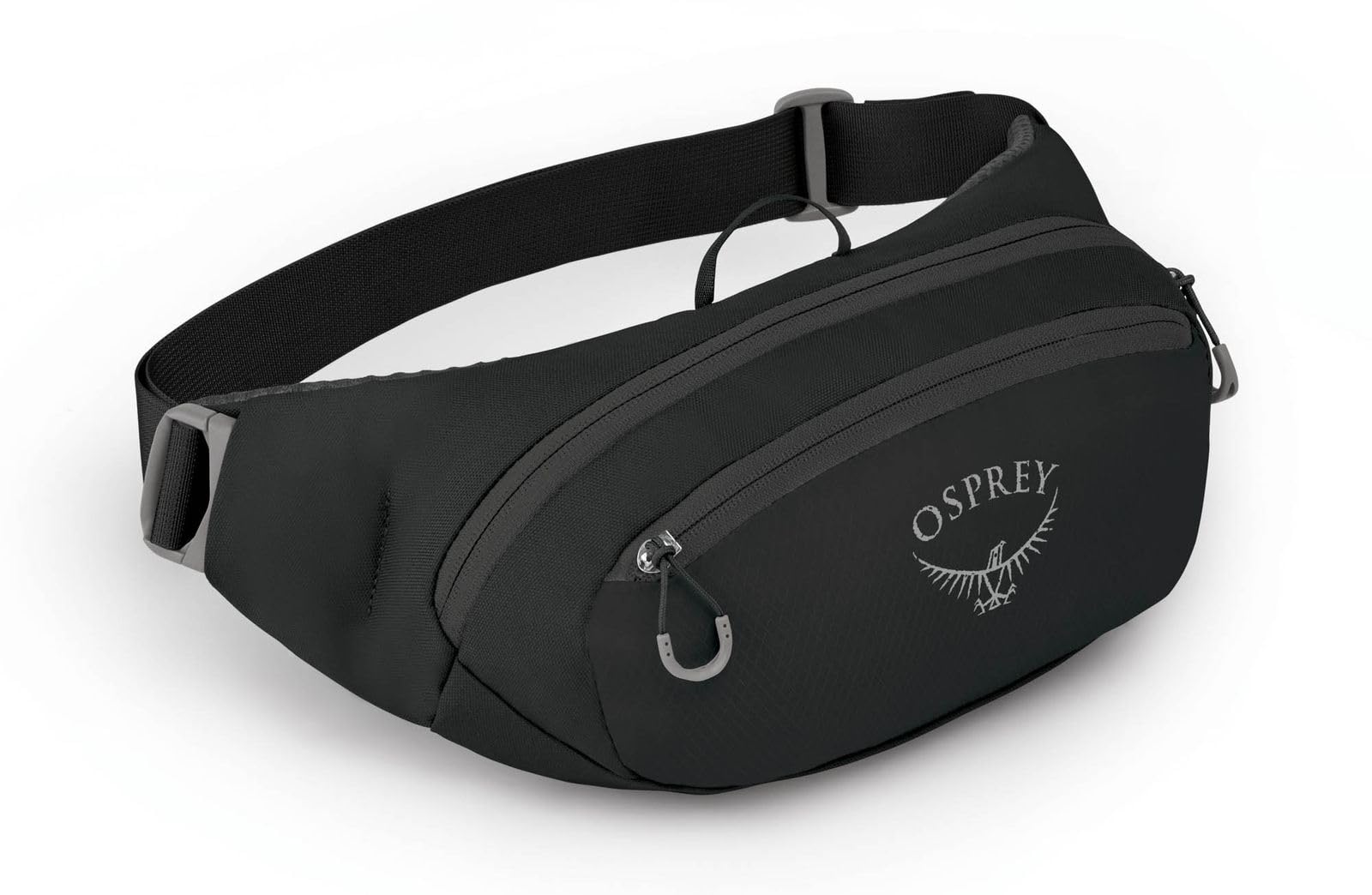
Osprey Daylite Waist Pack

Why Great for Beginners:

If you prefer a hip pack for ultralight day hikes or urban use, this waist pack offers good organization and comfort. It's not a full daypack, but a handy alternative for minimal gear.

Beginner Pros

  • +Hands-free convenience
  • +Padded hip belt
  • +Multiple pockets
  • +Can attach to bigger packs

Beginner Cons

  • -Very limited capacity (6L)
  • -Not suitable for carrying water bottles easily
  • -No hydration sleeve
👍 Best for: Beginners who want a minimalist option for short walks or as a supplement to a bigger pack.
👎 Not for: Hikers needing to carry more than a few items.

📖 Complete Beginner's Guide to Daypack Backpack

A daypack is essentially a small backpack for day hikes. The most important factor is fit. The pack should sit snugly on your hips, not slumping down. Adjustable straps are key. For beginners, a capacity of 20-25 liters is ideal: enough for water, snacks, a light jacket, and a first aid kit. Look for a hydration sleeve (holds a water bladder) and at least one external pocket for quick access. The pack should have a hip belt and a sternum strap. Avoid 'ultralight' packs as they lack comfort features. Brands like Osprey and TETON Sports are beginner-friendly because they offer good support at reasonable prices. Remember, the best pack is the one that fits well – try it on with weight before buying if possible.

🔧 Essential Accessories for Beginners

Platypus DuoLock 2L Hydration Bladder

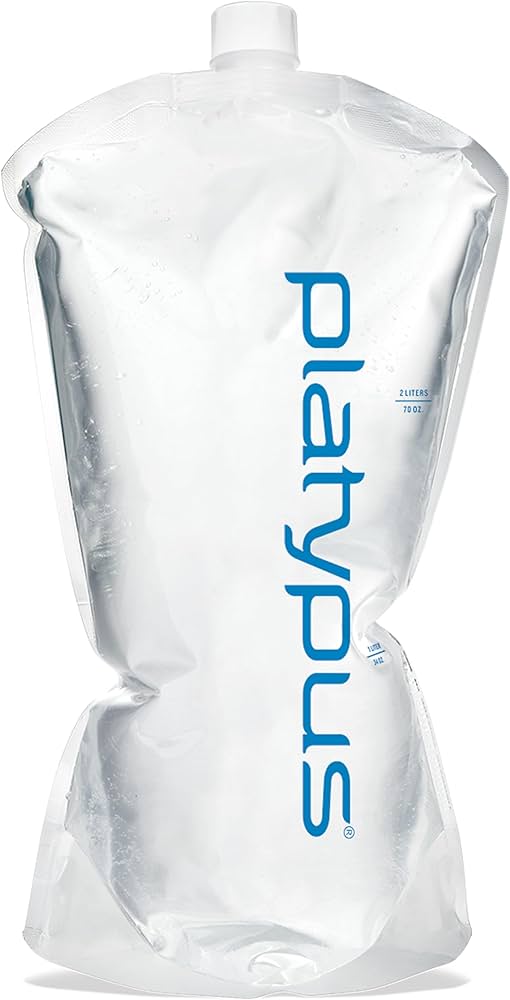
Platypus DuoLock 2L Hydration Bladder

⚠️ Essential

$29.99

When to buy:
Day one

Staying hydrated is crucial on hikes. A hydration bladder allows you to drink hands-free without stopping, encouraging you to drink more often.

Beginner Benefits:

  • Hands-free drinking
  • Encourages hydration
  • Easy to fill and clean
  • Fits standard sleeves
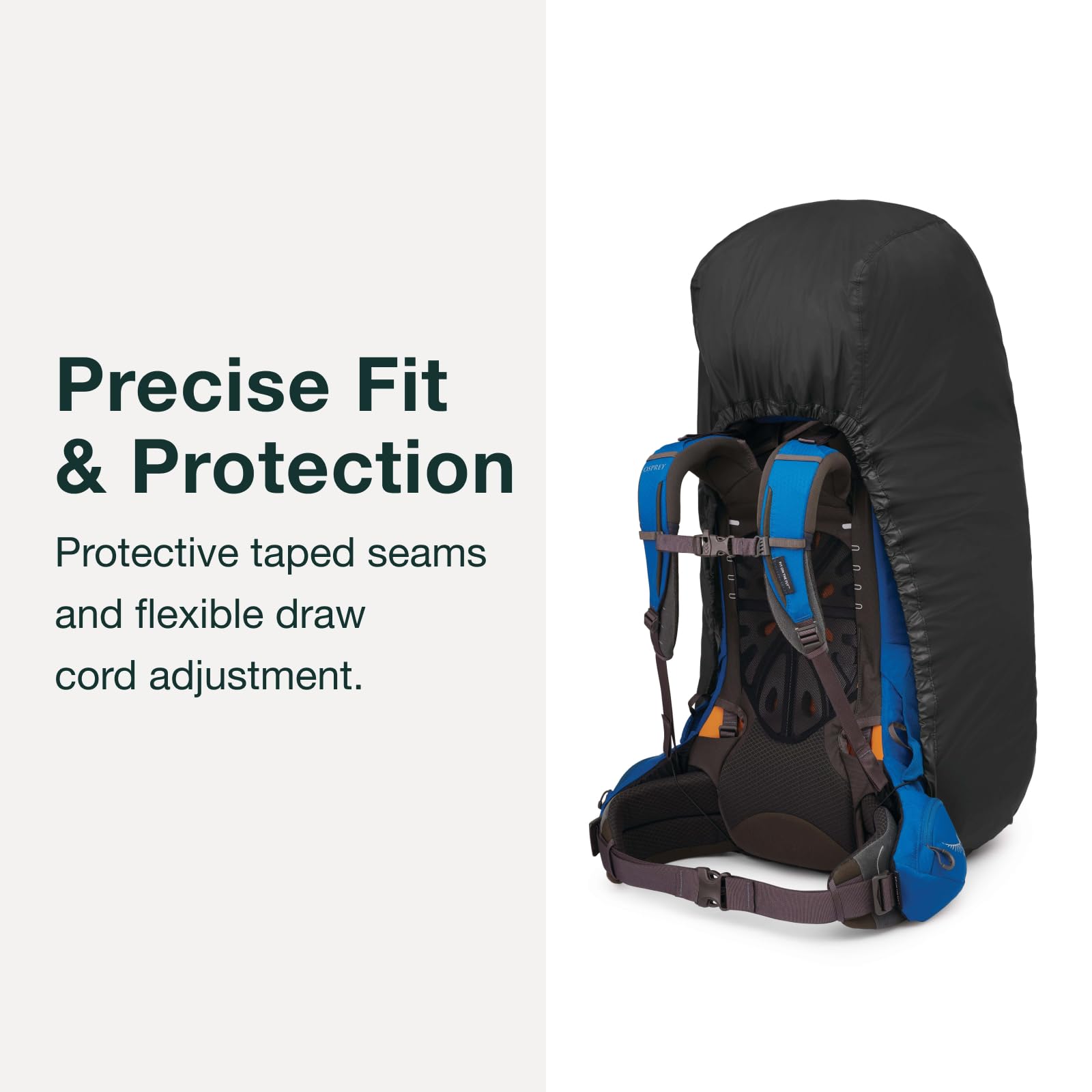
Osprey Raincover (Pack Protector)

Osprey Raincover (Pack Protector)

⚠️ Essential

$24.95

When to buy:
Day one

Weather can change quickly. A rain cover keeps your gear dry and prevents the pack from absorbing water, keeping it lightweight.

Beginner Benefits:

  • Protects contents from rain
  • Easy to put on and remove
  • Packs into its own pouch
  • Extends pack life
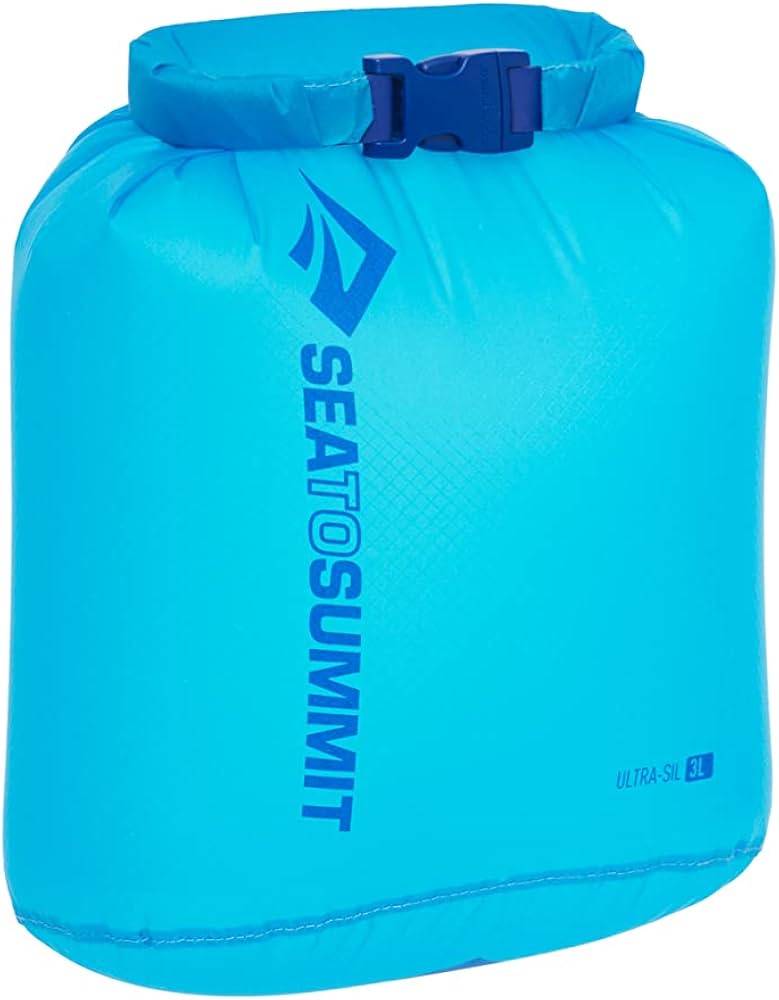
Sea to Summit Ultra-Sil Dry Sack (8L)

Sea to Summit Ultra-Sil Dry Sack (8L)

👍 Recommended

$19.95

When to buy:
First month

For extra protection for electronics or dry clothes, use a dry sack inside your pack. This is especially useful if your pack lacks a rain cover.

Beginner Benefits:

  • Waterproof protection
  • Compresses gear
  • Ultralight
  • Versatile for other uses
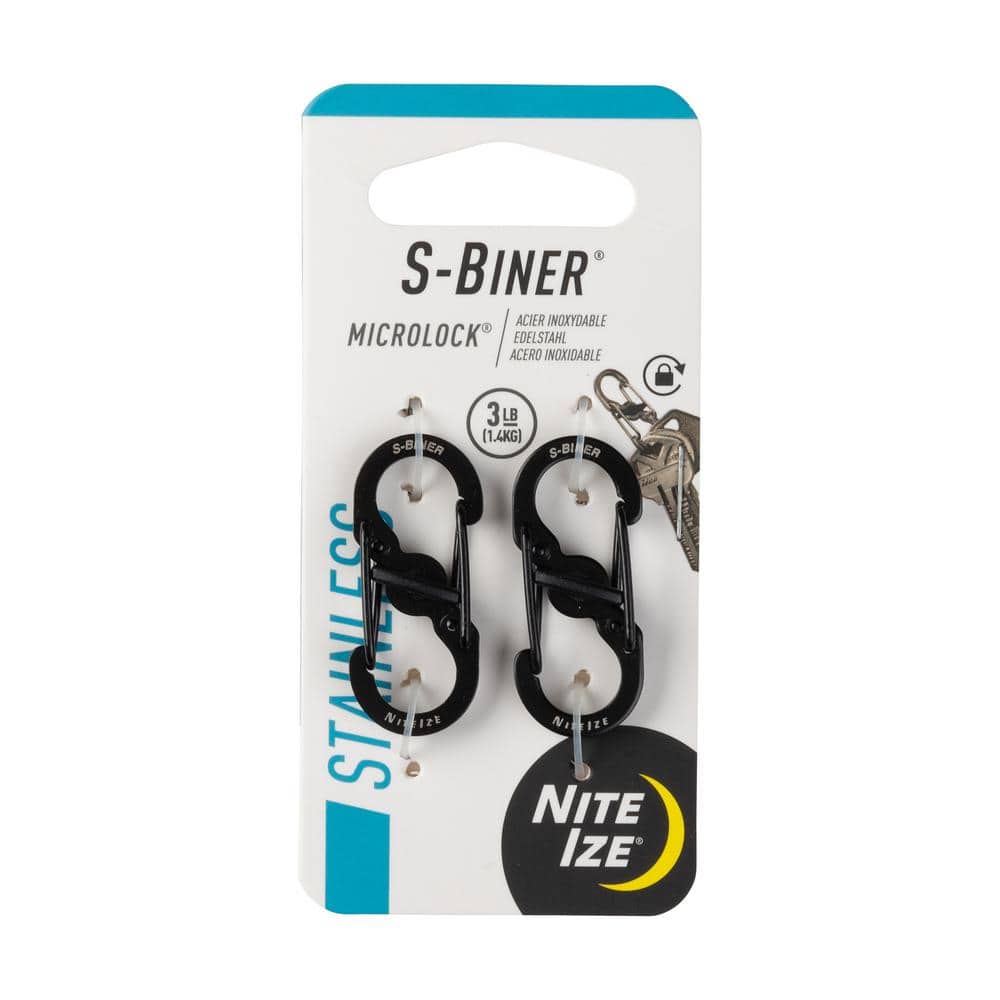
Nite Ize S-Biner MicroLock Carabiner

Nite Ize S-Biner MicroLock Carabiner

💡 Nice to Have

$7.99

When to buy:
After you're comfortable

Carabiners let you attach water bottles, trekking poles, or wet gear outside your pack, freeing up internal space.

Beginner Benefits:

  • Creates extra external storage
  • Quick access to items
  • Inexpensive
  • Lightweight

🤔 How to Choose Your First Daypack Backpack

Start by asking yourself what kind of hiking you'll do. Short day hikes on well-maintained trails? A 20L pack is plenty. Longer or rougher trails? Go for 25-30L. Consider your budget: under $50 gets you a basic pack, $50-$100 gives you better comfort and durability, and over $100 offers premium features like better ventilation and lighter materials. Think about future growth – if you plan to hike more, invest in a higher-quality pack now. Red flags: packs without a hip belt, very cheap materials, or overly complex designs.

💰 Budget Guide for Beginners

150+

Advanced beginner - high-end features and weight savings, suitable for regular hikers.

50 - $100

Sweet spot - best value for most beginners with good support and features.

100 - $150

Premium beginner - excellent comfort, lighter materials, and long-lasting.

Under $ - $50

Entry level - good for occasional use, but may lack comfort and durability.

⚠️ Common Beginner Mistakes to Avoid

Buying too cheap (false economy): packs under $30 often lack support and fall apart. Buying too expensive for occasional use: you don't need a $200 pack for easy trails. Ignoring fit: a pack that doesn't fit properly can ruin a hike. Overpacking: bigger packs encourage you to bring items you don't need. Forgetting a rain cover: getting your gear soaked is unpleasant. Not using the hip belt: most of the load should rest on your hips, not your shoulders.

  • ×Buying a pack without a hip belt
  • ×Overpacking because of a larger capacity
  • ×Ignoring torso length and fit
  • ×Choosing style over function
  • ×Forgetting to pack a rain cover
  • ×Not breaking in the pack before a long hike
  • ×Storing gear in the pack when not in use

📈 Your Progression Path: Beginner to Intermediate

Start with a simple daypack and learn how to properly pack it (heaviest items close to your back, water on the side). Gradually extend your hikes and try carrying extra gear. After 6-12 months, you'll know if you need a larger pack for overnight trips or a more technical pack for off-trail hikes. Signs you've outgrown your beginner pack: it's too small for your essentials, you feel discomfort on longer hikes, or you want more specialized features like ice-axe loops or a integrated rain cover.

📚 Learning Resources for Beginners

  • 📖The Ultimate Hiker's Gear Guide by Andrew Skurka (book)
  • 📖Backpacker Magazine Backpacking 101 (book)
  • 📖REI Expert Advice online guides
  • 📖Local outdoor gear store fitting sessions
  • 📖Beginner hiking meetup groups

🎯 Bottom Line: Our Recommendations

For most beginners, the Osprey Daylite Plus hits the sweet spot: comfortable, durable, and versatile at around $85. If you're on a tight budget, the TETON Sports Oasis 18L offers great value for under $50. Don't forget essential accessories like a hydration bladder and a rain cover. Remember: the best daypack is the one that fits you well and encourages you to hit the trail. Start with today's purchase and plan for many adventures ahead!

❓ Frequently Asked Questions

The Osprey Daylite Plus is our top recommendation for most beginners due to its perfect balance of comfort, capacity, and price. If you're on a budget, the TETON Sports Oasis 18L is a great value.
For a good-quality daypack that will last, plan to spend between $50 and $100. Anything under $30 is likely to lack comfort and durability. Over $150 is unnecessary for occasional use.
Focus on a padded hip belt, breathable back panel, hydration sleeve, and simple organization. Avoid packs with too many compartments or complicated straps.
20-25 liters is ideal for day hikes. It's enough for water, snacks, a jacket, and essentials without being too bulky. Larger packs encourage overpacking.
Absolutely. A hydration bladder makes it easier to drink water regularly, which is crucial on the trail. Many packs come with a sleeve, but you'll need to buy the bladder separately.
Yes, unless your pack is made of waterproof fabric (most are not). A rain cover is lightweight and can save your gear from getting soaked in an unexpected downpour.
The hip belt should sit on your hip bones, not above them. The shoulder straps should be snug but not tight, and the pack should feel balanced. Many outdoor stores offer fitting assistance.
Yes, daypacks are great for travel as carry-on bags for short trips. Look for one with a luggage pass-through strap or multiple compartments for organization.
Common mistakes include buying without a hip belt, overpacking, ignoring fit, and choosing a pack that's too large or too small. Also, many forget to buy a rain cover or hydration bladder.
With proper care, a quality daypack can last 5-10 years or more. Cheaper packs may wear out in 1-2 years. Look for warranties like Osprey's All Mighty Guarantee.

Related Articles