Review Atlas
Review AtlasYour guide to a better purchase

Menu

Shop by Category

Get the App

Better experience on mobile

Beginners GuideCooking

Is Best Cutting Board for beginners Worth It? Honest Review (202…

Everything you need to pick your first cutting board with confidence.

Choosing your first cutting board can feel overwhelming with so many materials, sizes, and price points. Will plastic dull your knives? Does wood need high maintenance? This guide cuts through the confusion. We'll walk you through the key features that matter for beginners, recommend three top-tier options at different budgets, and share essential accessories and common mistakes so you can start chopping with confidence right away.

📋 In This Guide

  • • Why Beginners Struggle with Cutting Board
  • • What to Look For (Key Features)
  • • Top 5 Beginner-Friendly Cutting Board
  • • Essential Accessories for Beginners
  • • Common Beginner Mistakes to Avoid
  • • Your Progression Path
  • • FAQ & Learning Resources

😰 Why Beginners Struggle with Cutting Board

Many beginners struggle because they don't know the pros and cons of materials like wood, plastic, bamboo, glass, and composite. Technical terms like 'end grain', 'edge grain', and 'nonporous' can be confusing. There's also fear of making a mistake: buying a board that warps, harbors bacteria, or dulls expensive knives. The sheer variety of sizes, thicknesses, and price points adds to the overwhelm. Without clear guidance, it's easy to overthink or pick based on looks alone.

🔍 What to Look For: Key Beginner-Friendly Features

For a beginner, the most important features are knife-friendliness (a surface that doesn't dull blades), ease of cleaning (dishwasher-safe or simple hand-wash), and size (large enough for your typical prep, yet fits in your sink). A juice groove helps when cutting juicy fruits or meat. Non-slip feet or a grip keep the board stable. Beginners should avoid glass, marble, or stone boards because they are hard on knives and noisy. Instead, focus on softwood (like teak) or quality plastic (polyethylene). Nice-to-have features include a reversible design, a built-in measuring scale, or a compartment for scraps. You don't need expensive end-grain boards yet – they are a future upgrade once you develop knife skills.

✅ Essential Features for Beginners

  • Knife-friendly surface: Soft materials like wood or plastic preserve blade sharpness.
  • Size: At least 12x18 inches for comfortable prep, but small enough to fit in your sink.
  • Dishwasher safe: Plastic boards can go in the dishwasher for easy sanitizing (wood cannot).
  • Juice groove: A channel around the edge catches liquids to keep your counter clean.
  • Non-slip base: Silicone feet or rubber strips prevent sliding while chopping.
  • Lightweight enough: You should be able to lift and wash it easily without strain.
  • Budget-friendly: Beginners don't need to spend over $50; quality boards are available under $30.

🏆 Top 5 Best Cutting Board for Beginners

#1
💰 Budget

OXO Good Grips Carving & Cutting Board (Plastic)

Learning Curve: Easy

$19.99
Difficulty: 1/5
OXO Good Grips Carving & Cutting Board (Plastic) - Image 1 of 10

Why Great for Beginners:

This plastic board is lightweight, dishwasher-safe, and has built-in juice grooves – perfect for everyday use. The non-slip feet keep it stable, and it's large enough for most prep tasks. A no-fuss choice for complete beginners.

Beginner Pros

  • +Dishwasher safe for easy cleaning
  • +Non-slip feet prevent sliding
  • +Large surface (18x12 inches)
  • +Inexpensive
  • +Gentle on knives

Beginner Cons

  • -Plastic can develop knife grooves over time
  • -Not as eco-friendly as wood
  • -May warp if exposed to high heat
👍 Best for: Budget-conscious beginners who want a practical, low-maintenance board.
👎 Not for: Those who prefer natural materials or are willing to maintain a wood board.

#2
👍 Recommended

Totally Bamboo Kitchen Cutting Board (Large)

Learning Curve: Easy

$29.99
Difficulty: 2/5
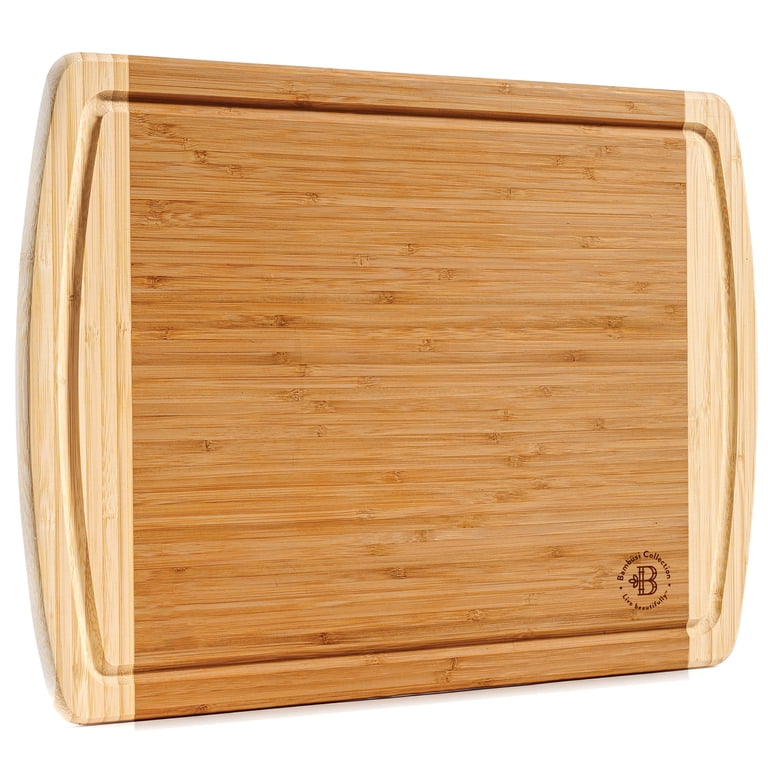
Totally Bamboo Kitchen Cutting Board (Large)

Why Great for Beginners:

Made from Moso bamboo, this board is harder than plastic yet still gentle on knives. It's durable, resists moisture, and has a built-in juice groove. The hanging hole makes storage easy. A great step up from plastic.

Beginner Pros

  • +Environmentally friendly and renewable
  • +Easy to hand wash
  • +Resists warping and cracking
  • +Knife-friendly surface
  • +includes juice groove

Beginner Cons

  • -Not dishwasher safe (hand wash only)
  • -Slightly harder on knives than wood
  • -May require occasional mineral oil
👍 Best for: Beginners who want a natural material with minimal maintenance.
👎 Not for: Those who need dishwasher convenience or have very high-end knives.
#3
✨ Premium

Teakhaus Edge Grain Teak Cutting Board

Learning Curve: Moderate

$49.99
Difficulty: 3/5
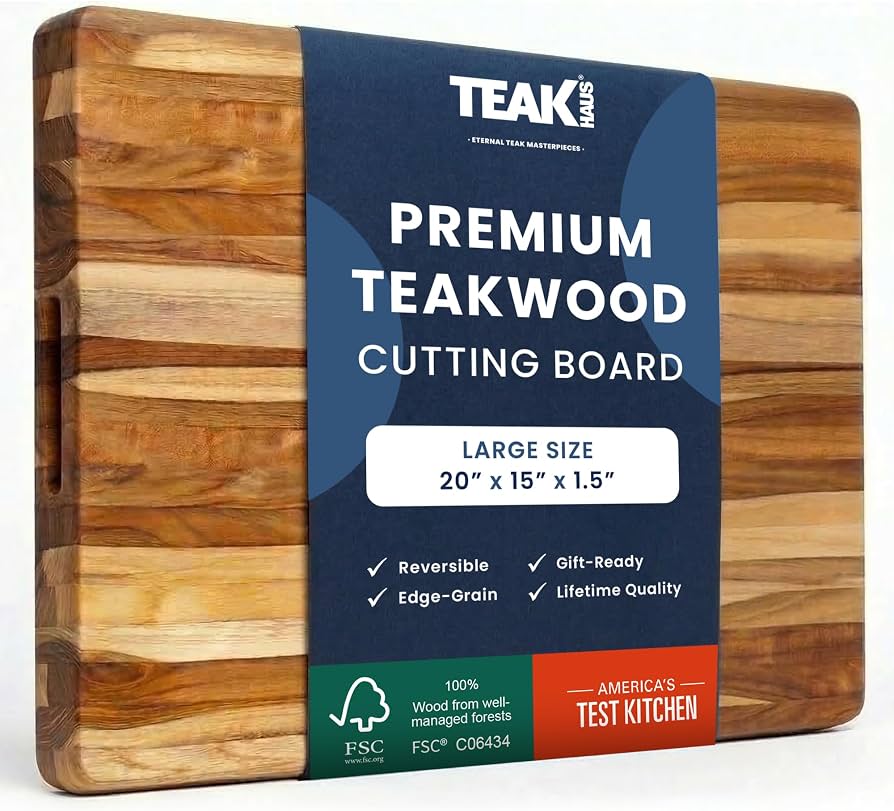
Teakhaus Edge Grain Teak Cutting Board

Why Great for Beginners:

Teak is naturally water-resistant and rich in oils, making it easy to maintain. This edge-grain board is beautiful, heavy-duty, and gently on knives. It's reversible and comes with a juice groove. A bit of an investment, but one that will last years with simple care.

Beginner Pros

  • +Very durable and long-lasting
  • +Naturally antimicrobial
  • +Knife-friendly (edge grain)
  • +Reversible surface
  • +Juice groove

Beginner Cons

  • -Heavier than plastic/bamboo
  • -Not dishwasher safe
  • -Requires occasional oiling
  • -Higher price point
👍 Best for: Beginners who want a premium board that will grow with them and last a long time.
👎 Not for: those on a tight budget or who want zero maintenance.
#4
Alternative

Joseph Joseph Chop2Pot Large Cutting Board Set (Plastic)

Learning Curve: Easy

$24.99
Difficulty: 1/5
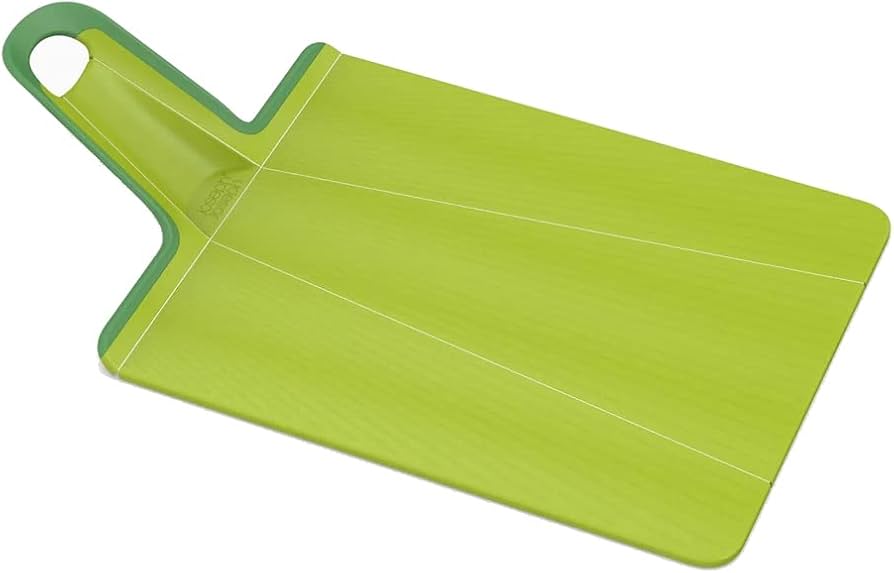
Joseph Joseph Chop2Pot Large Cutting Board Set (Plastic)

Why Great for Beginners:

This set includes two plastic boards (one for veg, one for meat) with folding handles that let you slide chopped food directly into a pot. Color-coded to avoid cross-contamination. Ideal for beginners who want organization and convenience.

Beginner Pros

  • +Two boards for separate tasks
  • +Folding handles for easy pouring
  • +Dishwasher safe
  • +Non-slip feet
  • +Color-coded for safety

Beginner Cons

  • -Smaller than full-size boards
  • -Plastic can stain from beets/turmeric
  • -Folding handle may be less stable
👍 Best for: Beginners who cook with lots of ingredients and want to avoid cross-contamination.
👎 Not for: Those who need one large board for big prep projects.
#5
👍 Recommended

Bambüsi Premium Bamboo Cutting Board (Large)

Learning Curve: Easy

$34.99
Difficulty: 2/5
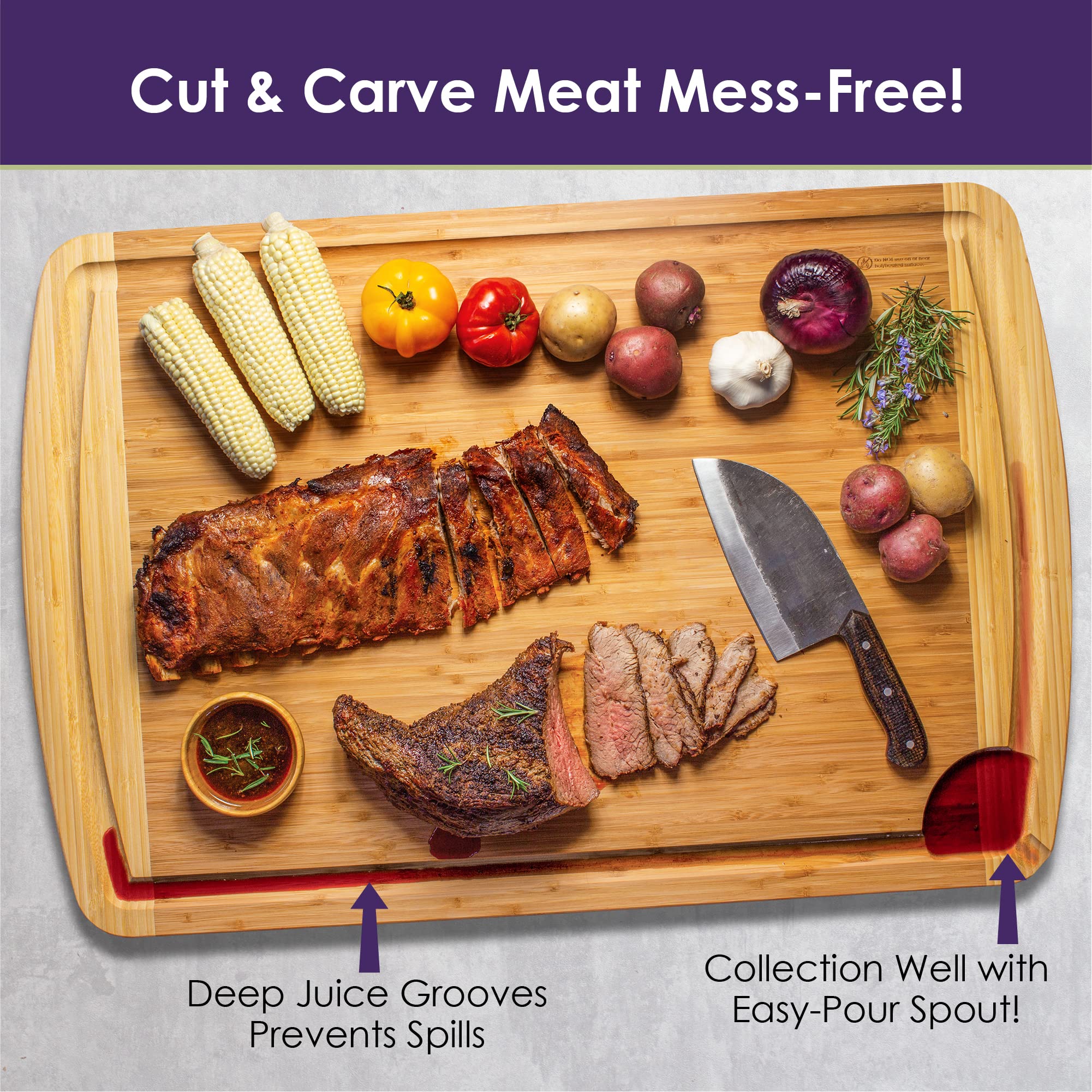
Bambüsi Premium Bamboo Cutting Board (Large)

Why Great for Beginners:

A well-balanced bamboo board with deep juice groove, non-slip edges, and a built-in handle. It's thicker than most budget boards, making it more stable. The price is right for beginners wanting something nicer than basic plastic.

Beginner Pros

  • +Thick and sturdy
  • +Deep juice groove
  • +Easy-grip handle
  • +Non-slip edges
  • +Knife-friendly

Beginner Cons

  • -Requires hand washing
  • -Heavier than plastic
  • -May require oiling over time
👍 Best for: Beginners who want a solid, mid-range board with good features.
👎 Not for: Those with very limited storage (board is 18x12 inches).

📖 Complete Beginner's Guide to Cutting Board

Cutting boards come in several materials. Plastic (polyethylene) is inexpensive, dishwasher-safe, and gentle on knives, making it a top choice for beginners. Bamboo is harder than plastic but still affordable and eco-friendly; however, it can be slightly harder on knives. Wood boards (like maple or walnut) are beautiful and gentle on knives, but require occasional oiling to prevent drying and cracking. End-grain wood is the most knife-friendly but expensive and not necessary for beginners. Composite boards (made of paper and resin) are durable and knife-friendly but heavy. Glass and stone boards look elegant but dull knives quickly and are noisy – avoid them. For a beginner, we recommend starting with a plastic or bamboo board. Plastic is virtually maintenance-free and can be thrown in the dishwasher. Bamboo is a great middle ground – harder than plastic, but still gentle enough and requires minimal care (just hand wash and occasional oil). Once you get comfortable with knife skills and want to invest in a board that will last decades, you can upgrade to a wood board.

🔧 Essential Accessories for Beginners

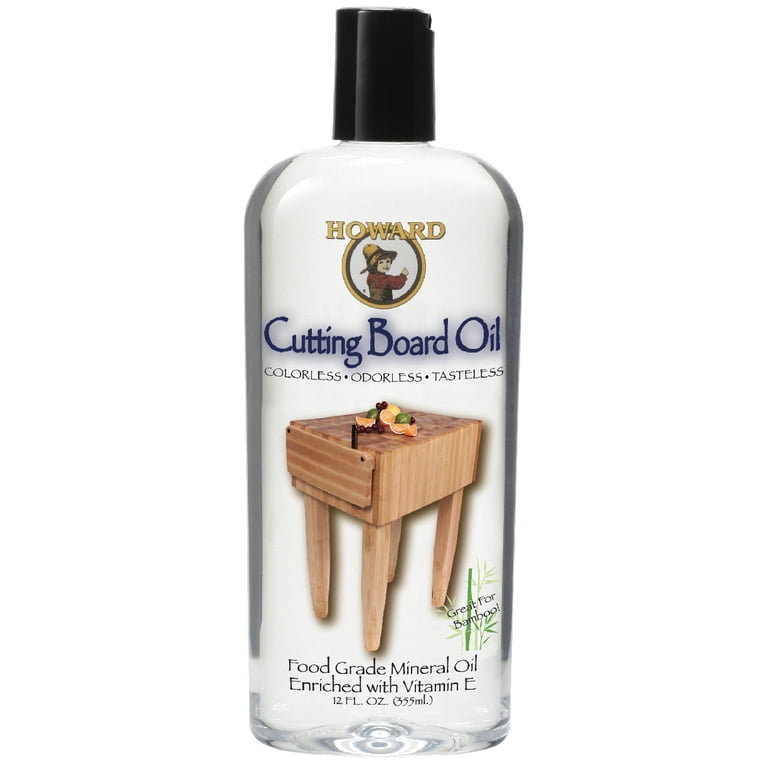
Howard Cutting Board Oil (Food Grade Mineral Oil)

Howard Cutting Board Oil (Food Grade Mineral Oil)

⚠️ Essential

$9.99

When to buy:
Day one (if buying wood/bamboo)

If you choose a wood or bamboo board, mineral oil is absolutely necessary to prevent drying, cracking, and warping. It's safe for food contact and easy to apply – simply rub it on once a month. Without it, your board won't last.

Beginner Benefits:

  • Prevents board damage
  • Easy to use
  • Extends board life
  • Inexpensive
Chef'n BoardScraper (Stainless Steel) - Image 1 of 7

Chef'n BoardScraper (Stainless Steel)

👍 Recommended

$12.99

When to buy:
First month

This scraper lets you scoop up chopped ingredients quickly from the board without using your knife blade. It's safer for your knife and keeps your board dent-free. Beginners will find it much easier than trying to scrape with a knife.

Beginner Benefits:

  • Reduces knife use for scraping
  • Protects board surface
  • Easy cleanup
  • Helps portion control
Wusthof Knife Sharpener (Two-Stage, Handheld) - Image 1 of 6

Wusthof Knife Sharpener (Two-Stage, Handheld)

💡 Nice to Have

$29.99

When to buy:
After you're comfortable (or day one if you have quality knives)

Even the most knife-friendly board will eventually dull your blades. A simple handheld sharpener keeps your knives sharp with minimal effort. Beginners will appreciate how easy it is to get a good edge compared to a stone.

Beginner Benefits:

  • Easy to use with no skill required
  • Puts a consistent edge
  • Inexpensive compared to stones
  • Portable
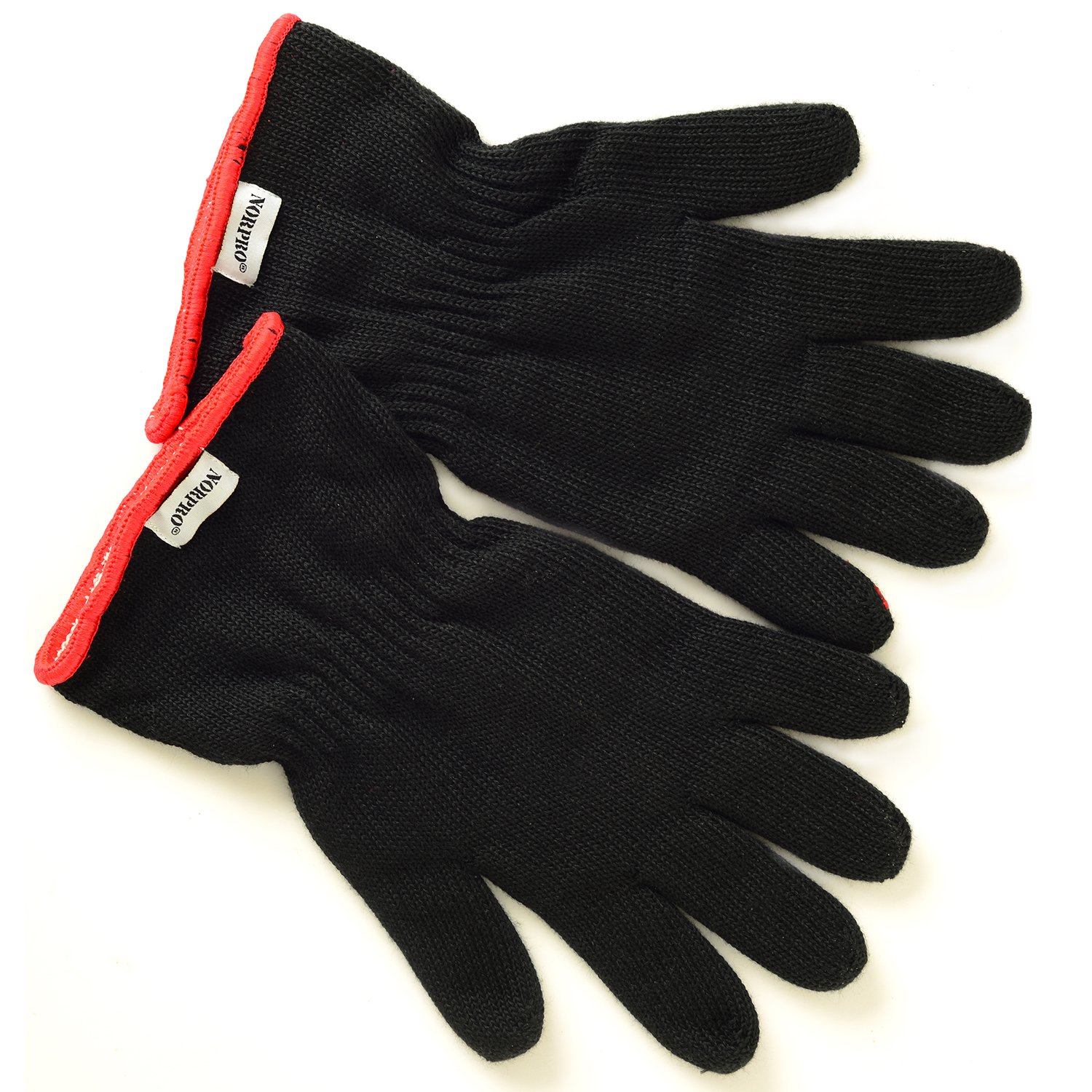
Norpro Cut-Resistant Gloves (Pair)

Norpro Cut-Resistant Gloves (Pair)

👍 Recommended

$14.99

When to buy:
Day one

If you're new to using sharp knives, these gloves provide peace of mind. Made of cut-resistant material, they protect your non-dominant hand from accidental slips. Perfect for beginners learning proper knife techniques.

Beginner Benefits:

  • Prevents cuts during learning
  • Boosts confidence
  • Reusable and washable
  • Allows focused practice

🤔 How to Choose Your First Cutting Board

Start by asking: how often do I cook? Daily cooks need a durable, easy-to-clean board (plastic is ideal). Occasional cooks can choose any material. What knives do you use? If you have good quality knives, avoid hard surfaces like glass or bamboo (use plastic or wood). What's your budget? Under $20 gets you a decent plastic board; $20-$50 gets you quality bamboo or a larger plastic; $50-$100 gets you a good wood board. Also consider your kitchen space: a board that's too large is annoying to store and clean. Finally, think about maintenance: are you willing to hand wash and oil a wood board every month, or do you prefer something you can throw in the dishwasher? For most beginners, a mid-size plastic or bamboo board is the perfect start.

💰 Budget Guide for Beginners

100+

Serious investment – end-grain wood boards; ideal for dedicated cooks who want a lifetime board.

25 - $50

Sweet spot – best value for beginners: durable bamboo or quality plastic boards with good size and features.

50 - $100

Premium beginner – wood edge-grain boards that offer excellent knife feel and durability.

Under $ - $25

Entry level – plastic boards that are basic but functional; may need replacement in a year.

⚠️ Common Beginner Mistakes to Avoid

The biggest beginner mistake is choosing a glass or stone board because they look sleek. They are extremely hard and will dull your knives quickly – you'll end up sharpening more often. Another mistake is buying too small – a tiny board is frustrating for chopping and increases risk of knife slips. Beginners also often neglect maintenance: wood boards need oiling; if left dry, they can crack. Some beginners buy ultra-cheap boards that warp or contain harmful chemicals (like bamboo boards with formaldehyde glues). Not considering the board's weight is another oversight – a heavy wood board can be annoying to wash and store. Finally, some beginners think one board is enough for all foods; it's better to have separate boards for raw meat and produce to avoid cross-contamination (at least two if budget allows).

  • ×Buying a glass or marble board – dulls knives instantly.
  • ×Buying a board that's too small – leads to overcrowding and accidents.
  • ×Not oiling wood or bamboo – causes cracking and warping within months.
  • ×Choosing a board with strong odors or toxins (cheap plastic/glues).
  • ×Ignoring knife quality – a dull knife is more dangerous on any board.
  • ×Putting wood boards in the dishwasher – warps and splits.
  • ×Using the same board for raw meat and produce without proper sanitation.
  • ×Overthinking and buying a premium board before learning basics.

📈 Your Progression Path: Beginner to Intermediate

Start with a plastic or bamboo board – this is your 'learning board'. Focus on developing proper knife techniques: how to hold a knife, use a claw grip, and rock chop. Once you feel confident, you'll notice that your plastic board develops deep grooves or starts slipping. That's a sign you're ready for an upgrade. Next, invest in a good edge-grain wooden board (like maple or walnut). Learn how to oil it monthly and always hand wash. This board will last years and be kind to your knives. As you advance, you might want an end-grain board for even better knife care, and eventually a separate small board for meat. Most beginners spend 6–12 months with their first board before feeling the need to upgrade. The key is to not rush – spend that time learning and enjoying cooking.

📚 Learning Resources for Beginners

  • 📖‘The Kitchen Knife Bible: Choosing, Maintaining and Using Your Knives’ by Dan Macey – excellent guide for knife skills.
  • 📖‘The Complete Book of Knife Skills’ by Jeffrey Elliot – includes cutting board care and chopping techniques.
  • 📖‘The Food Lab: Better Home Cooking Through Science’ by J. Kenji López-Alt – covers kitchen tools and techniques.
  • 📖‘Cutting Board Care and Maintenance’ (eBook) – practical tips for wooden board upkeep.

🎯 Bottom Line: Our Recommendations

For most beginners, we recommend a quality plastic board like the OXO Good Grips Carving & Cutting Board (under $25) or a bamboo board like the Totally Bamboo Kitchen Cutting Board ($30). These offer the best balance of knife-friendliness, ease of cleaning, and price. If you have a bit more to spend and want a board that will last years, look at the Teakhaus Edge Grain Teak Cutting Board ($40–50). Get a bottle of mineral oil if you choose wood, and a board scraper for easy cleanup. Avoid glass, stone, and super cheap boards. Remember, the best board is one that you'll actually use and care for. Start simple, learn the basics, and enjoy the journey.

❓ Frequently Asked Questions

The best cutting board for most beginners is a large plastic or bamboo board. Plastic is dishwasher-safe, inexpensive, and gentle on knives. Bamboo is sturdier, eco-friendly, and still affordable. Both require minimal maintenance and are great for learning basic knife skills.
Beginners should spend between $20 and $50 for a quality board. Under $20 can get a decent plastic board, but $30–$50 buys a durable bamboo or entry-level wood board that will last longer. Avoid overspending on premium end-grain boards until you know you'll maintain them.
Look for knife-friendly material (plastic or bamboo), size at least 12x18 inches, juice groove, non-slip base, and easy cleaning (dishwasher-safe plastic or simple hand-wash wood). Extra features like handles or measuring marks are nice but not essential.
A plastic cutting board with built-in non-slip feet and a juice groove is the easiest for beginners. It's lightweight, dishwasher-safe, and requires zero maintenance. The OXO Good Grips Carving & Cutting Board is a top example.
Essential accessories depend on material. For wood/bamboo: food-grade mineral oil. For all boards: a board scraper ($10–15) to easily transfer food, and optionally a knife sharpener to maintain your knives. Cut-resistant gloves are also highly recommended for safety.
Assess your cooking habits, knife quality, budget, and willingness to maintain. If you want no-fuss: choose plastic. If you want natural and durable: choose bamboo. If you plan to invest in knives later: choose a wood edge-grain board. Always pick a size that fits your sink and counter.
No, using a cutting board is simple. The challenge is choosing the right one. Once you have a decent board, learning proper knife skills is the next step. A good board actually makes learning easier by providing a stable, knife-friendly surface.
Common mistakes include: buying glass boards, skipping oiling on wood, buying too small, putting wood in dishwasher, not using separate boards for meat and produce, and buying cheap boards that warp or contain toxins.
Yes, but be prepared to hand-wash and oil it monthly. Wood is gentle on knives and looks beautiful. Start with an edge-grain board (more affordable) and avoid end-grain until you're sure you'll maintain it.
Beginners should start with one large board (12x18 or larger). If you cook meat, consider a second smaller board for raw meat to avoid cross-contamination. Sets can be useful, but often include small boards that aren't practical.