Discover the perfect first cornhole board set to start tossing bags with confidence—no experience needed!
Picking your first cornhole board can feel overwhelming with all the sizes, materials, and prices out there. As a beginner, you might worry about buying something too flimsy, hard to set up, or not fun for backyard games with friends. Don't stress—this guide cuts through the confusion.
Cornhole is a simple toss game, but choosing the right board makes it enjoyable from day one. We'll explain what matters, share top picks on Amazon, and help you avoid pitfalls so you can focus on fun, not frustration.
By the end, you'll know exactly which board to buy, what accessories to add, and how to level up your skills confidently.
📋 In This Guide
• Why Beginners Struggle with Cornhole Board
• What to Look For (Key Features)
• Top 4 Beginner-Friendly Cornhole Board
• Essential Accessories for Beginners
• Common Beginner Mistakes to Avoid
• Your Progression Path
• FAQ & Learning Resources
😰 Why Beginners Struggle with Cornhole Board
Beginners often feel lost because cornhole boards come in endless varieties—cheap plastic ones that warp, heavy wooden pros that are hard to move, or confusing 'regulation' sizes they don't understand. Forums like Reddit's r/cornhole are full of newbies complaining about boards that fold poorly, bags that don't last, or sets missing key parts.
The jargon scares people off: 'ACA regulation,' 'all-weather MDF,' 'carrying case included'—what does it mean for casual play? Many fear wasting money on something unusable or buying kids' versions that aren't fun for adults.
Overwhelmed by Amazon options (thousands!), beginners grab the cheapest, then regret poor quality that leads to uneven play and quick breakage.
🔍 What to Look For: Key Beginner-Friendly Features
For beginners, prioritize boards that are easy to set up, lightweight for moving, and forgiving on grass or pavement. Look for 2x4 foot regulation size (27x48 inches exactly) with a 6-inch hole—standard for fair play without confusion.
Must-haves: Folding legs for portability, included 8 quality bean bags (not flimsy ones), and durable surface that wipes clean. Avoid super-cheap no-frills or pro-level custom boards.
Nice-to-haves: Carrying handles, score markers, or weatherproof coating. Skip LED lights or fancy graphics until later—they add cost without helping new tossers.
✅ Essential Features for Beginners
•Regulation size (27x48 inches, 6-inch hole) for standard fun
•Folding legs and lightweight design for easy setup and storage
•8 included bean bags that are all-weather and regulation weight
•Durable, smooth playing surface that forgives bad tosses
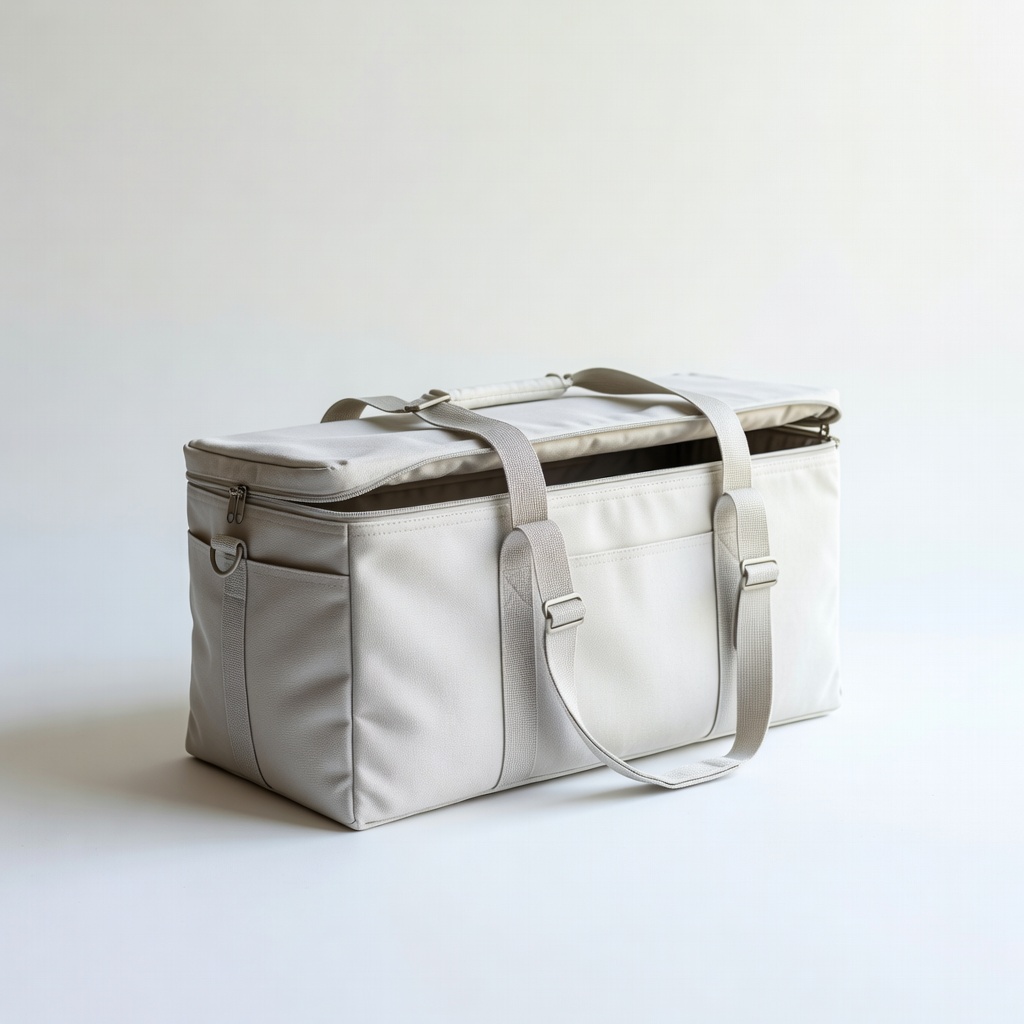
•Portable carrying case or handles for backyard to park
•Simple assembly (under 5 minutes, no tools)
•Beginner-stable legs that don't wobble on uneven ground
🏆 Top 4 Best Cornhole Board for Beginners
#1
💰 Budget
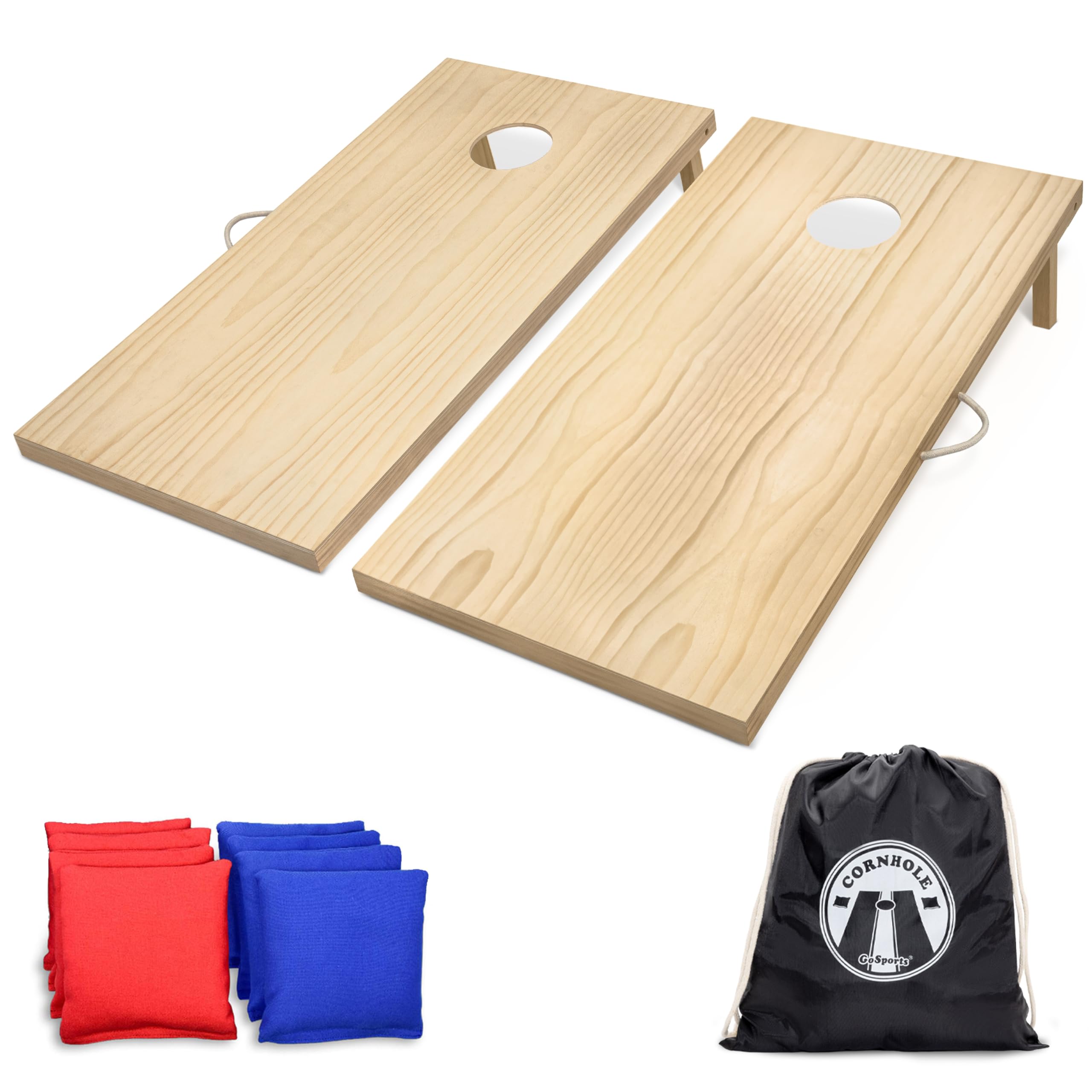
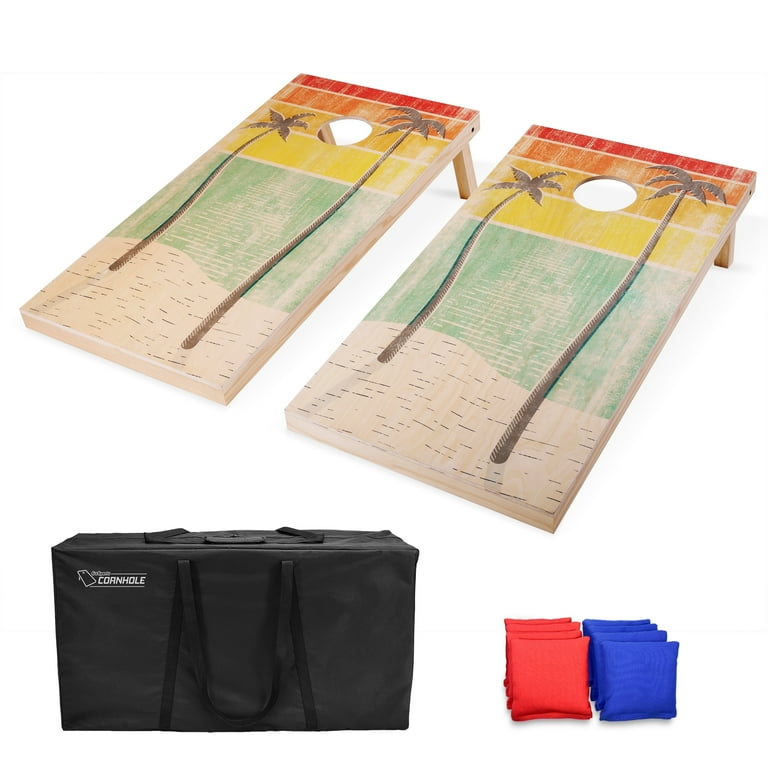
GoSports Classic Cornhole Set - Includes Game Bags
Learning Curve: Easy
$129.99
Difficulty: 1/5
Why Great for Beginners:
This set is lightweight and folds flat for easy storage, perfect for first-timers testing cornhole without big commitment. Includes 8 regulation bags and sets up in minutes on any lawn.
Cornhole is an easy lawn game: two slanted boards 27 feet apart, toss canvas bean bags (1 lb each) into the 6-inch hole or on the board for points. Beginners love it for parties—no skills needed to start.
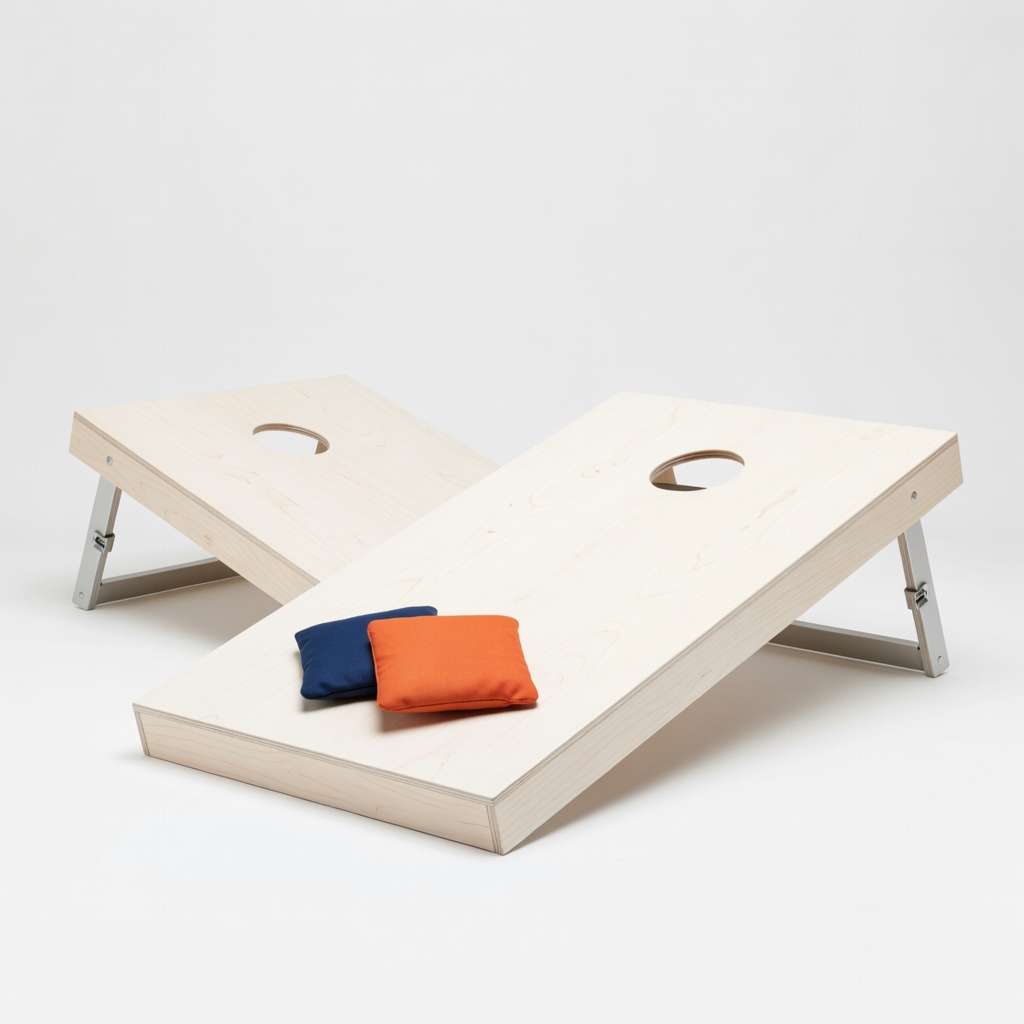
Types: Portable folding (best for beginners—light, storable), permanent wood (too heavy), kids' mini (too small for adults), all-plastic (cheap but warps). Go for MDF wood or composite—smooth, sturdy, weather-resistant.
Beginner-friendly means quick setup, stable on grass, bags that don't roll off easily. Expect to miss lots at first—good boards have grippy surfaces. Evaluate by reviews mentioning 'easy assembly' and 'great for families.'
🔧 Essential Accessories for Beginners
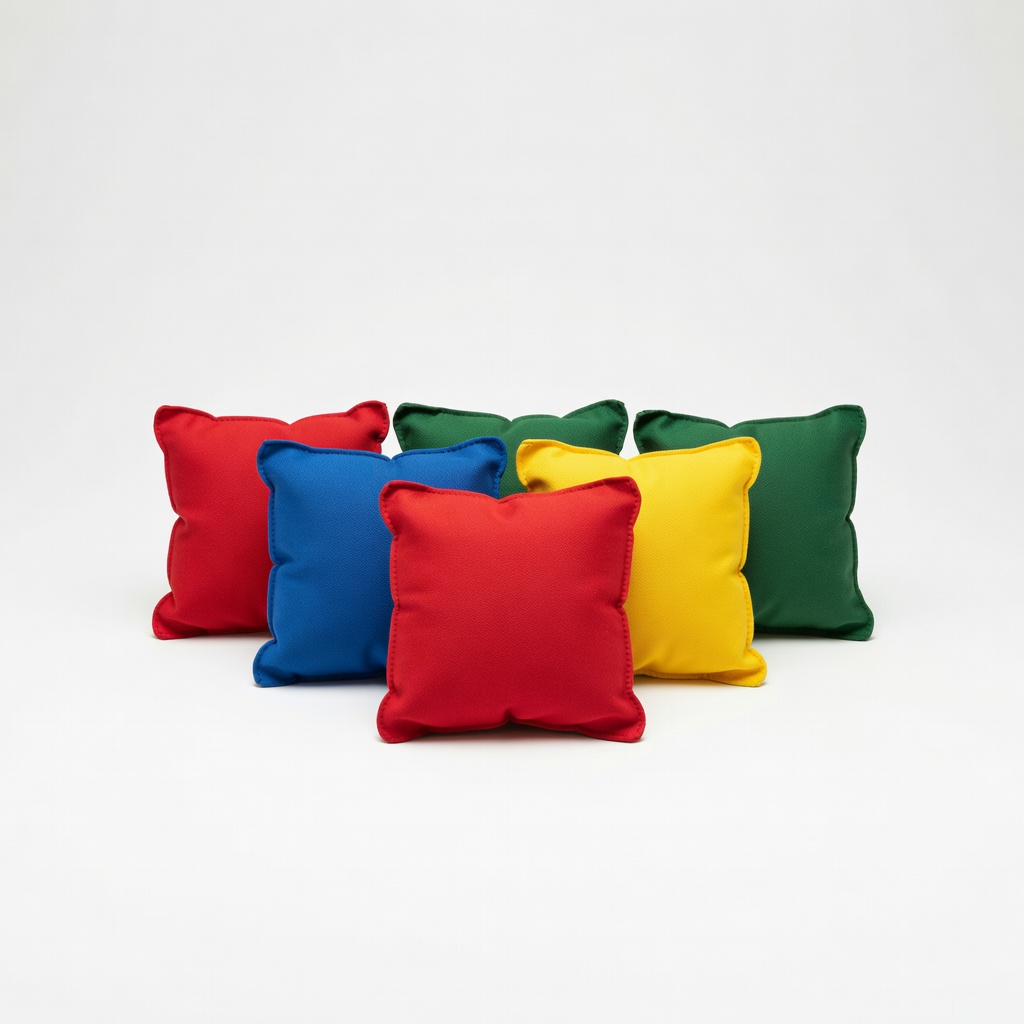
GoSports Cornhole Bean Bag Set (8 Bags)
⚠️ Essential
$39.99
When to buy:
Day one
Many budget boards have cheap bags that fade or tear— these regulation-weight ones ensure fair, fun play from toss one.
Ask: Where will you play (backyard, park)? Solo practice or group fun? Budget? For most, $150-250 sweet spot gives quality without excess.
Budget under $150: Try it out. $150-300: Best balance, lasts years. Over $300: If serious about tournaments. Scenarios: Families pick portable sets; campers want ultra-light.
Red flags: No bags included, under 20 lbs per board (wobbly), vague sizes. Plan for growth—start standard to avoid relearning.
💰 Budget Guide for Beginners
500+
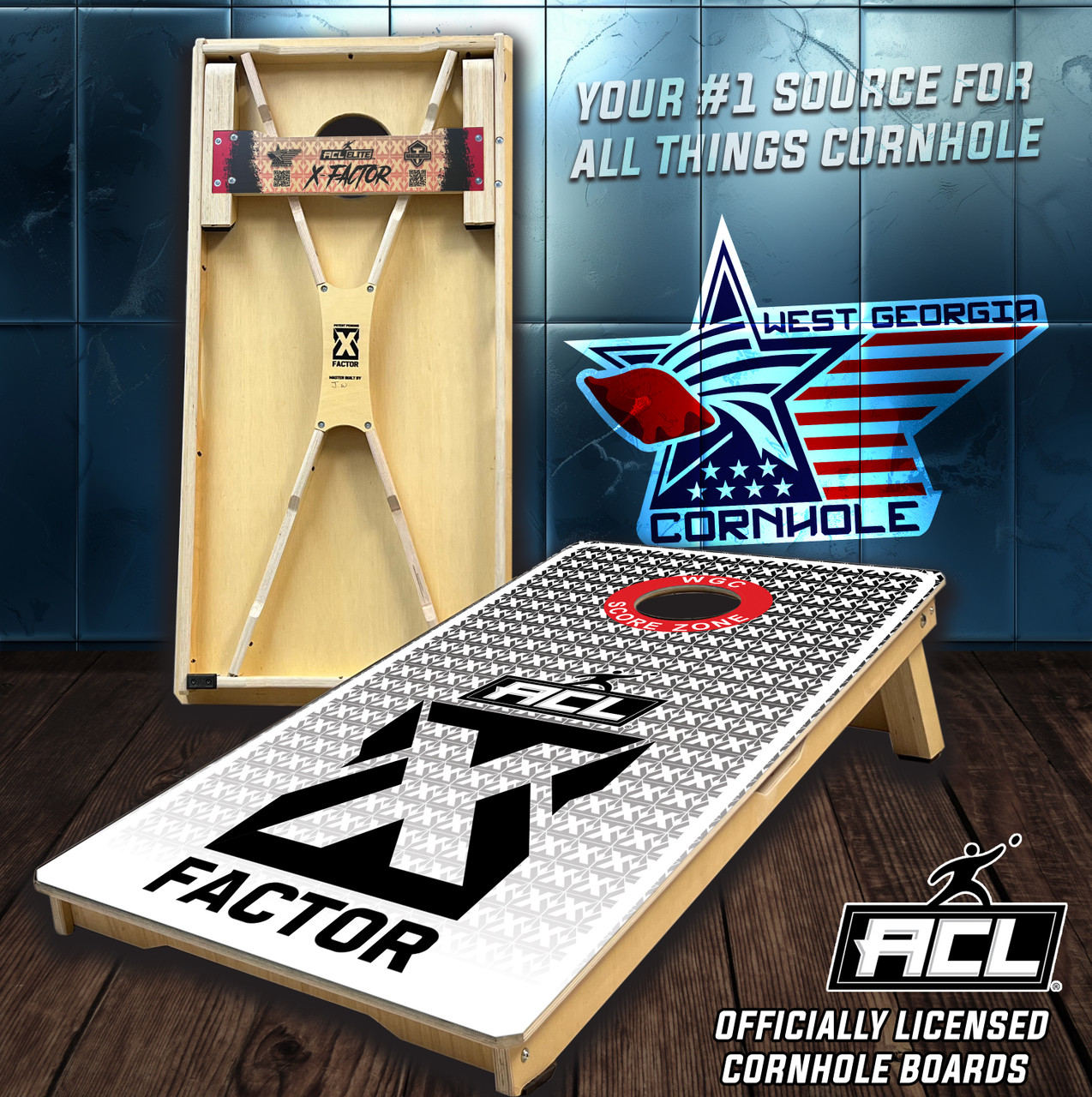
Pro entry: Custom looks for dedicated players with space.
150 - $300
Sweet spot: Regulation quality with extras like cases—perfect for most beginners, room to improve.
Entry level: Basic portable sets to test the game, lightweight but may wear faster.
⚠️ Common Beginner Mistakes to Avoid
Beginners grab the cheapest $50 Amazon find, but it warps after one rain, frustrating play. Reviews show many return flimsy plastic for uneven surfaces.
They overlook bags—some sets have 4 only, or poor quality that bursts. Avoid by checking '8 regulation bags included.'
Don't buy mini/kids boards for adults—tosses feel off. Start standard; experienced players say it builds real skills without relearning.
×Buying sets without bean bags
×Choosing non-regulation size (too small/big)
×Picking plastic boards that warp in sun
×Ignoring portability—too heavy for storage
×Skipping weatherproof bags
×Overbuying pro customs early
×Forgetting carrying case for transport
📈 Your Progression Path: Beginner to Intermediate
Start with casual backyard tosses: Learn distances (21 ft pitch line), scoring (3 in hole, 1 on board). Practice 15 mins daily.
Build to games with friends, track wins. Outgrow beginner when wanting tournaments—signs: Consistent aces, need faster boards.
Upgrade after 6-12 months: Add pro bags first, then custom boards. Most stay beginner 3-6 months, focusing fun over competition.