Is Best Camping Cooler for beginners Worth It? Honest Review (20…
Everything beginners need to know to choose their first camping cooler with confidence.
Shopping for your first camping cooler can feel overwhelming. With dozens of brands, confusing specs like 'rotomolded' and 'ice retention', and prices ranging from $30 to $400, it's easy to make a choice you'll regret. This guide cuts through the noise. We'll help you understand what features actually matter for a beginner, avoid common pitfalls, and pick a cooler that keeps your food cold without breaking the bank. By the end, you'll feel confident buying your first cooler.
📋 In This Guide
• Why Beginners Struggle with Camping Cooler
• What to Look For (Key Features)
• Top 4 Beginner-Friendly Camping Cooler
• Essential Accessories for Beginners
• Common Beginner Mistakes to Avoid
• Your Progression Path
• FAQ & Learning Resources
😰 Why Beginners Struggle with Camping Cooler
Beginners often struggle because they don't know what performance they really need. Marketing hype focuses on 'days of ice retention' while ignoring weight, portability, and ease of use. Many first-time buyers either overspend on a heavy rotomolded cooler they rarely need or buy a cheap one that leaks and rusts. Another common frustration is size: too big and it's a hassle to carry; too small and it won't hold weekend supplies. Finally, terms like 'urethane foam' vs 'polyethylene' mean little to newcomers, leading to confusion.
🔍 What to Look For: Key Beginner-Friendly Features
For beginners, ease of use and value are key. Start with a mid-size cooler (40-60 quarts) that can hold food for a weekend trip. Look for thick insulation (at least 2 inches) to keep ice longer. A sturdy handle and reasonable weight (under 25 lbs empty) make carrying easier. Avoid coolers with complex latches; simple clasps or one-hand openers are better. Bear-resistant certification is unnecessary for car camping. Most importantly, read verified reviews to see real-world ice performance.
✅ Essential Features for Beginners
•Thick insulation (2+ inches) for ice retention
•Durable but lightweight construction (under 25 lbs empty)
•Easy-to-use latch or handle (one-hand open)
•Drain plug for easy cleaning
•Reasonable size (40-60 quarts) for weekend trips
🏆 Top 4 Best Camping Cooler for Beginners
#1
⭐ Top Pick👍 Recommended
Coleman Xtreme 5 52-Quart Cooler
Learning Curve: Easy
$79.99
Difficulty: 1/5
Why Great for Beginners:
The Coleman Xtreme is lightweight, affordable, and holds ice for up to 3 days. Its simple latch and drain plug make it very beginner-friendly. It's the best value for weekend campers.
✓ Beginner Pros
+Lightweight (11 lbs) and easy to carry
+Holds ice 3 days in moderate weather
+Has a drain plug for easy cleaning
+Affordable price point
✗ Beginner Cons
-Not bear-resistant
-Latches can be hard to close when full
-Insulation not as thick as premium coolers
👍 Best for: Weekend car campers who want a reliable, inexpensive cooler.
👎 Not for: Those needing ice for 5+ days or extreme heat.
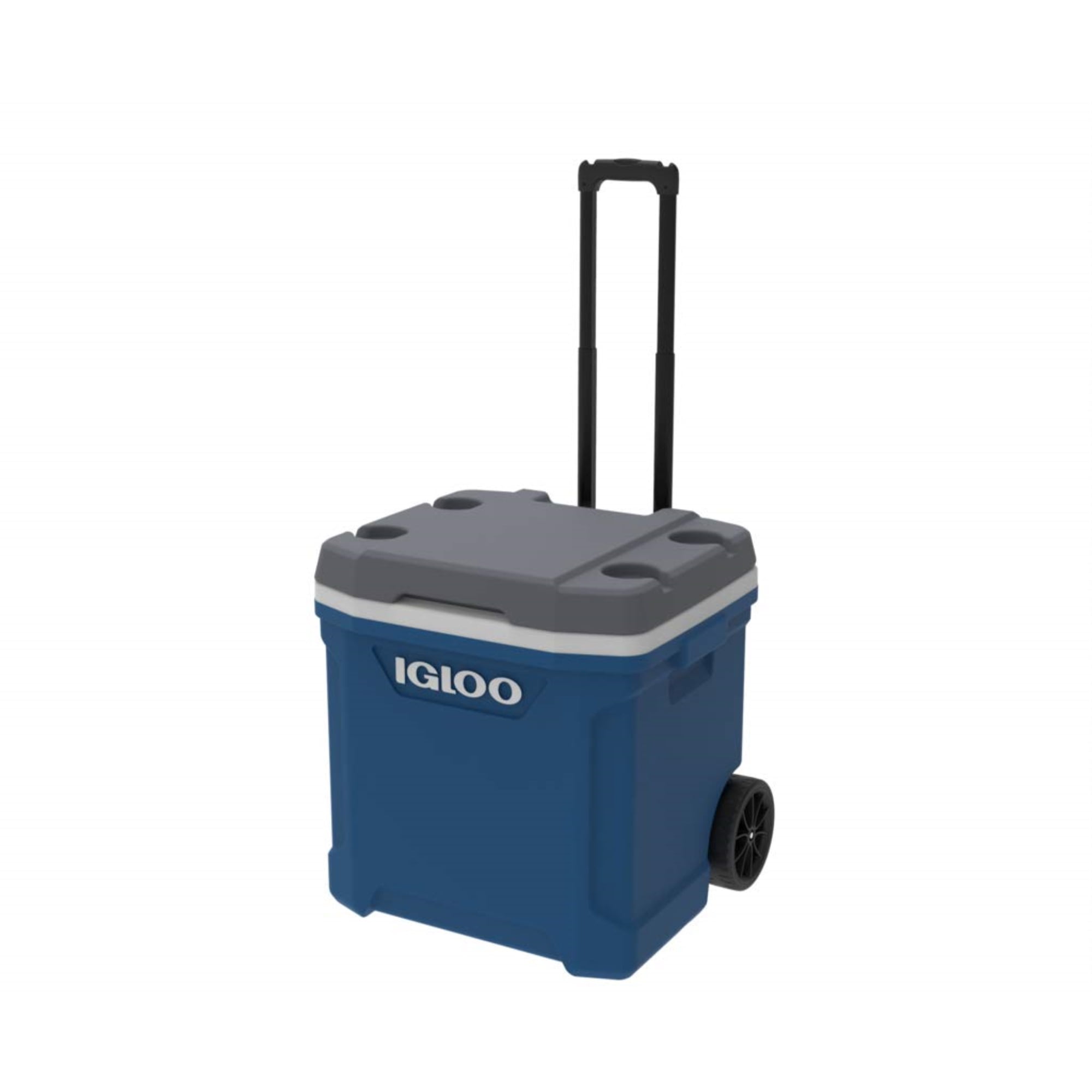
The Igloo Latitude is an entry-level cooler that's very cheap and lightweight. It's perfect for first-timers who only need a cooler for day trips or occasional use. It will keep drinks cold for a day but not much longer.
✓ Beginner Pros
+Very affordable
+Lightweight (8 lbs) and easy to move
+Large capacity (60 quarts) for low price
+Flip-up handles for easy carrying
✗ Beginner Cons
-Poor ice retention (about 1-2 days)
-Thin walls, not very durable
-Lid may not seal perfectly
👍 Best for: Budget-conscious beginners who only need a cooler for short outings.
👎 Not for: Those camping overnight in hot weather or needing ice retention over 24 hours.
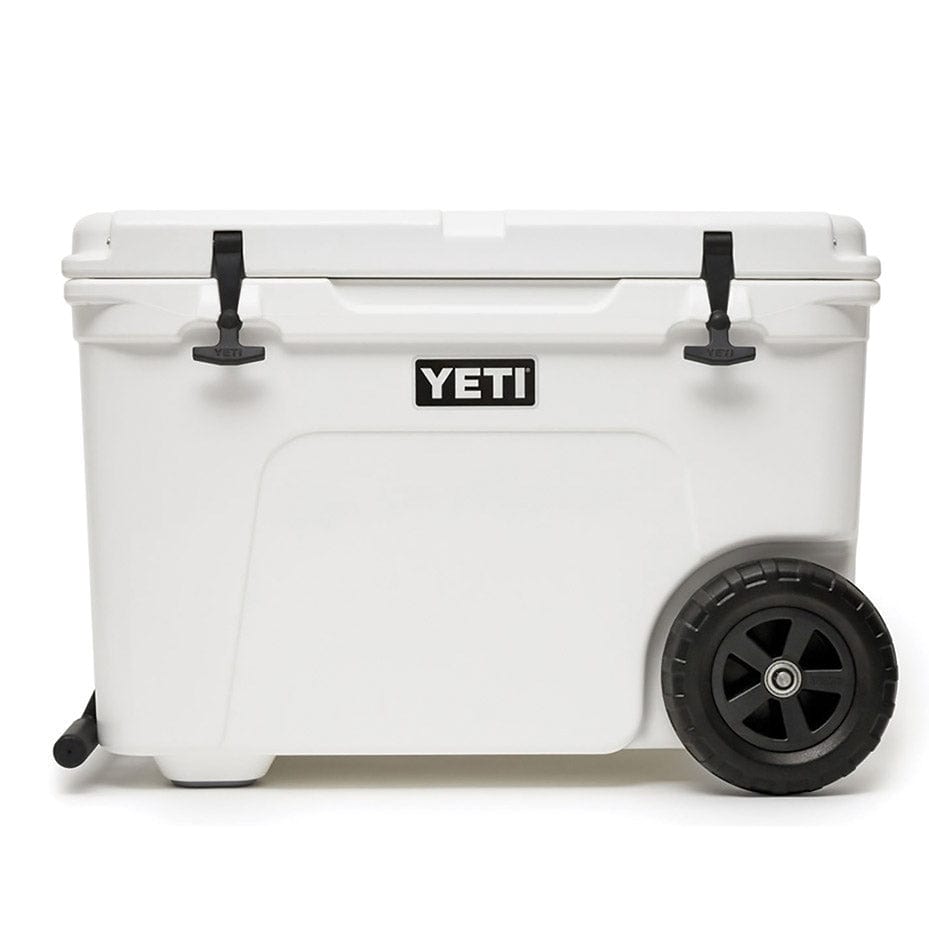
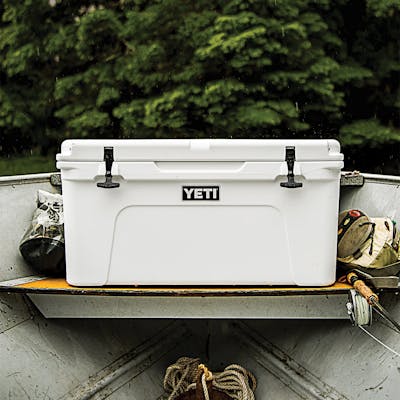
The Yeti Tundra 45 is a premium rotomolded cooler that offers exceptional ice retention (5+ days) and near-indestructible build. While expensive and heavy, it's easy to use with simple T-Rex latches and a drain plug. It's a buy-it-for-life option for beginners who know they'll camp a lot.
✓ Beginner Pros
+Superb ice retention (5-7 days)
+Very durable; can double as a seat or table
+Bear-resistant certification
+Easy to clean and maintain
✗ Beginner Cons
-Very expensive
-Heavy (23 lbs empty); bulky to carry
-No cup holders or molded-in handles
👍 Best for: Serious beginners planning frequent extended camping trips.
👎 Not for: Occasional campers or those on a budget; overkill for short trips.
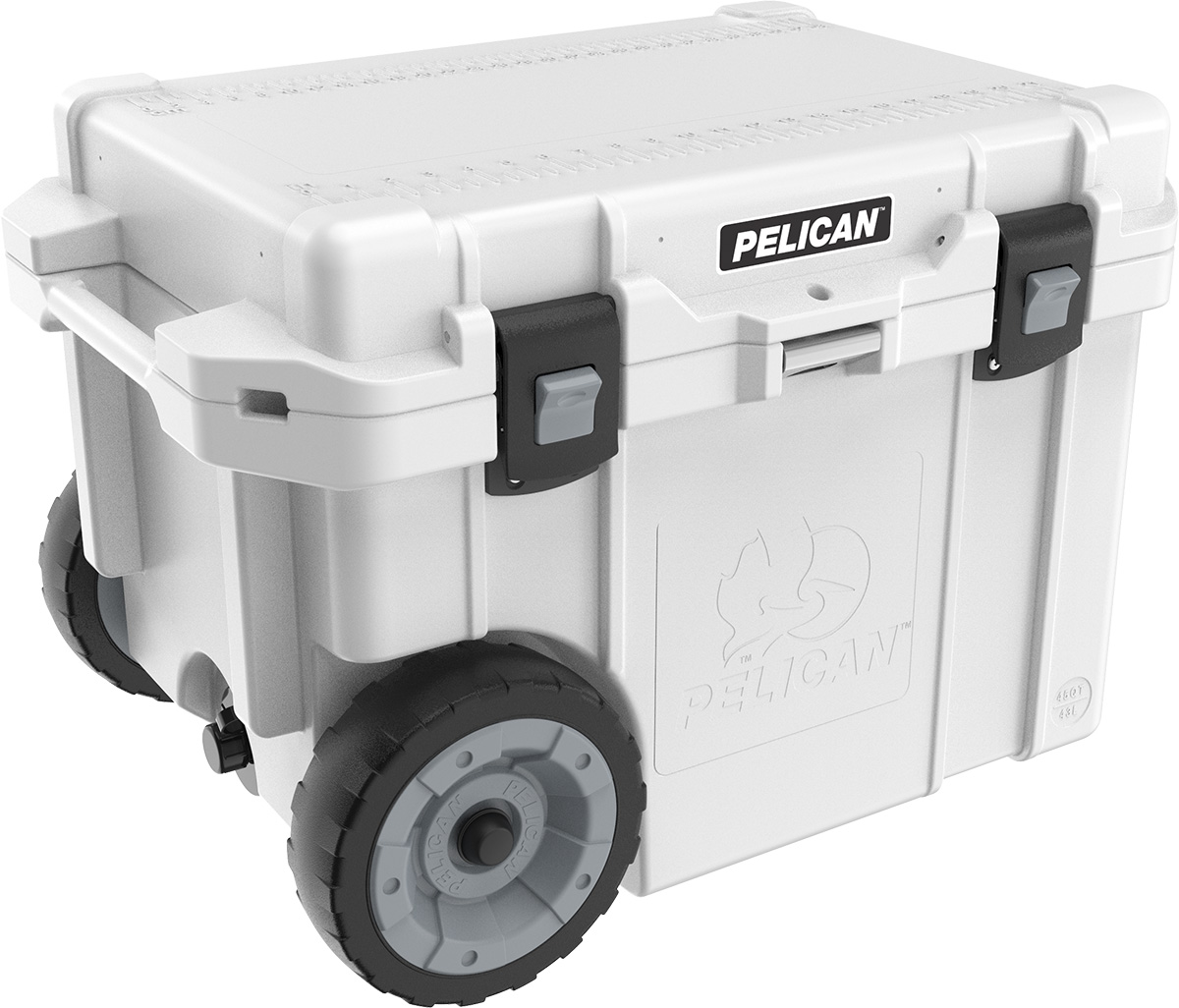
The Pelican 45QT Elite is a premium cooler similar to Yeti but often slightly cheaper. It's very durable and keeps ice for 5+ days. Its integrated bottle opener and fish ruler add fun extras. For beginners who want premium without the Yeti price tag, this is a great choice.
✓ Beginner Pros
+Excellent ice retention
+Integrated bottle opener
+Molded-in handles for two-person carry
+Bear-resistant
✗ Beginner Cons
-Heavy (24 lbs)
-Expensive for a beginner
-Latches can be stiff initially
👍 Best for: Beginners who want premium performance and don't mind the weight.
👎 Not for: Those on a tight budget or needing a lightweight cooler.
Camping coolers come in three main types: rotomolded (high-end, very durable, heavy), injection-molded (mid-range, good balance of price and performance), and cheap plastic coolers (thin insulation, poor ice retention). For beginners, an injection-molded cooler from Coleman or Igloo offers the best value. These coolers are light, affordable, and keep ice for 2-3 days, perfect for weekend trips. Rotomolded coolers like Yeti are overkill for most beginners due to their weight and cost. A 48-60 quart size is ideal for two people for a weekend. Remember: cooler performance depends on pre-chilling, packing, and not opening it often. A simple cooler used wisely beats an expensive one used poorly.
🔧 Essential Accessories for Beginners
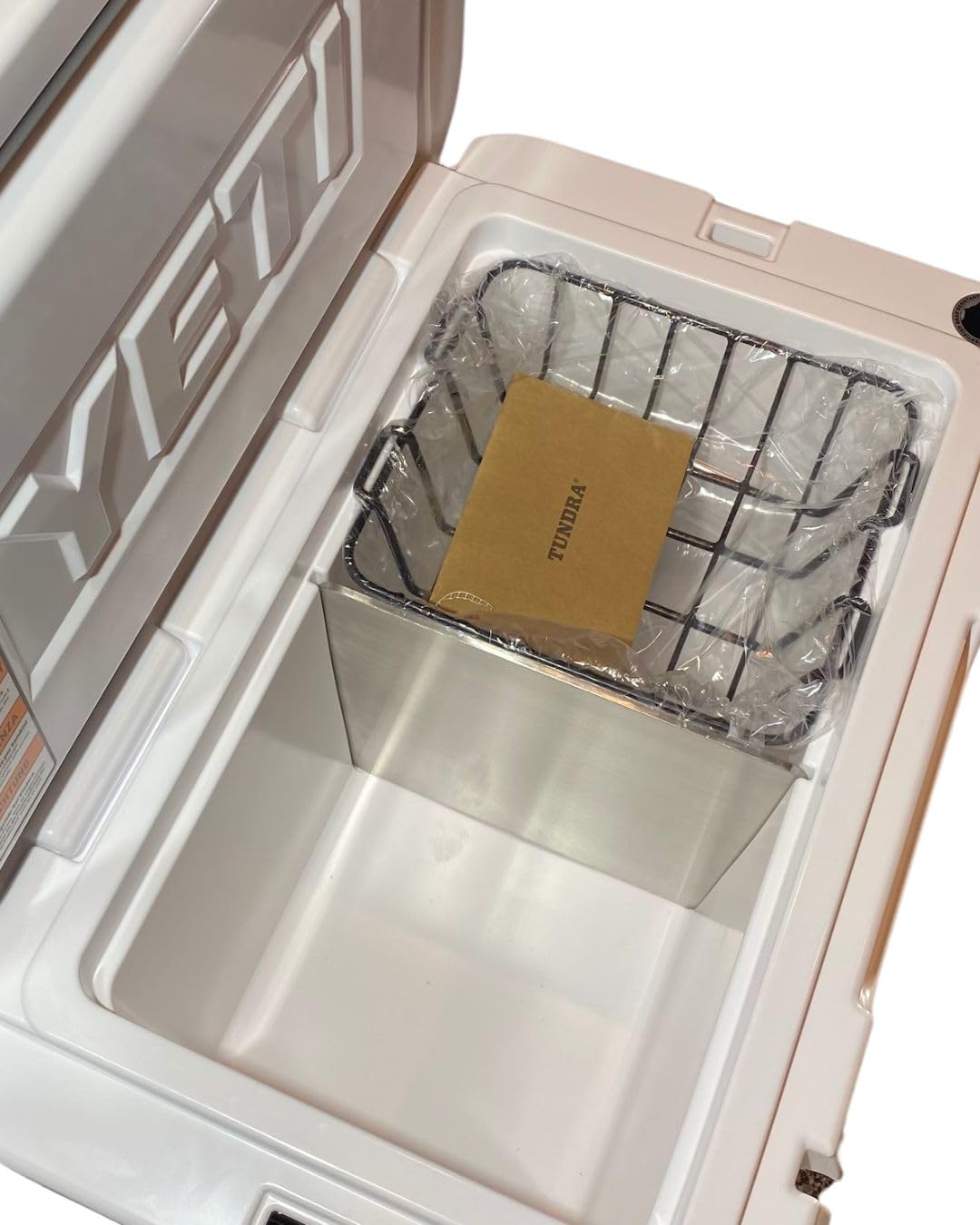
Coghlan's Cooler Divider/Organizer
👍 Recommended
$12.99
When to buy:
Day one
A divider helps separate food from drinks, keeping items organized and preventing crushing. It also helps maintain cold temperatures by reducing empty space. Beginners often overlook organization, which leads to wasted space and faster ice melt.
Reusable ice packs are cleaner and last longer than loose ice. They don't create watery puddles and keep food dry. Beginners often rely on bagged ice, which melts quickly. These packs are especially useful for day trips.
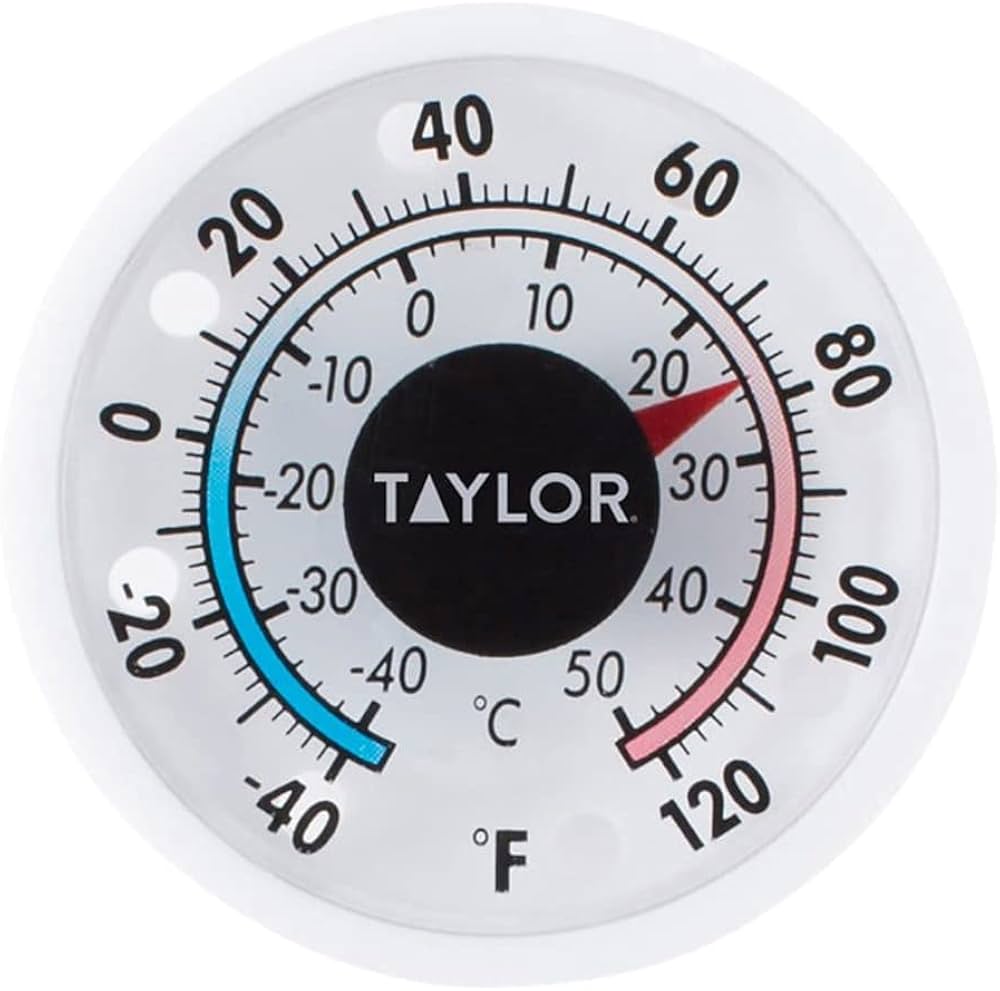
A thermometer lets you know your cooler's internal temperature without opening the lid. This helps you gauge ice life and food safety. Beginners often guess when to add ice; a thermometer takes the guesswork away.
Ask yourself: How many people? How many days? Car camping or hiking? For car camping with a family of four for a weekend, a 50-60 quart cooler is perfect. If it's just for drinks and lunch for two, 25-40 quarts works. Your budget: $50-80 gets a basic cooler that works fine for occasional use; $80-130 gives better insulation and durability; $130+ enters premium territory. Stick to reputable brands (Coleman, Igloo, Yeti, Pelican) for reliability. Red flags: coolers with thin plastic walls, poor latch reviews, or no drain plug.
💰 Budget Guide for Beginners
200+
Professional entry – rotomolded coolers (Yeti, Engel) for serious campers. Unnecessary for most beginners.
50 - $100
Sweet spot – best value for most beginners. Coolers like Coleman Xtreme or Igloo Latitude hold ice for 2-3 days, light enough to carry, and durable for years.
100 - $200
Premium beginner – better insulation and stronger build, like Pelican 35QT. Good if you plan to camp 3+ days often.
Under $ - $50
Entry level – good for a single day, but ice lasts less than 24 hours. Buy only if you're on a strict budget and only day-tripping.
⚠️ Common Beginner Mistakes to Avoid
Common mistakes include buying too small or too large, ignoring weight (a 45-lb empty cooler is hard to manage), and thinking 'more expensive = better ice'. Also, many beginners forget to pre-cool the cooler, put warm drinks inside, or leave it in direct sun. Another mistake is skipping a drain plug – it makes cleaning much easier. Finally, avoid cheap coolers with no brand; they often leak and fail quickly.
×Buying a cooler too large for actual needs
×Ignoring weight – heavy coolers are hard to carry
×Thinking expensive rotomolded is necessary for a first cooler
📈 Your Progression Path: Beginner to Intermediate
Start with a mid-range injection-molded cooler (like Coleman Xtreme) for your first season. Learn to pack efficiently, pre-chill, and use block ice for longer cooling. Once you find yourself camping 4+ days or in hot climates, consider upgrading to a rotomolded cooler (Yeti, Pelican) for better ice retention. You'll know it's time when you need ice to last 5+ days or you're tired of replacing ice mid-trip. Also, you might want a second cooler for drinks vs food. With experience, you'll build a system that works for your trips.
📚 Learning Resources for Beginners
📖Book: The Complete Guide to Camping Coolers (search on Amazon)
📖YouTube channels like 'The Outdoor Gear Review'
📖Online forums: Reddit r/camping
📖Cooler maintenance guide (free online)
🎯 Bottom Line: Our Recommendations
For most beginners, the Coleman Xtreme 5 52-Quart (or similar) is the best overall pick: affordable, light, and holds ice for 3 days. On a tight budget, the Igloo Latitude 60 is a solid entry-level choice. If you want to buy something you'll keep for years and have the budget, go with a Yeti Tundra 45 – it's heavy but bulletproof. Essential accessories: a cooler divider, a thermometer, and a soft-side cooler bag for day trips. Remember, a good cooler is one that fits your trips and your budget – start simple and upgrade later if needed.
❓ Frequently Asked Questions
The Coleman Xtreme 5 52-Quart is widely considered the best for beginners. It's affordable, lightweight, holds ice for up to 3 days, and has a drain plug for easy cleaning.
Most beginners should spend between $50 and $130. This range gets you a quality cooler like Coleman Xtreme or Igloo Latitude that lasts for years. Avoid spending over $200 until you're sure you need premium features.
For a weekend trip for two people, a 40-60 quart cooler is ideal. For solo trips or day outings, 20-30 quarts works. Oversized coolers are heavy and unwieldy.
Generally, no. Yeti coolers are expensive and heavy. They're best for frequent campers who need ice for 5+ days. For occasional use, a Coleman or Igloo is better value.
Good insulation (2+ inches), a drain plug, sturdy handles, and a reasonable weight are key. Fancy latches and bear-resistance are not necessary for car camping.
Expect 2-3 days of ice retention from a good mid-range cooler. With precooling and block ice, you can push it to 3-4 days. Rotomolded coolers can exceed 5 days.
A reusable ice pack, a divider, and a thermometer are recommended. They improve performance and convenience without much cost.
Buying too large or too cheap, not precooling the cooler, putting warm drinks inside, and overestimating ice life. Also, skipping a drain plug or divider.
Yes! They're great for tailgating, picnics, BBQs, and road trips. Some people use them as extra fridge space at home.
After each trip, wash with mild soap and water, use a baking soda paste for odors, and let it dry with the lid open. Store with lid slightly ajar to prevent mold.