7 Best Best Cast Iron Skillet for beginners in 2026: Tested & Ra…
Everything beginners need to know to choose their first cast iron skillet with confidence.
You've likely heard cast iron skillets are the ultimate kitchen workhorses—they sear, bake, fry, and even go from stovetop to oven. But if you're a beginner, the sheer variety of brands, sizes, and price points can feel overwhelming. Terms like 'seasoning,' 'pre-seasoned,' and 'enameled' are thrown around without explanation. This guide is here to cut through the noise. We'll simplify everything you need to know to pick your first cast iron skillet, avoid beginner mistakes, and start cooking with confidence. By the end, you'll know exactly which skillet is right for you and why.
📋 In This Guide
• Why Beginners Struggle with Cast Iron Skillet
• What to Look For (Key Features)
• Top 5 Beginner-Friendly Cast Iron Skillet
• Essential Accessories for Beginners
• Common Beginner Mistakes to Avoid
• Your Progression Path
• FAQ & Learning Resources
😰 Why Beginners Struggle with Cast Iron Skillet
Many beginners struggle because cast iron has a reputation for being high-maintenance. You may have heard it's heavy, rusts easily, or requires special cleaning. In reality, modern cast iron skillets are more beginner-friendly than ever. Another common challenge is the overwhelming number of options—different sizes, brands, with or without enamel, and wide price ranges. Without guidance, it's easy to buy the wrong skillet (too big, too small, or one with a steep learning curve). Finally, fear of making a mistake—ruining the seasoning or warping the pan—holds many back. But with the right information, you'll see cast iron is forgiving and rewarding.
🔍 What to Look For: Key Beginner-Friendly Features
As a beginner, focus on these key factors: size (10 to 12 inches is most versatile), weight (heavier retains heat better but is harder to handle), pre-seasoning (already has a nonstick coating, so you can start cooking right away), handle design (long handle for leverage, maybe a helper handle), and price (you don't need to spend a fortune). Features like enamel coating (easier to clean but can chip) are optional. Avoid thin, poorly-made skillets that warp or heat unevenly. Look for a smooth cooking surface (not bumpy) and even thickness. Brands like Lodge offer excellent value for beginners.
✅ Essential Features for Beginners
•Pre-seasoned surface – ready to cook out of the box
•Even heat distribution – prevents hot spots for consistent results
•Durable construction – withstands high heat and metal utensils
•Good weight balance – not too heavy to handle easily
•Wide handles – provides a secure grip and reduces risk of dropping
•Affordable price – you don't need to spend a lot for quality
•Compatibility with all cooktops (including induction and oven)
🏆 Top 5 Best Cast Iron Skillet for Beginners
#1
💰 Budget
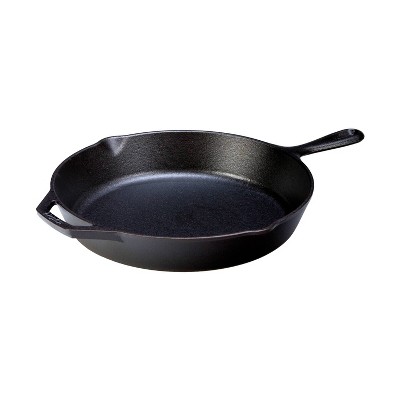
Lodge 12-Inch Pre-Seasoned Cast Iron Skillet
Learning Curve: Easy
$39.99
Difficulty: 2/5
Why Great for Beginners:
This is the most trusted entry-level skillet. It comes pre-seasoned, so you can start cooking immediately. Lodge has been making cast iron for over 100 years, and this skillet offers excellent heat retention and durability at an unbeatable price.
✓ Beginner Pros
+Pre-seasoned and ready to use
+Very affordable
+Proven durability and even heating
+Compatible with all heat sources including induction
+Large handle and helper handle for easy lifting
✗ Beginner Cons
-Heavy (about 8 lbs) – may be difficult for some to handle
-Rough cooking surface (can snag on food until seasoned more)
-Not enameled – requires drying and oiling after each use
👍 Best for: Budget-conscious beginners who want a reliable, no-frills skillet.
👎 Not for: Those who need a lightweight pan or want enameled easy cleanup.
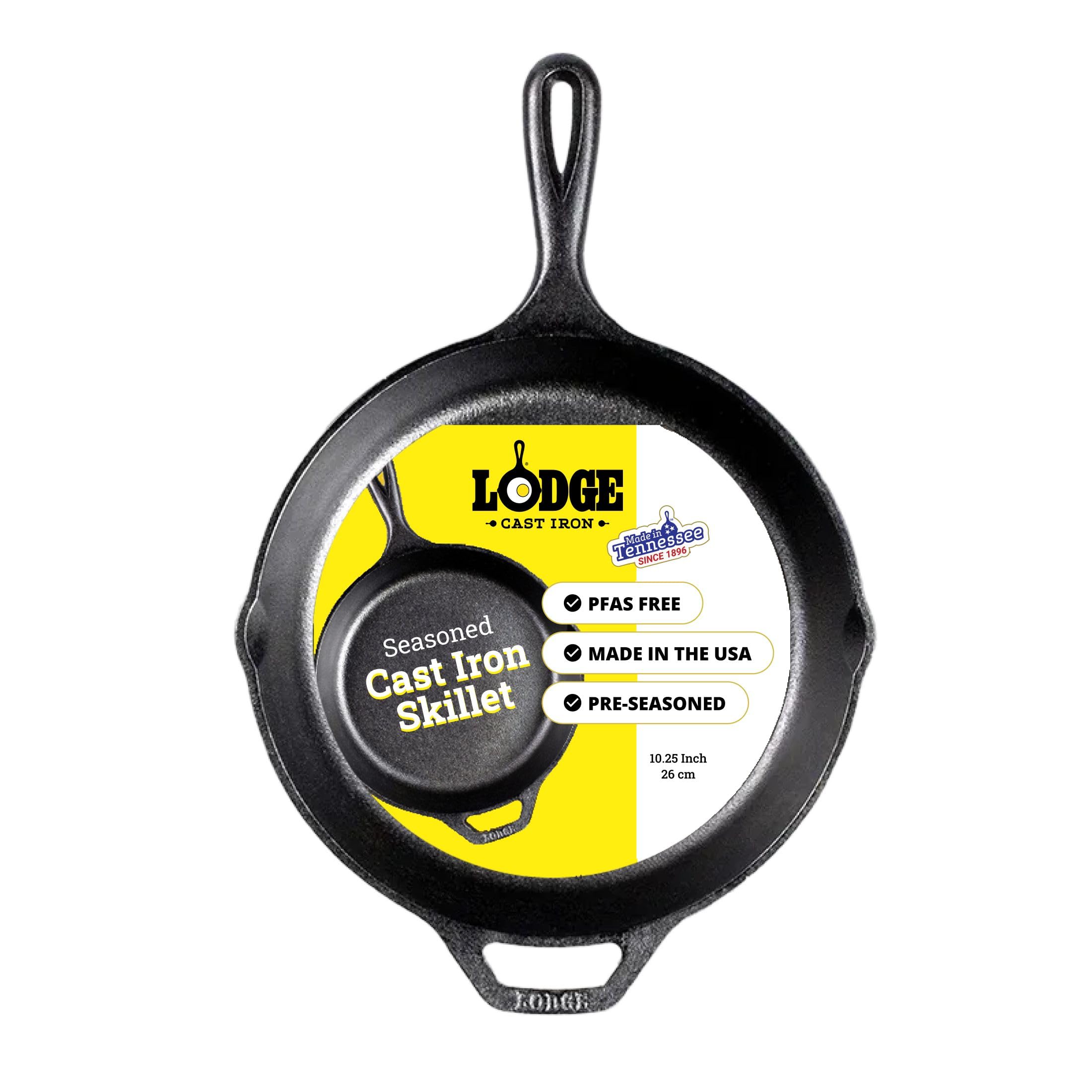
A slightly smaller and lighter version of the classic Lodge skillet. Perfect for singles or couples. Still pre-seasoned and affordable, but easier to handle and store. Great for learning the basics without being overwhelmed by a large pan.
✓ Beginner Pros
+Lighter weight (about 5 lbs) – easier to maneuver
+Pre-seasoned and ready to use
+Economical – one of the best value skillets
+Versatile size for most everyday recipes
✗ Beginner Cons
-May be too small for cooking for more than two people
-Rough surface like its larger sibling
-Not suitable for large cuts of meat
👍 Best for: Beginners cooking for 1-2 people or those with limited storage space.
👎 Not for: Home cooks who frequently cook large batches or whole chickens.
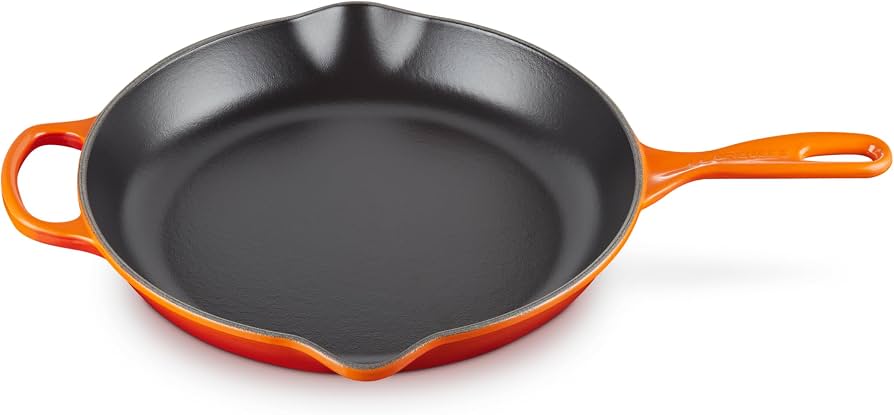
Le Creuset Signature 11.75-Inch Enameled Cast Iron Skillet
Learning Curve: Easy
$199.99
Difficulty: 1/5
Why Great for Beginners:
Le Creuset is the gold standard for enameled cast iron. This skillet combines the heat retention of cast iron with a smooth, colorful enamel finish that never needs seasoning. It's nonstick, easy to clean, and resistant to rust. Perfect for beginners who want a low-maintenance but high-performance skillet.
✓ Beginner Pros
+No seasoning required – enamel is naturally nonstick
+Easy to clean – dishwasher safe (though hand washing recommended)
+Lightweight compared to bare cast iron of similar size
+Beautiful colors – adds style to kitchen
✗ Beginner Cons
-Expensive – several times the cost of Lodge
-Not oven safe above 500°F (enamel can crack)
-Enamel can chip if dropped or overheated
-Heavy upfront investment for a first skillet
👍 Best for: Beginners with a higher budget who want a low-maintenance skillet they can enjoy for years.
👎 Not for: Budget-conscious beginners or those who prefer the traditional cast iron patina.
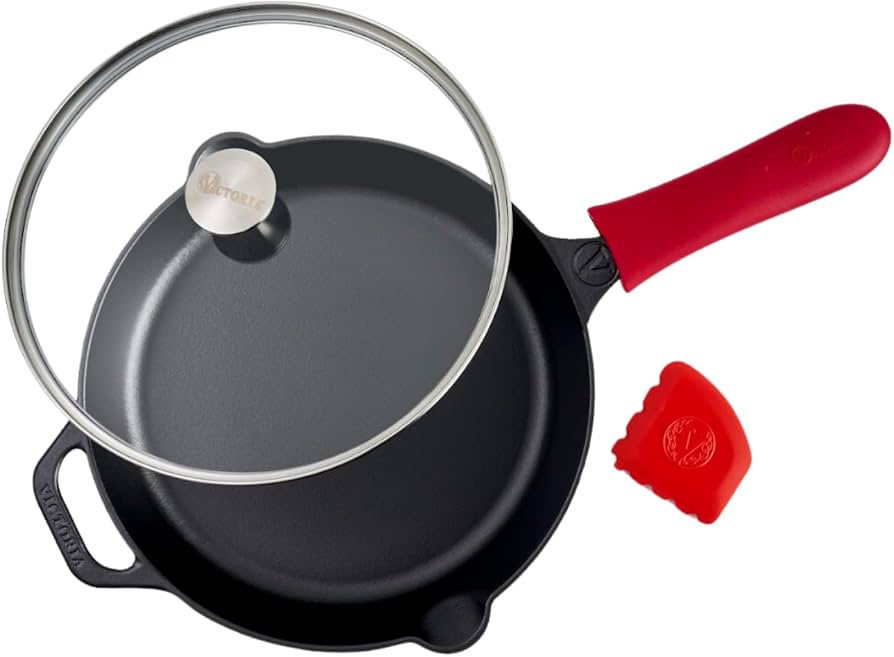
Victoria is a popular alternative to Lodge. This skillet is pre-seasoned with vegetable oil and has a slightly smoother cooking surface than Lodge. It also features a longer handle with a hole for hanging and a helper handle. A great choice for beginners who want a classic skillet with a few ergonomic touches.
✓ Beginner Pros
+Pre-seasoned with a smoother surface than Lodge
+Longer handle with hanging hole – easy storage
+Excellent heat retention and even heating
+Affordable price
✗ Beginner Cons
-Still heavy (about 7.5 lbs)
-Not as widely available as Lodge
-Some users report slight warping over time
👍 Best for: Beginners who prefer a smoother cooking surface than Lodge but want a similar price point.
👎 Not for: Those who want a lightweight or enameled skillet.
Cuisinart Chef's Classic 12-Inch Cast Iron Skillet
Learning Curve: Easy
$49.99
Difficulty: 2/5
Why Great for Beginners:
Cuisinart offers a pre-seasoned cast iron skillet with a wide, ergonomic handle and a helper handle. It has a slightly lighter weight than Lodge due to a thinner build, making it a bit easier to handle. Good for beginners who want a name brand with a slight weight advantage.
✓ Beginner Pros
+Lighter than many competitors (about 6.5 lbs)
+Pre-seasoned and ready to use
+Wide, comfortable handle with a helper handle
+Even heat distribution
✗ Beginner Cons
-Thinner construction may be less durable
-Some reports of uneven seasoning out of the box
-Not as well-known for cast iron as Lodge
👍 Best for: Beginners who want a lighter skillet from a reputable kitchen brand.
👎 Not for: Those who prioritize maximum durability and heat retention.
Cast iron skillets are made from a single piece of iron and are prized for their heat retention and even cooking. They come in two main types: bare cast iron (needs seasoning to be nonstick) and enameled cast iron (coated with a glass-like finish, easier to clean but more expensive). For beginners, bare pre-seasoned skillets are ideal—they're affordable and come with a factory seasoning that improves with use. Non-enameled skillets develop a natural nonstick patina over time and can handle high heat and metal utensils. Enameled skillets are better for acidic foods (like tomato sauce) and are easier to clean, but they can chip if dropped. Size-wise, a 10-inch skillet is great for 1-2 people, while a 12-inch is better for families. Don't buy a giant skillet as your first—it's heavy and hard to maneuver. Realistic expectations: cast iron heats up slowly but stays hot; it's not as nonstick as Teflon initially (but gets better); and it requires a bit of care (drying thoroughly after washing). But it's incredibly durable and can last a lifetime.
🔧 Essential Accessories for Beginners
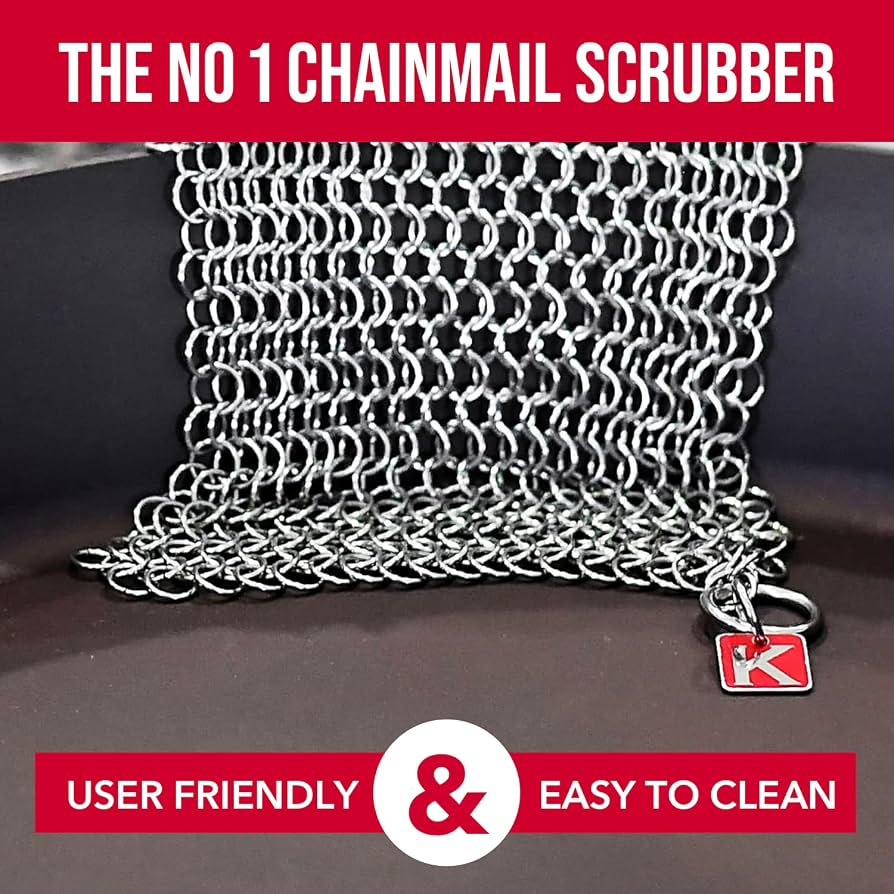
RINSI Chainmail Scrubber for Cast Iron
⚠️ Essential
$12.99
When to buy:
Day one
A chainmail scrubber is the best way to clean sticky food residue without damaging the seasoning. Unlike steel wool, it won't strip the nonstick layer. Beginners will find it much easier to maintain their skillet with this gentle but effective scrubber.
Beginner Benefits:
• Cleans effectively without soap (preserves seasoning)
Cast iron handles get extremely hot. A silicone handle holder provides a heat-resistant grip so you can safely move the skillet. It's much more convenient than using potholders every time.
Beginner Benefits:
• Prevents burns – critical for beginners unfamiliar with heat
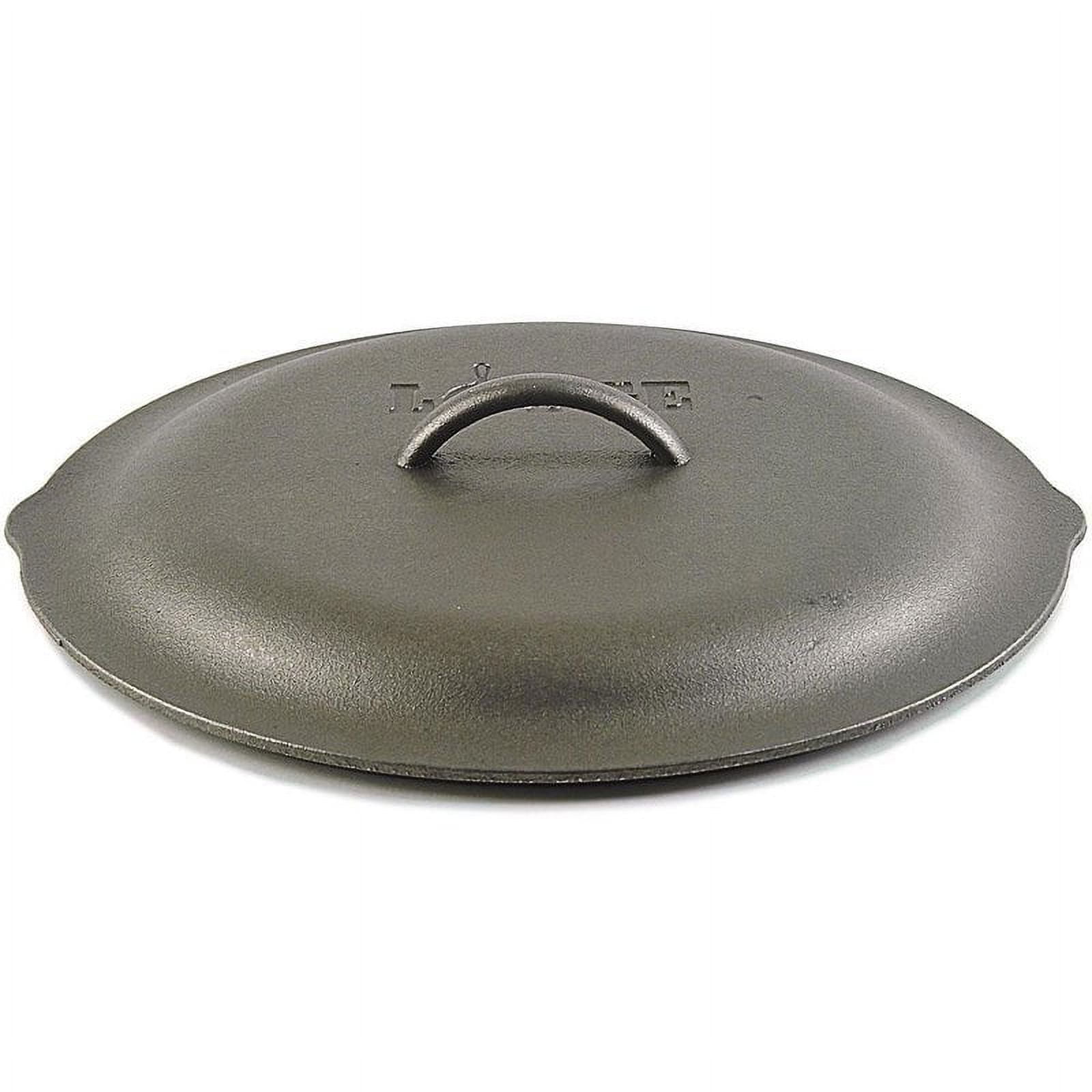
A lid helps with heat retention, speeds up cooking, and allows for steaming, braising, and keeping food warm. Many beginner recipes (like one-pan chicken or roasted vegetables) benefit from a cover.
Beginner Benefits:
• Expands cooking versatility – enables braising and steaming
A flat spatula is essential for flipping eggs, pancakes, and burgers. Nylon or silicone is safe for nonstick surfaces and won't scratch the seasoning. Beginners often use metal spatulas which can remove seasoning if scraped hard.
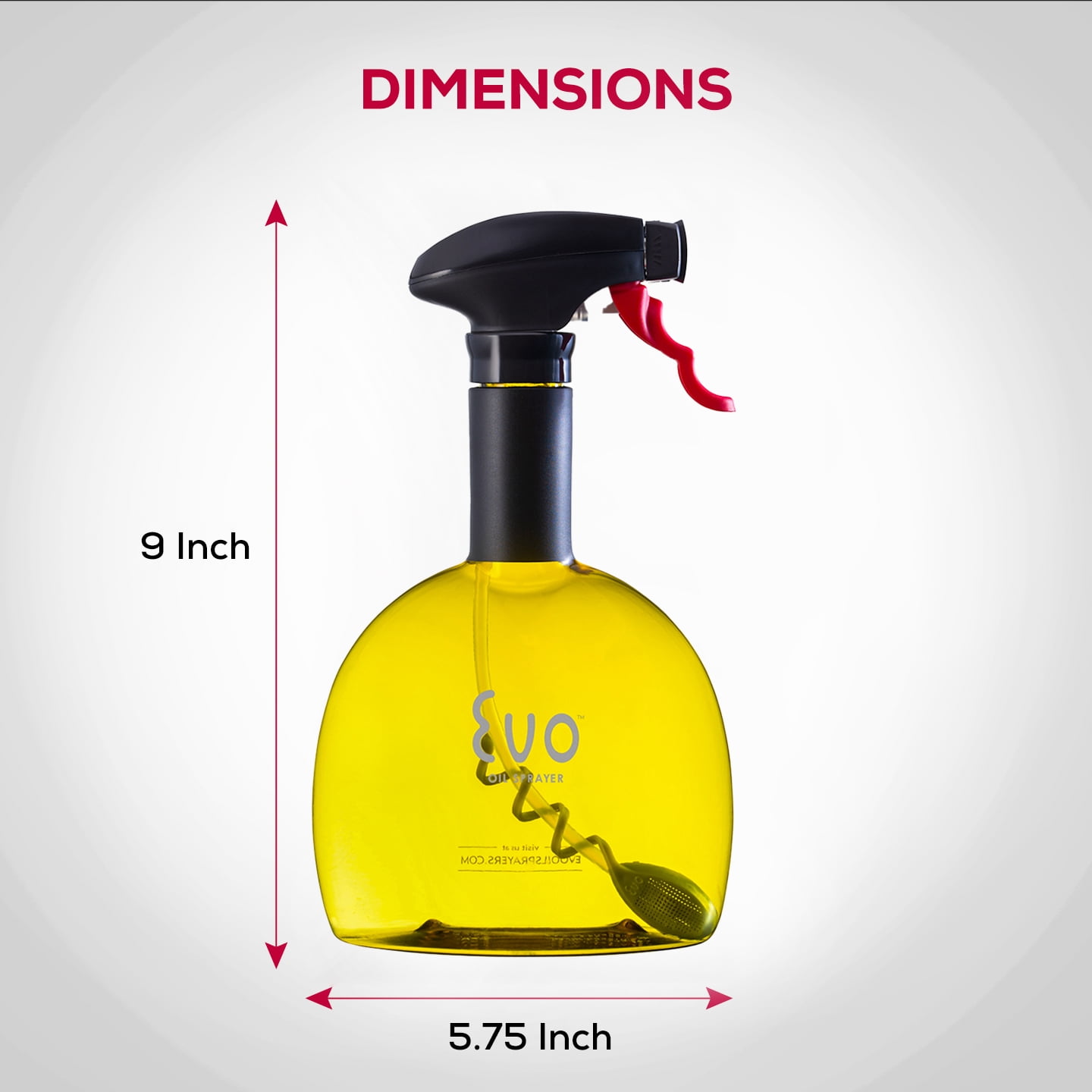
Using too much or too little oil is a common beginner mistake. An oil sprayer lets you apply a thin, even layer of oil for seasoning or cooking. This helps build seasoning evenly and prevents sticky spots.
Beginner Benefits:
• Controls oil amount – prevents over-oiling
• Even application – helps season the pan uniformly
Start by asking yourself: How many people will I cook for? What stovetop do I have (gas, electric, induction)? Do I mind a little extra maintenance? Budget is also key—good pre-seasoned skillets start around $20, enameled ones from $50 up to $200+. For most beginners, a 10- or 12-inch pre-seasoned skillet in the $25-$40 range is perfect. If you have a higher budget and want easier cleanup, consider an enameled skillet. Avoid buying the cheapest off-brand skillet (often warps). Also think about future growth: a versatile size like 12 inches will serve you well even as you improve. Red flags: skillets that are very lightweight (thin metal), have rough surfaces, or are sold without pre-seasoning (unless you want to season yourself).
💰 Budget Guide for Beginners
150+
Professional entry – top brands like Le Creuset or Staub, lifelong durability, but not necessary for beginners
30 - $70
Sweet spot – pre-seasoned, solid construction, excellent value for most beginners
70 - $150
Premium beginner – often enameled or lighter weight, easier cleaning, higher quality
Under $ - $30
Entry level – adequate for trying out cast iron, may warp with high heat, usually unseasoned
⚠️ Common Beginner Mistakes to Avoid
Five common mistakes beginners make: 1) Buying a skillet that's too heavy to handle comfortably. 2) Using too much heat (cast iron doesn't need high heat for most tasks). 3) Scrubbing with soap aggressively (strips seasoning; mild soap is okay). 4) Storing wet (leads to rust). 5) Not drying and oiling after cleaning. Other mistakes include buying a skillet with a helper handle that's too small, or skipping a lid (useful for many recipes). Avoid expensive enameled skillets if you're unsure you'll use cast iron frequently. And don't be afraid to make mistakes—cast iron is very forgiving and can be re-seasoned.
×Buying a skillet that is too large or heavy for their strength
×Using high heat for everything (causes sticking and smoking)
×Washing with harsh detergents or steel wool (damages seasoning)
×Not drying the skillet thoroughly after washing (leads to rust)
×Storing without a thin layer of oil (surface can become dry)
×Skipping a lid – many recipes benefit from covered cooking
×Buying an enameled skillet without understanding chipping risk
×Expecting nonstick performance right away (seasoning improves over time)
📈 Your Progression Path: Beginner to Intermediate
Start with mastering basic techniques: searing meat, frying eggs, baking cornbread. Learn to season your skillet (or maintain the factory seasoning). Once comfortable, try cooking acidic foods (if using enameled) or build up a robust seasoning on bare iron. Upgrade path: after a year, you might want a larger skillet (14-inch), a Dutch oven (for soups and bread), or a griddle. You'll know you've outgrown your beginner skillet when you want more even heat, lighter weight, or specialized features like enamel for acidic cooking. Intermediate users often add a second skillet in a different size or material (like carbon steel). But many home cooks happily use their first Lodge skillet for decades.
📚 Learning Resources for Beginners
📖"The Cast Iron Skillet Cookbook" by Sharon Kramis – beginner recipes and tips
📖"Cast Iron: The Ultimate Guide" by Dennis Weaver – covers care and techniques
📖Chainmail scrubber – essential for cleaning without damaging seasoning
📖Silicone handle holders – protect hands while cooking
📖Cast iron skillet cover – helps with heat retention and moisture
🎯 Bottom Line: Our Recommendations
For most beginners, the Lodge 12-Inch Pre-Seasoned Cast Iron Skillet is the best choice—it's affordable, durable, and versatile. If you prefer a lighter pan with a helper handle, the Victoria 12-Inch is a great alternative. For those wanting enameled ease, the Le Creuset 11.75-Inch is premium but beginner-friendly. Essential accessories: a chainmail scrubber, silicone handle holder, and a spatula. Don't overthink it—cast iron is tougher than it seems. Pick a well-reviewed pre-seasoned skillet in a standard size, start cooking, and enjoy the journey.
❓ Frequently Asked Questions
For most beginners, the Lodge 12-Inch Pre-Seasoned Cast Iron Skillet is the best all-around choice. It's affordable, pre-seasoned, durable, and available everywhere. If you need a lighter skillet, the Victoria 12-Inch is a great alternative with a smoother surface.
You don't need to spend more than $30-40 for an excellent beginner skillet. The sweet spot is between $25 and $50. Spending more than $100 is unnecessary unless you want an enameled skillet like Le Creuset for easier cleaning.
Beginners should prioritize a pre-seasoned surface (so you can cook right away), a comfortable handle (preferably with a helper handle for safety), and a versatile size (10-12 inches). Avoid non-seasoned skillets unless you're willing to season them yourself.
Enameled cast iron skillets like the Le Creuset are the easiest because they don't require seasoning and are nonstick. However, they are expensive and can chip. Among bare cast iron, the Lodge 10.25-inch is lighter and easier to handle than larger models.
Essential accessories: a chainmail scrubber (for easy cleaning without damaging seasoning), a silicone handle holder (to prevent burns), and a flat spatula (nylon or silicone). A lid is highly recommended for expanding cooking options.
Consider your kitchen size, cooktop type, and budget. For gas or electric, any skillet works. For induction, ensure the skillet is flat and ferrous (most are). Choose a size based on how many you cook for: 10-inch for 1-2 people, 12-inch for families.
No, modern pre-seasoned cast iron is quite beginner-friendly. The main learning curve is proper cleaning (no soap scrubbing) and drying to prevent rust. Once you get the hang of it, cast iron is forgiving and rewarding.
Common mistakes: using high heat (causes sticking), washing with soap and steel wool (strips seasoning), storing wet (leads to rust), and cooking acidic foods in unseasoned bare iron (can leach metallic taste and damage seasoning).