Pick your first mirrorless camera with confidence – our guide simplifies choices, top picks, and avoids beginner pitfalls.
Choosing your first mirrorless camera feels overwhelming with endless models, specs, and prices. Beginners worry about wasting money on something too complicated or buying the wrong type. Don't stress – this guide is designed for total newcomers, focusing on mirrorless cameras that are easy, forgiving, and fun from day one.
Mirrorless cameras are perfect for beginners because they're compact, lightweight, and packed with helpful auto modes that do the thinking for you. We'll break down struggles, key features, and hand-pick Amazon options that won't break the bank. By the end, you'll know exactly what to buy and feel excited to start shooting.
📋 In This Guide
• Why Beginners Struggle with Camera
• What to Look For (Key Features)
• Top 4 Beginner-Friendly Camera
• Essential Accessories for Beginners
• Common Beginner Mistakes to Avoid
• Your Progression Path
• FAQ & Learning Resources
😰 Why Beginners Struggle with Camera
Beginners dive into camera shopping and get hit with a wall of confusion: APS-C vs full-frame? Megapixels? What lens? Forums like Reddit's r/photography are full of stories about people buying DSLRs by mistake or cheap point-and-shoots that frustrate with poor quality.
The fear of 'buyer's remorse' is real – spending $500 only to realize it's too fiddly or lacks basic help like guided modes. Over 70% of beginner reviews mention getting lost in menus or not knowing what matters, like battery life for a full day out. Plus, options explode yearly, making decisions paralyzing without guidance.
🔍 What to Look For: Key Beginner-Friendly Features
Focus on cameras with simple auto modes that handle settings for you, a flip-out screen for selfies and vlogging, and a kit lens to start shooting immediately. Look for electronic viewfinders (EVF) that preview shots perfectly and image stabilization to reduce blurry photos from shaky hands.
Beginner-friendly means forgiving errors – good low-light performance without manual tweaks and apps for easy phone transfers. Skip megapixel wars (24MP is plenty); prioritize battery life (300+ shots) and lightweight build under 1 lb. These keep photography fun, not frustrating.
✅ Essential Features for Beginners
•Auto and scene modes that adjust settings automatically
•Flip-out touchscreen for easy framing and selfies
•Kit lens included for instant shooting
•In-body or lens stabilization to fight blur
•Eye-detect autofocus for sharp portraits
•Guided menus and tutorials built-in
•Long battery life (300+ shots per charge)
🏆 Top 4 Best Camera for Beginners
#1
💰 Budget
Canon EOS M200 Mirrorless Camera with 15-45mm Lens
Learning Curve: Easy
$499.00
Difficulty: 1/5
Why Great for Beginners:
This Canon is super light and has creative auto modes that guide you step-by-step. The flip screen and eye autofocus make portraits easy without fuss. Perfect entry without overwhelming buttons.
✓ Beginner Pros
+Intuitive touchscreen menus
+Long battery for all-day use
+Kit lens sharp from f/3.5
+App for quick phone sharing
+Affordable lenses available
✗ Beginner Cons
-No in-body stabilization
-Crop sensor limits low light slightly
-Menu can feel cluttered at first
👍 Best for: Casual family photographers on tight budget
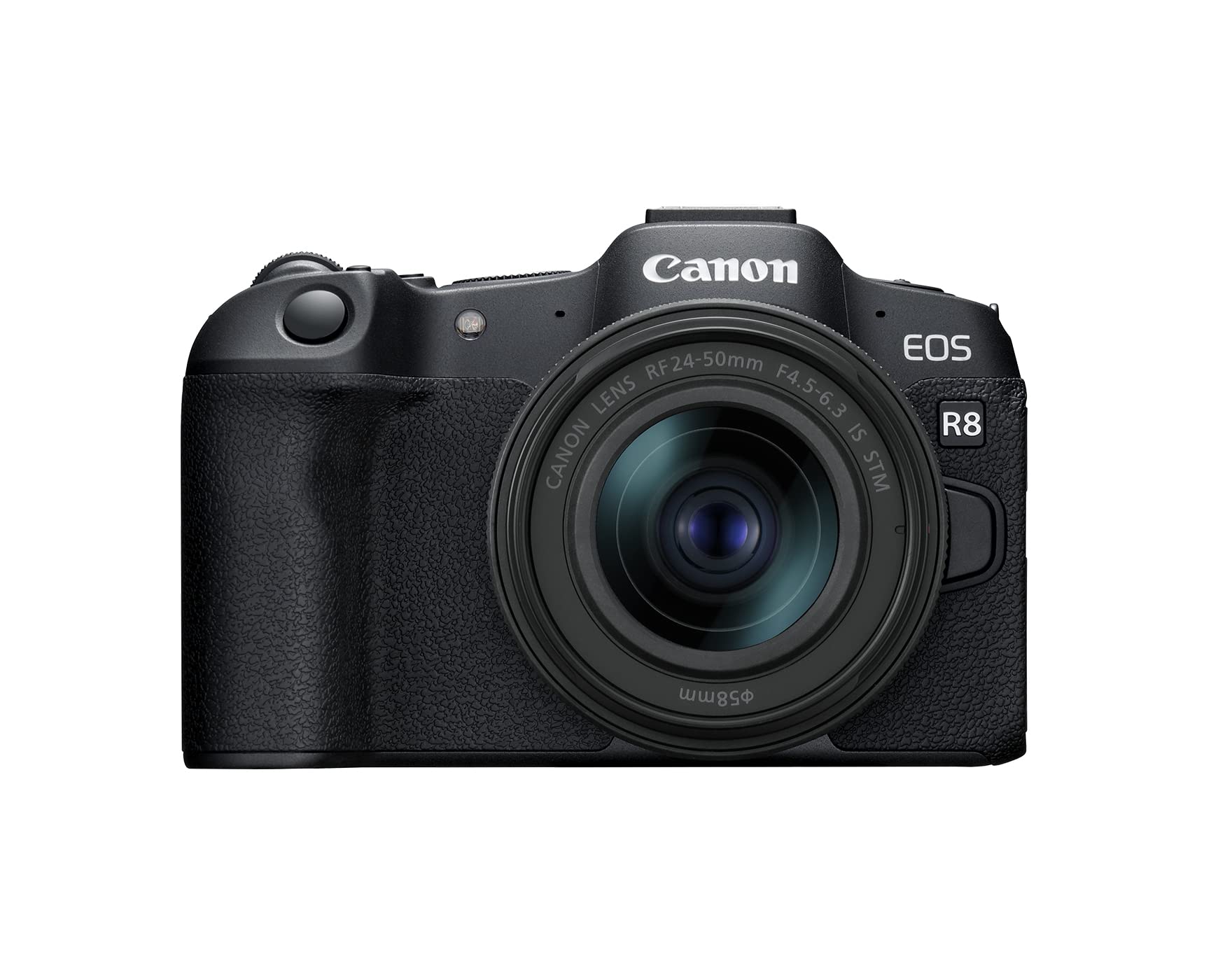
Designed for vloggers but great for all beginners with product showcase mode and background defocus button. Superb autofocus tracks faces effortlessly. Compact and fun for social media sharers.
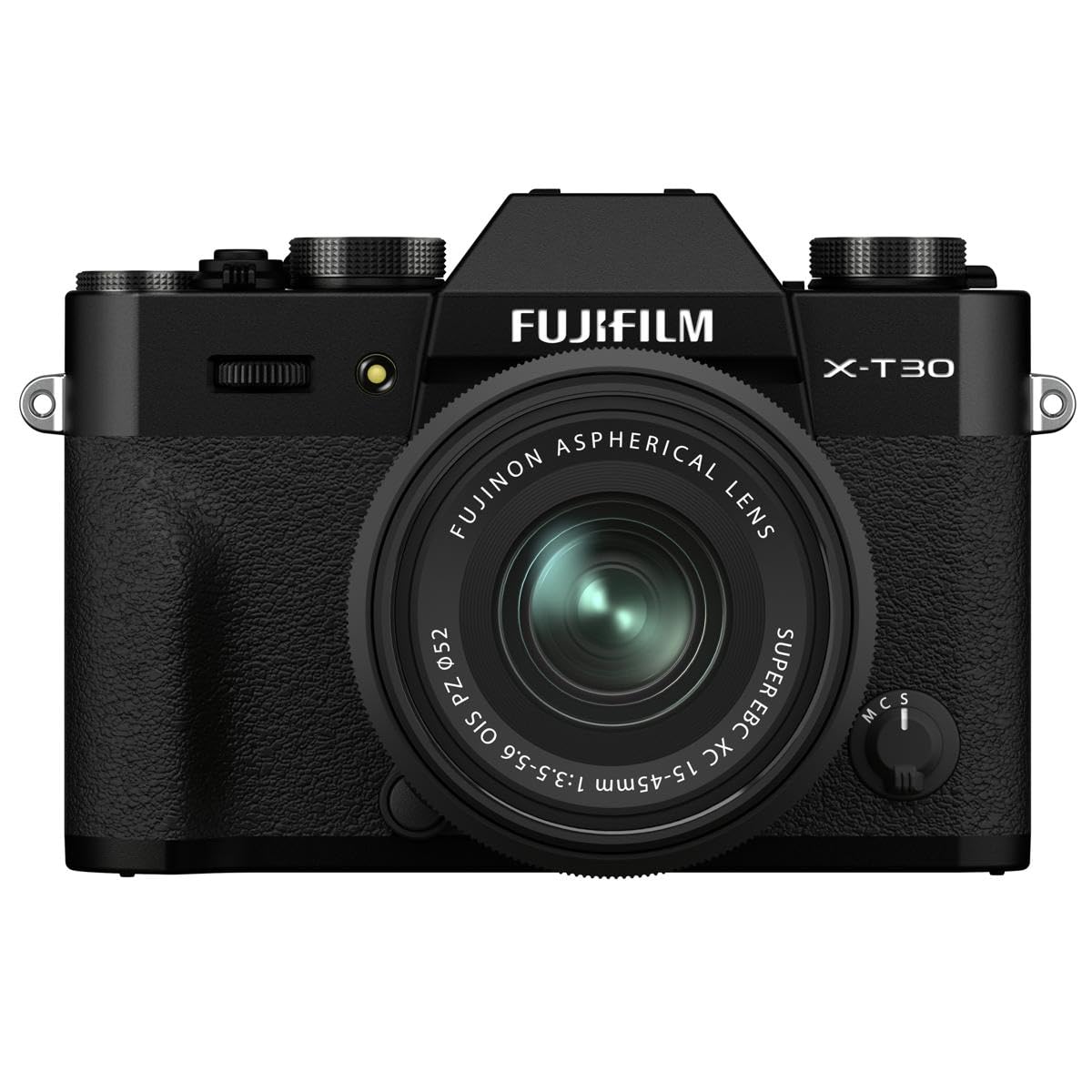
Fujifilm X-T30 II Mirrorless Camera with 15-45mm Lens
Learning Curve: Moderate
$899.00
Difficulty: 2/5
Why Great for Beginners:
Fujifilm's film simulations give instant beautiful colors without editing. Joystick for quick focus and fully automatic modes. Feels premium but simple to learn.
Mirrorless cameras use electronic viewfinders instead of mirrors like old DSLRs, making them smaller and smarter with real-time previews. For beginners, stick to APS-C sensor models – they're affordable, sharp enough, and easier than full-frame beasts.
Best for newbies: Entry mirrorless with kit zoom lenses (18-55mm). Realistic expectations: You'll get pro-looking photos in auto mode right away, but learn basics like composition over gear tweaks. 'Beginner-friendly' means intuitive apps, YouTube tutorials from the maker, and communities like Canon or Sony forums.
Marketing traps: '4K video' sounds cool but drains battery; 'weather-sealed' is overkill for indoors/outings. Evaluate by holding in-store or watching unboxings – comfort matters most.
🔧 Essential Accessories for Beginners
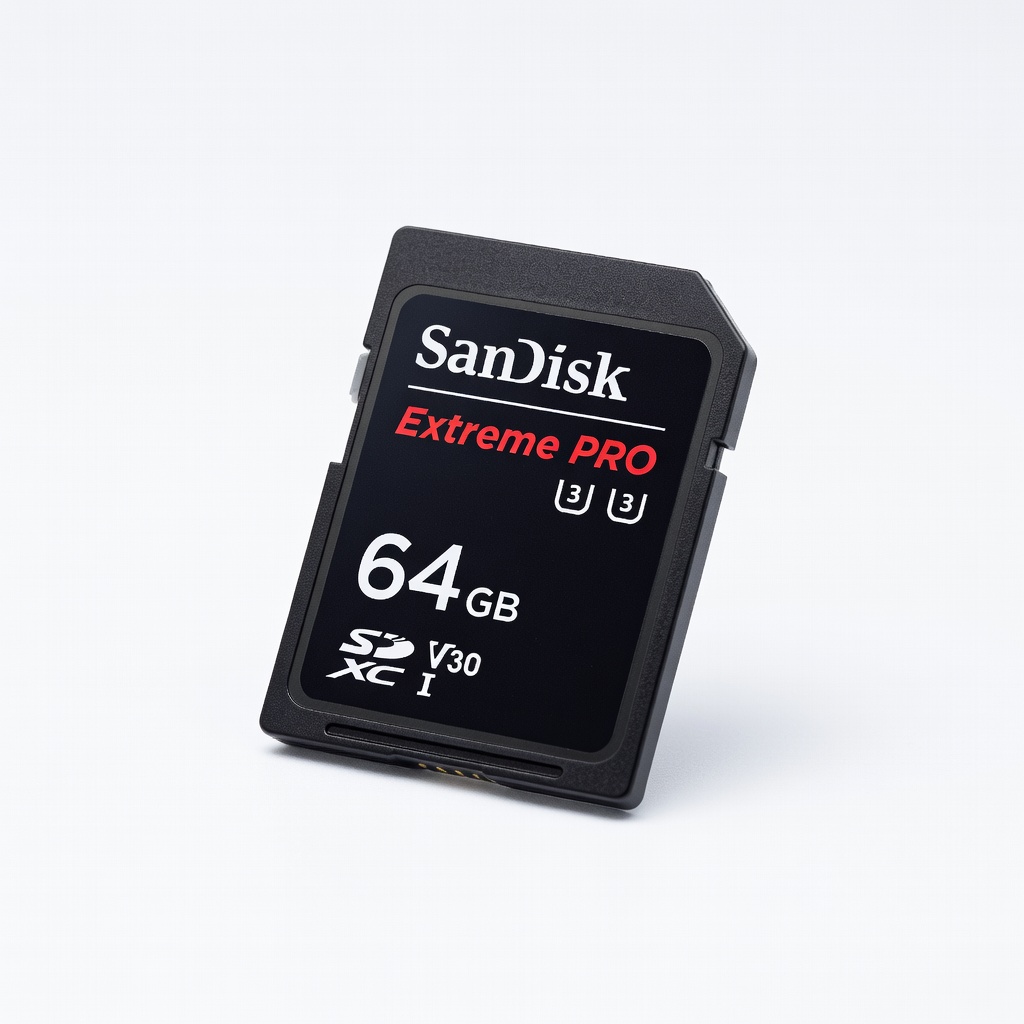
SanDisk 64GB Extreme PRO SDXC UHS-I Memory Card
⚠️ Essential
$14.99
When to buy:
Day one
Cameras fill up fast with practice shots; 64GB holds 1000+ photos. High speed prevents lag when bursting. Beginners shoot tons experimenting.
Ask: What's your budget? Under $500 for testing, $500-800 sweet spot. What will you shoot – family, travel, vlog? Pick with flip screen for video. Consider growth: Cameras with swappable lenses let you upgrade optics later.
Budget? Entry for casual snaps; recommended for serious hobby. Red flags: No kit lens (extra cost), tiny battery, no EVF. Test via Amazon's return policy.
💰 Budget Guide for Beginners
1200+
Serious starter - full features for committed learners
500 - $800
Sweet spot - best value, forgiving features, lasts 2+ years
800 - $1200
Premium beginner - pro results, room to grow without overwhelm
Under $ - $500
Entry level - basic kit for trying photography, may upgrade in 6-12 months
⚠️ Common Beginner Mistakes to Avoid
Beginners grab the cheapest Amazon deal, like $200 point-and-shoots, then complain about blur and no zoom – false economy. Others splurge on $2000 bodies thinking 'pro,' ignoring simple auto modes they need. Always buy kit lens bundles.
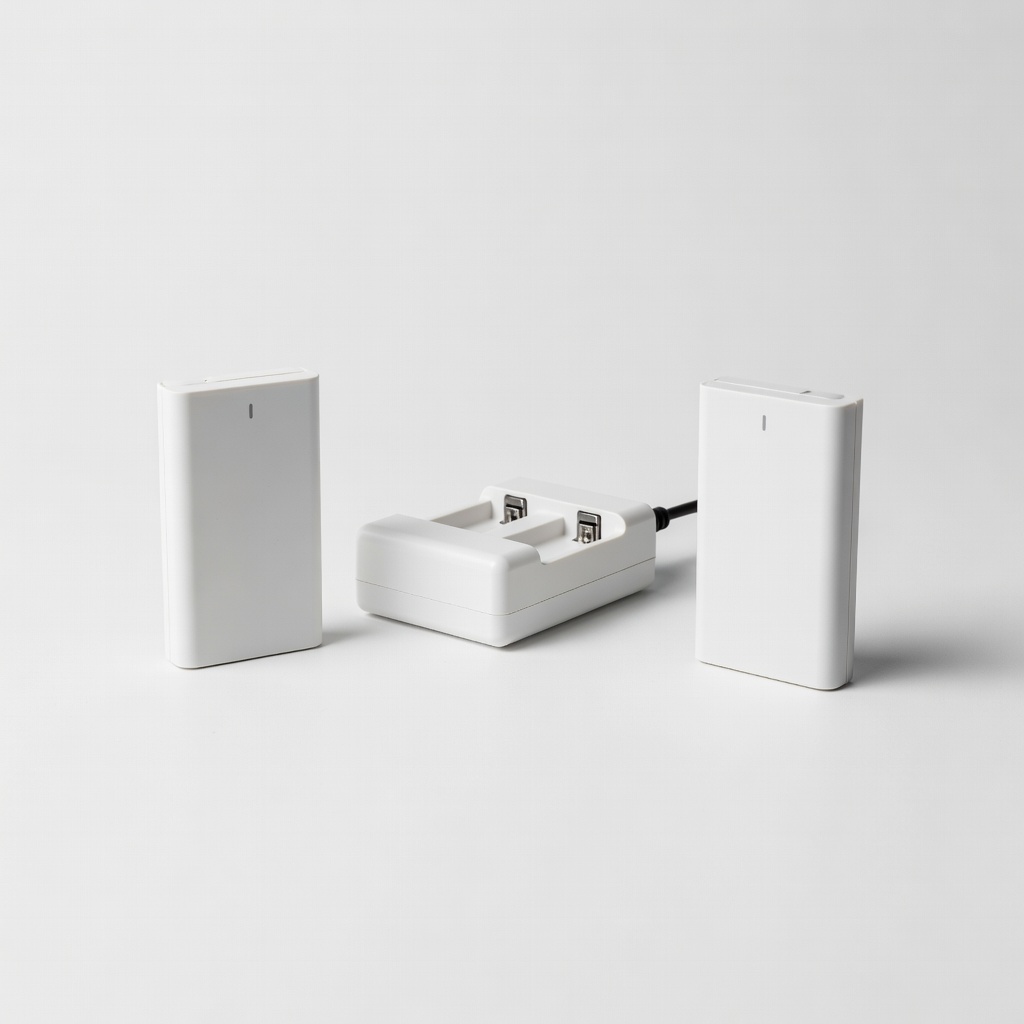
Forum regrets: Forgetting SD cards or extra batteries mid-vacation. Avoid by checklist: lens, card, battery. Test in auto first before manuals.
×Buying without kit lens (doubles cost)
×Ignoring battery life (runs out mid-shoot)
×Choosing full-frame too soon (too big/expensive)
×Over-focusing on megapixels (quality > quantity)
×Skipping stabilization (blurry beginner photos)
×No memory card/SD (can't shoot)
×Buying used without warranty (risky for newbies)
📈 Your Progression Path: Beginner to Intermediate
Start with auto/scene modes for 1-3 months, mastering composition via phone apps. Practice daily: portraits, landscapes. Outgrow when auto bores you and you crave manual control/shallow depth.
Upgrade lenses first (prime 50mm), then body after 1 year/5000 shots. Intermediate: Add ND filters, off-camera flash. Most stay beginner 6-12 months.
📖The Photographer's Guide to Posing by Lindsay Adler (ASIN: 1608956020) - Portraits easy
📖Fujifilm X-T30/X-T30 II Experience by David D. Busch (ASIN: B08P3Z5Q3K) - Model-specific
📖Canon EOS M200 User's Guide (free PDF, or Photography Basics for Dummies ASIN: 1119722729)
📖SanDisk MobileMate USB Reader (ASIN: B00MW14M1A) - Transfer practice shots fast
🎯 Bottom Line: Our Recommendations
For most beginners, Sony ZV-E10 ($698) is the sweet spot – versatile, fun, future-proof. Budget: Canon M200. Premium: Sony a6400. Grab SD card + extra battery day one.
You're ready – start simple, shoot often. Photography is 90% practice; this gear makes it joyful. Order now, hit that auto button, and capture memories!
❓ Frequently Asked Questions
Sony ZV-E10 for most – easy AF, flip screen, great value at $698. Canon M200 if under $500.
$500-800 sweet spot for lasting gear. Under $500 entry, $800+ premium.
Auto modes, kit lens, flip screen, eye AF, stabilization – keeps it simple and sharp.
Canon EOS M200 – touchscreen heaven, guided modes, difficulty 1/5.
SD card, extra battery, tripod – essentials under $60 total.
Match budget/use: family=Canon, vlog=Sony, creative=Fuji. Prioritize kit lens.
No – auto modes make it point-and-shoot+. Learn basics in weeks.
No kit lens, weak batteries, megapixel obsession – buy bundles, check life.
Mirrorless: lighter, previews, modern AF. Skip DSLR bulk.
Kit lens perfect first year; upgrade for portraits later.