Everything beginners need to choose their first boxing bag with confidence, avoid mistakes, and start punching safely at home.
Picking your first boxing bag can feel overwhelming with endless options, confusing terms like 'freestanding' vs 'hanging,' and worries about installation or stability. As a complete beginner, you might fear buying something too flimsy that tips over or too advanced that gathers dust. Don't worry - this guide is designed for you.
We'll break it down simply: what features matter most, top beginner-friendly picks on Amazon, must-have accessories, and pitfalls to skip. By the end, you'll know exactly what to buy to start shadowboxing and building confidence without frustration.
Our promise: Simple steps to a bag that's easy to use, forgiving on misses, and fun from day one. Get punching with zero regrets!
📋 In This Guide
• Why Beginners Struggle with Boxing Bag
• What to Look For (Key Features)
• Top 5 Beginner-Friendly Boxing Bag
• Essential Accessories for Beginners
• Common Beginner Mistakes to Avoid
• Your Progression Path
• FAQ & Learning Resources
😰 Why Beginners Struggle with Boxing Bag
Beginners often feel lost because boxing bags come in types like heavy hanging bags (need strong ceiling mounts) or freestanding ones (easier but pricey). Forums like Reddit's r/amateur_boxing are full of newbies complaining about bags that wobble, leak air, or require tools they don't have.
Jargon like 'PU fill' vs 'real leather' or 'IBF approved' sounds pro but confuses everyone starting out. Many fear wasting money on a bag that breaks during their first session or isn't sturdy for home use without damaging floors.
Over 100+ options on Amazon lead to 'analysis paralysis,' plus not knowing if they need gloves or stands. Real reviews show beginners quitting after buying unstable cheapies or complex setups.
🔍 What to Look For: Key Beginner-Friendly Features
For beginners, prioritize stability (won't tip on hard punches), ease of setup (no drilling), and forgiving surfaces (soft fill absorbs misses without hurting hands). Must-haves: Base filled with sand/water for weight (200+ lbs filled), adjustable height, and durable synthetic leather (not cheap vinyl that tears).
Nice-to-haves: Multiple height levels for different strikes and built-in gloves storage. Skip pro features like speed bag platforms or real leather - too much for starters and overkill.
Beginner-friendly bags are 'forgiving' (soft impact), intuitive (fill and go), and home-safe (no chains or mounts). Look for 4+ star ratings with 1,000+ reviews praising 'easy for apartment use.'
✅ Essential Features for Beginners
•Stable base: Fills with water/sand to stay put during wild beginner swings
•Adjustable height: Fits 5' to 6'5" users easily, no tools needed
•Soft synthetic fill: Forgives poor technique without hand pain
•No installation: Freestanding for apartments, protects floors
•Durable cover: Wipes clean, resists tears from repeated punches
•Compact storage: Deflates or folds for small spaces
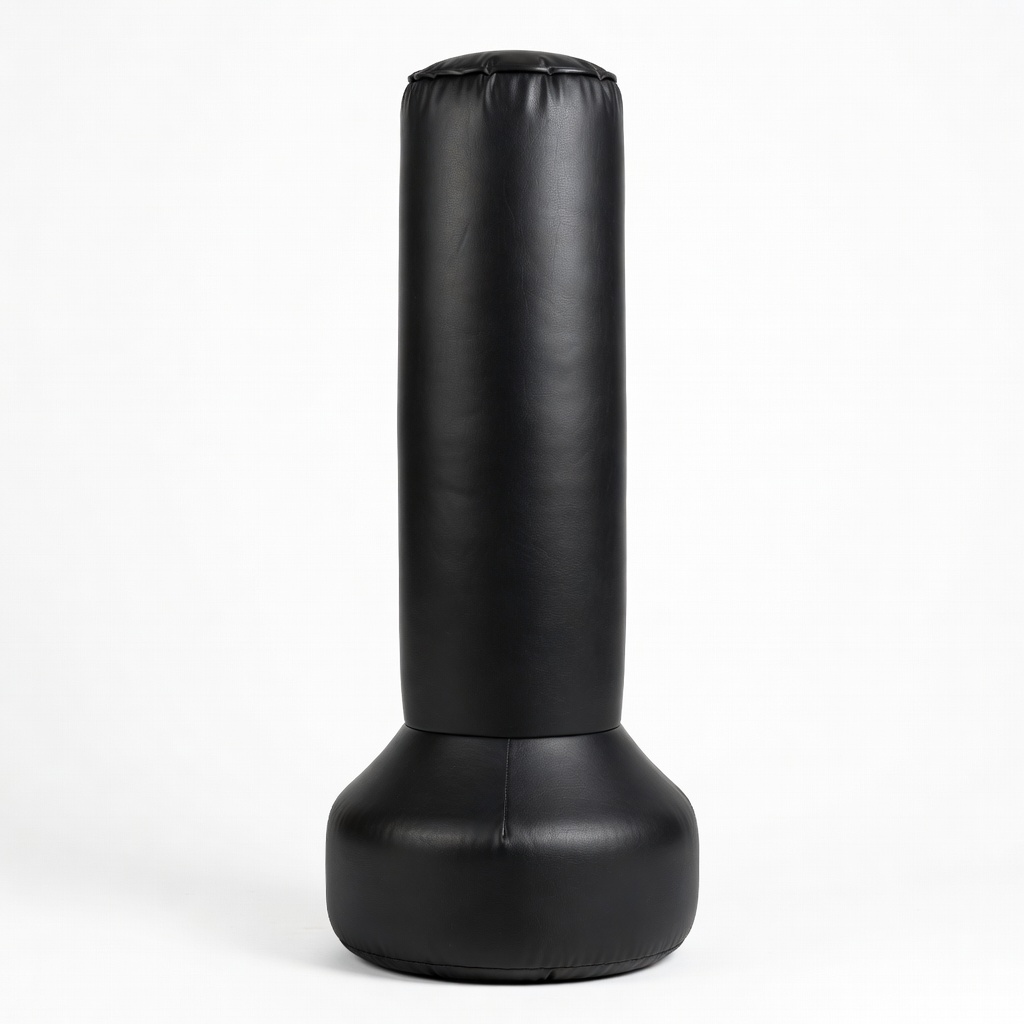
Perfect entry for newbies with easy fill base and soft surface that forgives misses. Sets up in 20 mins, no tools, ideal for apartments. Stable at full weight without floor damage.
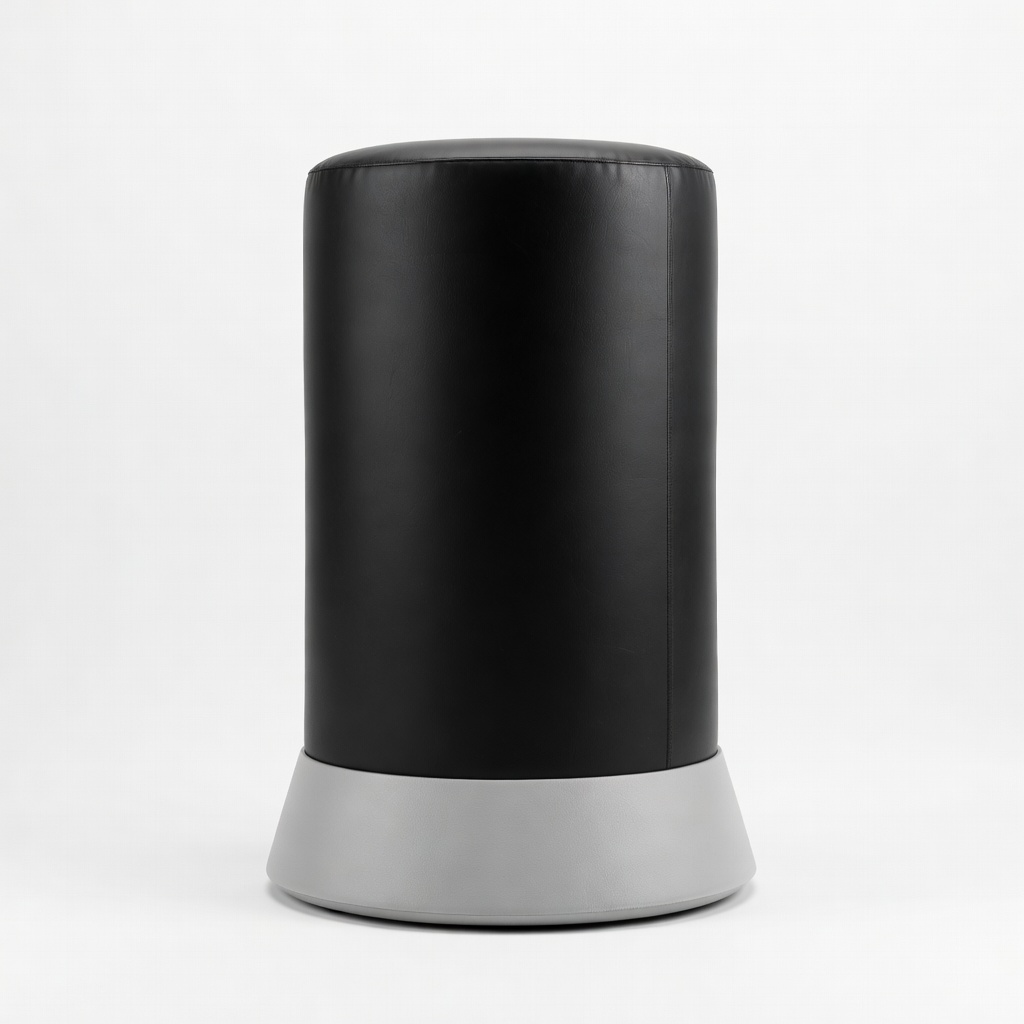
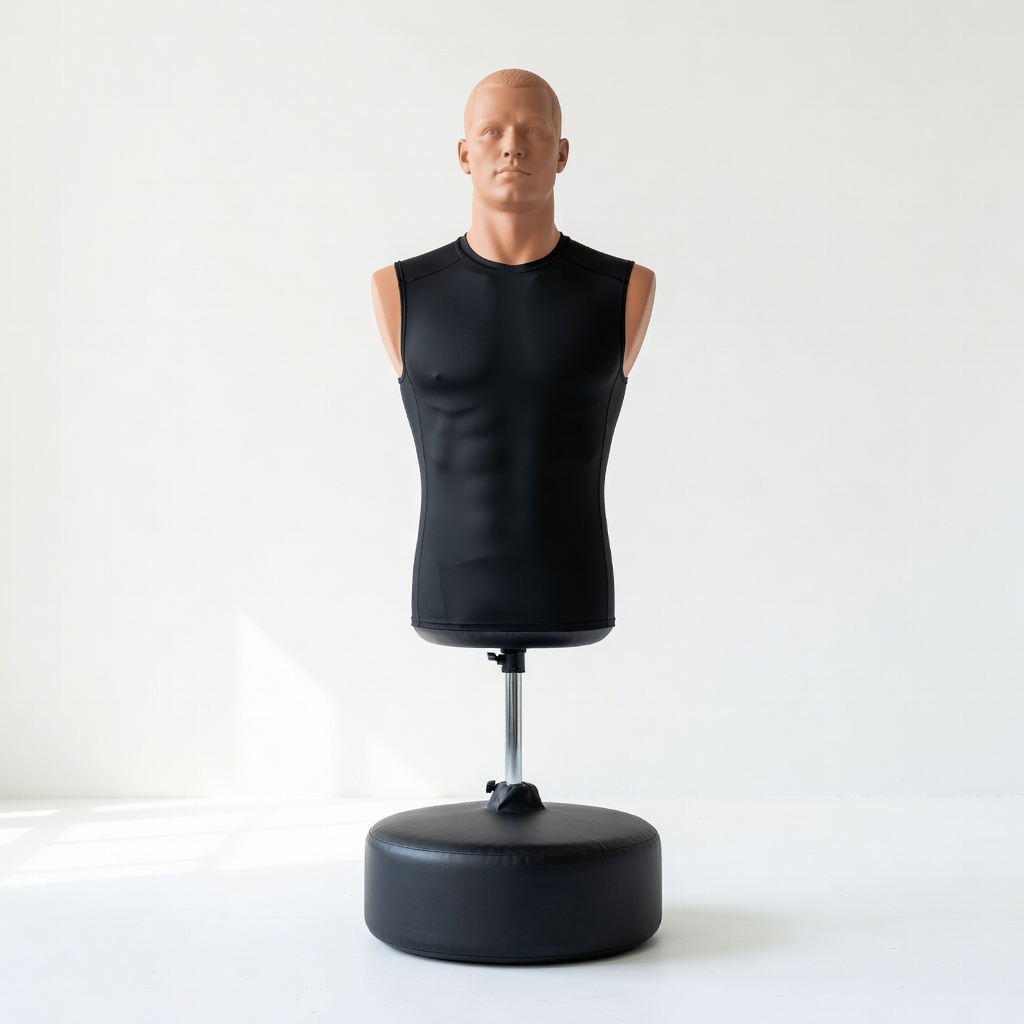
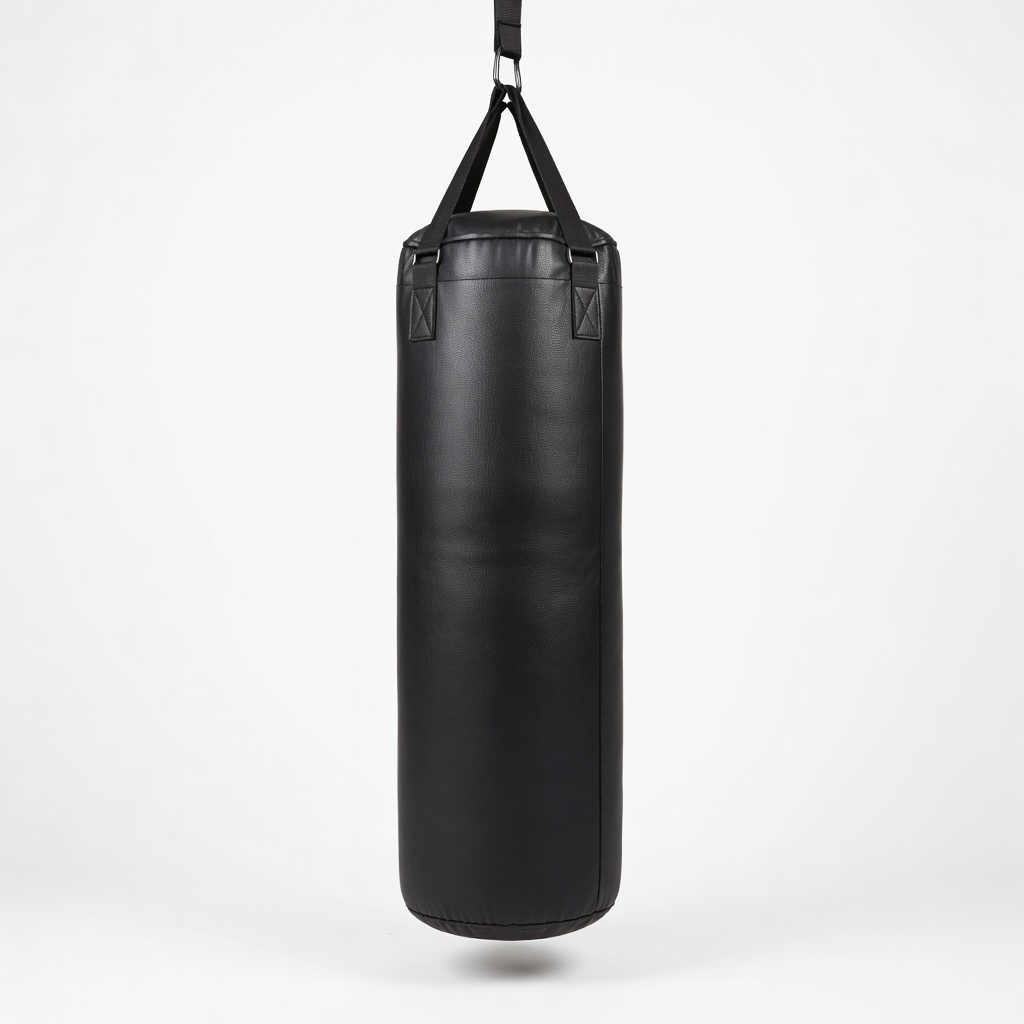
A boxing bag is a padded cylinder you punch to build power, speed, and cardio at home. Types: Freestanding (best for beginners - portable, no install), hanging heavy bags (stable but needs ceiling beam), speed bags (too advanced for rhythm newbies).
Freestanding wins for starters: Move anywhere, forgiving base, realistic for home boxing workouts. Expect 20-30 min sessions building stamina, not pro sparring. 'Beginner-friendly' means quick setup (under 30 min), stable on carpet/tile, and multi-surface (head/torso for hooks/jabs).
Marketing traps: 'Pro-grade' often means stiff/hard - bad for hands. Evaluate by filled weight (heavier = stable), user height match, and video demos showing wobble tests. Realistic: You'll bruise knuckles first week without wraps, but improve fast.
🔧 Essential Accessories for Beginners
Sanabul Essential Gel Boxing Gloves 16oz
⚠️ Essential
$19.99
When to buy:
Day one
Protects hands/knuckles from bruises - beginners punch wrong first weeks. Gel padding absorbs impact better than cheap foam.
Ask: Space? (Freestanding for <10x10 ft room). Budget? Goals? (Cardio/fun vs strength). Renters? (No hanging). Start here: Freestanding under $250 for most.
Budget: Under $150 try it out; $150-300 sweet spot (durable, grows with you); $300+ premium stability. Scenarios: Apartment - freestanding; Garage - hanging OK. Go budget if testing interest; recommended for commitment; premium if serious/home gym.
Red flags: Inflatable-only bases (tip easy), no-fill options, under 100 lbs filled, poor reviews on stability. Test growth: Bag should handle 3-6 months daily use before upgrade.
💰 Budget Guide for Beginners
450+
Advanced entry - Custom fills/heavy pro bags for dedicated starters
150 - $300
Sweet spot - Stable, durable for most beginners, lasts 1+ years with growth room
Entry level - Basic freestanding to test waters, may wobble or need upgrade in months
⚠️ Common Beginner Mistakes to Avoid
Beginners grab $50 inflatables from TikTok hype, then complain of tipping (Reddit r/homegym full of stories). They punch bare-knuckled thinking 'tough,' ending in ER visits. Why? Shiny ads ignore basics like stability.
Avoid: Read 'filled weight' specs, buy kits with gloves. Instead: Start freestanding, wrap hands (YouTube 2-min tutorials). Experienced users say: 'Spend $200 once, not $50 thrice.' Test stability in reviews/videos.
×Buying inflatable-only bags that tip on first hard punch
×Skipping gloves/wraps and bruising hands day 1
×Choosing hanging bags without ceiling check
×Going too cheap - tears after weeks
×Ignoring space - bags too big for room
×Overbuying pro leather (stiff, expensive)
×Not filling base fully - constant wobble
×Forgetting floor protection - damages apartments
📈 Your Progression Path: Beginner to Intermediate
Week 1-4: Learn stance/jab/cross on bag 10-15 min/day, focus form via mirror. Add footwork/jump rope. Track punches in notebook.
Months 2-6: Hooks/uppercuts, 30 min sessions 4x/week. Outgrow when bag wobbles excessively or you want speed bag/body opponent.
Upgrade signs: Consistent combos, no hand pain, want partner drills. First: Better gloves, then speed bag. Most stay beginner 3-6 months; intermediate = mitt work/classes. Progress slow - consistency beats intensity.